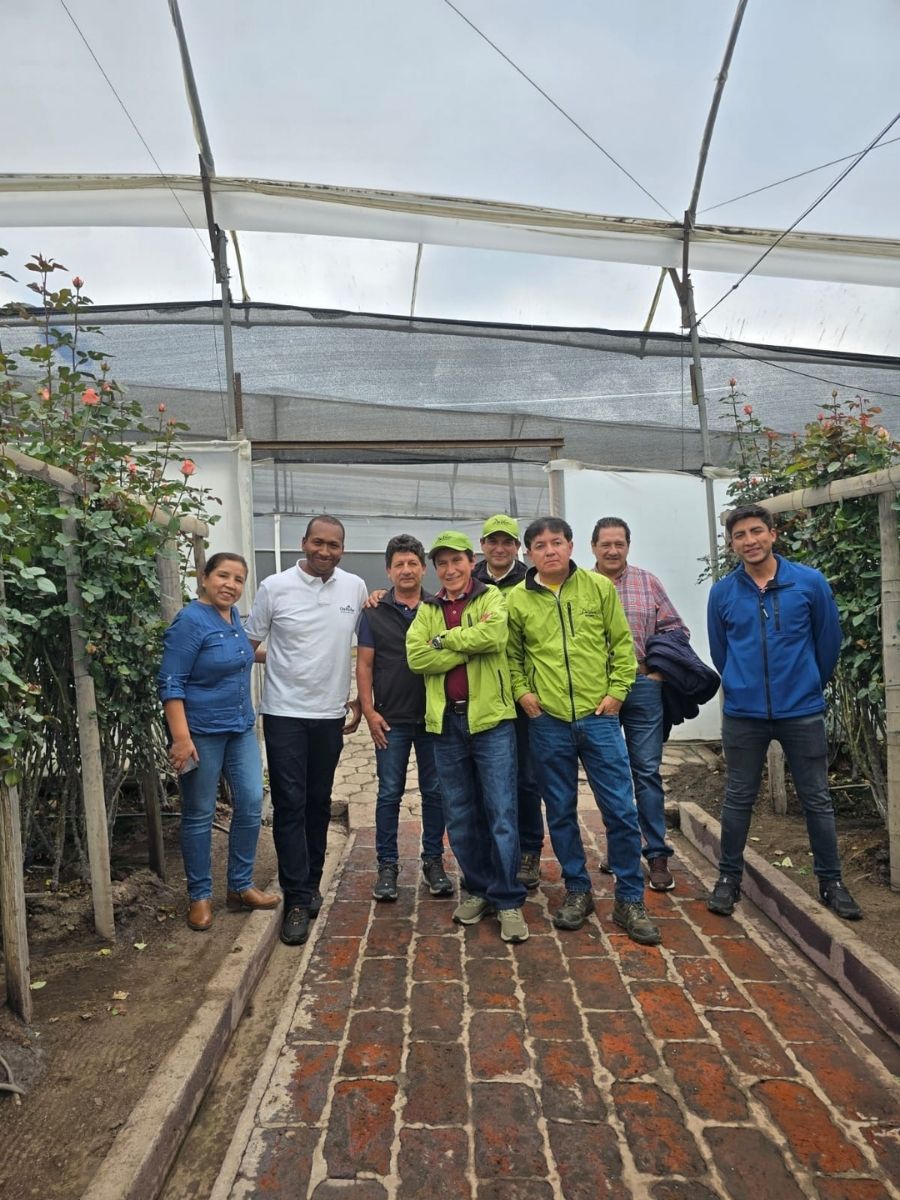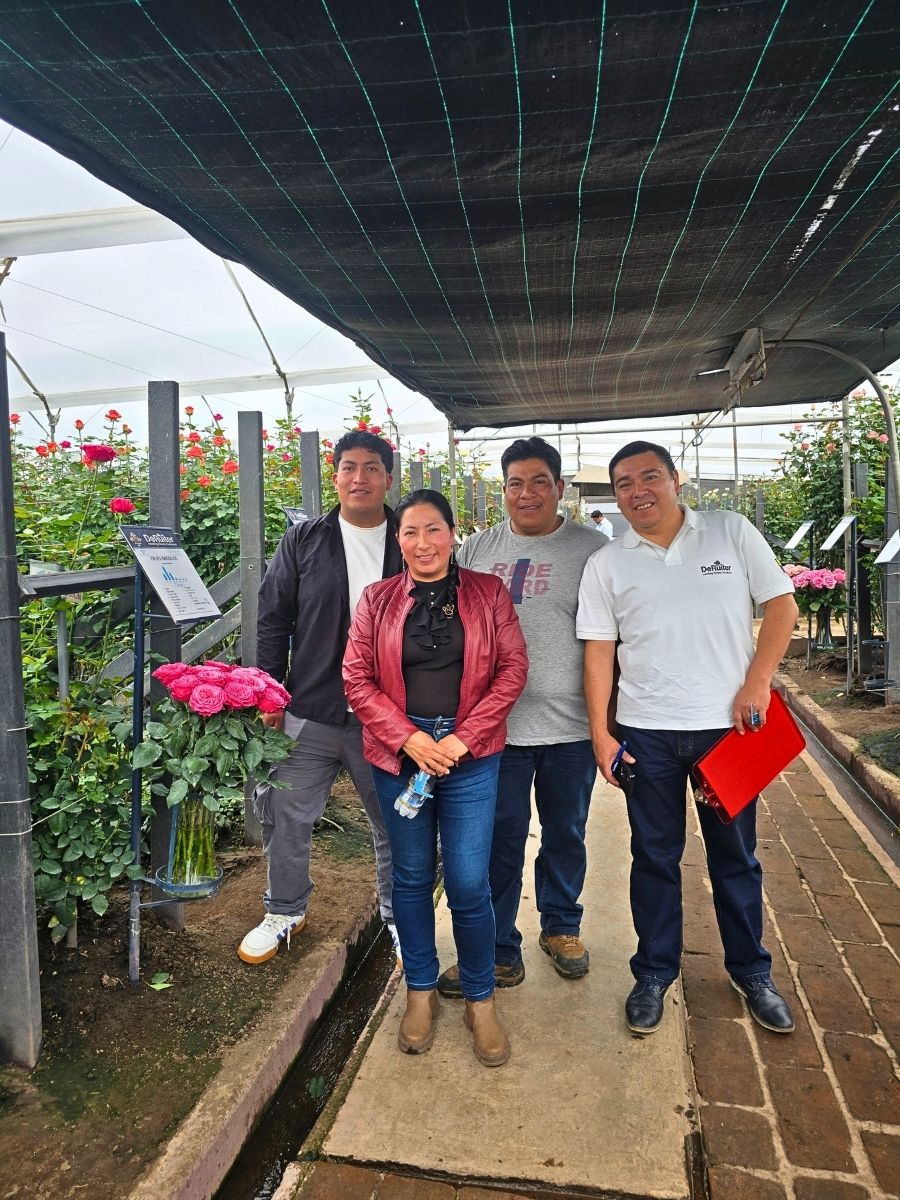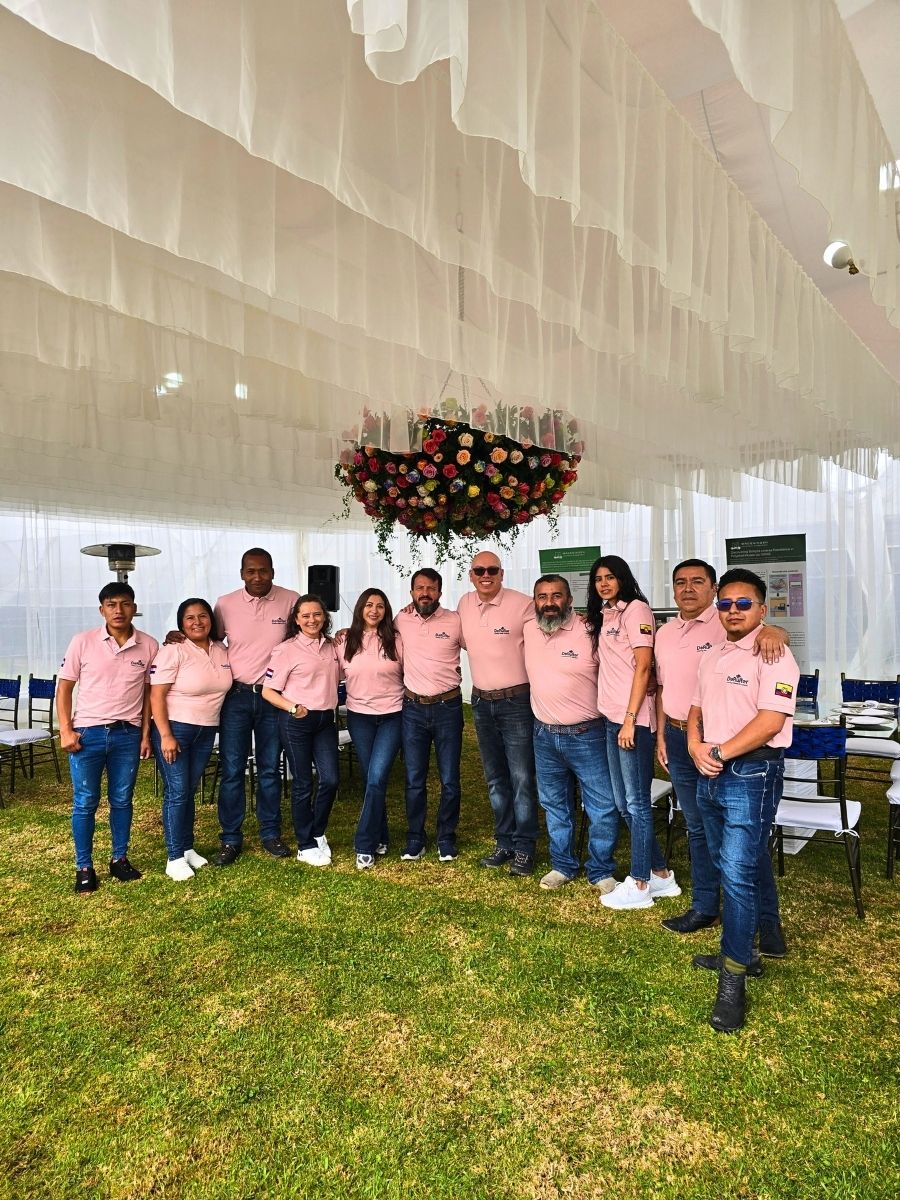
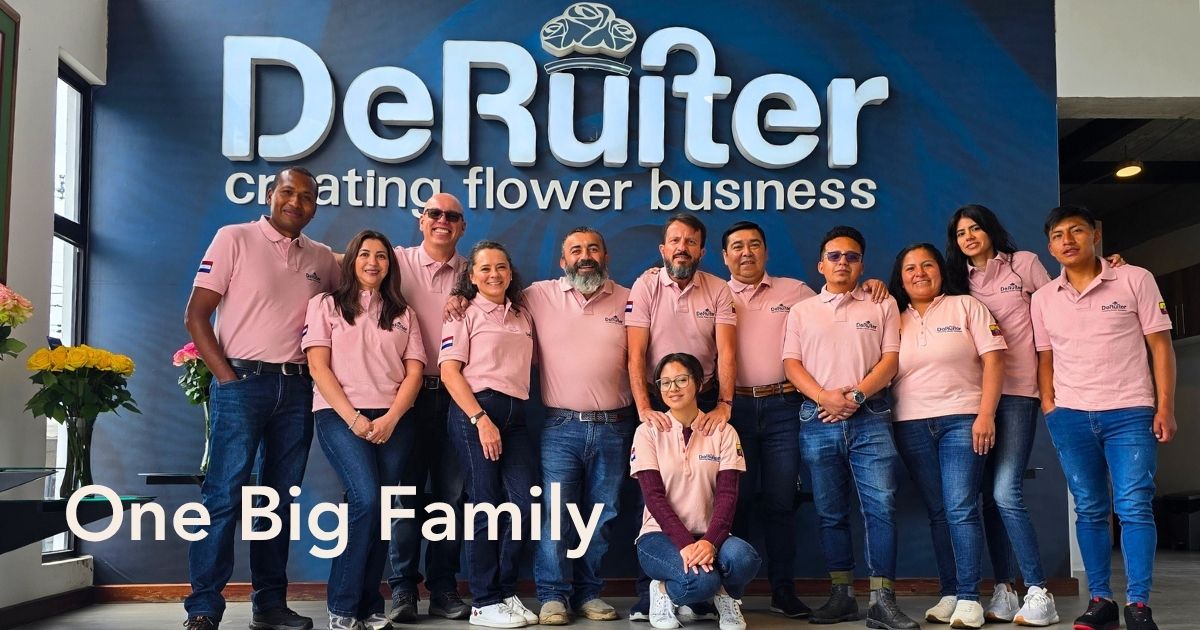
After a period filled with activity, including both the Open House and the intense code selection week, the Ecuador team opened its doors to the industry. What followed was not only a strong turnout but also a clear signal of where the market is moving.
Good things in floriculture rarely happen in isolation. They happen in greenhouses, in conversations between growers, and in those moments where a variety is no longer just a promise. During De Ruiter Ecuador's Open Days, growers made decisions. It was not as a showcase alone, but a working space where genetics, market needs, and grower intuition met face to face.
Who Attended the De Ruiter Ecuador Open Days?
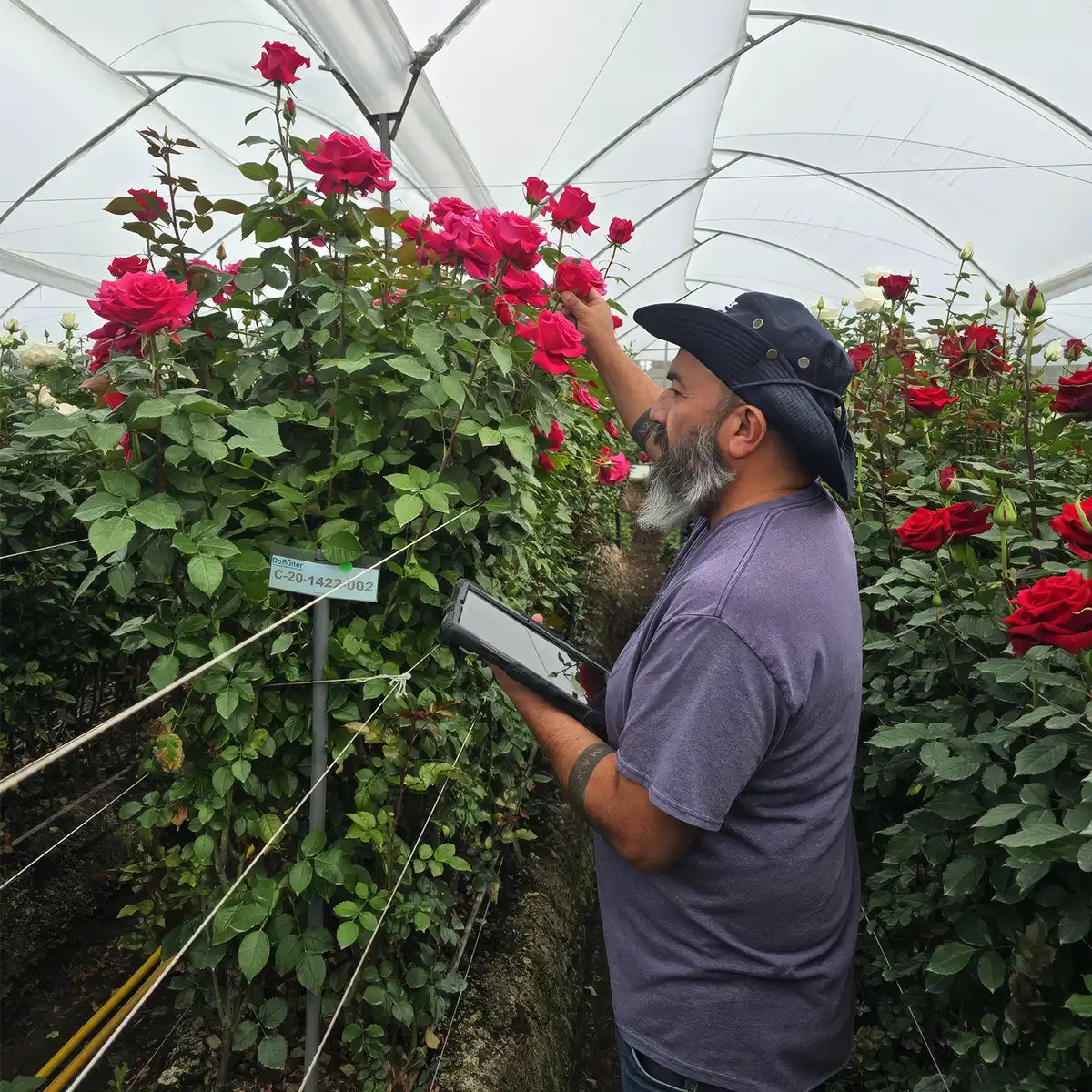
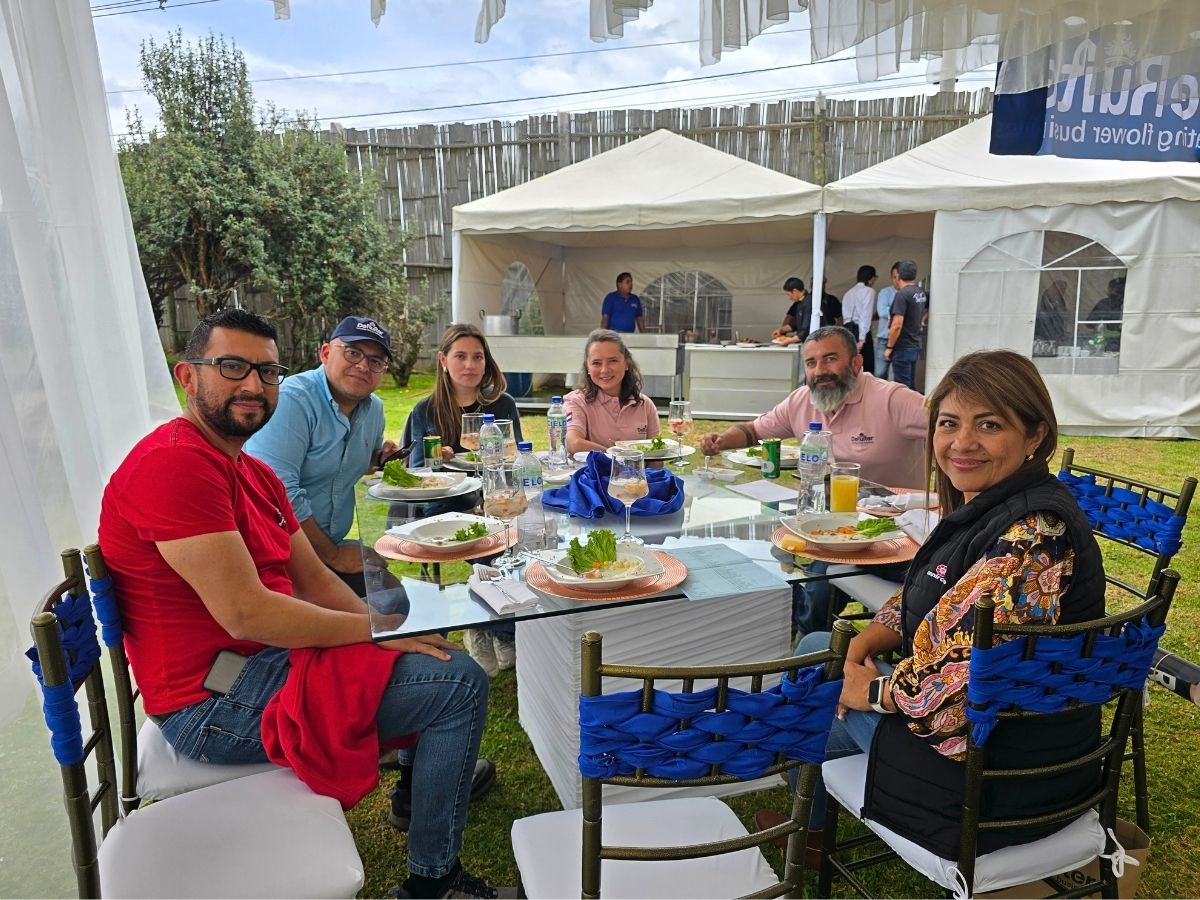
The numbers tell a story, but the atmosphere behind them tells even more. In total, 110 companies were present, with over 405 attendees walking through the trials and greenhouses. The majority came from active farms, representing the production companies that are directly shaping the future of roses in the region.
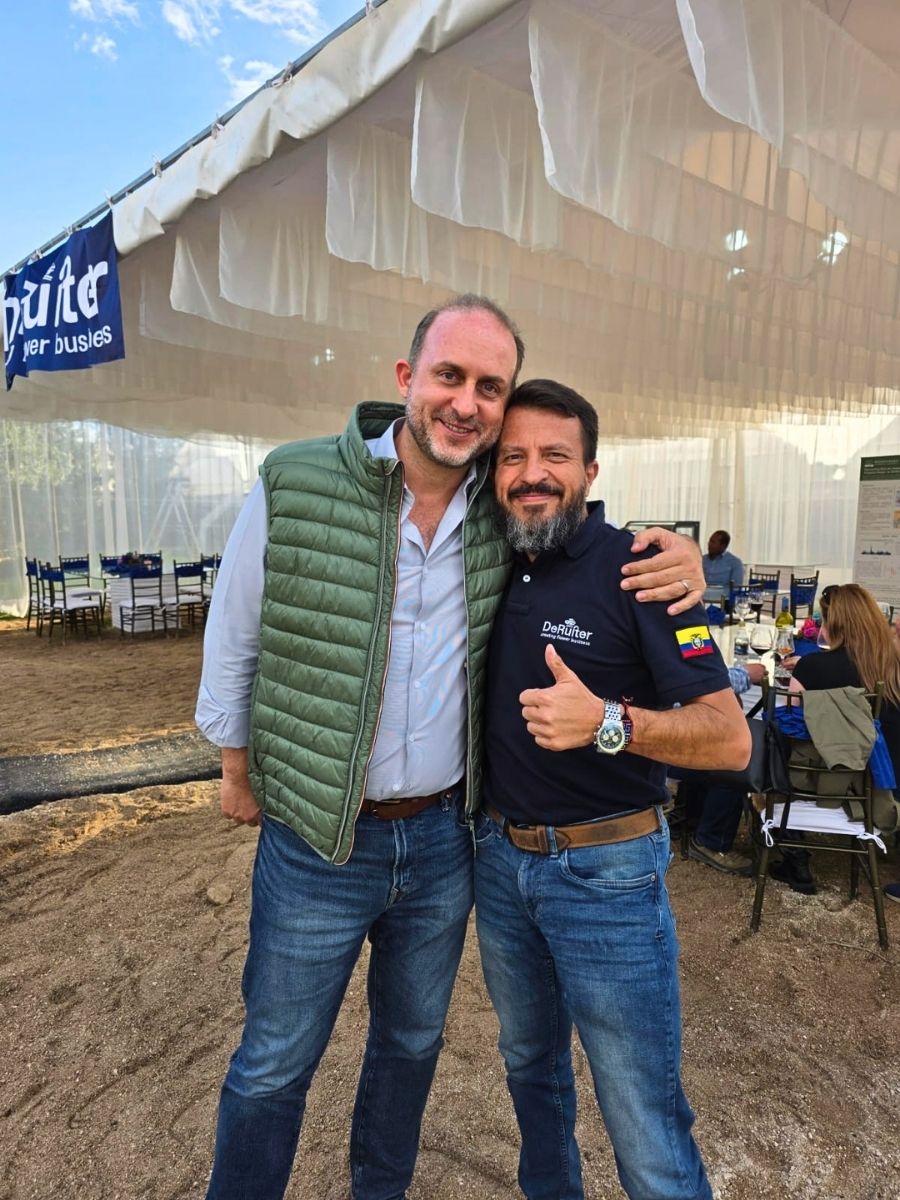
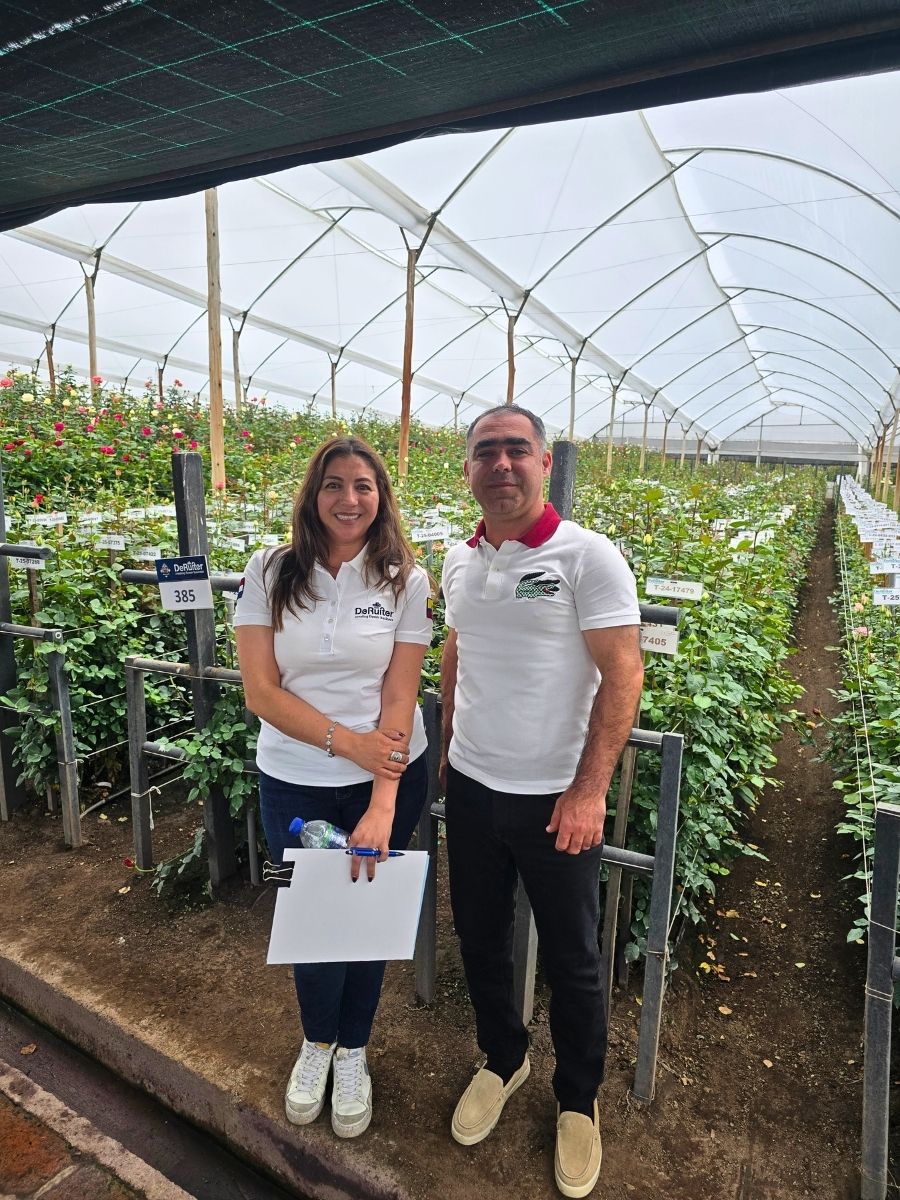
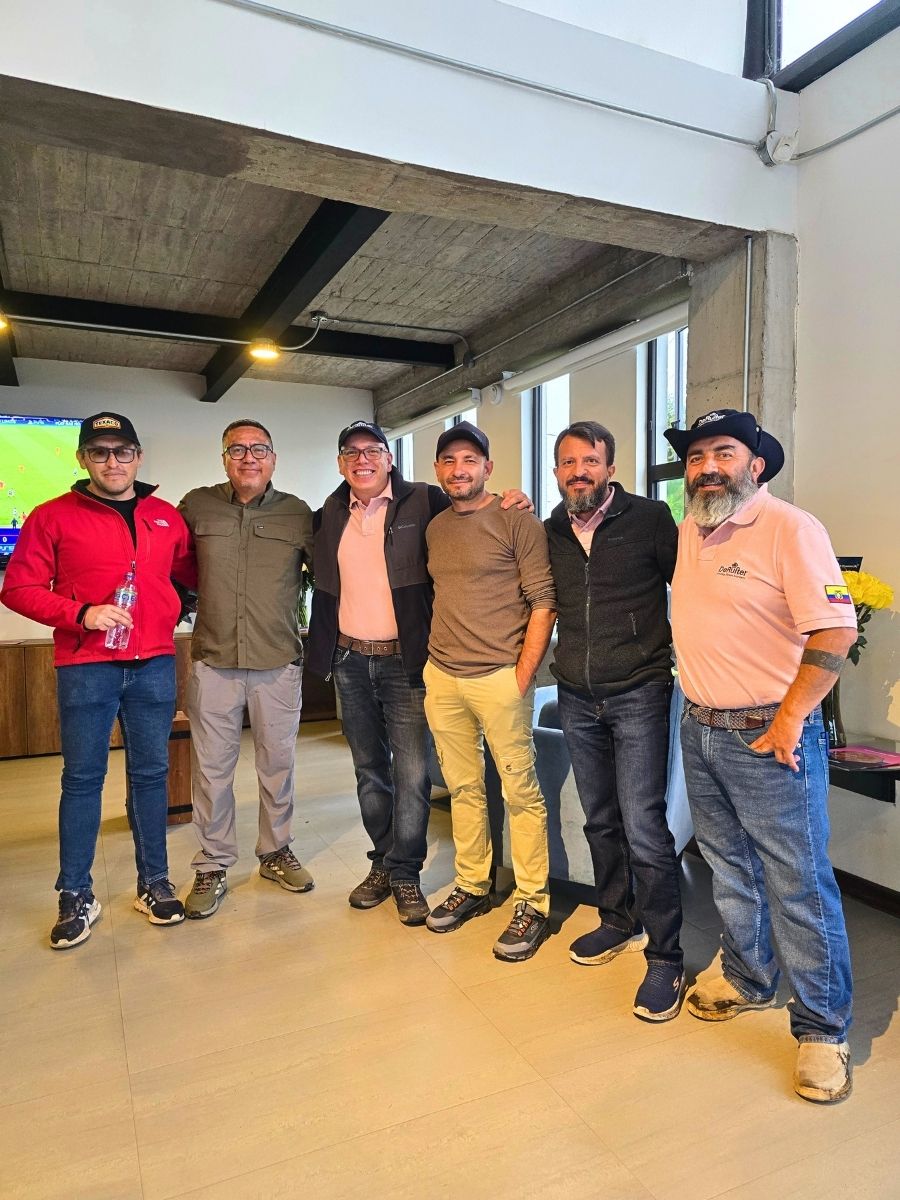
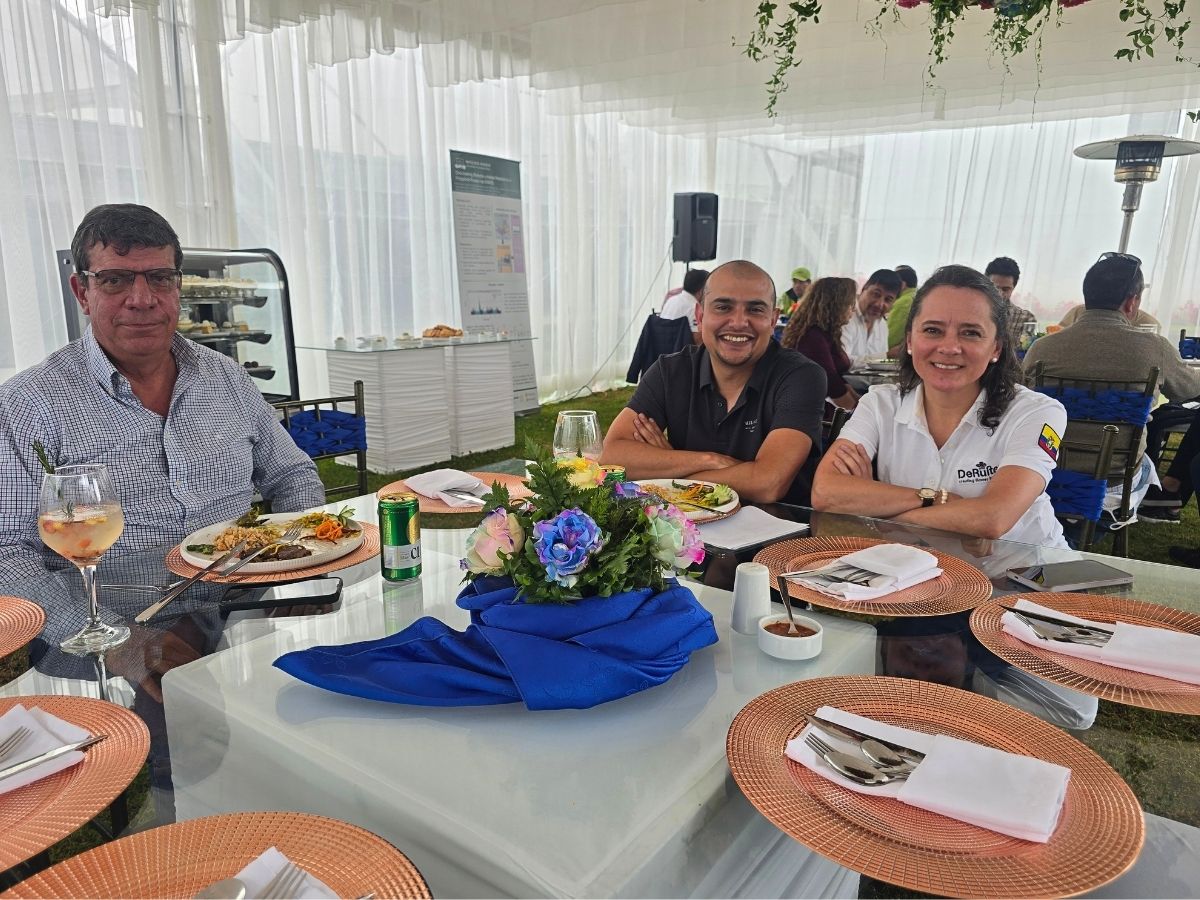
With 98 growers and 12 traders, the focus was clearly on making real production decisions. Thursday stood out as the busiest day, welcoming 115 attendees, a reflection of how important these moments are in the decision-making calendar of farms.
From Interest to Commitment – Strong Commercial Results
What makes Open Days truly valuable is not just interest, but action. Out of all attending farms, many placed orders. So a strong conversion that confirms confidence in the genetics presented.
Many new plants were requested. This is a good signal. It shows that growers are not only exploring, but actively investing in varieties that they believe will perform under real conditions, in real markets.
This is where De Ruiter’s strength becomes visible not just in breeding, but in delivering varieties that growers trust when it matters most.
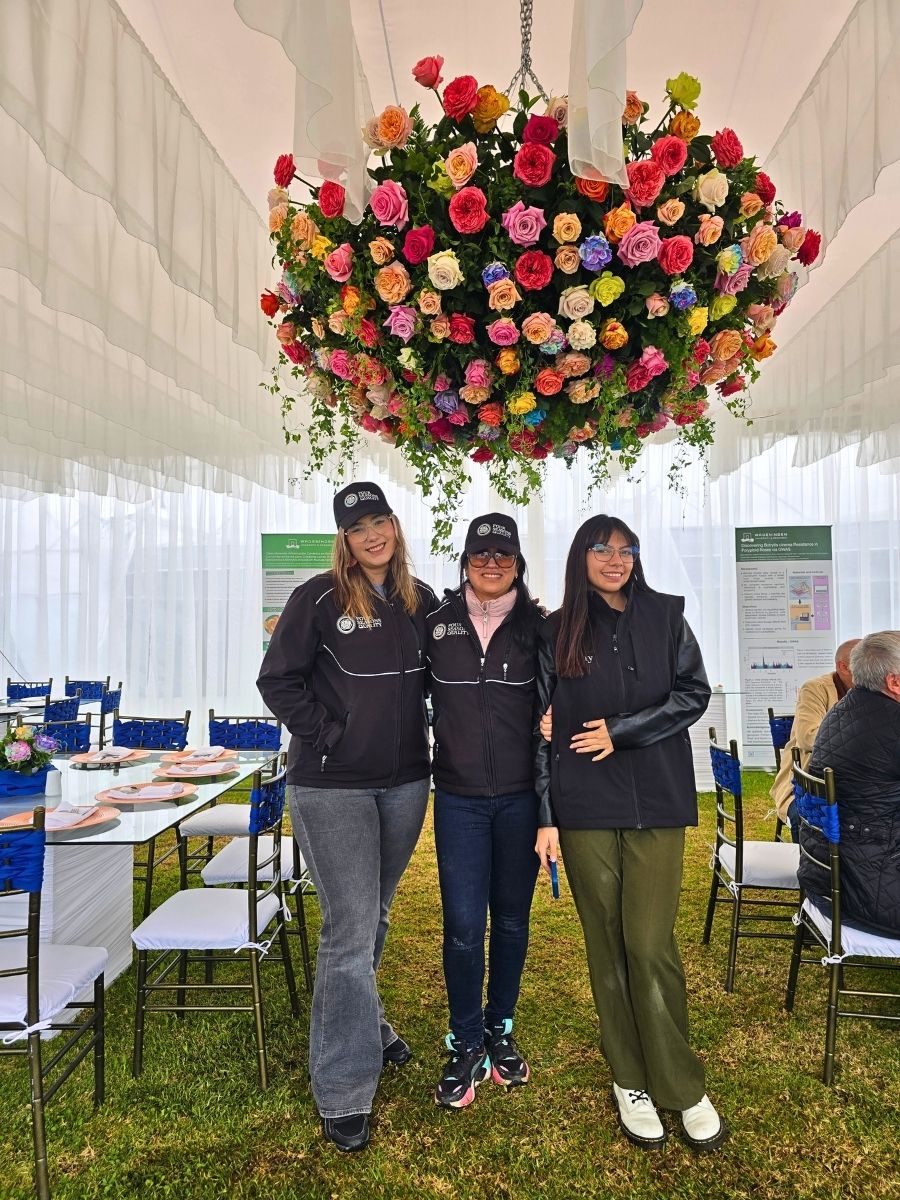
Which Rose Varieties Stood Out During the Open Days?
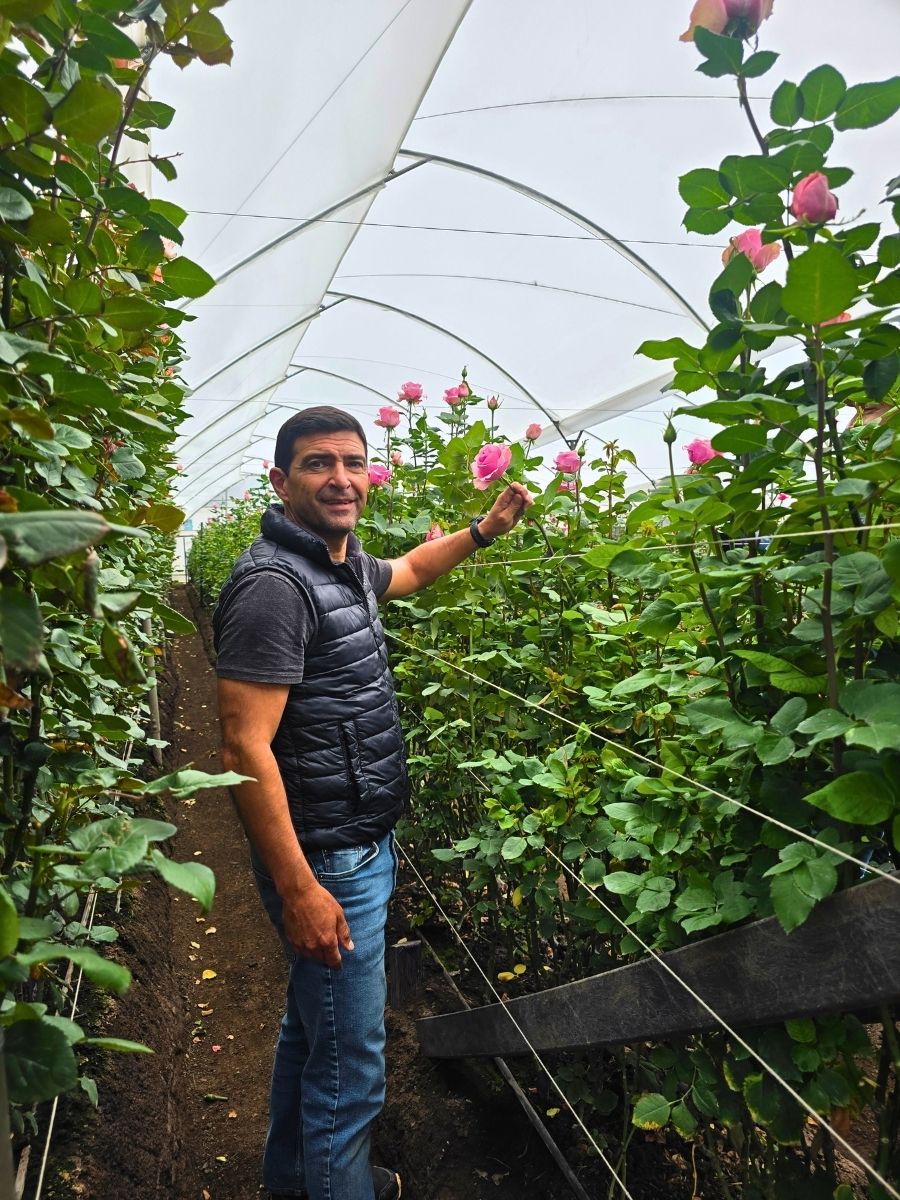
Looking at the top-requested varieties gives a clear view into current preferences. The X-pression and Enigma lines continue to perform strongly, showing their relevance across different markets and segments.
More than 80 varieties and codes were shown. The most requested variety was Romance X-pression, followed closely by Rose Enigma and Island X-pression. These varieties combine strong visual identity with reliable performance, something growers are clearly prioritizing.
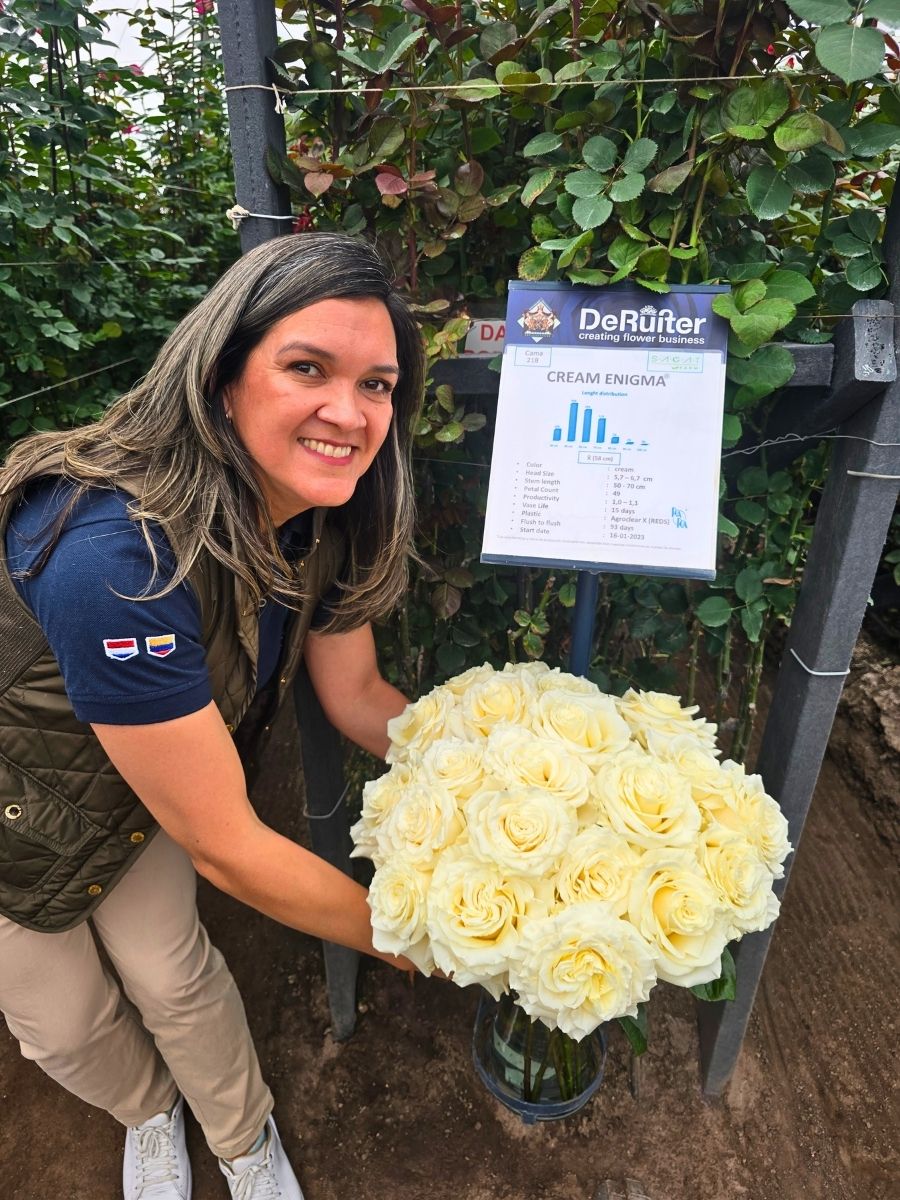
At the same time, experimental codes and newer selections also gained attention. White and hot pink-coded varieties show that growers are actively searching for the next step forward, not only relying on proven names.
Other notable mentions include Pink Punk, Deruiter’s Golden Beach, Juicy X-pression, and Orange Enigma, each bringing a different color story and positioning potential into the mix.
What Do These Results Say About the Market?
There is a clear balance visible between stability and curiosity. Growers are choosing varieties that are already known for their performance, while also testing new genetics that could respond to changing consumer demands.
Color remains an important driver, but not without context. Hot pinks, warm tones, and expressive varieties are gaining ground, yet always with a focus on productivity, vase life, and consistency. The decision is never just about beauty. It is about business.
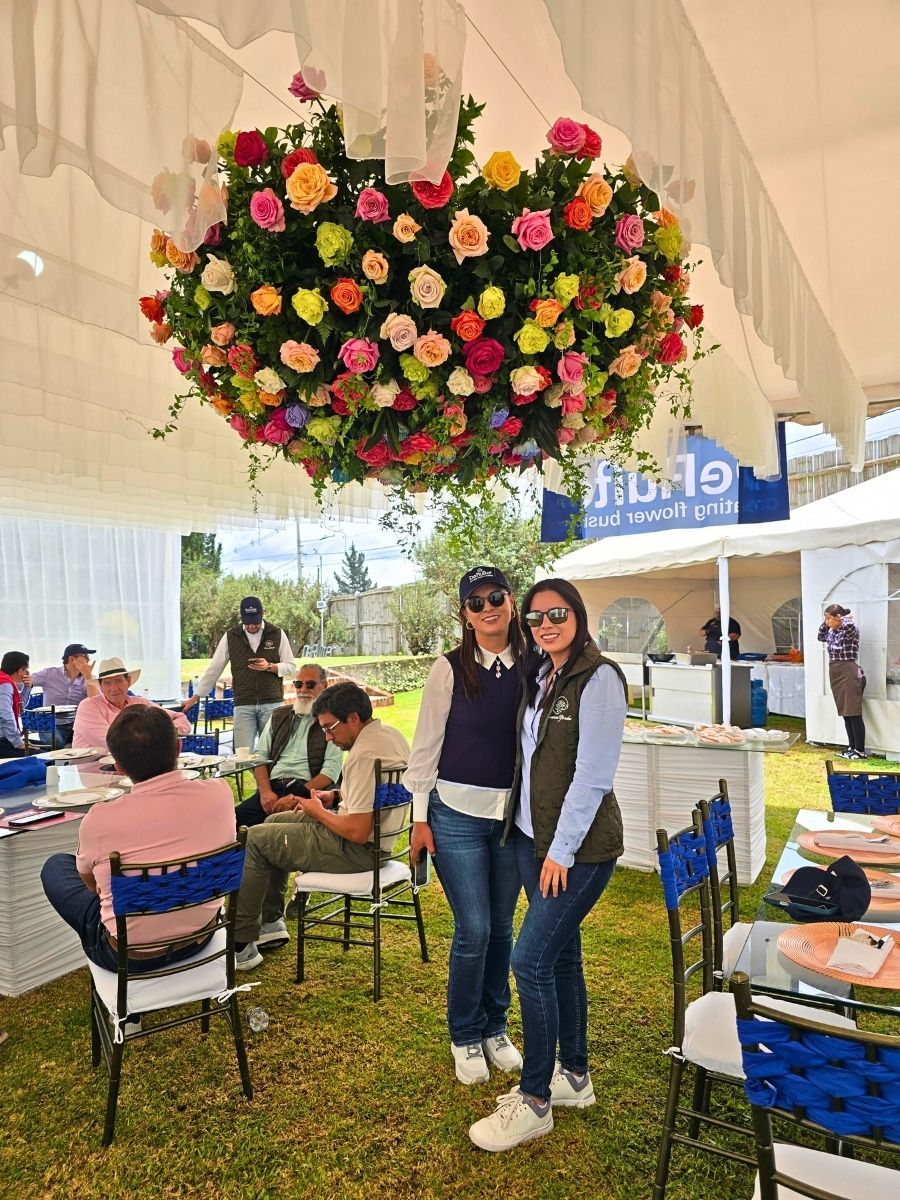
At the same time, the presence of code varieties in the top 10 shows confidence in the breeding pipeline. Growers are willing to invest early when they feel they potential is there.
A Moment That Reflects the Future of Rose Breeding
The De Ruiter Ecuador Open Days were not just about showing varieties. They were about validating them. In front of the people who grow them, sell them, and depend on them.
With strong attendance, clear commercial results, and a diverse selection of requested varieties, this edition confirmed something important. The connection between breeder and grower is still the most valuable moment in the chain. It is where decisions are made, and where the future of the market quietly takes shape.
And if these days in Ecuador showed anything, it is that the industry is moving forward with both confidence and curiosity, exactly where it needs to be.