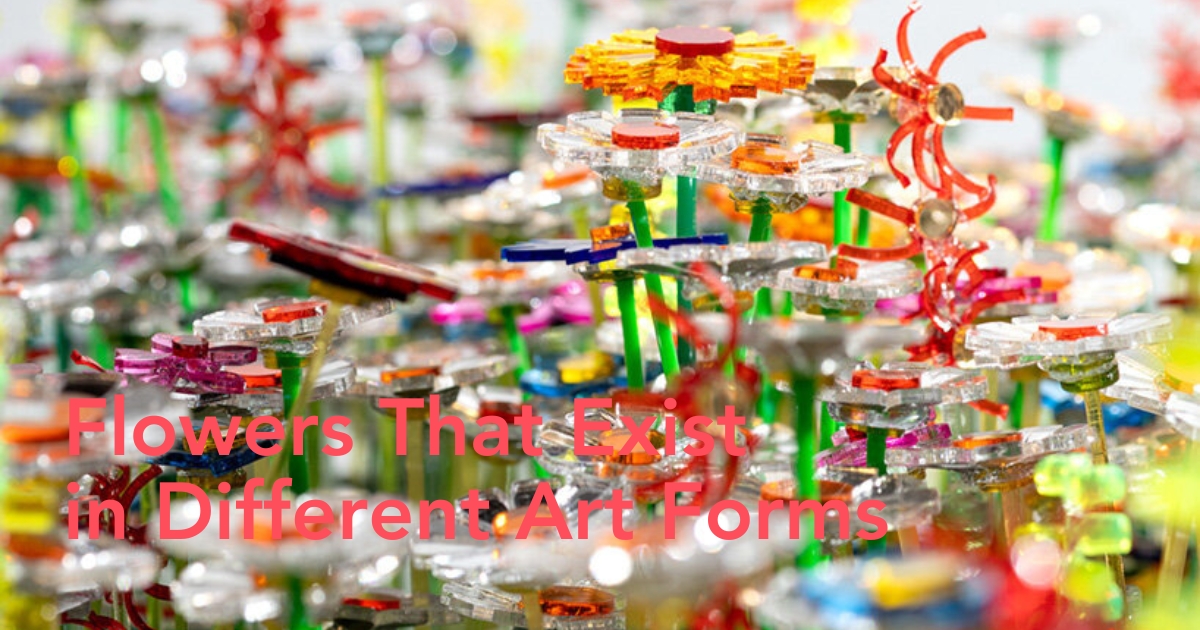
In Eindhoven, Studio mo man tai transforms demographic data into an experiential field of light and reflection with Reflecting Diverseness, an installation of 8,800 mirrored flowers that makes statistical information visible as a shimmering, walk-through landscape. You might be wondering what they look like... the final result is in the pictures below!
Dutch Demographics Are Reflected in a Shimmering Field of Flowers
A meadow of 8,800 mirrored flowers sounds like a fantasy, but for Studio mo man tai, it becomes a data-driven portrait of the Netherlands. Their installation, Reflecting Diverseness, transforms national demographic figures into a glowing landscape where light, reflection, and statistics fold into one another. What begins as a glittering visual display reveals a precise socio-political dataset, rethinking how information can be felt before it is understood.
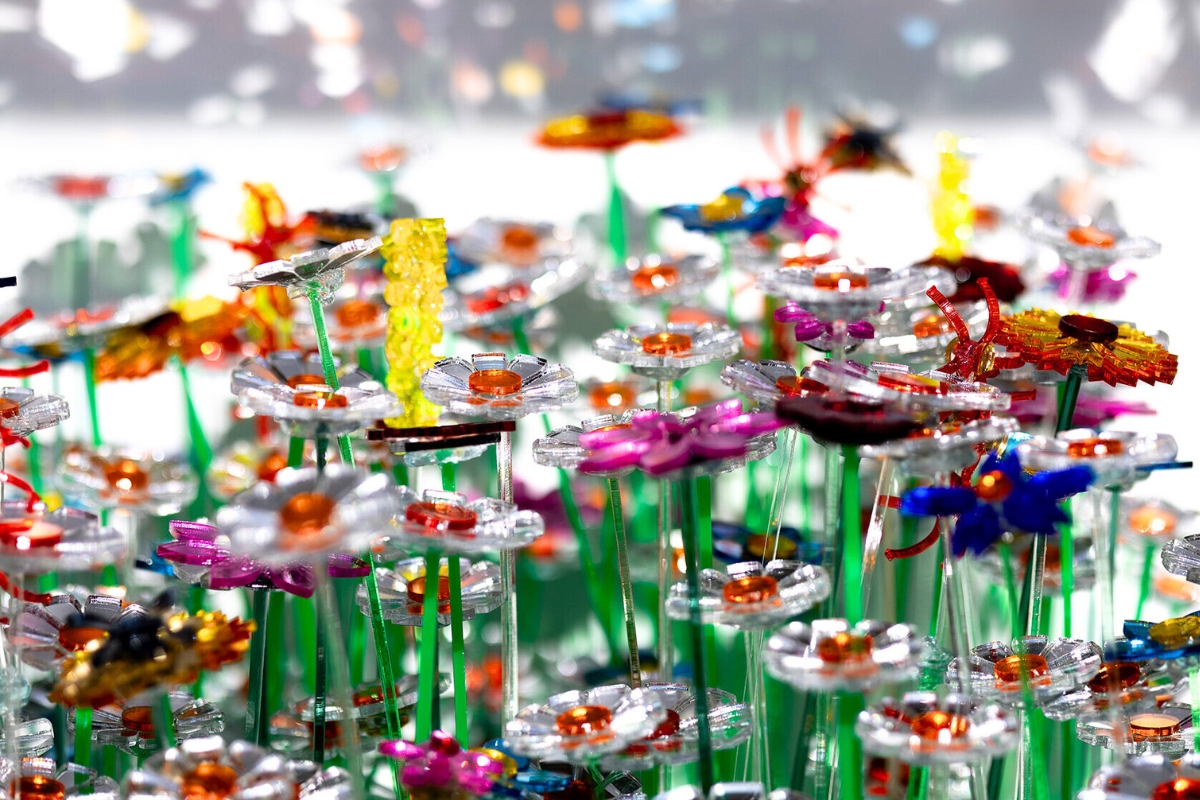
Instead of presenting numbers through charts or graphics, visitors step into a darkened space where every mirrored petal scatters light across the room, only later discovering that each flower represents a distinct group within the country’s population. The result is a work that disarms through beauty, then invites reflection using sensory surprise to re-engage with themes often flattened by repetitive or misleading communication.
8,800 Mirrored Flowers Compose Reflecting Diverseness
Eindhoven-based studio mo man tai recasts statistical data on the Netherlands’ population into a luminous landscape of more than 8,800 mirrored flowers. Titled 'Reflecting Diverseness', the installation transforms socio-political figures from the Centraal Bureau van Statistiek (CBS) into a vast, pixelated meadow where every flower corresponds to a specific demographic group. Roughly one in four residents of the country has (partial) origins outside the Netherlands, while 72.1 percent have two parents born locally; this balance between multiplicity and rootedness becomes the conceptual backbone of the work.
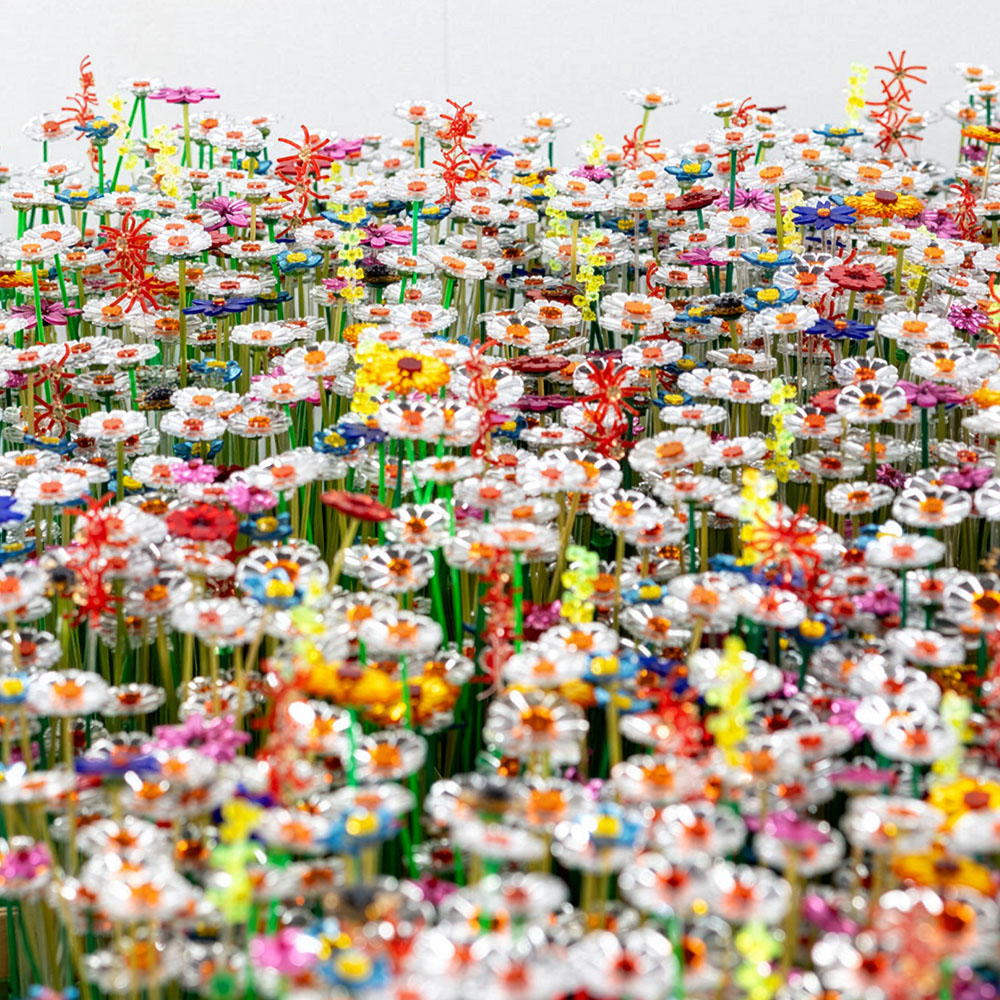
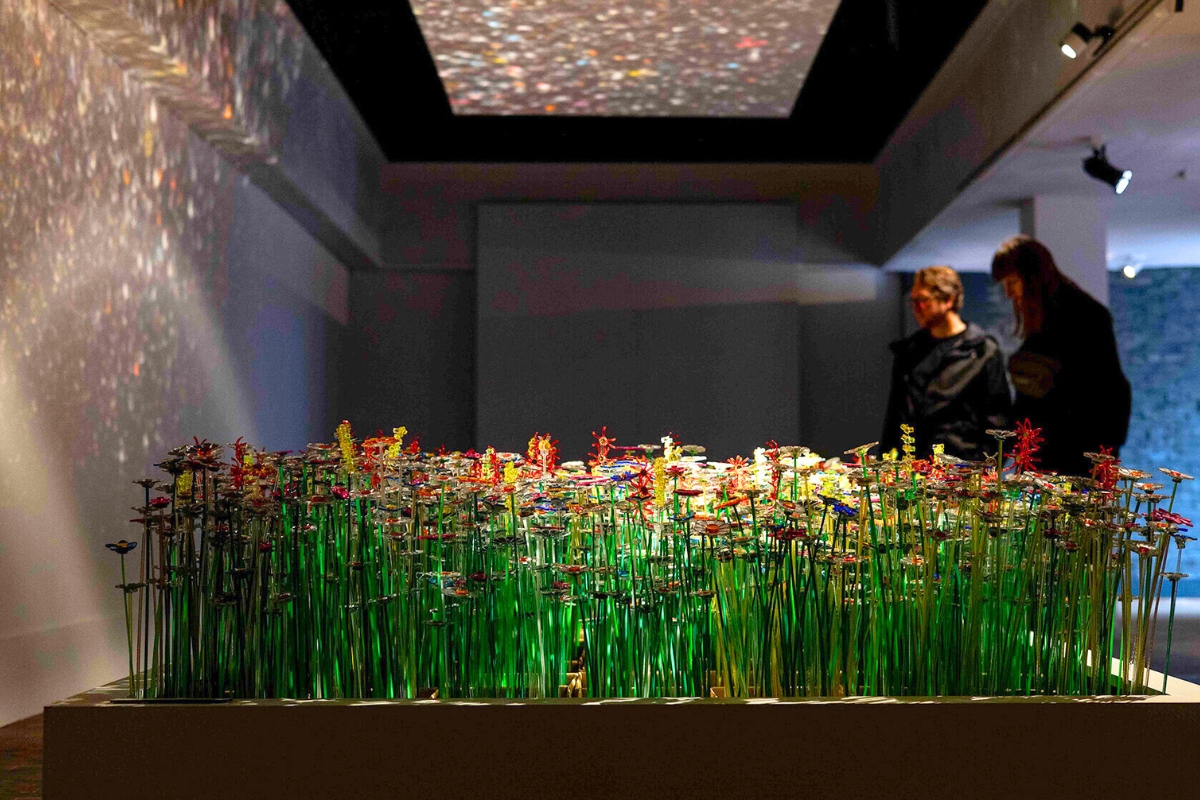
Entering the dimly lit space, viewers encounter a bright expanse of mirror fragments, arranged into flower-like forms and densely assembled across the floor. The initial reaction is almost always visual as phones rise, selfies snap, and the iridescent surface of the field becomes a great background. It is only afterwards, through conversation or a closer look, that the underlying dataset emerges. The studio considers this moment of delayed recognition essential. The installation challenges how socio-political information is typically communicated, often repetitively and sometimes manipulatively, and suggests that unfamiliar visual languages can restore attention, nuance, and curiosity.
Studio Mo Man Tai Reuses Discarded Acrylic
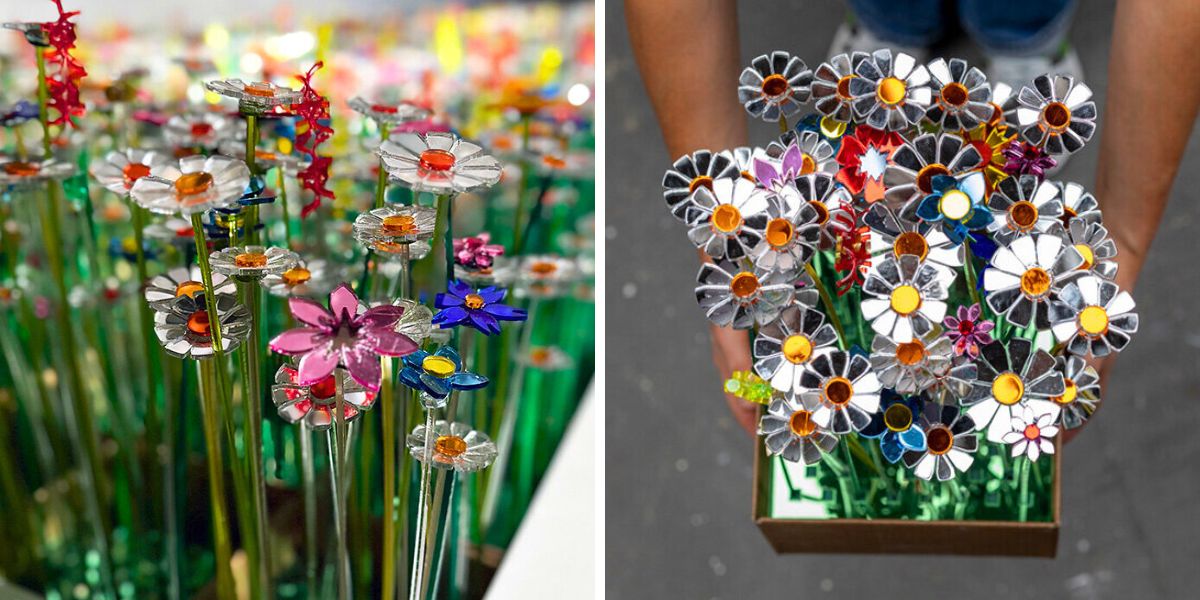
The project continues the studio’s long-running practice of translating datasets into experimental, optimistic visual forms. Here, leftover acrylic mirror sheets act as both medium and message. Laser-cut shapes, organized to minimize waste, are assembled by hand into flowers whose facets fracture and scatter light across the room. Under a few strategically positioned spotlights, the mirrored meadow comes alive with glimmers that shift as viewers move. This intentional visual lightness offsets the seriousness of the theme, creating an encounter that is playful at first glance but grounded in real demographic complexity.
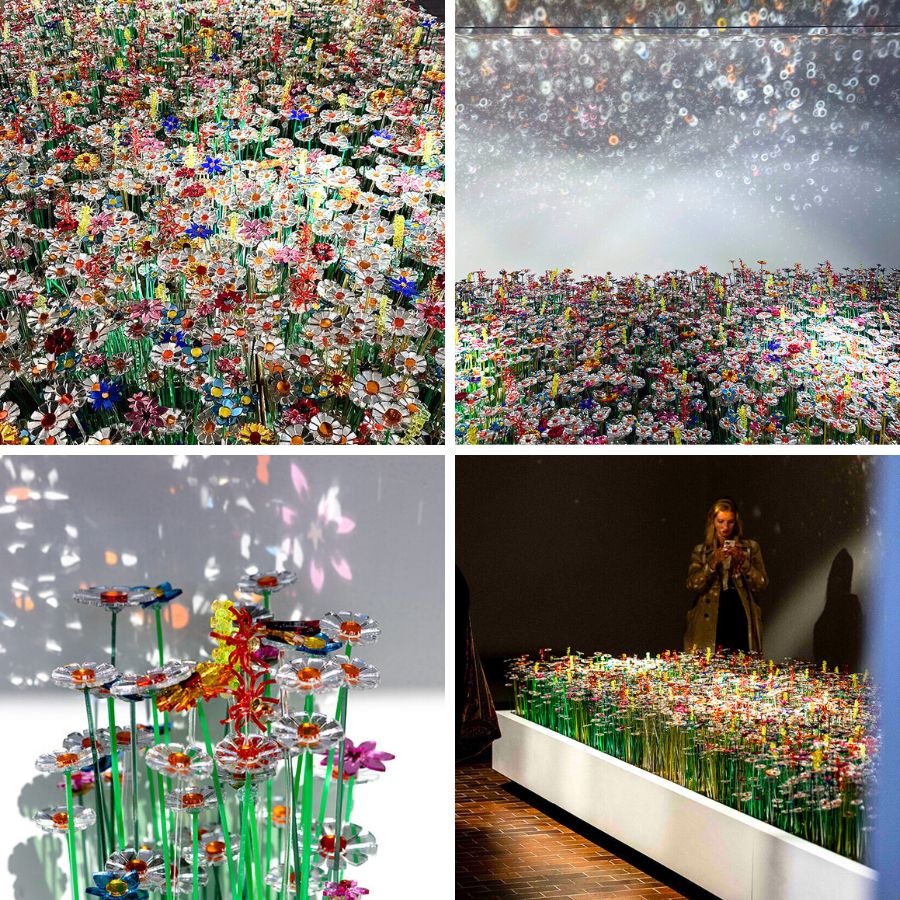
Sustainability is folded into the idea. What was once discarded material becomes part of a choreographed system of reflections. Each petal catches highlights differently, producing waves of sparkle that animate surrounding surfaces. The resulting atmosphere feels almost unreal, an environment in which statistics become sensorial. The studio frames this approach as a confrontation with resourcefulness, perception, and skills.
The physical installation is constructed from 175 numbered boxes, each containing 50 flowers that represent a statistical cross-section of the Dutch population based on 2024 CBS data. After its presentation at Pennings Foundation, a selection of these boxed sets will be available at the Fenix museum shop in Rotterdam, with additional sets purchasable directly from the studio. Each box includes a certificate of authenticity and contextual information, preserving the dual nature of the work as both data visualization and crafted collectible.
Photos: @studio.mo.man.tai.