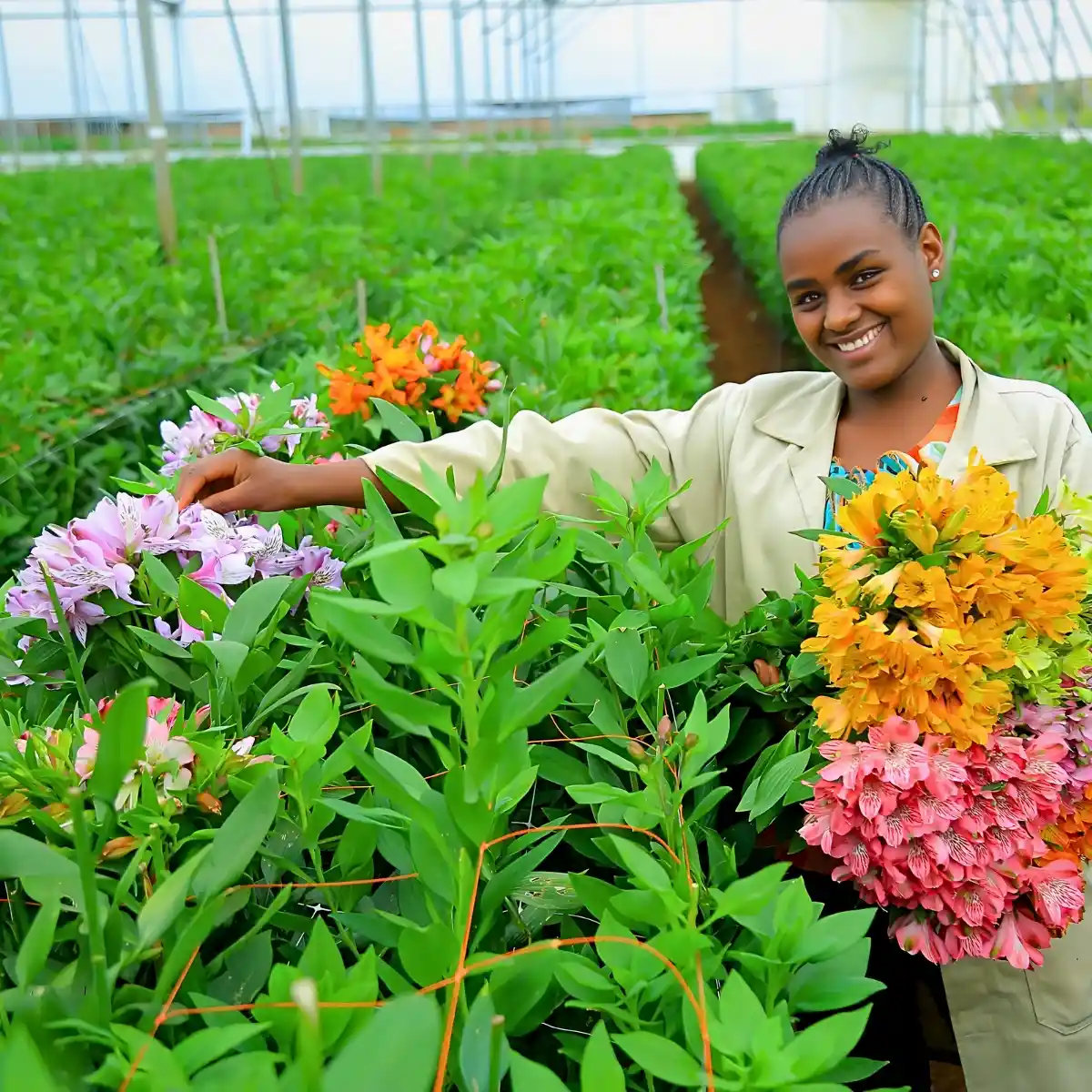
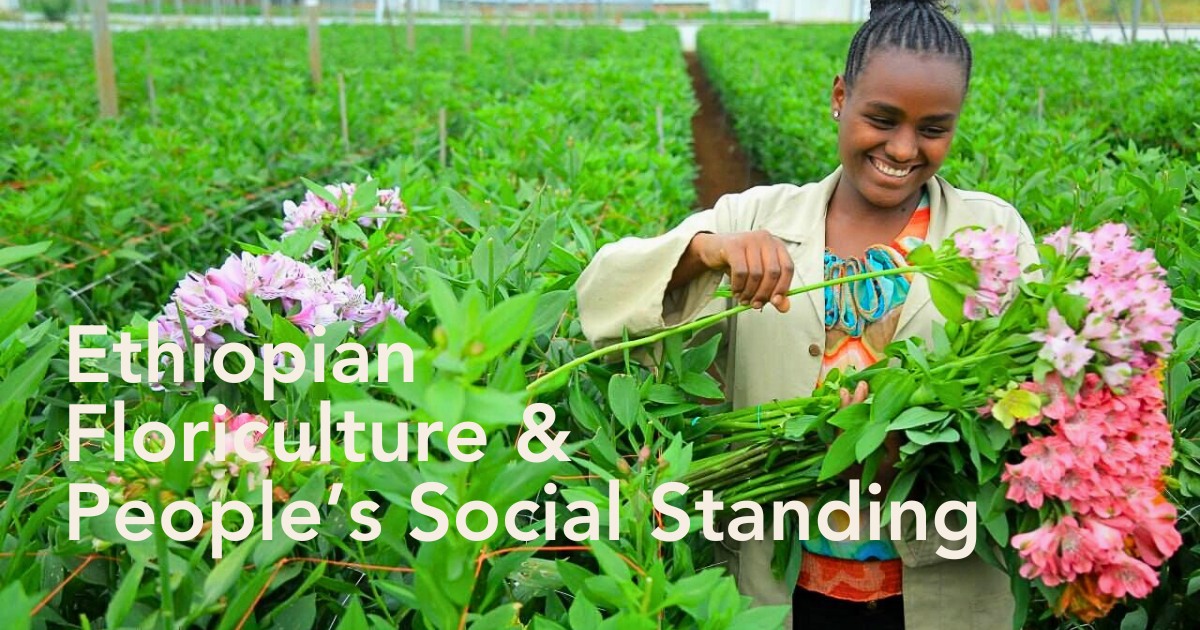
Ethiopia's floriculture industry has experienced quite a growth and glittering achievements. From being practically insubstantial before 2002 to becoming Africa's second-largest flower exporter, this industry has, along its course, grown and had a significant impact. The Ethiopian Horticulture Producer Exporters Association (EHPEA) has been at the center of championing this development.
The efforts have been driven by sustainable practices and worker welfare, all while sailing across the intricacies of a fast-expanding industry. Today, local economies and lives are improved through large-scale job creation, gender equality, women's empowerment, community development, modern agriculture knowledge transfer, and structured social programs in and around flower farms. But a lot has gone into making all these possible.
The Fast-Growing Ethiopian Flower Industry
The modern floriculture sector in Ethiopia emerged, as already known, in the early 2000s, and now employs tens of thousands of workers directly, the majority on flower farms around Addis Ababa, Batu, Holeta, Bishoftu, Sebeta, Bahir Dar, Wolkite, Hawassa, and other clusters.
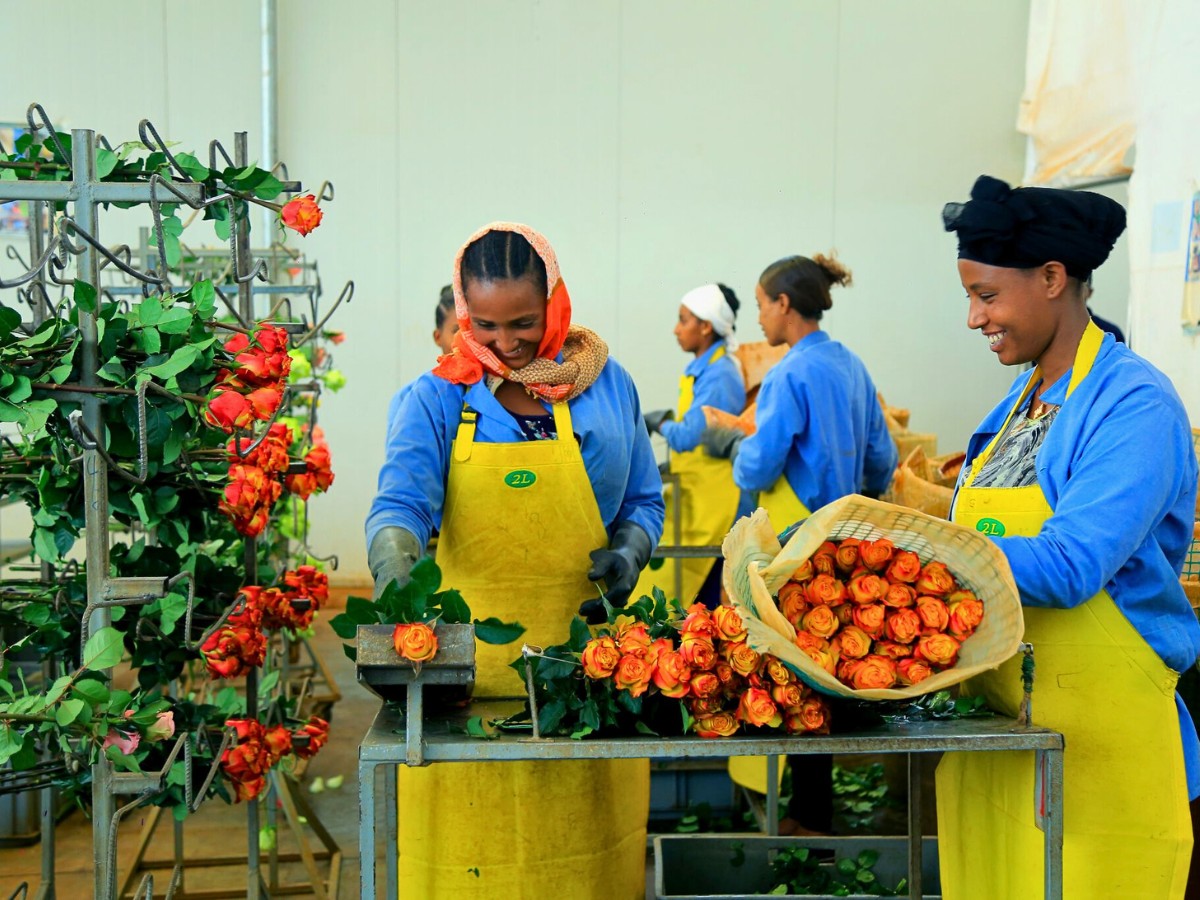
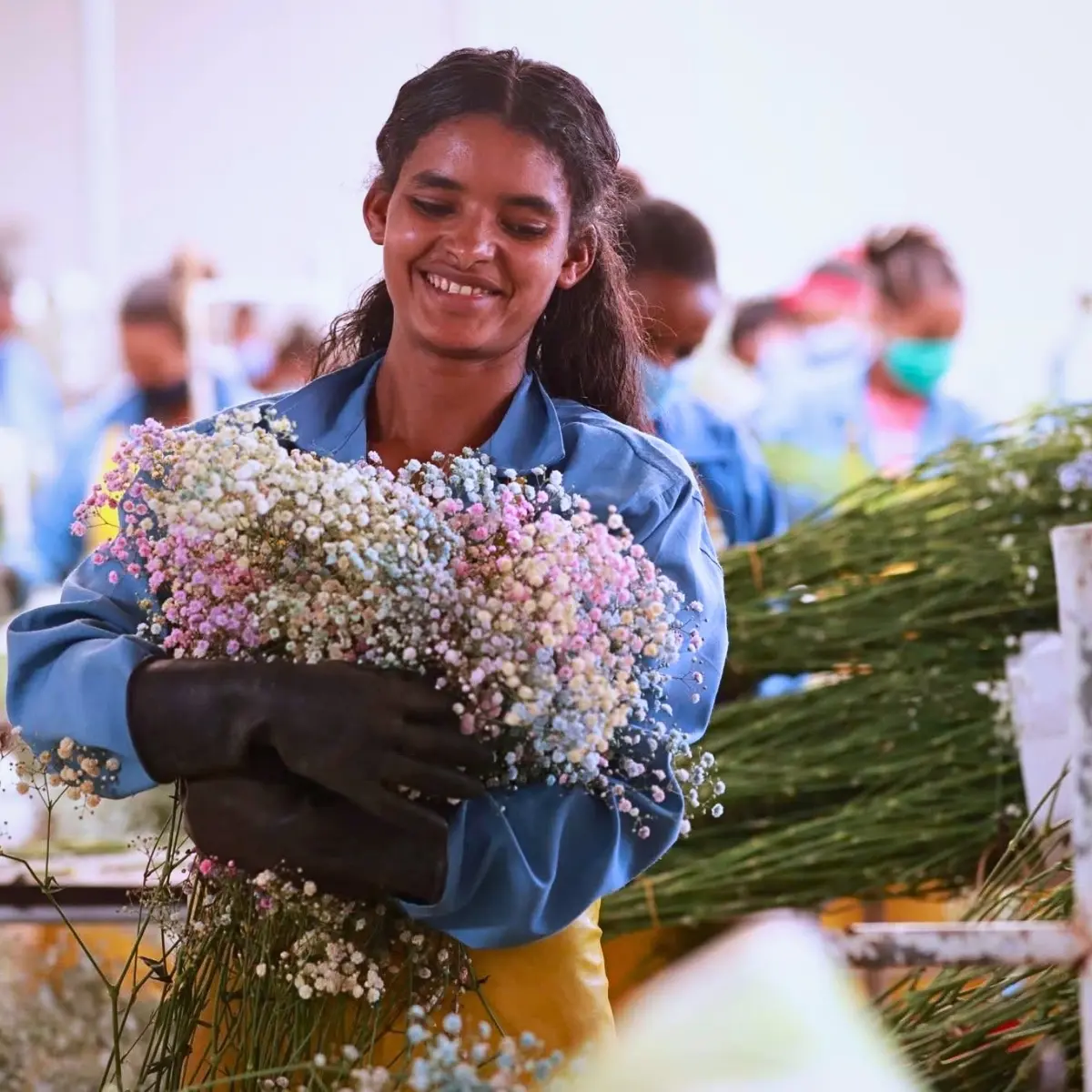
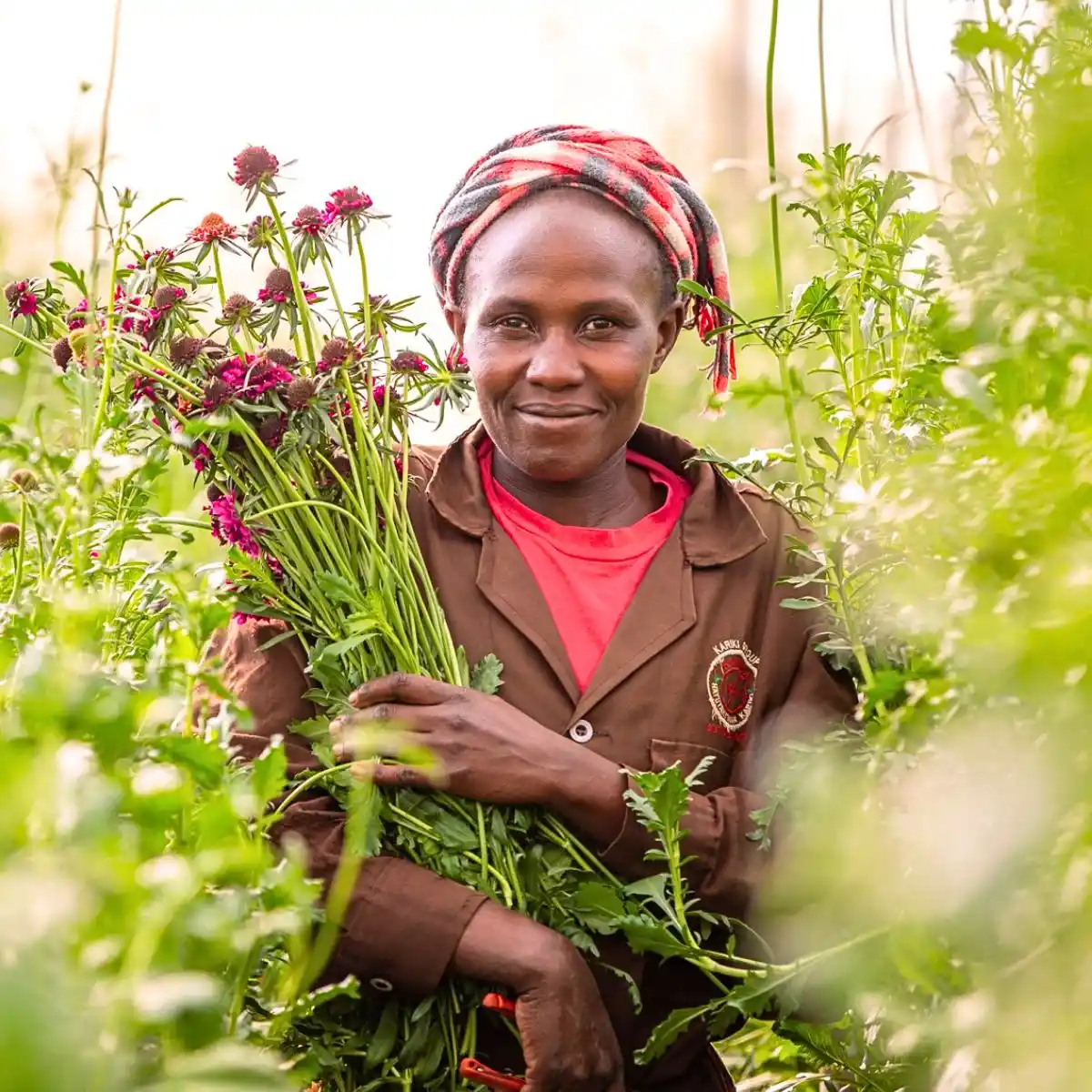
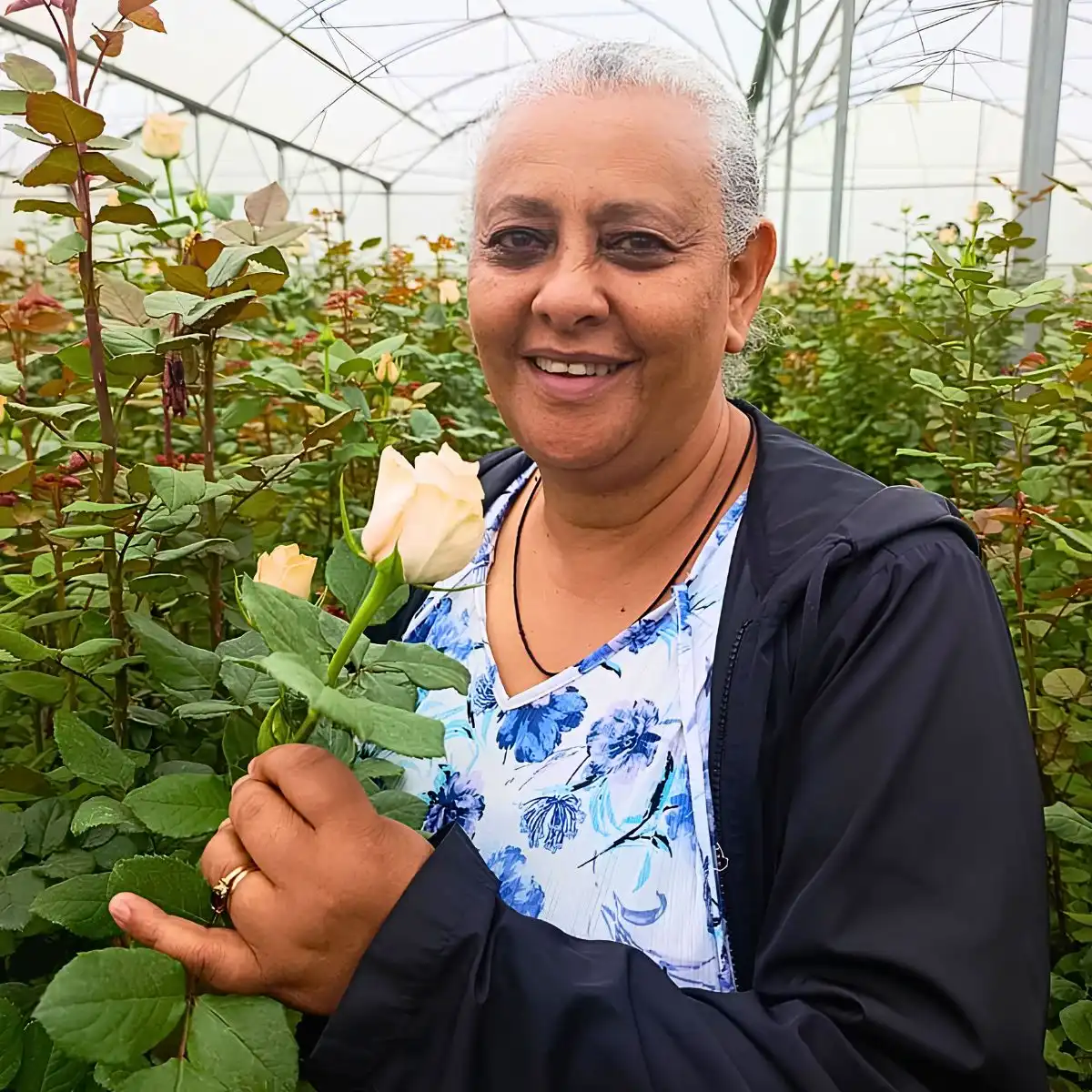
The sector is characterized as a new female labor market, with women constituting more than 75-80% of the workforce, primarily engaged in roles like pruning, harvesting, sorting flowers, and also supervision and farm management roles. The area under flower production jumped from just about 40 hectares in 2004 to more than 900 hectares by 2008, and surpassed 1,400 hectares by 2012. It continues to grow.
Cut flowers generate more than $540 million annually in export revenue, in a sector whose rise has been fueled by favorable and generous investment incentives, including tax holidays, duty-free import of machinery, and access to land, which attracted significant foreign investment, notably from the Netherlands.
Rural Employment and Livelihoods Around Flower Clusters
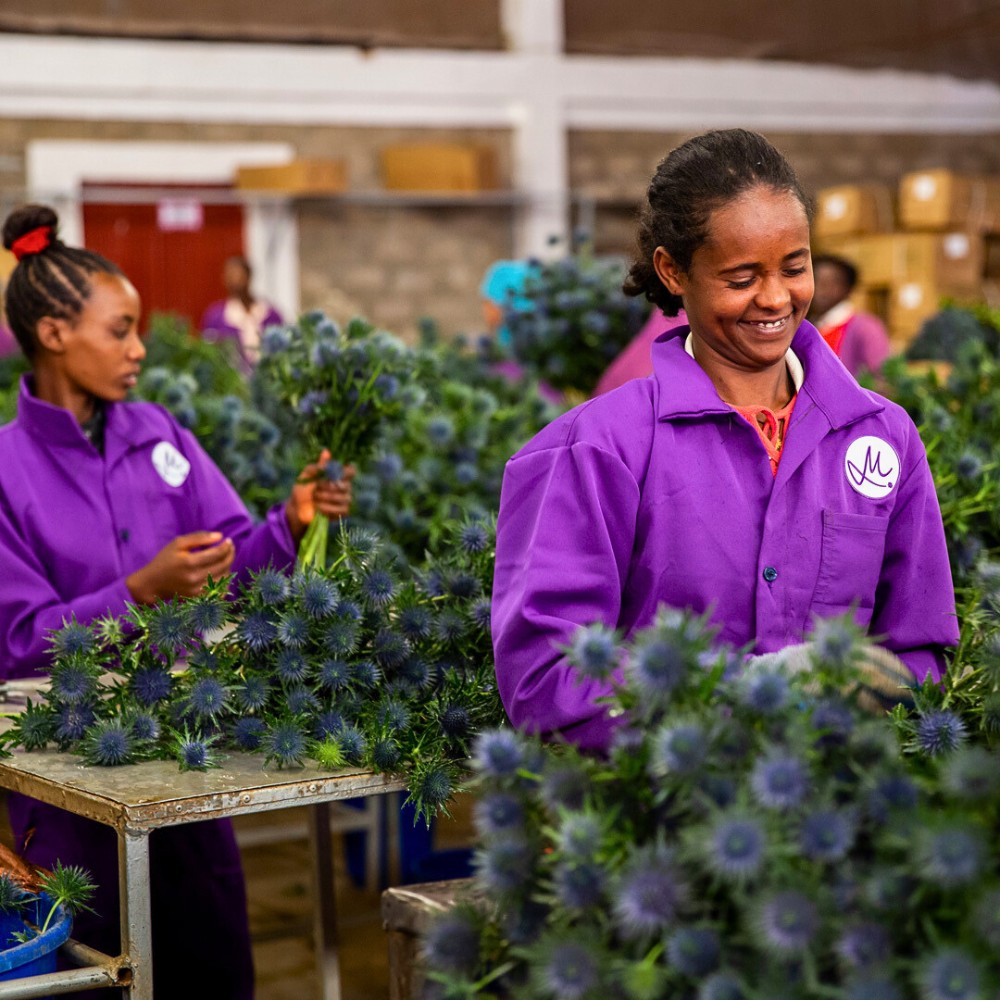
The industry employs a significant portion of the country's population. One study estimated around 70,000 jobs by 2008 alone, predominantly for young people who previously relied on subsistence agriculture or informal work. These jobs span greenhouse operations, postharvest handling, quality control, packhouse activities, technician roles, logistics, maintenance, farm management, and administration, creating an employment ladder within the flower value chain.
The regular salaries enable workers to support their households, cover school fees, rent, and healthcare, while local businesses benefit from the increased purchasing power in these growing horticulture towns. The sector has also developed economic ecosystems.
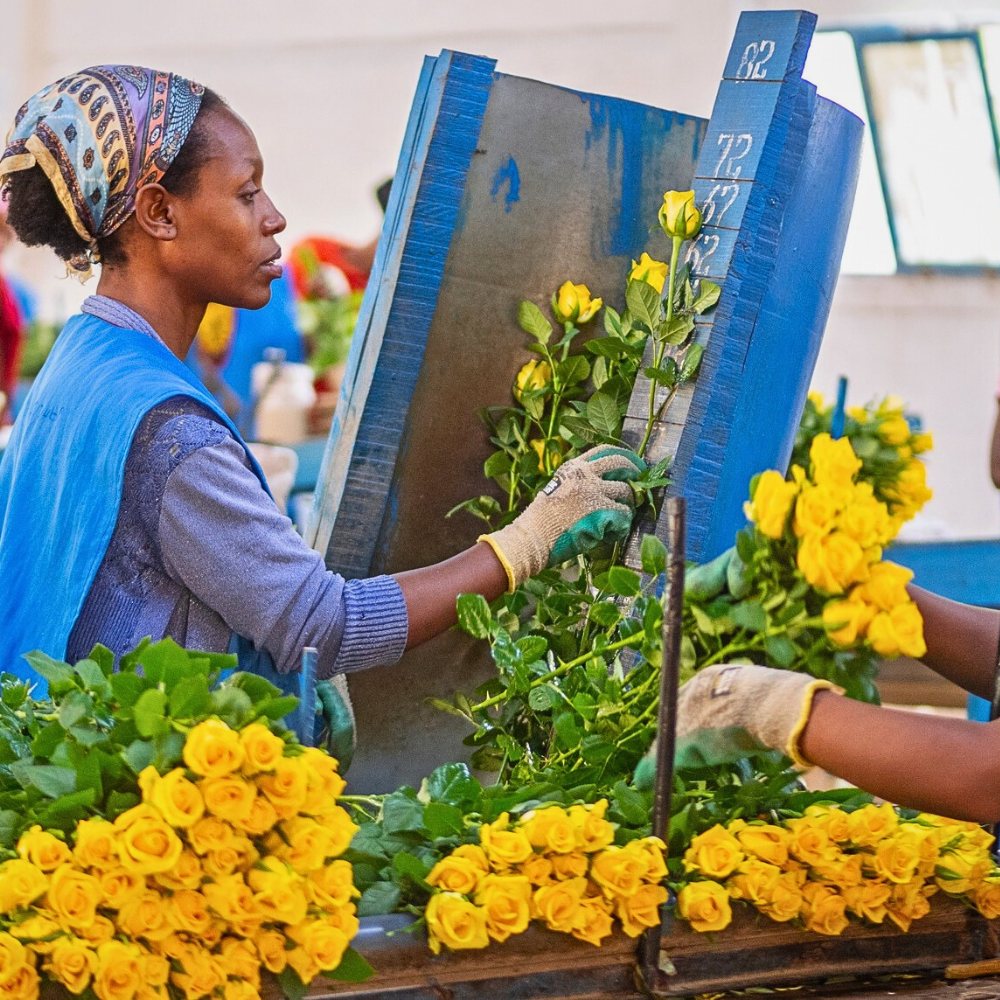
In Ziway, for instance, where, alongside other nurseries, Afriflora Sher, the world's largest rose grower, established operations in 2005, there has been a great transformation. Once just a fuel stop township on the road from Addis Ababa to southern Ethiopia and on to Kenya, Ziway now features modern infrastructure, schools, healthcare facilities, and a thriving local economy supported by floriculture operations employing at least 11,000 people.
Flower Sector Women's Empowerment
In Ethiopian floriculture, women dominate the workforce. Estimates indicate that more than 80% of employees are female, many between 18 and 30 years old. Research on flower farm employment shows that access to formal, waged work has increased women's income, consumption, and bargaining power within the household, often changing gender relations and decision-making dynamics.
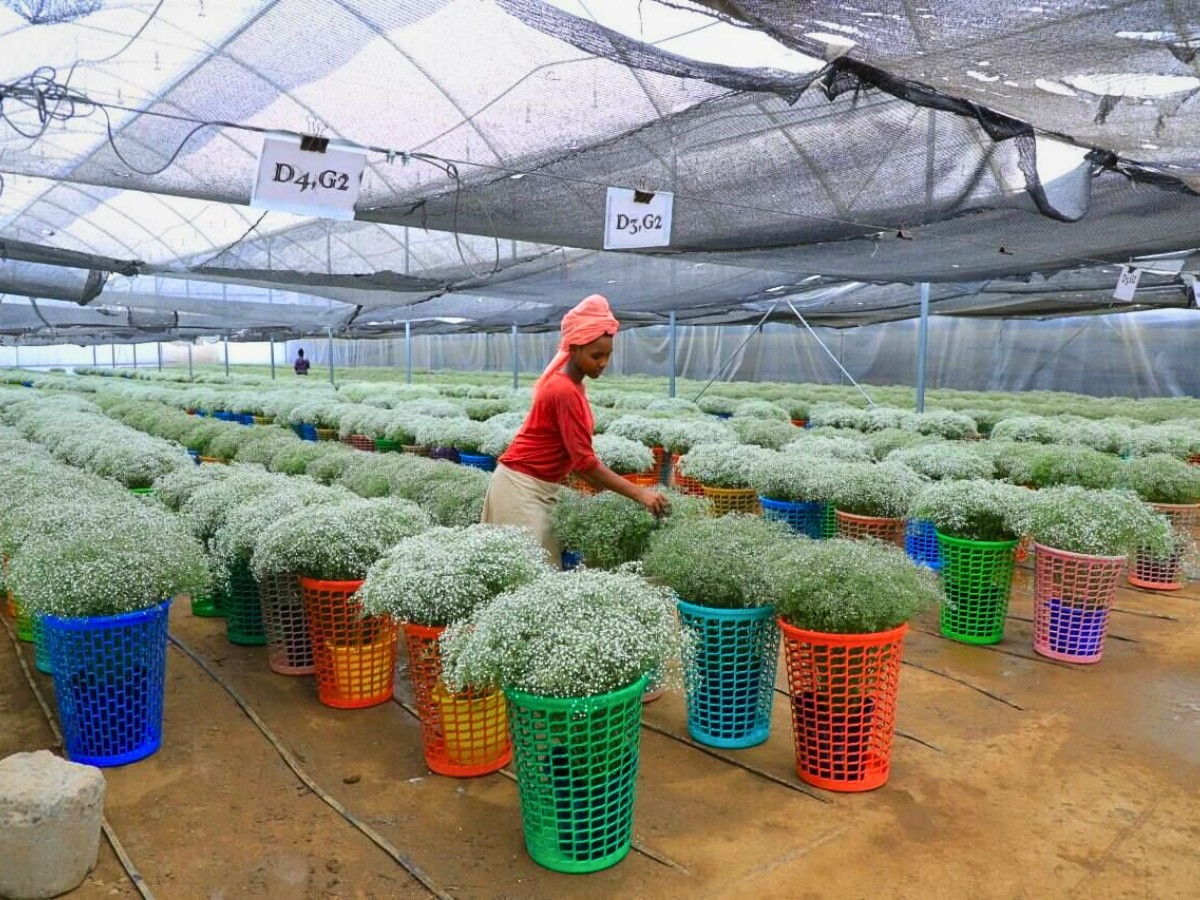
Through the ‘Empowering the Source' program, EHPEA and other partners, like IDH Sustainable Trade Initiative, Business for Social Responsibility (BSR), and Danish Family Planning Association (DFPA), have, for instance, trained tens of thousands of women and thousands of men as gender committee members. They have reached more than 45,000 women and at least 7,000 male workers through peer-to-peer education.
Key themes have covered everything from sexual and reproductive health, to human rights and labor rights, family law, gender-based violence, grievance handling mechanisms, business case for gender, hygiene and sanitation, among others. These interventions have boosted women's self-confidence, enabling many to move into supervisory roles, sit on gender committees, or lead workplace initiatives on safety and well-being.

Workplace Practices and Worker Well-Being
But more than that, EHPEA and its members have progressively invested in more workplace systems. They combine technical training, occupational health and safety (OHS), and social support. Take, for instance, the case of the Horti Campus platform. Farms train staff on topics like compliance, OHS, environmental management, safe pesticide handling, crop scouting, cool chain management, and corporate social responsibility (CSR).
Parallelly, EHPEA's partnership with the Global Alliance for Improved Nutrition (GAIN) is promoting workplace nutrition on farms. The association highlights how better diets result in the well-being of workers and ensure productivity, improved wages, attention to sexual and reproductive health, and occupational safety, altogether supporting a healthier, more productive workforce.
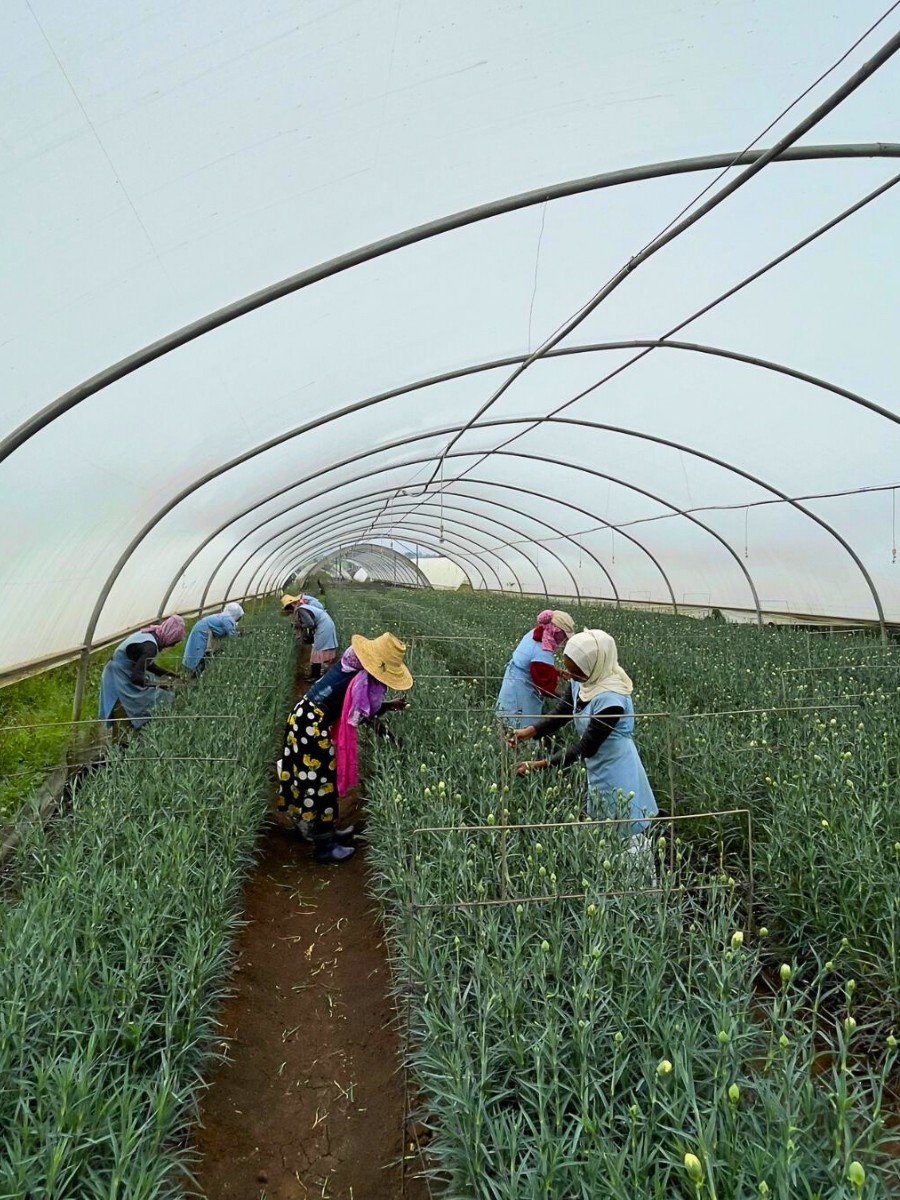
General Community Development
Across the Ethiopian floriculture landscape, community engagement also incorporates infrastructure development that is changing the communities. Afriflora Sher's comprehensive approaches in Batu, alongside AQ Roses, Herburg Flowers, Ziway Roses, and Braam Flowers, exemplify this. They have established schools serving students from nursery through secondary levels across different campuses. Notably, these schools feature modern computer laboratories and other necessities.
There has also been a development of healthcare infrastructure. A key one is Afriflora Sher Hospital, a regional healthcare center, serving at least 400 patients daily with trained doctors and nurses. The facility provides free healthcare to employees and students while serving the general community within a 100-kilometer radius. It is one of the few modern hospitals available in the region.
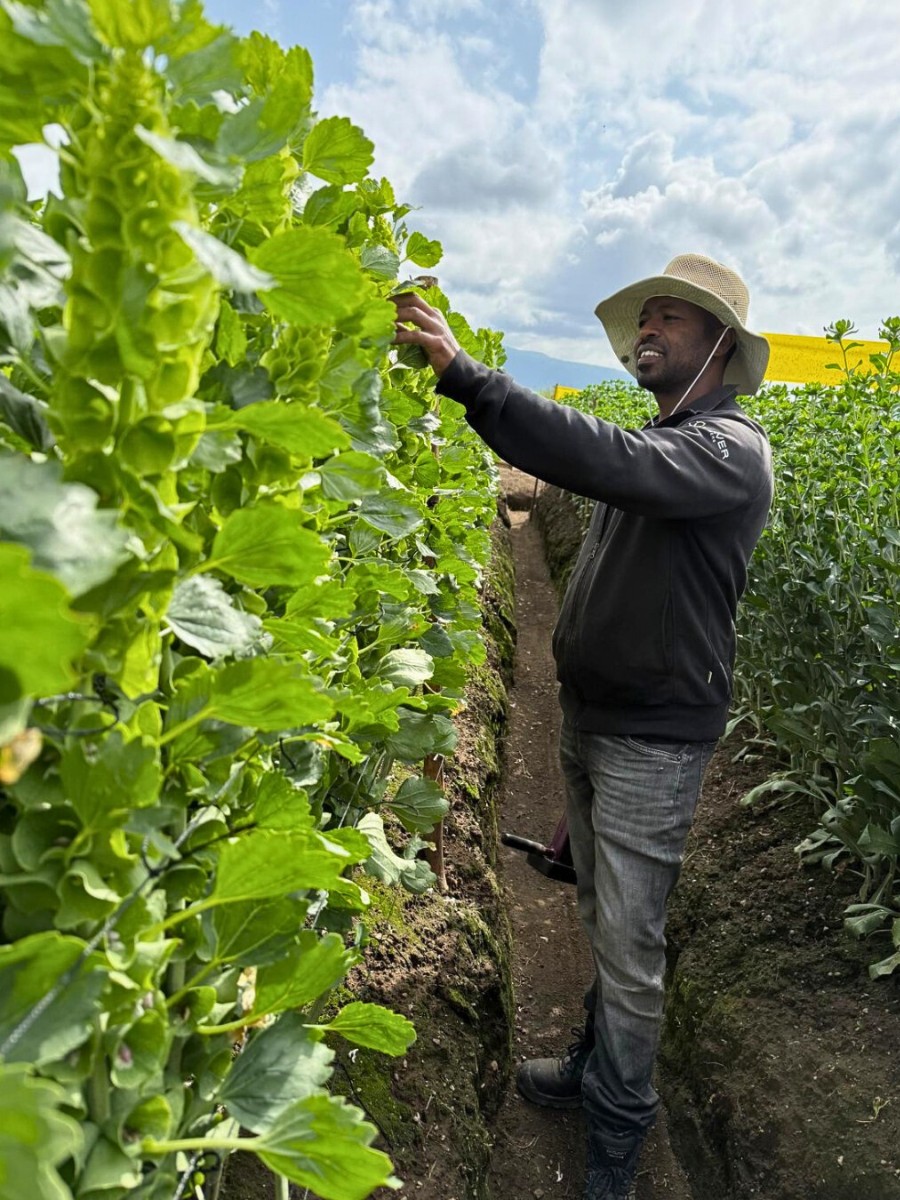
There are more initiatives. Road maintenance, clean drinking water provision, and recreational facility projects employ local contractors, creating more jobs. Such investments also address some key gaps in public infrastructure, particularly in rural areas where government resources are stretched thin.
Advancing Gender Equality
EHPEA has, further, been instrumental in developing comprehensive approaches to workplace inclusion through its Code of Practice certification system (Bronze, Silver, and Gold levels) and participation in international standards like Fairtrade, Fair Flowers Fair Plants (FFP), and Global-GAP.
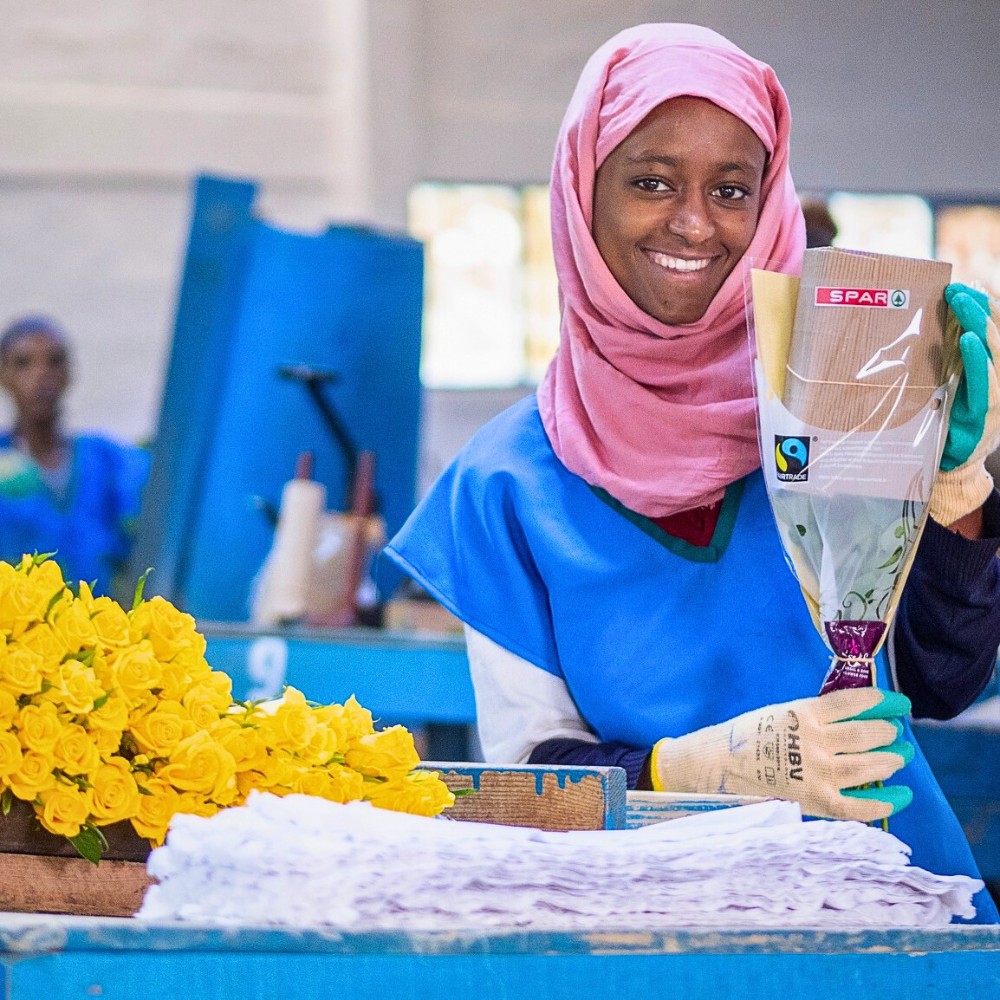
Such frameworks dictate gender-responsive policies covering equal pay, sexual harassment prevention, maternity benefits, and leadership opportunities for women. Gender committees established at member farms implement these policies and are continually trained to drive sustainable changes in workplace culture and practices.
The Improved Workers' Rights in Ethiopian Flowers (IWREF) program by the Fairtrade Foundation, collaborating with Fairtrade Africa, Fairtrade Finland, and Aldi UK, for example, focused on systemic challenges facing women workers. It has helped to strengthen trade unions' capacity to advocate effectively for workers' rights, improve collective bargaining processes, and promote sustainable livelihoods.
Addressing Emergent Challenges
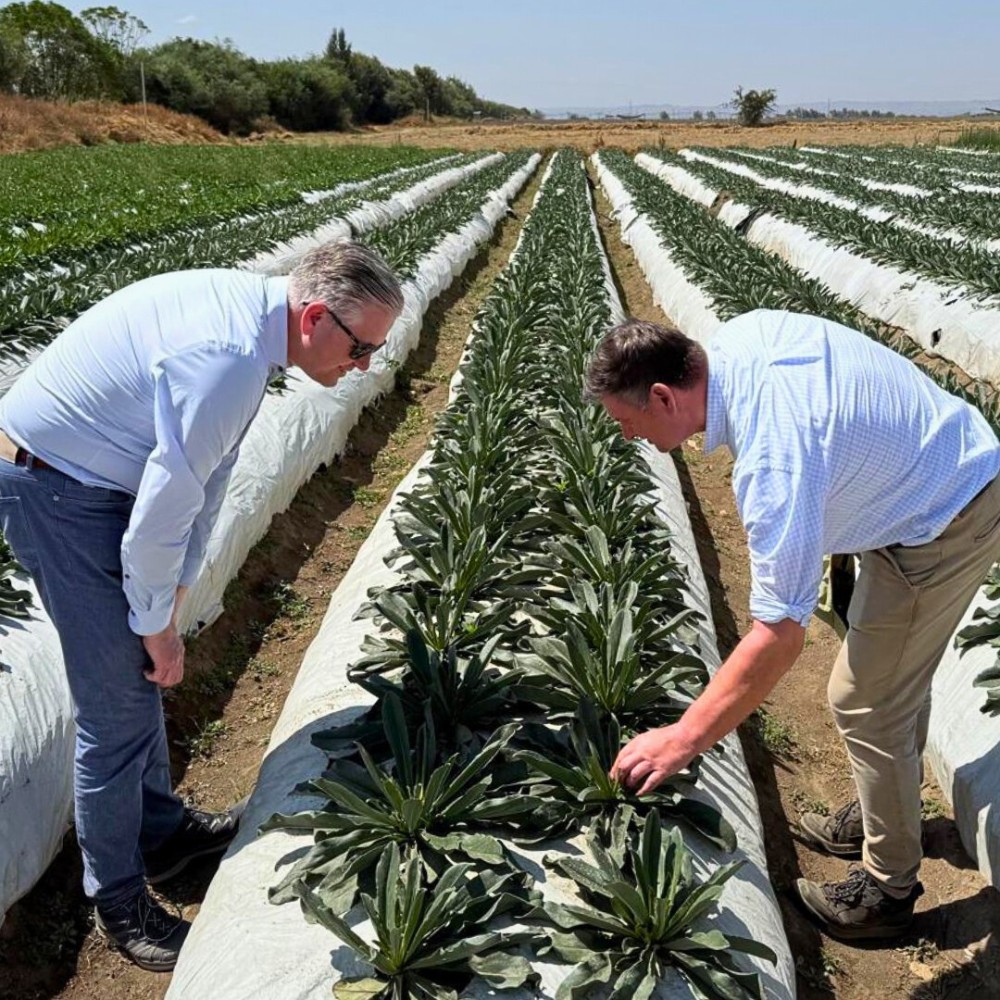
But Ethiopia's floriculture sector's fast growth has had its fair share of challenges. There have been environmental concerns, including water resource depletion, with more than 90% of flower producers relying on groundwater despite high water requirements.
In response, EHPEA and member farms have come up with numerous interventions. They have managed to construct several liquid waste treatment plants/used water treatment plants. Plus, currently, there is a significant shift to Integrated Pest Management (IPM) from the conventional pesticide application for crop protection.
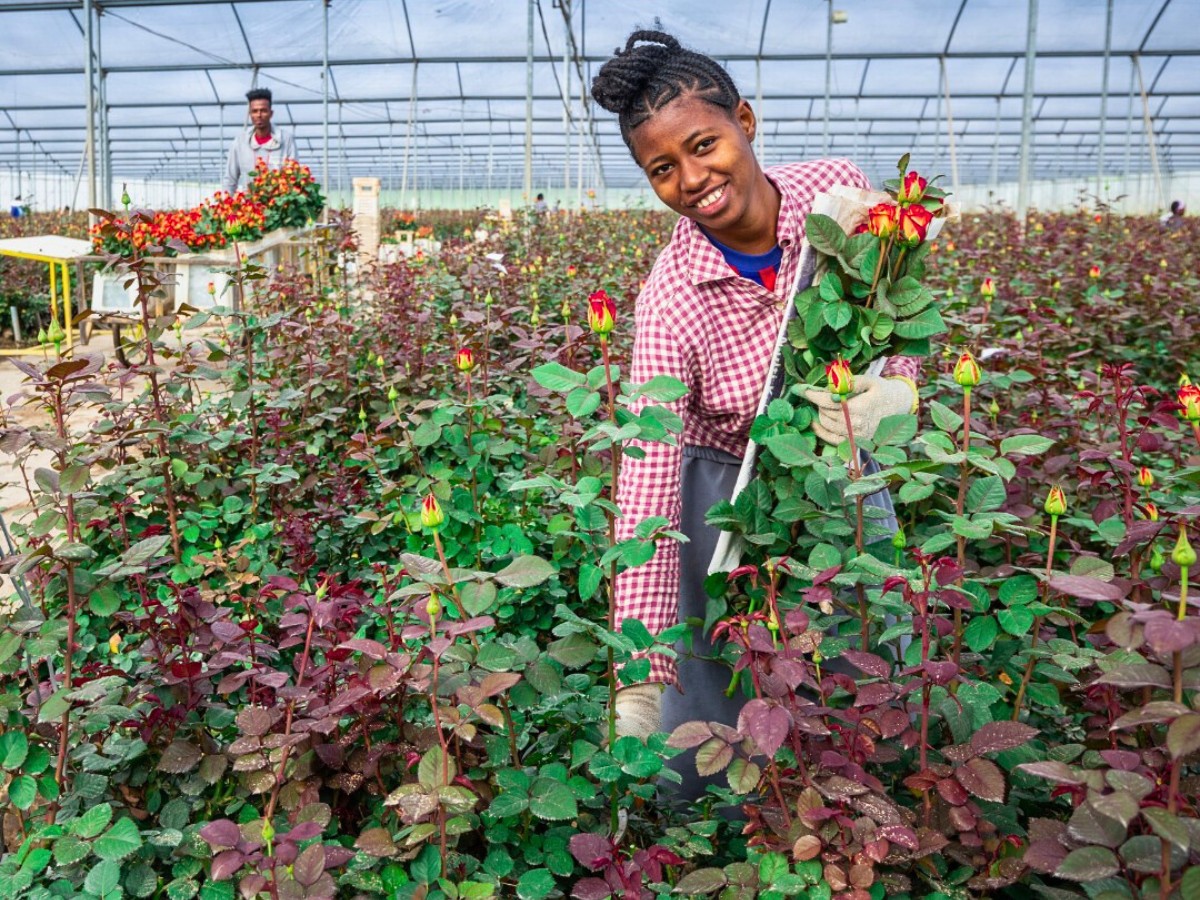
Biological control application is also expanding substantially across the industry. Moreover, converting green waste into compost and extracting compost tea and biogas has also grown a lot, as due emphasis is paid to circular solutions.
Likewise, while labor standards have been a challenge, with concerns about working hours, wage levels, and occupational safety prompting industry-wide responses, EHPEA developed training modules addressing supervisor skills and workplace communication.
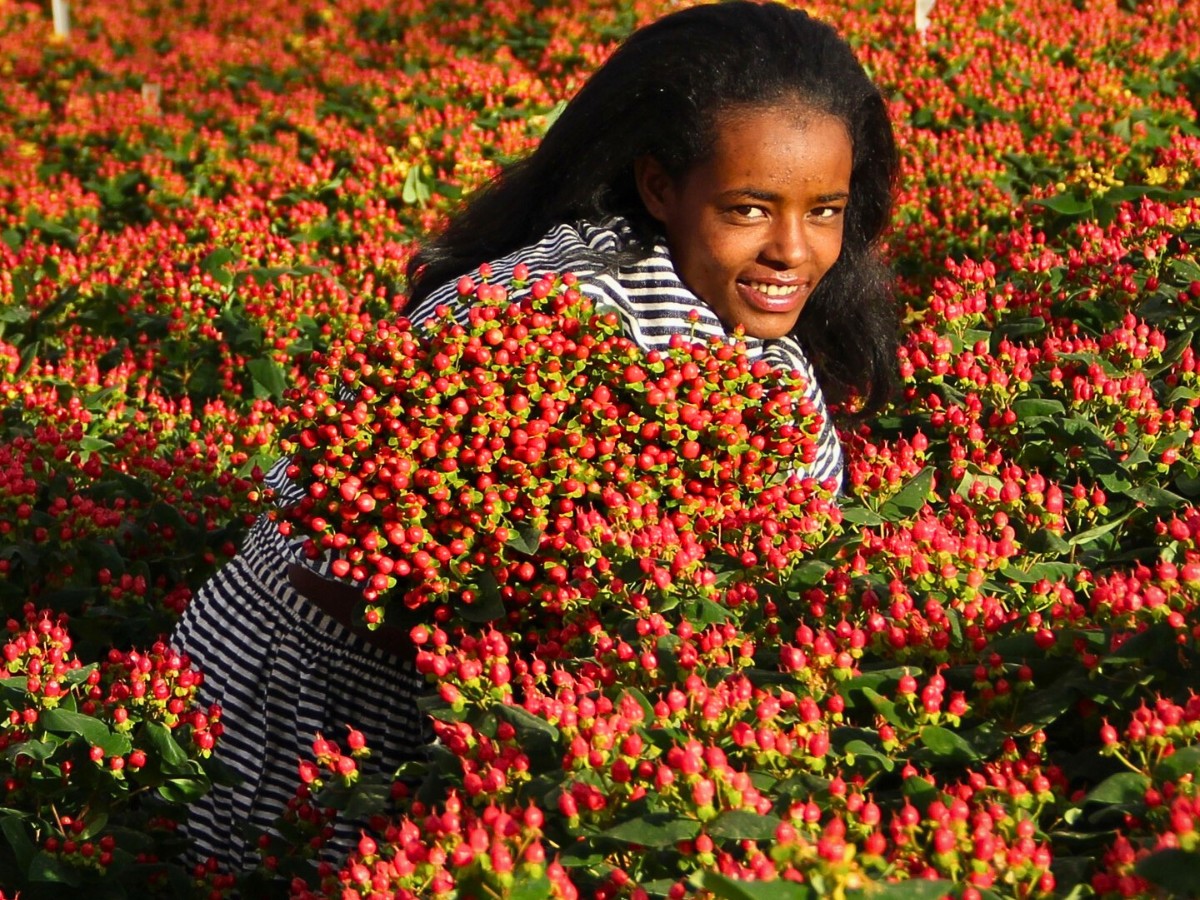
Furthermore, the Ethiopian Agricultural Authority conducts regular inspections of environmental compliance related to chemical management and worker safety. Inspection results show promising progress in environmental management practices.
Why Support Ethiopian Floriculture’s Sustainable Growth
For Ethiopia, floriculture means more than just foreign exchange earnings and employment statistics. It embodies a development model where private enterprise and social investment meet, creating frameworks for addressing rural community poverty while advancing gender equality and human capital.
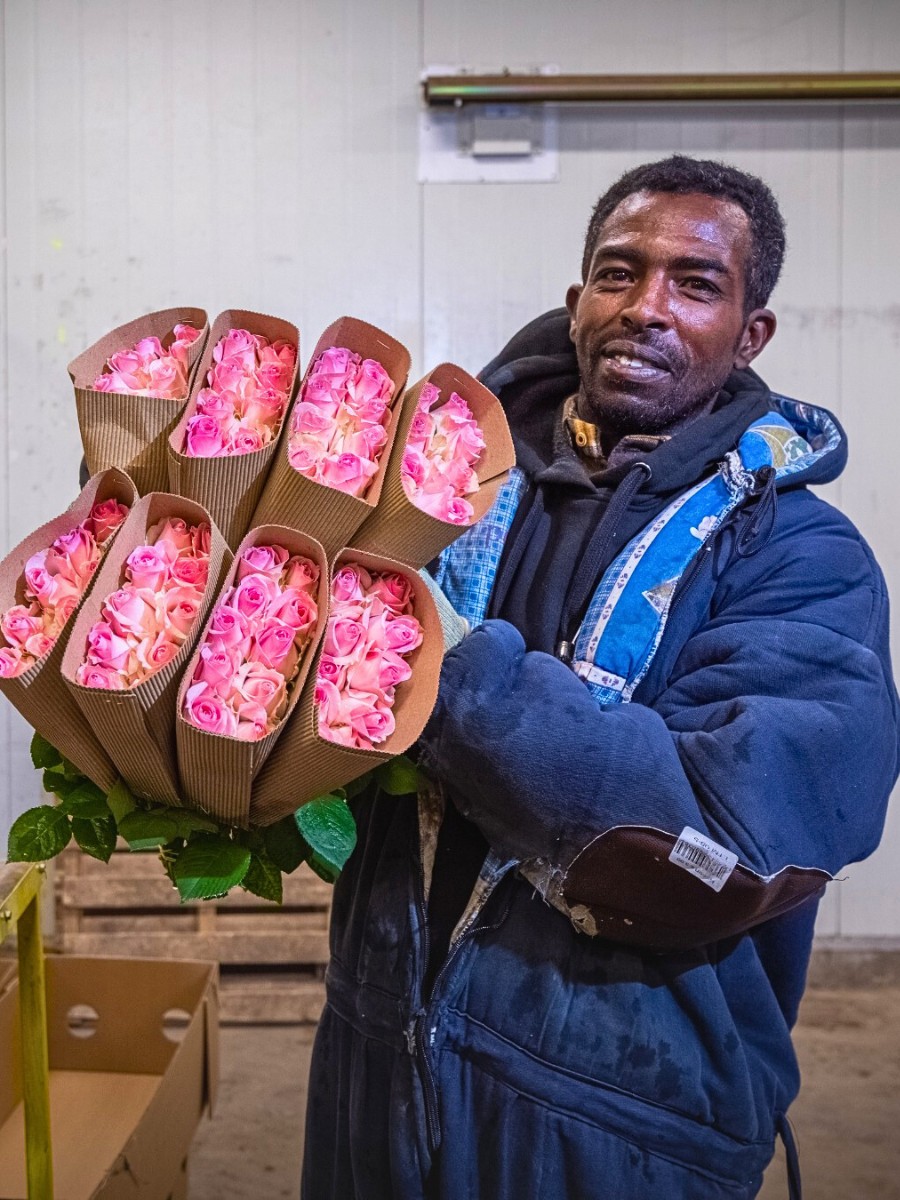
As Tewodros Zewdie, EHPEA Executive Director, notes, the industry has evolved from grass-roots origins to be Africa's second-largest flower exporter and one of Ethiopia's largest export earners (alongside coffee, oilseed, and gold). In many ways, the Eastern African country's floriculture industry's ascent shows why it is a model of sustainable growth to be emulated and supported. Definitely, that's why you need to buy more Ethiopian flowers!
Feature image by @rosaplaza_flowers. Header image by EHPEA.