ARTICLES

Here's How Ethiopian Flowers Meet Global Quality and Consistency Standards

This country's floriculture continues to surpass market quality and consistency requirements. The Ethiopian Horticulture Producer Exporters Association (EHPEA) plays a leading role in achieving this.

By: THURSD. | 25-02-2026 | 6 min read
Floral Education Flowers Thursd Now
Ethiopia’s Floriculture Continues to Surpass Market Quality and Consistency Requirements. The Ethiopian Horticulture Producer Exporters Association (EHPEA) Plays a Leading Role in Achieving This.

When you think about what makes a flower truly exceptional, beauty is only part of the story. Perfect flowers have lasting freshness, colors that hold, and stems that stand firm. For global markets, these expectations are a must. The Ethiopian Horticulture Producer Exporters Association (EHPEA) understands this well.

For them, quality is the promise behind every flower leaving Ethiopia. It is not just about how a flower looks on the auction clock or in a florist's design, but how reliably it performs from greenhouse to vase. Ethiopian growers have spent years building this promise into their farms and systems. But how are they achieving this?

Ethiopia's Climate and Altitude Advantage

Ethiopia's main flower-growing regions sit between 1,600 and 2,400 meters above sea level, a band that many describe as a sweet spot for flowers. Cooler nights and bright days slow flower development, allowing for thicker cell walls, stronger stems, and richer color to form.
 

How Ethiopian Flowers Meet Global Quality and Consistency Standards
Ethiopia's floriculture continues to surpass market quality and consistency requirements in many ways. Photo by EHPEA


Growers around Batu (Ziway) and other highland clusters report vase lives reaching around two weeks for some rose varieties, a performance directly influenced by altitude. This lengthened vase life is not only a pleasant surprise for consumers but also a key part of the value proposition for supermarkets, wholesalers, and florists who want their customers to feel that the flowers are worth every coin.

Because Ethiopia straddles the equator, day length barely changes through the seasons, and temperatures remain relatively stable. This allows growers to plan crop cycles and harvest programs with impressive accuracy, an essential factor for reliable quality across the calendar year.
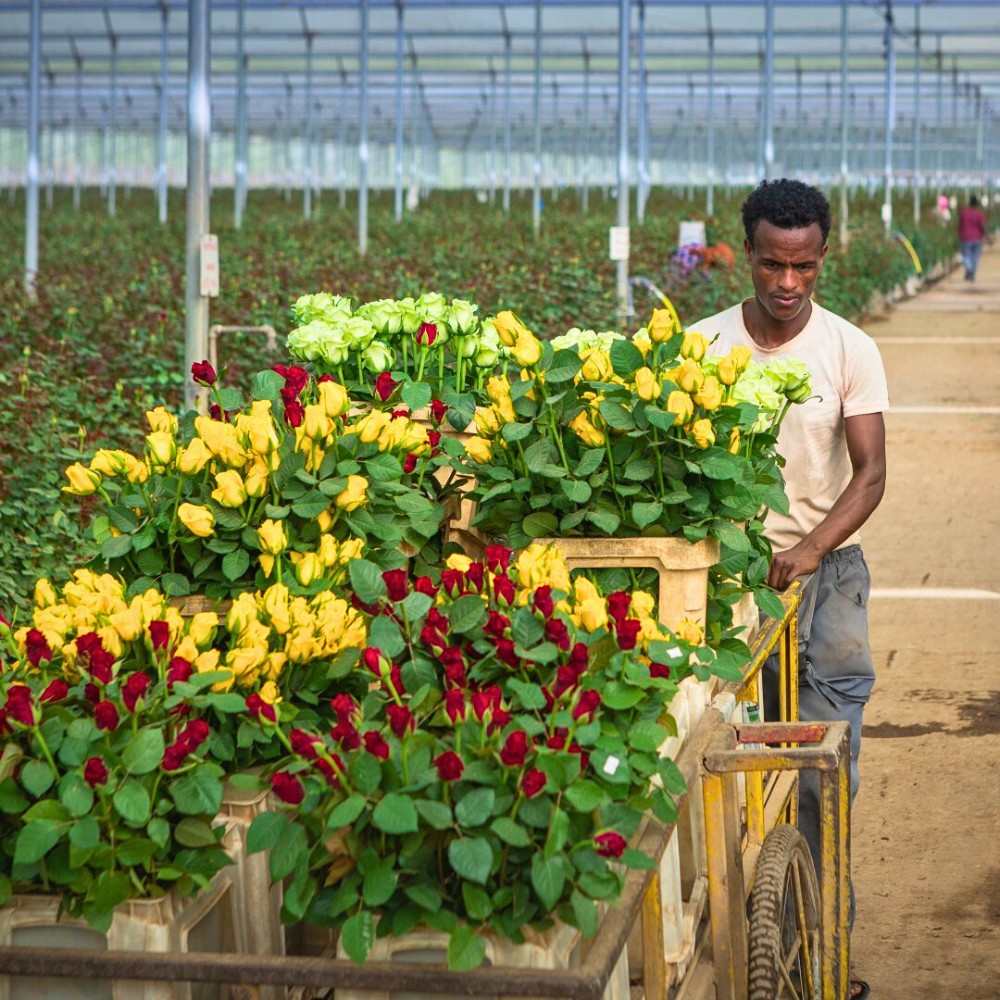
 

How Ethiopian Flowers Meet Global Quality and Consistency Standards
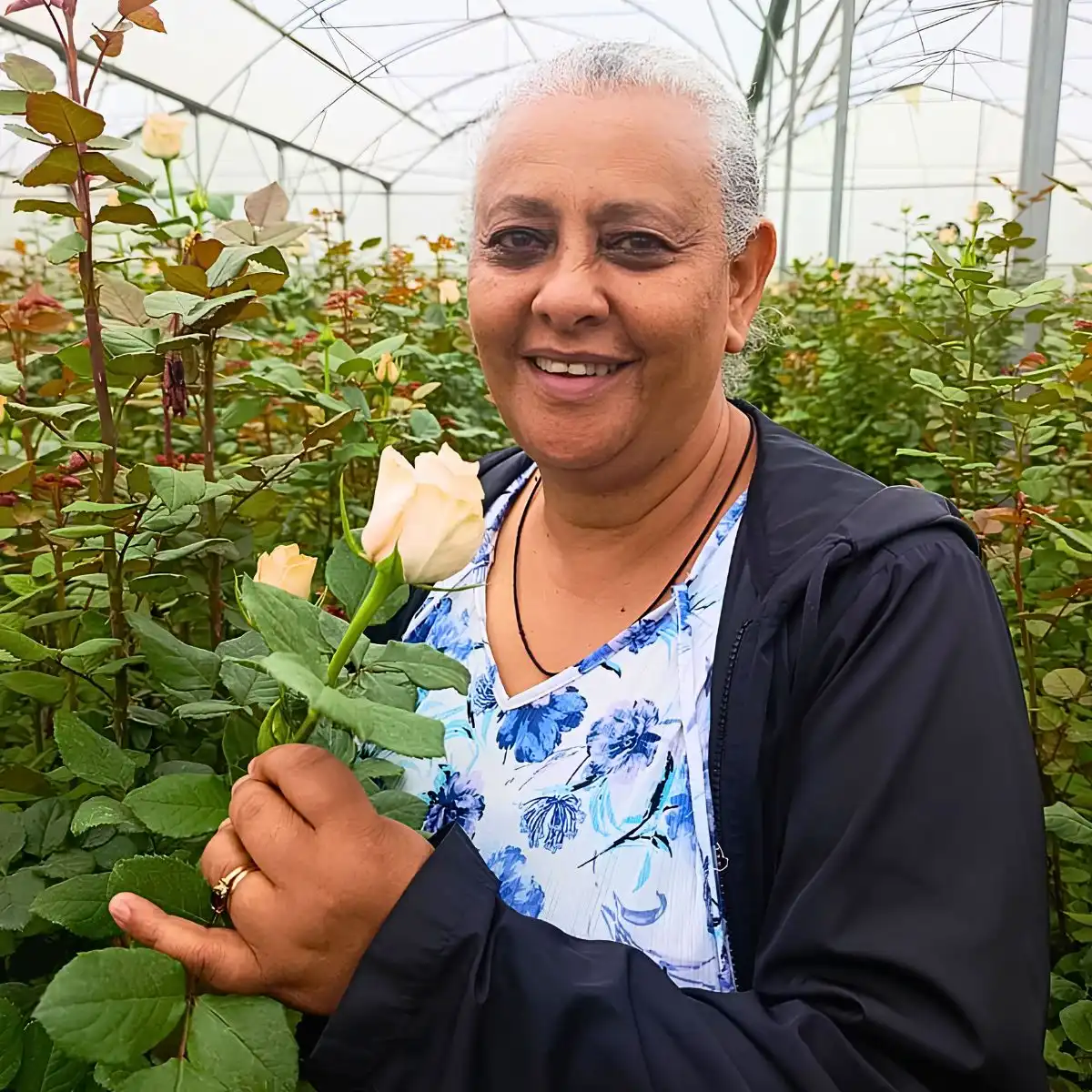
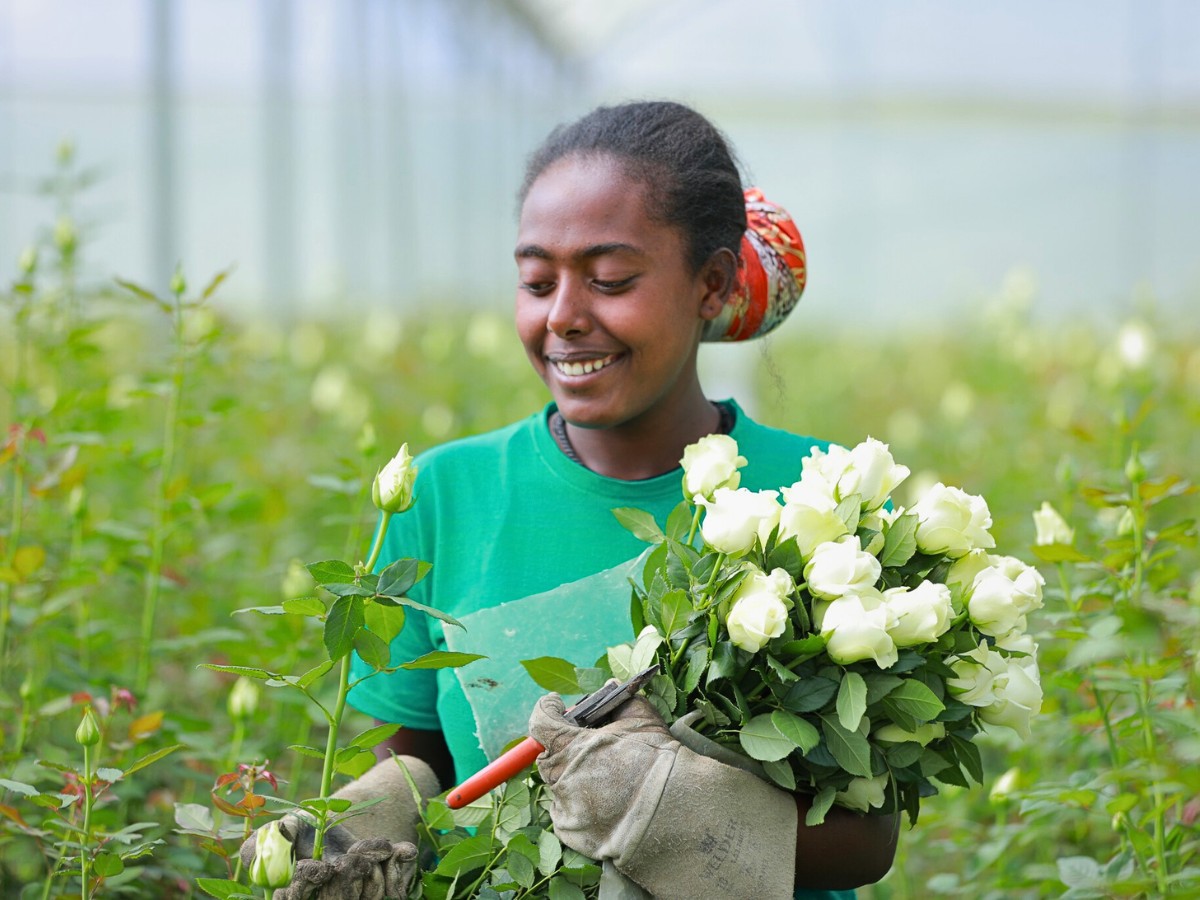
Roses. Photo by @rosaplaza_flowers


Creating Trust Through Certification

If you walk into any Ethiopian flower farm's facility today, you will likely see a wall full of certificates, like MPS-ABC, GlobalGAP, Fairtrade, Fair Flowers Fair Plants, EHPEA Code of Practice, and others. Each one is a representation of months or years of audits, training sessions, and sustained commitment to doing things right.

EHPEA has driven this certification culture since the industry's earliest days. More than 90% of Ethiopian farms exporting to Europe now hold at least one international certification, giving buyers a clear framework for incorporating Ethiopian suppliers into their existing quality systems without reinventing procedures or checklists.

 

Ethiopia's floriculture continues to surpass market quality and consistency requirements. The Ethiopian Horticulture Producer Exporters Association (EHPEA) plays a leading role in achieving this.
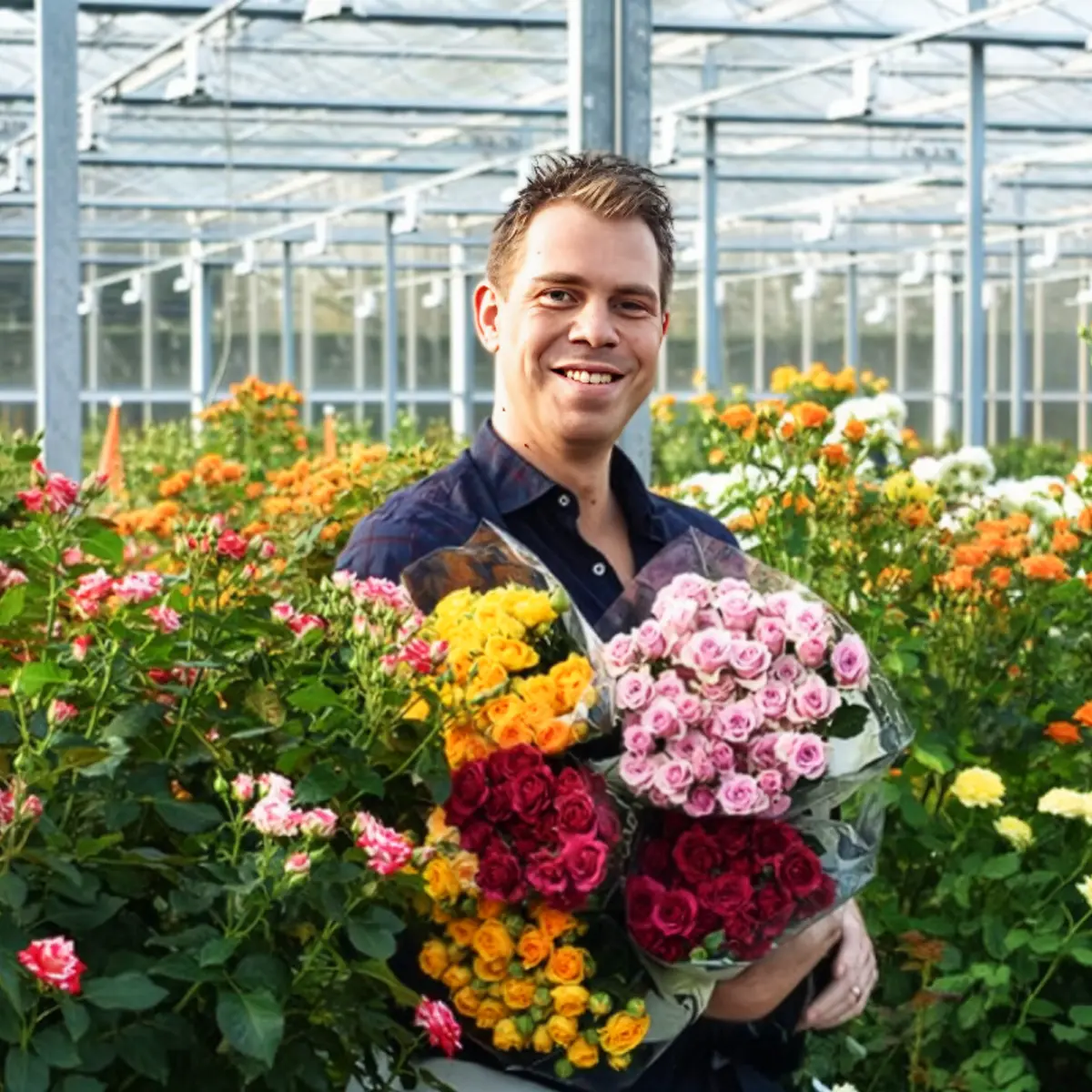
Marie-Laure Doyen and Arthij van der Veer of MPS and Tewodros Zewdie, the Executive Director, EHPEA. Photo by EHPEA


The EHPEA Code of Practice

EHPEA's Code of Practice is an industry-owned system designed to guide farms on environmental, social, and product quality requirements while supporting continuous improvement. It operates across three levels. Bronze sets the minimum threshold for export, requiring a basic management system, legal compliance, safe working practices, and sustainability monitoring.

Silver lifts farms to meet national and international legal expectations and the sustainable cultivation practices demanded by European retail. Gold builds further with stronger agricultural practice, social responsibility, and sector-wide capacity building, targeting the most demanding markets and niche buyers.
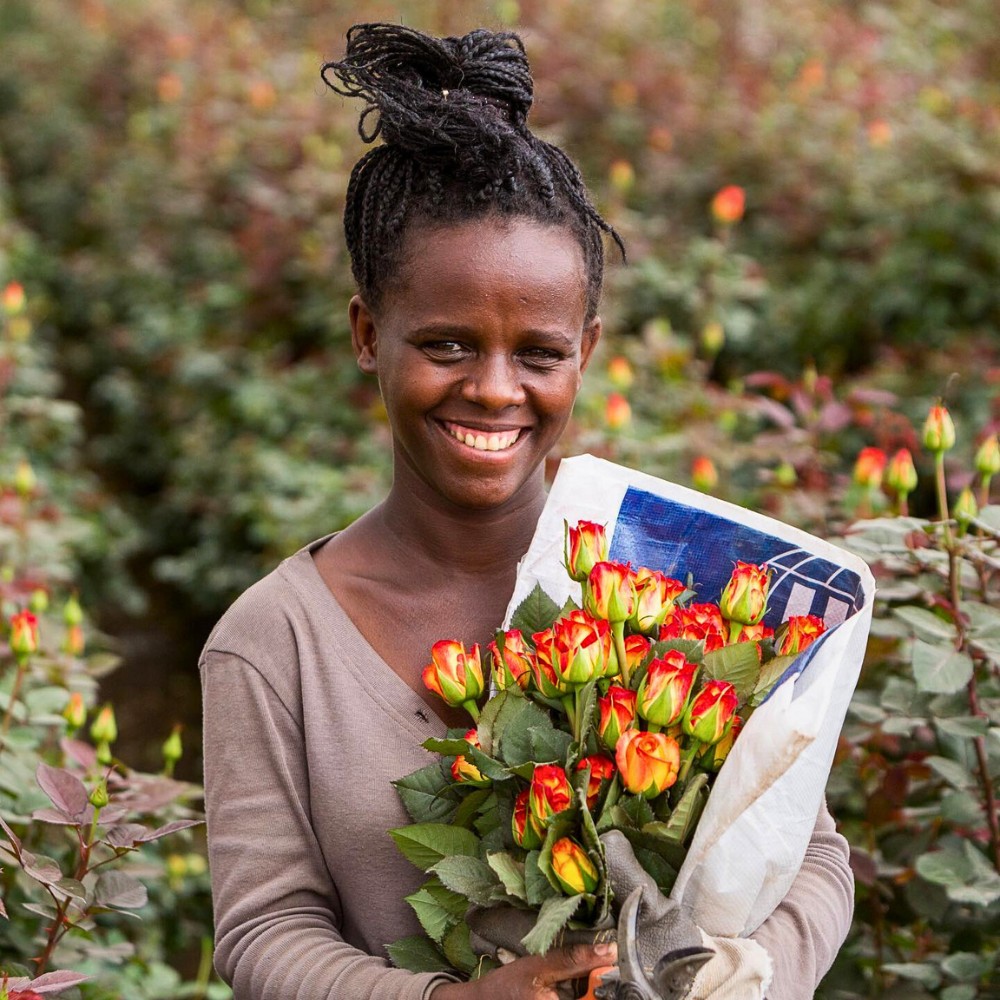
 

EHPEA Helps Ethiopian Flowers Meet Global Market Quality and Consistency Demands
Photo by @holla_roses_bv


Certification is independently audited, giving buyers a neutral view of farm operations. Since Bronze compliance is compulsory for all EHPEA member farms, it shows the sector's commitment to baseline performance.

Achieving the Perfect Qualities for Flowers

Most people do not realize that the first two hours after cutting flowers determine everything. That is when respiration rates intensify, flowers lose moisture fastest, and the countdown to wilting begins. Any major Ethiopian grower, whether Holla Roses/Ziway Roses, Klaver Flowers, Tinaw Flowers, Afriflora, AQ Roses, Hansa Flowers, or Holeta Roses, possesses an obsession with rapid cooling.
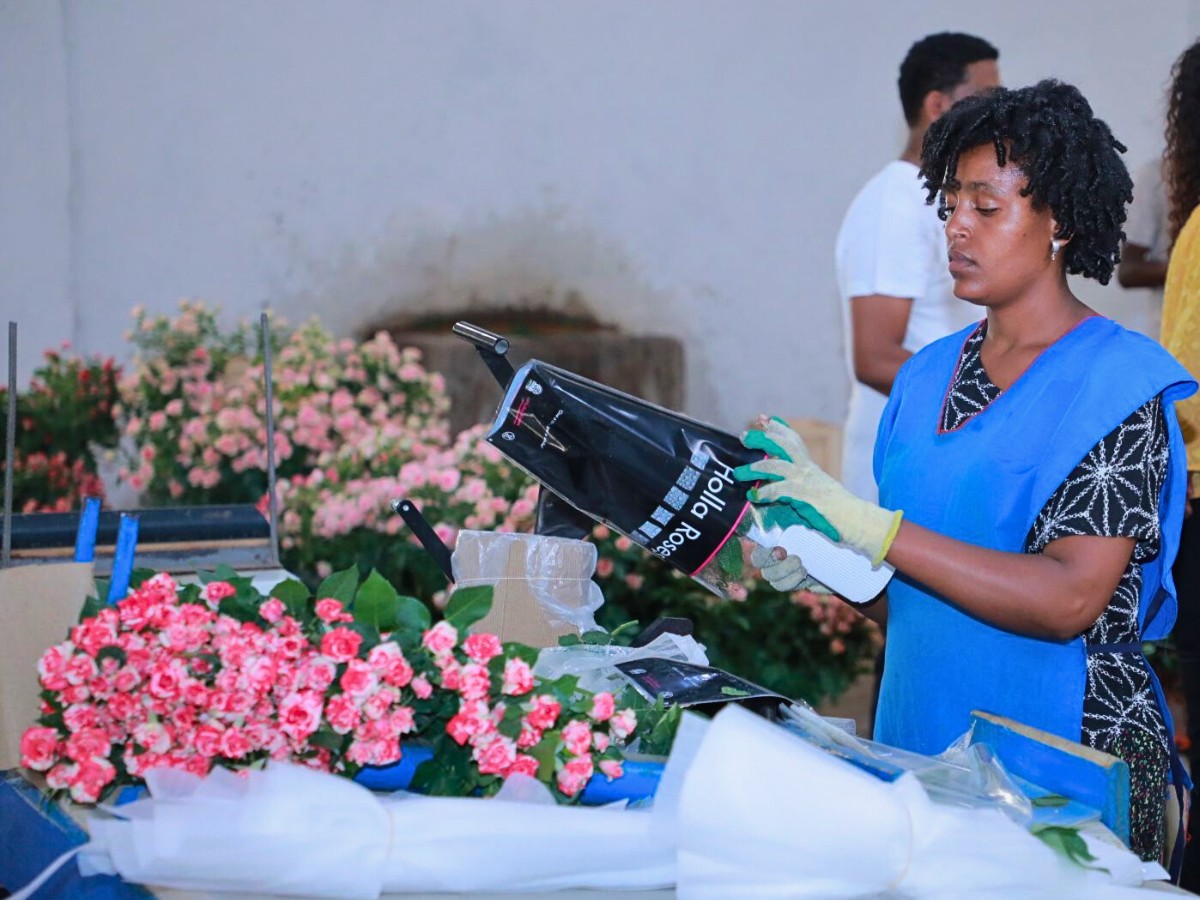
 

Ethiopia’s Floriculture Continues to Surpass Market Quality and Consistency Requirements. The Ethiopian Horticulture Producer Exporters Association (EHPEA) Plays a Leading Role in Achieving This.
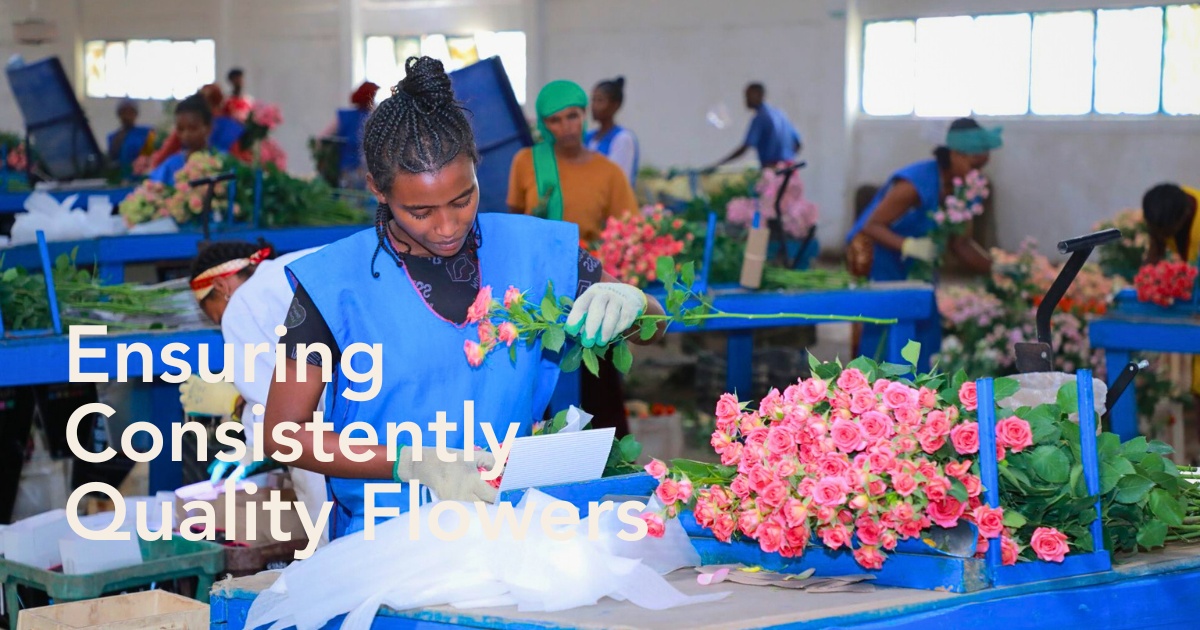
Photo by EHPEA


Flowers move from the greenhouse to the cold room within minutes. Temperature logs track the process, and hydration stations ensure flowers drink properly before packing.

Flowers need to drop to 1-4°C within that crucial window. Even a few degrees of variation can cost 30-40% of vase life. Ethiopian farms have invested heavily in pre-cooling technology and temperature-controlled packhouses, and EHPEA's Horti Campus platform offers dedicated training in cool chain management for floriculture workers.

The result is that Ethiopian flowers routinely achieve vase lives of 10 to 14 days, matching or surpassing established competitors, with colors and stems that hold throughout.
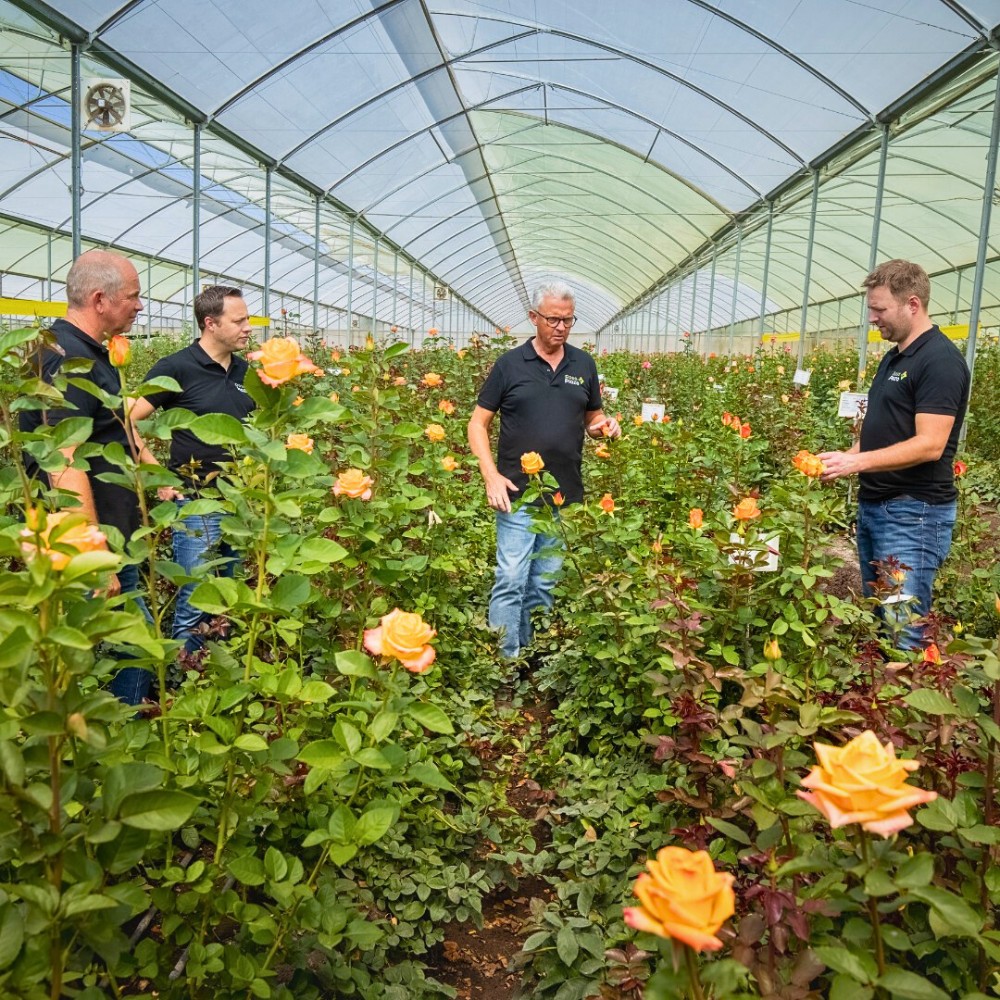
 

Here's How Ethiopian Flowers Meet Global Quality and Consistency Standards
Photo by @rosaplaza_flowers


The Ethiopian Airlines Advantage

Quality means nothing if flowers arrive wilted. Ethiopian Airlines Cargo, Africa's largest cargo carrier, handles more than 4,000 tons of flowers during peak seasons like Valentine's Day, operating across more than 60 destinations with temperature-controlled facilities at Addis Ababa's Bole International Airport.

When COVID-19 collapsed demand in 2020, for example, Ethiopian Cargo maintained flights even as global aviation froze. When markets reopened, the infrastructure was ready. International buyers now know that orders from Ethiopia arrive on schedule, properly cooled, and fresh.

 

Ethiopia's floriculture continues to surpass market quality and consistency requirements. The Ethiopian Horticulture Producer Exporters Association (EHPEA) plays a leading role in achieving this.
Photo by Ethiopian Airlines.


Meeting Market Standards

Royal FloraHolland is the primary hub for Ethiopian flower exports, accounting for the lion's share of sales. To enter that auction system, flowers must meet strict requirements, including proper freshness, correct maturity, specified stem lengths, clean presentation, accurate variety labeling, and freedom from disease.

Ethiopian growers have learned to exceed these minimums. Several years ago, Ethiopian flowers were considered acceptable but not quite premium. Today, prices for Ethiopian flowers at Dutch auctions often match or beat those from established competitors, the result of systematic quality improvements and careful variety selection.

 

Ethiopia's floriculture continues to surpass market quality and consistency requirements. The Ethiopian Horticulture Producer Exporters Association (EHPEA) plays a leading role in achieving this.
Tewodros Zewdie, the Executive Director of EHPEA. 


Individual farms have also introduced innovations spreading across the industry, from liquid waste treatment and biological pest control to converting green waste into compost and biogas.

The Importance of Continuous Training

Quality consistency requires people who understand the importance of systems. EHPEA's training modules cover proper cutting techniques, early disease recognition, safe chemical handling, and understanding what different markets need.
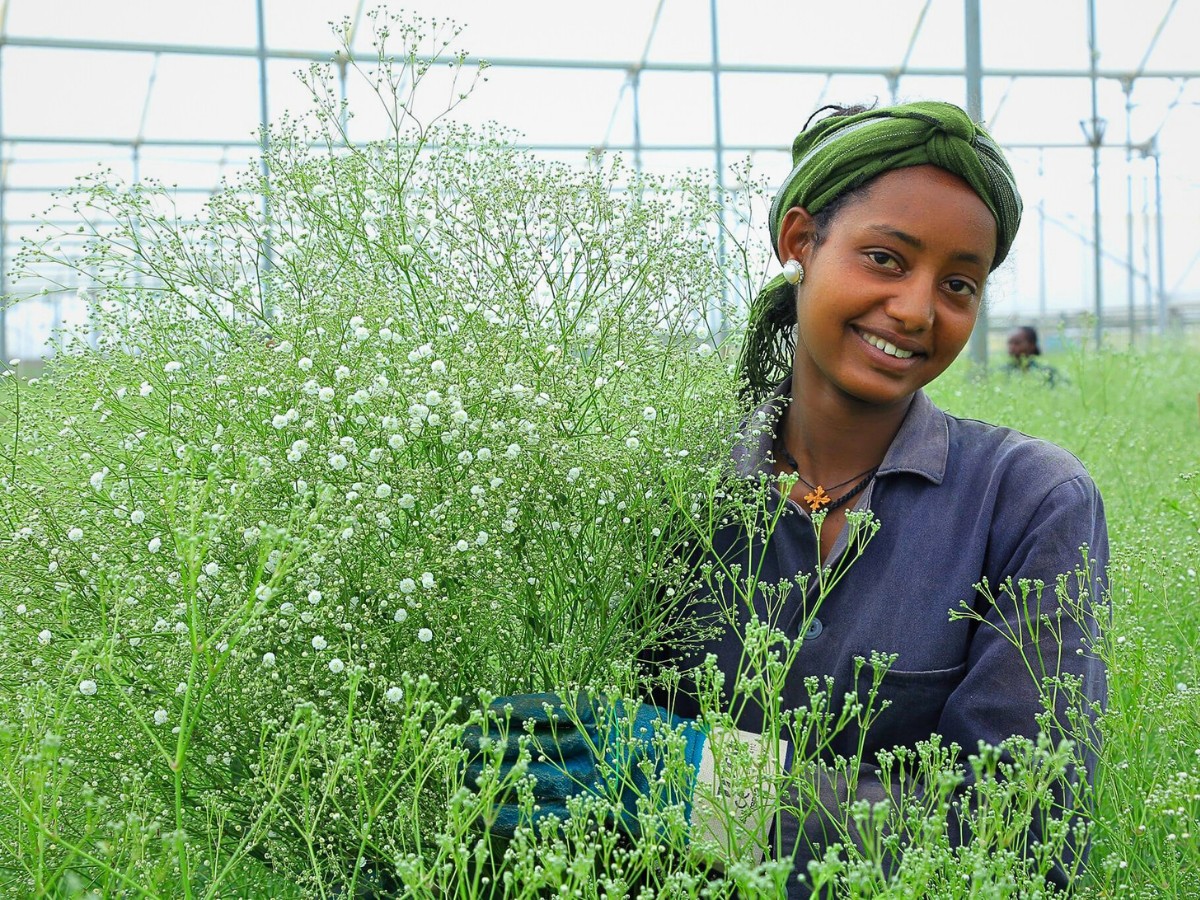
 

Ethiopia’s Floriculture Continues to Surpass Market Quality and Consistency Requirements. The Ethiopian Horticulture Producer Exporters Association (EHPEA) Plays a Leading Role in Achieving This.
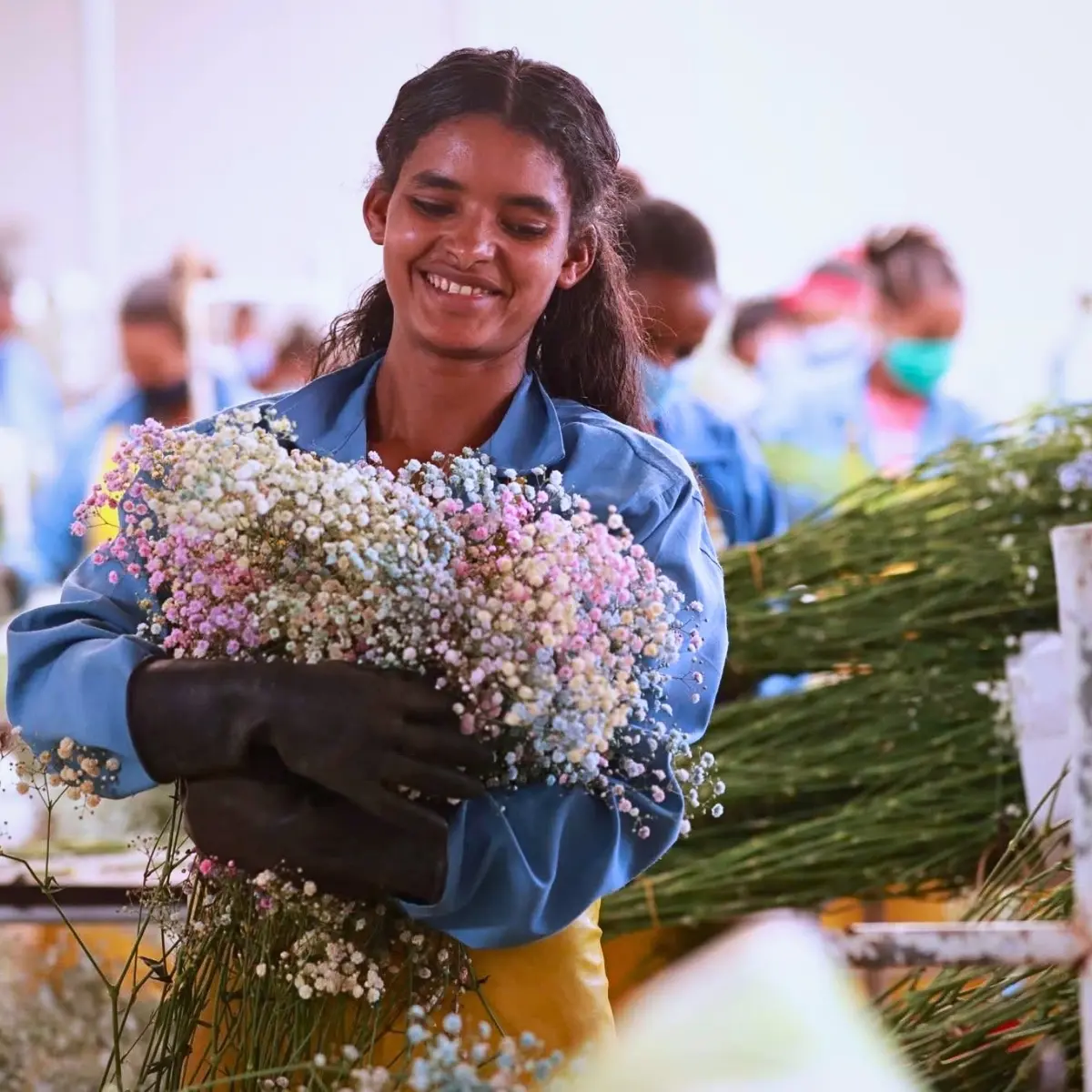
Gypsophila. Photo by EHPEA


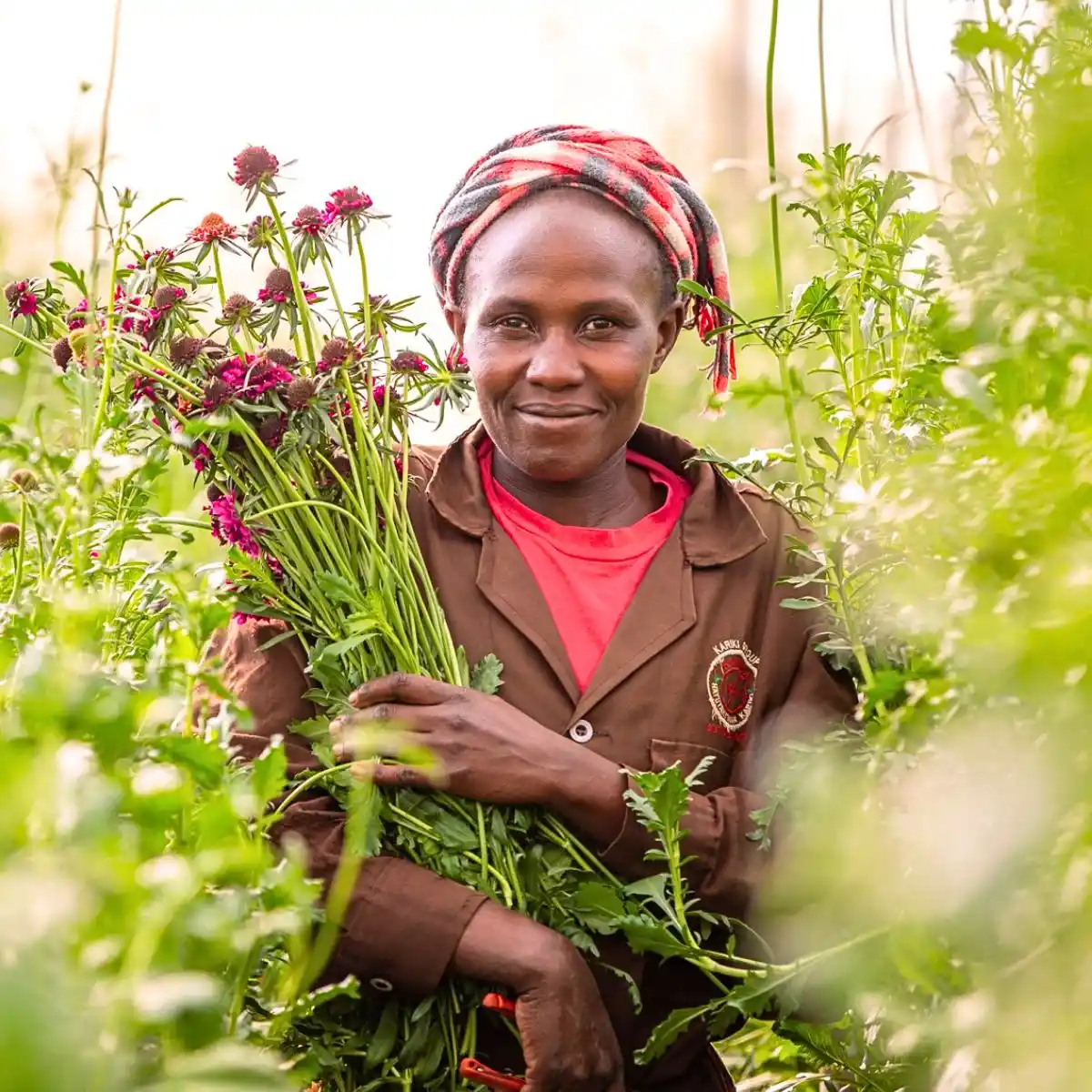
With women making up more than 80% of the flower workforce, EHPEA understood early that empowering female workers improves overall performance. Programs like 'Empowering the Source' have established gender committees and addressed workplace issues that affect quality directly, because a worker who feels respected and safe works better.

Regular inspections by the Ethiopian Agricultural Authority, combined with private certification schemes, also reinforce accountability and show steady improvement over the past decade.
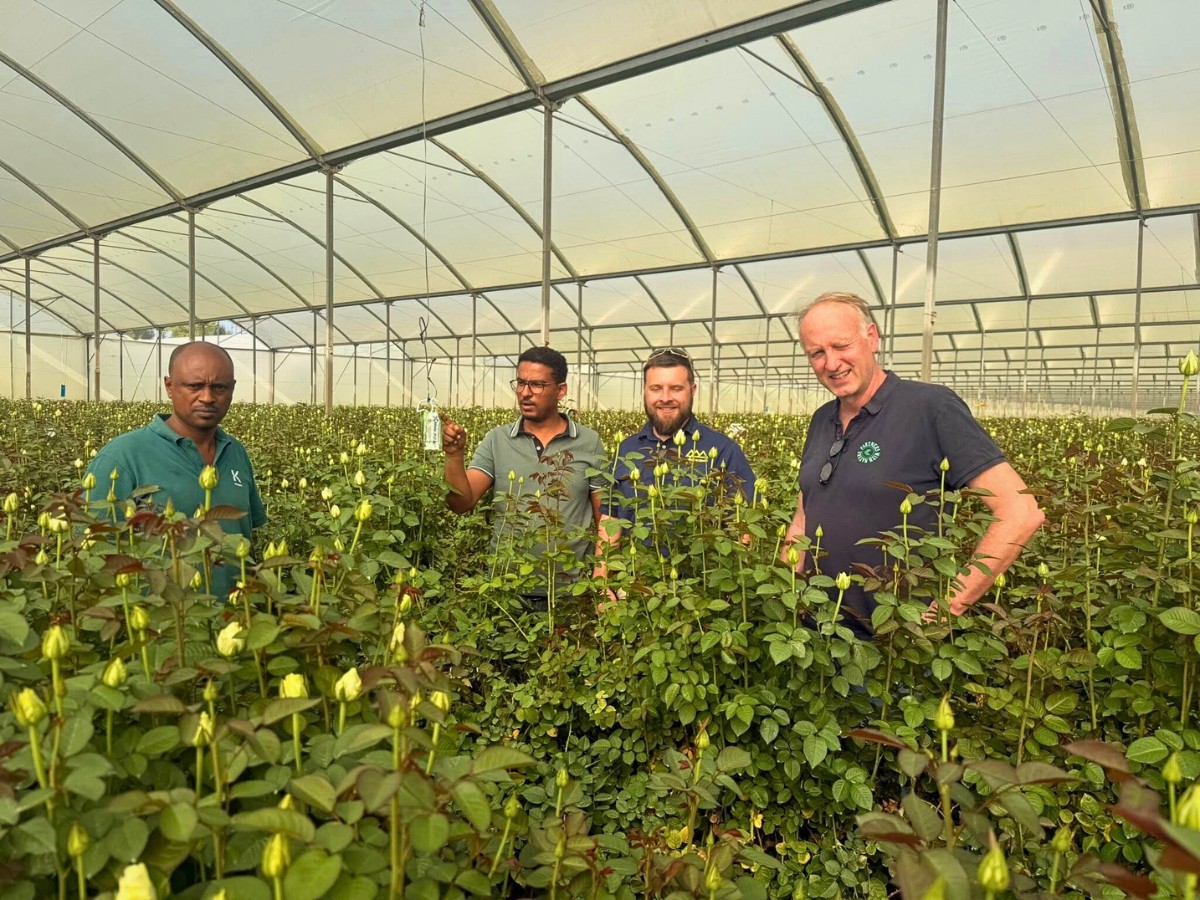
 

Ethiopia’s Floriculture Continues to Surpass Market Quality and Consistency Requirements. The Ethiopian Horticulture Producer Exporters Association (EHPEA) Plays a Leading Role in Achieving This.
Photo by Ermiyas Solomon


Reliability, Buyer Confidence, and Long-Term Partnerships

Reliability in floriculture means dependable grading, on-time shipping, clear communication, and the capacity to support major campaigns like Valentine's Day or Mother's Day without compromising quality. Ethiopian growers have grown into these roles, and at scale.

Producers like Afriflora Sher and Florensis Ethiopia, holding EHPEA Gold alongside international certificates, show how Ethiopian farms unify social and environmental responsibility with strong commercial performance. For buyers, this consistency reduces risk and builds long-term programs over one-off purchases, turning supplier reliability into real buyer confidence and consumer loyalty.
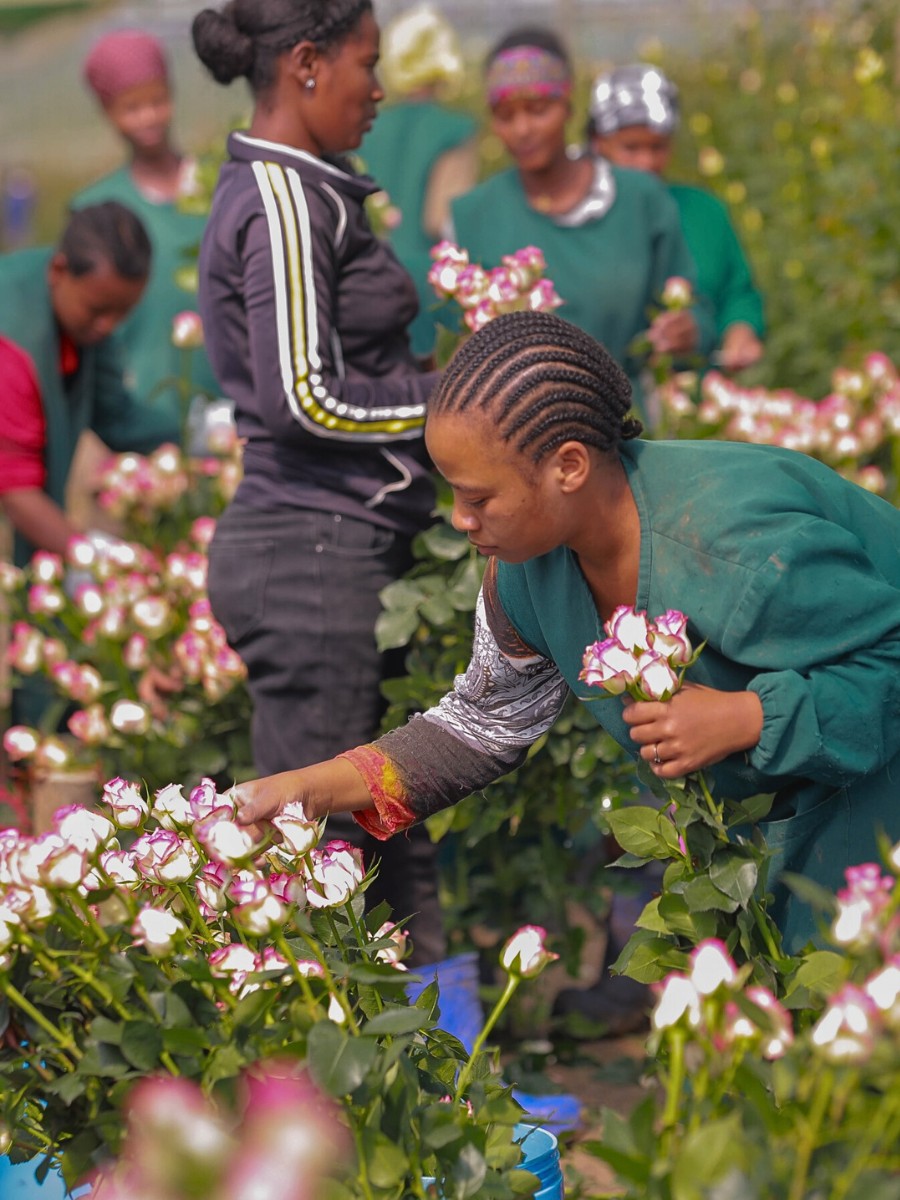
 

Ethiopia’s Floriculture Continues to Surpass Market Quality and Consistency Requirements. The Ethiopian Horticulture Producer Exporters Association (EHPEA) Plays a Leading Role in Achieving This.
Photo by Tinaw Flower


The Flowers, in Turn, Speak for Themselves

The global flower trade needs reliable suppliers that deliver quality consistently, grow responsibly, and operate transparently. With EHPEA's support, Ethiopia's floriculture is positioning itself as exactly that. New markets continue to open in the Middle East and Asia, but the industry's groundwork remains solid. 

For the roughly 150,000 Ethiopian floriculture workers, these quality standards and delivery consistency mean job security. For the markets, they mean flowers worth buying and coming back for. Quality, for this industry, is never finished.
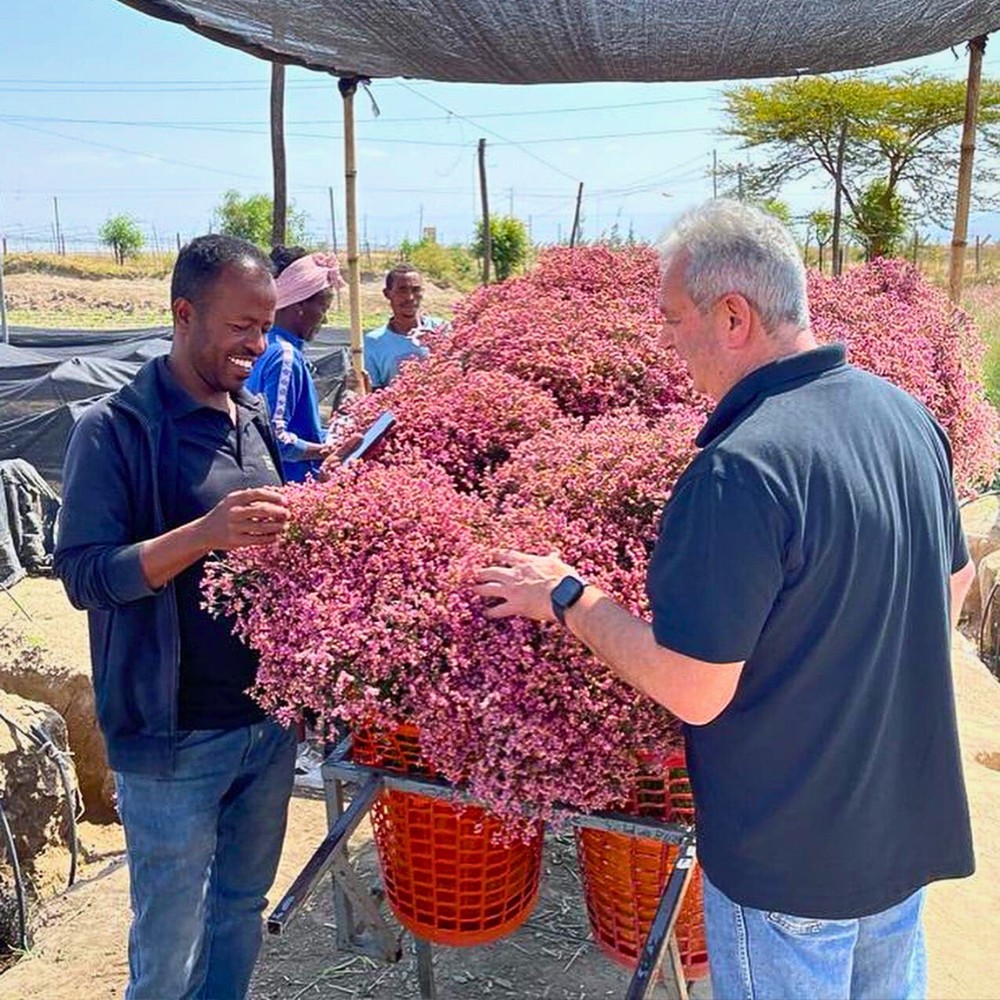
 

Ethiopia’s Floriculture Continues to Surpass Market Quality and Consistency Requirements. The Ethiopian Horticulture Producer Exporters Association (EHPEA) Plays a Leading Role in Achieving This.
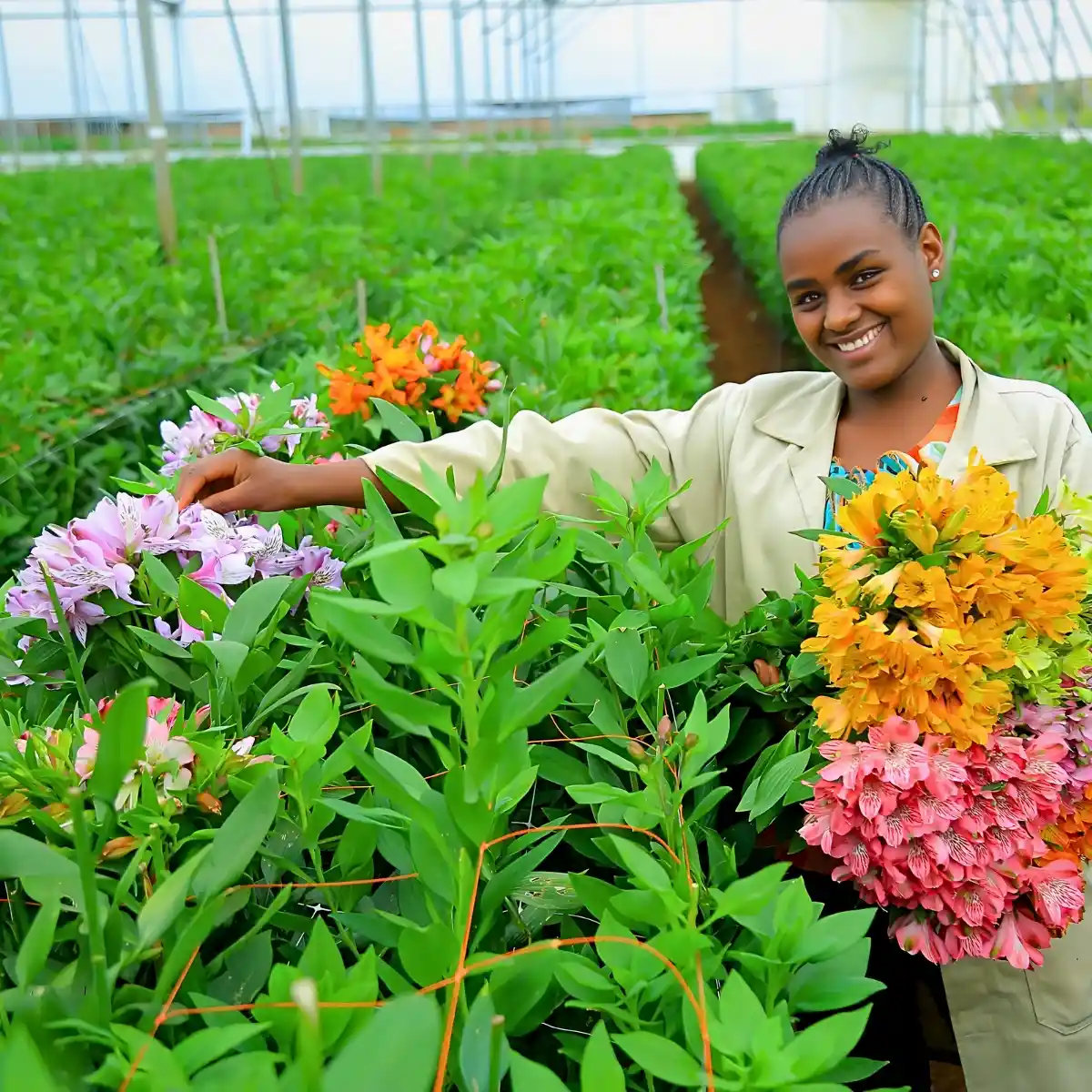
Limonium at Klaver Flowers.


Continuing work on sustainability, water management, energy use, and training keeps raising the bar for what a reliable flower supply chain looks like. Yet, the Ethiopian floriculture industry growers keep on meeting that bar every single day.


Feature image by EHPEA. Header image by EHPEA.


BannerEHPEA

FAQ

How does the Ethiopian Horticulture Producer Exporters Association (EHPEA) ensure consistent flower quality across different farms?

EHPEA puts in place (and enforces) benchmarks and standards to be adhered to by the growers, and provides standardized training through its Horti Campus platform, covering topics like cool chain management, pest control, and occupational safety. The Ethiopian Agricultural Authority conducts regular inspections, and different certification schemes create accountability. Many farms have, in turn, shifted to integrated pest management (IPM) using biological controls, built liquid waste treatment facilities, and continue to convert green waste into compost and biogas.

Why are Ethiopian flowers trusted worldwide?

Several building blocks explain why importers and retailers keep turning to Ethiopian farms when reliability is non‑negotiable.

  • Consistent high‑altitude climate and equatorial light support uniform production cycles, which in turn make supply more predictable across the year.
  • The EHPEA Code of Practice, with Bronze, Silver, and Gold levels, sets a common baseline for responsible, well‑managed farms as a condition for export.
  • The equivalence of EHPEA Silver with schemes such as GlobalG.A.P. means Ethiopian farms work under standards that European retailers already recognize and trust.
  • Leading farms hold multiple certifications, from EHPEA Gold to MPS‑ABC, MPS‑GAP, GlobalG.A.P., and social labels, which give buyers traceability and assurance on quality, safety, and working conditions.

Together, these elements create a kind of 'quality language' that exporters and buyers can both read.

What role does Ethiopian Airlines play in flower quality?

Ethiopian Airlines Cargo operates modern, temperature-controlled cargo facilities and maintains an extensive network covering 60+ destinations. The airline's cold chain management ensures flowers remain at optimal temperatures throughout the transport and logistics chain, ensuring the quality and freshness of flowers are maintained.

What is the EHPEA Code of Practice’s structure behind quality?

Behind every well‑packed box of Ethiopian flowers is a long checklist of good practice. EHPEA’s Code of Practice was created as an industry‑owned system to guide farms on environmental, social, and product quality requirements and to support continuous improvement.

  • Bronze sets the minimum threshold for export, requiring a basic management system, legal compliance, safe working practices, and monitoring of key sustainability topics.
  • Silver lifts farms to a level that matches national and international legal expectations and the basic sustainable cultivation practices demanded by European retail chains.
  • Gold builds on Bronze and Silver with stronger engagement in good agricultural practice, social responsibility, and sector‑wide capacity building, targeting the needs of more demanding markets and niche buyers.

Certification under this code is audited independently, giving buyers a neutral view of how farms manage their operations. The fact that EHPEA Bronze is compulsory for member farms underscores how seriously the sector treats baseline performance.

What are some of the international certifications and global benchmarks that Ethiopian growers work with?

On top of the Code of Practice, many Ethiopian farms hold international certificates that buyers already use as benchmarks when screening suppliers. These include:

  • GlobalG.A.P., widely seen as an entry ticket for supplying European retailers, confirms that farms follow recognized good agricultural practices, covering traceability, hygiene, safe working conditions, and environmental management.
  • MPS‑ABC tracks and benchmarks environmental performance, rewarding farms that use inputs more efficiently and reduce their footprint.
  • MPS‑GAP and MPS‑SQ provide additional assurance on good agricultural practice and social standards, including health and safety.
  • EHPEA Gold, held by farms such as Afriflora Sher and Florensis Ethiopia, shows an active commitment to corporate social responsibility and structured product quality management.

Which are some of the production practices that protect flower quality?

Standards only come to life when they are reflected in daily routines on the farm. Across Ethiopian floriculture, several practices are now commonplace and contribute directly to the reliability that buyers experience.

  • Harvest at the right stage: Farms harvest stems at carefully defined bud stages for each variety, which helps secure the expected vase life and opening behavior once flowers reach their final markets.
  • Cool chain discipline: Training platforms like Horti Campus support farm teams on topics such as cool chain management and postharvest handling, helping to keep product temperatures within strict limits from packhouse to airport.
  • Integrated pest management: The sector is moving away from heavy reliance on conventional pesticides and toward integrated pest management and biological control, which supports cleaner production and helps meet retailer residue requirements.
  • Water and nutrient management: Investments in fertigation systems, water treatment, and, in some cases, constructed wetlands improve water quality and allow precise feeding, which shows up in uniform stem length, head size, and foliage.

These practices (among many more) are not only good agronomy, but are also part of the story buyers share with their customers about where and how their flowers are grown.

Are Ethiopian flower farms addressing environmental concerns? And how do certifications increase buyer confidence?

Yes. Farms are investing in practices like integrated pest management (IPM), biological control, wastewater treatment, and water recycling systems, many of which are linked to certification requirements and EHPEA guidance.

Certifications provide verified proof that farms meet agreed standards on product quality, traceability, safety, and social responsibility, which simplifies due diligence and reduces risk for importers and retailers

Poll

What factor is most important to you when sourcing flowers from a new country?

YOU MAY ALSO LIKE

EHPEA’s Great Role in Ethiopian Floriculture Growth and Socio-Economic Impact
EHPEA’s Role in Ethiopian Floriculture Growth and Socio-Economic Impact
Ethiopian Horticulture producer Exporters Association
Thursd Launches Year-Long Collaboration to Promote Ethiopian Flowers Globally
Thursd Now
Jan 22 | 2 min read
Holla Roses’ Innovative Sustainable Practices Recognized
Holla Roses Among Growers Recognized for Innovative Sustainable Practices
Rosa Plaza Unveils the Vibrant Orange Rose on Fire From Interplant Roses -  Thursd Article
Introducing the Vibrant Orange Rose on Fire
Ethiopia - Where Flowers Meet Ancient Marvels - Thursd Article
Ethiopia – A Country Where Flowers Coexist With Natural and Ancient Wonders
Travel Floral Education
Oct 22 | 10 min read
Ethiopian Storm Damage Greenhouses
A Message for Those in Challenging Times in Rose Production in Ethiopia
Remarkable
Aug 26 | 1 min read
four phones with a thursd page open

Can't get enough?

Subscribe to the newsletter, and get bedazzled with awesome flower & plant updates

Sign up