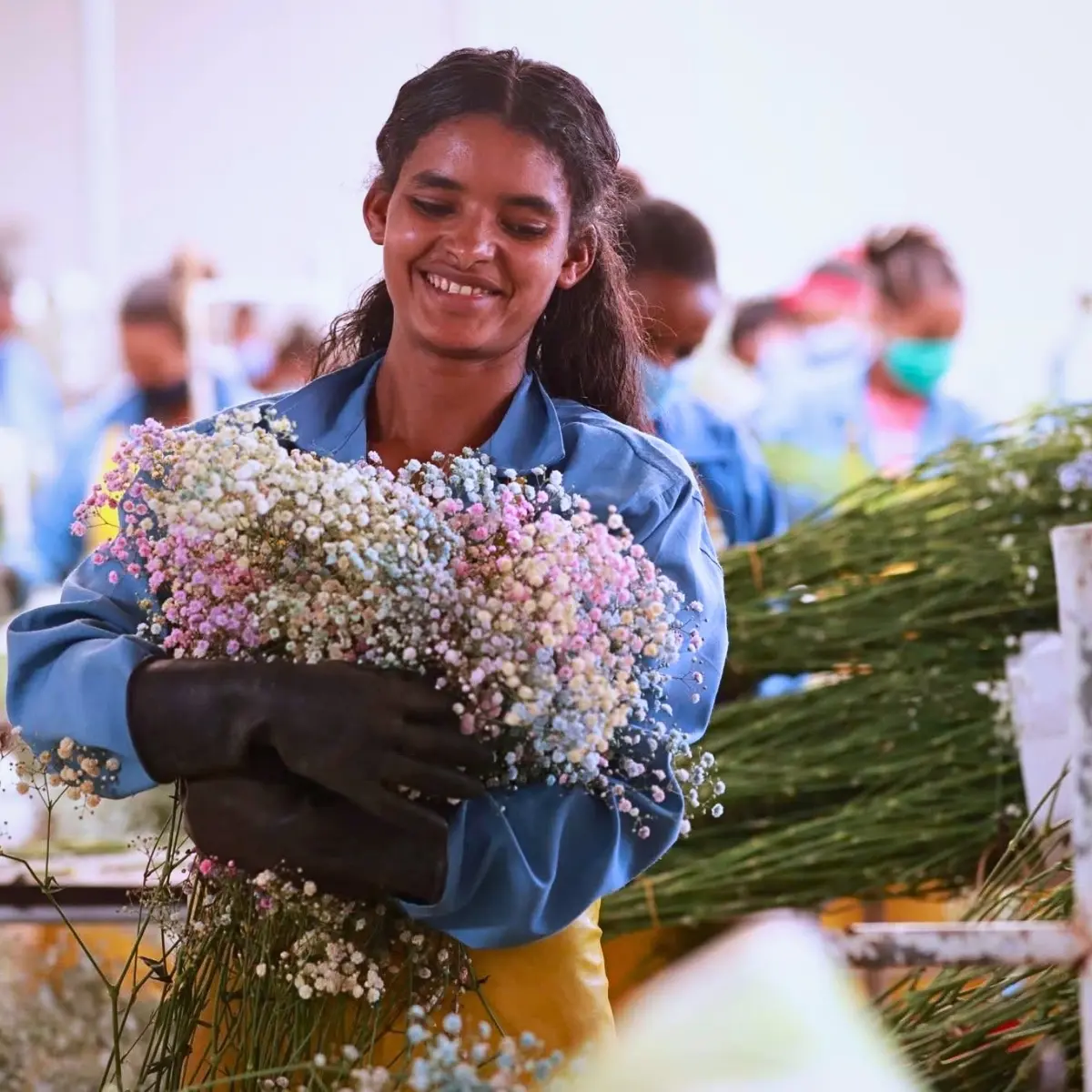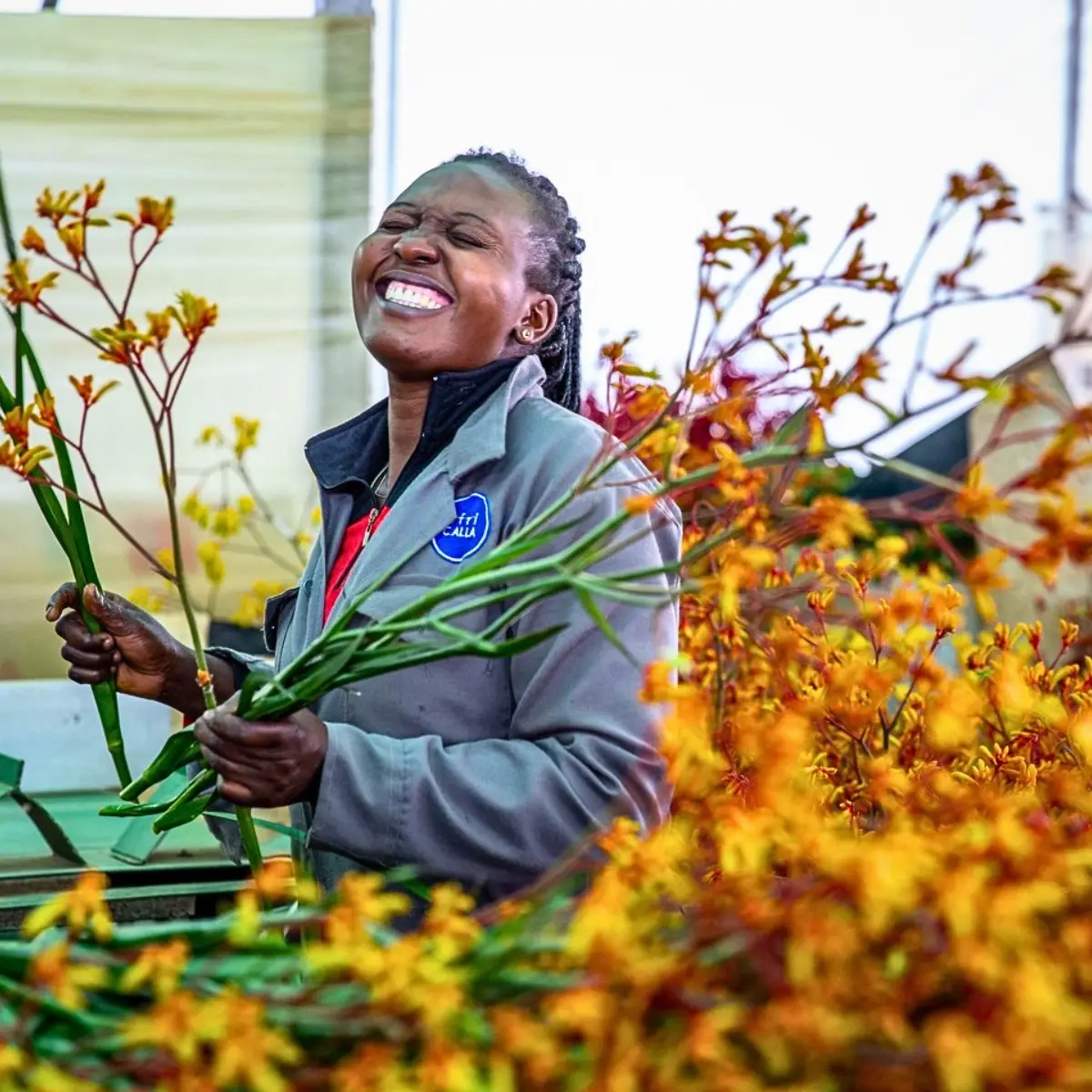

In the past two decades, Ethiopia’s rose industry has transformed from a small agricultural niche into one of Africa’s most dynamic horticultural success stories. While the sector initially centred on traditional supermarket-friendly retail roses, growers across the country are now prioritising intermediate roses with 4 cm + head sizes and expanding into spray roses, both of which better align with global and regional demand. This evolution is rooted in a growing professionalism, a quality mindset driven by export readiness, and partnerships with leading breeders such as De Ruiter, which are shaping the future of East African floriculture.
Since its beginnings in the late 1990s and early 2000s, Ethiopia’s floriculture sector has grown significantly, driven by favourable Agro-climatic conditions, strong government incentives, and strategic investments in infrastructure, including air freight facilities linking to major export hubs in Europe. Today, nearly 85% of the country’s flower production is roses, cementing the industry as a major exporter and an employer. Ethiopia has emerged as Africa’s second-largest rose exporter after Kenya and is recognised as a top global supplier in the cut-flower trade.
Why 4 cm Head Size Matters in Today’s Rose Market
A key driver of this progress is a shift in market strategy, for instance, for growers located in Ziway, Debre Zeit, Holeta, Bahir Dar, and Welkite. In particular, farms that once focused on sweetheart roses, mainly for supermarket bouquets, are now shifting toward intermediate varieties with larger head sizes. This change reflects a broader adaptation to the realities of the international floral market, where larger blooms and stronger stems command higher prices and are more attractive to premium bouquet makers and wholesalers.
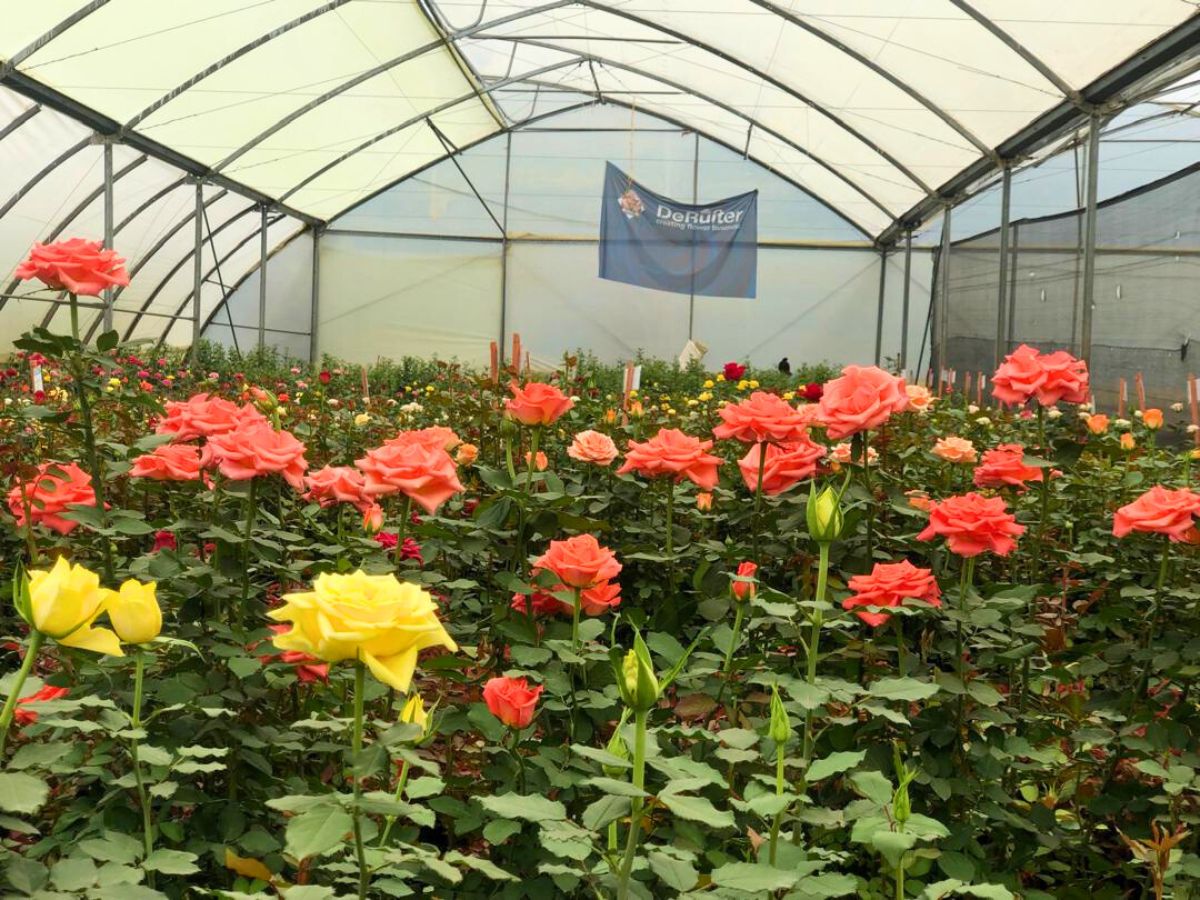
Intermediate roses typically range between 50 cm and 70 cm stem length, and varieties that achieve head sizes of 4 cm or larger have become particularly desirable. These specifications not only meet the European market expectations but also support evolving demands in the Middle East and other emerging destinations. This shift underscores an industry that is not only growing in scale but also maturing in its market understanding and product quality.
The Rise of Spray Roses in Ethiopian Production
One of the other major trends observed over the past few years is the expansion of spray rose cultivation in Ethiopia. The country’s diverse growing areas, including Ziway, Debre Zeit, Menagesha, Holeta, and Sebeta, provide favourable agro-climatic conditions for spray roses. These regions are characterized by bright sunshine during the day, cool night temperatures, and moderate humidity, which are ideal for producing strong stems, good bud development, and vibrant flower colour. Spray roses, which produce multiple blooms per stem, are increasingly demanded in international markets. Their natural branching structure makes them highly suitable for mixed bouquets, wedding work, and premium floral arrangements. Compared to single-head roses, spray roses offer greater design flexibility and often higher stem counts per bunch, making them attractive for bouquet manufacturers.

The expansion into spray roses reflects more than simple product diversification. It represents a strategic positioning by Ethiopian growers to capture broader market segments, especially as bouquet sales continue to grow relative to mono-bunch programs. At the same time, the increasing focus on intermediate rose varieties, positioned between large-head and small-head types, demonstrates how growers are adjusting their varietal mix to meet evolving consumer preferences, retail bouquet formats, and price sensitivities. Overall, the shift toward spray and intermediate roses signals a market-driven adaptation of Ethiopia’s floriculture sector, aimed at strengthening competitiveness and responding to changing global bouquet trends.
De Ruiter’s Role in Shaping the Ethiopian Portfolio
Central to this transformation are breeders who work closely with Ethiopian farms to conduct structured adaptation trials and introduce well-suited, high-performing new varieties. De Ruiter, a globally respected rose breeding company, has been actively engaged in Ethiopia for many years. The company evaluates potential varieties across various altitudes, carefully selecting roses that align with local growing conditions as well as international market requirements. DeRuiter’s selection strategy in Ethiopia focuses on key performance indicators essential for export competitiveness, including high yield, pest and disease tolerance, long vase life, strong stem quality, and consistent year-round performance.

Among the widely grown De Ruiter varieties in Ethiopia are Lovely Jewel, Royal Jewel, Tropical Amazone, Furiosa, and others. In higher-altitude production areas, varieties such as Rose Ever Red, Ever Pink, Mandala, Esperance, Fluence, Fair Lady, and Proud have demonstrated strong adaptability and performance. Additionally, varieties like Pomarosa, Mandala, Fluence, and Revolution are gaining increasing attention among growers, as they successfully meet both production and market preferences. Beyond standard roses, De Ruiter continues to strengthen its portfolio in Ethiopia by introducing productive as well as strong-performing spray rose varieties that are suitable for the area.

The presence of De Ruiter reinforces a professionalism within the Ethiopian industry that goes beyond cultivation. Trial houses, variety showcases, and continuous participation in horticultural fairs, such as HortiFlora, provide platforms where growers and breeders can exchange insights, benchmark performance, and showcase quality achievements. Events of this nature are an indicator of a sector that is investing in knowledge and connections, not just acreage.
Why Ethiopia Matters for the Future of East Africa
This evolution is important not only for Ethiopia but for the broader East African floral value chain. Kenya’s floriculture industry long dominated African rose exports, with a focus on premium European markets. Ethiopia’s emphasis on consistency, adaptability to market shifts, and diversification into spray and intermediate roses positions it as a complementary supplier, reinforcing East Africa’s reputation as a high-quality floral hub. Together, the region can offer a more diverse range of roses and floral products, attracting buyers seeking variety as well as reliability.

Looking ahead, Ethiopia’s rose industry exemplifies how professionalism, quality orientation, and strategic breeding partnerships can elevate a national sector to global relevance. By evolving beyond traditional varieties into performance-based intermediate and spray roses, growers are setting a benchmark for what East African floriculture can achieve in the decades to come.
Pictures by @deruiterethiopia.