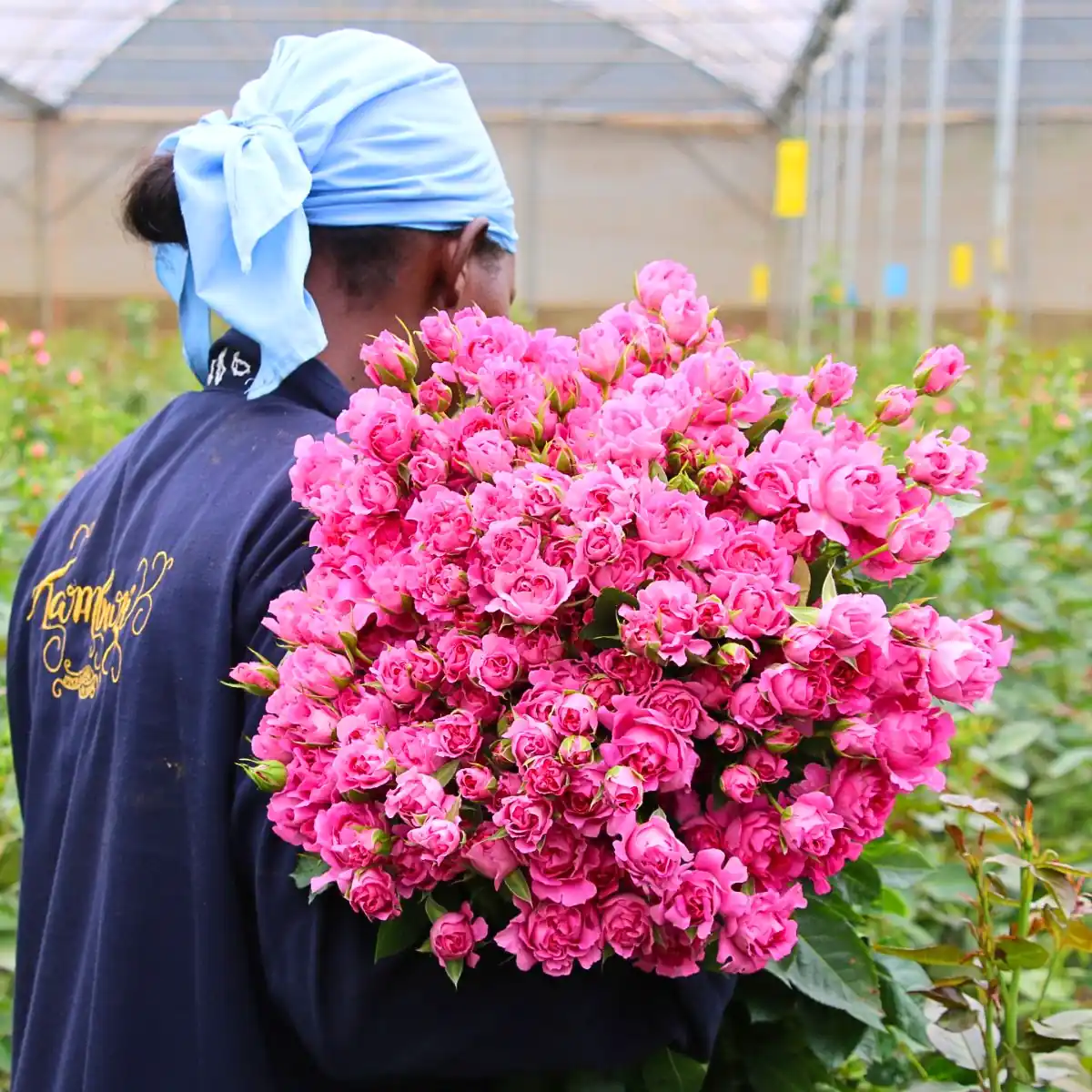
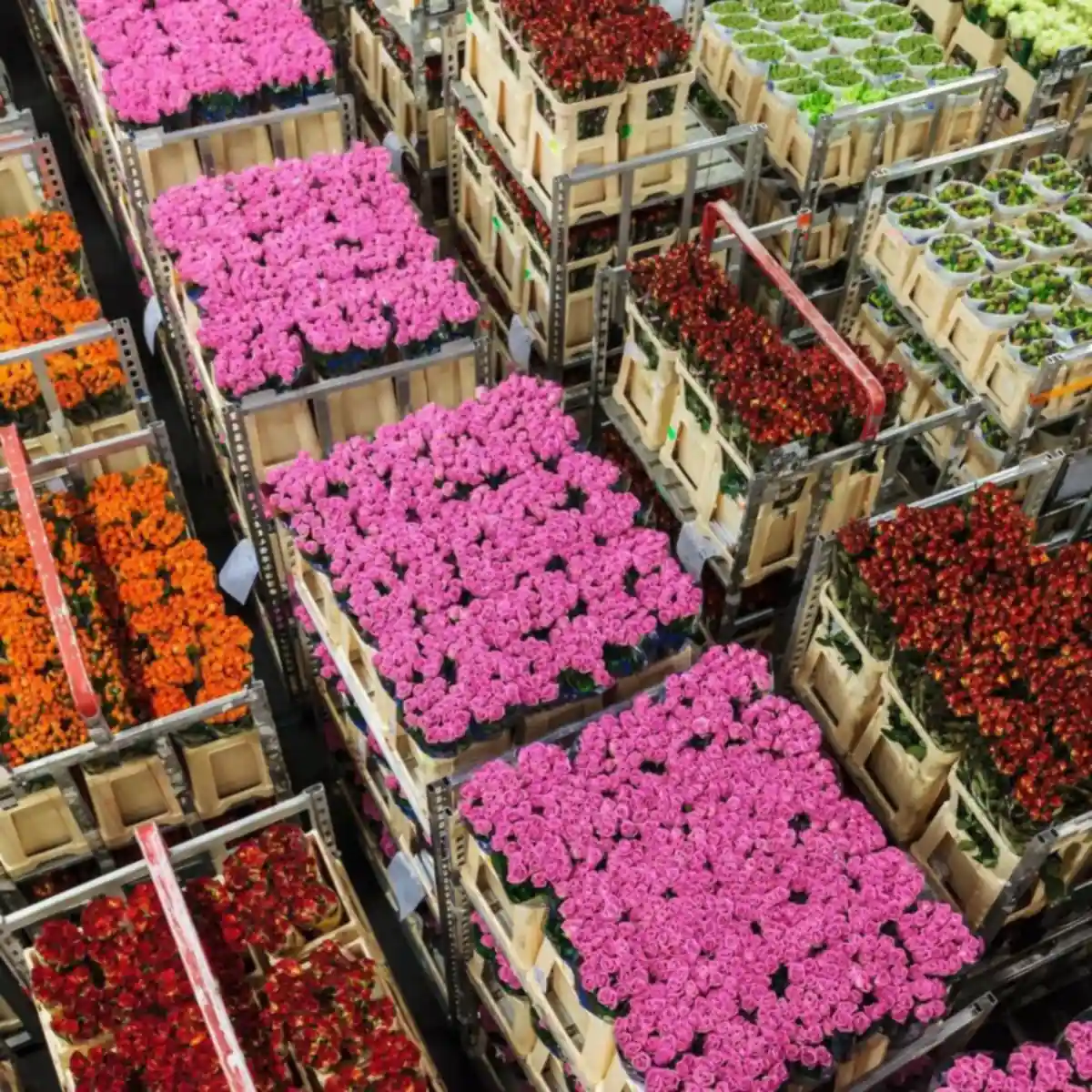
In the floral trade, every degree hour matters, perhaps more than anything else. A cut rose that spends two extra hours at 6°C instead of 2°C on its way from, say, Nairobi to Amsterdam experiences a relatively shorter vase life, higher waste, and lower profit margins. For the industry, therefore, a one-degree temperature difference can mean the difference between a profitable shipment and a costly, wasteful one.
This is one reason why, for floral professionals, cold chain data is much more than a technical luxury. More than anything else, it is the basis of flowers' vase life, waste reduction, customer satisfaction, and profit margins. This is also why data loggers, the tags traveling with shipments to identify thermal stress before it creates expensive claims, are important.
What Is a Data Logger?
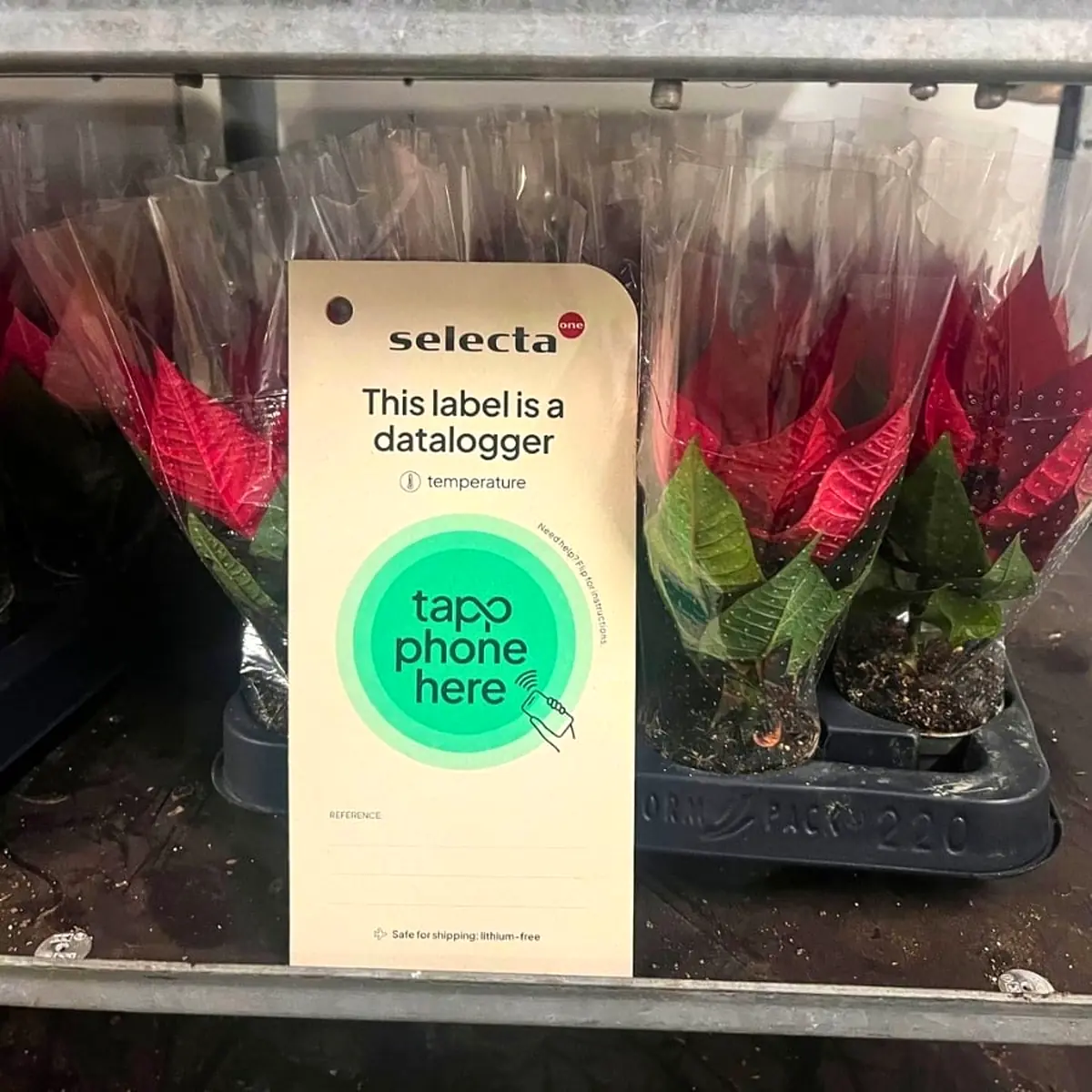
A data logger is a small, portable electronic or paper-based device that automatically tracks and records environmental conditions, such as temperature and humidity, while cut flowers or bulbs are stored and transported. Tapp, widely recognized as a leading cold chain monitoring system (CCMS) for the floral industry, is one of those that offer such data loggers.

This smart and sustainable data logger from the Leeuwarden-based Dutch CCMS provider is a paper-based label that logs temperature and, on some versions, humidity throughout a shipment’s journey. Using it takes three easy steps. First, set limits with presets for flower types in the Tapp app and place the label in the box.
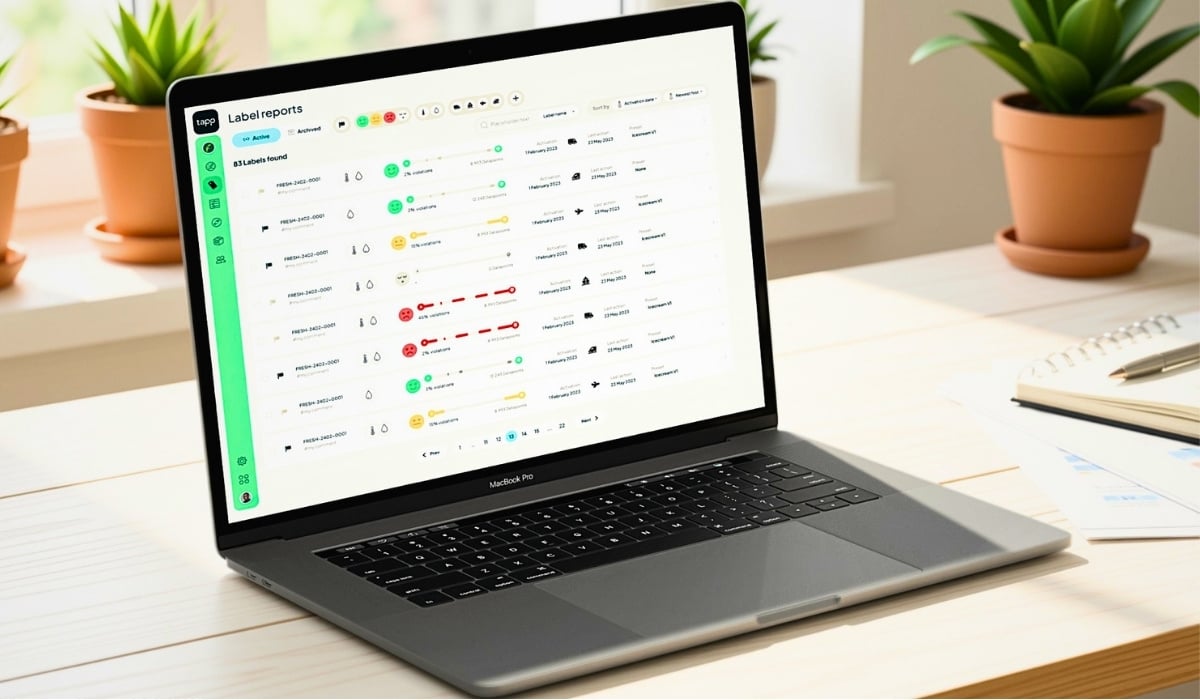
Second, the receiver taps the label with any NFC-enabled smartphone and reads the report in a browser, with no app needed. Since October 19, 2026, the receiver can also save that report in a free Tapp account. Third, the data syncs to the free TappOS dashboard, where the sender and receiver can filter shipments by violations, transport mode, or date, and download PDF or XLS reports.
The label is also passive, so it needs no GPS or live connection. Plus, the temperature version records from -12°C to 50°C (10.4°F to 122°F), with ±0.5°C (±0.9°F) accuracy, holds more than 8,452 measurements over about 180 days, and is certified to EN 12830. Humidity and freeze versions are also available.
Temperature Excursions and Why Data Loggers Are Important for Cut Flowers
Cut flowers continue to respire after harvest. When temperatures rise, their respiration accelerates, and the aging process speeds up. Research on cut roses has shown that flowers stored at higher temperatures experience significantly shorter vase life compared to those kept at optimal cold temperatures. For most cut flowers, storage temperatures between 0°C and 2°C are recommended, though some have specific requirements.
The consequences of temperature deviations ripple through the whole supply chain. To start with, reduced vase life leads to increased flower and petal drop, leaf quality deterioration, and higher levels of waste. Every day of lost vase life is lost value, and it lands as waste, as complaints, and as credit notes.

To put it a little more clearly, when temperatures go above the recommended threshold, respiration speeds up exponentially. High respiration depletes the stored carbohydrates of the flower, triggering premature senescence, petal wilting, and stem blockage. Furthermore, high temperatures create a conducive microclimate for fungal pathogens, most notably Botrytis cinerea, which thrives when condensation forms during temperature fluctuations.
Perhaps consider a case where a Kenyan cut flower grower ships a consignment of premium roses to a Dutch auction. The shipment may be packed correctly, but during a layover at a transfer hub, the pallet sits on the tarmac for three hours in 28-degree heat. A data logger records the temperature excursion – the period outside of the target recommended temperature range – over this period.
This matters a lot because when the roses arrive, they may look acceptable, but within a few days in the vase, the petals begin to drop; the florist or retailer receives customer complaints, maybe issues a refund, and possibly loses a repeat client. For exporters, importers, wholesalers, and retailers, this means waste, lower customer satisfaction, and recurrent credit note claims.

But notably, without temperature data generated by a data logger, the farm of origin may assume the problem was the variety or even the florist's handling. But with the right data, one can trace the excursion to the hub, maybe even negotiate with the forwarder, and prevent the same error from recurring on the next shipment. Holex China provides a good case for this.
Data Logger Placement in a Shipment and How to Read Its Temperature Graph
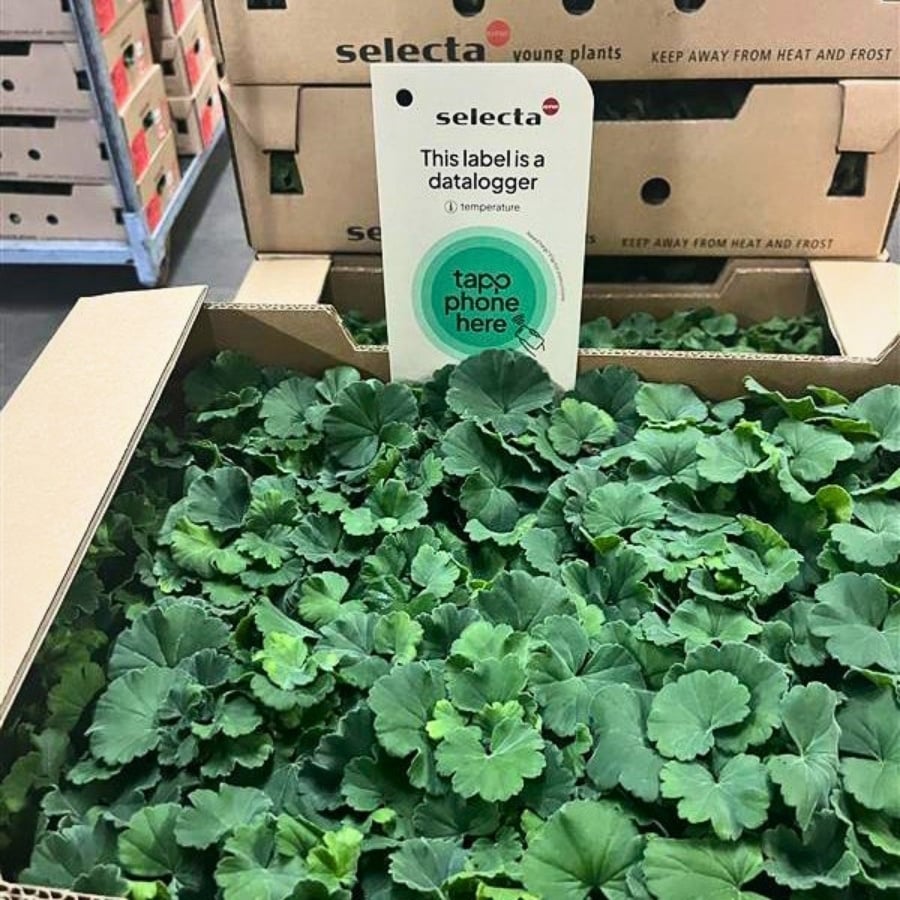
The data logger is placed where it measures the flowers, not the outside air. It is generally laid flat inside the box, among or on top of the flowers, because a label taped to the outside records the warehouse, not the flowers in the box.
On a pallet, a common approach is to use a box in the most exposed spot, such as an outer edge near the door or a top corner, since the box warms first. A second label can be added in a center box to check whether pre-cooling reached the core. Also, keep the labels away from cooling vents and ice packs. For the case of Tapp's label, it is less than 2 millimeters (0.1 inch) thick, so it slips in easily.
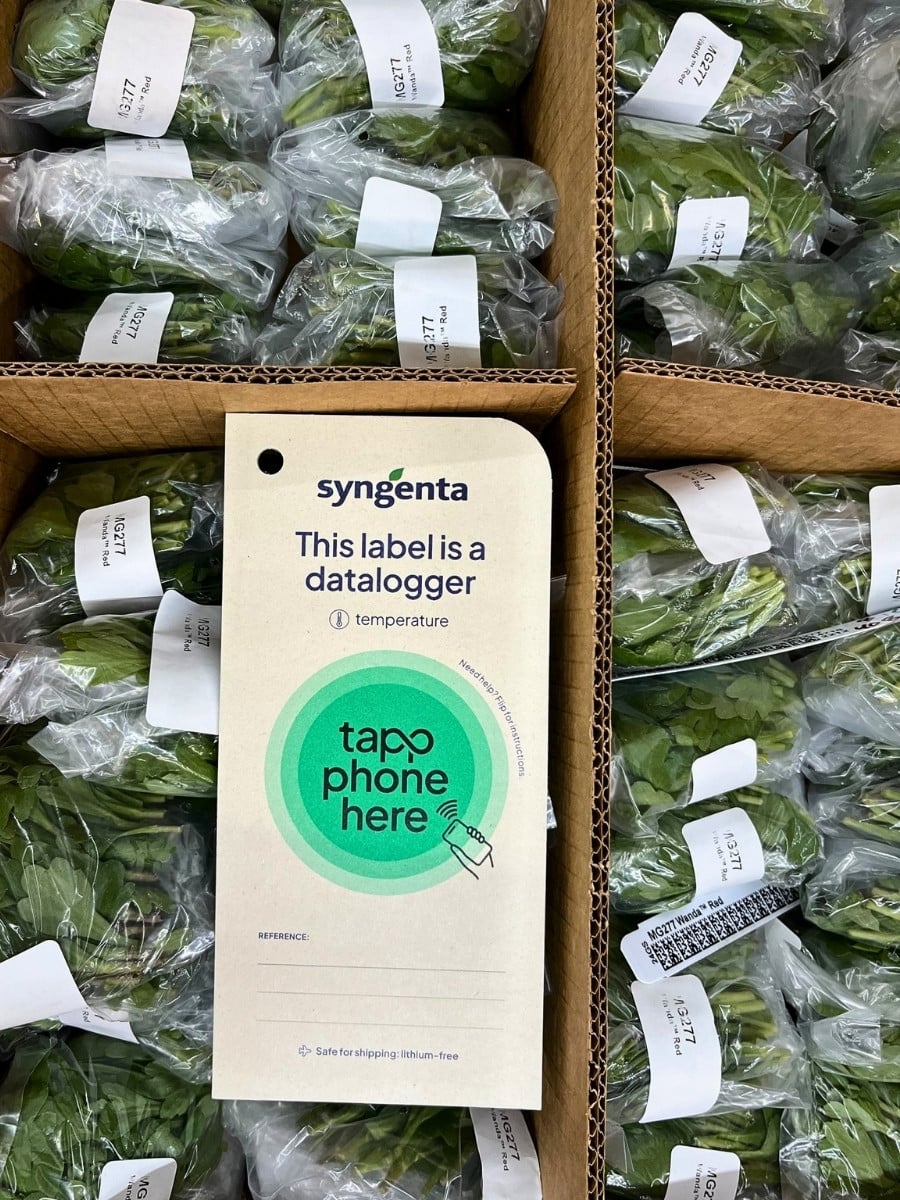
From the data logger, the temperature graph generated tells about the journey of a flower shipment. The horizontal axis on the graph represents time, while the vertical axis shows temperature. A well-managed cold chain shows a relatively flat line within the target or recommended temperature range. Some data logger systems, including Tapp, allow users to set species-specific presets, so the graph automatically flags deviations from the ideal range for a flower type.
Excursions, however, come up as spikes or dips that deviate from the set parameters. But how do the duration and severity of the excursion matter? A brief spike to 10°C during a loading dock transfer may have minimal impact, but a sustained period at about 15°C across several hours will definitely accelerate aging and reduce vase life.

What One Should Ideally Do When Data Shows a Problem
When temperature data shows an excursion, the first step would be to document the evidence. Perhaps photograph the boxes, the label reading, and any condensation inside the sleeves, which can indicate overheating. Notably, however, most logger platforms, including Tapp's dashboard, allow users to download such professional PDF reports that can be shared.
One should also review the timing and duration of the excursion, and then communicate with the relevant party in the chain. If a pattern emerges, such as recurring problems at a specific transfer point, the data provides the basis for a constructive discussion about improving the processes involved.
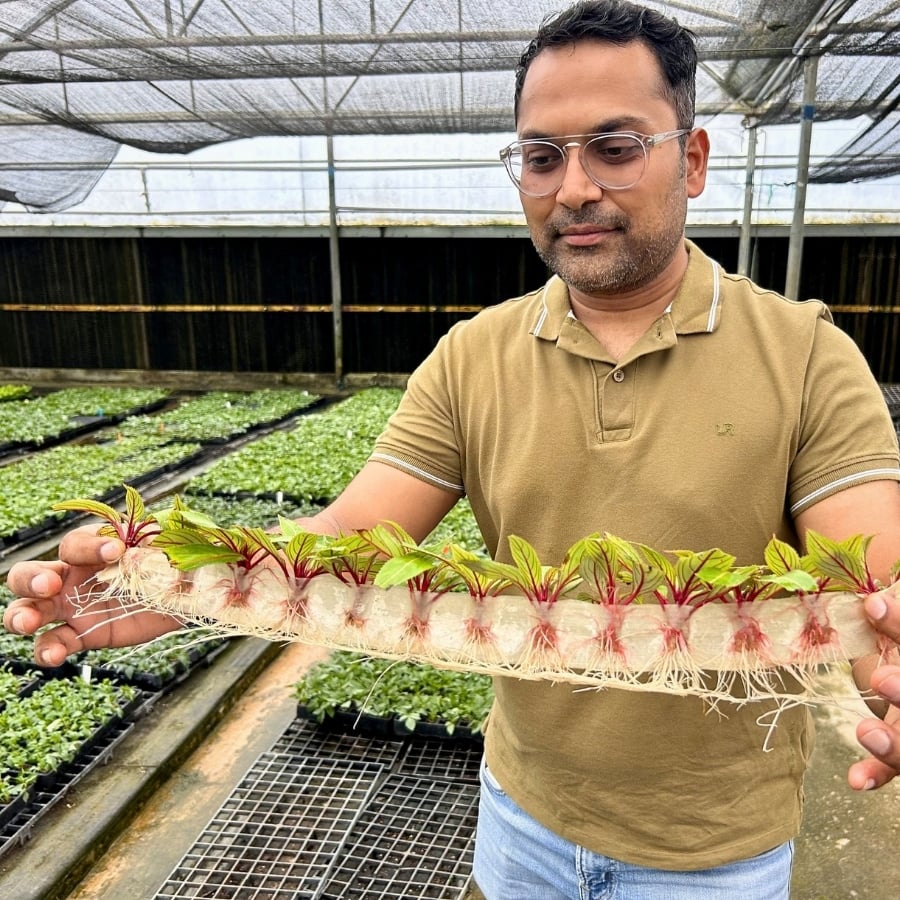
One also needs to review the dashboard over time, since repeated spikes at the same handoff point indicate a weak link. But the benefit is that over time, this data-driven approach cuts waste, improves vase life, and protects client relationships.
How Tapp Is Designed With the Floral Industry in Mind
Cold-chain monitoring has traditionally relied on USB-based loggers or heavy battery-powered devices. While functional, these traditional tools come with setbacks like operational friction, plastic waste, and delayed reporting. But Tapp, on the other hand, as a paper-based alternative, modernizes data management across the floral supply chain.
Its paper-based data logger labels travel with the shipment and can be read with any Near Field Communication (NFC)-enabled smartphone: just one tap transfers temperature and humidity data to a secure cloud platform, where every party in the chain, including the grower, forwarder, or importer, can access the same information.
The Tapp temperature label stores 8,452 measurements across about 180 measuring days, and the humidity label stores 3,570 temperature and 3,570 humidity readings over roughly 120 days. The temperature and freeze labels are certified to EN 12830, INGEDE, RoHS, and CE. The humidity label carries INGEDE, RoHS, and CE. EN 12830 covers temperature recorders only, so no equivalent certificate exists for humidity. It is ultra-light, waterproof, and free of lithium batteries, so it remains safe for air freight. The label is also made from sustainable paper fibers and can be recycled in the standard paper stream, reducing electronic waste compared to traditional single-use loggers.
Here’s Why It Stands Out for Floral Cold Chains
While the floral industry has often used different data logger providers, most were designed for pharmaceutical or food supply chains, not for the specific needs of flower shipments. Tive Tag, for instance, is also a passive NFC label, with a wider published range of -30°C to 50°C, and reading it runs through Tive’s own platform.
Sensitech TempTale offers pharma-grade validation, and its GEO line is a real-time monitor on global GSM rather than a USB device. tempmate’s GS2 is also real-time, on LTE 4G. LogTag’s UTRIX-16 and DeltaTrak’s FlashLink Mini are USB recorders that write their own PDF, which is efficient when the receiver has a computer at hand and a dead end when they do not. Frigga offers real-time LTE and 5G tracking, which is more capability and cost than a typical flower shipment requires. But Tapp has several features that set it apart.
First, while many traditional loggers require receivers to open boxes, remove plastic casings, and plug USB sticks into computers running desktop software, Tapp removes this friction through its NFC capability. Anyone handling the shipment, from airport handlers to floral shop workers, can tap the label with a smartphone and the report opens in a web browser with no app to install and no account to create. The sending side works differently: activating a label does need the Tapp app and an account, where you set the label type, the valid range, the measurement interval, and a reference such as an order number.
Secondly, unlike some closed systems where trip data remains locked inside the sender's private account, Tapp provides a shared platform. Growers, freight forwarders, importers, and retailers access a unified view of the flowers’ transit history. Its cloud dashboard is also free to use, meaning one pays only for the physical labels while gaining full analytics capabilities.
Thirdly, single-use plastic loggers produce tons of electronic waste annually across international trade routes. Tapp, on the other hand, features a sustainable design designed for circular goals. It addresses the environmental issue by using labels manufactured from agricultural waste paper paired with lithium-free power sources.
Tapp states that its label reduces e-waste by up to 90 percent compared with conventional single-use loggers. Also, it is custom-brandable with one's logo. Plus, used labels can be processed right through standard paper recycling streams.
Furthermore, despite its lightweight footprint, Tapp covers the ranges perishable logistics needs: -12°C to 50°C on the temperature and humidity labels, and -30°C to 35°C on the freeze label. Major international exporters, particularly on high-volume trade lanes between Africa, South America, and Europe, use it to secure quality compliance across long transit routes.
Yet with sustainability in mind, other floral businesses keen on reducing waste, proving quality, and nurturing stronger customer relationships will realize that Tapp, virtually, offers perhaps the most viable and sustainable solution.
Curious how Tapp compares with six other loggers on published specifications? See our guide to the best cold chain data loggers for shipping flowers.
Want to see it for yourself? Create a free Tapp account and try the label, the app, and the dashboard. More background is on Tapp's profile on Thursd.

Feature image: Tapp. Header image: Tapp.