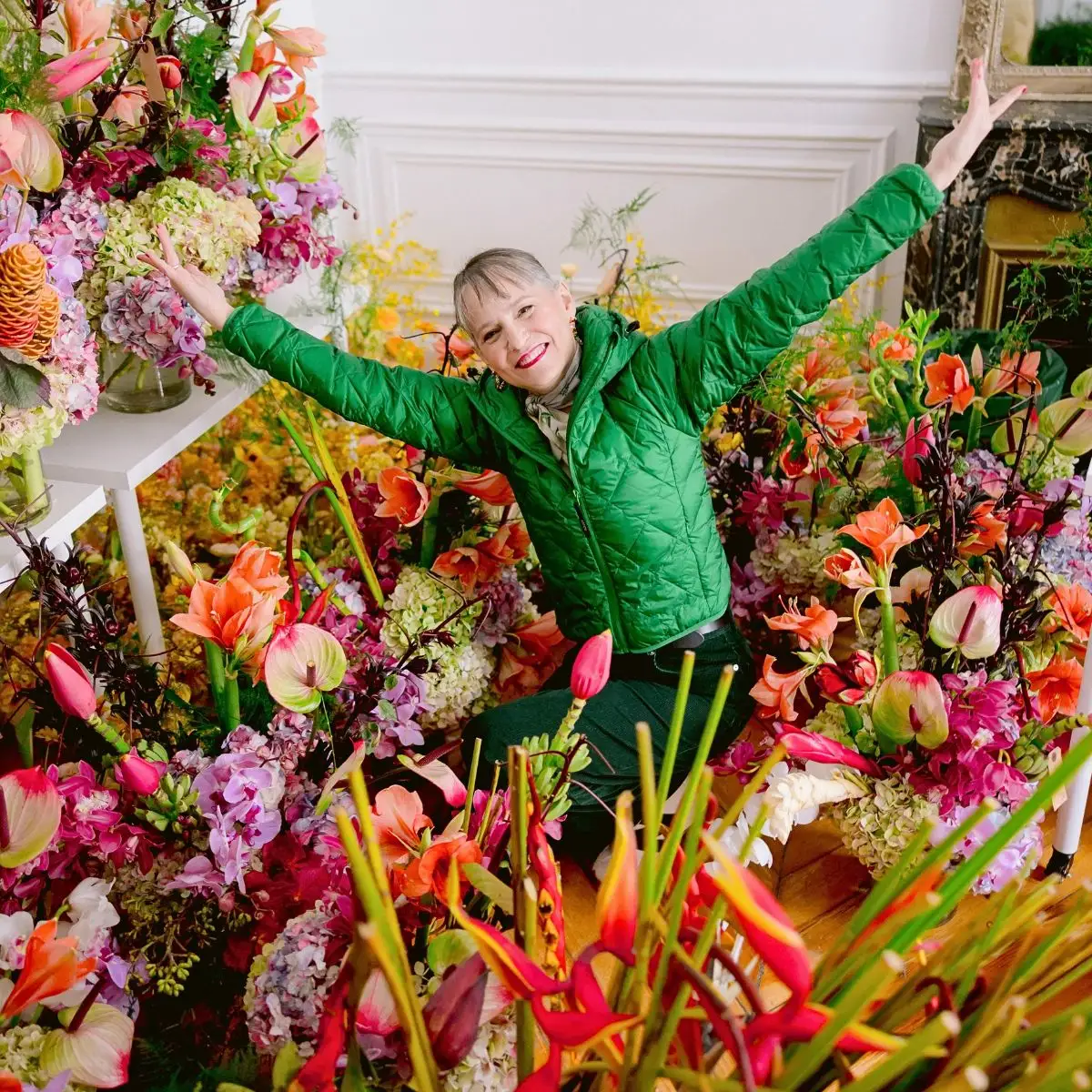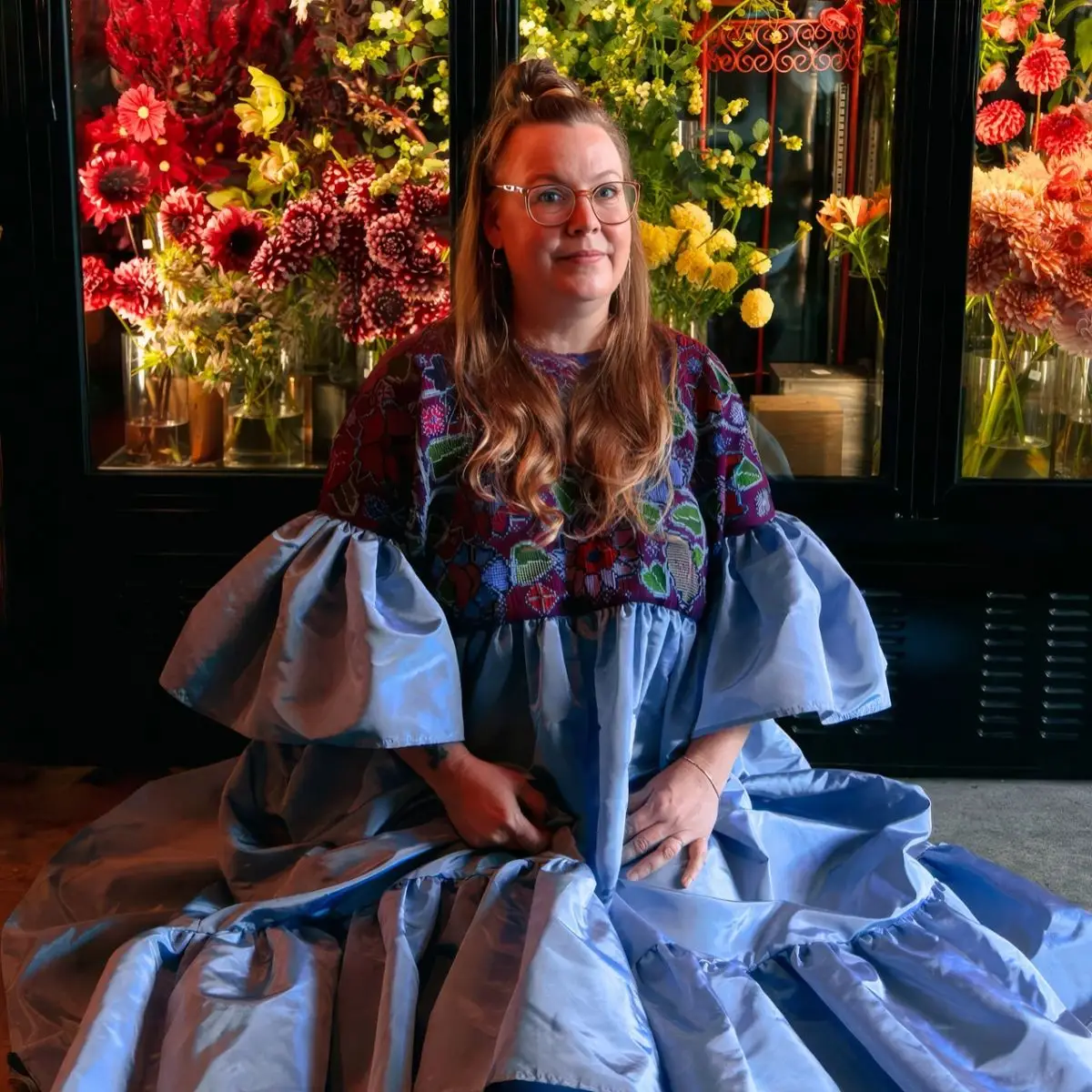
Barcelona-based florist Carolina Spencer – originally from Costa Rica – works between structure and spontaneity. Her work draws on the strong colors and textures of her South American upbringing, combined with the precision she developed through working in European hospitality. The result is floral design that feels considered but never rigid.
As the creative mind behind Matagalan Plantae, she draws on Japanese minimalism, which adds space and restraint to arrangements that can otherwise be rich in color, texture, and movement. Her work moves between these contrasts, creating compositions that feel graphic, natural, and distinctly her own.
Carolina Spencer of Matagalan Plantae and How She Found Her Language Through Flowers
For Carolina Spencer, floral design began unexpectedly. Born in Costa Rica and raised in Chile, she moved to Barcelona in 2004, where her design background eventually led her into the world of flowers. Her career developed through years of working in hospitality and floristry before she began building Matagalán, her own creative project, around flowers, plants, ceramics and design.
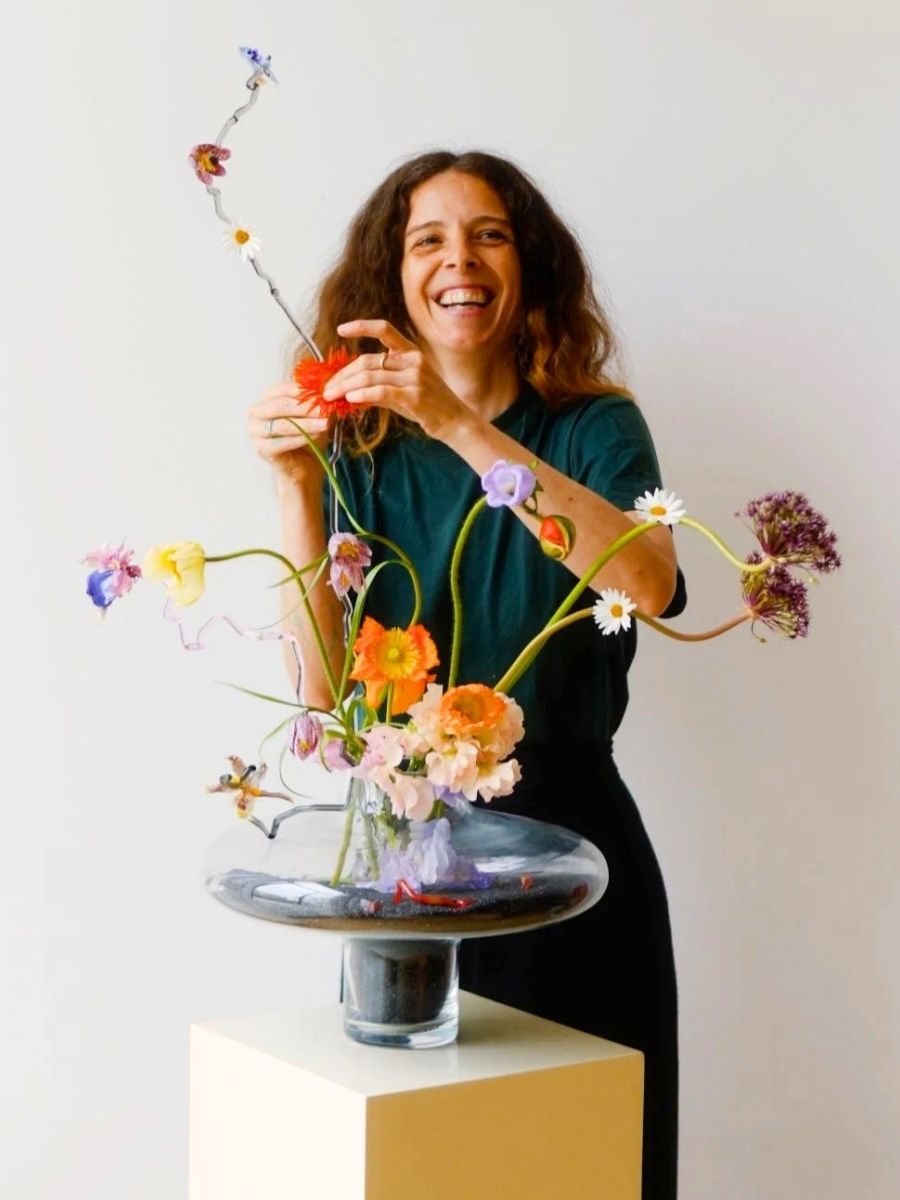
Her experience in Barcelona also gave her the space to develop a way of working that moved beyond traditional floristry. Today, her work combines flowers and plants with objects, vessels and space, with an approach that comes from both design and her experience working directly with living materials.
Spencer originally studied design and did not initially imagine flowers as a professional path. Her introduction to floral design came through working at a hotel in Barcelona, where she encountered the work of florist Donna Stain. Seeing the installations created for the hotel made an immediate impression on her, and she eventually began working with Stain, learning the technical and practical side of working with flowers.
That experience became an important part of her development. After several years working in the hotel environment, Spencer began looking for a way to develop something more personal to her. She started experimenting with plants and ceramics, creating pieces that combined the natural shapes of plants with her own ideas about objects and design.
Her early work with cacti became an important step. Instead of treating plants as something that simply belonged in a standard pot, she began thinking about the plant and the vessel as one piece. The shapes of the plants, the different greens, and even imperfections became part of the composition. From there, her work gradually returned to flowers, with the same interest in combining botanical material with design.
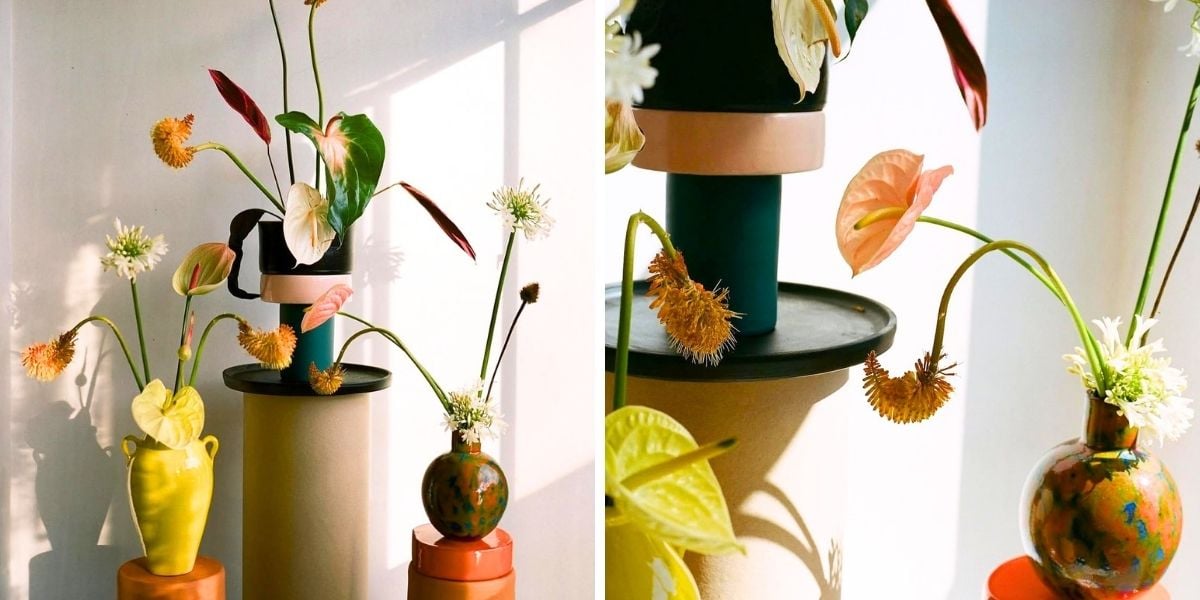
The Influence of Nature and Design
The development of Matagalán gave the designer a space to explore that relationship further. She began creating ceramic vessels, working with a ceramic studio in Girona to produce pieces based on her own designs, and using them as part of her floral compositions.
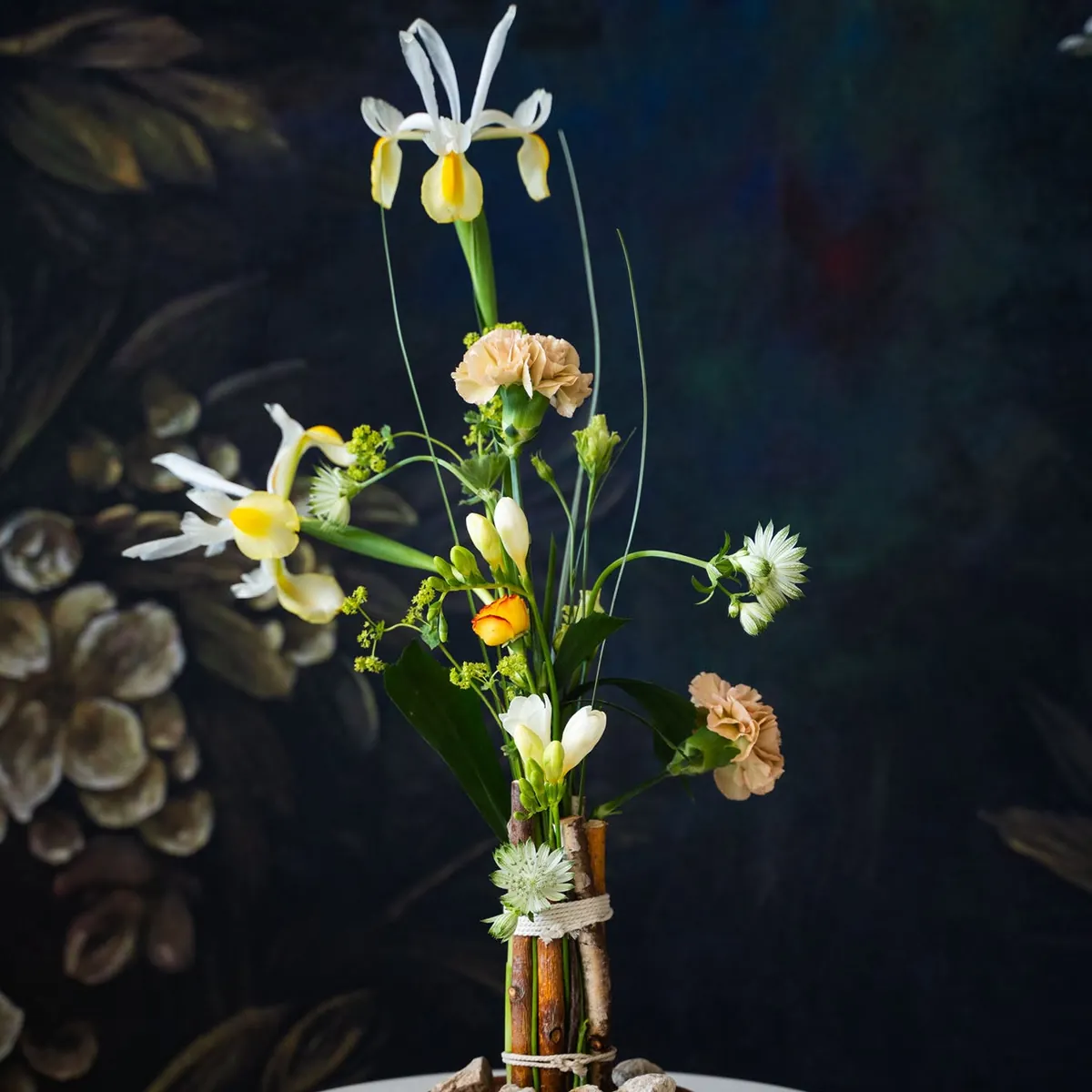
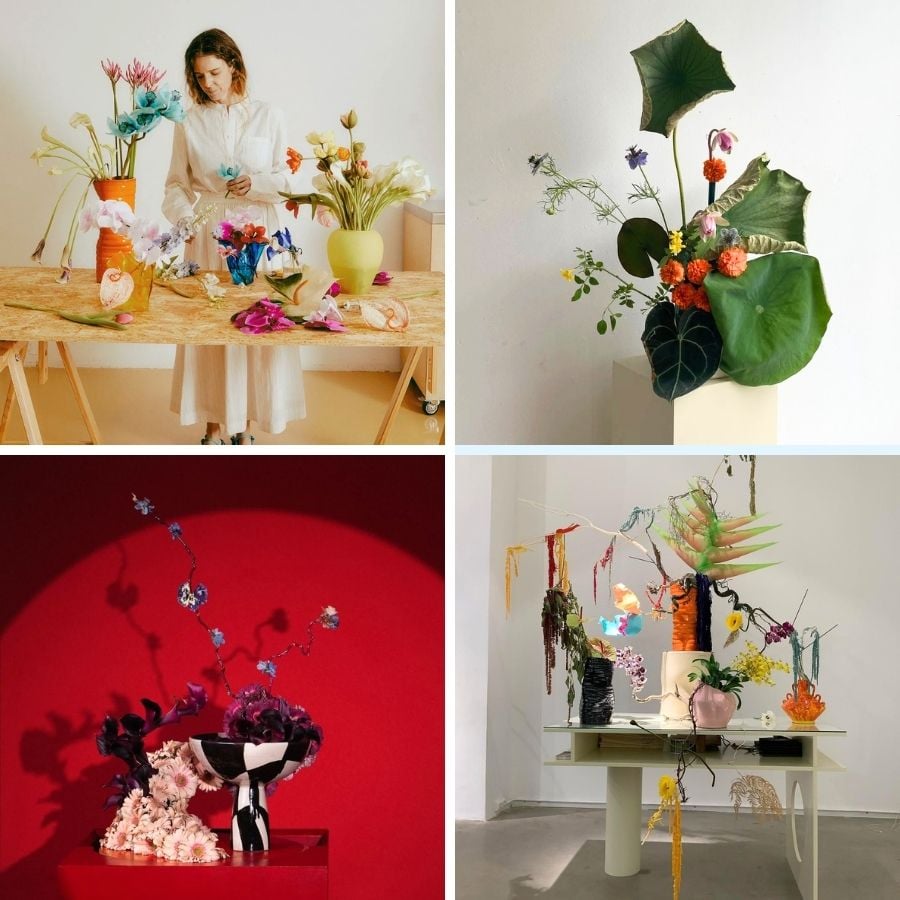
Japanese minimalism became one of her references, particularly its attention to space, proportion and the relationship between individual elements. At the same time, her work retained a strong interest in color, unusual forms and the more spontaneous qualities of plants and flowers. Spencer described the combination as something close to 'a crazy Ikebana', bringing together the restraint of Japanese floral design with a more colorful and experimental approach.
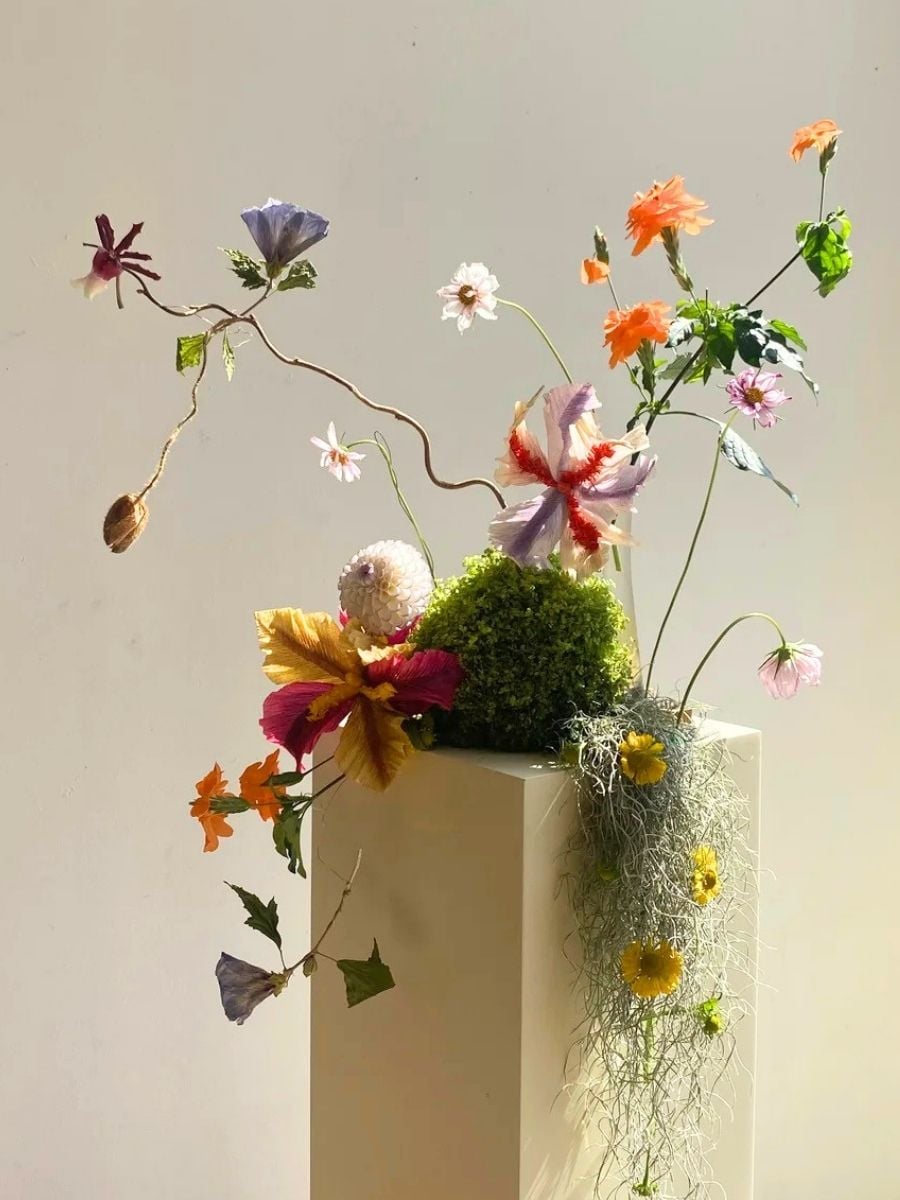
Her work developed through experimentation instead of a fixed formula. Flowers, plants, ceramics, and the surrounding space could all become part of the same composition, allowing her to approach floral design with the perspective of a designer. Spencer's creative process begins with observation. She describes herself as a visual person who is drawn to small details and unexpected things found in everyday surroundings. Rocks, textures, mountains, flowers, and the small structures found in nature can all become references for her work.
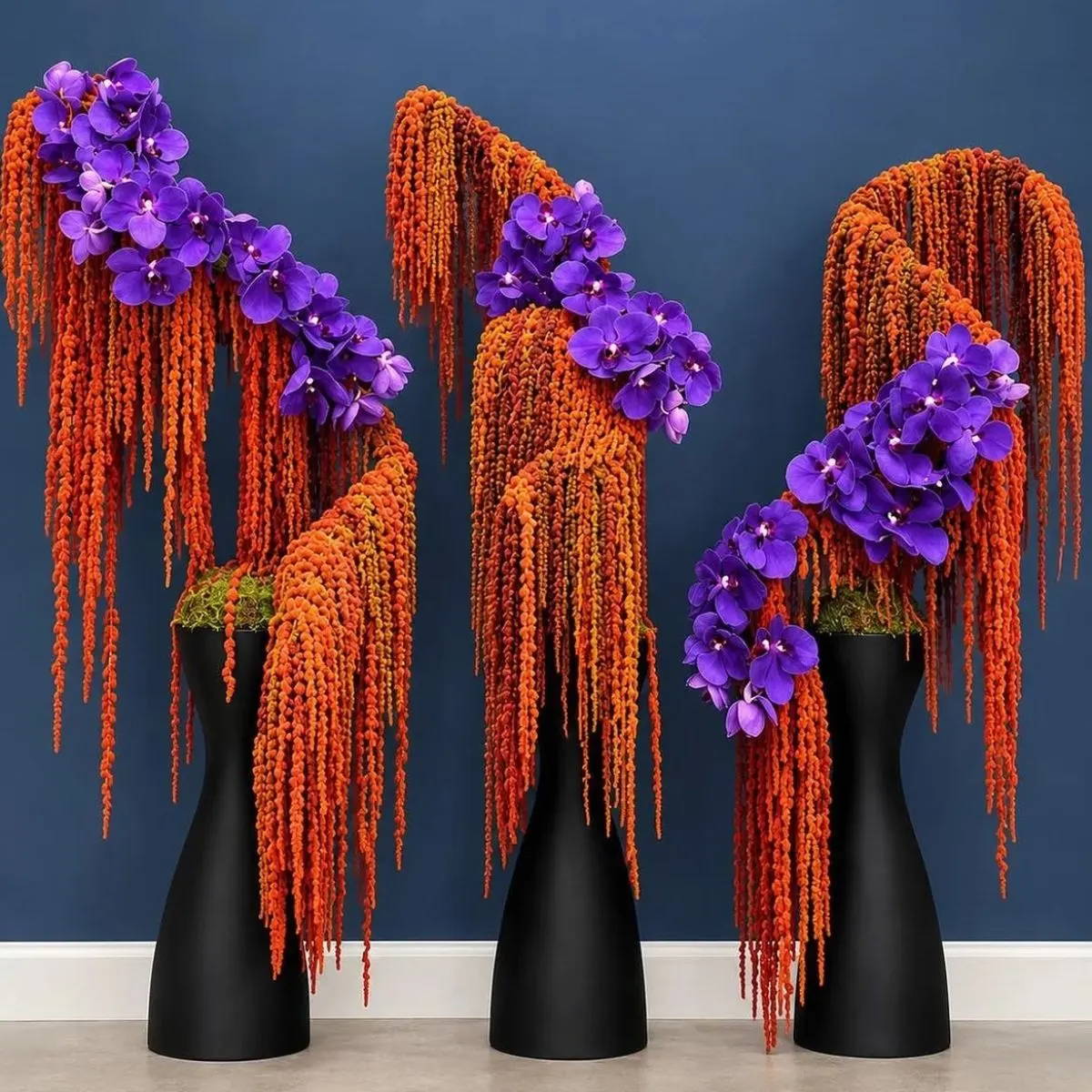
That way of looking is important to her because inspiration does not necessarily begin with a specific flower or arrangement. It can start with a shape, a texture, or something encountered while walking and develop into a visual idea later. Her interest in nature also extends to the imperfections found within it. Caro has worked with unusual plant forms and flowers that might not traditionally be considered the obvious choice for a floral composition, allowing their individual shapes to become part of the design.
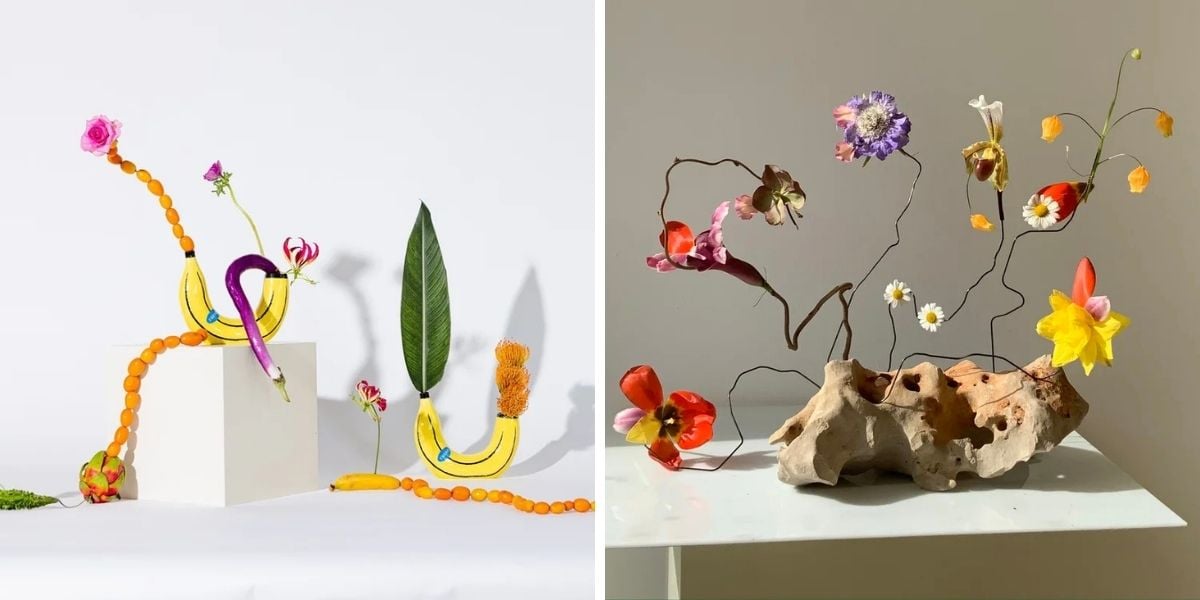
Flowers, Objects and Space
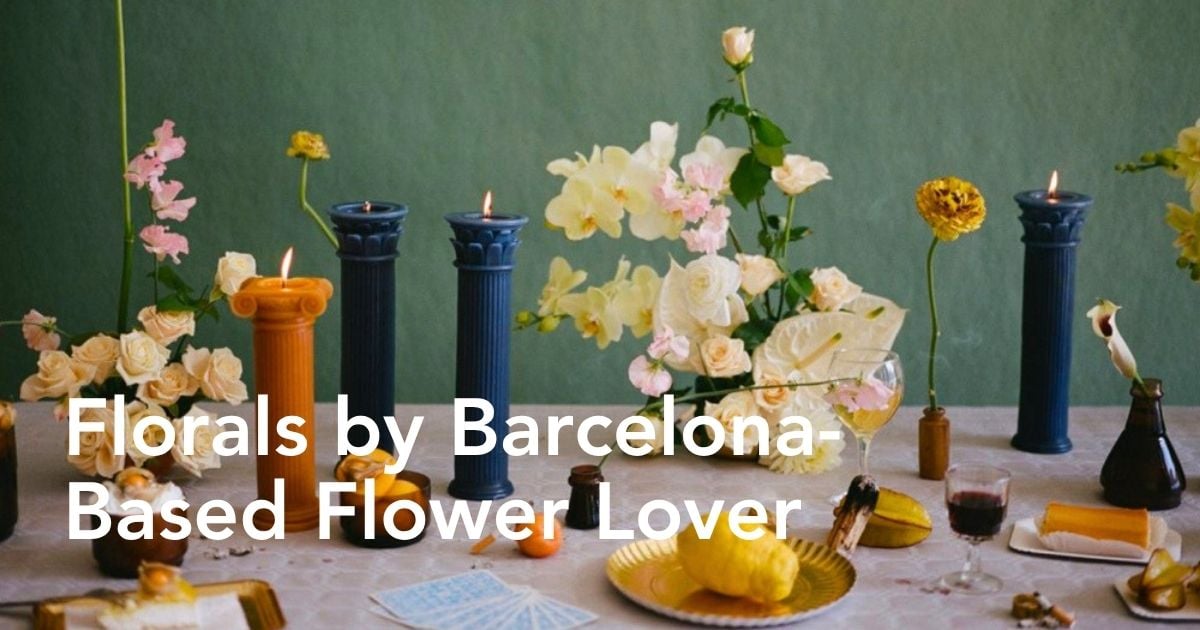
Carolina's work has also moved beyond individual arrangements. She creates installations and concepts for brands, events and spaces, using flowers alongside objects, ceramics and other materials. Her design background is particularly visible here. She has described her approach as more graphic, with an interest in unusual proportions, materials and forms. A small glass with a tall flower, oversized candles or a combination of different textures can become part of the same composition.
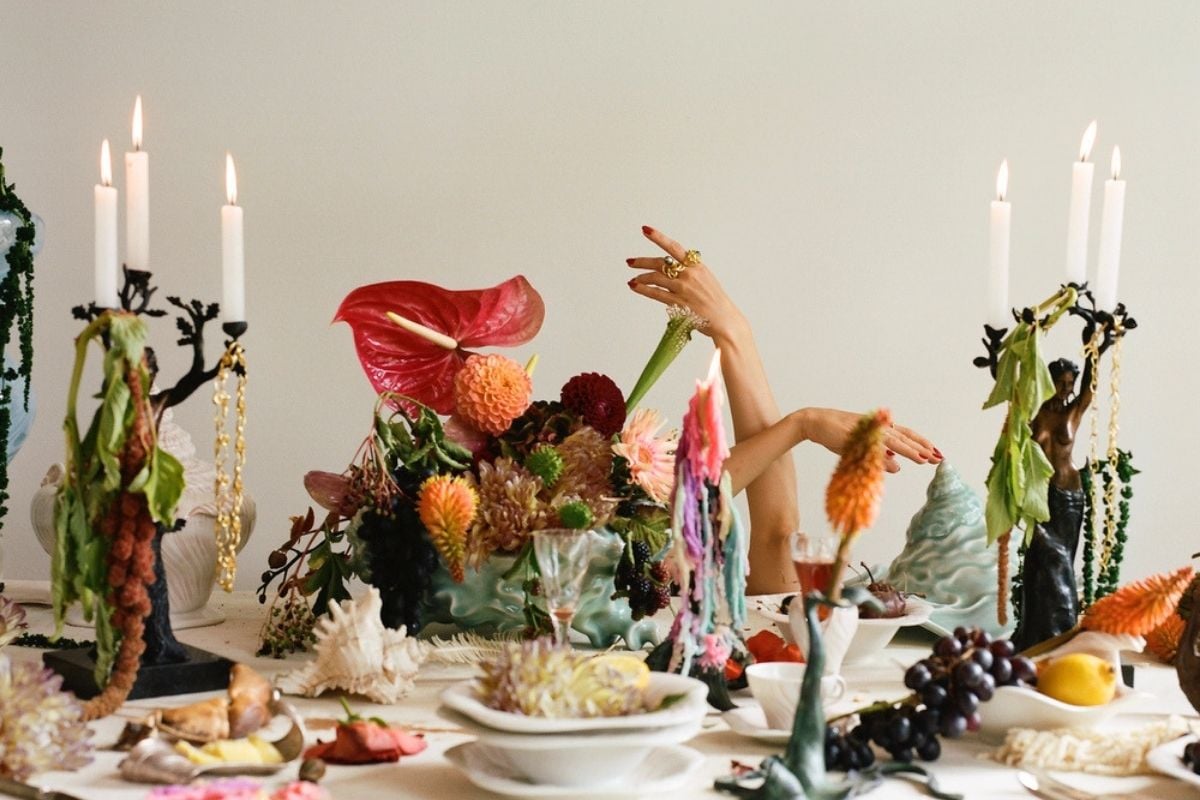
The setting is therefore as important as the flowers themselves. Spencer considers how plants grow, where they are positioned, the light they receive, and how the different elements interact with the surrounding space. With flowers, there is an additional limitation: they change quickly, making the final composition inherently temporary.
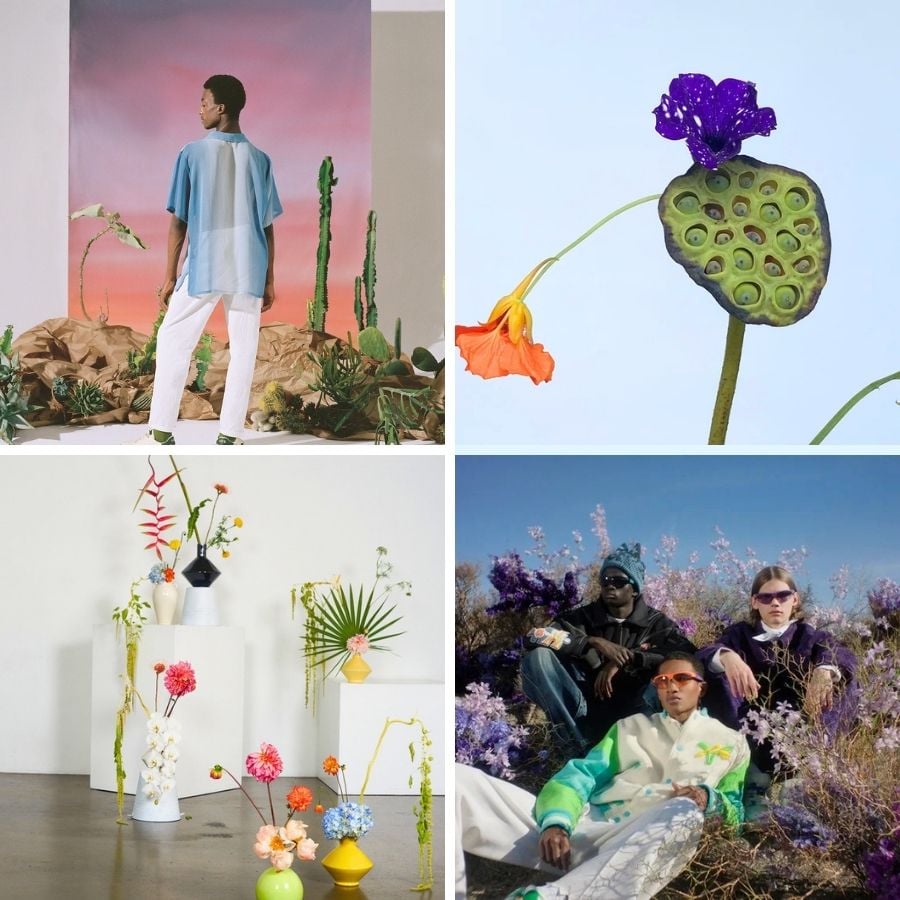
That impermanence is part of working with flowers. The arrangement exists for a limited period, and Spencer has explored ways of extending that process by preserving flowers and using leftover material to create new forms. For her, preservation is also another way of working with the material. Petals can be transformed and recombined, creating new shapes from flowers that have already reached the end of their original use.
Want to see more? Head to Matagalan's website to check out all her designs and philosophy.
Photos: @matagalanplantae.