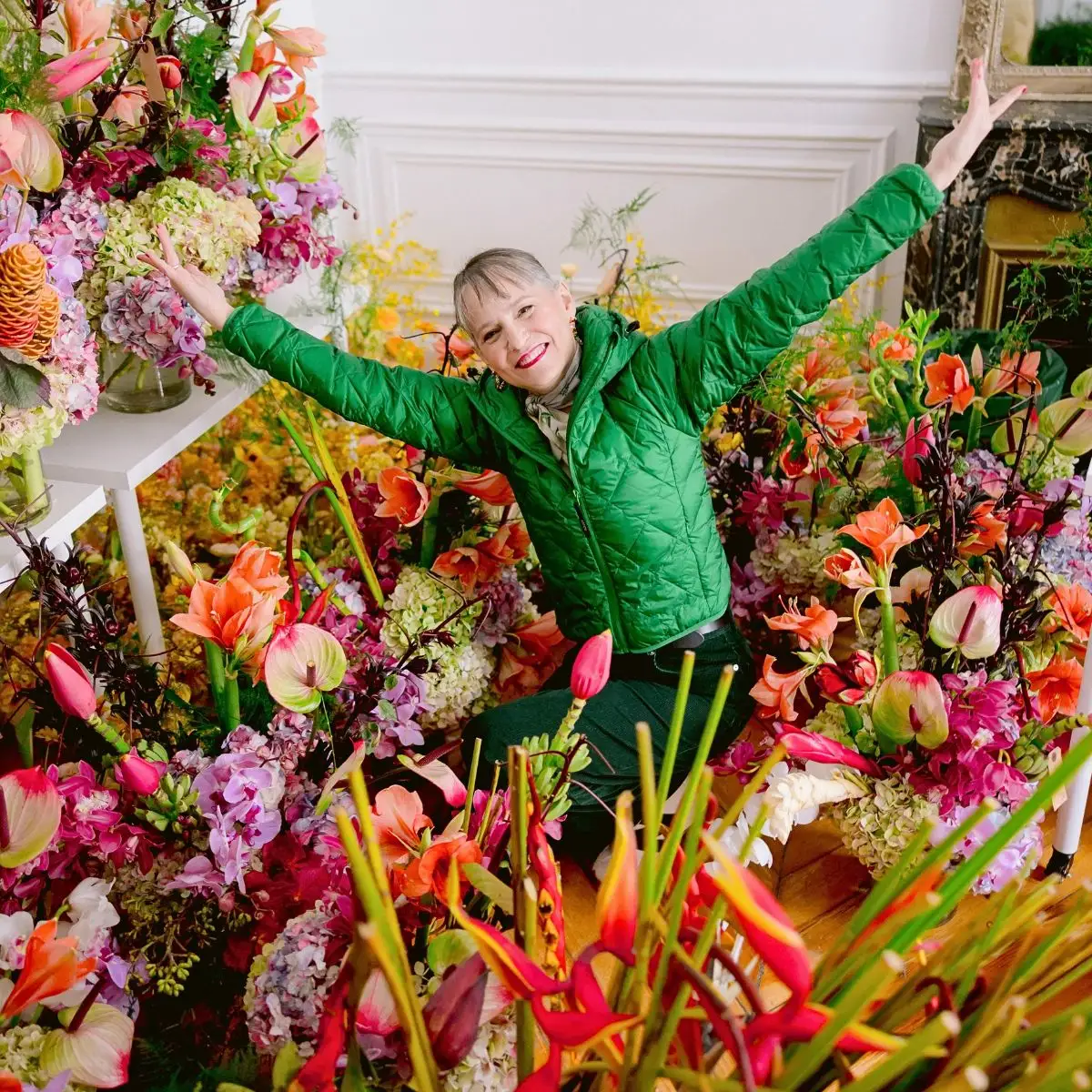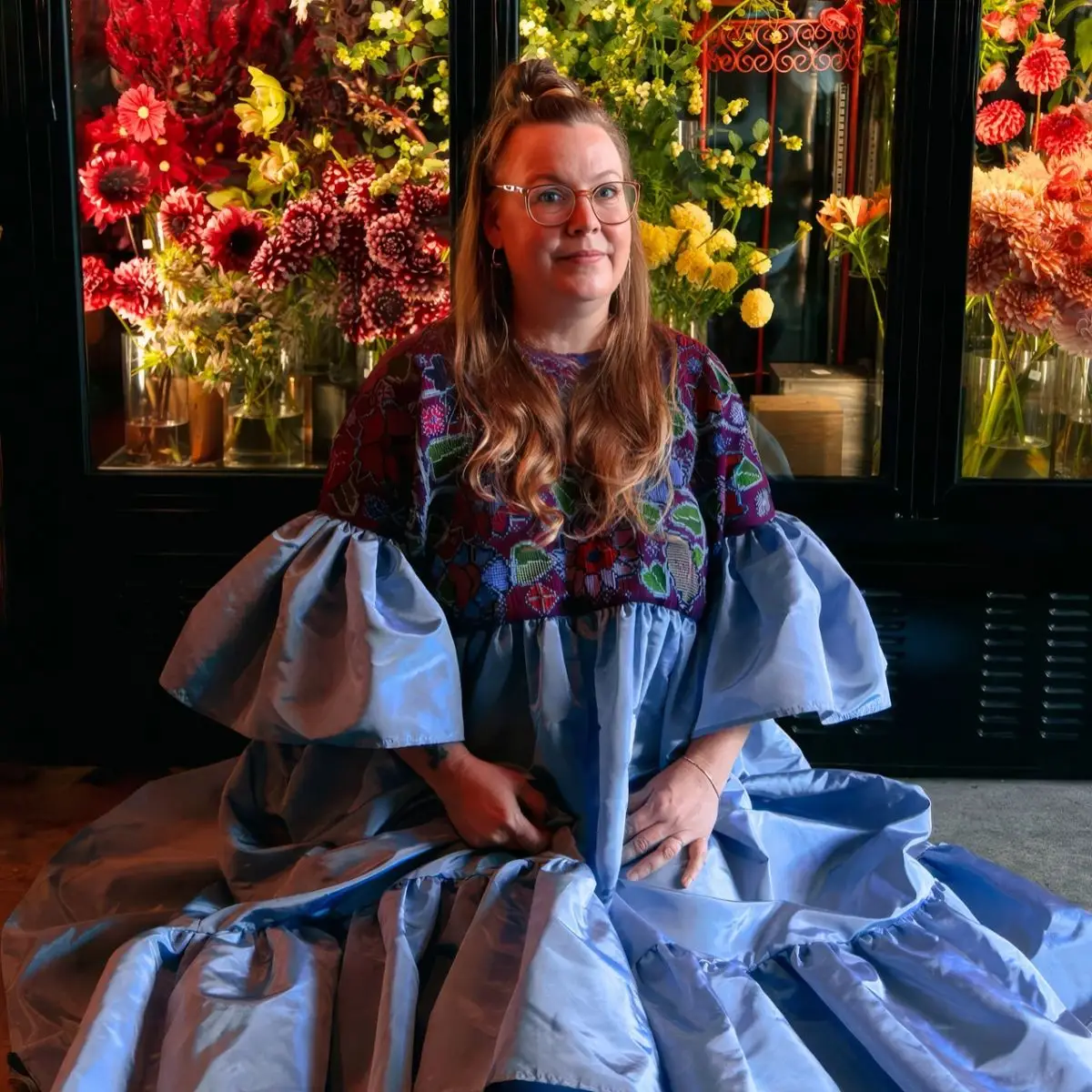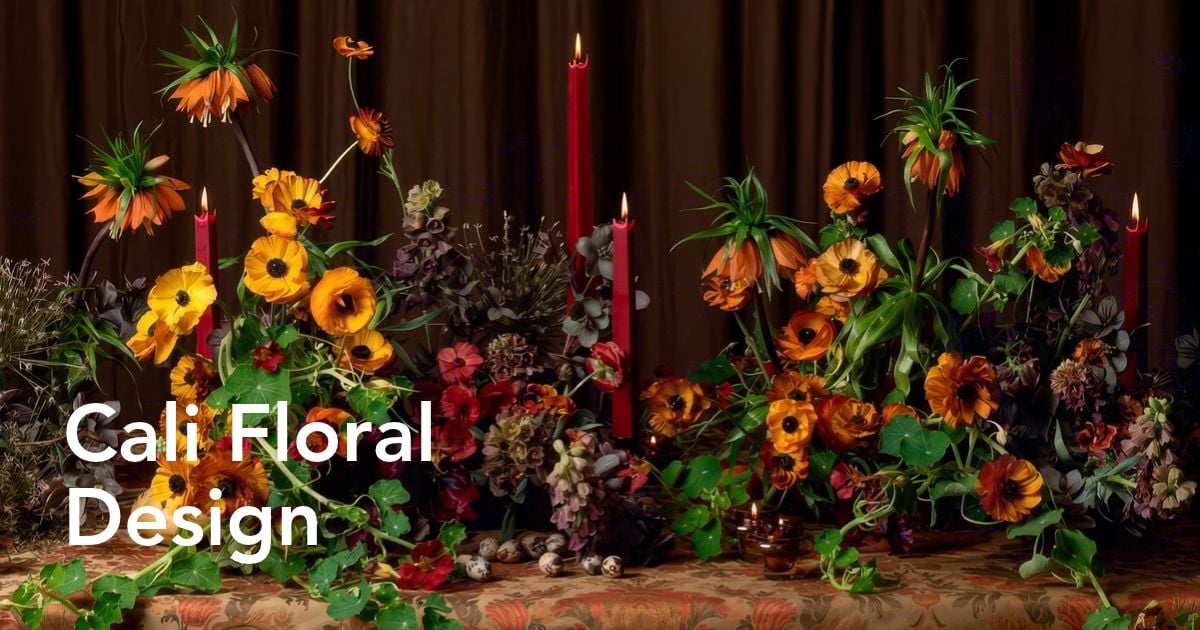
Some florists begin with a color palette. Karis Vandel-Holm begins by looking around. What is growing nearby? Which flowers are reaching their seasonal peak? Is there a particular leaf, branch, or even something from the local market that could find its way into a design? For the California-based floral artist behind Flowers by Karis, the surroundings are often the first source of inspiration.
Her design model brings together floral design, botanical art, and close attention to the environment. Working across weddings and events, she creates arrangements that respond to the setting, using botanical materials to establish a connection between the flowers and the place where people gather.
Flowers by Karis – Letting the Landscape Call the Shots
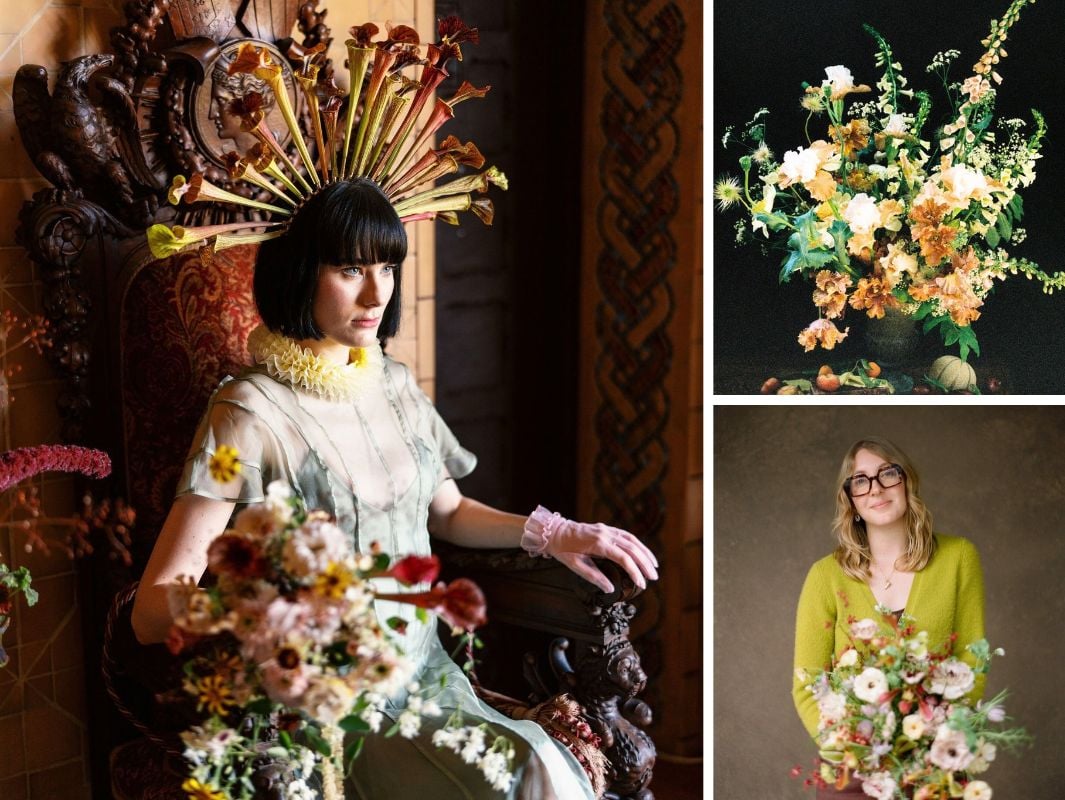
Karis shares with the world that she begins every design with the landscape itself. That might mean working with flowers at their seasonal peak, finding a distinctive local leaf, or bringing unexpected ingredients such as market produce into an arrangement. This way of working gives each project its own starting point. The available materials help determine the direction of the design, while the location provides another layer of reference. For Karis, floral work is closely connected to the environment in which it is created.
Her website describes this approach through the idea of farm-to-table design: staying true to what nature is already providing and gathering the best available materials to create a visual experience. Seasonality is one of the three values she highlights in her practice, alongside artistry and curiosity.
Flowers, Color, and a Sense of Movement
Karis describes every arrangement as an exploration of color, form, and season. Her work is presented as floral art, with weddings and events providing the atmosphere for a wider creative practice.
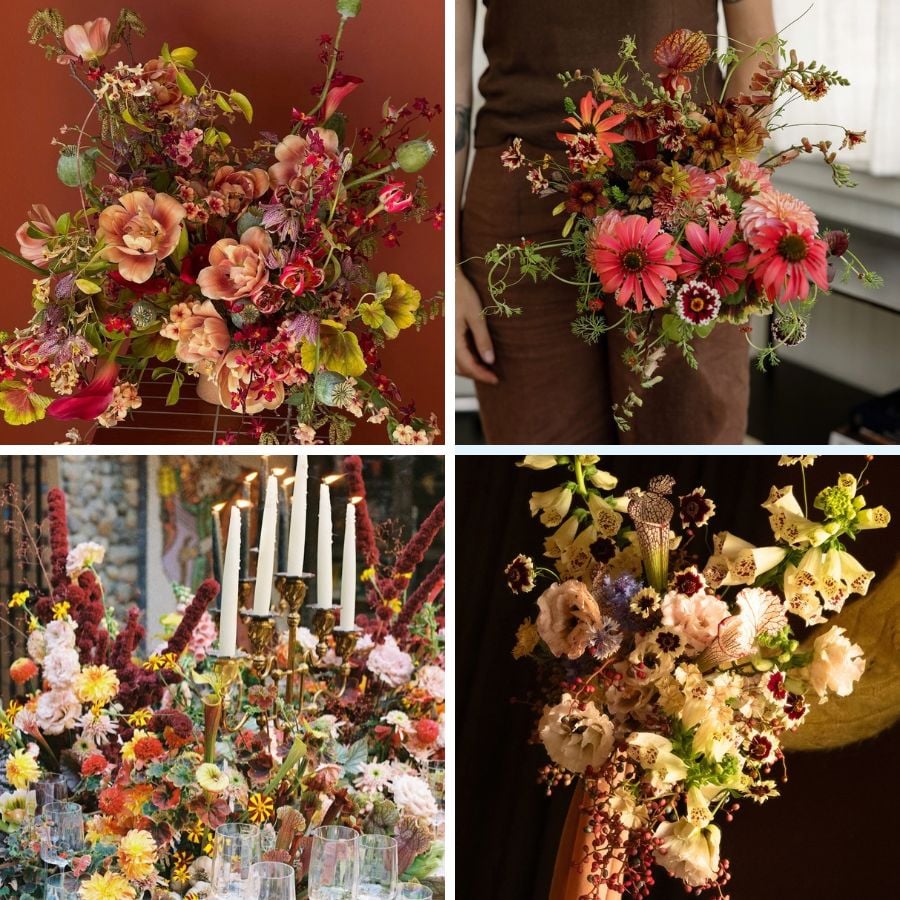
That artistic focus also appears in the way she teaches. Her 'Field Study' program covers color theory, the elements and principles of design, and intentional composition. The aim is to help florists develop a more cohesive personal style and make decisions with greater confidence. The course also addresses the relationship between design and technique, including foam-free mechanics. Its curriculum moves beyond following a particular recipe for a bouquet or centerpiece, encouraging participants to understand why certain colors, shapes, and materials work together.
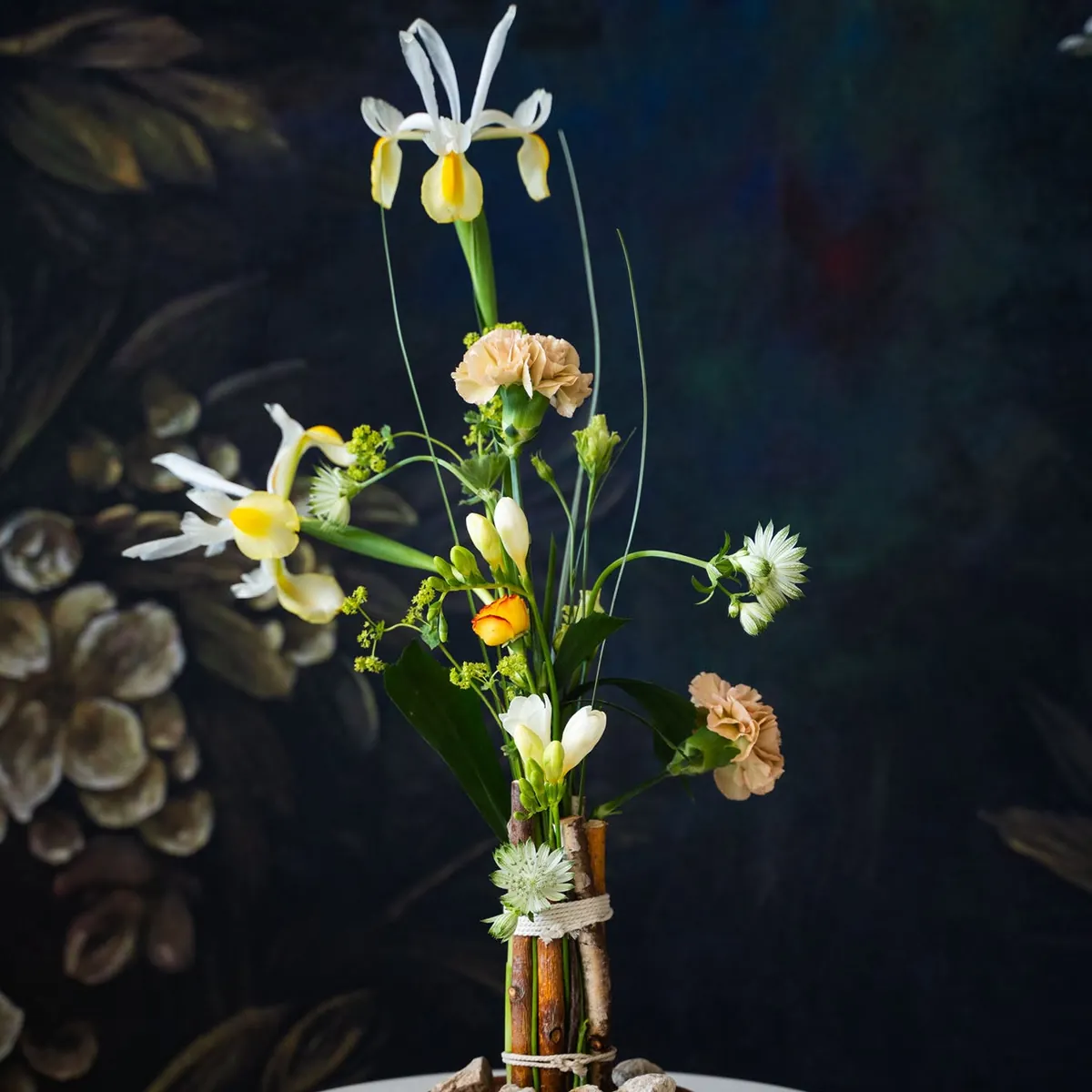
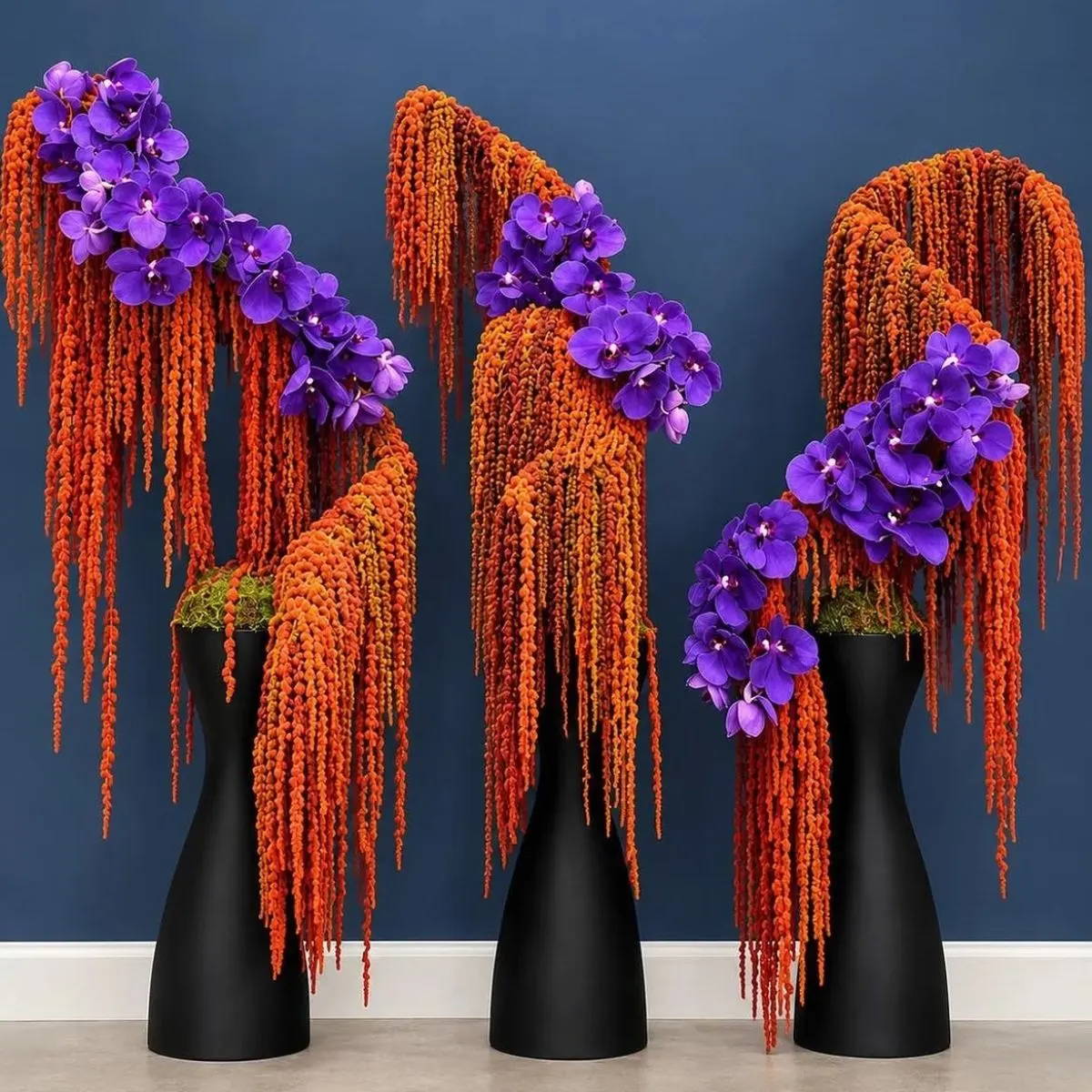
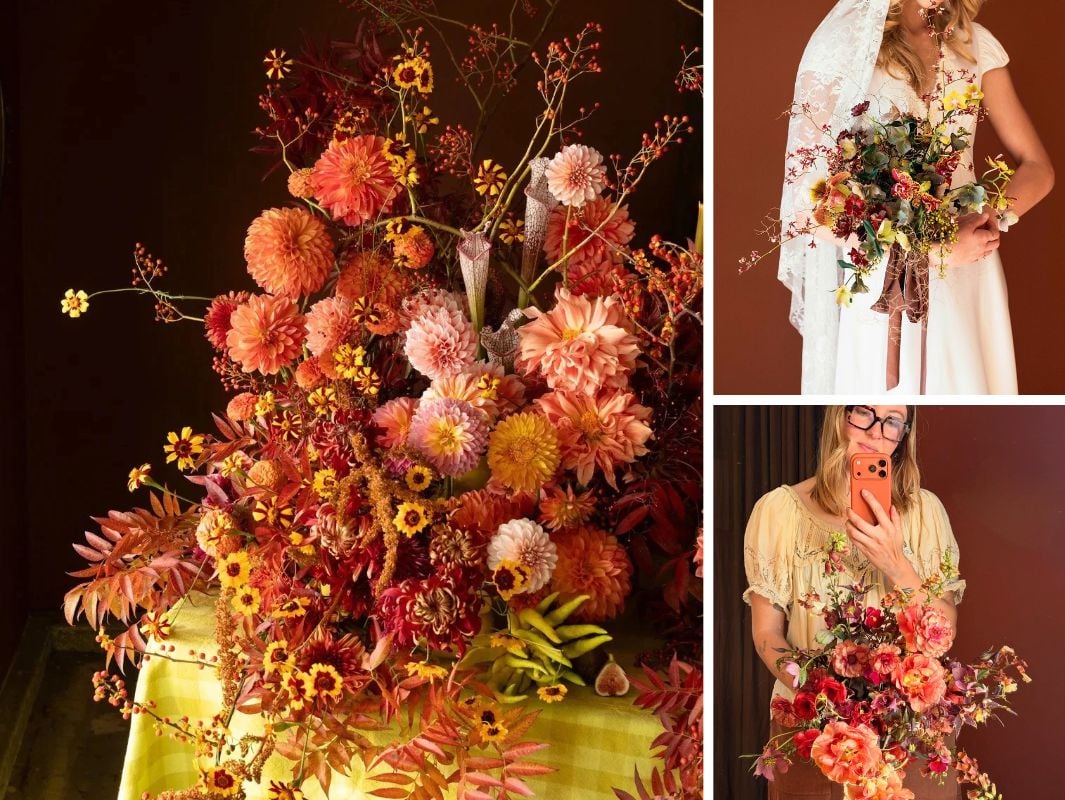
The result of Kari's floral design
A Bouquet Is a Design Exercise of Its Own
Karis has singled out the wedding bouquet as one of her favorite pieces to create. In a 2025 workshop organized with the San Joaquin Flower Collective, she explored three bouquet styles with participants: petite, cascade, and flower-forward. The workshop focused on movement, shape, scale, color theory, and flower selection, bringing technical decisions into the creative process. It also included a professional photoshoot so participants could document their work.
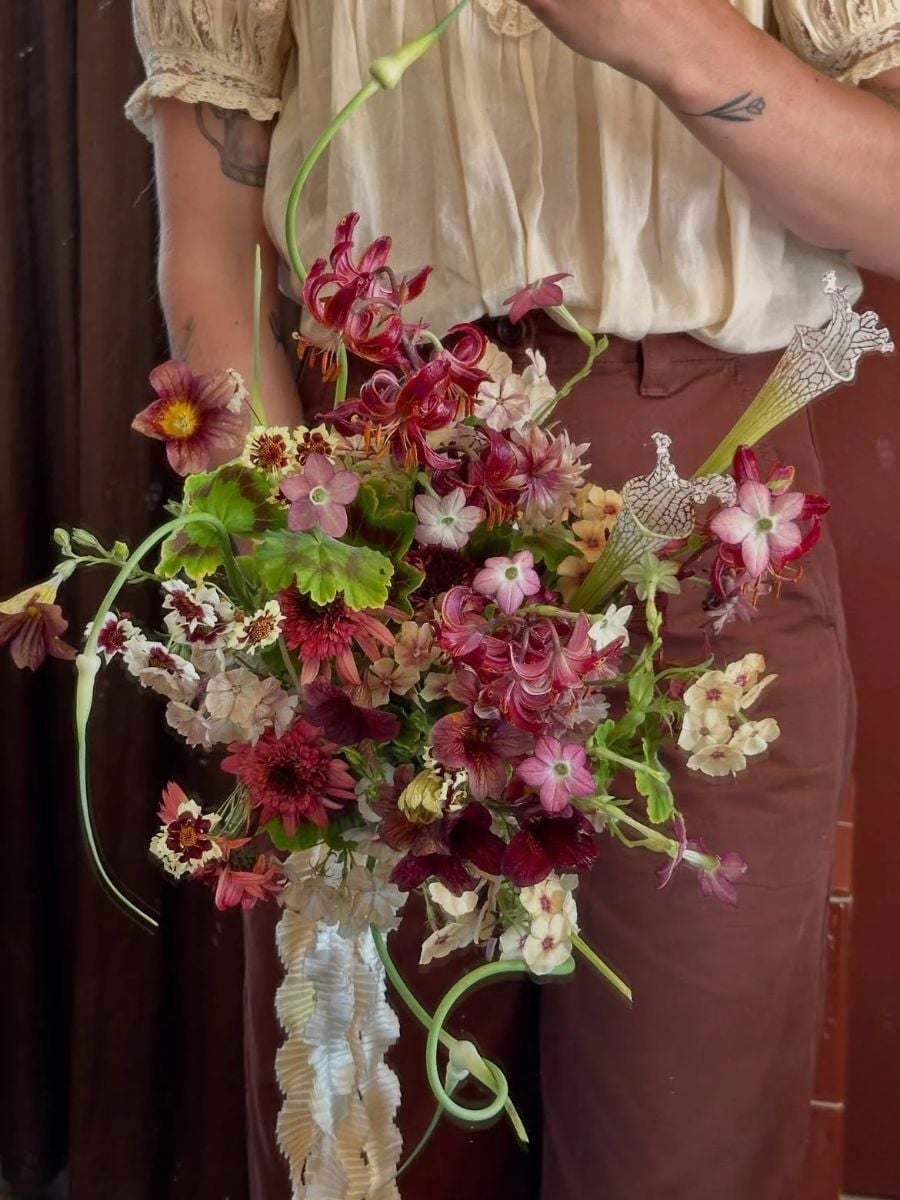
The subject makes sense within her wider approach. A bouquet may be smaller than a ceremony installation or a long table arrangement, but it still requires decisions about proportion, composition, and the relationship between individual flowers. It is a concentrated way to explore the principles that guide a larger floral design.
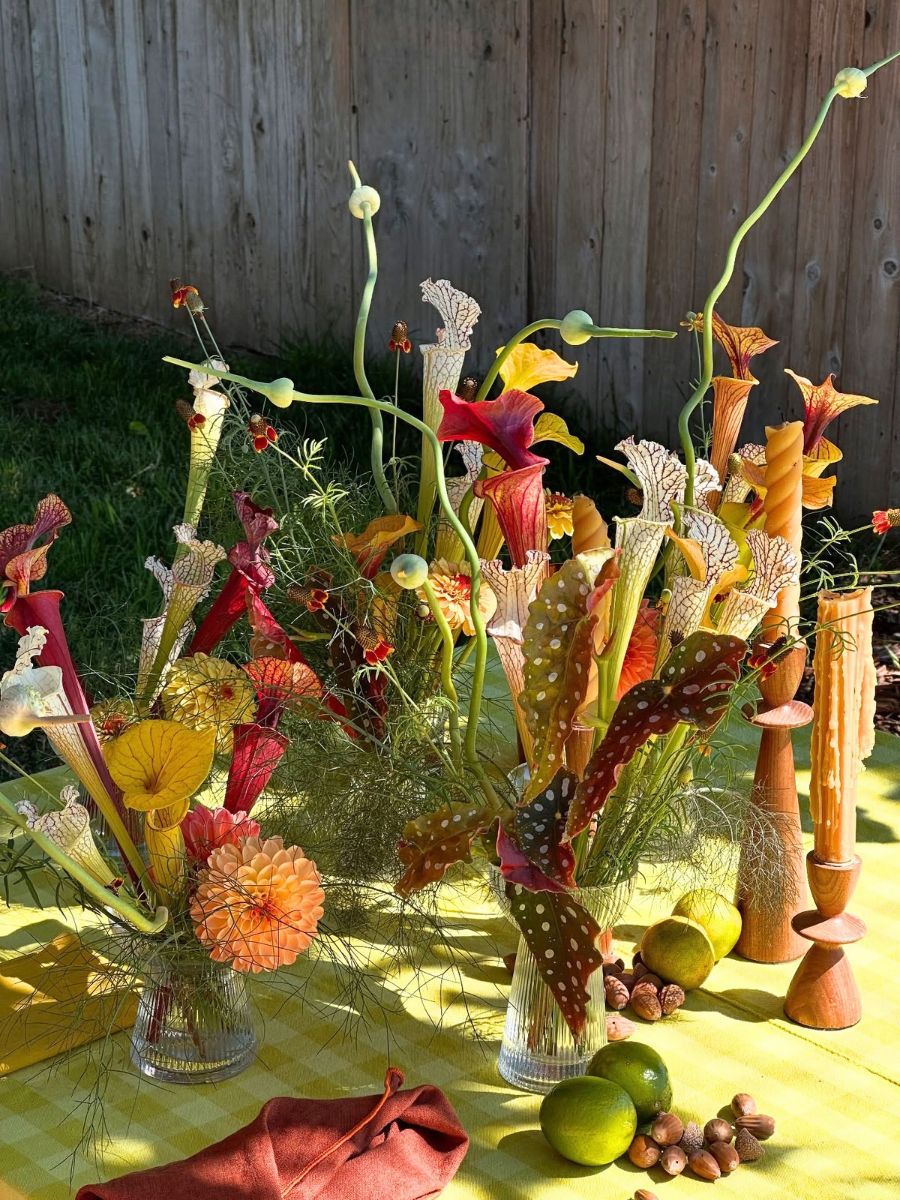
Sharing the Language of Floral Art
Flowers by Karis has developed an educational side alongside its wedding and event work. Through online classes, workshops, and individual mentorships, Karis shares the design principles she uses in her own practice. Her Field Study course focuses on helping florists understand color, composition, and the elements of floral art. She also offers education around photographing flowers, exploring how movement, composition, and color translate from a physical arrangement into an image.
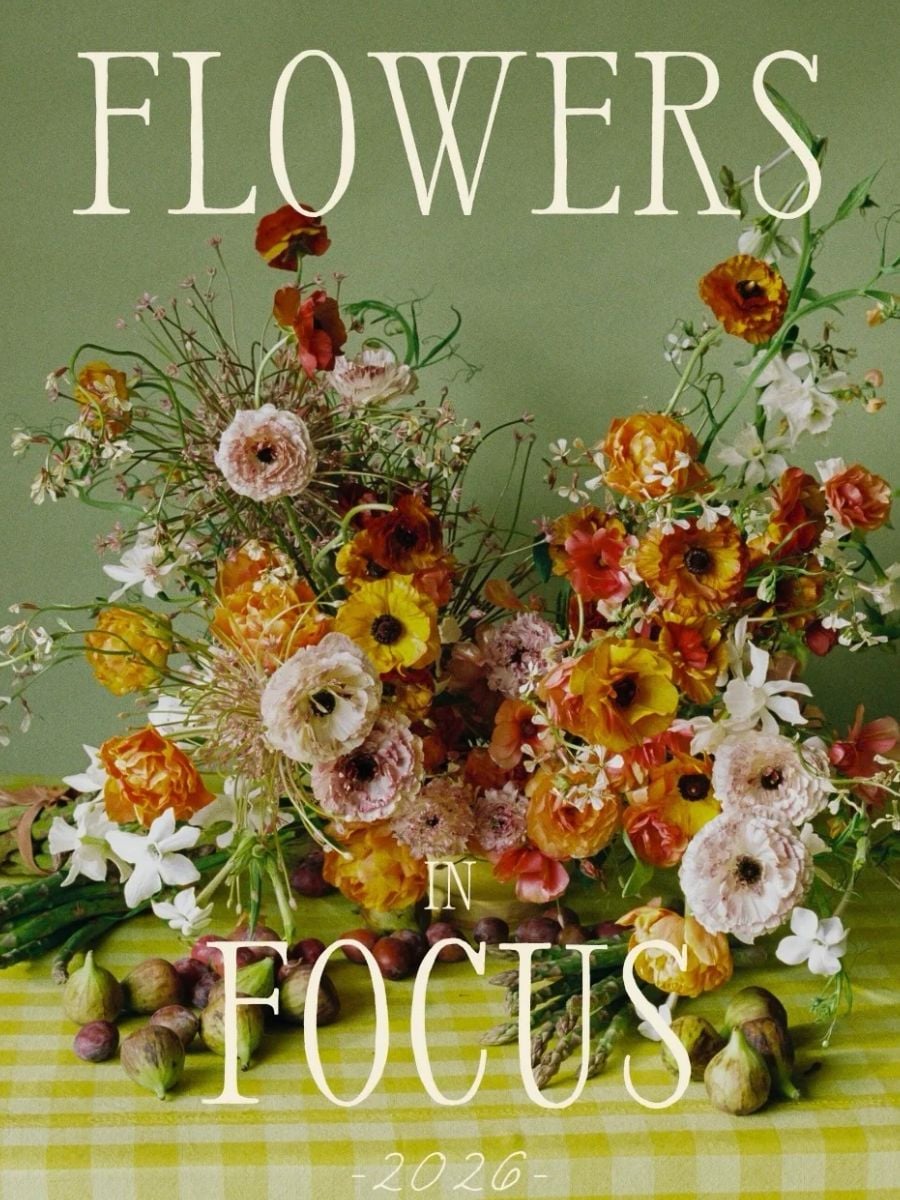
This interest in teaching comes from her experience working across different parts of the floral industry. Karis Vandel-Holm described studying floral design at the University of Missouri and spending a season working on an organic flower farm, where she could follow the process from seed to vase. Today, her business is based in Central California and available for projects beyond the region. The practice continues to bring together weddings, events, and education, with the landscape remaining an important point of departure.
For the creative, the question is not simply which flowers will look good together. It is what the place has to offer, what the season is bringing, and how those materials can become a design with its own character.
Photos: @flowers_by_karis