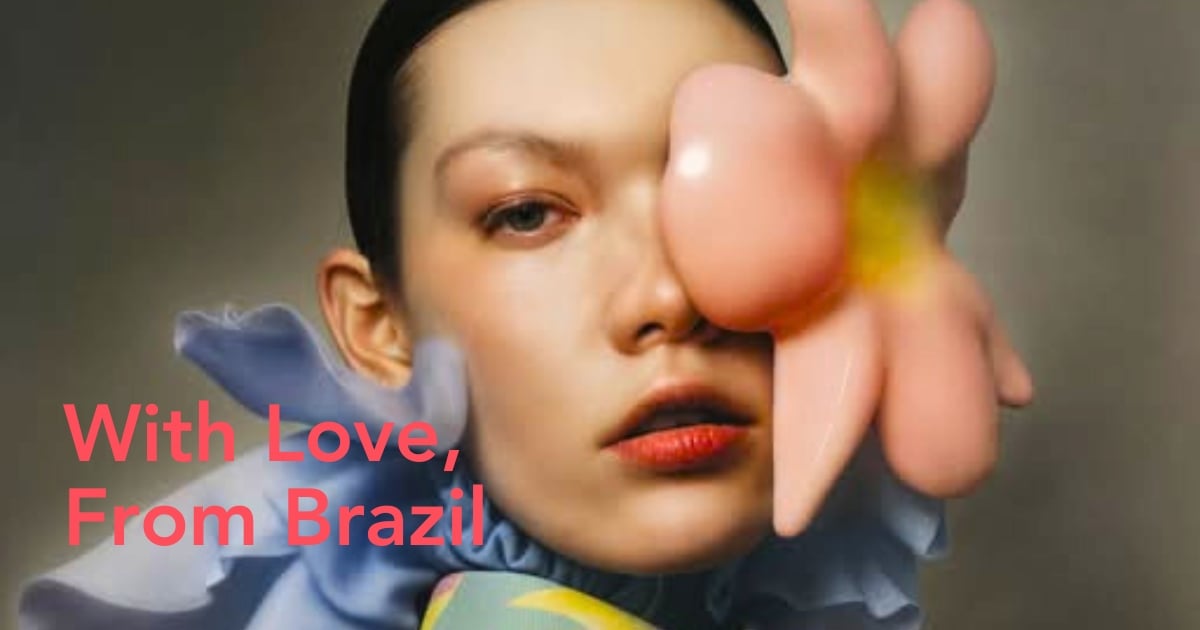
Flowers, plants, embroidery, fashion, and Brazilian references appear again and again in Hanna Inaiah's work. Today, artificial intelligence gives her another way to work with those subjects, creating images that can later become prints, fashion pieces, collections, digital products, and commissioned projects. Join this floral art feature to see how flowers inspire artists worldwide.
Hanna Inaiah Brings Flowers Into the World of AI Art
Hanna is a Brazilian artist, fashion designer, and AI researcher. She has worked in print design for more than a decade and founded her own studio in 2009, developing patterns and textile narratives for fashion and other creative projects. Her earlier experience includes handmade accessories, painted fabrics and embroidery, and those techniques still influence the way she approaches digital work.
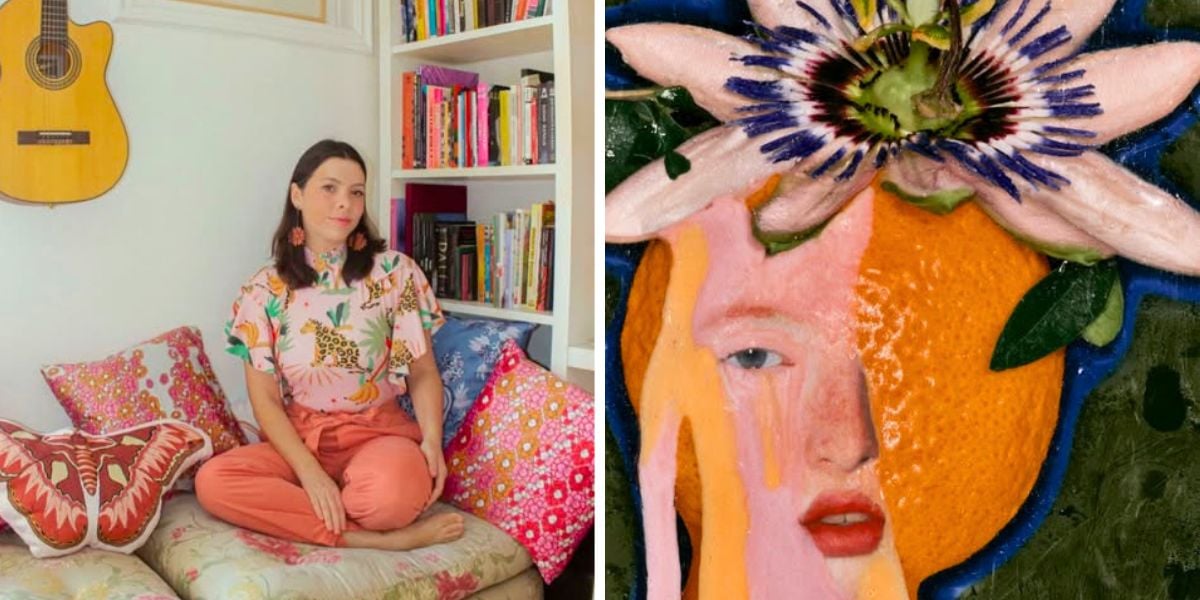
AI entered that practice relatively recently. In 2023, she spoke with Experimenta about her first experiences with the technology, explaining how she was interested in bringing the feeling of handmade work into digital media. She sees AI as a tool that expands what she can test and create, while the ideas, references, and direction still come from her as the designer.
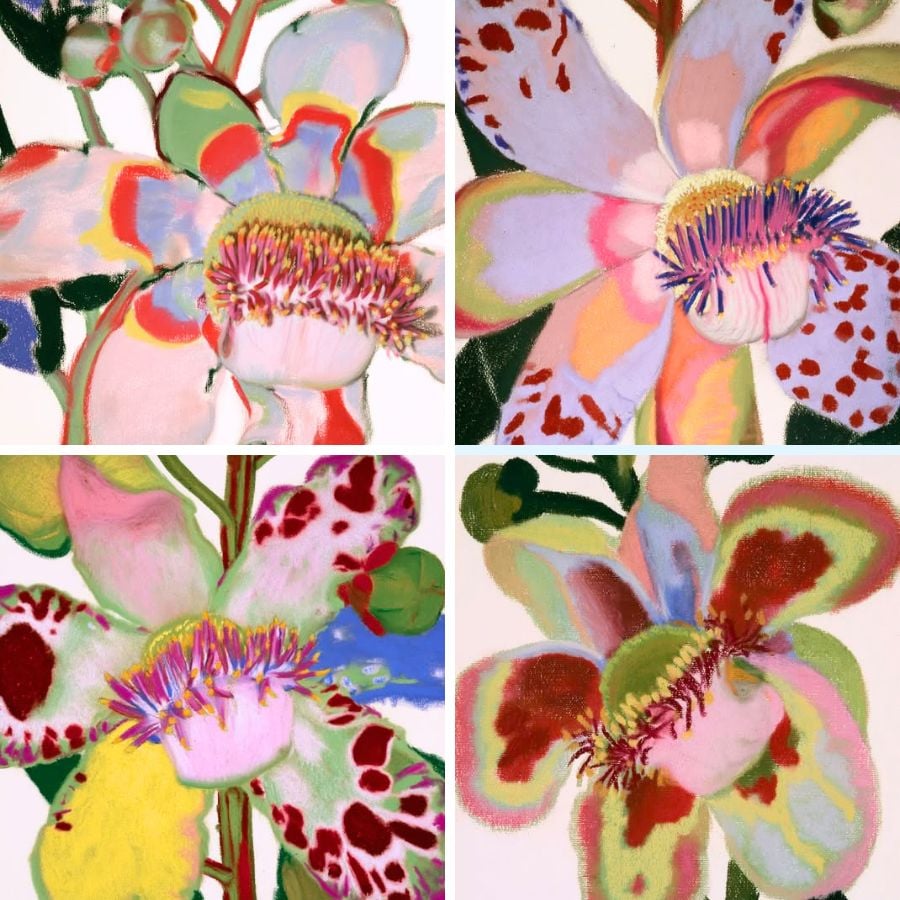
For anyone interested in flowers, her work is particularly worth looking at because botanical elements are not occasional additions. Flowers, leaves, and other forms of plant life show up across several of her AI projects, sometimes recognizable and sometimes pushed into completely unfamiliar shapes.
When Flowers Move Into the City
One of the clearest examples is Urban Flora, a project she created for Brazilian fashion brand Animale. The series looks at plants growing through urban architecture. Buildings, concrete, and vegetation share the same scenes, with flowers and greenery appearing across and around the structures. Hanna describes the project as an exploration of the connection between urban architecture and organic life, created with AI as part of a multisensory brand experience.
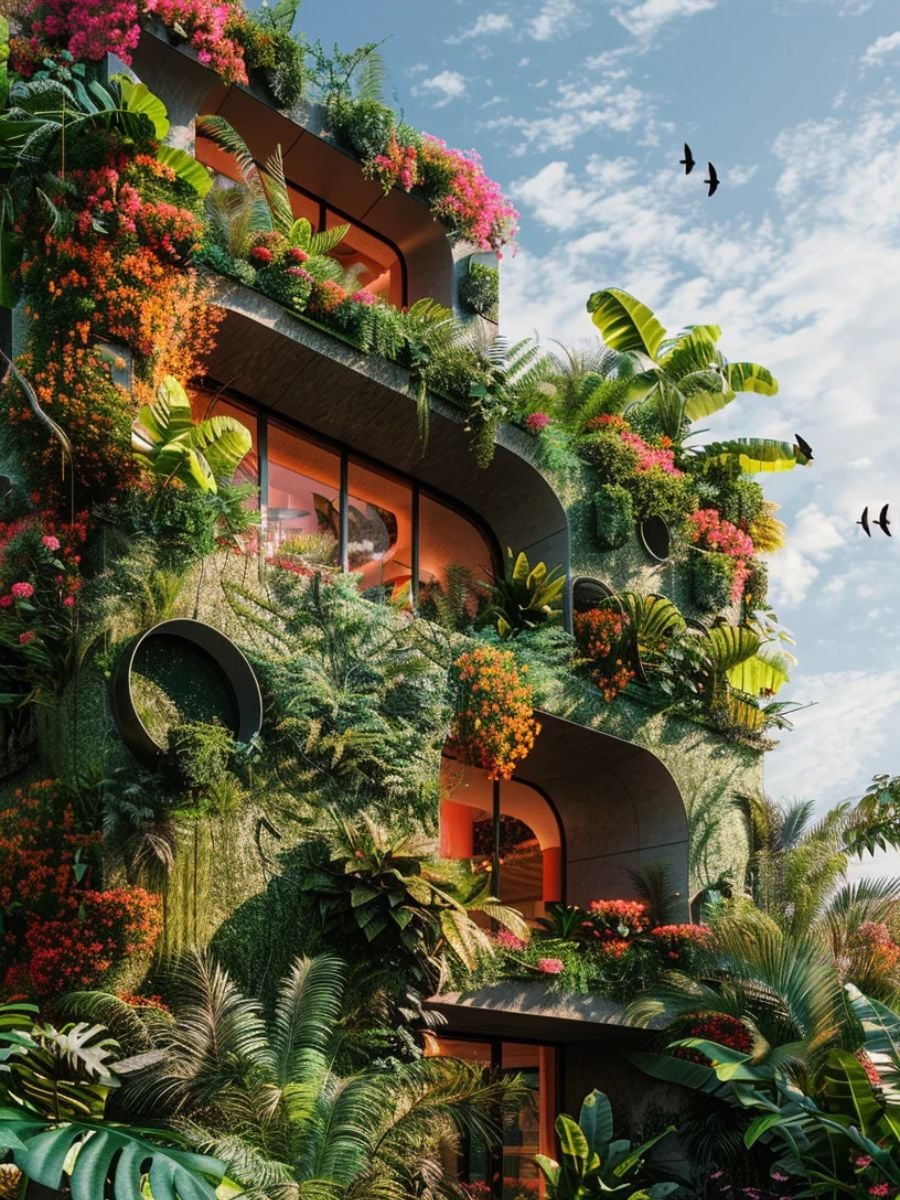
The idea is simple to understand when looking at the images: the city is still there, but plants have taken over parts of it. Flowers can cover walls, appear between architectural elements, and change the way the buildings are seen. It is a good example of how Hanna uses botanical subjects. She can start with something familiar and then change its scale, location, or relationship with everything around it.
Flowers Meet Fashion
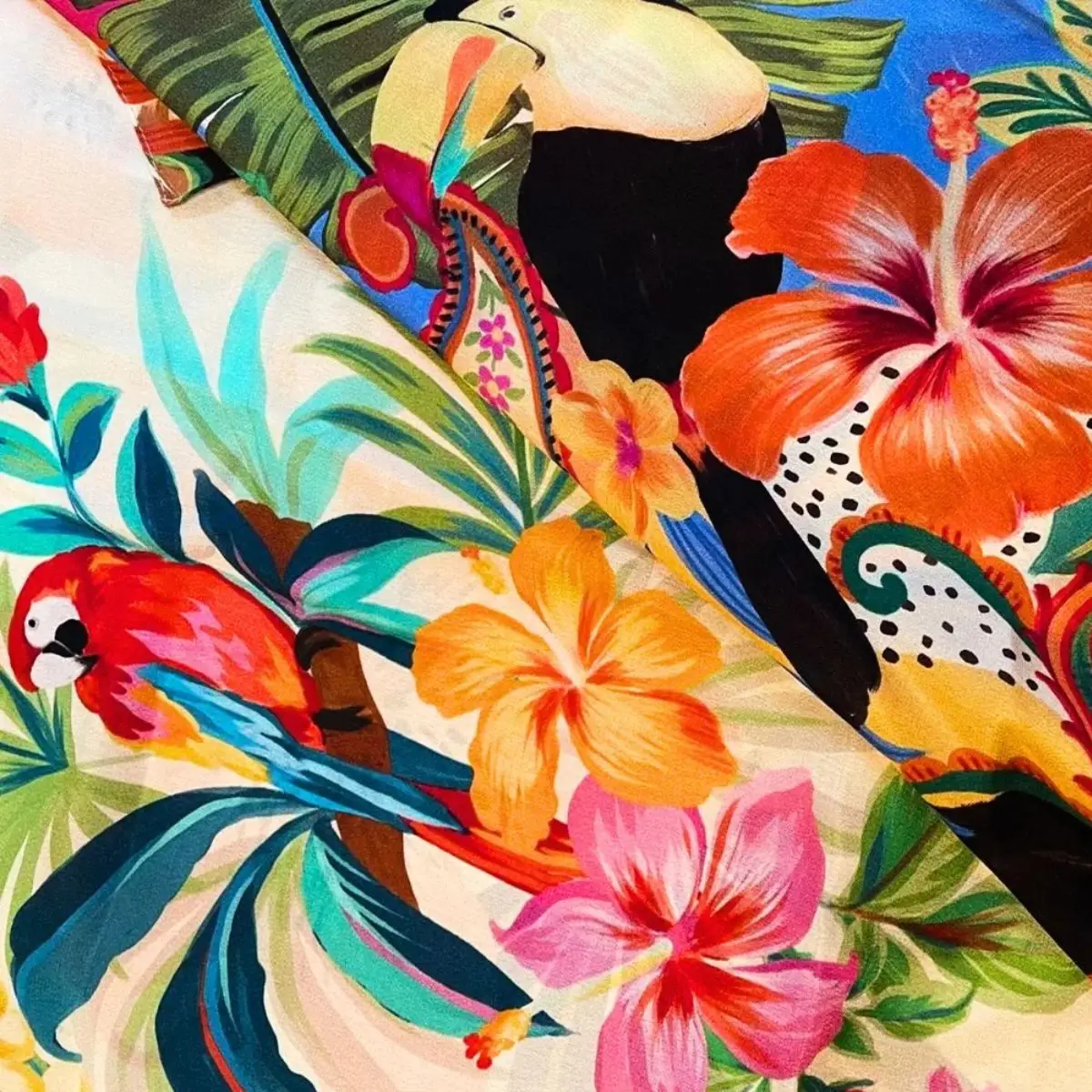
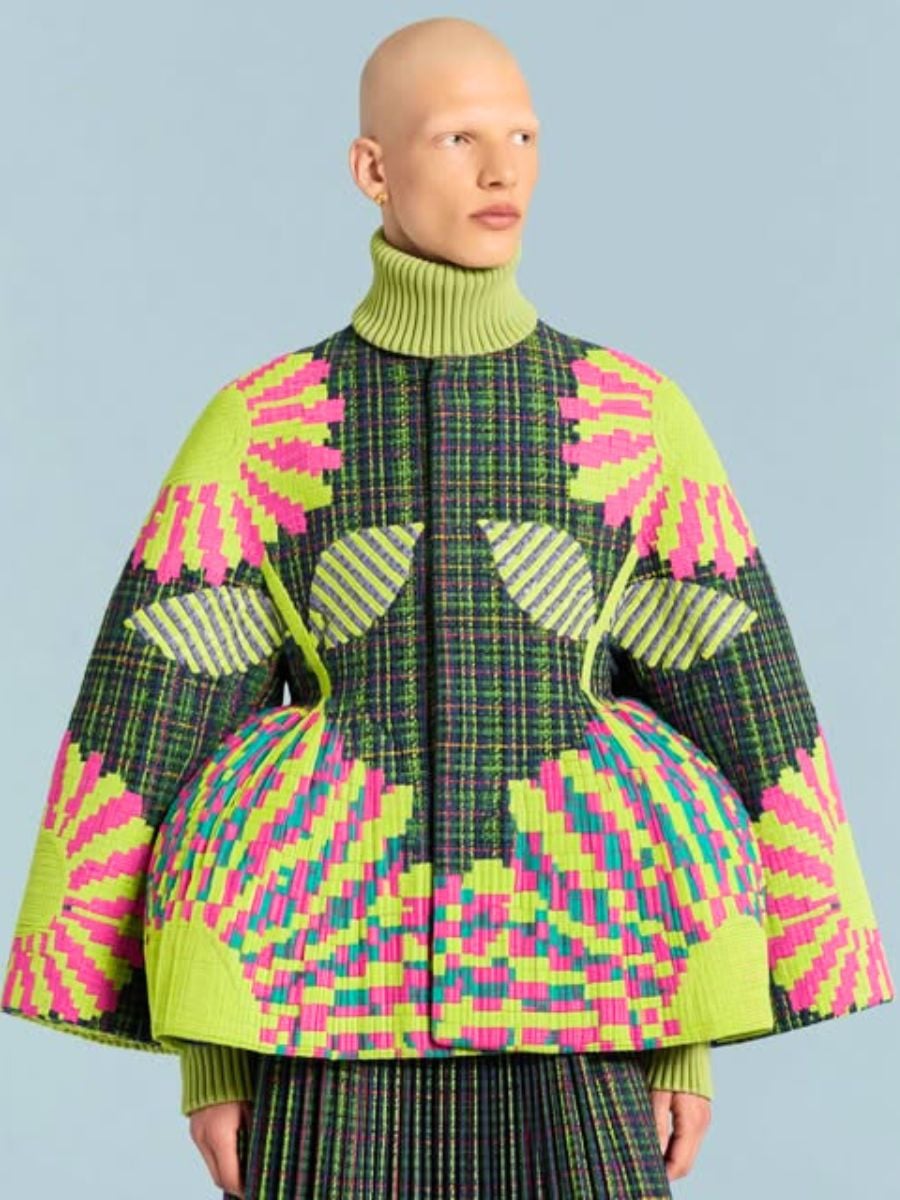
Flowers also appear in Hanna’s work through fashion and surface design. Her background in textiles makes this connection particularly natural. Before working extensively with AI, she was already creating patterns and textile narratives, and she has continued to use AI-generated imagery as a starting point for prints and fashion concepts.
Her website explains that these images can develop into printed designs, physical pieces, collections, or digital products. Her collaborations are a clear example. Her projects combine AI-generated artwork with prints and a playful world filled with flowers and other elements.
Brazilian Nature Is a Recurring Reference
Her use of plants also connects closely to her Brazilian background. Tropical flora and fauna, along with memories and references from Brazil, continue to influence the visual language of her work across fashion, surface design, and AI-generated imagery.
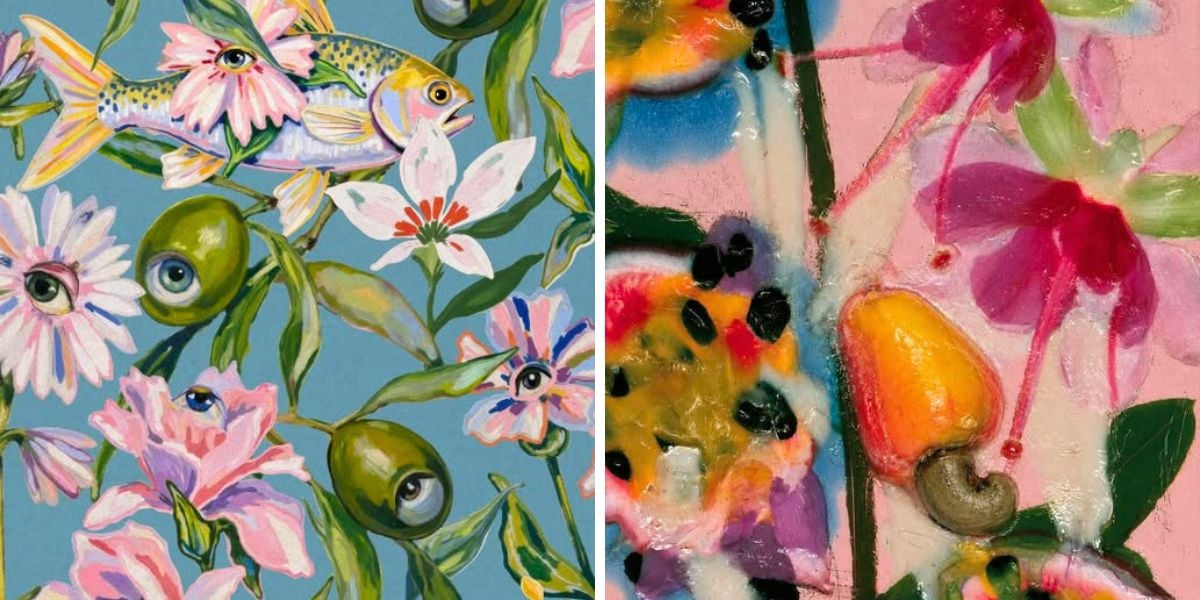
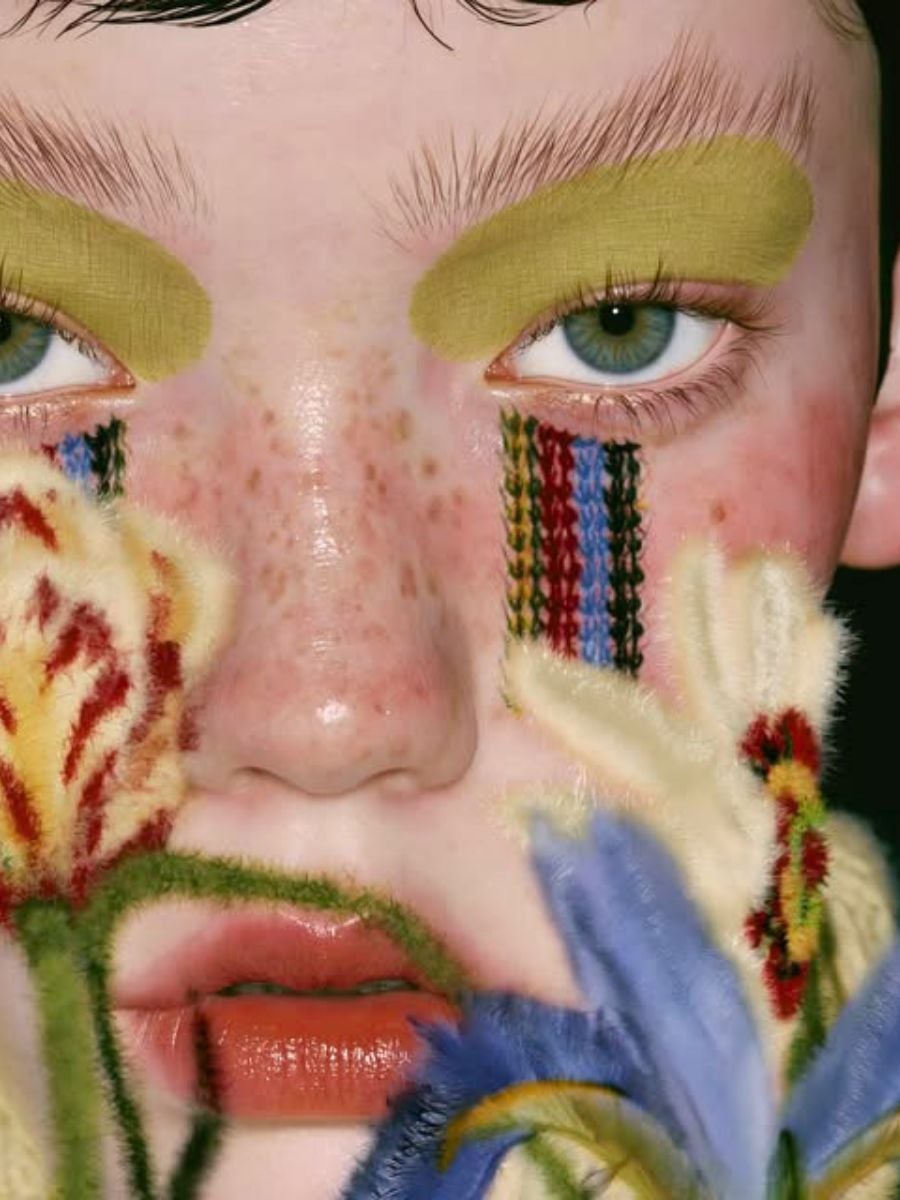
An eye with AI floral decor around
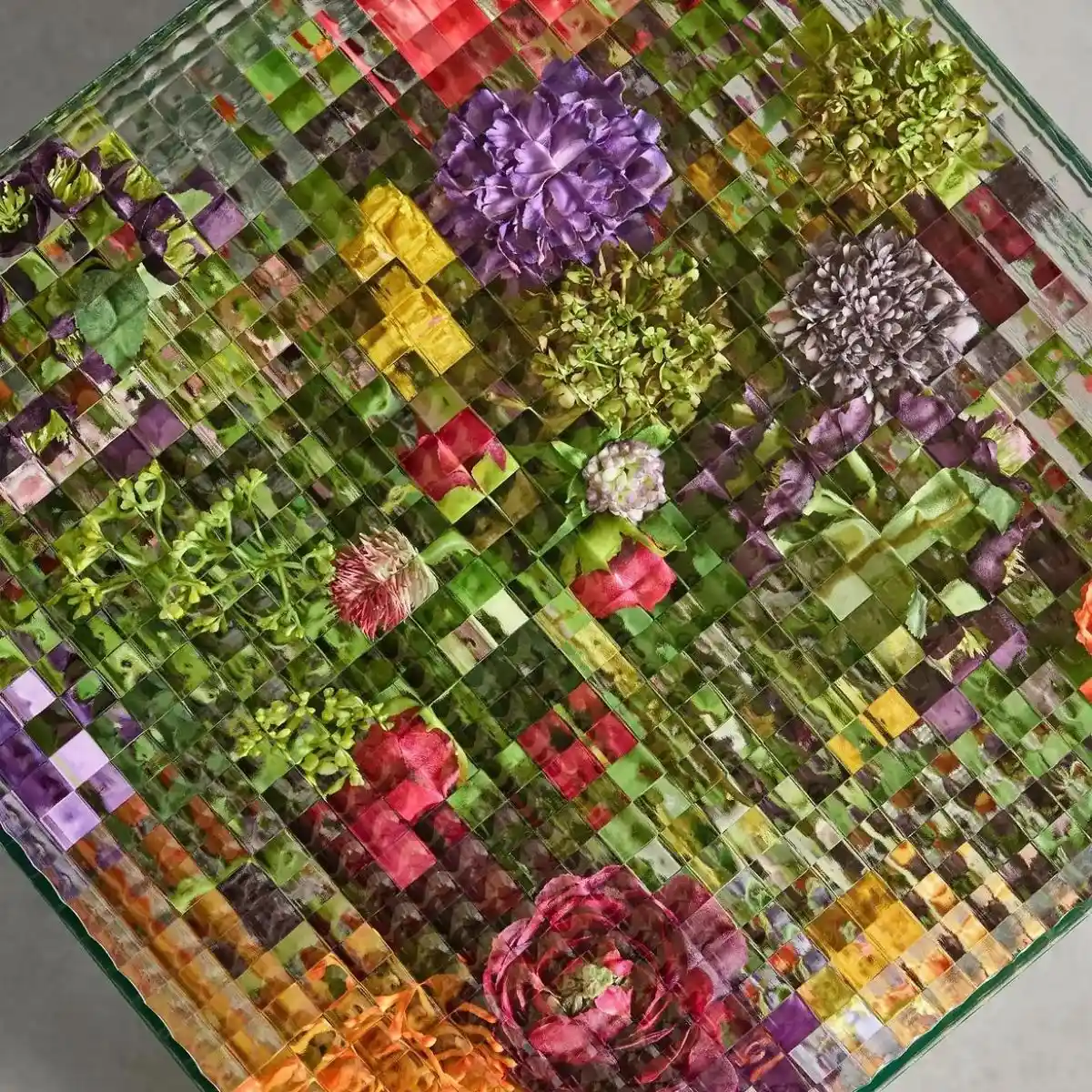
Botanical elements can appear in many different forms throughout her work. They are not always intended to represent a specific species or function as a botanical study. A flower or plant might provide a shape, texture, pattern, or reference to a place and memory that is meaningful to her. Once those elements enter her digital process, they can be altered, repeated, enlarged, or combined with completely unexpected surroundings. That freedom allows familiar elements of the natural world to take on a very different visual identity while still retaining a connection to where the original inspiration came from.
What AI Adds to Her Process
The artist's approach to AI is closely connected to her previous work. She already had years of experience creating patterns, working with textiles and developing visual concepts before she began using AI. That means the technology entered an existing creative practice rather than creating one from scratch.
In her interview with Experimenta, Hanna described AI as a way to bring together her references, emotions and experience with digital tools. Her work continues to carry details associated with embroidery, fabric and handmade techniques, even when the final image is entirely digital. This combination is especially clear in her floral imagery. Flowers may look digitally produced, but the images often contain the visual language of textiles: repeated forms, dense patterns, embroidery-like details, and compositions that could easily be translated into fabric or printed surfaces.
This is also why many of her AI images do not stop at the screen. She describes the process as using the images as starting points for prints, pieces, collections, and digital products.
From Tropical Flora to a Giant Espresso Cup
Hanna's latest work shows that flowers continue to follow her into new projects. In August 2026, she was invited by Lollapalooza Brasil to create an original artwork for the festival's wheatpaste poster series, portraying Sabrina Carpenter through imagery connected to her song "Espresso". The main image features an oversized pink espresso machine and coffee cup, surrounded by flowers and botanical forms. Hand-painted textures, lettering, and a mix of pink, red, green, and lavender add to the image.
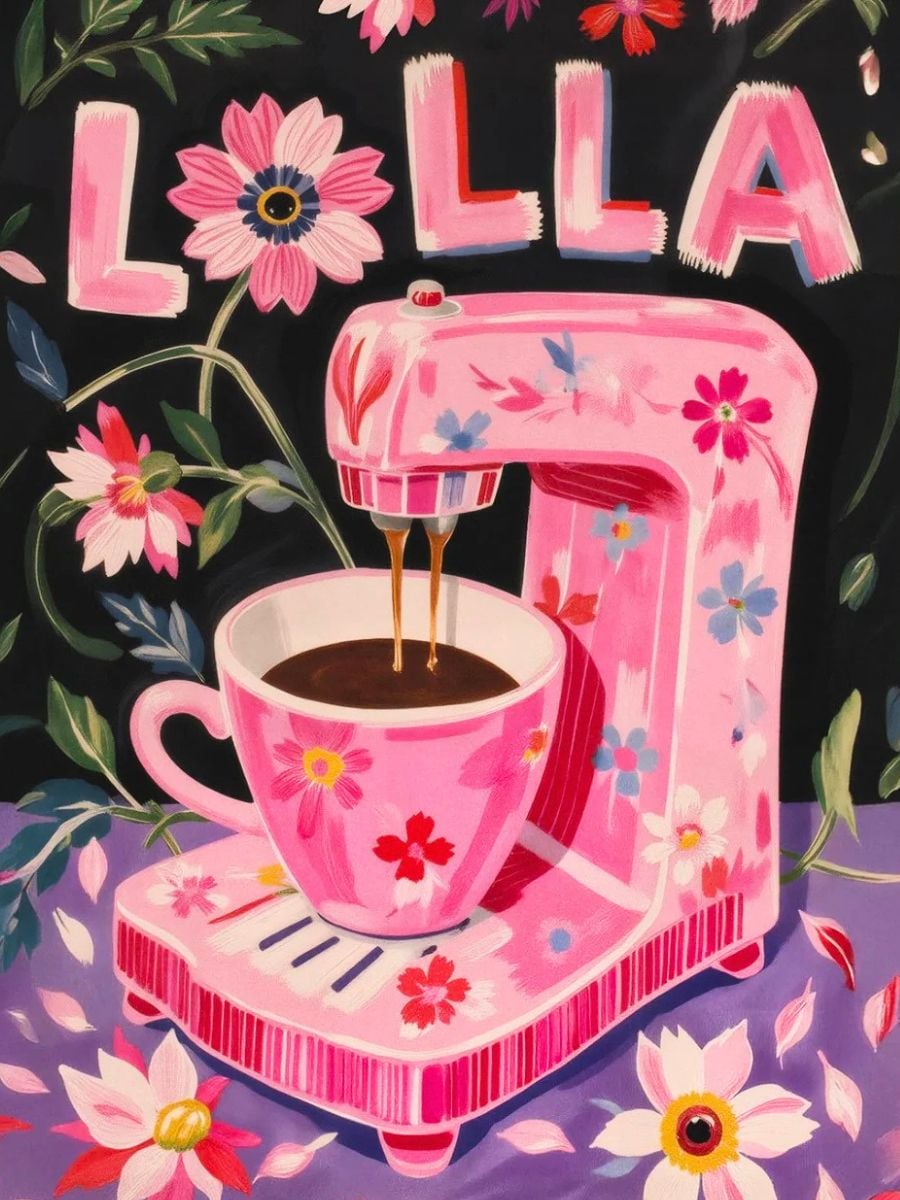
The flowers are not the main subject of the poster, but they are an important part of the scene. They grow through the composition and help give the image its colorful, handmade feel. It also shows how flexible botanical references have become within Hanna's work. A flower can sit inside an imagined city, appear on clothing, form part of a surface pattern, surround a fashion portrait or grow around an enormous coffee cup.
A Different Way to Look at Flowers
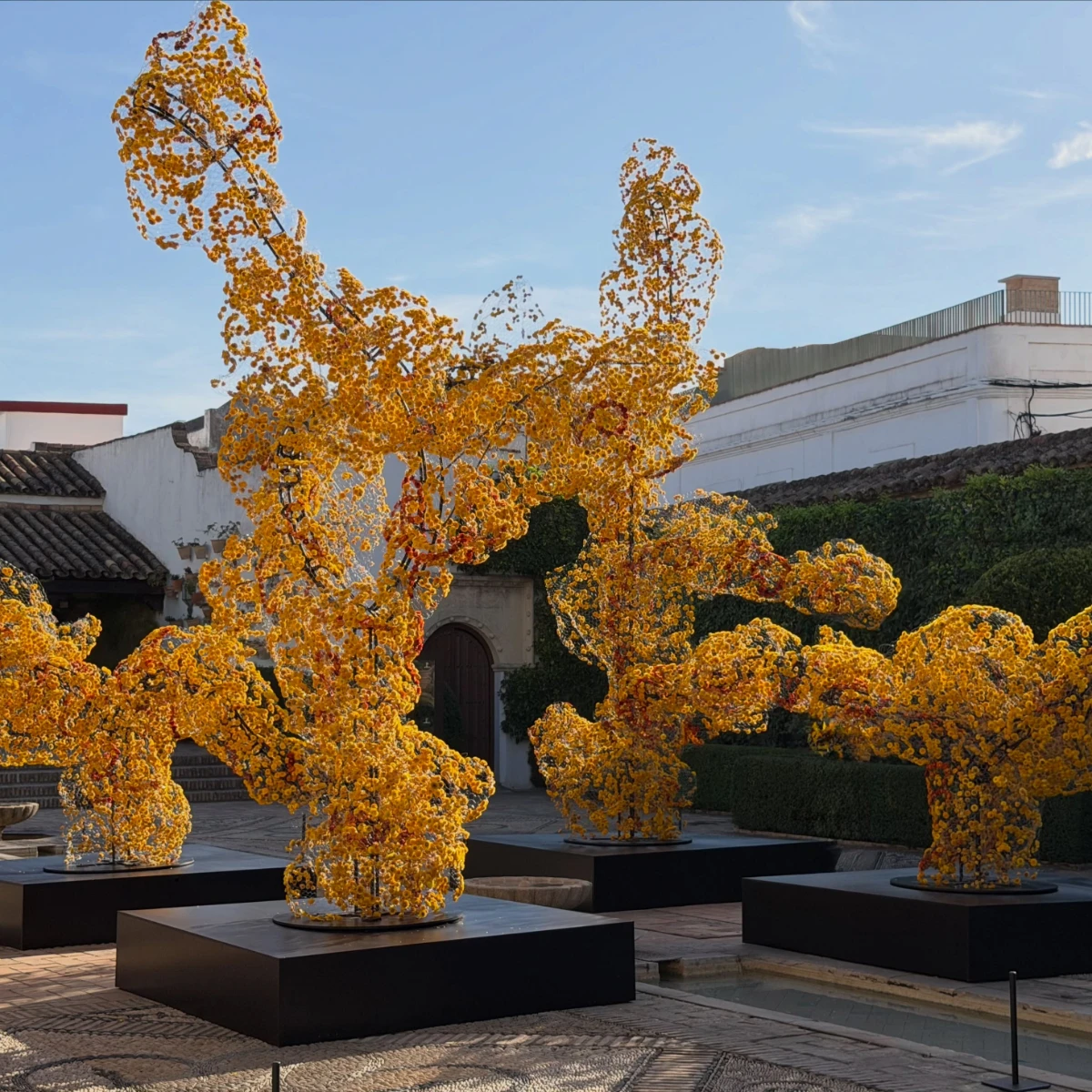
Hanna's work offers plenty for flower lovers to explore, particularly because she does not limit plants to their familiar forms. Her experience in fashion and surface design gives her a strong interest in pattern, texture, and repetition, while AI allows her to push those elements into places that would be difficult to photograph or physically produce. Her flowers can be oversized, repeated, mixed with architecture, printed onto products, or placed into entirely invented environments.
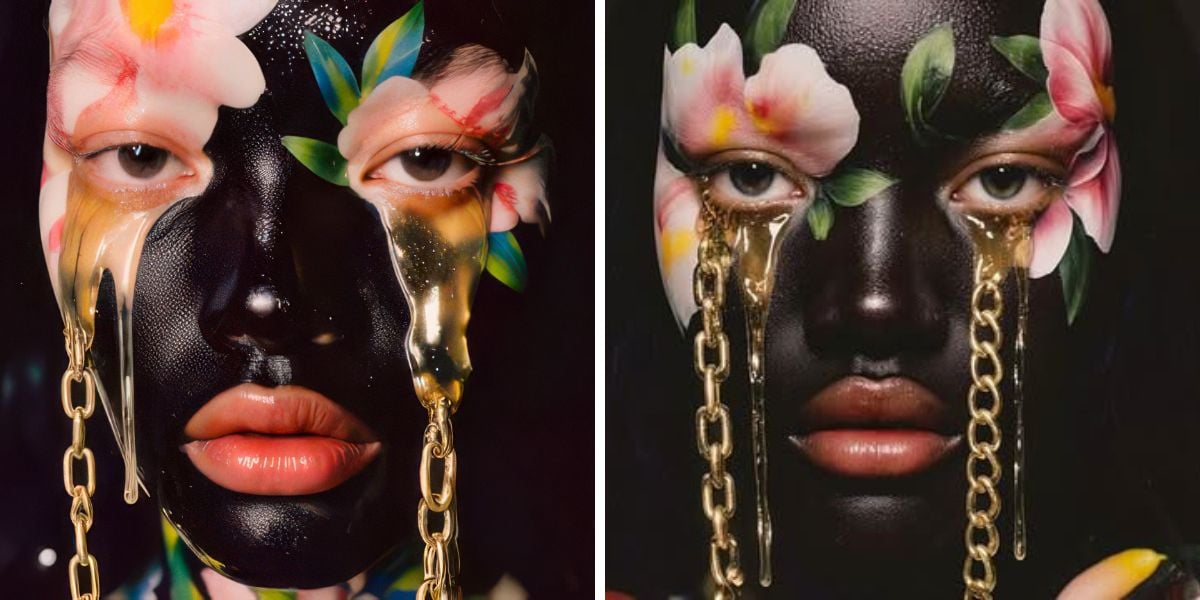
Her growing collection of projects also shows how wide that approach can be. Urban Flora brings plants into the city. Her work with MOOUI and Missinclof brings flowers into fashion and surface design. Cícero connects floral patterns with embroidery and family memories. Her Artpoint work places botanical elements within editorial portraits, while her 2026 Lollapalooza artwork puts flowers around a giant espresso machine.
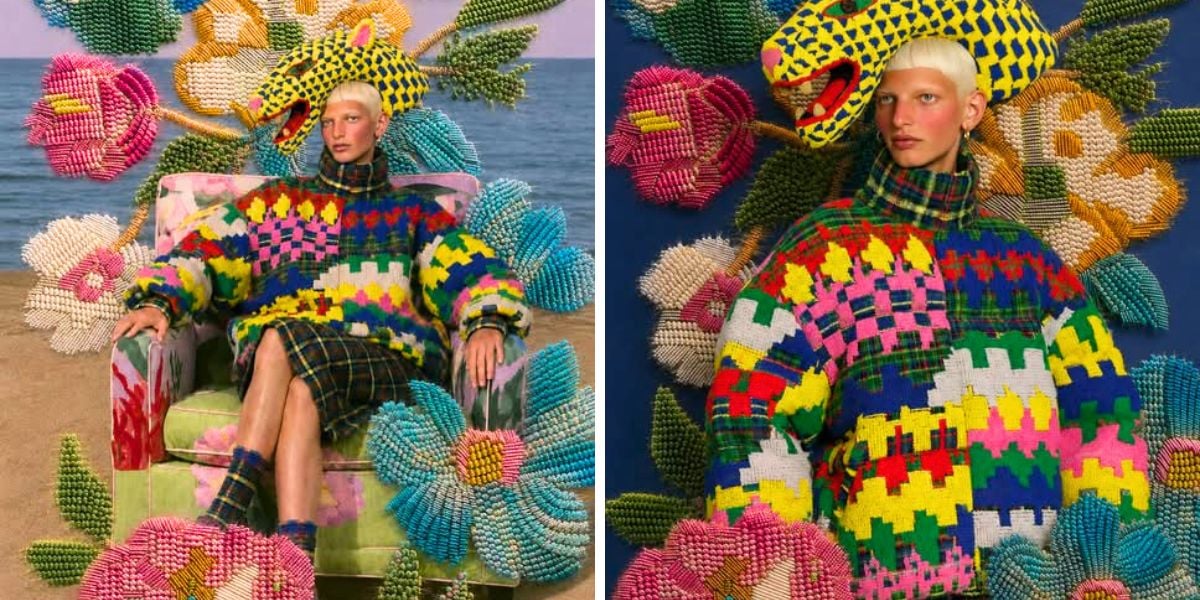
For her, AI has opened another way to work with the subjects she has explored throughout her career. And flowers, with their endless shapes, textures, and possibilities for pattern, seem to have found a very natural place in that process. To see more of her floral work, AI creations, and latest projects, follow Hannah on Instagram.
Photos: @hannahinaiah