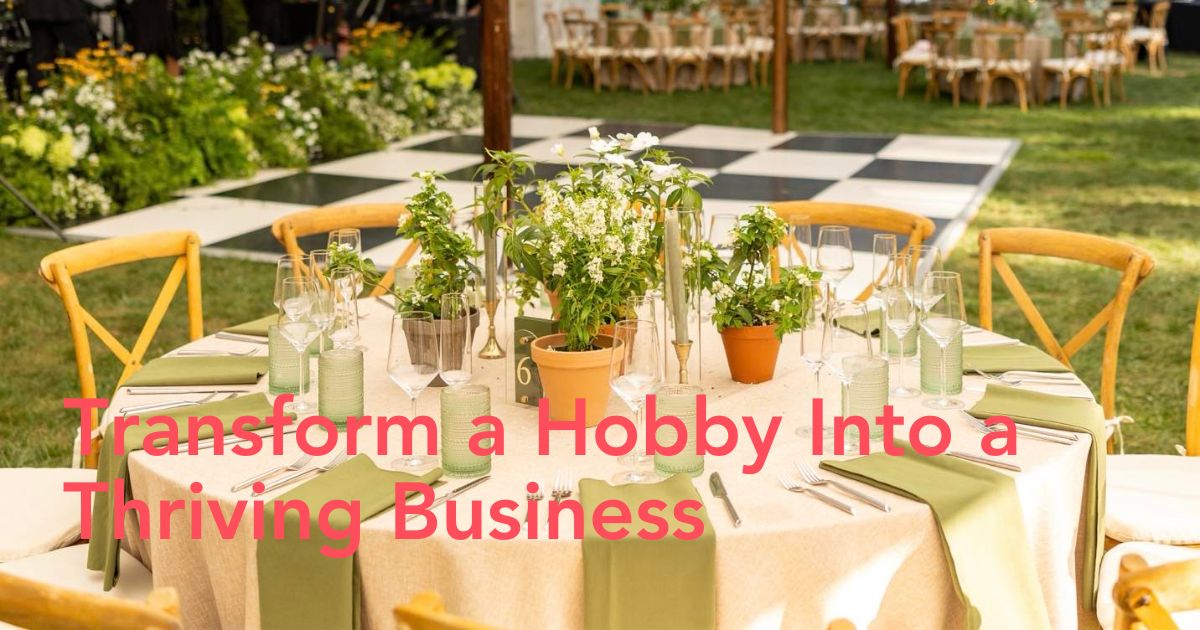
The world of floristry is no longer just about arranging bouquets for Sunday brunch. It’s a high-stakes, high-creativity industry where artistic talent meets agricultural grit. Whether you are a backyard grower, a floral designer, or a savvy entrepreneur, there are countless ways to win money while showcasing your botanical brilliance. From international design stages to the local flower farm, the floral industry is currently seeing a surge in competitive opportunities that can transform a hobby into a thriving business.
What’s changed is the pathway. Designers are not only judged on “how it looks,” but on mechanics, sustainability choices, and the clarity of concept. Growers are not only selling stems, but building brand stories, hosting workshops, and using competitions as marketing engines. If you approach this like a system, the upside is real.
The Art of the Competition Design and Recognition
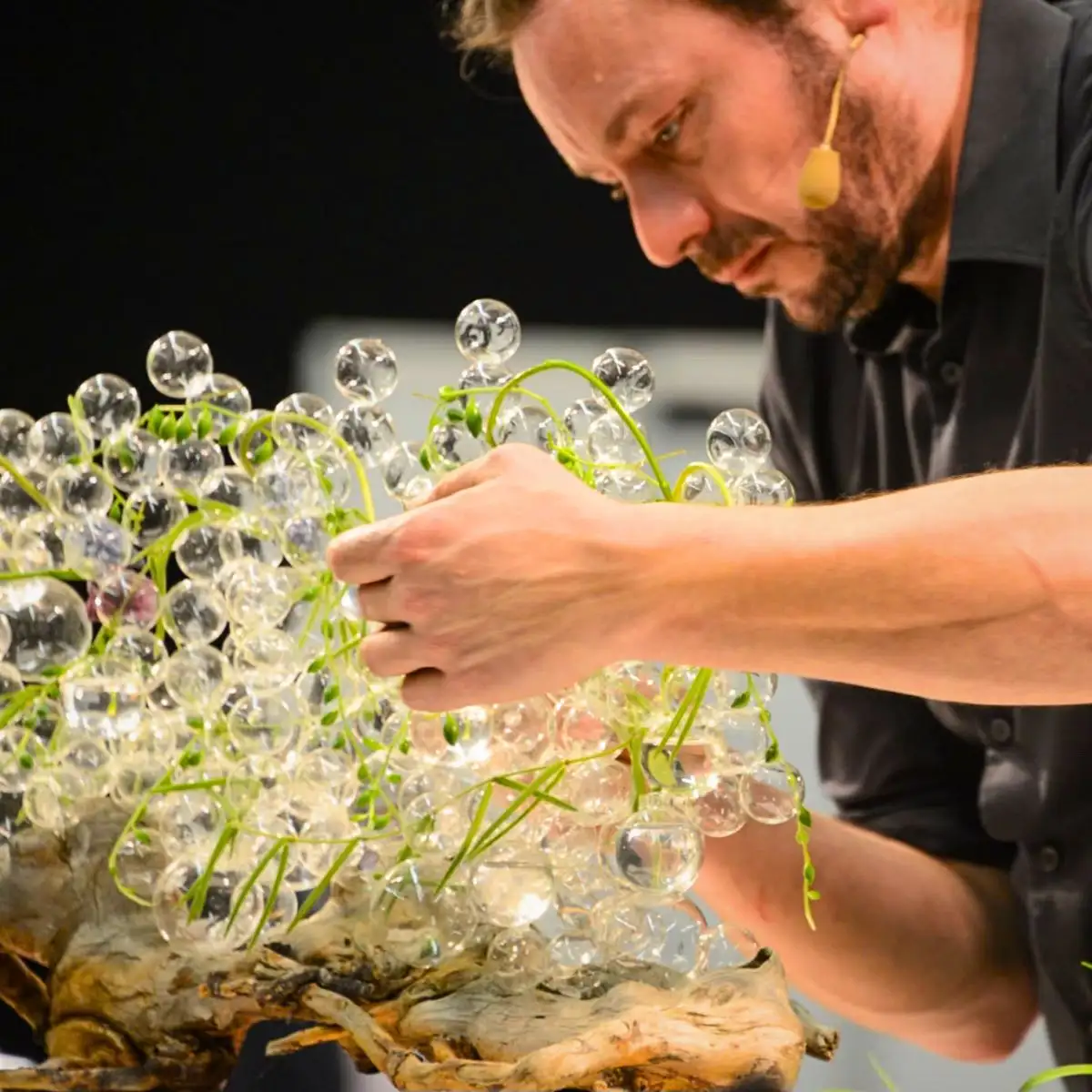
For many, the pinnacle of the floral world is the design competition. These events aren’t just about aesthetic beauty; they test technical skill, sustainability, and storytelling. They also create a shortcut to credibility. A finalist badge, a shortlisted feature, or a grant-backed installation gives your work a stamp that clients and buyers understand immediately.
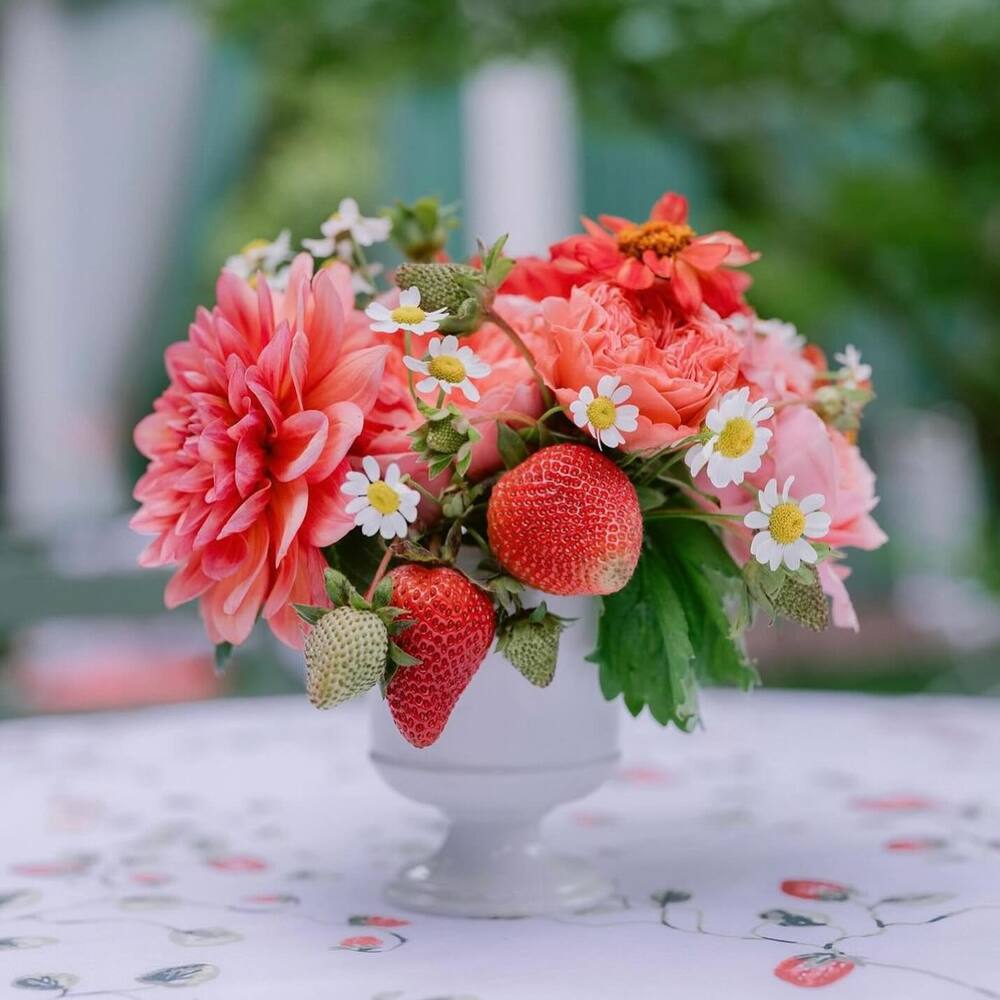
The National Flower Show 2026: One of the most accessible entries for enthusiasts, this show features a dedicated Floral Art Competition. Open to all levels, it offers participants the chance to showcase their work in historic settings like Hylands House. Best of all, winners can win money in the form of cash prizes for first, second, and third place.
RHS Chelsea in Bloom: This isn’t just a flower show; it’s a city-wide takeover. In 2026, the “Out of This World” theme is pushing businesses to create ambitious displays that land on global feeds within hours. For independent shops, grants of up to £2,500 are available to help fund these installations, providing a financial springboard to gain visibility beyond your local market.
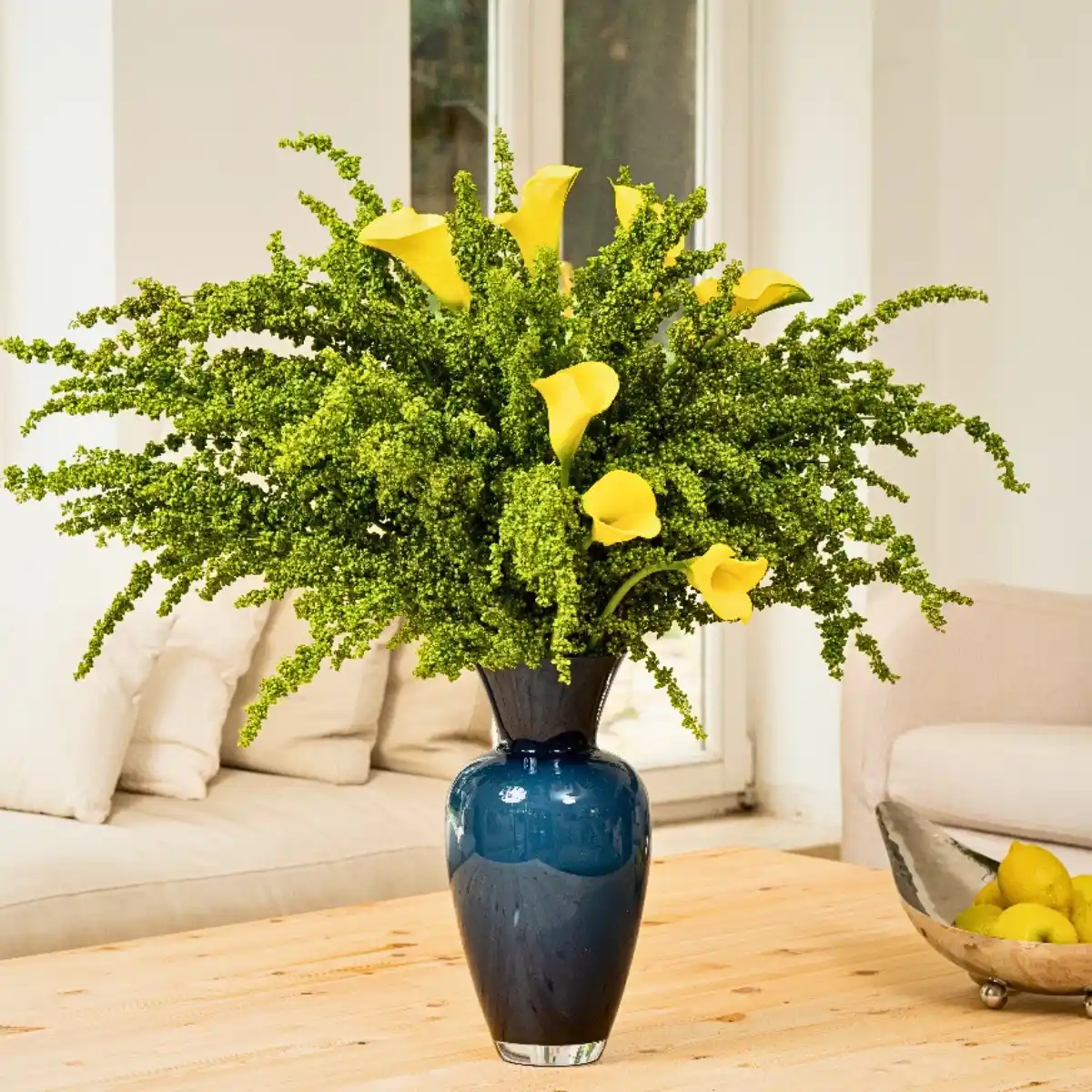
Tablescaping and Speciality Categories: Shows like the RHS Malvern Spring Festival have introduced modern categories like “Floral Tablescaping.” These judged events allow designers to treat a dining table as a canvas, blending interior styling with floristry. The commercial advantage is obvious: tablescaping portfolios translate directly into weddings, brand events, product launches, and corporate hospitality work.
What judges are really scoring in 2026
If you want to win, build for the scorecard, not the comments section. Most judging frameworks come back to a few consistent factors.
First is condition and control. Stems should look hydrated, clean, and properly processed. Mechanics should be stable. Nothing should wobble, leak, or collapse mid-display.
Second is concept clarity. One idea, executed fully, beats five ideas competing for attention. Your colour story, material choices, and negative space should support a single message.
Third is mechanics and sustainability. Foam-free work is no longer a niche preference. It is becoming a baseline expectation in many professional contexts. If you want a clear reference point for modern mechanics, Thursd has covered the shift toward plastic-free solutions here
Finally, compliance matters. Many entries lose points because they ignore size rules, banned materials, safety requirements, or installation limitations. Read the exhibitor notes like they are legal terms, because in practice, they are.
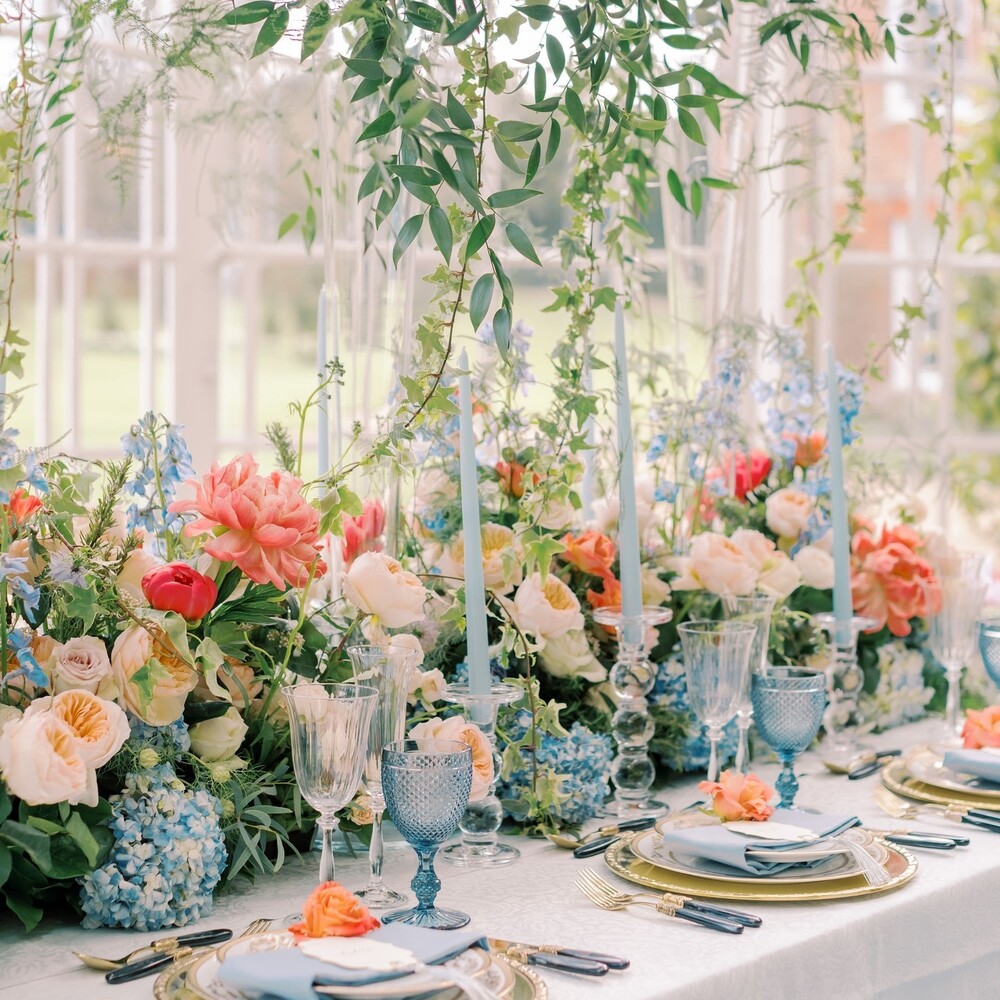
Turning Petals Into Profit: Flower Business and Farming
Beyond the stage, flower farming and floral retail are becoming lucrative career paths. Organisations like Flowers from the Farm have launched diversity scholarships and business grants to help new growers break into the industry. These programs provide more than just cash; they offer the mentorship and tools needed to build a sustainable commercial model.
The bigger opportunity is how you stack revenue streams. Competitions can be one line of income, but they can also be a lead generator for everything else: subscriptions, wholesale accounts, weddings, workshops, and content collaborations.
A simple example: if you compete with a tablescape, you are also building a portfolio for event clients. If you compete with a seasonal installation, you are also building proof for brand partnerships. If you win an award, you can justify pricing changes without long explanations, because the credibility sits outside your own marketing.
From greenhouse output to competition-grade stems
If you grow your own material, your edge is control. Competition work is less forgiving than daily shop work because the stems must hold for longer under lights, transport, and handling.
In practice, this means building crop plans around:
- predictable harvest window
- stem strength and conditioning response
- storage tolerance (especially pre-cool and hydration time
- consistency of head size across multiple stems
Quality is not only genetics. It’s post-harvest discipline. The brands and designers who understand vase life science tend to waste less product and present cleaner work under pressure. This is relevant reading if you want to tighten that part of the workflow: Vase Life Science Sustainable Floriculture
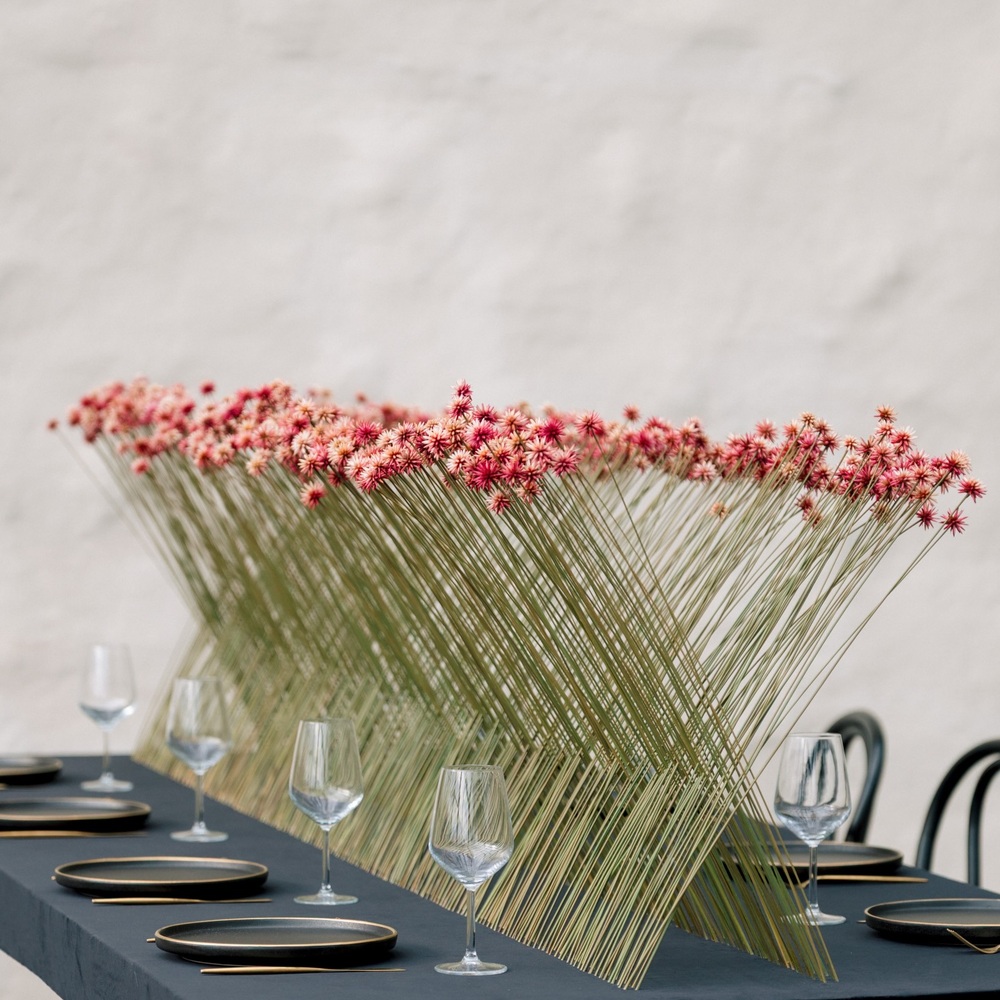
Digital Competitions and Brand-Led Wins
For those looking for a quicker path to a prize, the industry also leans into the digital age. Many large-scale florists and garden brands now host instant win competitions where flower lovers can enter to win everything from £1,000 in cash to luxury garden centre vouchers and high-end botanical hampers.
These are not all equal. Treat them like business opportunities, not luck. The best ones have clear terms, clear timelines, and official channels. If an “account” messages you asking for private details, treat it as suspicious until verified. The floral industry sees the same scam patterns as every other consumer niche, especially around big shows and popular hashtags.
How to Get Started in Floral Competitions
If you’re looking to turn your passion for petals into a paycheck, follow these three steps.
Step 1: Build your calendar early. Many shows lock entries well before the event. You don’t need to memorise dates, but you do need a habit: check schedules early in the season, then work backwards from the deadline. Give yourself time for test builds, photography, and material sourcing.
Step 2: Train your mechanics like a skill. In 2026, it’s common to see strong concepts lose because the mechanics were weak. Practice foam-free construction, stable wiring, transport-safe builds, and fast conditioning routines. If you are switching away from traditional foam, don’t do it for the first time on a final piece. Test it, measure how it holds, and then commit.
Step 3: Network upstream, not only sideways. Many “win money” opportunities come through brand partnerships, suppliers, wholesalers, and show organisers. The strongest relationships come from being reliable: paying on time, showing up prepared, and delivering clean content when you’re featured. Your suppliers often know about grants and categories before you do.
Use competitions as a business asset, not a one-off
The industry is blooming with potential, but the winners are usually the people who treat each event as part of a longer plan.
After a show, do three things quickly:
- Publish your best images with a short story of the concept and material
- Repackage the work into a portfolio page for the event client
- Email suppliers and collaborators with the results and next steps
If you want more reach from the same effort, build a content plan around it. Thursd has a practical guide for florists who want to turn real work into consistent marketing content: Floral Content Ideas for Social Media Marketing Success