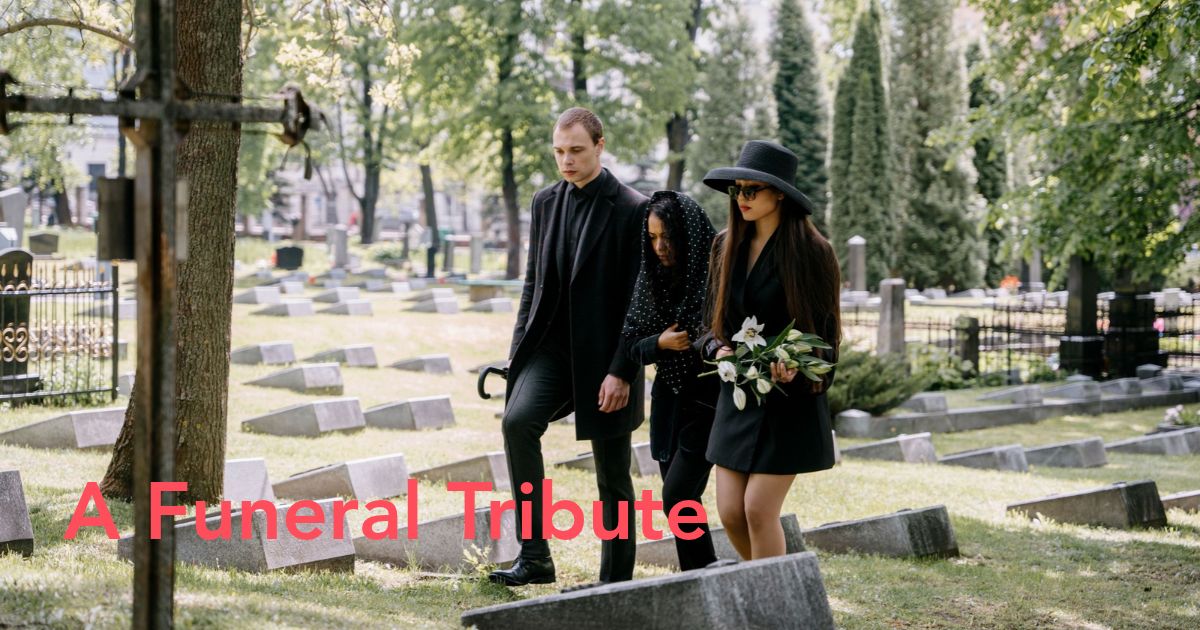
A funeral tribute may be judged by its flowers, but its success also depends on timing, transport, venue knowledge, and calm coordination. Here is what happens behind the scenes before a floral farewell reaches the service.
By Nathalie Lew, Spearwood Florist
Funeral floristry is often discussed in terms of symbolism, color, and flower choice. All of these matter, but there is another part of the work that receives far less attention: time.
Unlike a birthday bouquet delivered to a home, a funeral tribute has a fixed destination and an immovable deadline. A chapel service will begin whether the flowers have arrived or not. This changes the entire design process. The florist must work backwards from the service time, allowing for preparation, conditioning, construction, transport, unloading, identification, and placement.
At our Perth studio, we call this the sixty-minute rule. We aim to have funeral flowers at the venue at least one hour before the service begins. That hour is not spare time. It is a practical buffer that allows funeral staff to position the tributes properly and gives everyone room to respond calmly if access, traffic, or service details change.
Funeral Floristry Begins With Questions, Not Flowers
Before selecting a stem, an experienced funeral florist needs accurate information.

Who is the tribute for? What time does the service begin? Which chapel, church, cemetery, or funeral home is involved? Is the arrangement a casket spray, wreath, cross, sheaf, or standing tribute? Who is sending it, and how should the card or ribbon be worded?
A venue name alone may not be enough. Large cemeteries can have several chapels. Funeral directors may operate from multiple locations. A church service may be followed by a burial elsewhere. Even a small error in the deceased's name or service time can send an otherwise beautiful tribute to the wrong place.
For this reason, checking details is part of the craft. It is as important as selecting fresh flowers or achieving the right proportions.
Working Backwards From the Service
Once the service details are confirmed, the schedule can be built in reverse.
If a service begins at 10:00 a.m., the tribute should ideally be in position by 9:00 a.m. The delivery route must therefore allow for morning traffic, parking, venue access, unloading, and communication with staff. The arrangement must be completed and checked before it is loaded, which means flower preparation may begin the previous day.
This backward planning also influences which flowers are appropriate. Delicate varieties can be beautiful, but they may not be suitable if the tribute must travel a long distance, stand outdoors, or wait in warm conditions. The design needs to remain fresh and structurally sound from the moment it leaves the studio until the family sees it.
Our team's approach to coordinating funeral flowers for Perth services is therefore based on the ceremony first and the delivery route second. Only then do we finalize the practical details of the design.
A Tribute Must Be Designed for Transport
Funeral arrangements often have very different transport requirements from everyday bouquets.
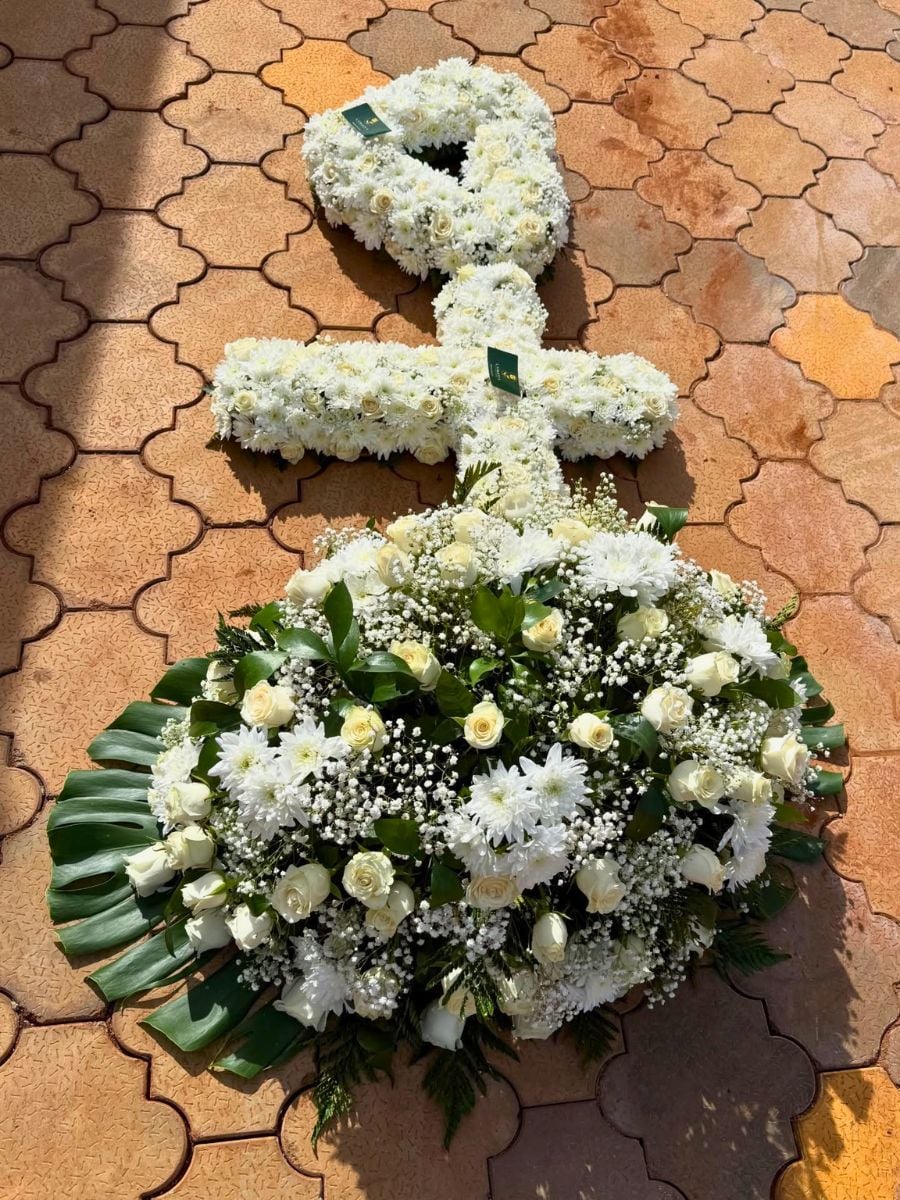
A large wreath must stay upright without pressure on its flowers. A casket spray needs support across its full length so the mechanics remain secure. A cross or heart may be top-heavy and vulnerable when a vehicle turns or brakes. Water-filled containers must remain level, while ribbons and message cards need protection from moisture and wind.
This means the florist is not only designing for appearance. We are also considering balance, weight, movement, temperature, and the dimensions of the delivery vehicle.
The strongest arrangement is not necessarily the one with the heaviest construction. Good mechanics should provide stability without making the tribute difficult for funeral staff to lift or position. A design that looks beautiful on the workbench but cannot travel safely is not yet complete.
Western Australian Conditions Add Another Layer
Perth's climate can be unforgiving, particularly during the warmer months. Flowers may leave an air-conditioned studio and encounter hot vehicles, exposed loading areas, dry wind, or an outdoor graveside service.
Hydration begins well before construction. Flowers need time to drink after they arrive, and foliage must be clean and conditioned. Varieties are chosen not only for color and meaning but also for how they will perform under the expected conditions.
Transport timing becomes especially important on hot days. Loading should happen as late as practical, the vehicle should remain cool, and the tribute should never be left sitting in direct sunlight. Even a short delay can affect delicate petals.
Seasonal substitution is sometimes the responsible choice. If a requested flower is unavailable or unlikely to hold up well, the florist should explain this and suggest an alternative with a similar color, form, or emotional character. The goal is not to reproduce a photograph stem for stem. It is to preserve the meaning and quality of the tribute.
Labels and Messages Are Part of the Design
At a funeral venue, several tributes may arrive from different florists within a short period. Clear identification prevents confusion.
Each piece should be labeled with the deceased's name, service details, and sender information where appropriate. Cards and printed ribbons require careful proofreading because there may be no opportunity to correct them once the arrangement has left the studio.
Names deserve particular attention. The wording may represent a family, workplace, school, club, or community organization. One incorrect letter can change how a deeply personal message is received.
This administrative side of floristry is rarely photographed, yet it carries enormous responsibility. The family may never know how many details were checked behind the scenes – and that is exactly how it should be.
Venue Relationships Make a Difference
Familiarity with local funeral homes, chapels, churches, and cemeteries improves reliability. A florist who understands where to park, which entrance to use, who accepts deliveries, and where tributes are normally placed can work more efficiently and with less disruption.
Direct communication with funeral staff is particularly helpful when schedules change. Services can run early or late, chapel assignments can be updated, and families may request last-minute adjustments. A calm phone call can prevent a small uncertainty from becoming a serious problem.
These relationships are not glamorous, but they are one of the reasons experienced local florists can handle sensitive deliveries with confidence.
Personalization Must Still Be Practical
The most memorable funeral flowers often include a detail that reflects the person being honored: a favorite color, a native flower, a garden-style composition, a ribbon bearing an organization's name, or a shape connected with faith or family.
Personalization gives the tribute emotional depth, but it still has to work within the realities of the service. The florist must balance the family's vision with flower availability, stability, venue requirements, and the time available for construction.
This is where experience matters. Good funeral floristry is not about imposing a designer's style. It is about listening, interpreting, and creating something appropriate without adding stress to people who are already carrying enough.
The Best Delivery Is the One Nobody Notices
When funeral flowers arrive early, correctly labeled, fresh, and ready to be placed, the delivery itself becomes almost invisible. The family sees only the finished tribute and the message behind it.
That quiet reliability is part of the service. Beauty matters, but in funeral floristry, beauty must be supported by precision.
The sixty-minute rule represents more than a delivery target. It reflects a way of working: prepare carefully, confirm every detail, respect the ceremony, and leave enough time for the unexpected. The flowers speak at the service, but punctuality allows them to be there when they are needed.
Nathalie Lew is a qualified floral designer with more than 18 years of hands-on experience. She leads the family-run team at Spearwood Florist, established in 1980 and now operating from Cockburn Central in Perth, Western Australia. Her work includes everyday flowers, weddings, sympathy arrangements, and funeral tributes delivered to chapels, cemeteries, churches, and funeral homes across Perth.