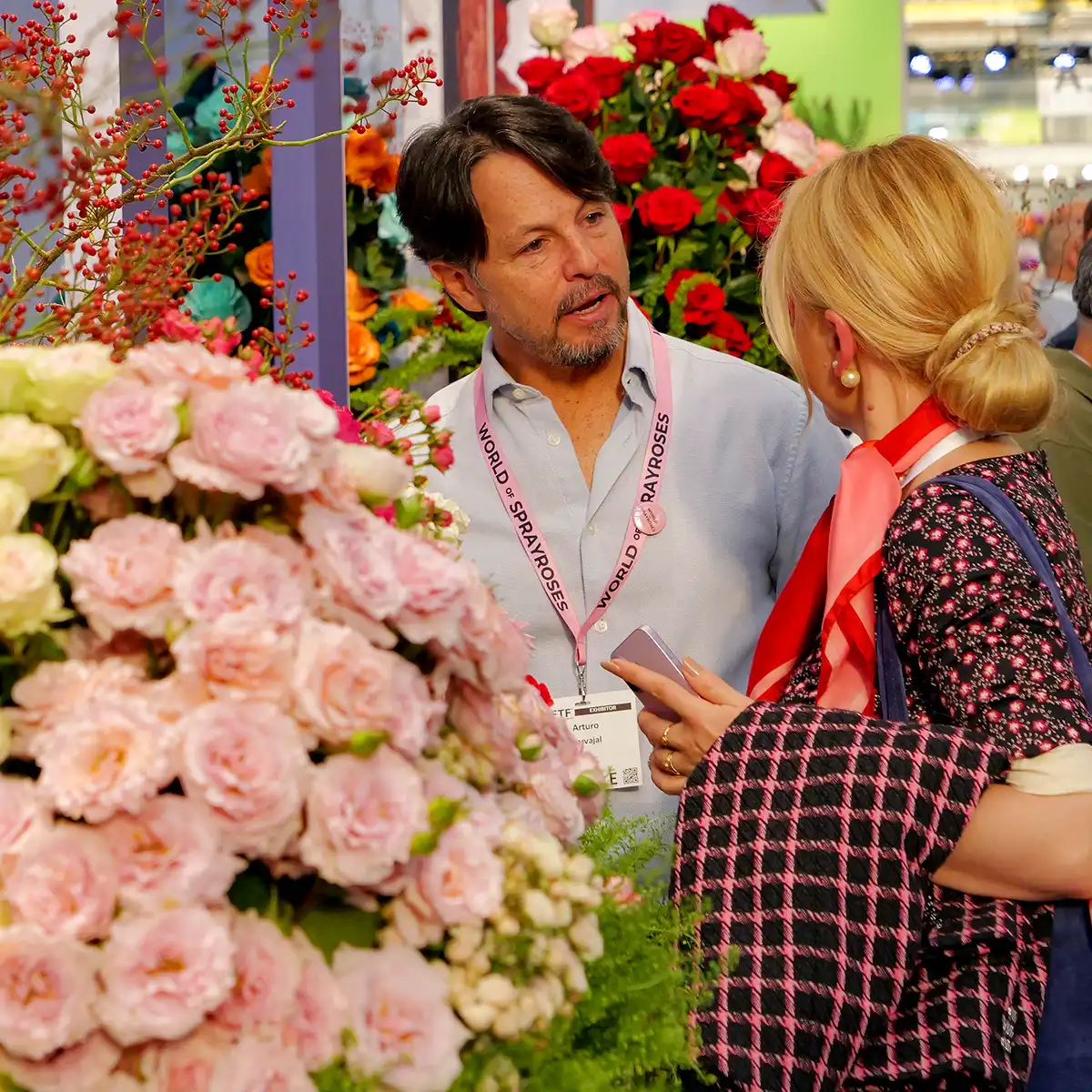
Every year, the opening ceremonies of major industry expos tend to follow a familiar script: welcome remarks, applause, an optimistic outlook, and more applause. But if you were in the room at the International Convention Center in Addis Ababa on the opening morning of Ethiopia's HortiFlora Expo 2026, you’d notice that several things stood out.
The opening speeches at HortiFlora Expo Ethiopia 2026 pointed to a defined next chapter for Ethiopian horticulture: one built on sustainability, logistics, finance, and stronger international partnerships. The speakers framed the sector as more than an export business, presenting it as a major engine of jobs, foreign exchange, and rural transformation. Here are a few things that stood out
A Century of Dutch–Ethiopian Partnership, and What It Built
The Ambassador of the Kingdom of the Netherlands to Ethiopia, Christine Pirenne, used her opening remarks to note that 2026 marks more than 100 years of trade relations between the two countries, which alone is a significant milestone. However, what makes it even more relevant to anyone in the flower (and horticulture) industry today is what those 100 years have produced.
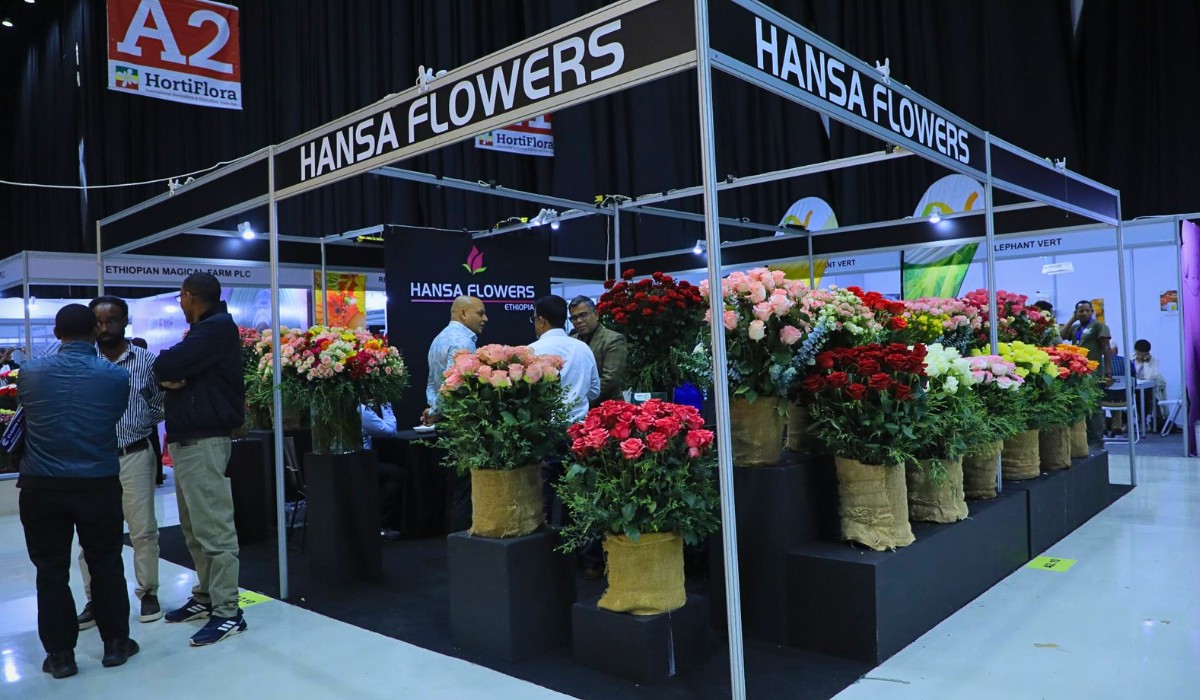
Dutch investment and knowledge transfer were foundational to the early development of Ethiopia's floriculture and horticulture sector. The varieties, the greenhouse technology, and the post-harvest expertise, much of it arrived through Dutch partnerships.
Today, there are approximately 100 Dutch companies active in Ethiopia, and for this year's expo, a dedicated 15-company trade mission was on the ground, exploring new opportunities in fields like greenhouse solutions, cold chain logistics, post-harvest management, and sustainable production technology.
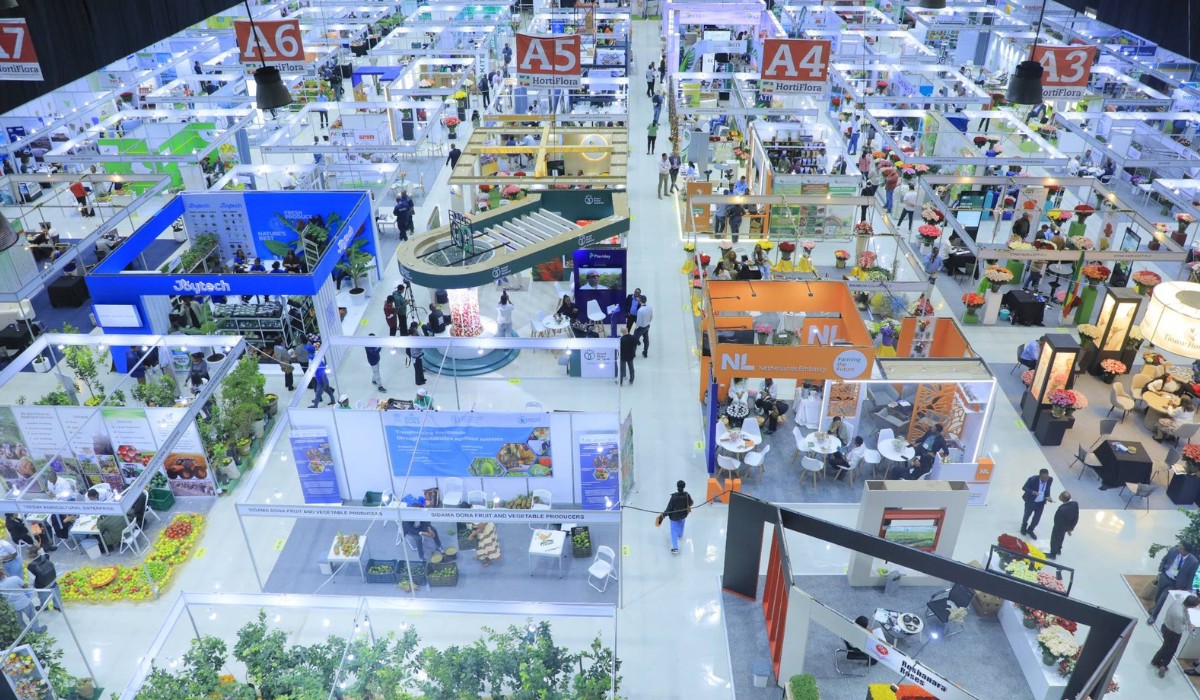
A Dutch pavilion was also present at the expo, a sign of a partnership that has greatly defined the trajectory of the industry, and the flowers arriving at European auction halls from Ethiopia. For buyers who care about traceability and the long-term development of supply origins, this enhanced Dutch-Ethiopian relationship is worth leveraging.
Green Finance Is No Longer Just a Buzzword
One of the more substantive announcements of the opening day’s morning ceremony came from Zemen Bank, a 17-year financial partner to Ethiopia's horticulture sector. Their CEO, Dereje Zebene, confirmed that in 2025, Zemen Bank developed a dedicated green finance product for the horticulture sector, built in partnership with the European Investment Bank under the Green Finance System Program.
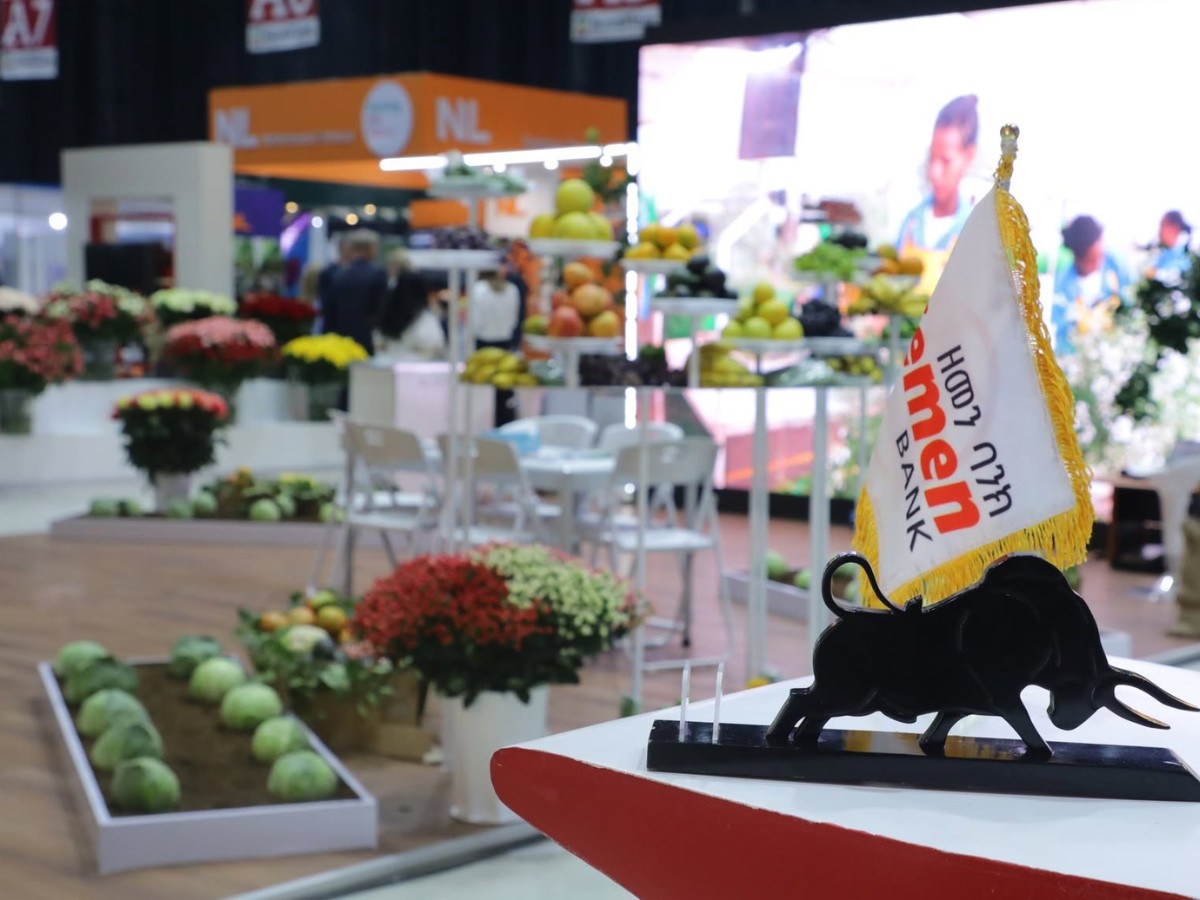
This is important because access to finance, particularly climate-aligned finance, has often been cited as one of the sector's key bottlenecks. Investments in irrigation infrastructure, greenhouse development, and modern packaging facilities require long-term capital that many Ethiopian growers have historically struggled to access. The new product is specifically designed to support climate-resilient investments, improve risk management, and help build an export-ready, sustainable value chain.
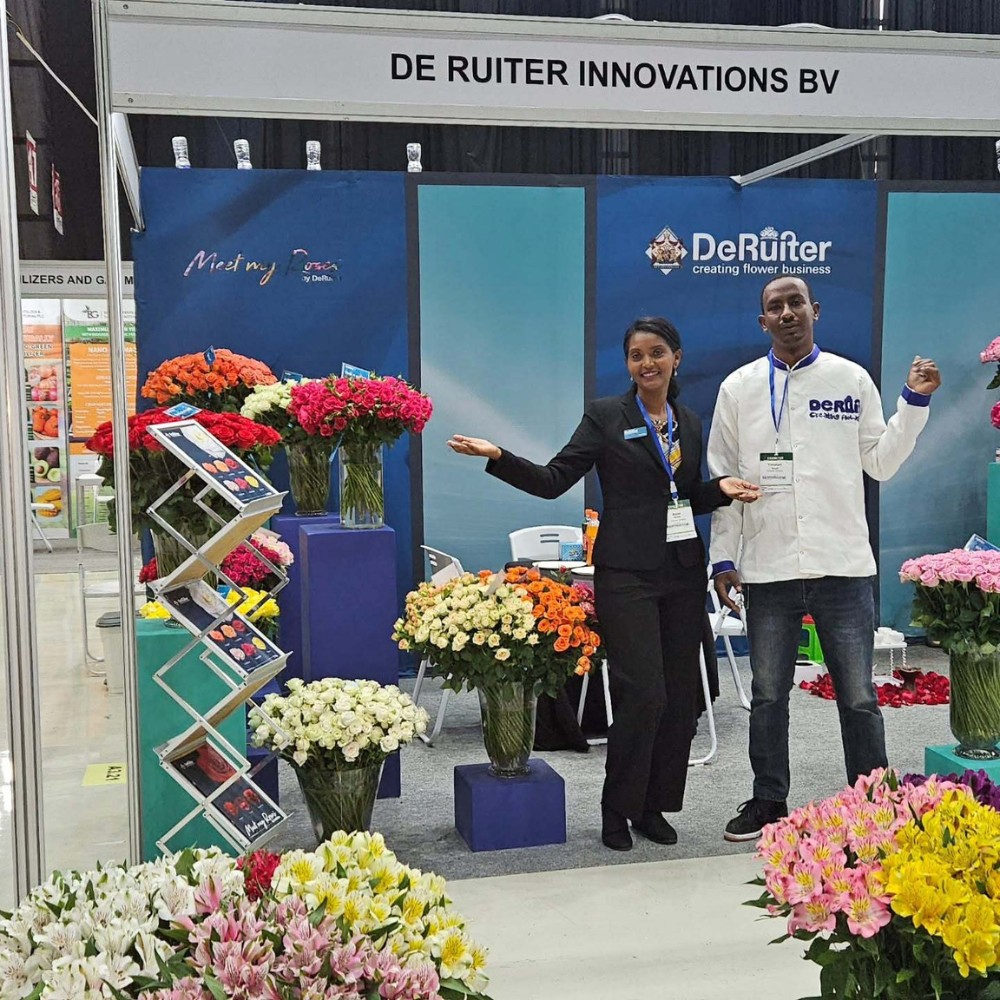
For international buyers increasingly under pressure to verify the environmental credentials of their supply chains, this kind of financial infrastructure at origin is precisely what makes long-term sourcing partnerships more viable. What it all is about is not just marketing claims, but a structured financial instrument, backed by a European development-oriented bank.

Ethiopian Airlines Is Building a Hub in Bishoftu
Cold chain logistics are everything for cut flowers. You can grow the most perfect flowers in the world, and it means nothing if they do not travel fast and well. That's why this announcement from Ethiopian Airlines Cargo Managing Director Dereje Derero deserves more attention.
In his remarks, he confirmed that Ethiopian Airlines is currently building a major new cargo facility in Bishoftu, valued at more than $10 million, reinforcing Ethiopia's position as a leading aviation hub for perishable exports in Africa.
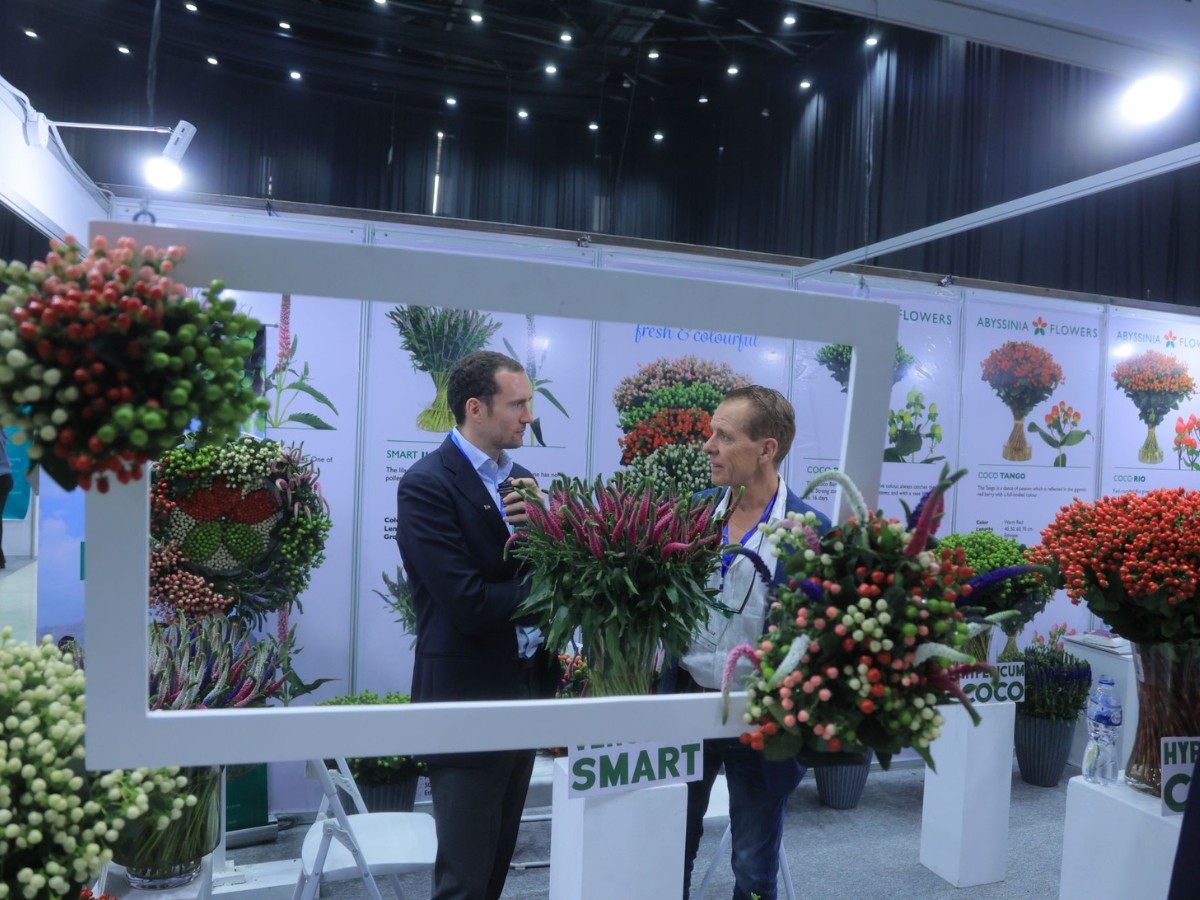
Combined with the airline's ongoing investments in cold-chain logistics, digital tracking, and global network expansion, this shows a serious long-term commitment to the infrastructure underpinning Ethiopia's entire flower export operation.
For anyone sourcing from Ethiopian farms, or considering doing so, the logistics picture is just as important as the growing conditions. That picture is becoming more and more robust year by year.

The Sector Has Moved Into Strategic Importance, Generating More Jobs
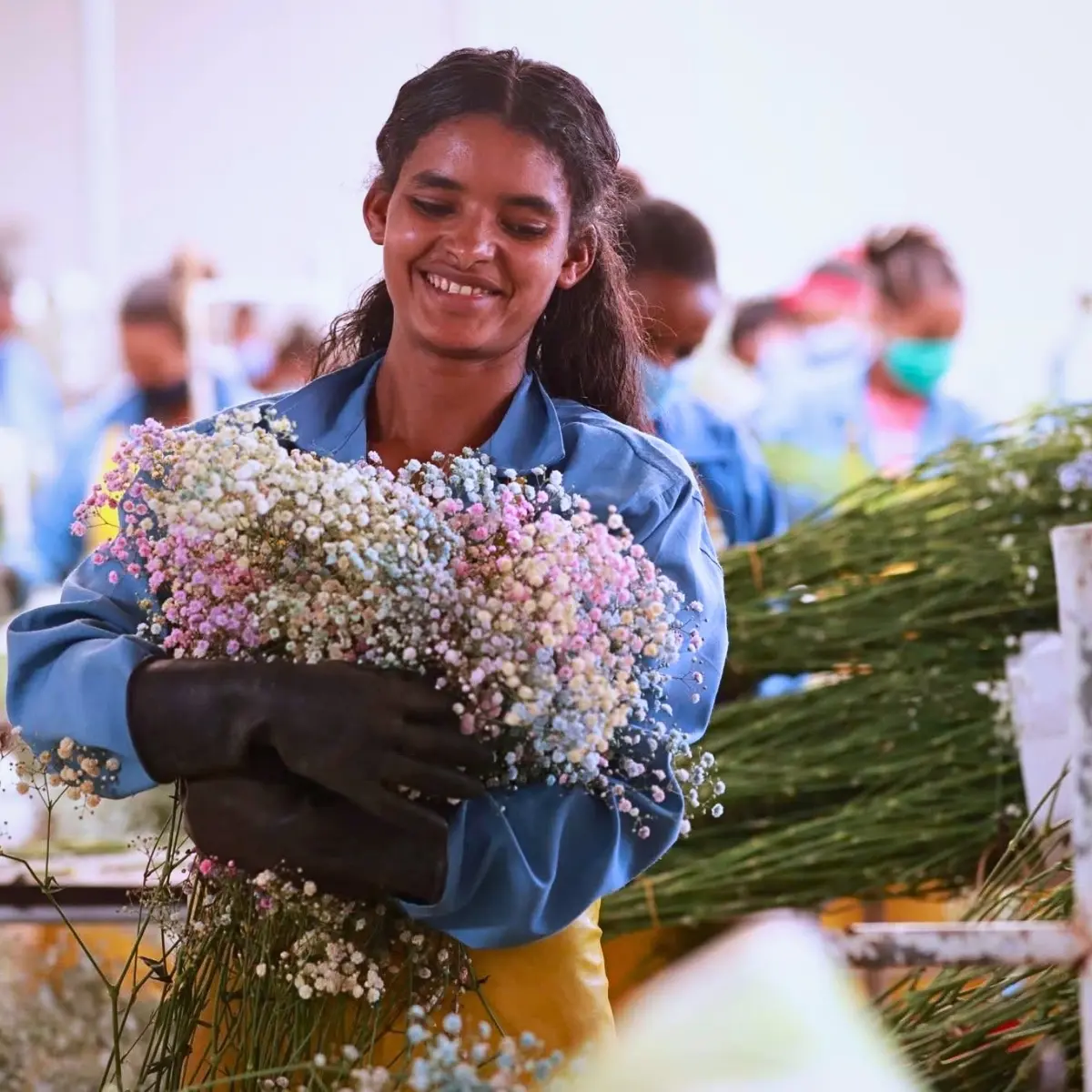
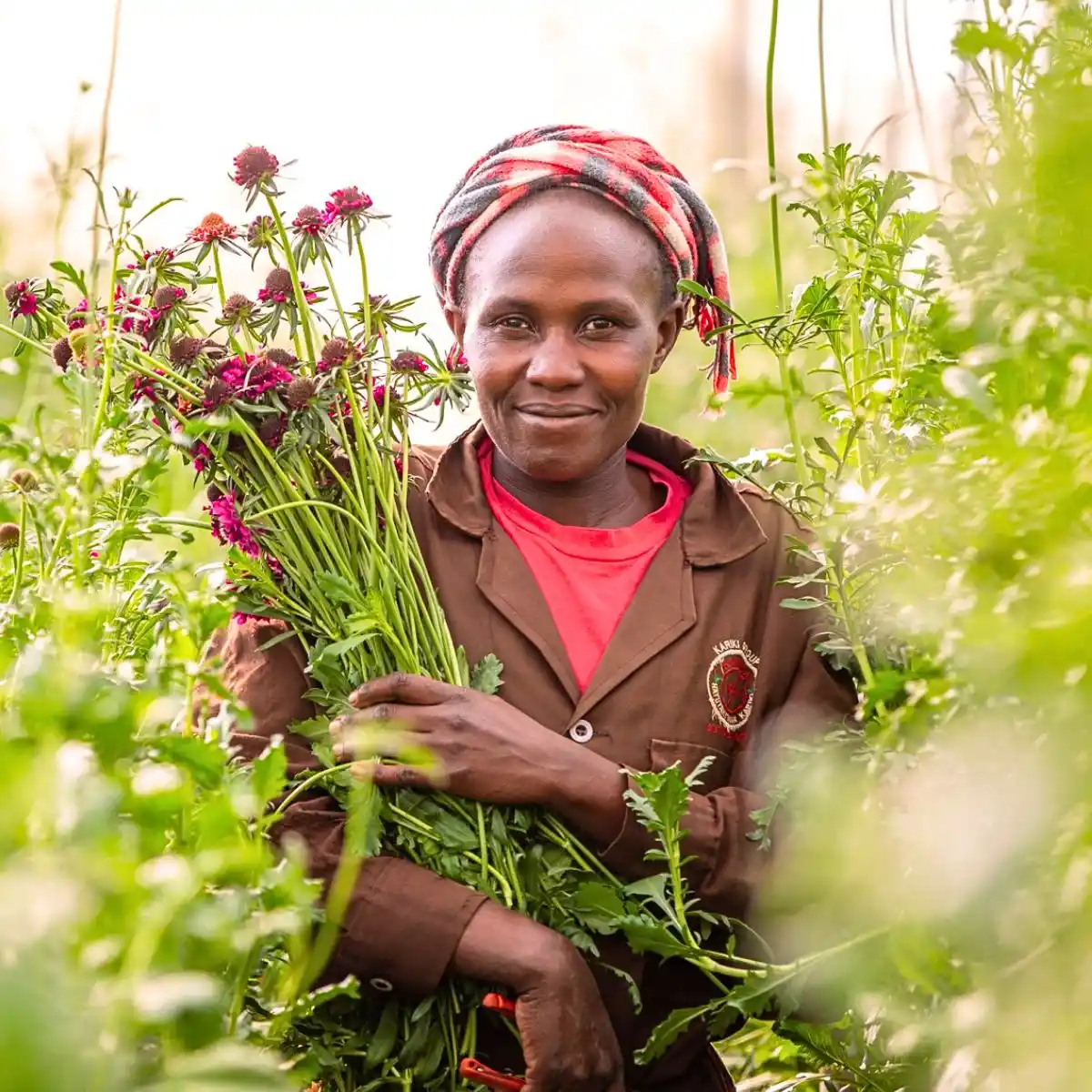
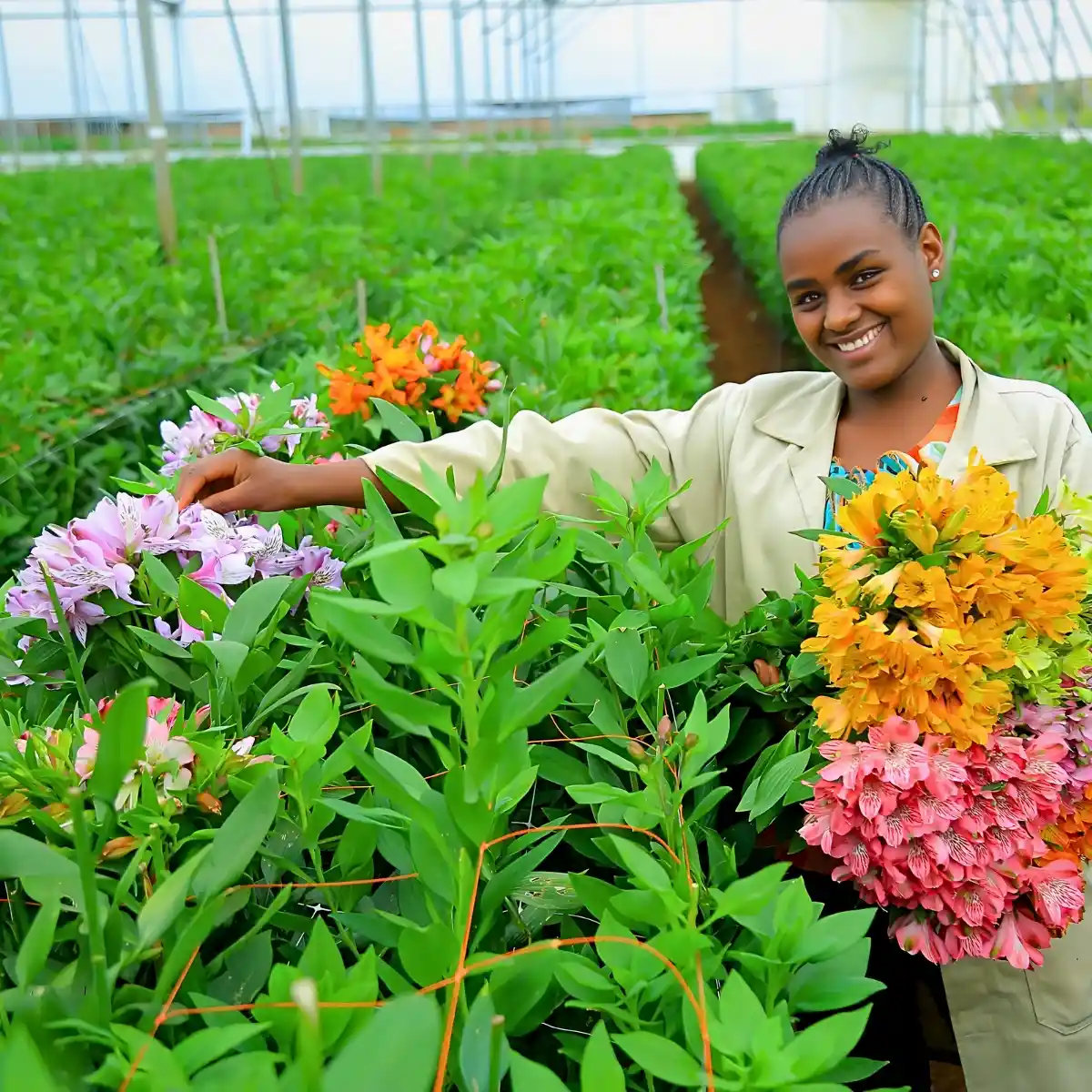
Speakers over and over again described horticulture as a core pillar of Ethiopia’s economy and not just a niche agricultural activity. Nega Mequanint, the chair of the Ethiopian Horticulture Producers and Exporters Association (EHPEA), said the sector has generated more than half a billion dollars in export earnings in recent years, while employing around 200,000 Ethiopians, mostly women and youth.

Member farms also invest in surrounding communities, funding access to water, education, and health services, as well as programs specifically aimed at women's empowerment and youth employment. While this is not a new story, it is one that the industry still under-tells. At a time when sustainability in floriculture is being scrutinized more closely than ever, by consumers, retailers, and certification bodies, the social impact dimension of Ethiopian flower production is a huge differentiator.
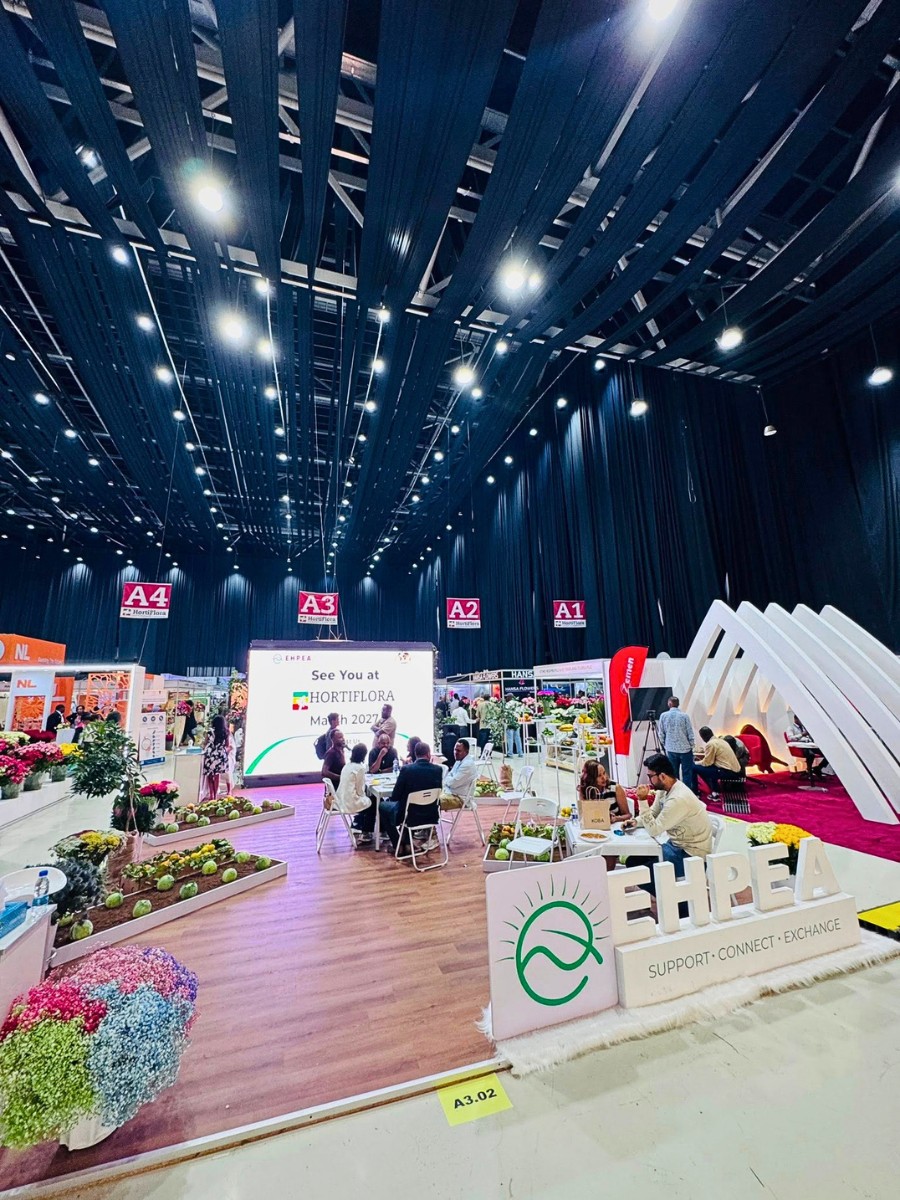
Farms that can show this kind of community investment, combined with adherence to international standards, circular economy, and sustainable practices like water recycling, integrated pest management (IPM), and responsible waste management. These form precisely what a conscientious supply chain looks like in practice.
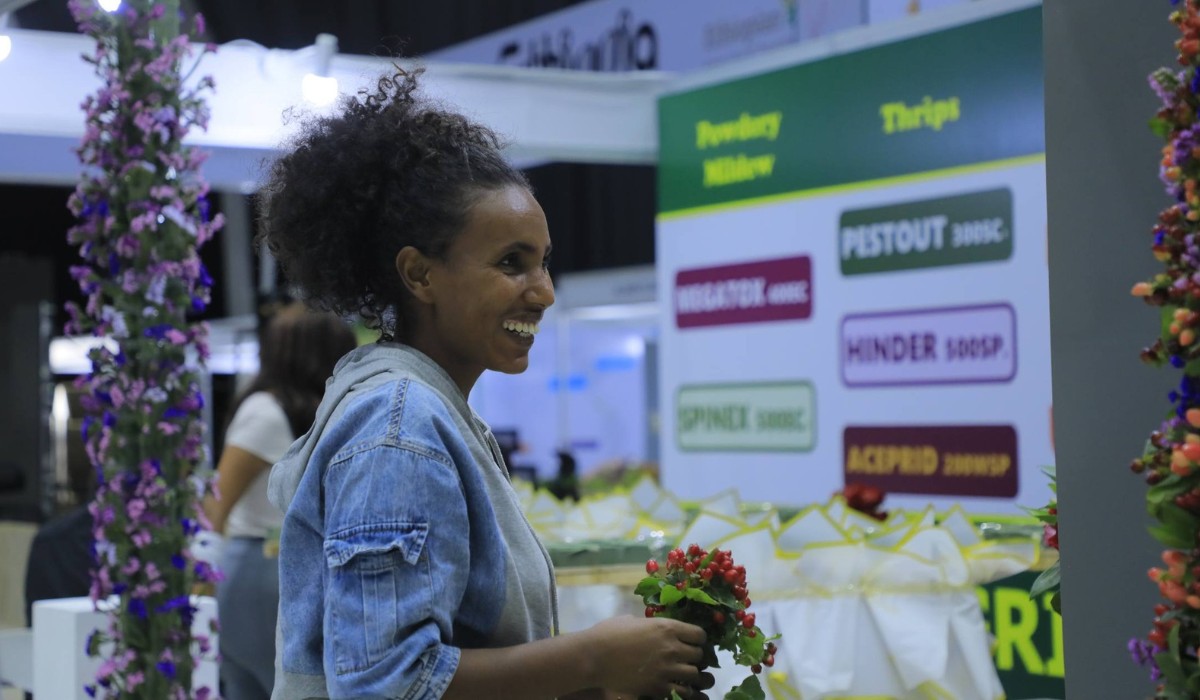
‘Horticulture for a Sustainable Ethiopia’
The tenth edition of HortiFlora Expo Ethiopia, arriving under the theme ‘Horticulture for a Sustainable Ethiopia’, was not quite a coincidental framing, because the sector contributes significantly to the economy, making it Ethiopia's second-largest agricultural foreign currency earner.
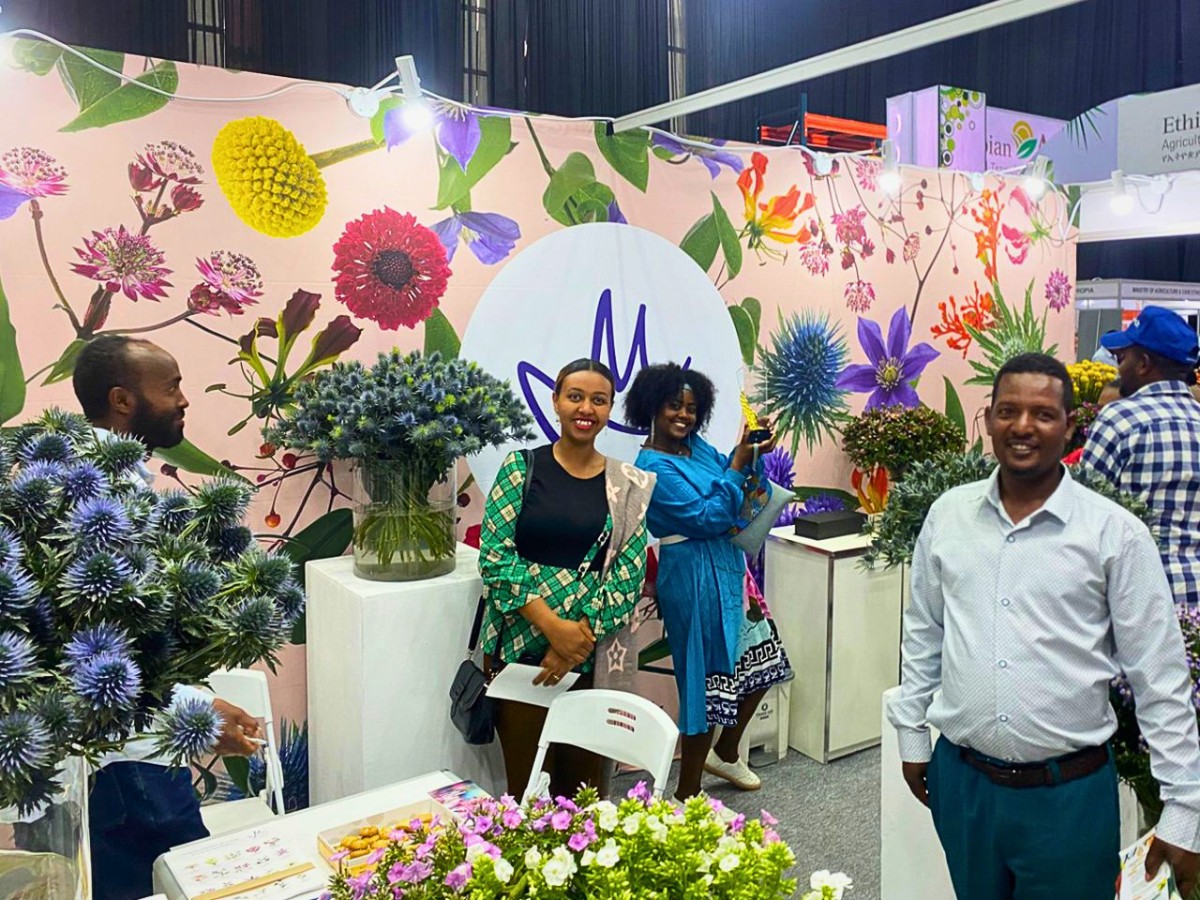
It has grown from a handful of farms to a globally recognized industry in under three decades, and many point out that the infrastructure, financing, logistics, and partnerships are all continuing to evolve, supporting the next phase of the industry’s growth.
What all these mean for Ethiopia’s horticulture future is that, in essence, the industry is building a lower-carbon, resource-efficient production model, investing more deeply in different logistics components, like cold chain and export, it is expanding tailored financial support for exporters and growers, and using international partnerships to bring in technology, market access, and know-how.
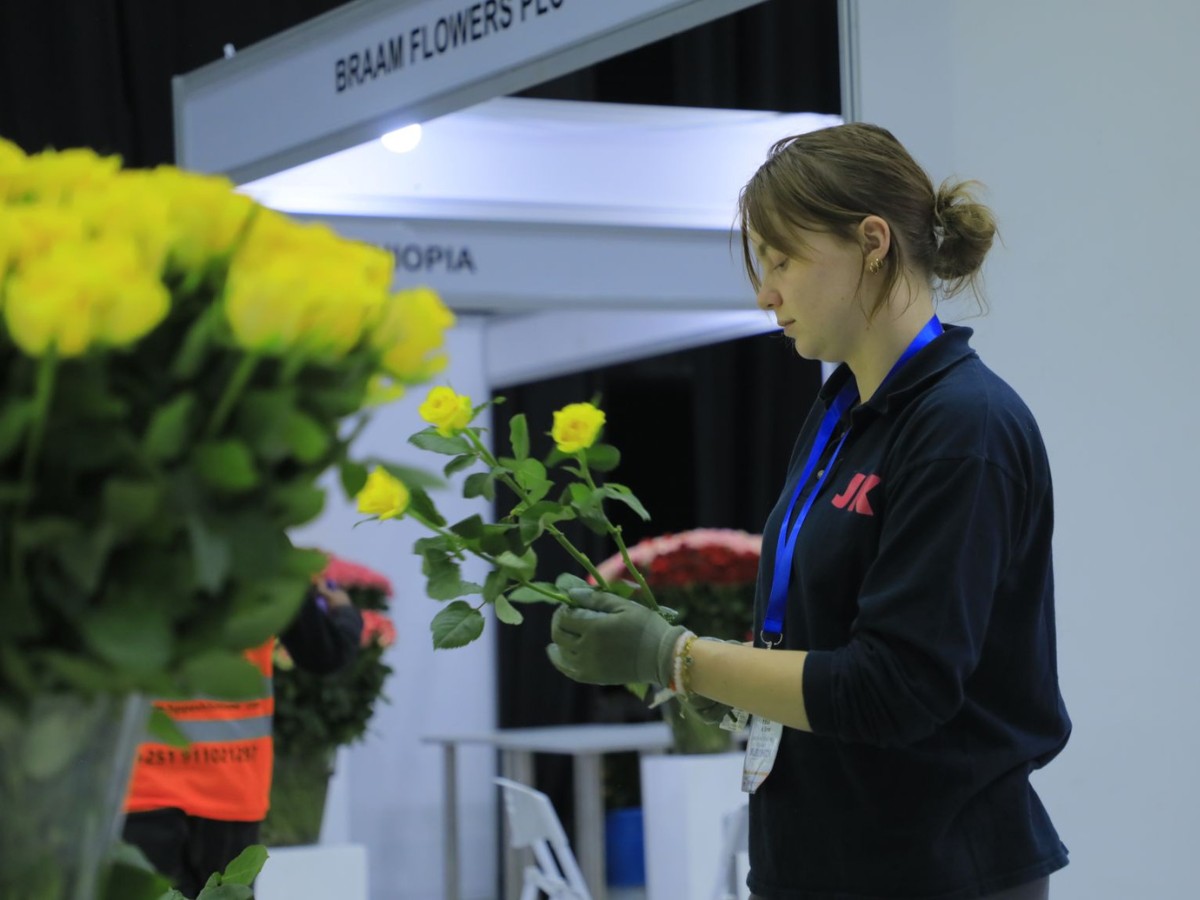
But other than those, the strongest takeaway has been that Ethiopia’s horticulture sector is no longer being presented as an industry trying to prove its potential, but one that is already positioned as an industry expected to scale up with innovation, sustainability, and stronger systems.
Featured and header image by EHPEA.