Ethiopia's flower industry has grown massively (and continues to do so). It, after all, did not become a top-five cut flower exporter globally by chance. Its year-round production and the hundreds of thousands of flower chain workers on farms from Ziway to Bishoftu are governed by a structured system of rules, requirements, and continuous improvement.
The Ethiopian Horticulture Producer Exporters Association (EHPEA) Code of Practice has, perhaps, done more to redefine and shape the quality and credibility of the Ethiopian flower industry than possibly any other initiative in the sector's history. This is why it is ideal to take a closer look at this initiative.
What EHPEA’s Code of Practice Is
EHPEA Code of Practice is the product of an initiative taken to introduce a voluntary system of continuous professional and technical development, monitoring, and self-regulation into the sector. It is designed to address market and civil society concerns about standards for social and environmental performance and guide the sustainable floriculture development.
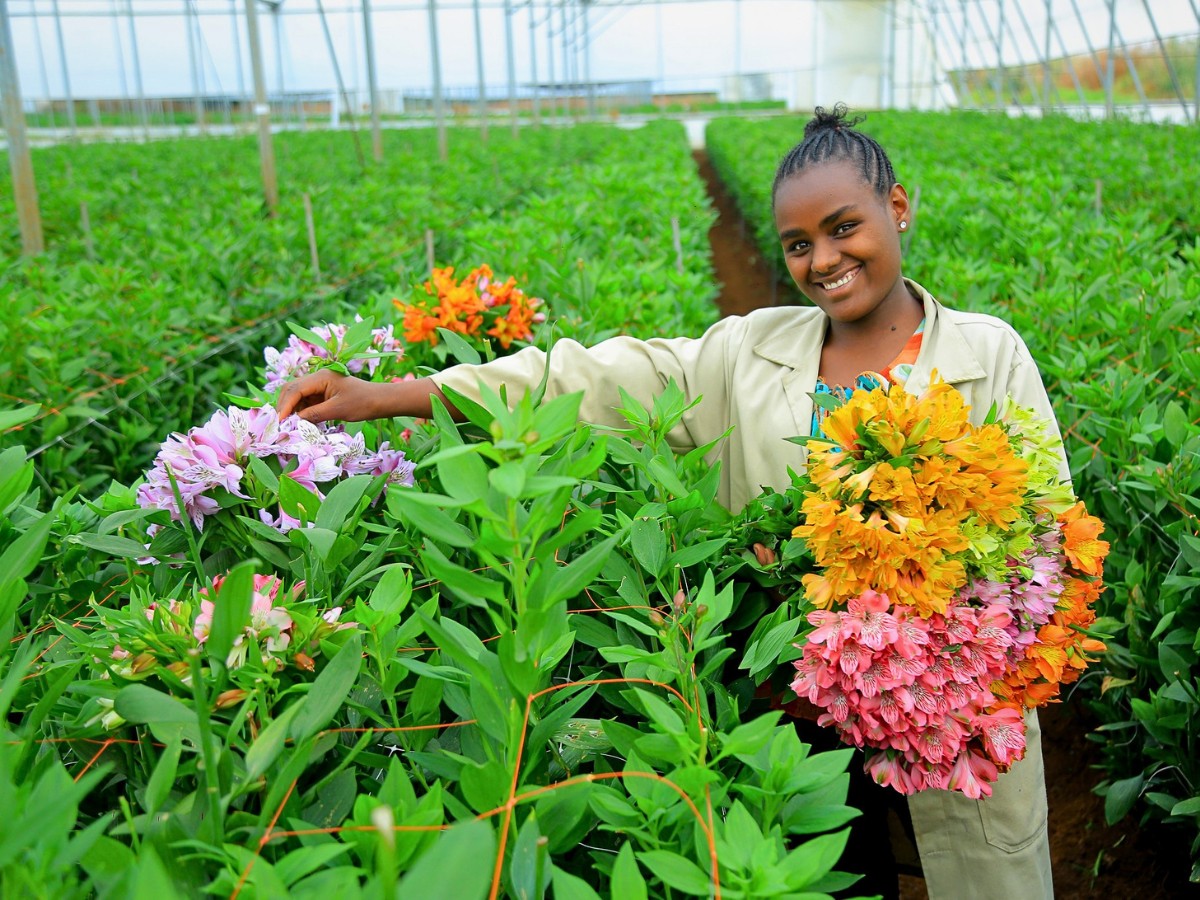
To formulate the Code of Practice, EHPEA sought the support of the Dutch Agricultural Economics Research Institute (Formerly known as Landbouw Economisch Instituut, LEI) to facilitate the process, combining research, expert consultations, workshops, and data collection in the field, all of which gave the Code credibility.
It was developed by a multi-stakeholder group involving EHPEA members, Government Ministries, Confederation of Ethiopian Trade Unions, and the International Labor Organization. In designing it, consideration was given to relevant laws of Ethiopia, concerns of Ethiopian civil society, needs of the farms, and the key concerns of the international flower market. It therefore reflects the interests of workers, producers, buyers, and regulators equally, which is no small feat given that the industry works across many competing priorities.
A Framework With Several Key Pillars
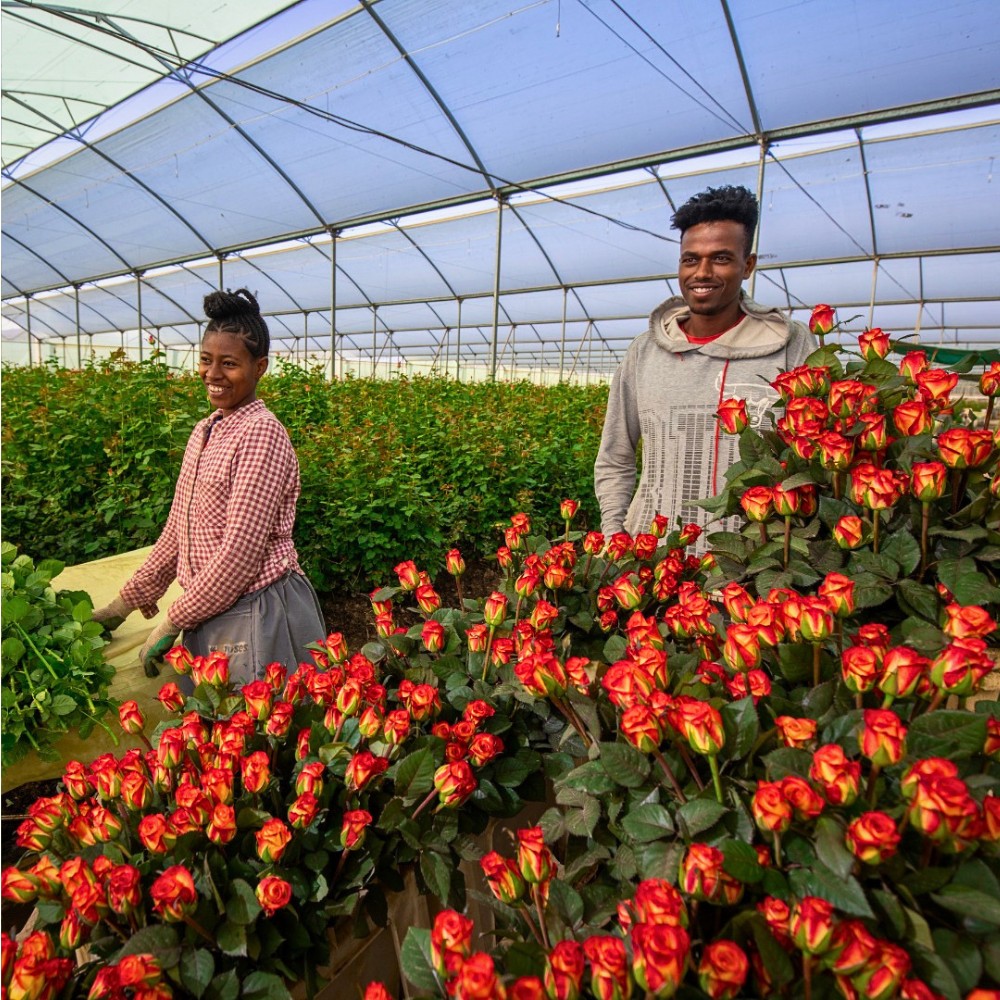
EHPEA Code of Practice is organized around some main subject areas that cover the full scope of responsible flower production, including standards for systems and record keeping, good agricultural practices, environmental protection, occupational safety and health, and employment practices. All these pillars have great significance.
The systems and record-keeping requirements ensure that farms can trace their inputs, document their processes, and show compliance to auditors and buyers. Good agricultural practices govern how the land is managed, how inputs are used, and how farm staff are trained to apply them correctly.
The environmental provisions include responsible pesticide use, the use of organic and natural fertilizers, and the management of water, waste, and pollution. EHPEA members must also ensure their activities do not harm natural ecosystems and wildlife.
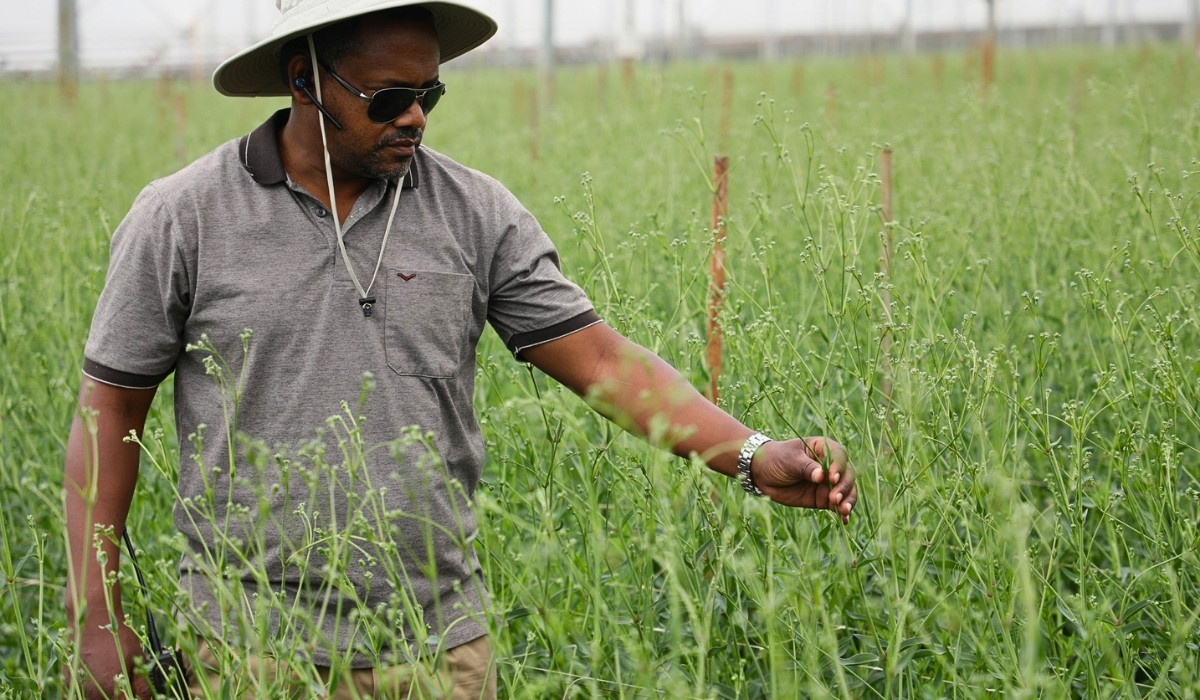
On the social side, the Association requires its members to comply with labor laws and promote safe and healthy working conditions. Member farms must also respect the rights of workers and communities surrounding horticulture production areas. EHPEA, therefore, encourages members to support community development projects.
Bronze, Silver, Gold Statuses
EHPEA’s Code of Practice operates at three levels, which are Bronze, Silver, and Gold, allowing growers at different stages of development to participate in the system, improve progressively, and receive recognition at each stage. The Bronze level was initially implemented voluntarily by 18 farms, and later expanded to other flower farms. It is now obligatory for any flower farm in Ethiopia.
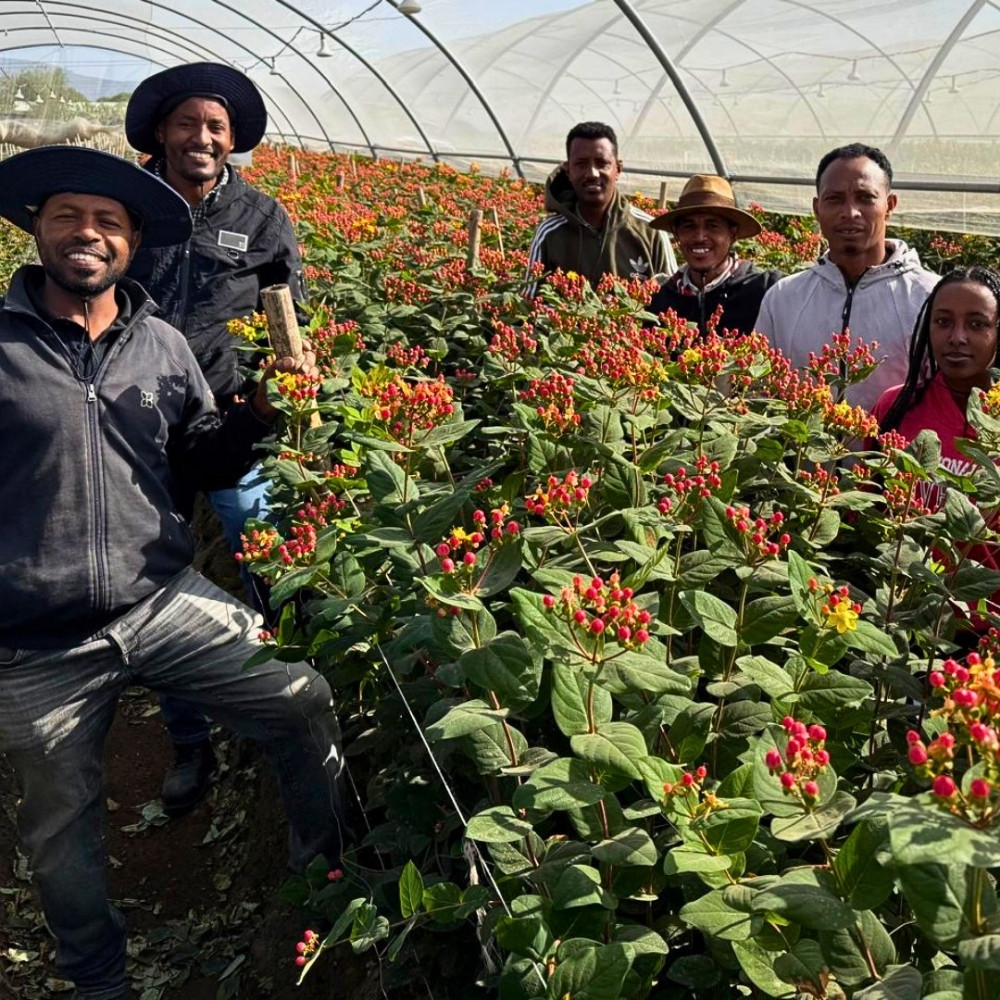
That means that the baseline requirements for environmental management, worker protection, and farm documentation are now a must for any farm operating under the EHPEA umbrella. And since Bronze compliance is compulsory for all EHPEA member farms, it shows the sector's commitment to baseline performance.
The Code consists of three tiers of excellence, allowing Ethiopian flower and ornamental plant farms to be rewarded at each stage of their process towards developing more sustainable management practices within the chain, with each level recognized by EHPEA through a certificate.
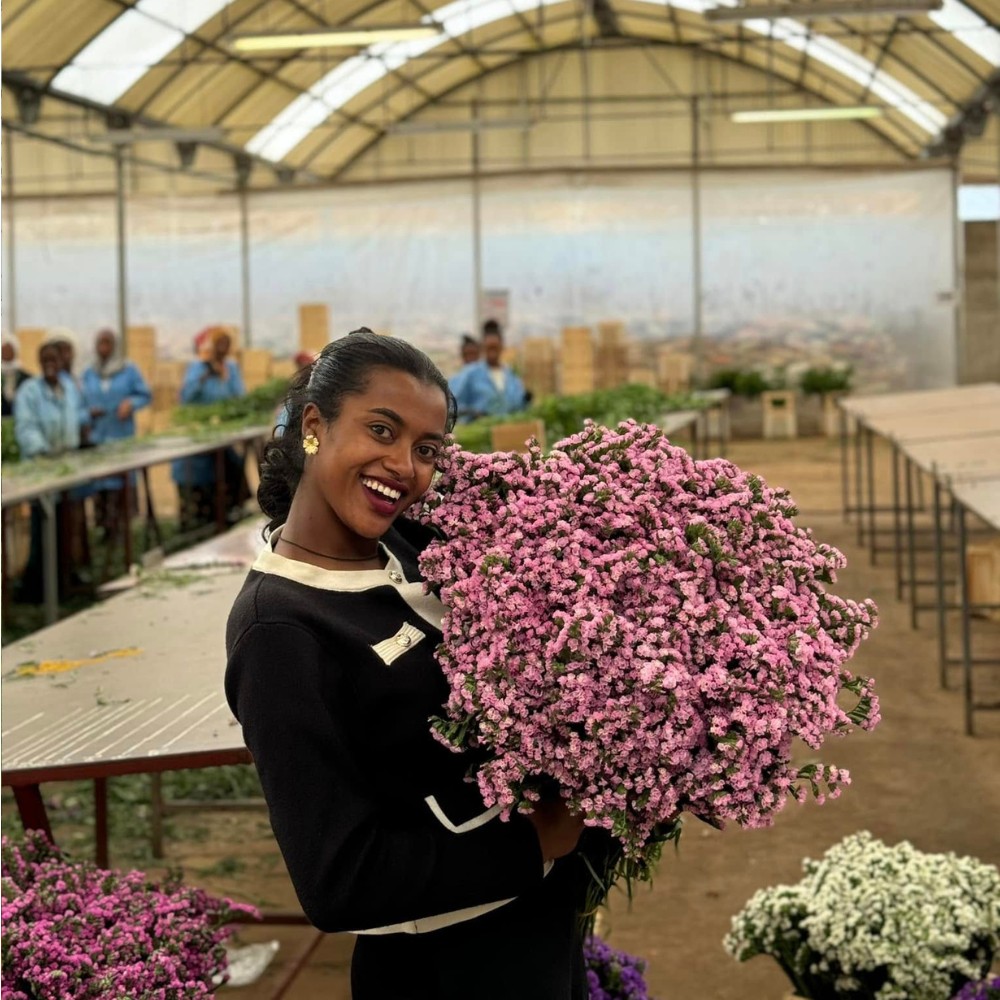
The Silver compliance, which has achieved benchmarking recognition against the GLOBALG.A.P’s Integrated Farm Assurance (IFA) standard, is where many of Ethiopia's growers operate. Farms such as Hawassa's Wondo Tika-based Klaver Flowers, for instance, hold the Social Code of Practice (Silver) accreditation from EHPEA, alongside GlobalGAP benchmarks and MPS-ABC certification, all of which make evident their commitment to sustainable flower cultivation, responsibility for the environment, and provision of fair working conditions for their staff.
East African Magical Farms (EMF), a well-known Ethiopian grower, is similarly compliant, having built a production model around verified sustainability credentials that include EHPEA Silver status. Florensis Ethiopia and numerous other growers are, on the other hand, those with Gold certification.
GLOBALG.A.P. Benchmarking
An important feature of the Code's features is its benchmarked equivalence with GLOBALG.A.P., the international standard for good agricultural practices that is essentially obligatory for access to major European retail markets. The EHPEA Code of Practice for Sustainable Flower Production at the Silver level has been benchmarked against GLOBALG.A.P.’s IFA Version 5.2.
This means growers certified under the EHPEA system can show compliance with international buyer requirements without requiring a separate GlobalGAP audit. This equivalence is independently verified by accredited certification bodies, such as Control Union Certifications, with farms including Abyssinia Flowers and Derba Flowers PLC holding certificates under this framework.
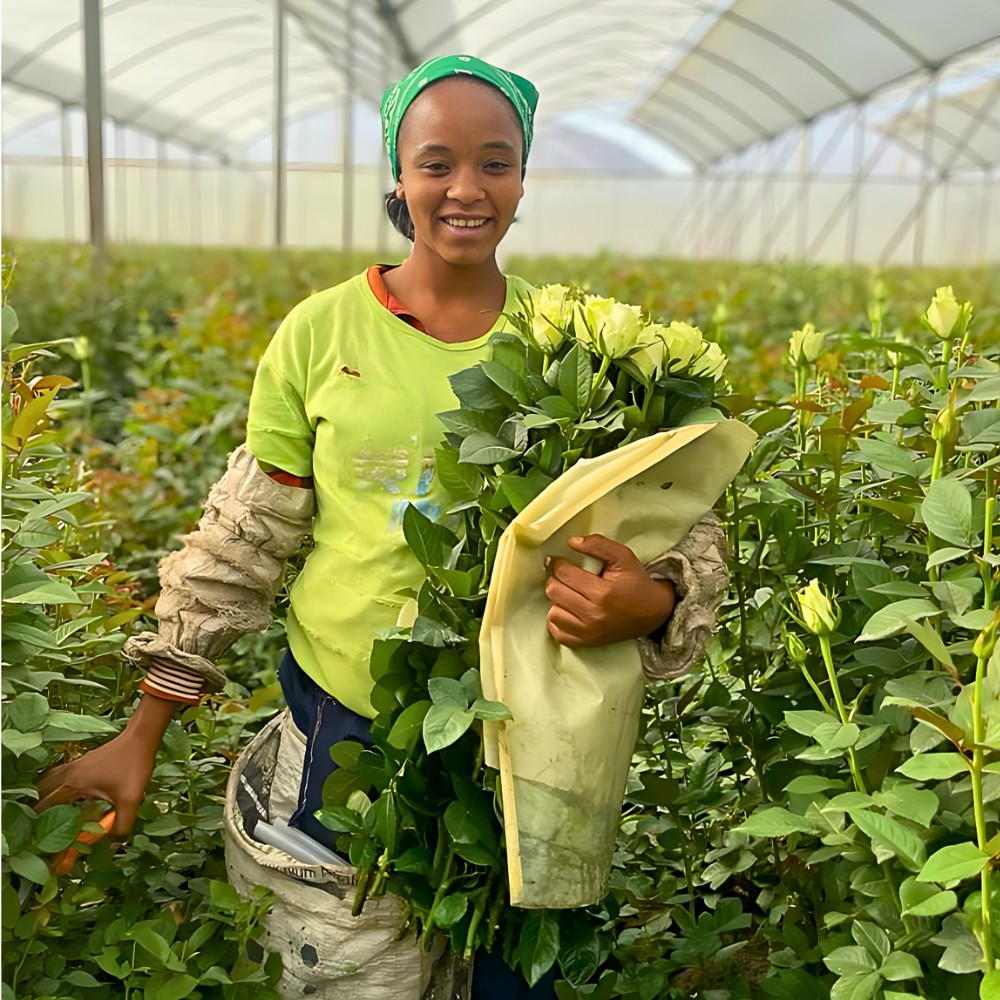
Notably, this certification is important for market access, given that buyers at Dutch auctions, European supermarket chains, and specialist wholesalers all require documented proof that their supply chains meet internationally recognized standards. The EHPEA code, particularly at the Silver level, provides for that.
SSCI Benchmark and What It Is All About
In September 2024, the association moved to have its Code of Practice recognized by the Consumer Goods Forum's Sustainable Supply Chain Initiative (SSCI), one of the most respected third-party social compliance frameworks in the global consumer goods industry. Tewodros Zewdie, Executive Director of EHPEA, emphasized the significance of this SSCI Benchmark, terming it a rigorous process designed to uphold sustainability standards.
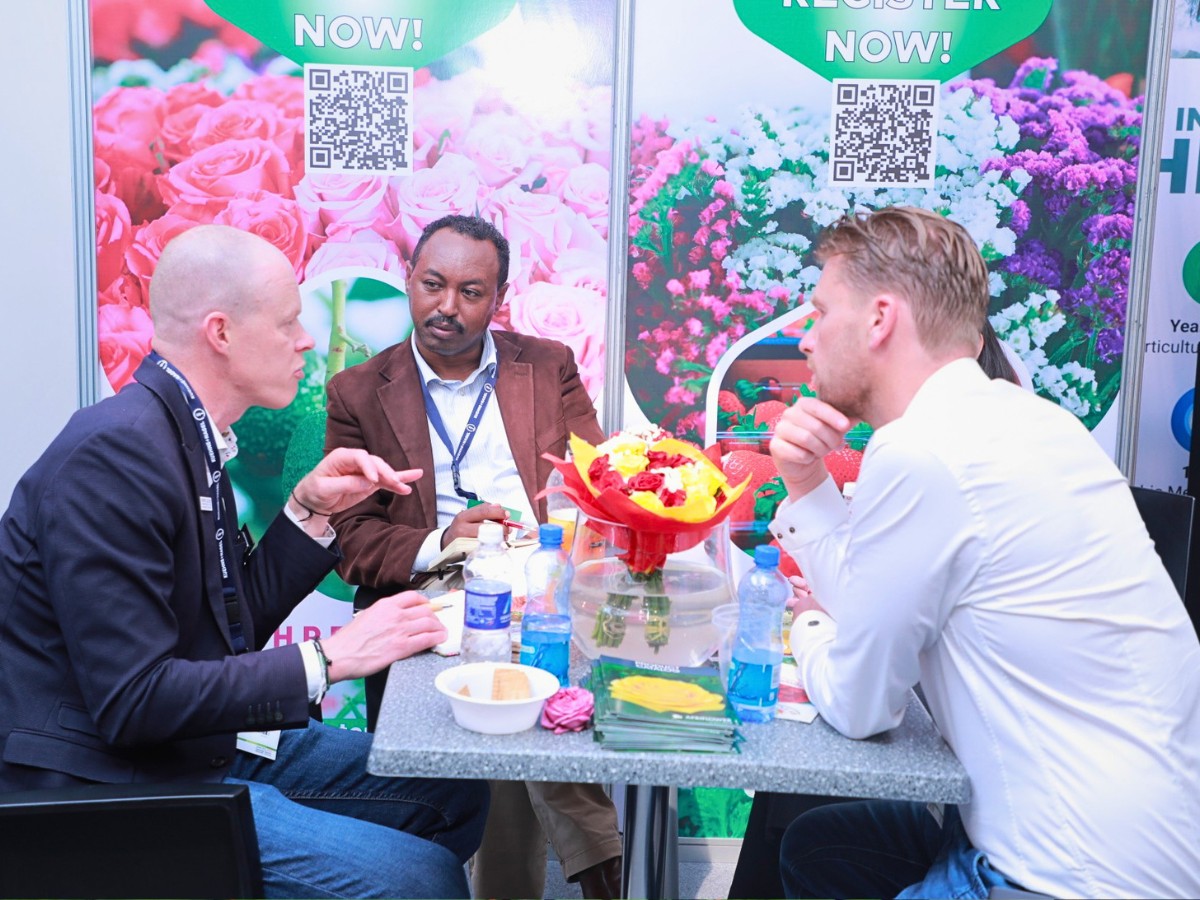
Tewodros:
“The benchmark involves self-assessments, independent expert reviews, audits, and public consultations, ensuring a high level of transparency and accountability. By adhering to these global standards, EHPEA seeks to enhance the international credibility of Ethiopian horticultural products while promoting sustainable practices across the industry.”
What you’d want to know about this move is that buyers (and civil society organizations), every so often, demand precisely this kind of external scrutiny of the supply chains they source from.
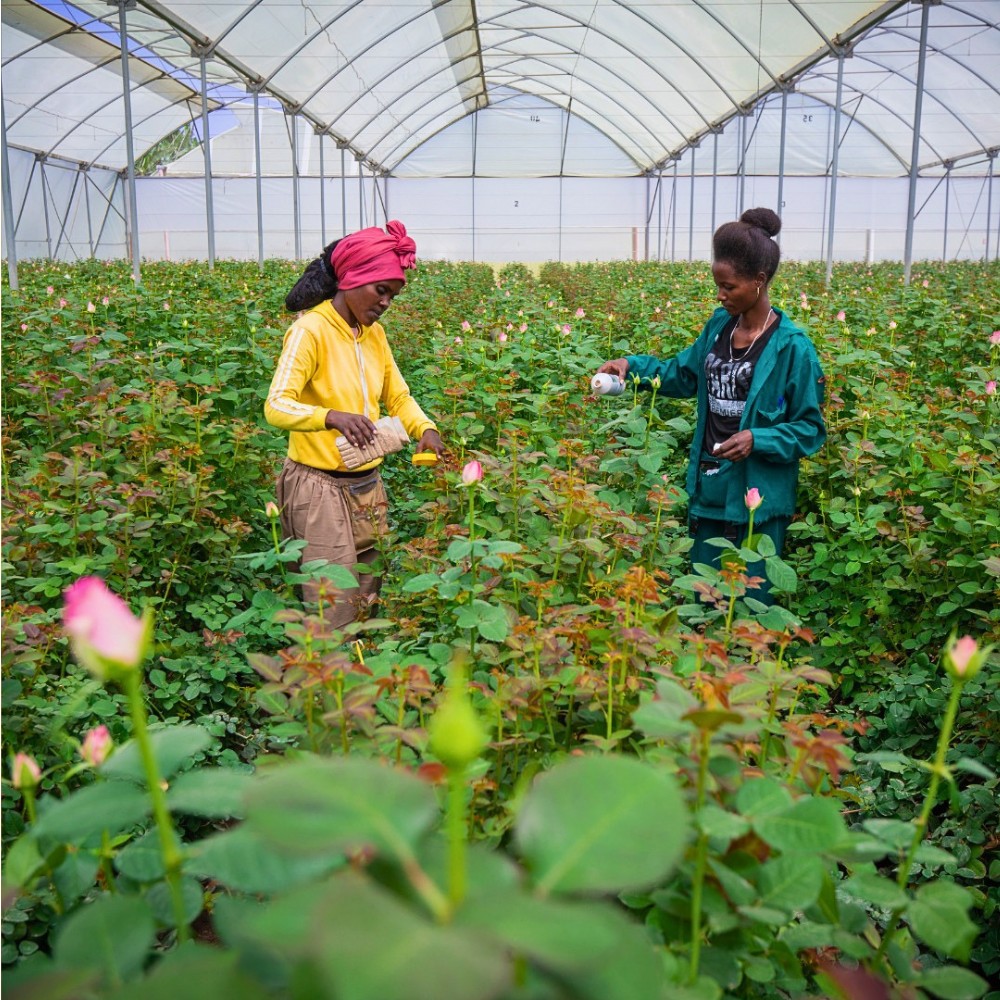
Environmental Impact, Including Water, Pesticides, and IPM
Environmental compliance is arguably the segment where the most progress has been made. EHPEA's sustainability interventions are much more than just paperwork. To reduce the water footprints of flower farms, EHPEA has, for instance, helped build water treatment plants with several more under construction.
On pesticide management, the move to Integrated Pest Management (IPM) has been extensive. The coverage of IPM, particularly biological control, has increased over 60% in the industry, and in the major flower-producing clusters, it is more than 75%.
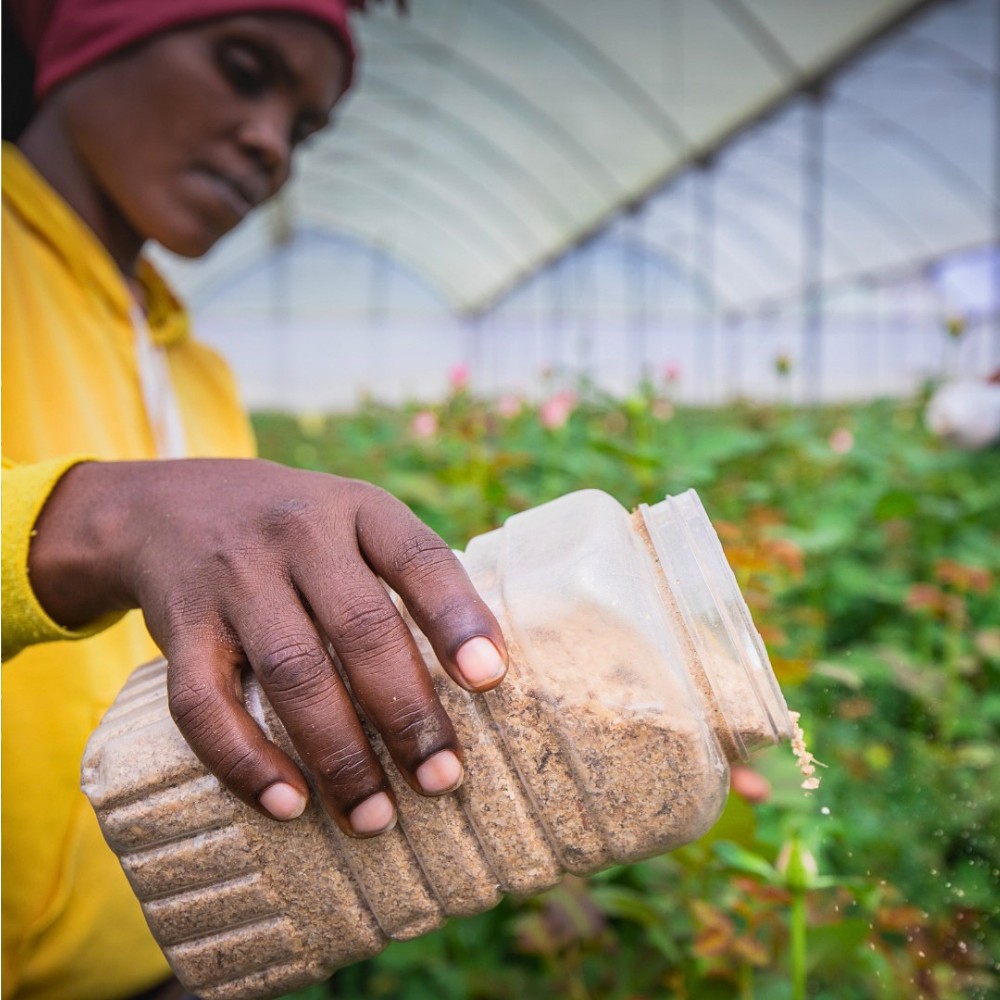
EHPEA also trains professionals on used water treatment plant design, construction, and maintenance, and thousands of farm workers and management staff on sustainability issues. All these show a sector that has fully internalized the Code's environmental requirements, not just to satisfy auditors.
Ethiopian Local G.A.P. Code
What's more, EHPEA's interest in standards development has seen the approval of the Ethiopian Local G.A.P. Code for piloting, alongside Commercial Agriculture for Smallholders and Agribusiness (CASA). This is an important step toward empowering producers, improving market access, and promoting sustainable agricultural growth across the country.
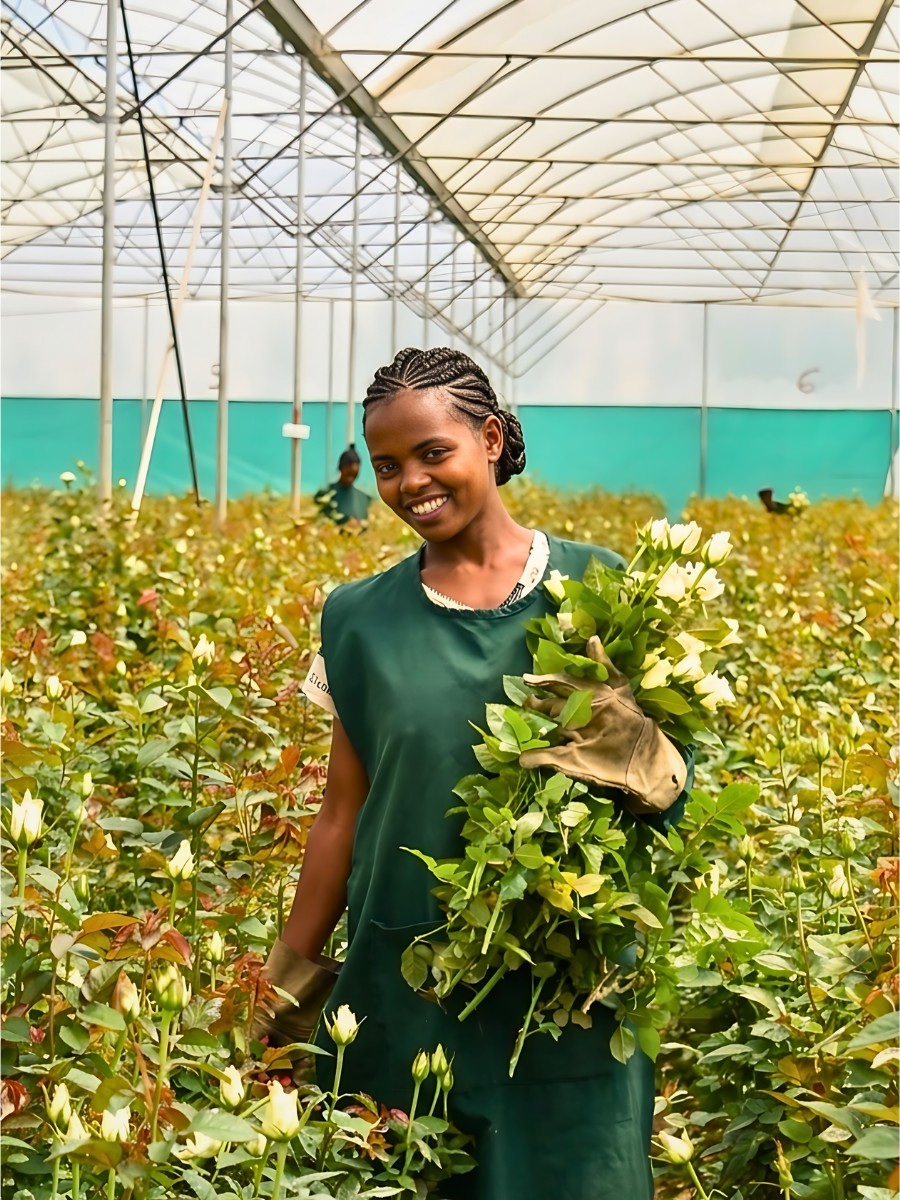
The main objective of the CASA partnership was to enhance domestic vegetable market competitiveness and ensure safety for domestic consumption, with EHPEA aiming to co-create a business model with localized GAP, incorporating everything from climate resilience and adaptation practices to producing safe certified vegetables and facilitating market linkage. The development into the domestic market is a natural advancement of the standards culture that the Code of Practice has already built.
What Is in All These for Buyers?
The EHPEA Code of Practice is really an important document to understand for anyone sourcing flowers from Ethiopia, whether through Royal FloraHolland or directly from growers. It tells all about baseline conditions that govern how the flowers are grown, who grew them, and what protection practices were in place for the workers and the land.

Given that all growers under EHPEA operate within this framework, the commitment to the Code of Practice principles has helped firmly put Ethiopia among the leading exporters of horticultural products globally.
Featured image by EHPEA. Header image by EHPEA.