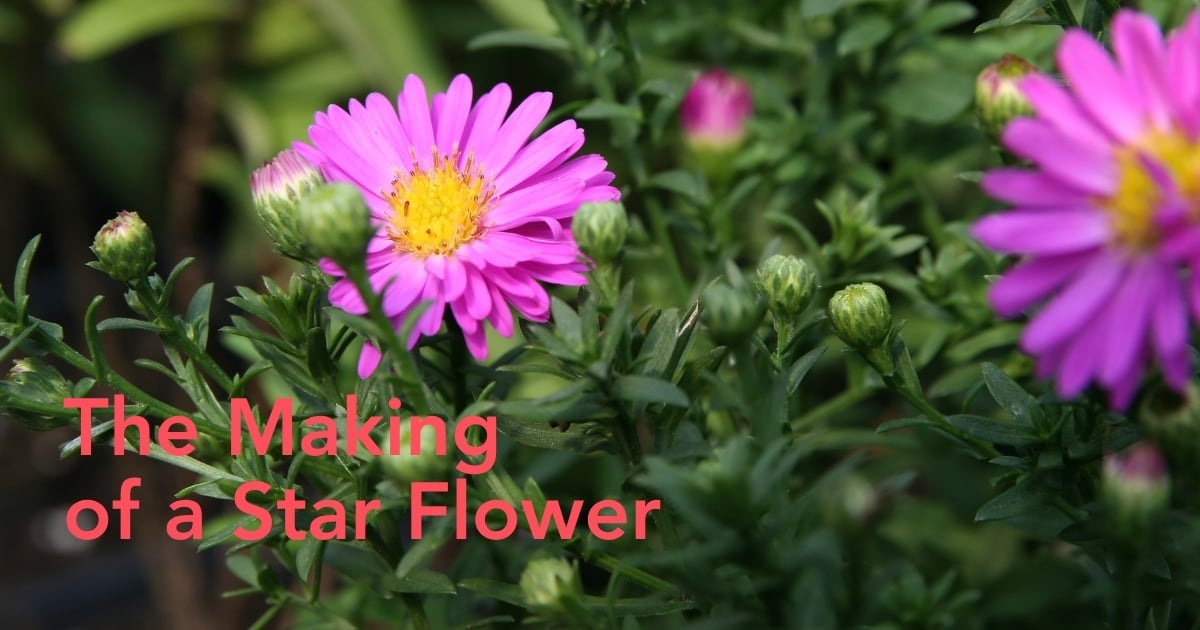
Once viewed primarily as a seasonal late-summer field flower, Aster offers one of the most impressive genetic transformations in modern floriculture, so much so that there are wide varieties available. This is one of those flowers that look straightforward right up until you look closely; then you notice its elaborateness.
Yet, modern breeding programs have reshaped this classic Daisy relative into a year-round, high-performance staple for floral design, pot-plant growing, and garden landscaping. Its breeding incorporates quantitative genetics, photoperiod manipulation, and intensive disease-resistance screening. But how does the whole process work?
Two Quite Different Flowers That Share a Name
To begin with, the Aster genus belongs to the Asteraceae family, the same family that includes Chrysanthemums and Dahlias. The name comes from the ancient Greek word for star, which describes the flower's radiating form perfectly. But the name says nothing about how complicated it is to produce these flowers for growing at commercial scale.
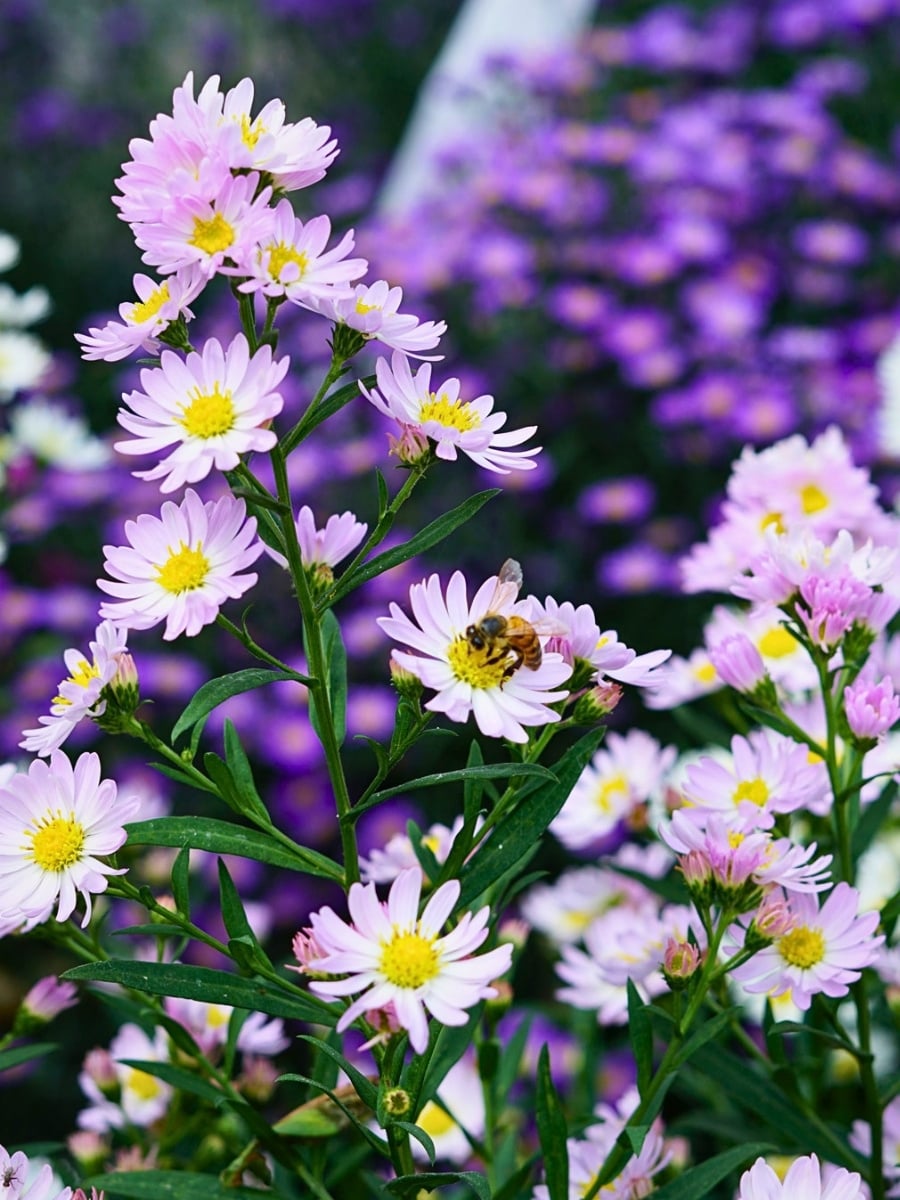
One of the first things a discussion of Aster breeding must establish is that ‘Aster’ in commercial floriculture refers to more than one botanical group, and these groups are bred and grown in different ways. The first group is Callistephus chinensis (China Aster), an annual, native to China, Mongolia, and Korea. It was introduced to Europe in 1728 when French missionary Nicolas-Joseph Incarville sent seeds from China to Paris.
By the 19th century, breeding centers in France, Germany, and the United States had developed it into a range of forms that included peony-flowered, Chrysanthemum-type, and pompon varieties. It is grown from seed, flowers within 70 to 90 days of sowing, and does not require the same controlled propagation infrastructure as the perennial types.
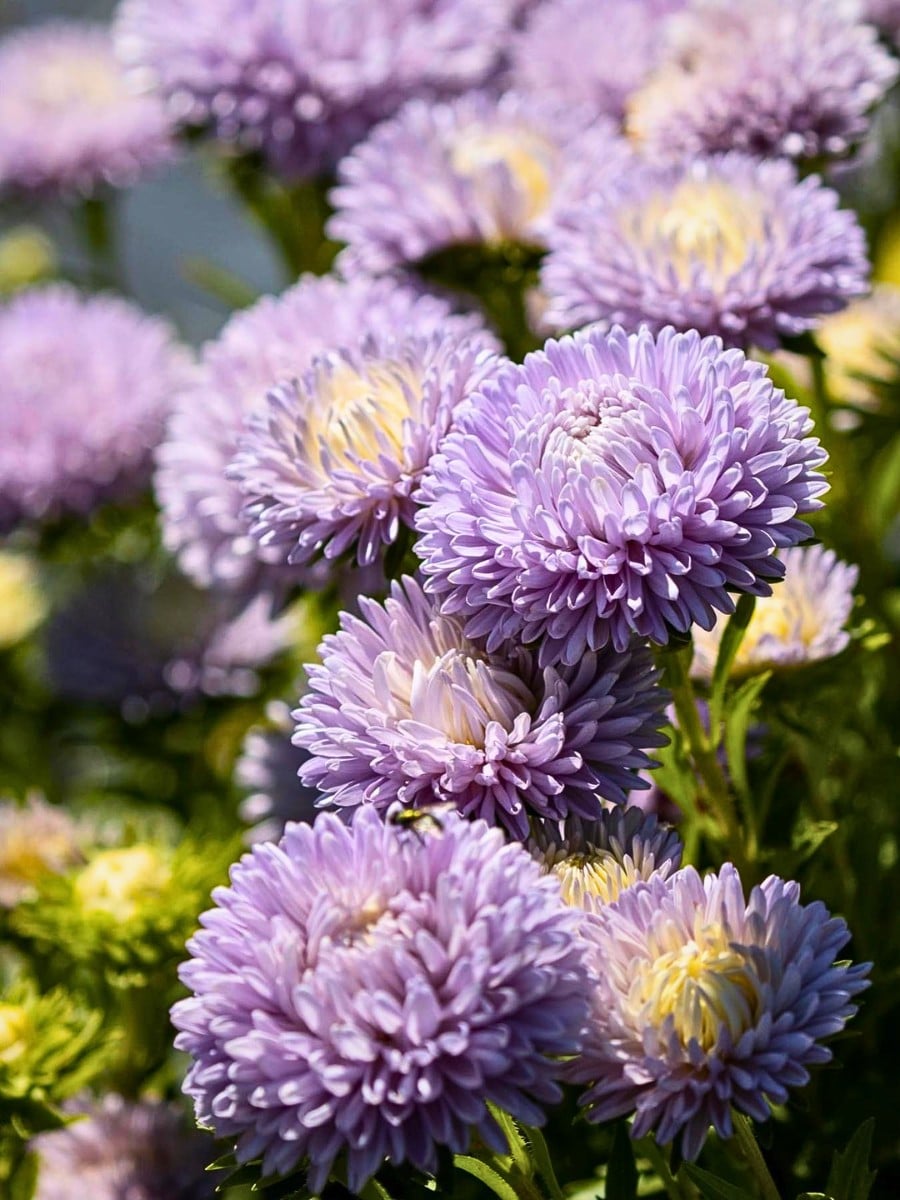
The second group covers the perennial Asters, primarily derived from Symphyotrichum novi-belgii (formerly classified as Aster novi-belgii) and crosses involving Aster pringlei. Also known as the New York Aster or Michaelmas Daisy, these Asters are native to the eastern United States. Aster novi-belgii has been subjected to intense breeding, resulting in more than 1,000 cultivars with varying degrees of flower color and size.
These spray-type Asters dominate the professional floral trade in Europe. They are propagated vegetatively and grown year-round. European breeders and nurseries played a key role in stabilizing their late-season flowering habits, refining plant height, and expanding the color range into varied palettes. When European breeders, growers, and African farms discuss Aster, they are almost always referring to this second group. Both groups, however, are shaped by active breeding programs.
The Dutch Dominance in Perennial Aster Breeding
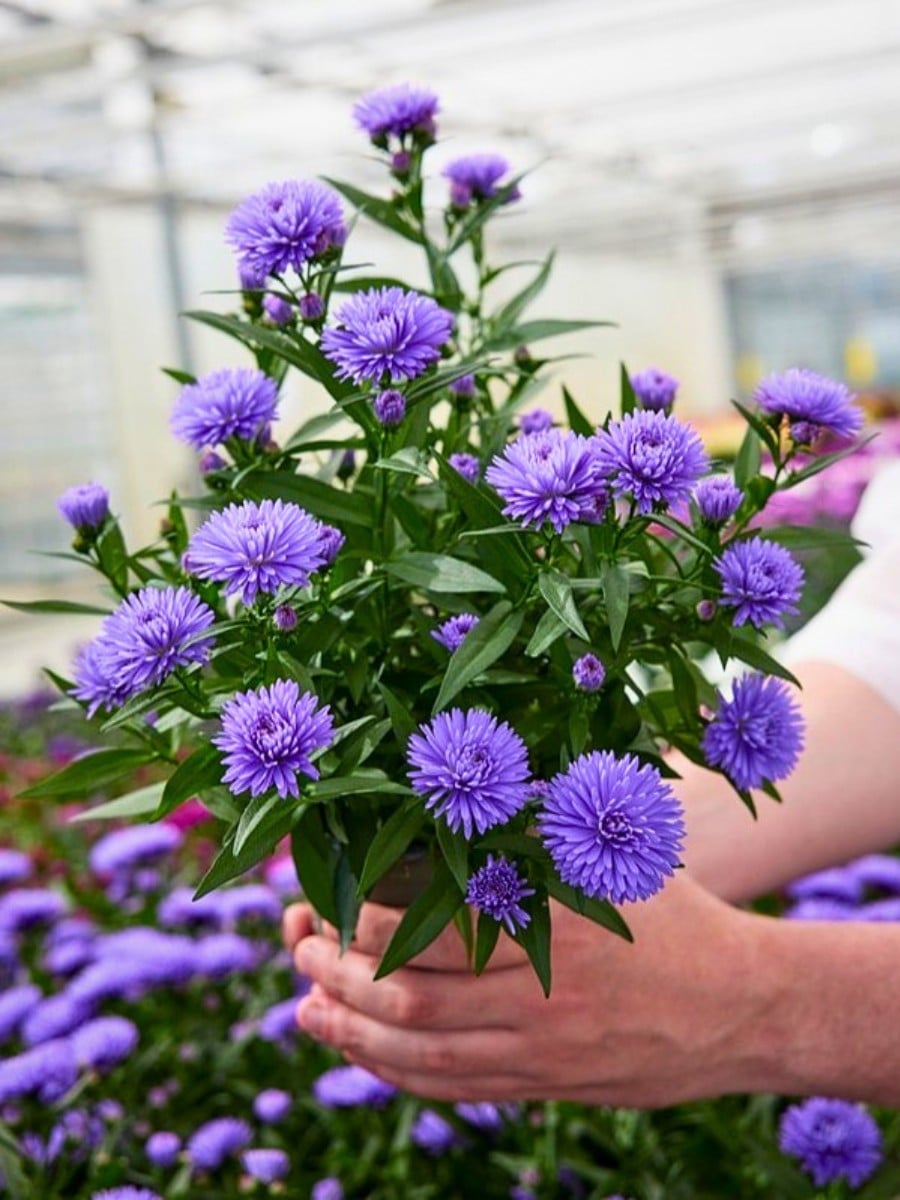
The commercial perennial Aster breeding world is small, technically demanding, and largely Dutch-based. The basis for most of the varieties that currently populate European and global supply chains was laid in the Netherlands through years of systematic hybridization work.
Family business, Nachtvlinder BV, based in Ter Aar, the Netherlands, is one of the most significant Aster breeding players. Peter Akerboom began breeding Asters for cut flowers in 1980, working initially alongside seed and propagation company Sahin, through which the first commercial Nachtvlinder varieties were sold. Peter’s breeding program (established together with his wife Gerda and later with their daughter Ellen Akerboom) has already produced a wide variety.
More varieties are still in final testing, and numerous others are still in active development. Their well-known Asters include Casablanca, Painted Lady, Purple Monarch, Paquita, Milka, Karmijn, Dark Milka, Flash, Double Date and Teeny Tiny series. Most of these are grown commercially on Marginpar's Kenyan and Zimbabwean farms, and by other growers in Ecuador, Japan, and elsewhere.
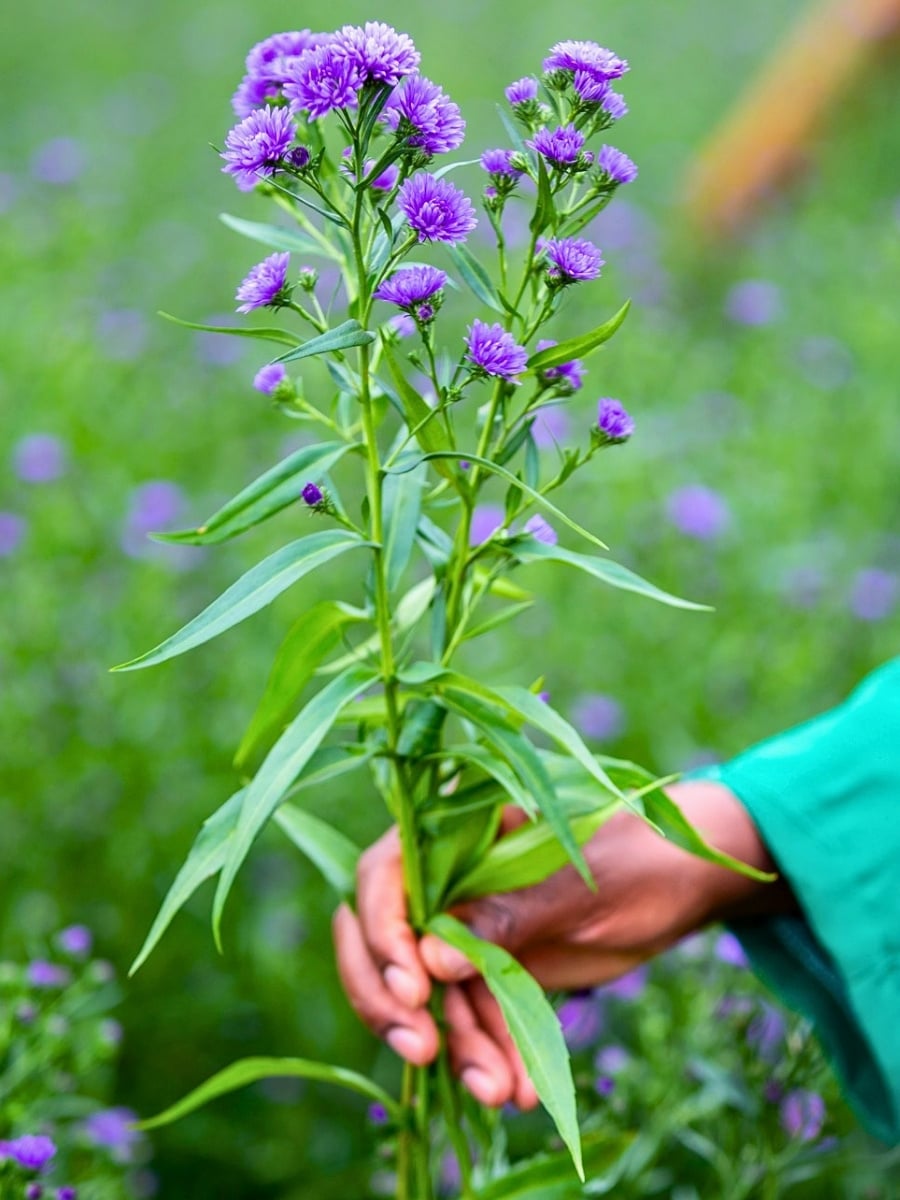
Nachtvlinder describes their breeding program as driven by continuous selection, hand pollination, and a focus on vigor, flower quality, and disease behavior. Their philosophy is focused on maintaining genetic variation within the Aster genus. As Ellen Akerboom explained, the objective is to keep as much of the natural resilience of the Aster genus in the gene pool as possible, selecting for the strongest specimens first and then evaluating flower shape and growth for market suitability. Their approach produces varieties that can be grown with minimal chemical inputs, which is increasingly important sustainability-wise.
Another important Dutch program is that of Royal Van Zanten, a breeder with 160 years of history that holds a strong commercial position in cut flower and pot plant Asters. Their Aster Showmakers® series, developed for the pot plant market, has become a fixture in the European retail sector. The Showmakers® range comes in Arctic White, Lilac Sunset, Blue Bayou, Pretty Pink, Magenta, and Baby Pink, and is grown under strict MPS sustainability standards in collaboration with top growers including Endhoven, House & Garden/WPK, Montis, and Kwekerij Wouters.
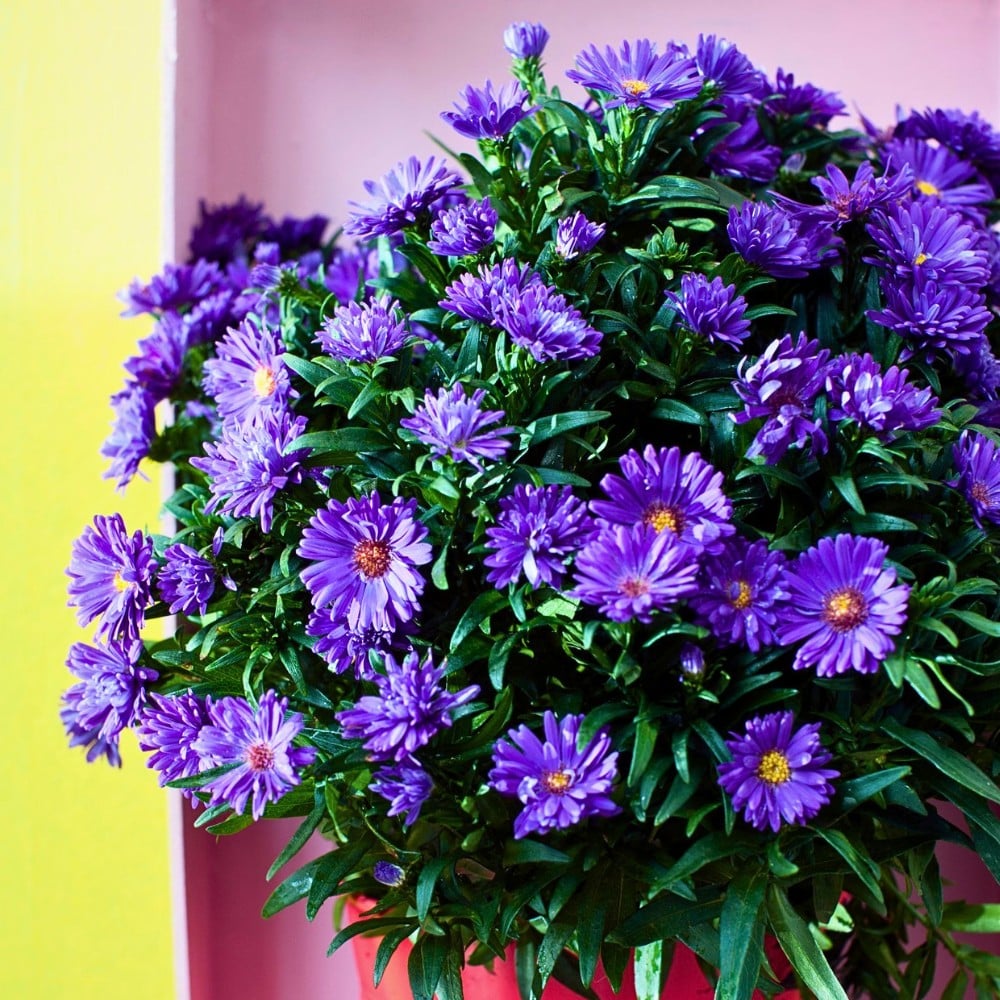
Royal Van Zanten often adds new varieties to the Showmakers® range, with new introductions in 2026, including Purple Artichoke, Pink Voltage, Cherise Glow, Purple Velvet, and Snowlight. The breeder’s newest single-flowered series, Tiara, launched at FlowerTrials 2026, offers more commercial varieties in Jade Violet, Onyx Purple, Quartz White, and Topaz Pink, showing that their Aster breeding program continues to explore forms outside of double flowering.
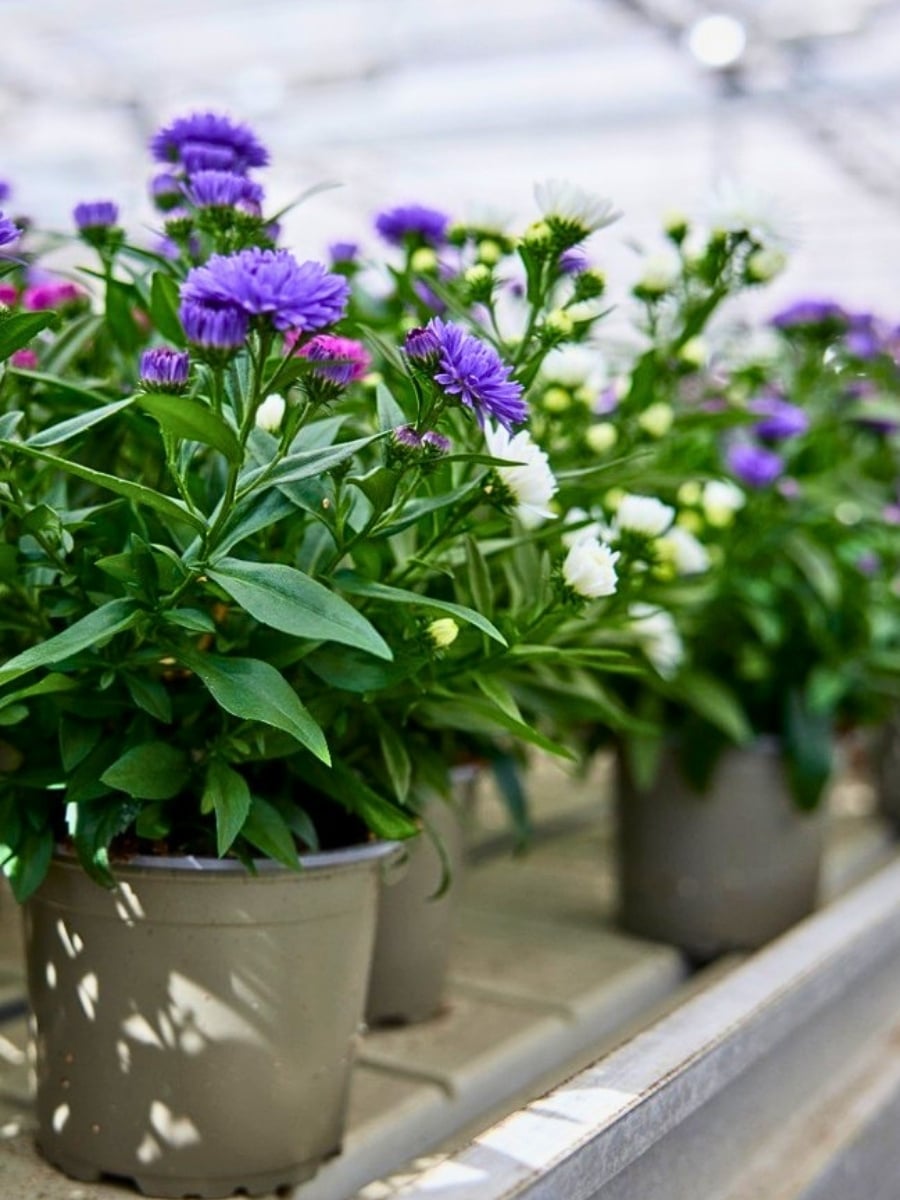
Florensis, another key breeder, has developed the Aster Alpha® series, launched from their own breeding program. The series targets the pot plant market with a bulbous, rounded plant habit that gives the appearance of a Chrysanthemum in mounded form, high uniformity, and flexibility in how it can be used, from garden beds to patio containers.
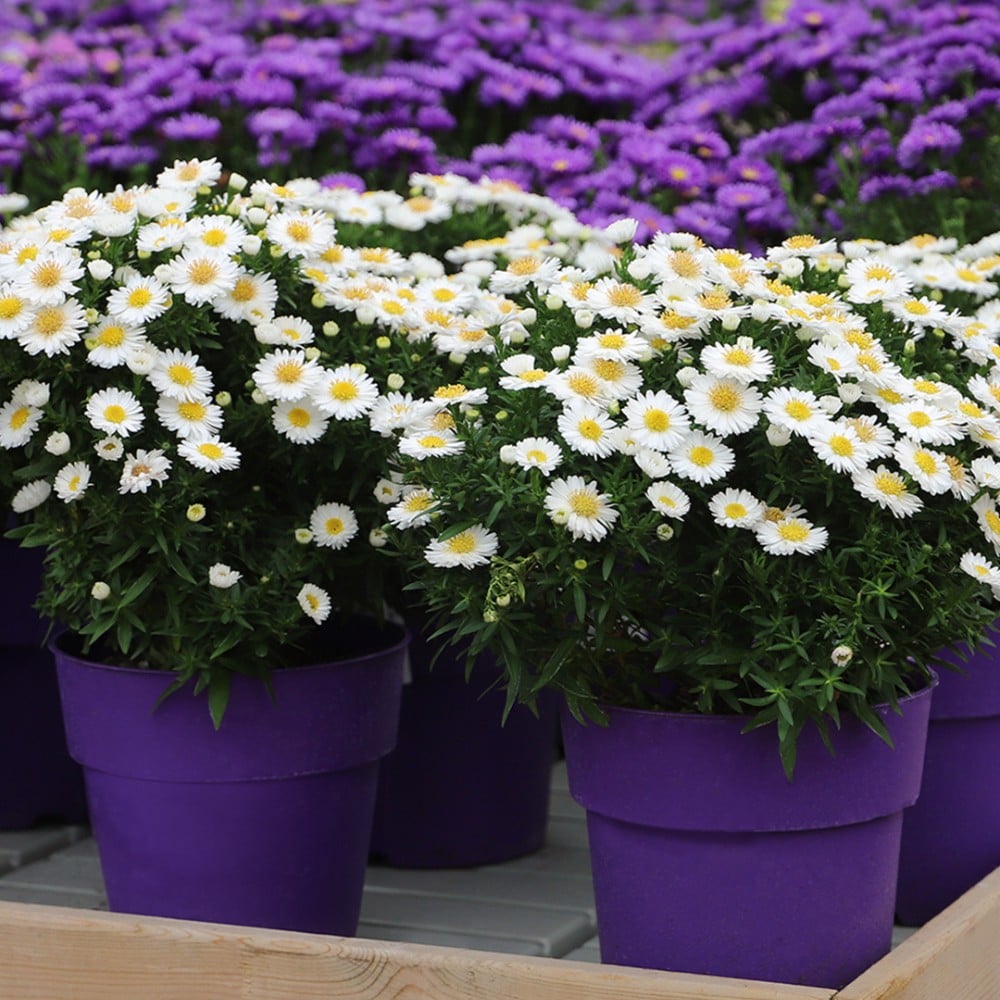
They were positioned as the earliest Aster series on the market achievable from one cutting, in pot sizes from 10.5 cm to 19 cm without the use of plant growth regulators. The series features colors including Dark Purple, Light Pink, and White, with a production model that allows the Alpha to work as a companion (or substitute) to Chrysanthemums in autumn retail displays.
Floritec, also Dutch and headquartered in Woubrugge, runs its own pot Aster breeding program alongside its primary lines of spray, pot, and garden Chrysanthemums and pot celosia. The breeder produces both the double-flowered Astella series and the single-flowered Starletta line for the pot plant market.
Danziger, also a global leader in floriculture R&D, runs one of the industry's most advanced breeding programs. Their More Asters line, including Primavera™, Blanca™, Camilla™, Liz™, and Pearla™, is engineered specifically for the high-end cut flower sector.
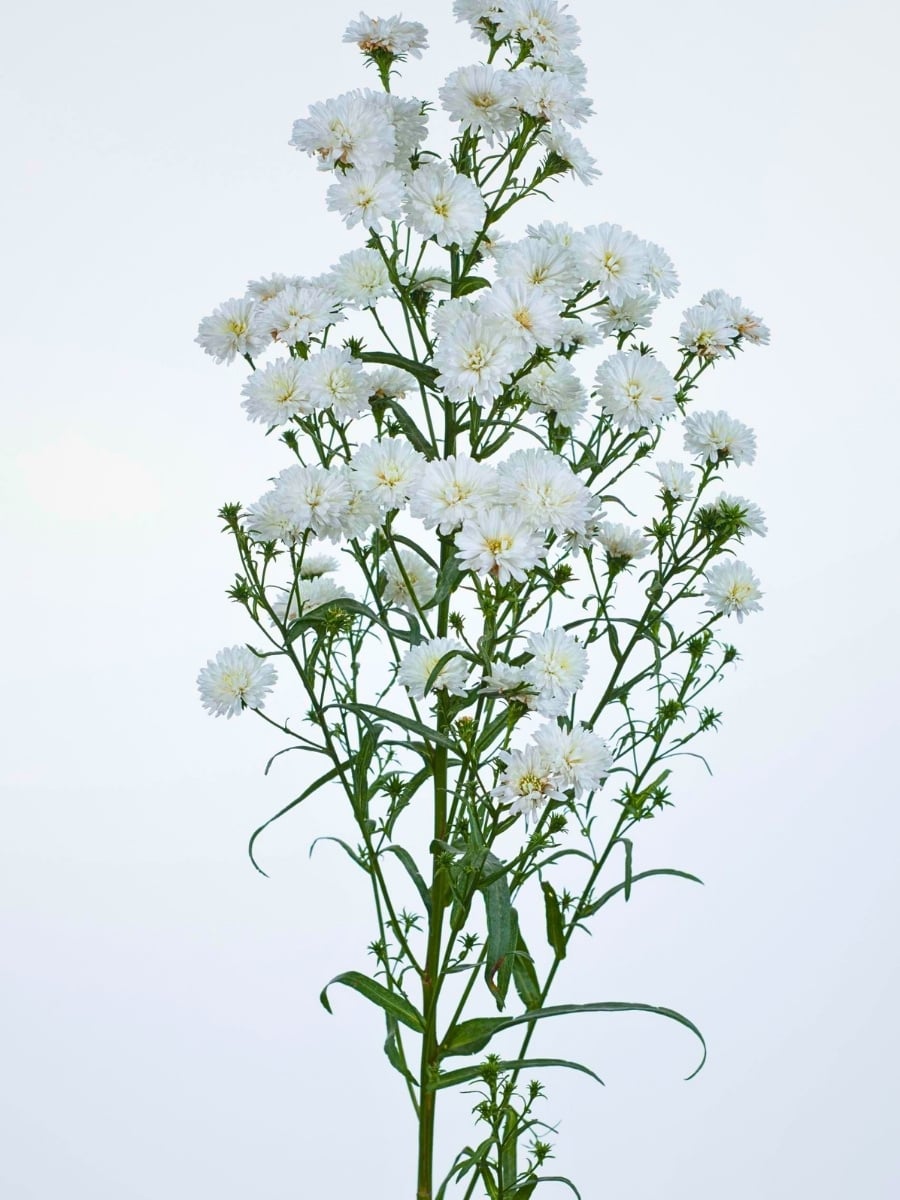
Their series’ hybrids feature strong, straight stems of between 70–80 cm for easy handling in floral arrangements, a natural spray form featuring abundant flower clusters that branch wide without requiring manual pinching, and a wild aesthetic, meaning airy natural flowers that maintain crispness in vases for 14 to 21 days.
Creating a New Perennial Aster Variety
When creating a new variety, breeders work based on commercial criteria. For cut flower programs, this means long, strong stems, uniformity of flowering time across a planting, free-branching habit to maximize the number of stems per plant, and ray floret colors that respond to current market trends. Disease resistance, particularly against powdery mildew (one of the most persistent challenges), is also a regular target.
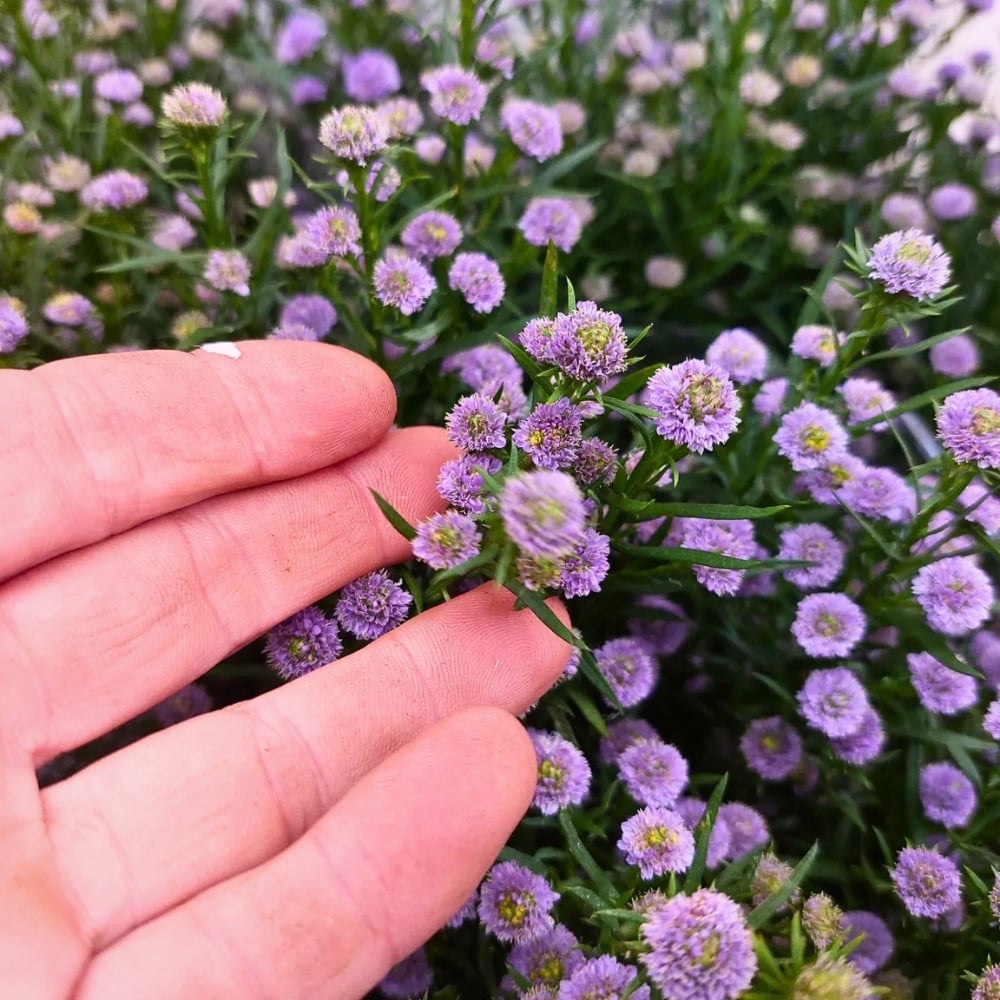
For pot plant programs, compactness of habit and large, well-filled flower heads take priority, alongside the ability to produce a tightly synchronized flower display that retailers and consumers expect from a potted product. Vase life and shelf life are also increasingly important targets in both segments. An Aster that flowers with impressive visual quality but deteriorates within a few days is not commercially sustainable. Breeders select as much for post-harvest performance as they do for appearance.
A new commercial Aster variety, therefore, begins with a controlled cross between two parent plants. Breeding crosses require isolating the female parent to prevent unwanted self-pollination, emasculating the disc florets if necessary, and applying pollen by hand at the right stage of receptivity.
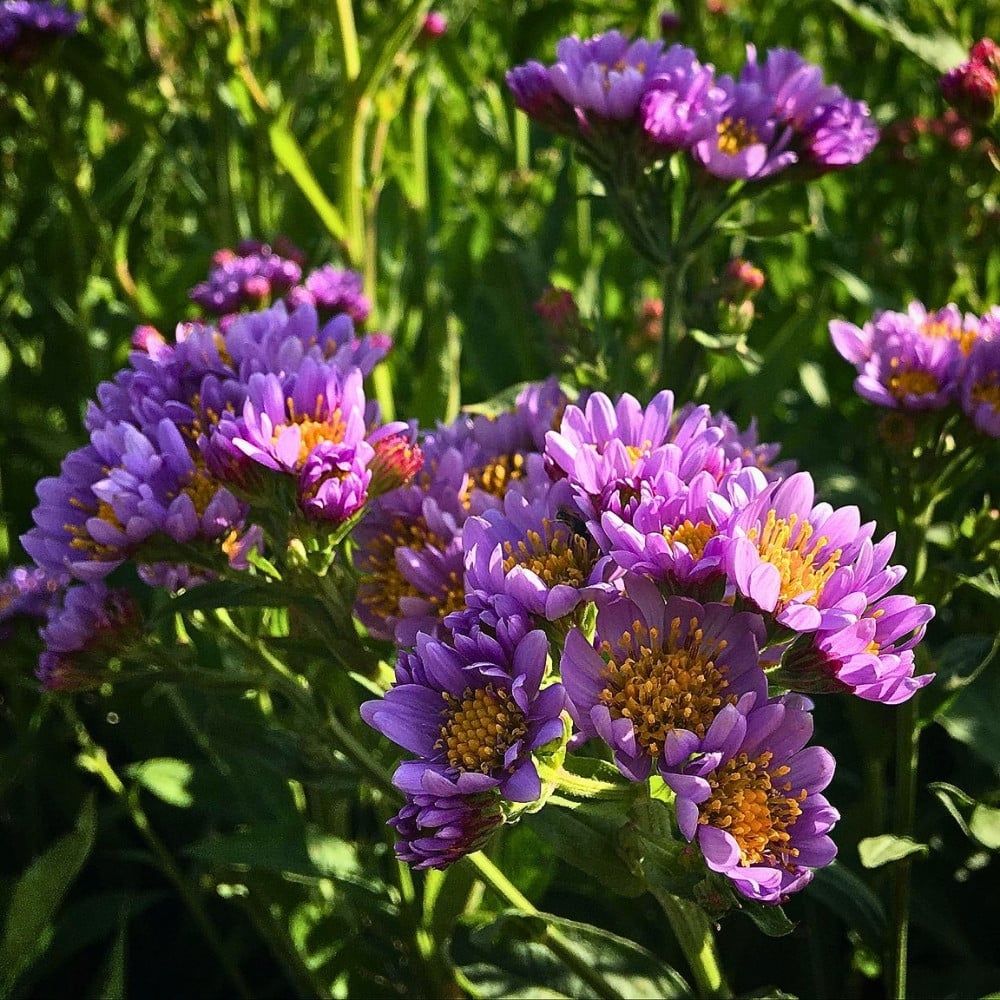
In Asters, as in most members of the Asteraceae family, the flower head is a composite structure made up of ray florets, which are the petal-like outer structures that give the flower its appearance, and disc florets at the center. Pollen for crossing is collected from the disc florets, and timing is important, since the viability of Aster pollen is relatively short-lived under ambient conditions.
Early breeding programs, including the works by K. Sahin and P. Akerboom in Ter Aar that produced the Butterfly series in the 1980s, used Aster pringlei cv. Monte Casino as the female parent and unnamed Aster novi-belgii as the male parent. The aim was to create new cultivars suitable for year-round commercial production, with well-branched stems, good flower size, uniform form, and superior cut-flower longevity. The White Butterfly, Pink Butterfly, Rose Butterfly, and Casablanca varieties all resulted from this interspecific crossing strategy.
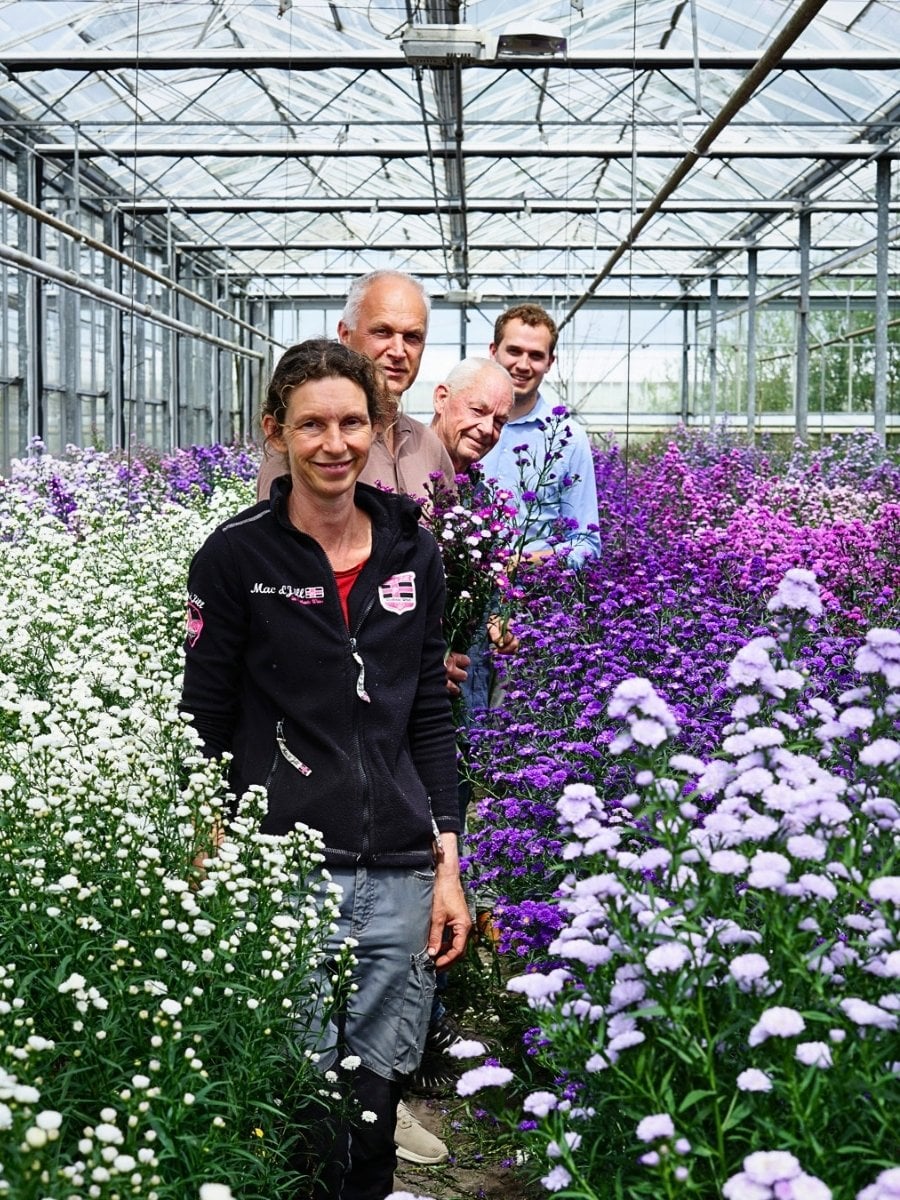
Since the seedlings from the controlled crosses are genetically diverse, each a unique individual, breeders often grow out large populations and evaluate them systematically over several cycles. Nachtvlinder, for instance, initially grows all candidate varieties commercially in their own greenhouse before advancing any selection, assessing whether they perform under real production conditions, before evaluating their commercial potential.
Selection criteria typically include the number of capitula per inflorescence, ray floret length and form, uniformity of flowering, stem strength, foliage health and resistance to yellowing, tolerance to foliar diseases, and post-production vase longevity. Once a plant with a strong combination of traits is identified, it is registered for intellectual property protection.
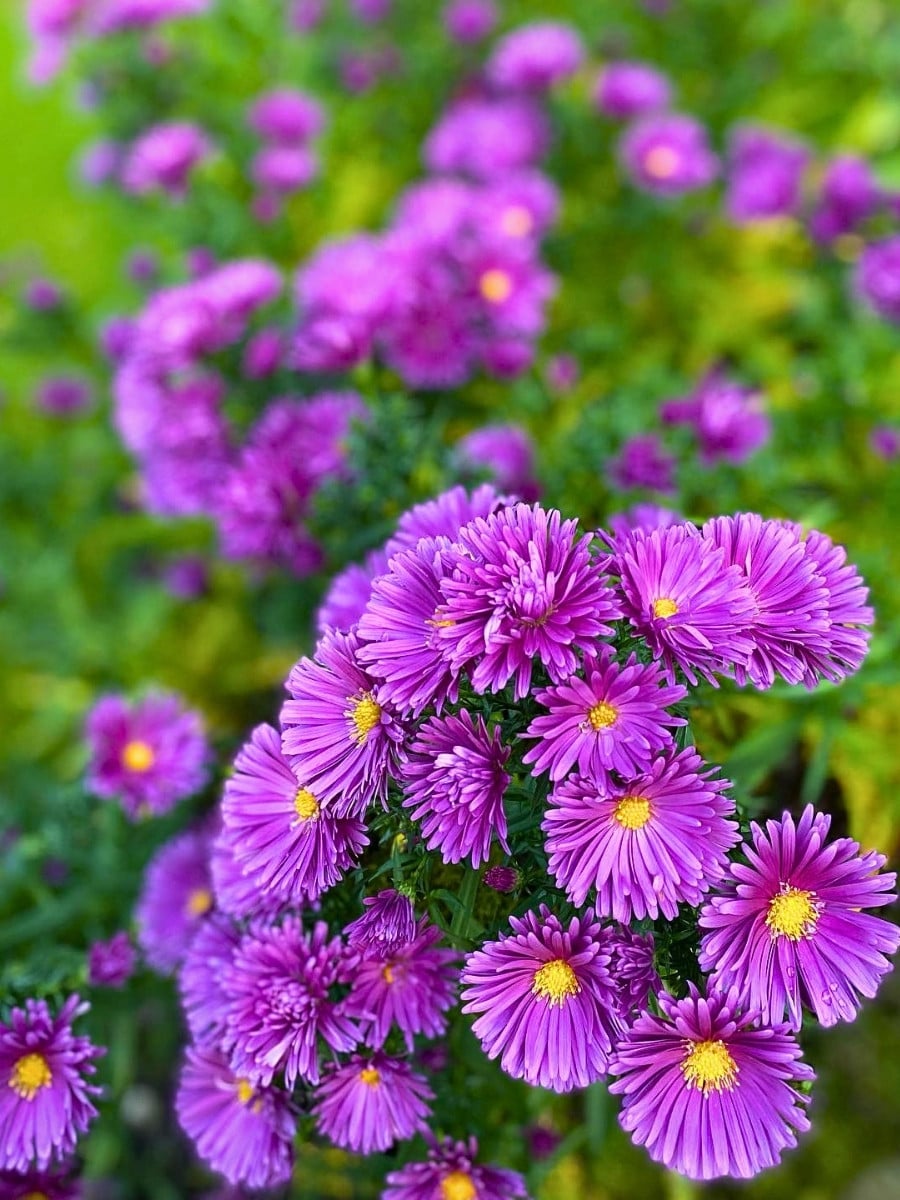
The Community Plant Variety Office (CPVO) plant variety protection is the standard mechanism used by Dutch breeders, and it governs who may propagate a protected variety commercially. Growers who use protected varieties must source their cuttings from authorized propagators and pay royalties that fund the continued breeding investment.
Parallel and Unique Track of Breeding Callistephus Chinensis Asters
Alongside the perennial Aster breeding programs, Callistephus chinensis has its own dedicated breeding stream, with different goals and techniques. In the mid-1980s, a hybrid breeding program for China Aster began in India, where the crop has since become an important commercial cut flower. The resulting varieties now offer wilt resistance, sturdy stems, and extended vase life compared to older open-pollinated types.
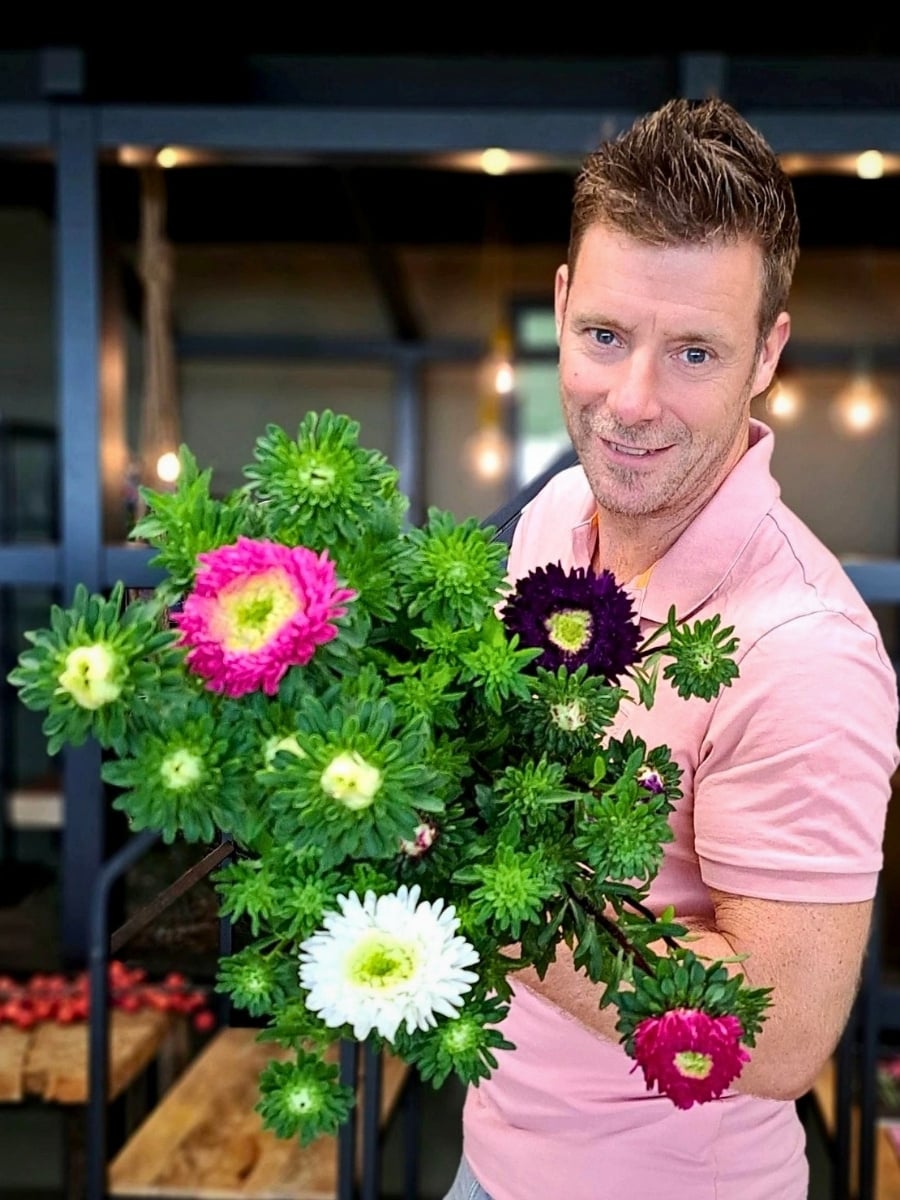
Sakata's Azumi XL series is a key development in China Aster breeding for commercial cut flower use. It produces extra-large pompon-style flowers on strong stems with a crop time of 13 to 14 weeks from sowing, good germination rates, and tolerance for Fusarium (Fusarium oxysporum f. sp. callistephi), a soil-borne fungal pathogen that attacks the vascular system, causing rapid wilting and plant death. At the 2025 California Cut Flower Trials, this series performed as a standout variety, delivering large flowers with excellent stem strength and uniformity across greenhouse and open field conditions.
China Aster is a day-neutral crop that flowers 70 to 90 days after sowing, which simplifies production scheduling considerably compared to perennial types. Its breeding objectives, as noted, largely focus on disease resistance, especially Fusarium wilt, alongside stem strength, flower size and form, color range, and germination uniformity. Seed-propagated series, like the Syringa series, produce XXL double flowers on strong upright stems reaching 60 to 70 cm, with a pyramidal branching habit that yields numerous florist-quality flowers per plant.

The Role of Photoperiod in Breeding and Production
A comprehensive understanding of Aster breeding cannot be without understanding photoperiod, because it governs the whole cycle from propagation to harvest scheduling. Perennial Asters are short-day plants, requiring long days for vegetative growth and short days to initiate flower buds. This means under natural conditions in the northern hemisphere, Asters flower in autumn when day length shortens.
For commercial year-round production, growers must override this natural rhythm using supplemental lighting during the vegetative phase and blackout systems to create artificially short days and trigger flowering any time in the calendar year, where flowering can be induced with a response time of approximately six weeks from the moment short-day treatment begins.
This six-week induction window is a fixed biological characteristic of a given variety and is one of the traits breeders specifically specify in commercial documentation, since growers need to schedule production exactly against target market weeks.
An additional photoperiod consideration governs propagation itself. Because Asters initiate flowers under short days, cuttings taken from stock plants that have been exposed to short-day conditions have a reproductive signal that can interfere with rooting. Vegetative cuttings taken from stock plants in the reproductive phase could show reduced or delayed rooting and increased incidence of fungal pathogens.

For this reason, stock plants used for cutting production are held under long-day conditions using supplemental lighting, maintaining them in a vegetative state that reliably yields high-quality, easily rooted material.
Vegetative Propagation and Multiplying Varieties
Perennial commercial Aster varieties are propagated vegetatively because seed propagation would produce genetically diverse offspring that do not reproduce the parent plant's characteristics. The standard method is terminal vegetative cuttings. The cuttings are taken from vegetative stock plants, and their root initiation in summer typically takes about 14 days at 18°C. In some hybrid programs, the time to produce a fully rooted young plant runs from 16 to 18 days at approximately 22°C.

Rooted cuttings are then distributed from propagation centers to commercial growers who plant them into greenhouse beds and begin the vegetative growth and photoperiod management cycle. For a breeder like Nachtvlinder, their varieties' unrooted cutting material is produced in South Africa and Sri Lanka, then sent to the Netherlands to root, and only distributed to growers once the plants are firmly established.
This international propagation logistics model is common in the Aster sector, allowing cutting production to occur in climates with favorable year-round growing conditions before finishing production in the Netherlands or other markets.
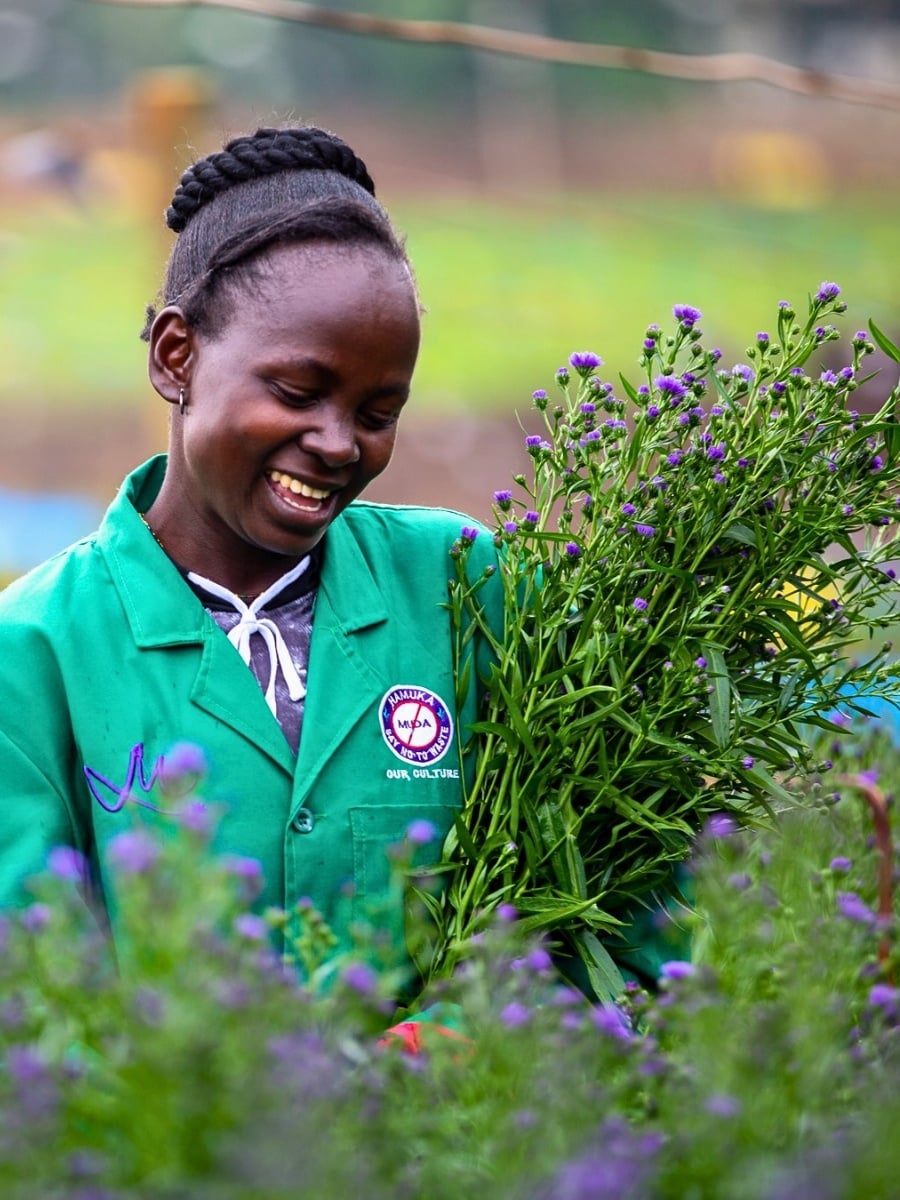
From Breeder to Grower
Once propagation material or seed is fully ready and available commercially, it enters a supply chain that is organized very differently depending on whether the product is a perennial or annual Aster. Kwekerij Zijdezicht in De Lier, Netherlands, is among the largest and most specialized growers in the country, cultivating more than half of the Dutch Aster production.
The plants are placed in January, the first stems are cut in April, and each plant typically yields three to five stems across the season. Production runs through to September, when falling temperatures and light levels make continuation impractical, and the greenhouse is then transitioned to Chrysanthemum production.
For year-round supply, the African advantage provides all the incentives. Marginpar, operating across 16 farms in Kenya, Ethiopia, Zimbabwe, and Tanzania, grows Asters on dedicated farms like Kenya’s KS Farm and Kariki Juja Farm, as part of their extensive summer flower portfolio.
The growers’ partnership with Nachtvlinder BV means varieties like Aster Dark Milka, Aster Flash, Aster Teeny Tiny Blue, Aster Teeny Tiny Pink, and the Double Date series are all grown on Marginpar's farms. Aster Flash in particular has become one of the most widely recognized varieties in the professional cut flower market.
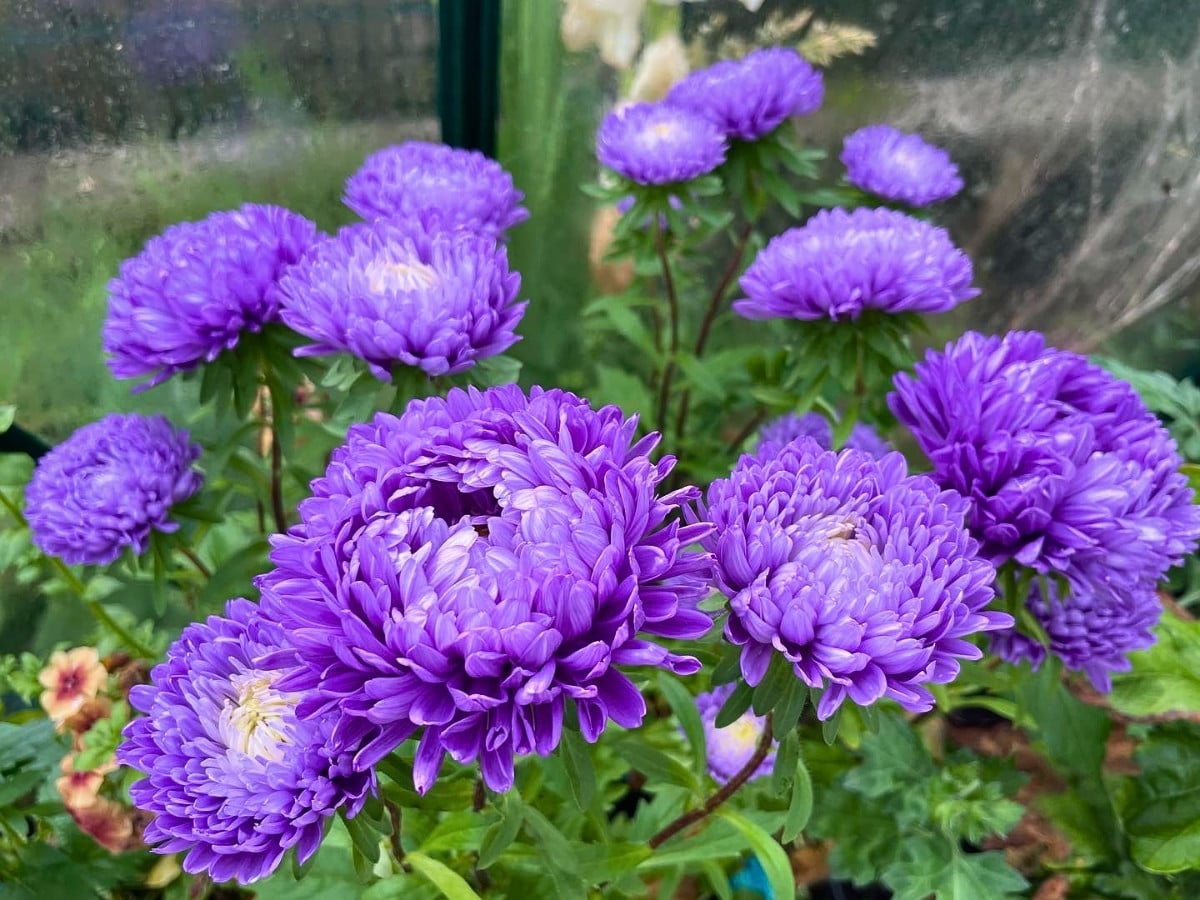
Florists regularly use this variety as high-impact filler in contemporary and structured arrangements. But other Aster varieties are equally well-loved, be it as cut flowers for arrangements or as pot and garden plants.
Featured image by Nahid Zaman. Header image by David J. Stang