There was a time when green was expected to stay quiet.
It softened.
It supported.
It filled the spaces between the "real" flowers.
But floral design has changed – and green has found its voice.
Today, green is no longer just the color that holds an arrangement together. It can bring personality, movement, structure, freshness, and a modern kind of elegance.
One of the Most Expressive Colors to Work With
In contemporary floral design, green is becoming part of the conversation: balancing the palette, creating breathing space, softening stronger colors, and giving the eye a place to rest. Only now does it do it with more presence. More texture. More edge.
Green feels clean, but not cold.
Natural, but not basic.
Fresh, but still sophisticated.
And for florists, that makes it one of the most expressive colors to work with right now.
Green Speaks in Many Ways
What makes green so powerful in floral design is that it never speaks in just one voice.
Green can draw the line.
Green can create the air.
Green can build the shape.
Green can become the focal point.
It can refresh a classic bouquet, make a wedding palette feel more modern, soften deep, dramatic tones, or bring a botanical layer into luxury arrangements. It can be quiet and refined, or bold and highly visible.
That is why green is becoming more than a trend. It is becoming a design language.
Green Can Also Stand Alone
One of the strongest signs of green’s new role is its ability to stand on its own.
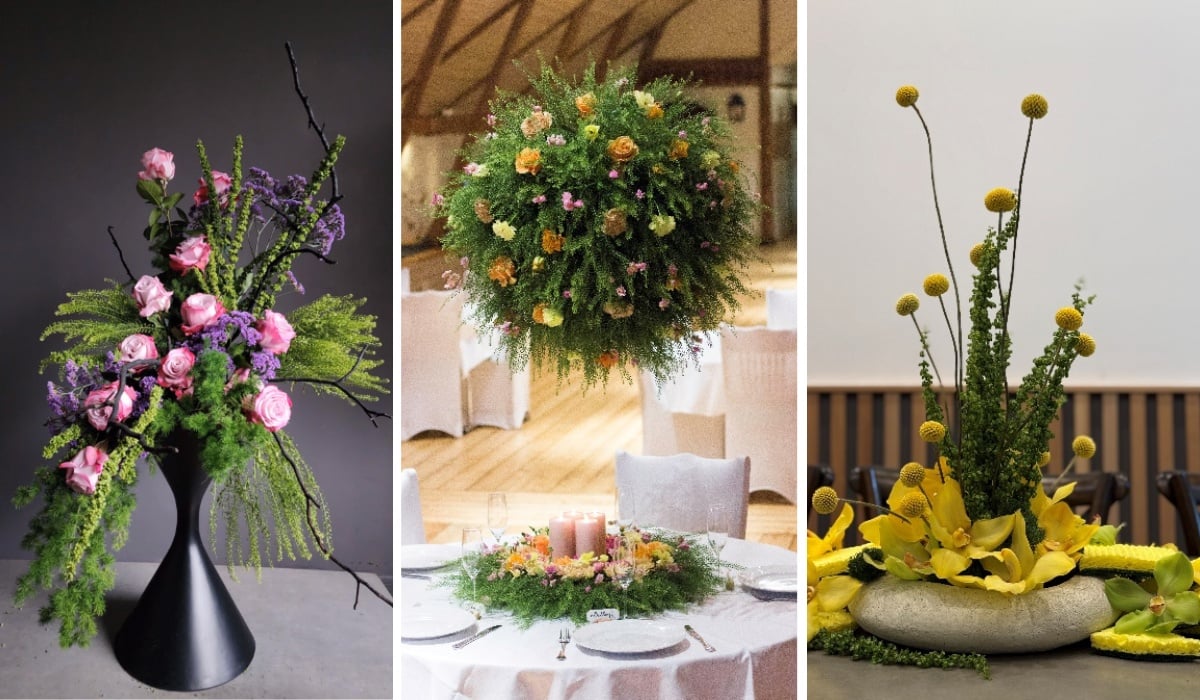
A green-only arrangement can feel clean, sculptural, fresh, and full of presence. Without another color competing for attention, the shape, texture, and movement of each stem become even more powerful.
This is where green stops being a supporting color and becomes the entire story.
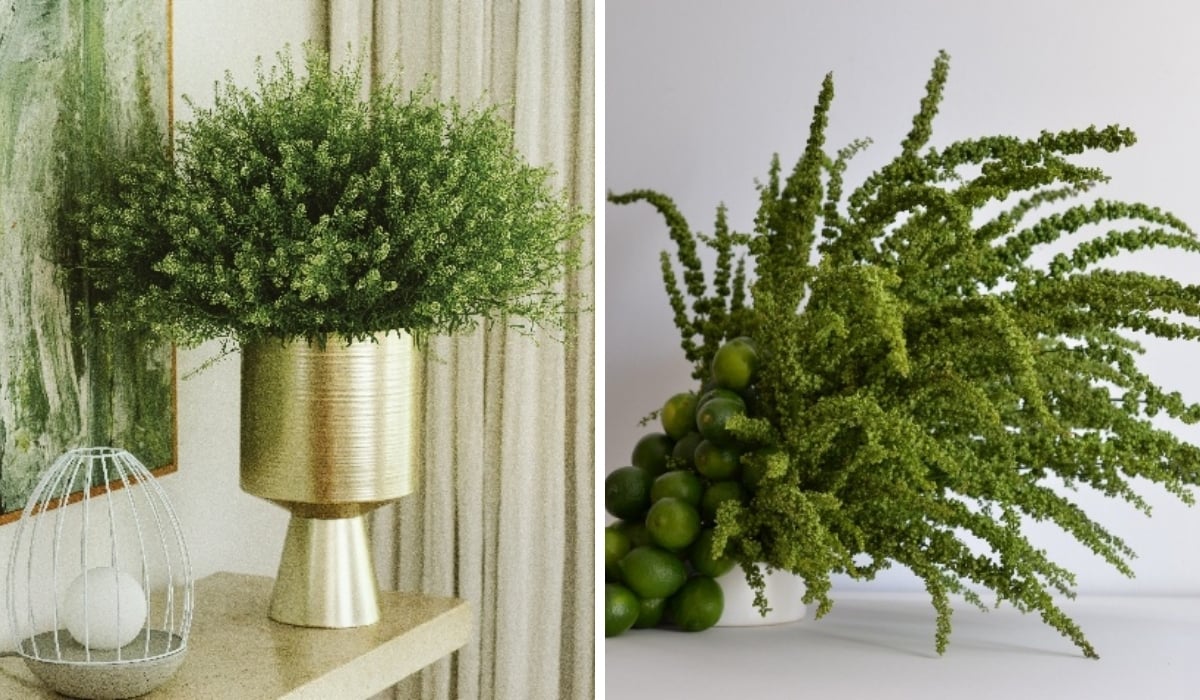
Unicorn™: Green That Draws the Line
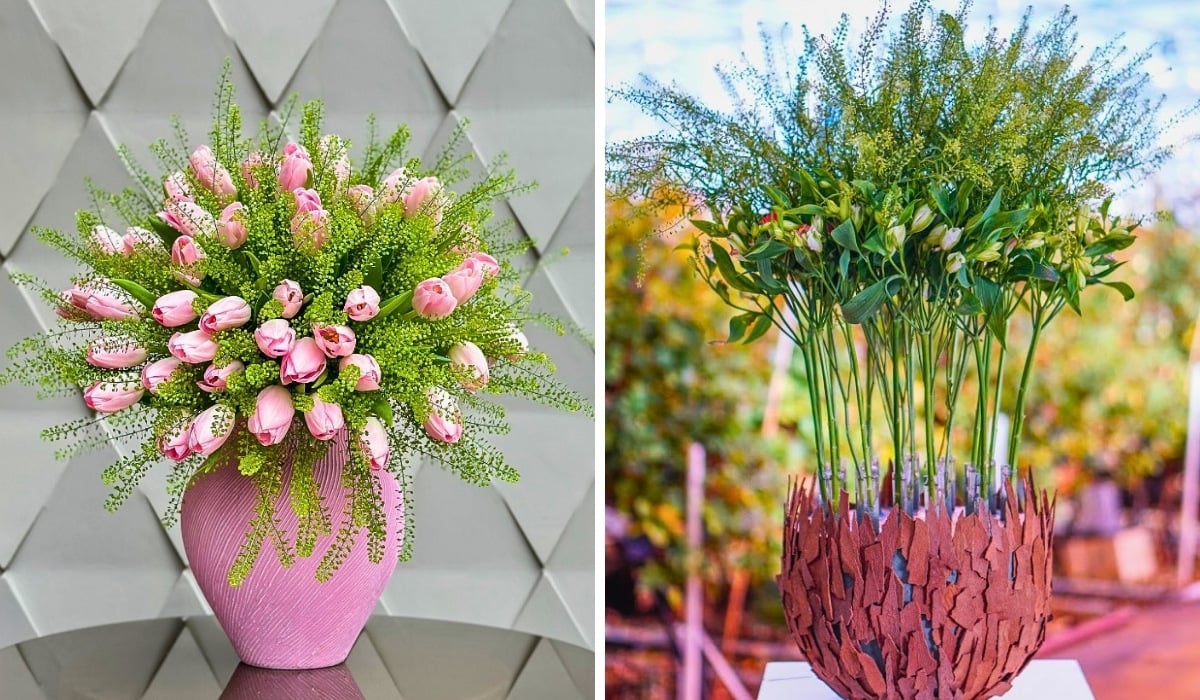
Unicorn is all about direction, height, and sculptural movement.
With its upright stems and expressive green form, it gives florists the freedom to draw lines inside an arrangement — upward, outward, and across the design. It can stretch the silhouette, create rhythm, and lead the eye from one point to another.
This is not a flower that simply fills space.
It shapes it.
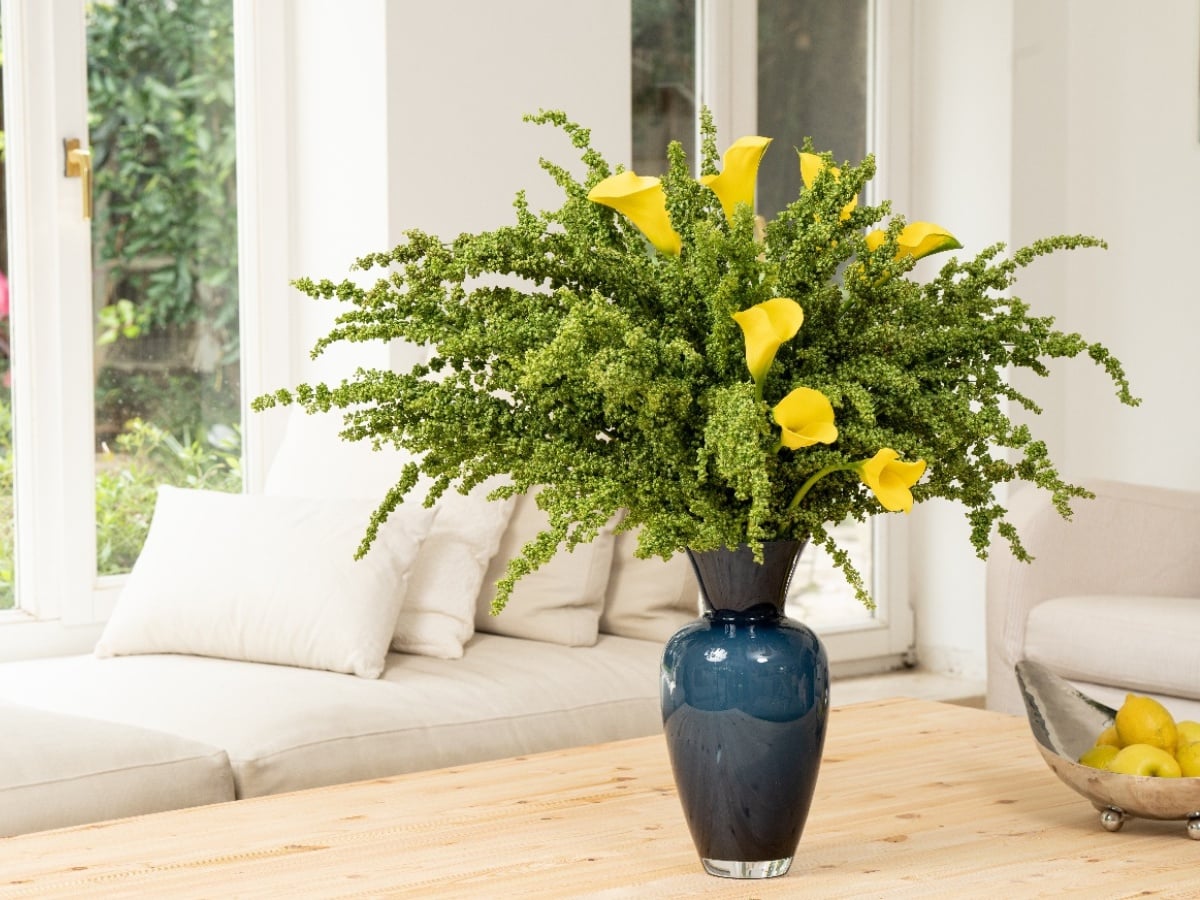
Unicorn invites florists to think beyond the expected. Placed at different heights, it makes an arrangement feel more dynamic, intentional, and alive. In artistic designs, it acts almost like a green brushstroke. In event pieces, it adds drama and direction. In modern bouquets, it brings a fresh architectural edge without losing its natural feeling.
Whether used boldly or with a lighter touch, Unicorn™ helps break the perfect circle, lift the composition, and add personality to the design.
Design value: direction, height, sculptural movement, rhythm, and expressive silhouette.
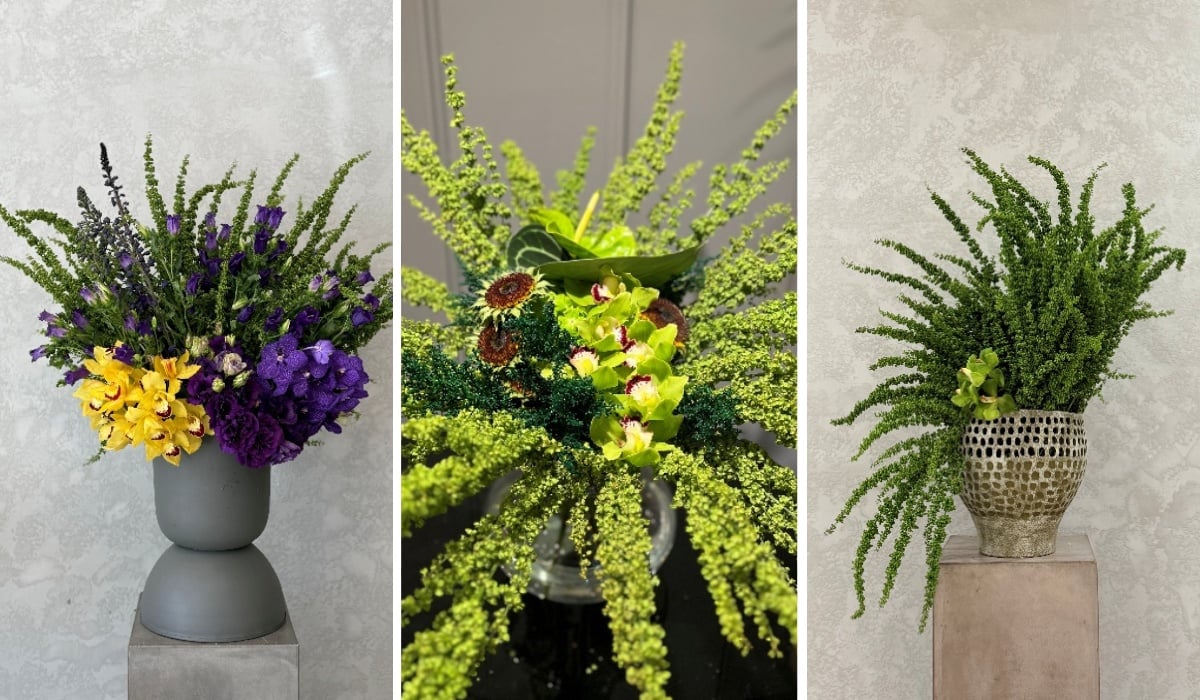
Green Dragon®: The Green That Lets the Bouquet Breathe
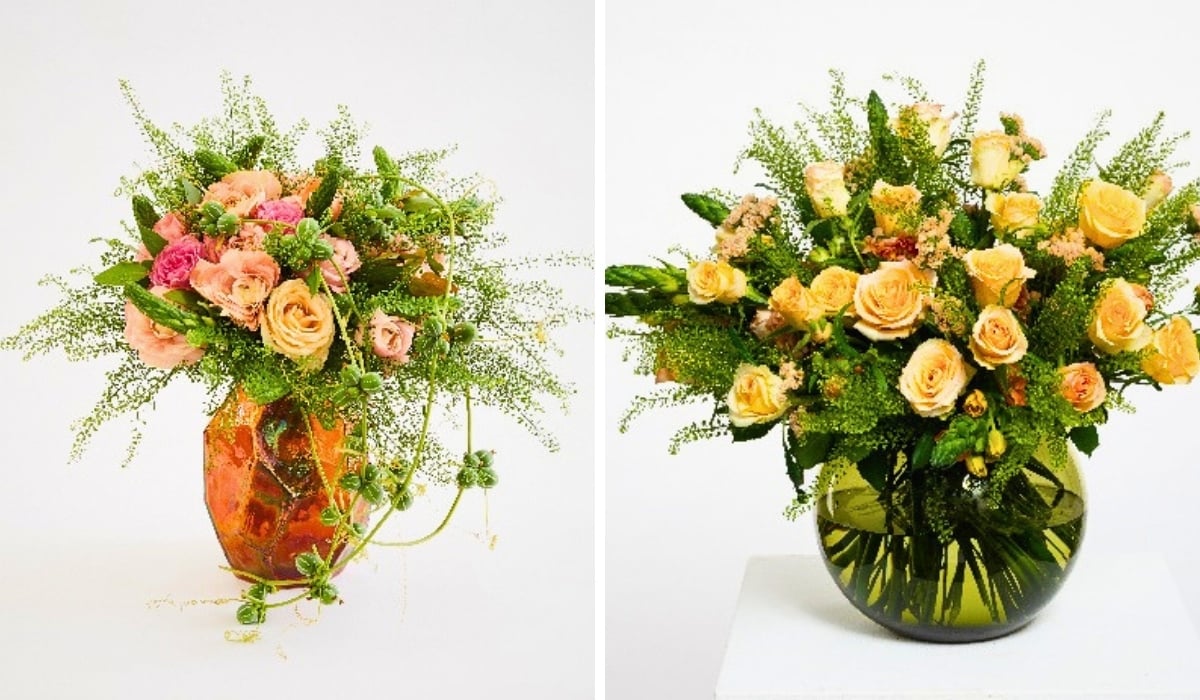
Green Dragon, a Lepidium variety, brings a kind of freshness that is easy to feel before you even define it.
With its airy branching structure and delicate green texture, it opens the arrangement, softens the edges, and creates a natural sense of flow. It does not compete with focal flowers. Instead, it gives them space — while making the whole design feel lighter, fresher, and more alive.
This is the kind of green that changes the atmosphere of a bouquet.
In romantic palettes, it adds softness and ease. Next to bold or saturated tones, it brings balance and freshness. In natural, garden-inspired designs, it creates movement that feels effortless. And in more modern arrangements, it adds a botanical layer that keeps the design from feeling too rigid.
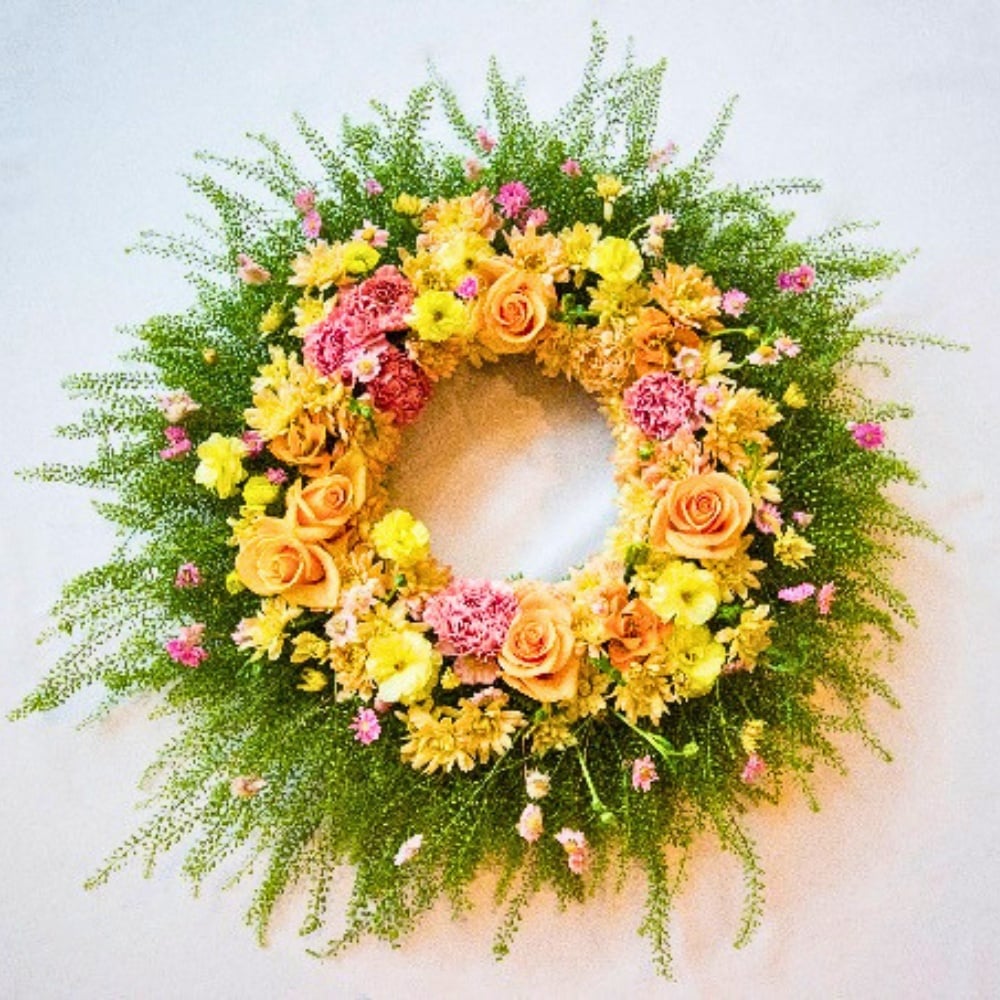
Green Dragon works because it does not try to take over.
It surrounds.
It lifts.
It connects.
It gives the bouquet volume without heaviness, texture without noise, and freshness without stealing the spotlight.
In many bouquets, Green Dragon helps lighten the design, create breathing space, and connect the palette — while keeping the arrangement fresh, botanical, and current.
Design value: airy volume, natural flow, softness, freshness, and effortless pairing.
Trigreen™ XL: Green That Speaks in Shape
Some green flowers create movement. Others create an atmosphere. Trigreen XL, Dianthus, brings another dimension: sculptural texture.
Round, layered, and visually distinct, Trigreen XL gives florists a clean graphic element to work with. Its textured surface and strong form bring depth and rhythm into arrangements, while its green color keeps the design fresh and natural.
Trigreen XL is not only about adding green.
It is about adding a form.
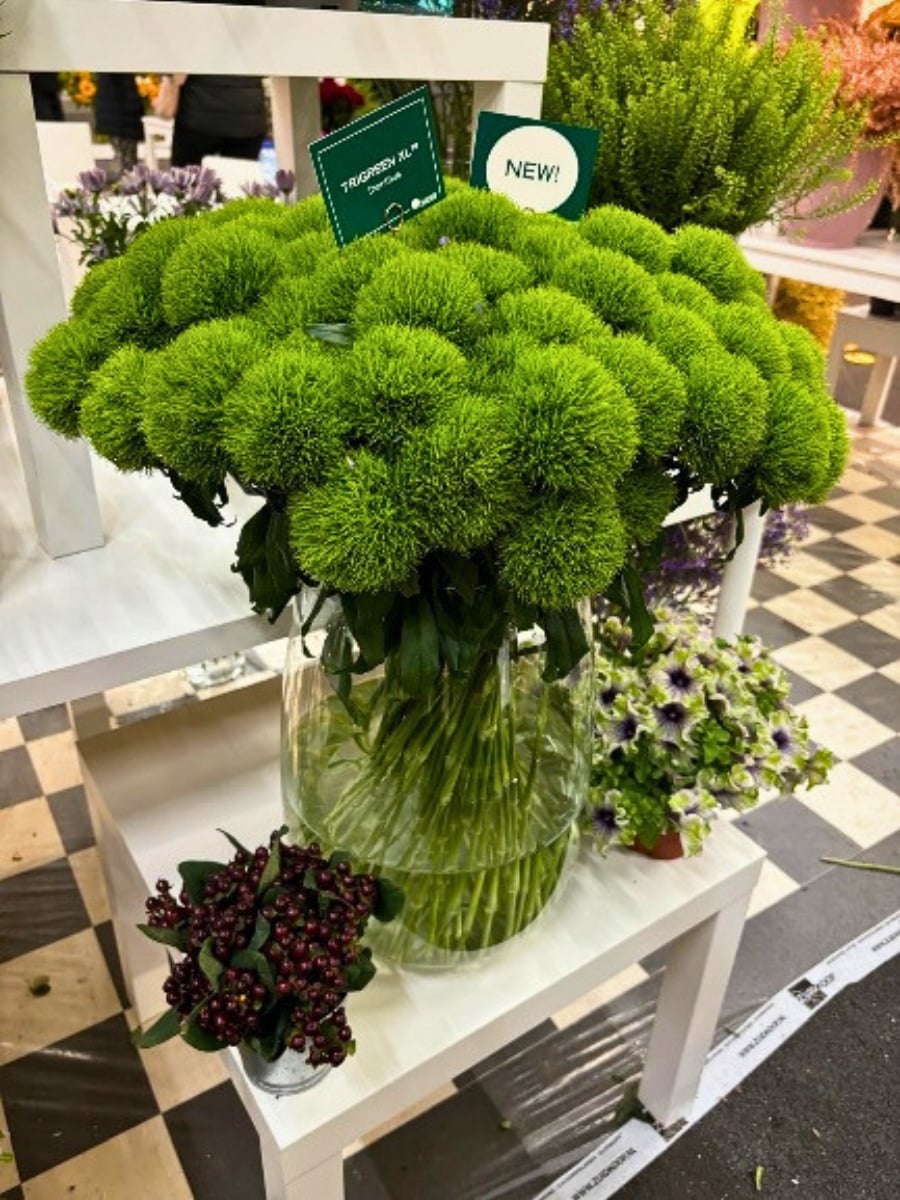
In bouquets, it can create repetition and visual rhythm. In larger arrangements, it adds volume and structure. In modern designs, it brings a graphic, almost architectural quality that feels intentional and contemporary.
Trigreen XL can support a composition, but it can also become one of the elements people remember.
Design value: sculptural texture, graphic shape, volume, rhythm, and modern structure.
Greenpop™: Green That Speaks With Presence
If Trigreen XL brings texture and structure, Greenpop brings the focal moment.
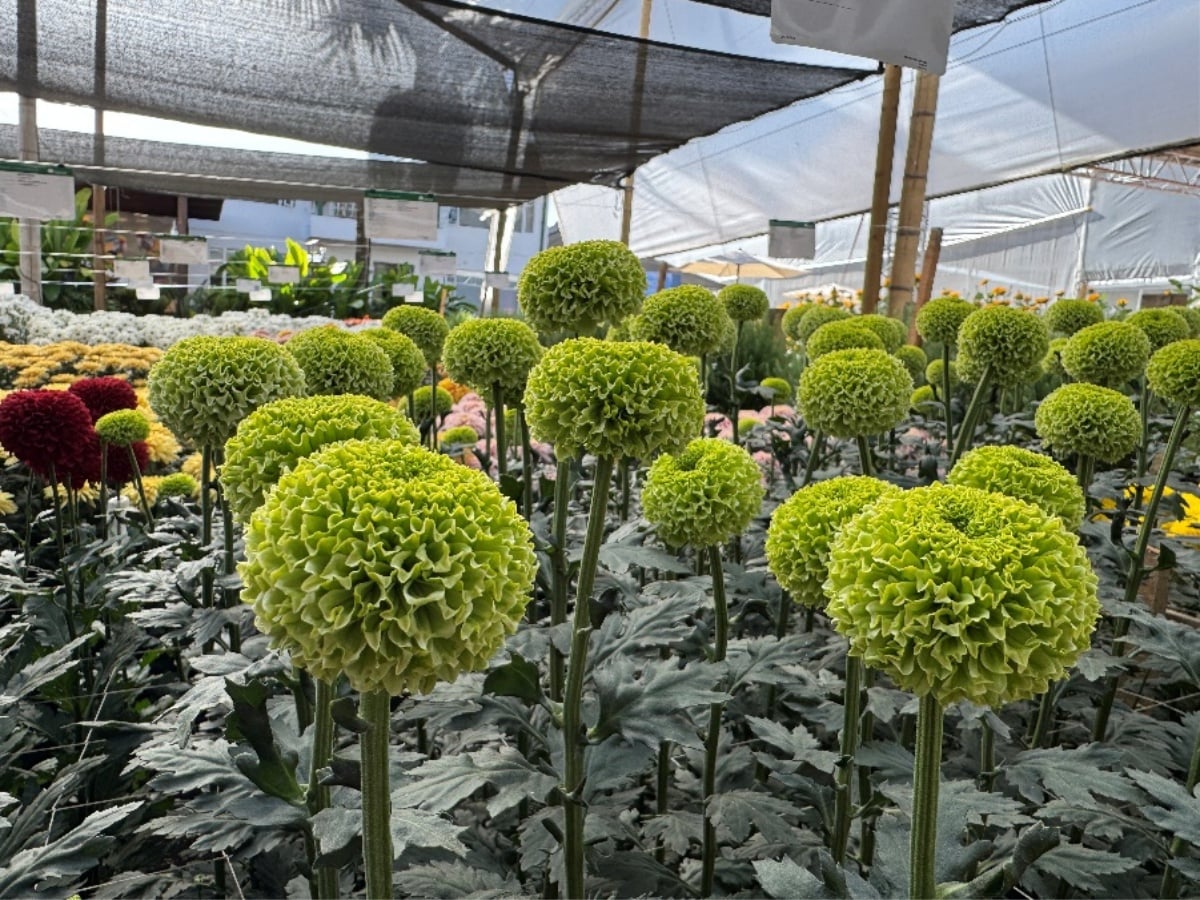
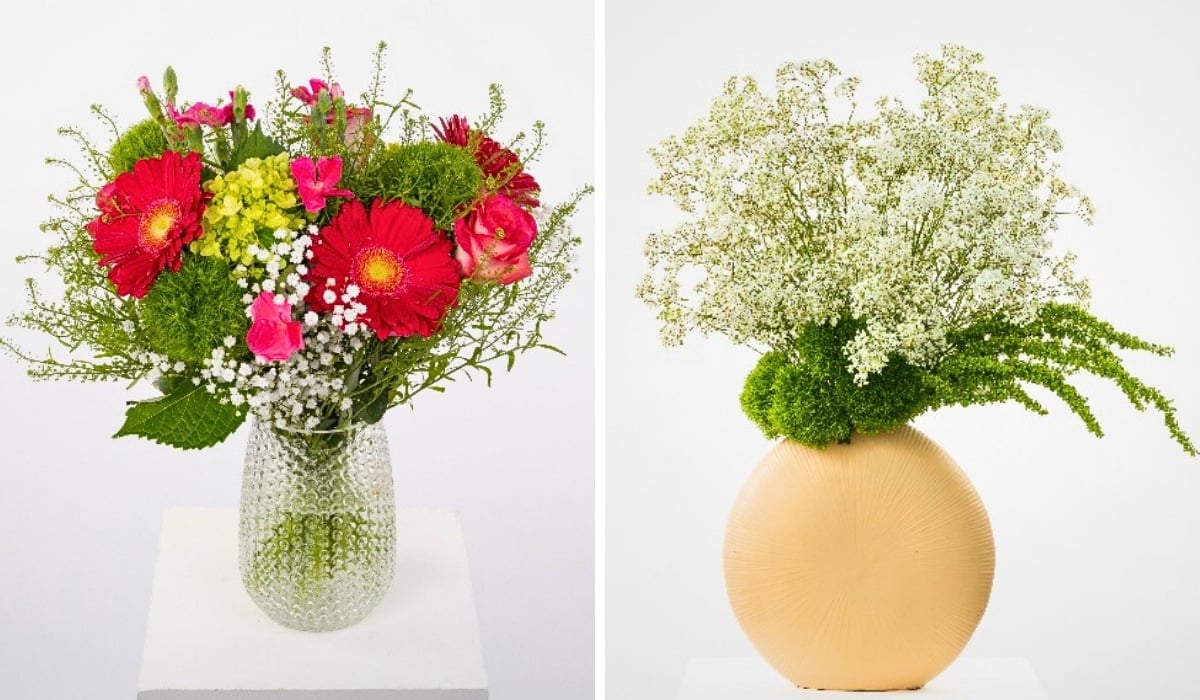
As a green chrysanthemum, Greenpop has the kind of presence florists can work with immediately. Round, bold, and full of character, it draws the eye and adds a fresh statement to the arrangement.
Greenpop brings the power of a focal flower, but with a green twist. It can refresh a classic bouquet, add personality to a retail bunch, or create a modern point of focus in a contemporary arrangement.
It feels both design-forward and approachable. Florists can use it in more artistic work, while its clear shape and strong commercial quality make it easy for consumers to understand.
In arrangements, Greenpop gives the eye a place to land. It adds freshness, balance, and a joyful sense of presence.
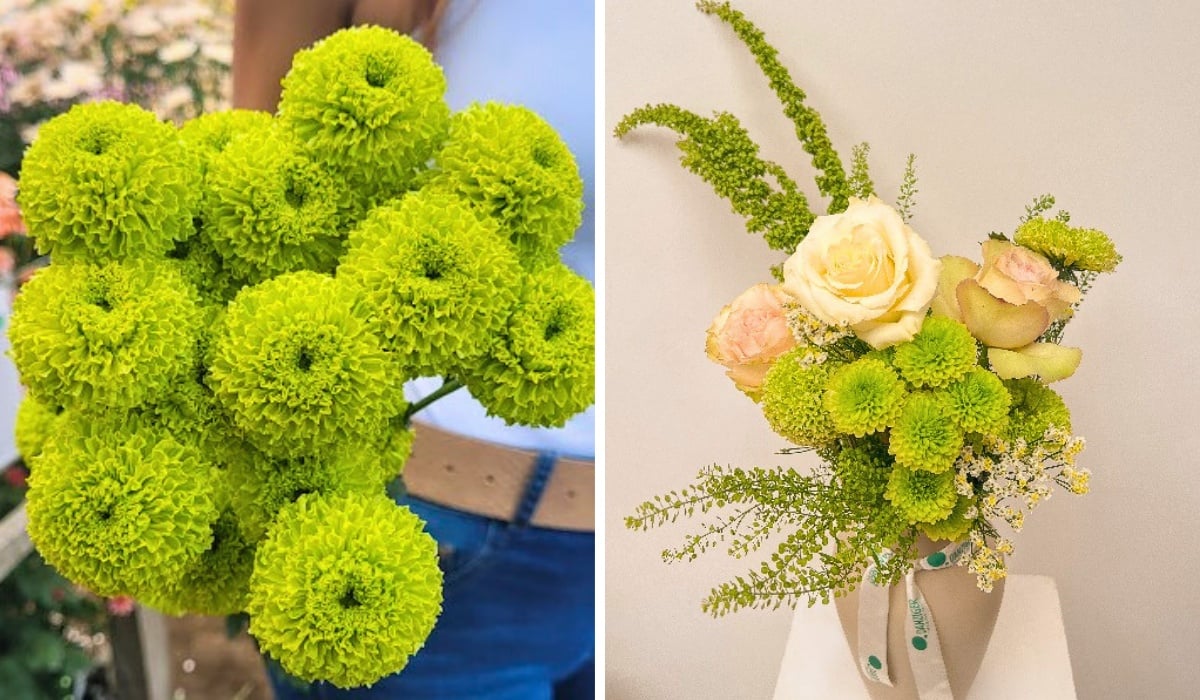
Greenpop proves that green does not have to stay between the flowers.
It can be the flower people notice first.
Design value: focal impact, strong silhouette, freshness, commercial appeal, and visual clarity.
FLORIST DESIGN NOTES
- Use Unicorn when the arrangement needs height, direction, or a more sculptural silhouette.
- Use Green Dragon when the bouquet needs air, softness, and natural flow.
- Use Trigreen XL when the design needs shape, texture, and graphic rhythm.
- Use Greenpop when you want a fresh focal point with strong visual impact.
A New Way to Think About Green
Green is not here to replace any floral classic.
It is here to open another design possibility – one that feels fresh, natural, modern, and full of life.
For florists, this can translate into very practical design choices:
- Use green to create movement, direction, or airiness.
- Use green as a bridge between warm and cool tones.
- Use green as a focal point when you want the arrangement to feel fresh, bold, and different.
That is the real power of green.
It is familiar enough to feel natural, but unexpected enough to feel new.
Color Directions to Explore
Green can move in many design directions depending on what surrounds it.
- With burgundy or crimson, it becomes dramatic and luxurious.
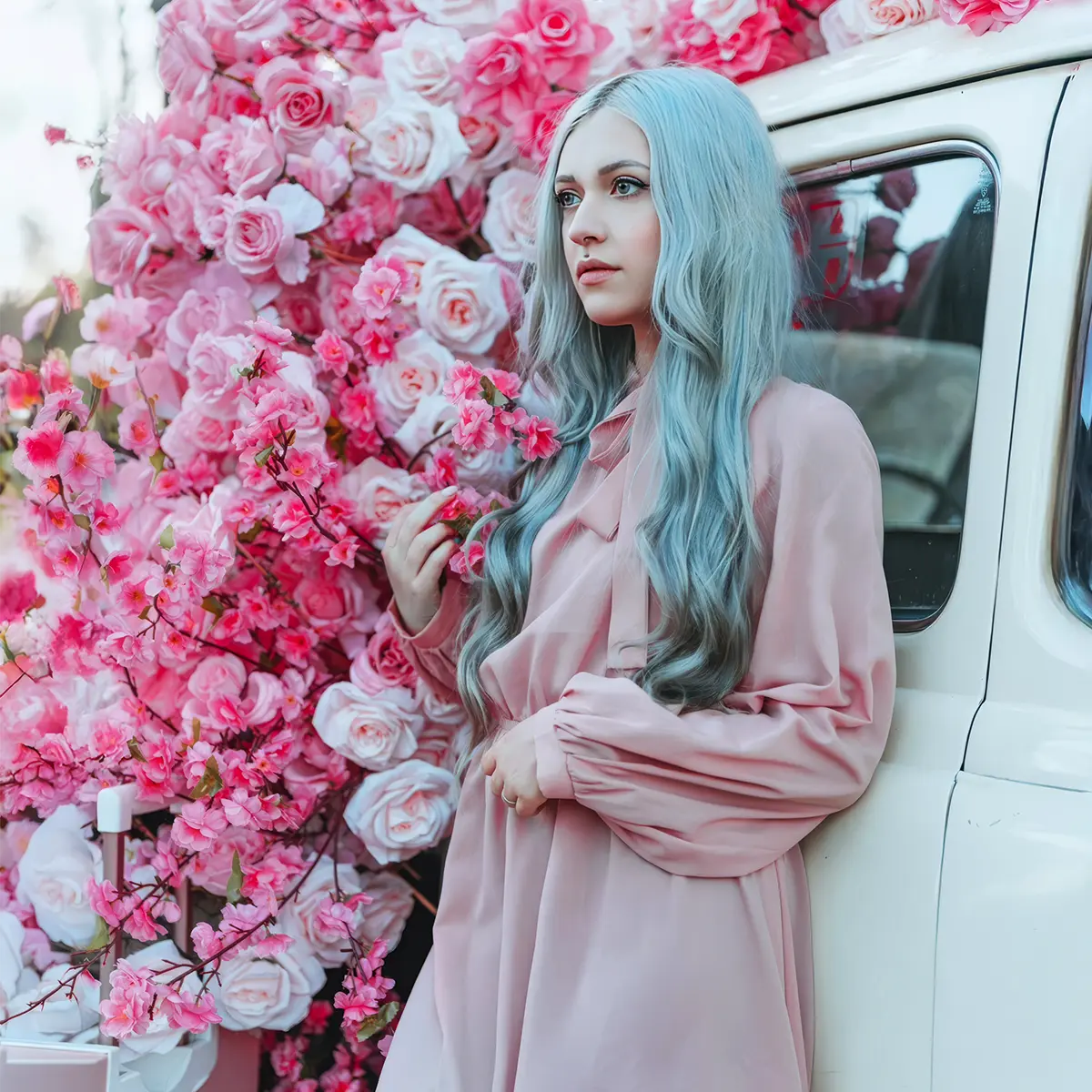
- With blush and ivory, it feels soft, romantic, and fresh.
- With caramel, peach, and terracotta, it becomes warm and sophisticated.
- With white, it creates a clean botanical look.
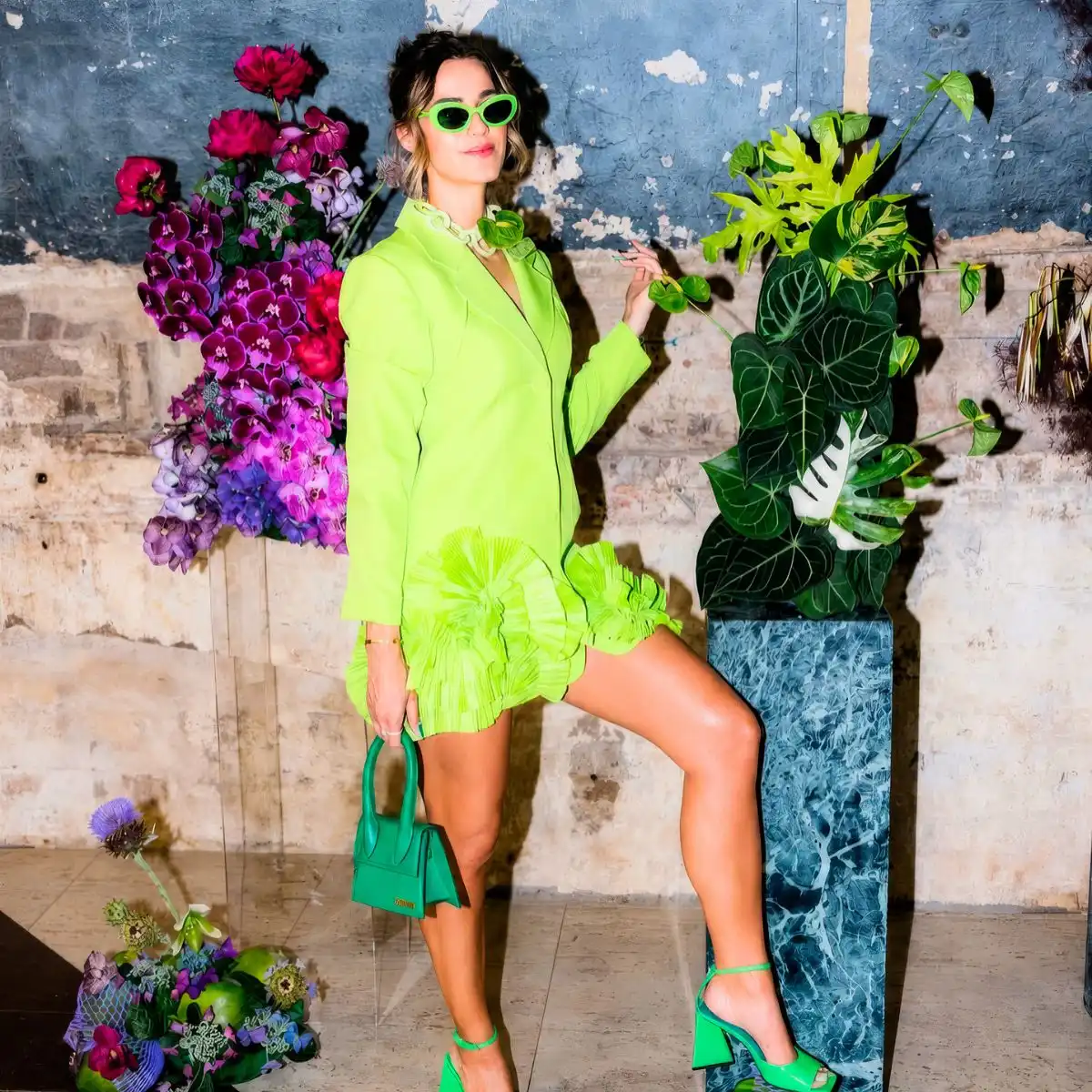
- With lavender or purple, it feels artistic and unexpected.
- With yellow, it becomes optimistic, bright, and garden-inspired.
This flexibility makes green especially valuable for florists. It can adapt to seasons, events, retail stories, weddings, and everyday bouquets – while still keeping its own identity.
Green Is Ready to Lead
Green gives florists a way to create arrangements that feel fresh, modern, natural, and full of life. It can draw the line, create the air, build the shape, or become the focal point.
From the directional movement of Unicorn™ to the airy freshness of Green Dragon®, from the sculptural texture of Trigreen™ XL to the focal power of Greenpop™, these varieties show that green is not one role.
It is a full design language.
Not just the background.
Not just the space between colors.
It is a modern, expressive, and beautifully unexpected way to design.
Images and reels by @imaginemoreflowers.