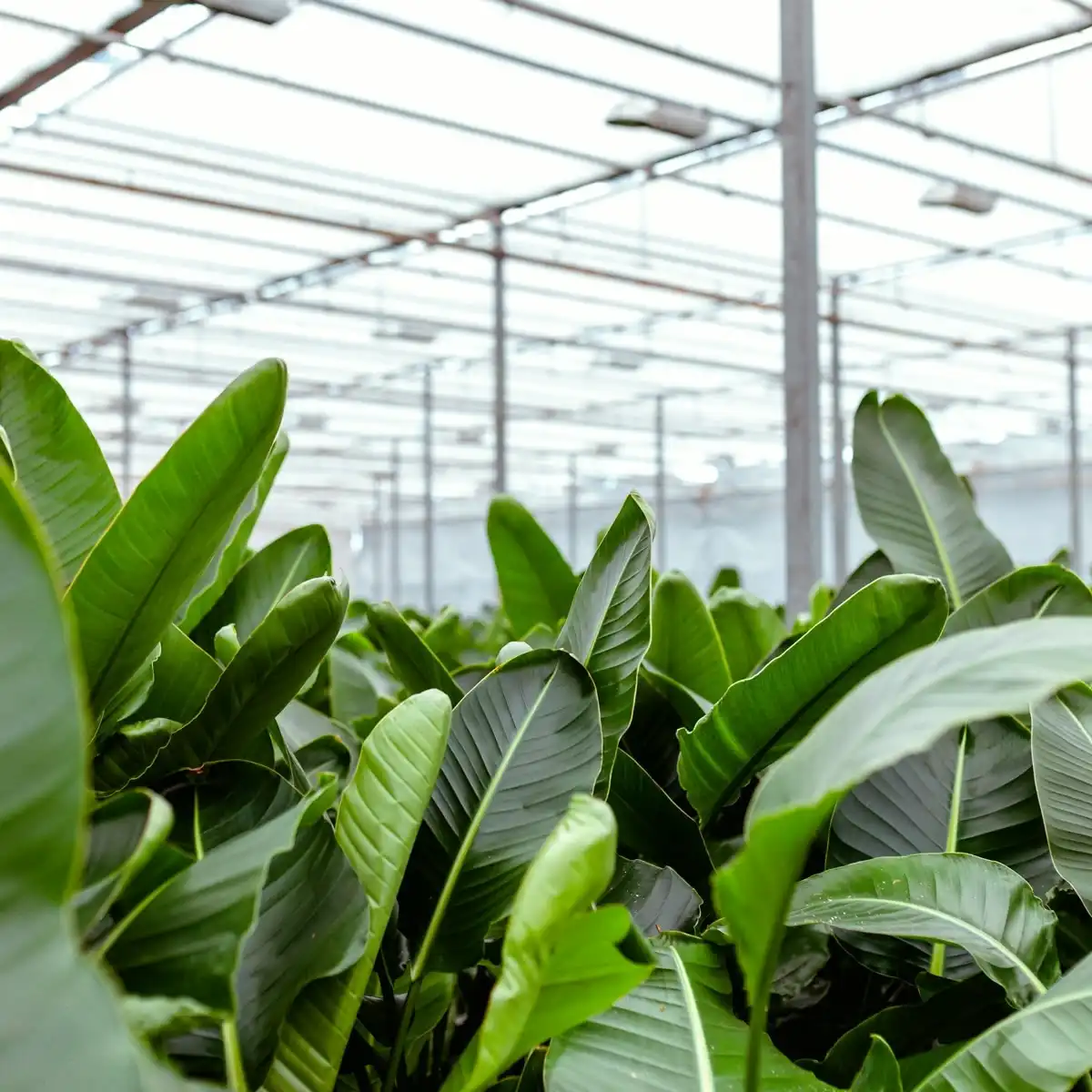
Canada's floriculture sector covers a vast geographic area, from major greenhouse clusters in Ontario and British Columbia to growers serving regional markets across the Prairies and Atlantic Canada. As businesses expand and customer expectations increase, many flower producers are operating more than one greenhouse facility. Managing these locations efficiently requires more than regular site visits. Today, digital technologies, cloud-based platforms, and remote monitoring tools are helping growers maintain crop quality and operational consistency across multiple sites.
Expanding Beyond a Single Greenhouse
Many flower businesses begin with one production facility but gradually expand as demand grows. Multiple greenhouse locations can help growers reduce transportation times, serve different regional markets, and spread production risks.
However, expansion also creates new challenges. Managers must ensure that growing conditions, production schedules, and quality standards remain consistent regardless of location. This is where modern technology is transforming greenhouse operations.
Remote Monitoring Is Becoming the Norm
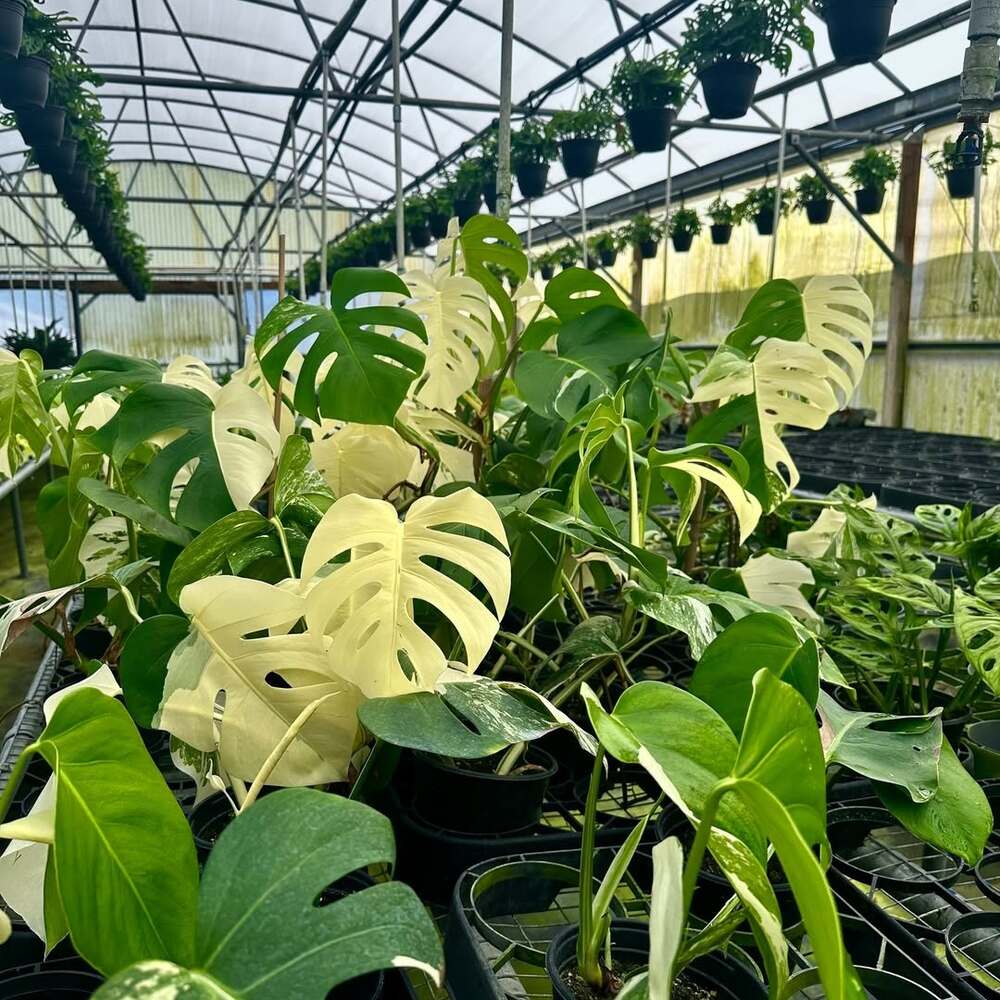
One of the biggest changes in greenhouse management is the ability to monitor conditions remotely.
Sensors installed throughout greenhouses can track temperature, humidity, light levels, soil moisture, and carbon dioxide concentrations around the clock. The information is automatically transmitted to centralized dashboards that managers can access from virtually anywhere.
Instead of relying solely on local reports, decision-makers can observe real-time conditions across all facilities and identify issues before they affect crop quality.
Keeping Growing Conditions Consistent
Consistency is essential in floriculture. Whether producing roses, lilies, chrysanthemums, or seasonal bedding plants, maintaining stable growing conditions directly affects plant health and marketability.
Centralized climate-control systems allow managers to oversee heating, cooling, ventilation, shading, and irrigation equipment from a single platform. This makes it easier to apply standardized growing strategies across multiple locations while still adjusting for local weather conditions.
For Canadian growers dealing with significant seasonal differences, this flexibility is particularly valuable.
Using Data to Improve Performance
Modern greenhouse operations generate large volumes of data every day. Forward-thinking flower businesses are using that information to improve efficiency and productivity.
By comparing performance across sites, managers can identify opportunities to reduce water consumption, lower energy costs, improve labour allocation, and increase crop yields. Historical data also helps growers make more accurate production forecasts and prepare for seasonal demand fluctuations.
The ability to turn operational data into actionable insights is becoming a major competitive advantage.
Mobile Management for Busy Growers
Flower industry professionals are often away from their desks. They may be visiting greenhouse sites, meeting suppliers, attending horticultural events, or participating in trade shows across Canada and abroad.
Mobile-friendly greenhouse management platforms allow them to stay connected while on the move. Using smartphones, tablets, or laptops, managers can receive alerts, review environmental conditions, and communicate with local teams in real time.
This mobility significantly reduces response times when unexpected issues arise.

Ensuring Your Secure Access
Many greenhouse operators and consultants rely on MacBooks when travelling between facilities or attending industry events. Accessing greenhouse dashboards, inventory software, and business communications remotely can be convenient, but security remains important.
When working from hotels, airports, conference venues, or public Wi-Fi networks, some professionals choose to use a free VPN for Mac as an additional layer of protection. Alongside secure passwords and multi-factor authentication, VPNs can help safeguard business information while teams manage greenhouse operations from different locations.
For companies overseeing several facilities, maintaining secure remote access is an increasingly important part of digital greenhouse management.
Communication Keeps Teams Aligned
Technology may enable remote oversight, but successful greenhouse networks still depend on strong communication between teams.
Many businesses now use cloud-based collaboration tools to share production updates, maintenance schedules, pest-management reports, and crop-performance data. This ensures that managers and local staff remain aligned on goals and priorities.
Clear communication also helps businesses maintain consistent production practices across every facility.
Automation Is Reducing Daily Workloads
Automation is playing an increasingly important role in modern greenhouse operations. Irrigation systems, climate controls, fertilizer delivery, and monitoring equipment can all function with minimal manual intervention.
This allows local teams to focus on higher-value activities such as crop inspection, quality control, and customer service. It also enables managers to oversee larger greenhouse networks without significantly increasing administrative workloads.
As technology continues to evolve, automation will likely become even more common throughout the floriculture sector.
Looking Ahead
Managing multiple greenhouses once required constant travel and extensive manual coordination. Today, flower industry professionals can oversee several facilities through connected technologies that provide real-time visibility and control.
For Canadian growers facing increasing competition, changing weather patterns, and rising operational costs, digital greenhouse management offers a practical way to scale efficiently. By combining remote monitoring, automation, secure connectivity, and strong local teams, floriculture businesses are building more resilient operations capable of supporting long-term growth.