A greenhouse is supposed to help plants grow, but in the middle of summer it can just as easily work against them. Glass and plastic panels trap heat efficiently, which is exactly the point during cooler months, but that same design turns a small greenhouse into an oven once the sun is out for hours at a time. For hobby growers working with a compact structure in the backyard, keeping temperatures under control in summer is often a bigger challenge than keeping plants warm in winter.c
Unlike large commercial greenhouses with built-in climate systems, most hobby setups rely on simpler tools: vents, shade cloth, fans, and a bit of trial and error. Understanding how heat builds up and what options exist for managing it can make the difference between a greenhouse full of thriving plants and one full of wilted, stressed-out seedlings.
Why Small Greenhouses Overheat So Quickly
A small greenhouse has less air volume than a large one, which means the temperature inside can rise faster and swing more dramatically. On a sunny afternoon, it's common for a hobby greenhouse to run 20 to 30 degrees Fahrenheit hotter than the outside air if there's no airflow to release the heat.
This matters because most plants, including many flowering varieties, start to struggle once temperatures climb much past 29°C (85°F). Leaves can wilt, blooms can fade faster than usual, and seedlings are especially vulnerable to heat stress since their root systems aren't yet established enough to keep up with water loss.

Start With Ventilation and Shade
Before looking at any mechanical cooling equipment, it's worth making sure the basics are covered. Roof vents, side vents, and louvered windows allow hot air to escape naturally, especially when placed to create a flow of air from low to high points in the structure.
Shade cloth is another simple and inexpensive option. Draped over or inside the greenhouse during the hottest months, it can reduce direct sun exposure significantly without blocking airflow. Many hobby growers use shade cloth rated to block 30 to 50 percent of sunlight, adjusting depending on which plants are inside and how intense the local summer heat gets.
Combining good ventilation with shading solves a lot of overheating problems on its own, particularly for growers in milder climates. This kind of setup pairs well with other smart greenhouse upgrades that help track temperature and humidity so adjustments can be made before plants are affected.
When Fans Aren't Quite Enough
For many hobby greenhouses, a simple oscillating or exhaust fan is enough to keep air moving and prevent hot spots from forming. Fans don't lower the overall temperature on their own, but they help distribute heat more evenly and support faster evaporative cooling around the plants.
In hotter regions, or during extended heat waves, fans alone may not keep temperatures in a safe range. This is when some hobby growers start looking at more active cooling options, particularly for greenhouses used to grow temperature-sensitive flowering plants or seedlings that can't simply be moved outside.
Considering Mechanical Cooling for Small Greenhouses
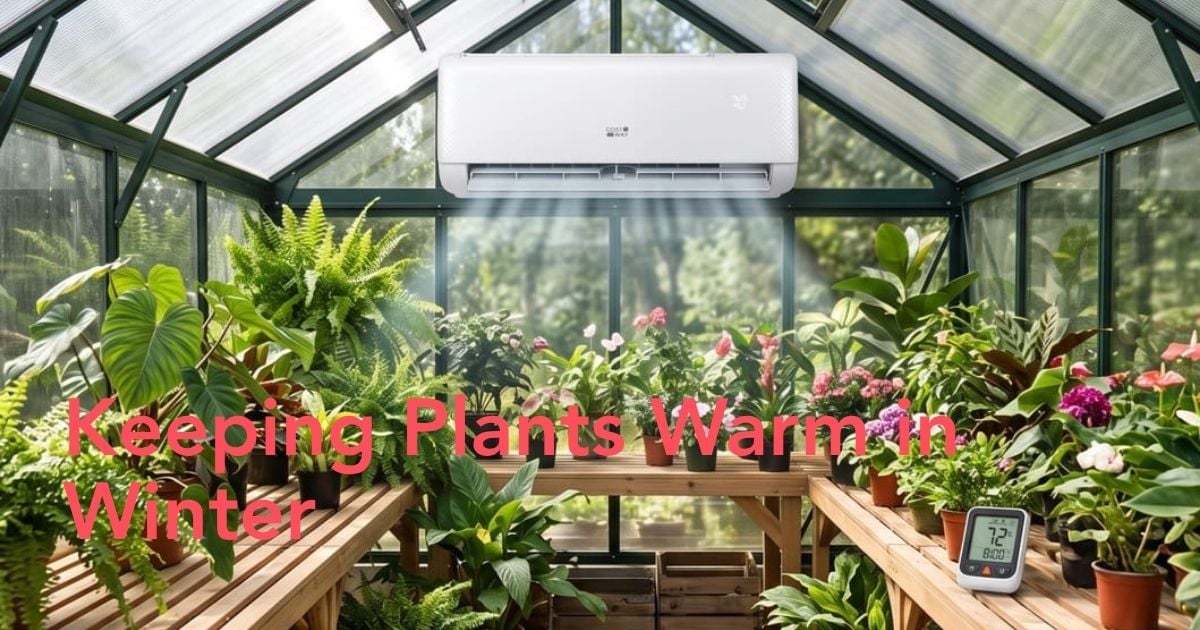
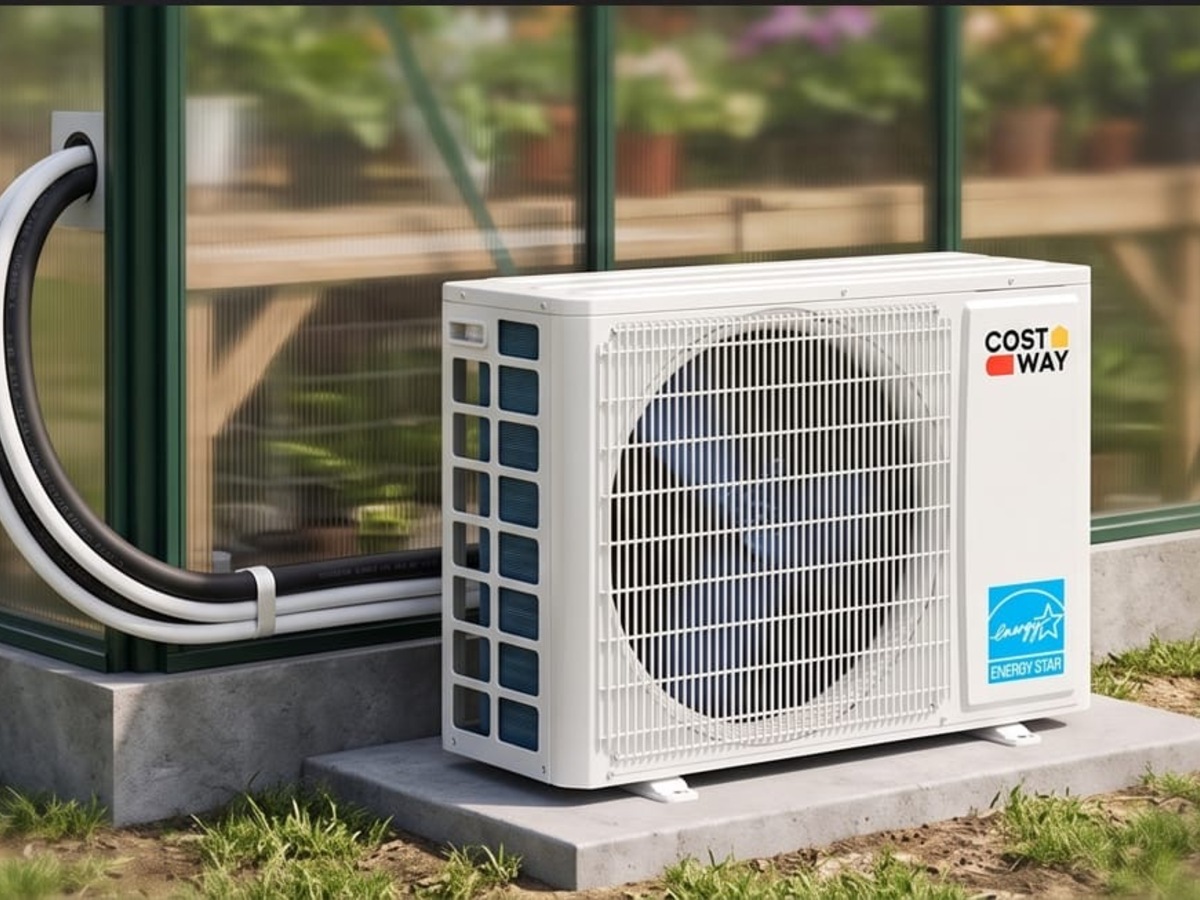
For growers who need more consistent control, especially in regions with long, hot summers, a small mechanical cooling unit can help maintain a more stable environment. A ductless mini split is one option some hobby growers use, since it can cool a defined space without requiring the kind of ductwork a larger HVAC system would need. This makes it a reasonably practical fit for a small, enclosed greenhouse structure where a whole-building system wouldn't make sense.
Sizing matters here. A unit that's too small won't keep up with a hot afternoon, while one that's oversized can cool the space too quickly and create humidity swings that aren't great for plants either. For a modest hobby greenhouse, growers sometimes look at something in the range of a 24000 btu air conditioner, though the right size really depends on the greenhouse's square footage, insulation, and how much direct sun it gets.
It's worth noting that any mechanical cooling adds ongoing running costs and needs a power source nearby, so it tends to make the most sense for greenhouses that are already fairly close to the house, or for growers who rely on their space year-round rather than just seasonally.
Brands that started out in furniture have increasingly branched into this kind of home equipment. Costway is one example: founded in the US in 2011, it grew from a furniture company into a broader home brand covering appliances, outdoor living, and wellness gear alongside furniture, with the goal of pairing practical function with everyday value.
For a grower comparing cooling options, that kind of range means a portable unit, a mini split, or another format can often be sourced from the same place, with the usual buyer protections worth checking for, like a return window and warranty support.
Watching Humidity Alongside Temperature
Cooling a greenhouse doesn't happen in isolation from humidity. As temperatures drop, relative humidity often rises, which can be good for some plants and a problem for others, particularly if it encourages fungal issues. Growers working with moisture-sensitive flowering plants, similar to the humidity considerations covered in guides on Stephania erecta care, will want to keep an eye on both figures rather than focusing on temperature alone.
A simple thermometer-hygrometer combo, placed at plant height rather than near the roof, gives a much more accurate read on what plants are actually experiencing than a wall-mounted unit near the door.
Protecting Plants During Heat Waves
Even with good ventilation, shading, and cooling in place, an unusually intense heat wave can still push a small greenhouse past what's comfortable for the plants inside. During these periods, it can help to water earlier in the day so plants aren't stressed by both heat and dehydration at once, and to temporarily move the most sensitive pots to a shadier spot outside the structure if that's an option.
For growers who use their greenhouse as one part of a broader seasonal setup, pairing it with other plant shelters can give more flexibility to move plants between environments as conditions change throughout the year.
Cooling a small greenhouse is mostly about layering simple solutions rather than relying on one fix. Ventilation and shade handle a lot of the everyday heat, fans help even things out, and mechanical cooling becomes worth considering when a region's summers are long, hot, or unpredictable. Whatever combination a hobby grower settles on, keeping an eye on both temperature and humidity, and adjusting as the season changes, goes a long way toward keeping plants healthy right through the hottest months.