Humanoid robots walked into 30 homes they had never seen and started doing useful work. No additional training. Four straight hours of video. The same week, the company posted the numbers behind it: 2.4 million video uploads, 115,000 weekly active users, 53 minutes of real-world data uploaded every second. That is the training data. The robots learned the kitchen from people filming themselves doing chores.
Nobody is filming the greenhouse. Yet!
Where Do Humanoid Robots Get Their Training Data?
From us!
Brett Adcock, Figure's founder, calls it the largest installed dataset in the world: humans operating in the real world. Someone puts on a camera, does the housework, uploads it. Millions of clips of the same ordinary work. The robot watches, and then it starts doing that work in a house it has never entered.
Helix 2.5 in 30 homes it had never seen. Video by Figure.
Work that gets filmed gets learned. Work that does not get filmed stays invisible to the people building the machines.
Where Does the First Greenhouse Robot Start?
Not in Kenya. A robot earns its place where an hour of human work is expensive, and the most expensive hours in our industry are under Dutch glass and in the packing halls of the importers and exporters around Miami, Aalsmeer, Paris. From 1 July 2026, an average worker's wage is around 30.00 euros an hour (the minimum wage is 14.99 euros an hour, before the employer's costs on top), and the people are harder to find every season. The greenhouse belts of Ontario and British Columbia run on the same math.
And the work there is as boring as it gets, which is exactly what a robot learns fastest. A Dutch rose greenhouse harvests about 328 stems per square meter a year. One hectare is 3.3 million cuts, some 9,000 a day, every day of the year. Then the grading line, the bunching, the sleeve, the box. Same movement, thousands of times. Boring is the job in my industry.

Look at an exporter like Holex in Aalsmeer. It flies Dutch flowers to America and other far markets, and everything it ships leaves in a box: bunched, sleeved, packed, and stacked by hand before it goes to the airport. The box is the product there, and every box is the same set of movements, all day, every day. If a robot ever learns our trade, that packing table is where it learns fastest. Expensive hours under one roof, the same work a thousand times a day.
Kenya and Ethiopia are a different sum. A month of flower work there costs a fraction of a Dutch worker's week, so the robot is not coming for that harvest any time soon, and nobody should pretend it is. Colombia and Ecuador sit in between, and their math is moving. Colombia raised its minimum wage by 23 percent in one go this year. Ecuador's basic wage is 482 dollars a month and goes up every January. For those farms, the camera is not about 2026. It is about being ready when the numbers cross.
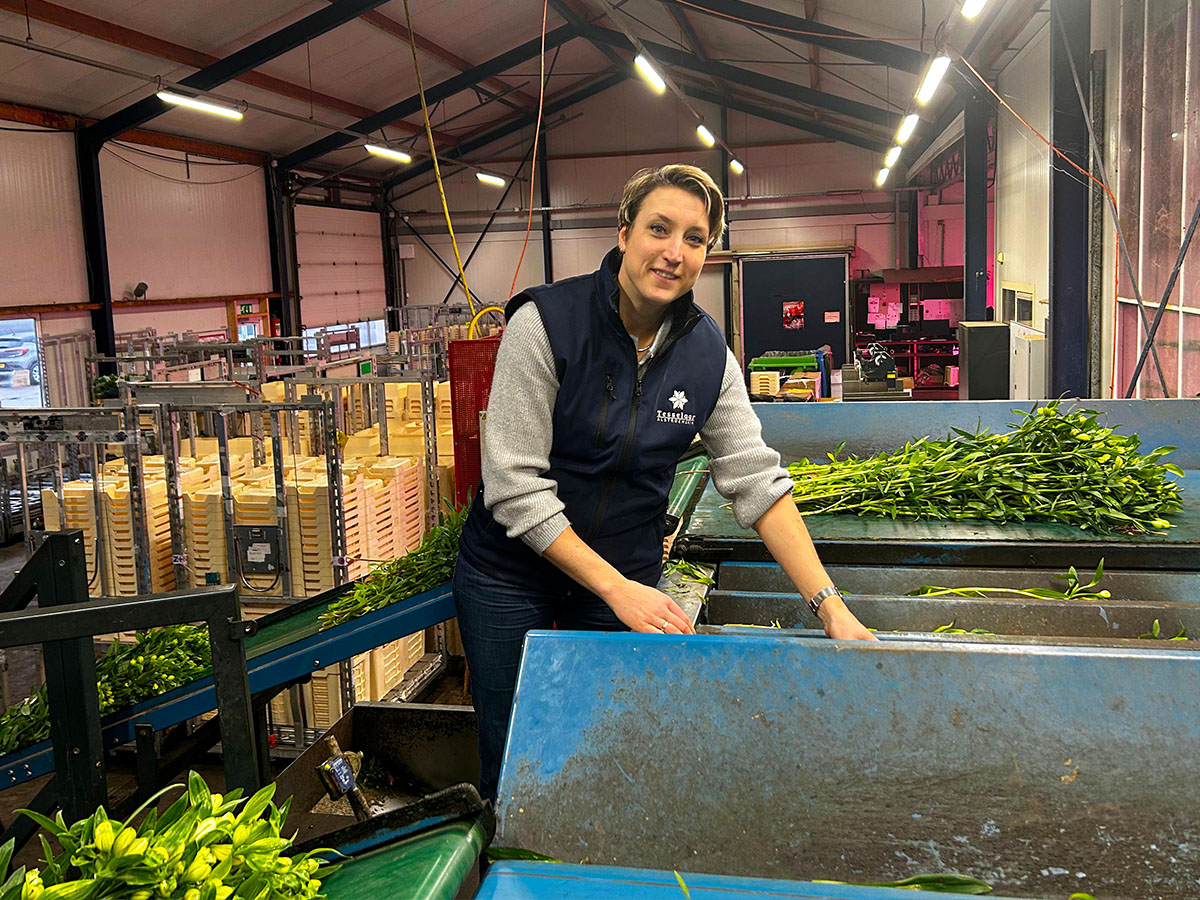
And there is no footage of any of it. Not of a grading line in Naaldwijk at 6 in the morning, not of a rose harvest under glass, not of a box being packed at an exporter. Not the kind a robot learns from: hours of it, from the hands, day after day. The kitchens are on file. The greenhouse is dark.
Who Owns the Greenhouse Dataset?
Nobody. Yet.
The grower has always been the buyer in this story. A tech company builds a machine, brings it to the greenhouse, runs a pilot, sends an invoice. With data, the order flips. Whoever wants to teach a robot to cut roses or pack a box needs one thing that cannot be bought in California: a year of the real work, filmed from the hands of the people doing it. The grower or exporter who has that on file gets the call. The others get the brochure.
That company wins. First to film, first to be called.
How Does a Grower Start?
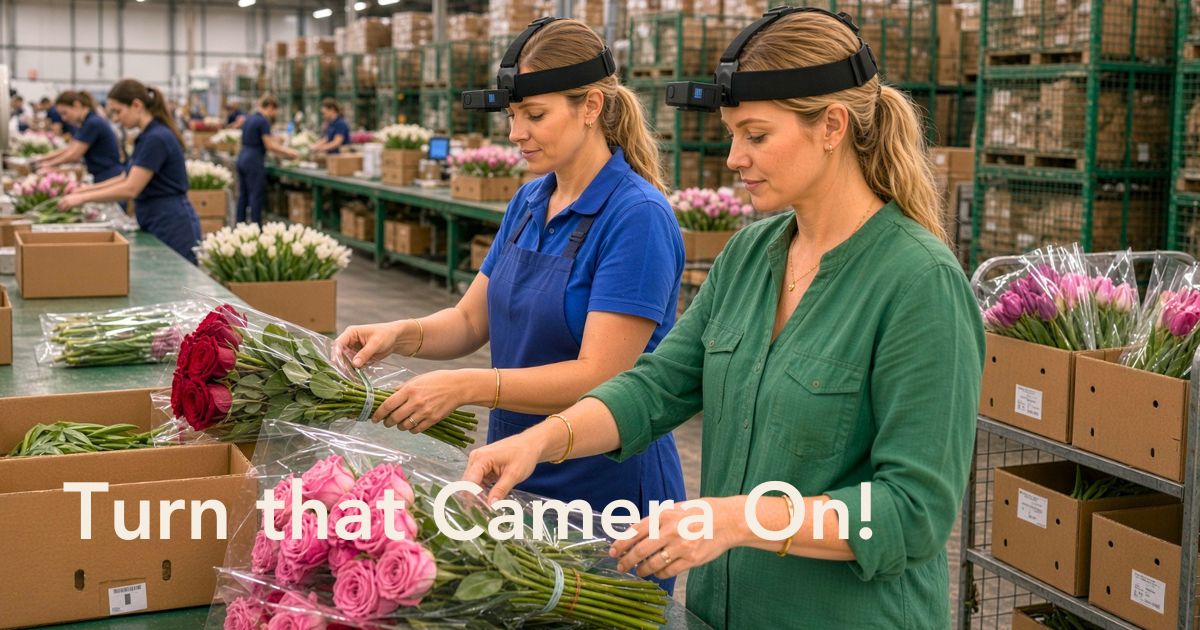
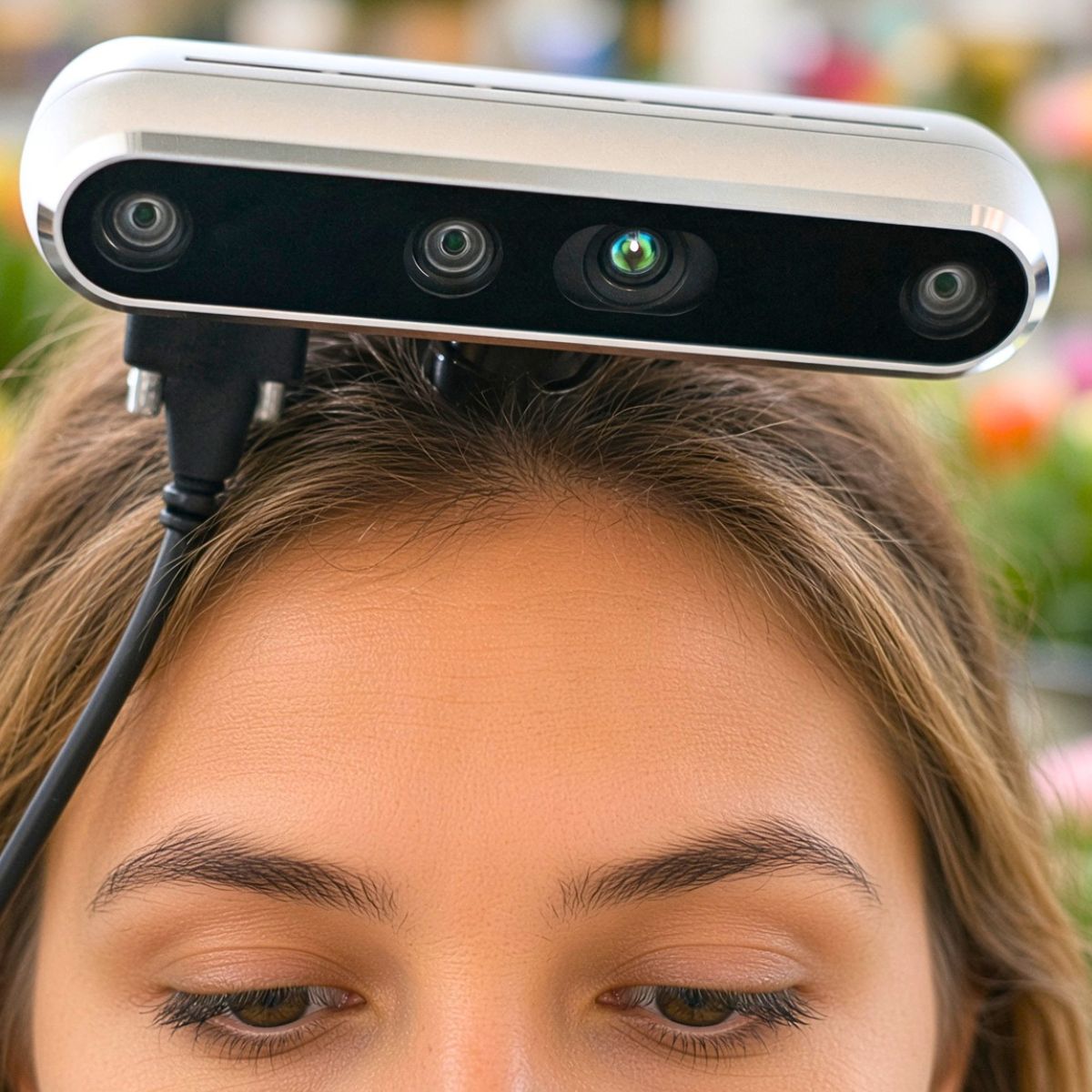
Small. One camera on the head of a person picking flowers in the greenhouse, or on the grading line. One on a harvest cart or above the packing table. One month. Same angle every day, from the first stem of the shift to the last box. Keep the raw files, all of them, uncut. Boring footage is the point. Figure posted four hours of it on purpose.
You don't need a robot company for this. No pilot, no grant. A camera and the discipline to leave it on. In a month you own something nobody else has: the first greenhouse dataset. In a year you own the one everybody wants.
The kitchen got filmed, so the robot learned the kitchen. The greenhouse is still dark. Whoever turns the camera on first wins.
If you start, tell me. I want to see the first hour.