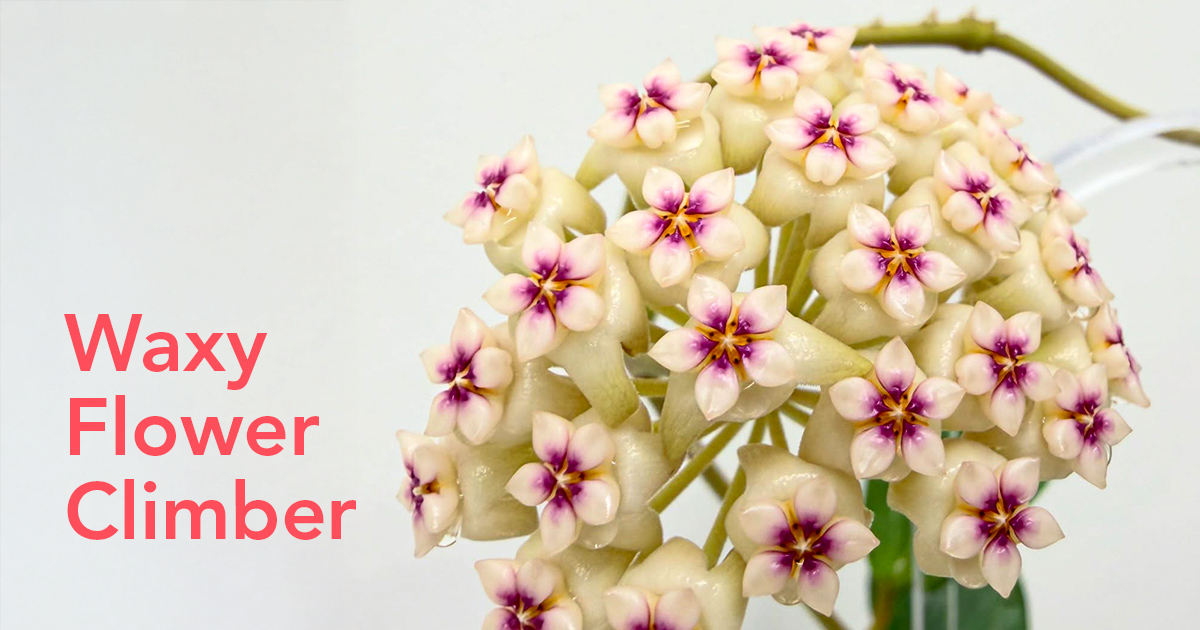
Hoya archboldiana is a tropical climbing plant known for its large, wax-like flowers and thick leaves. Native to Papua New Guinea, this species is valued by collectors and gardeners for its unique foliage and striking floral clusters. While many Hoyas are commonly grown indoors, Hoya archboldiana stands out because of the size of its flowers and its strong presence as a climbing or trailing plant.
Often referred to as the Papua Wax Plant, Hoya archboldiana can thrive both as a houseplant and in warm outdoor gardens. Under the right conditions, it produces vigorous vines and large flower clusters, making it a favorite among collectors of rare Hoya plants.
What Is Hoya Archboldiana?
Hoya archboldiana is a species within the Apocynaceae family, a group of plants known for their waxy flowers and climbing growth habit. It originates from the tropical forests of Papua New Guinea, where it grows as an epiphytic plant, attaching itself to trees and other structures while absorbing moisture from the humid air.
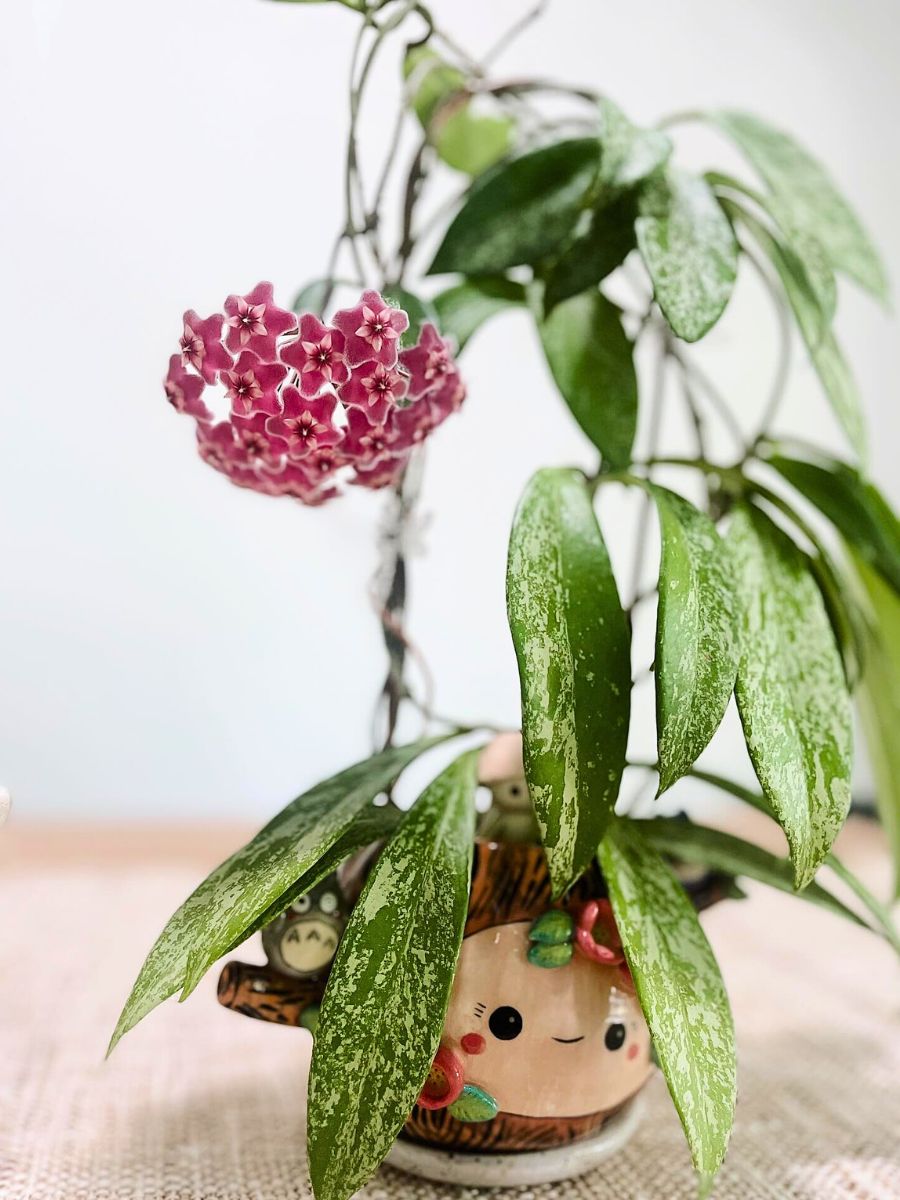
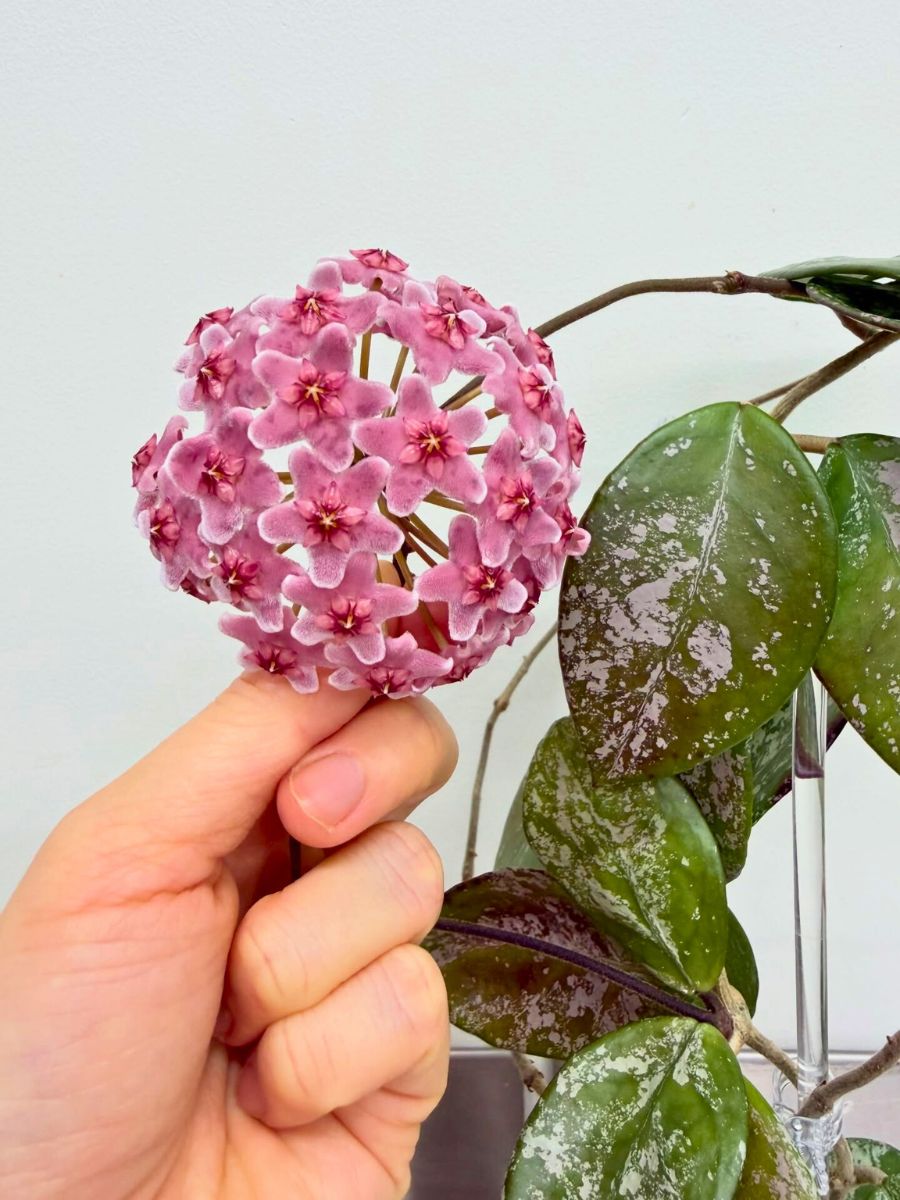
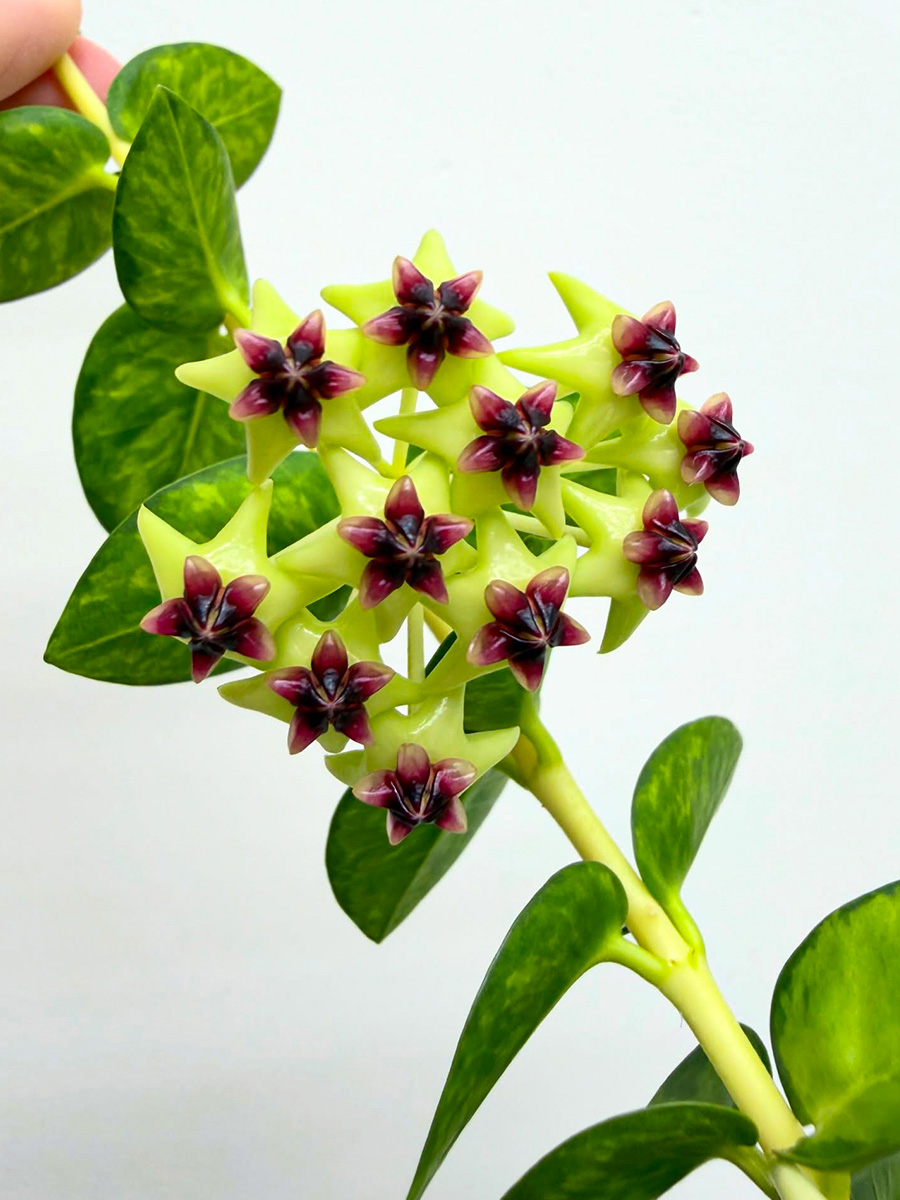
The plant was named in honor of Richard Archbold, an American explorer and naturalist who supported scientific expeditions to Papua New Guinea. In its natural habitat, the plant grows in warm and humid environments with filtered light, conditions that gardeners often try to replicate when growing it at home. The flowers of Hoya archboldiana are among the largest in the Hoya genus. They form rounded clusters and are often deep pink, red, or purple with lighter centers. These clusters can reach impressive sizes and give the plant a strong visual appeal when flowering.
The Papua Wax Plant as a Houseplant
Although it originates in tropical forests, Hoya archboldiana adapts well to indoor environments when basic conditions are met. This makes it a viable and rewarding houseplant for gardeners who enjoy growing tropical species. As a houseplant, the Papua Wax Plant develops long climbing stems that can be trained on trellises, hoops, or hanging supports. Many indoor growers allow the vines to trail from hanging baskets, where the plant can spread naturally.
Its thick leaves help it tolerate short periods of dryness, which makes it easier to manage indoors compared with some tropical plants that require constant moisture. However, good humidity and warm temperatures will encourage stronger growth and better flowering. Because of its size and growth habit, Hoya archboldiana is often better suited to spacious interiors, bright living rooms, or indoor plant collections where climbing plants can develop freely.
Growing Hoya Archboldiana Indoors
Successful indoor cultivation begins with recreating the plant’s natural environment as closely as possible. Light is one of the most important factors. Hoya archboldiana prefers bright indirect light. A position near a window with filtered sunlight usually works well. Direct midday sun may damage the leaves, but gentle morning light is generally safe.
Temperature also plays an important role. As a tropical plant, Hoya archboldiana grows best in warm conditions. Consistent warmth supports steady vine development and encourages flower formation.
Humidity improves the plant’s overall performance. While it can tolerate average indoor humidity, slightly higher levels often result in healthier growth. Placing the plant near other houseplants or in naturally humid rooms can help maintain the right environment. Good air circulation is also helpful, especially when the plant is grown indoors for long periods.
Soil and Potting Requirements
Hoya archboldiana grows best in well-drained soil that allows roots to breathe while still holding some moisture. A loose potting mix designed for epiphytic plants works well. Many growers combine orchid bark, perlite, and standard potting soil to create a mix that drains quickly while providing enough structure for root development.
Containers with drainage holes are essential. The plant does not tolerate waterlogged soil, and excessive moisture can lead to root problems. Terracotta pots can be useful because they allow excess moisture to evaporate more easily.
Repotting is usually required every two to three years or when the plant outgrows its container. When repotting, choose a slightly larger pot and refresh the growing medium to maintain good root health.
Watering the Papua Wax Plant
Watering practices should balance moisture and drainage. Hoya archboldiana prefers the soil to dry slightly between watering cycles. When the top layer of soil feels dry, the plant can be watered thoroughly until excess water drains from the bottom of the pot.
Overwatering is one of the most common problems when growing Hoyas indoors. Constantly wet soil may lead to root rot and slow plant growth. During cooler months or periods of slower growth, watering frequency should be reduced. The plant’s thick leaves act as moisture storage, allowing it to handle short dry periods without major stress.
Flowering and Growth Habit
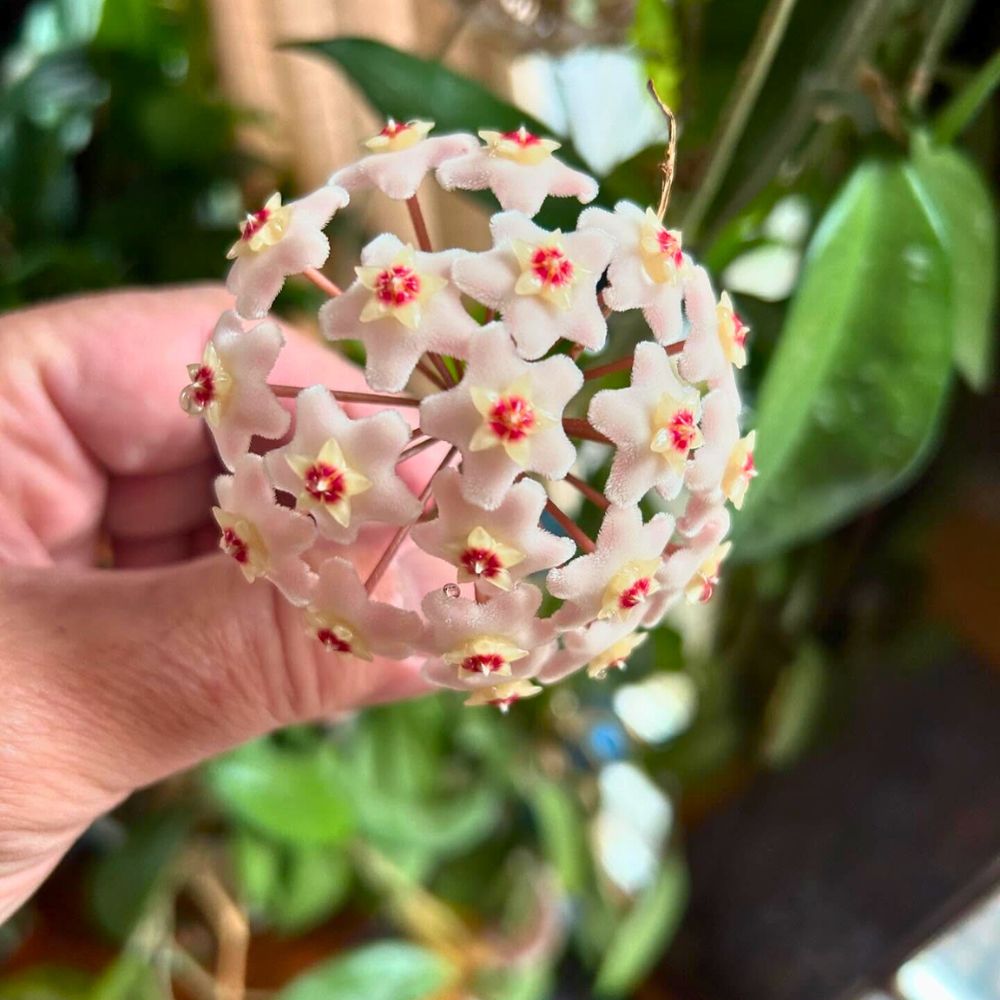
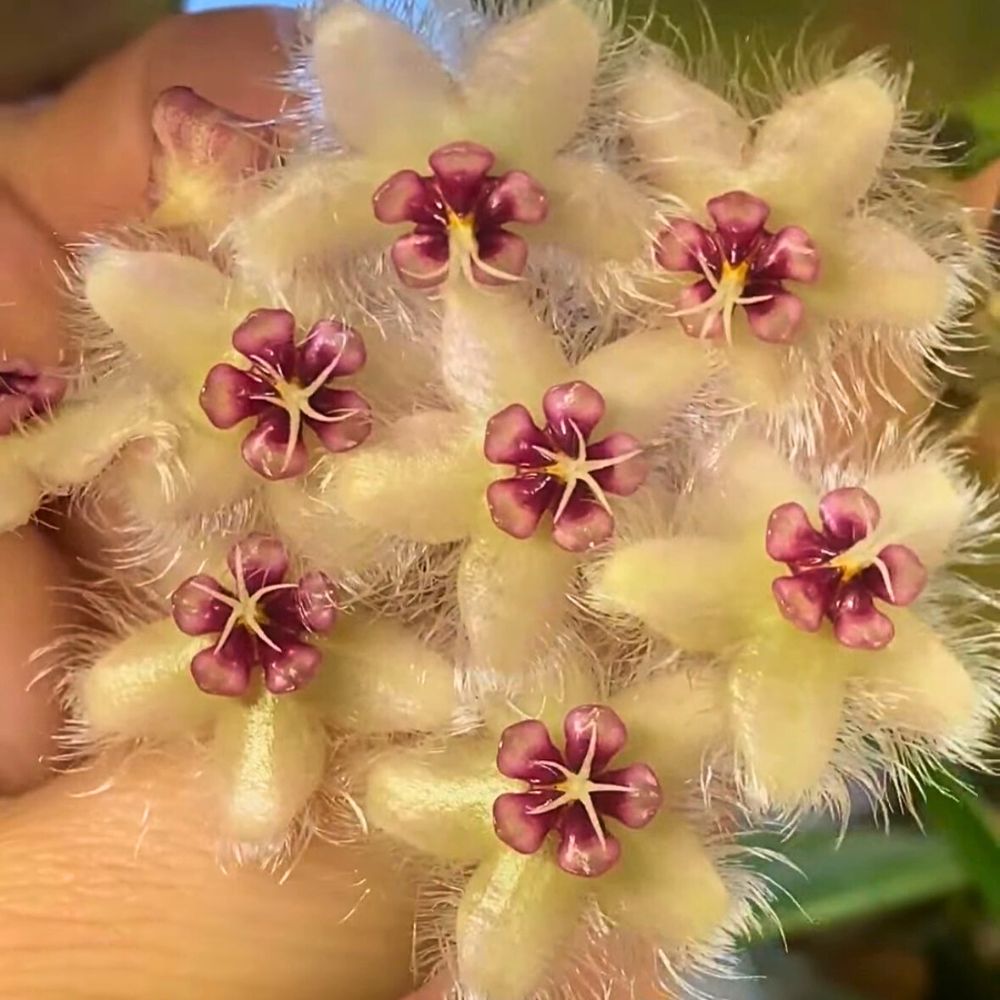
One of the most impressive features of Hoya archboldiana is its flowering display. When mature and well established, the plant produces large clusters of star-shaped flowers. These clusters are heavier and larger than those of many other Hoya species. The flowers are often richly colored, ranging from deep pink to dark red tones. They may also release a light fragrance, particularly during the evening.
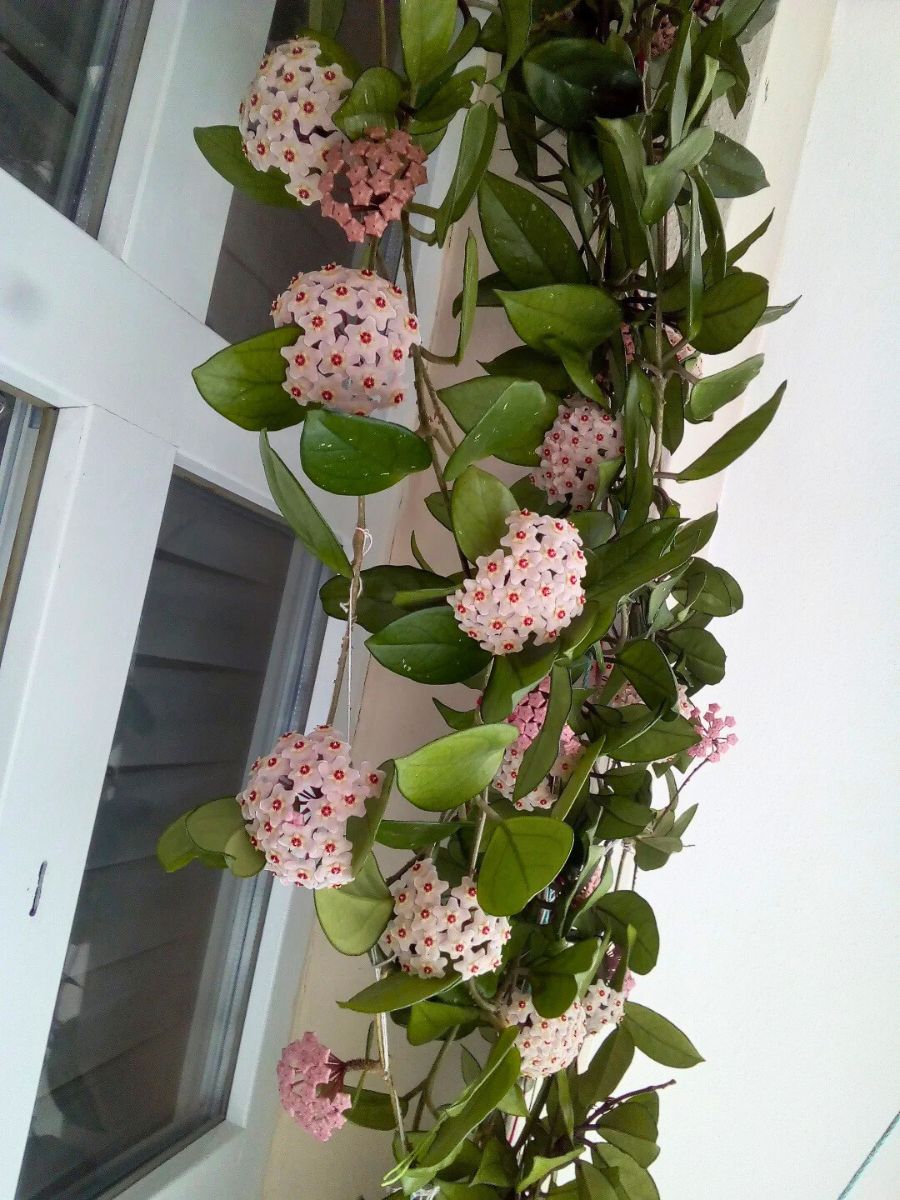
Flowering usually occurs on mature vines that receive sufficient light and warmth. It is important not to remove the small flower stalks after blooming, as future flower clusters often emerge from the same structures. Because the plant can grow long vines, providing a climbing support helps maintain a tidy shape and encourages stronger growth.
Growing Hoya Archboldiana Outdoors
In tropical or subtropical regions, Hoya archboldiana can also be grown outdoors. When planted in warm climates, it performs well in shaded garden spaces such as covered patios, verandas, or under tree canopies. Outdoor plants benefit from natural humidity and airflow. However, protection from strong sun and heavy rain is important. Filtered light conditions similar to forest understories are ideal.
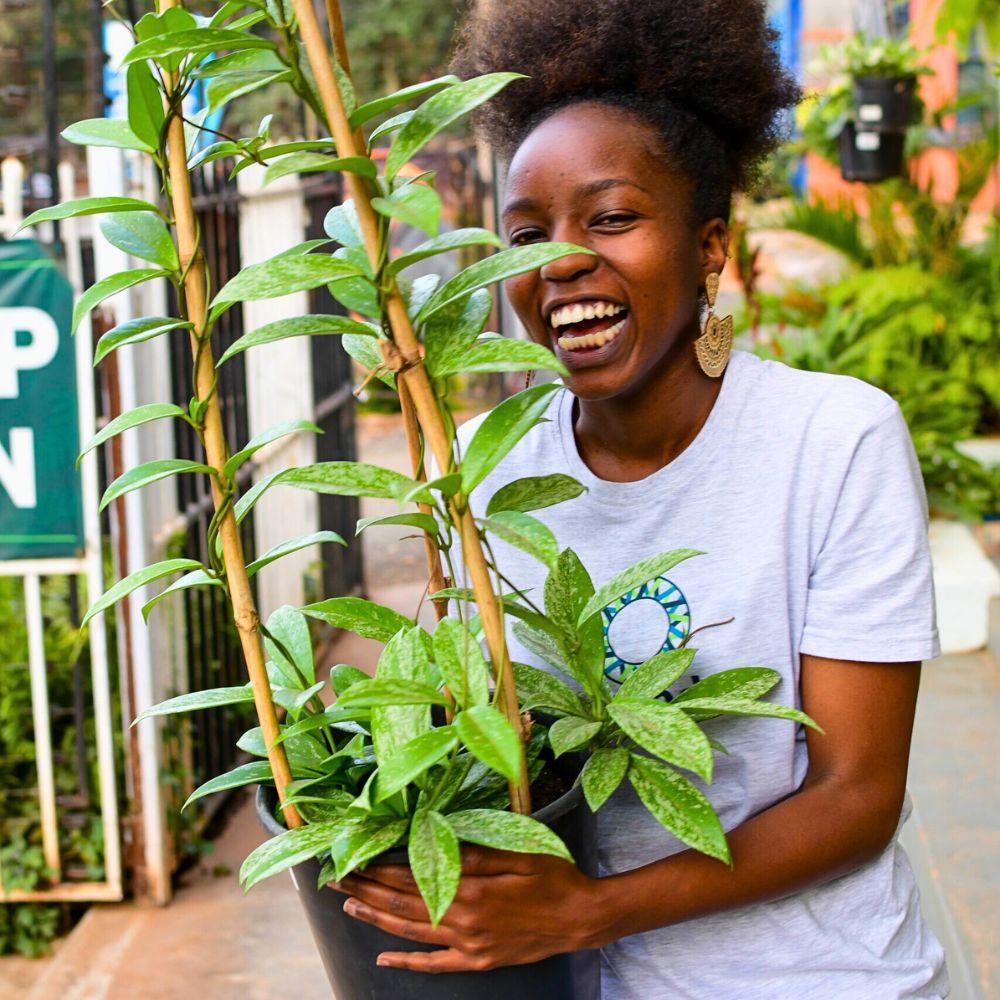
In cooler climates, the plant is usually grown year-round indoors or moved outside during warm months before being returned indoors when temperatures drop.
Common Challenges When Growing Hoya Archboldiana
Like many tropical houseplants, Hoya archboldiana is generally resilient but may experience a few common issues. Poor lighting can slow growth and prevent flowering. Increasing exposure to bright indirect light usually resolves this problem. Overwatering is another frequent challenge. Ensuring proper drainage and allowing the soil to dry slightly between watering helps protect the roots.
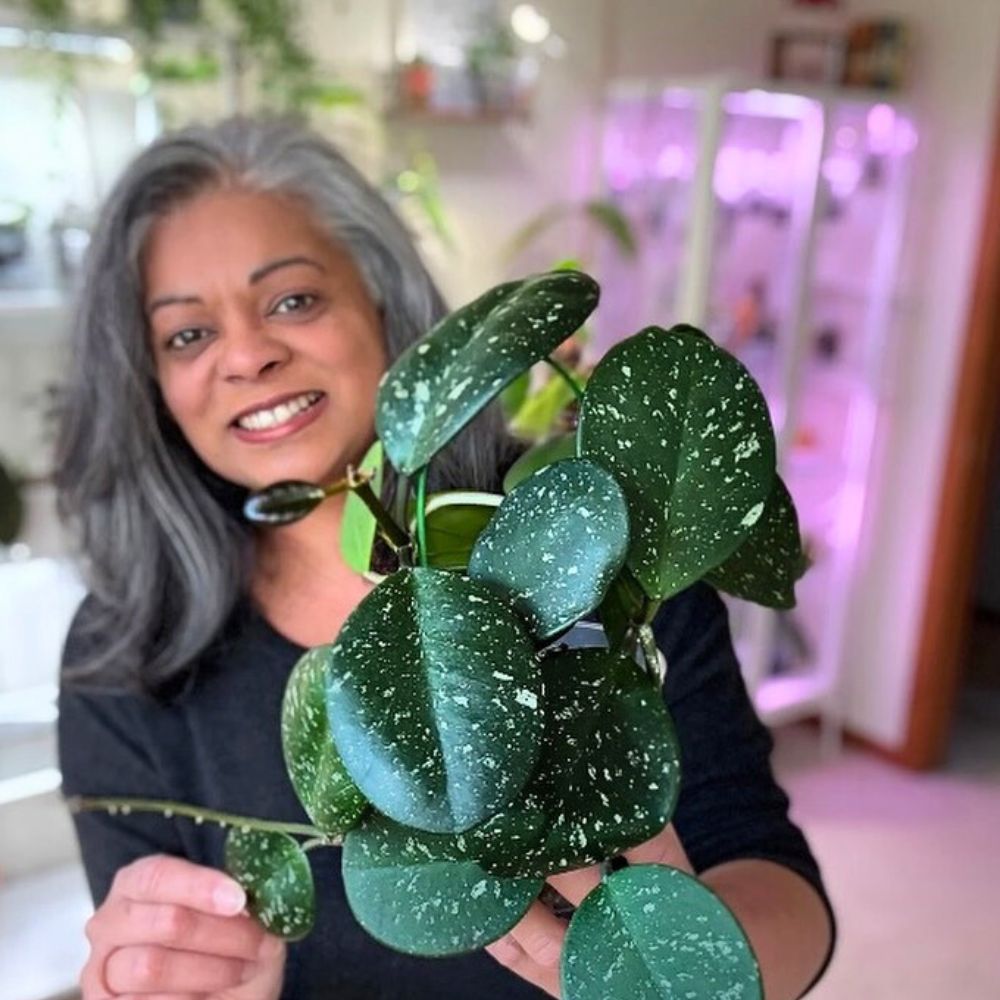
Pests such as mealybugs or spider mites may occasionally appear on indoor plants. Regular inspection of leaves and stems allows early detection and quick treatment before infestations spread. With consistent care, the plant remains healthy and continues producing new vines and foliage.
Why Hoya Archboldiana Appeals to Plant Collectors
Among Hoya enthusiasts, Hoya archboldiana is often appreciated for its dramatic flowers and vigorous growth habit. Compared with smaller Hoya species, it produces larger flower clusters that create a stronger visual impact.
Its connection to the tropical forests of Papua New Guinea also adds botanical interest for collectors who enjoy plants with clear geographic origins.
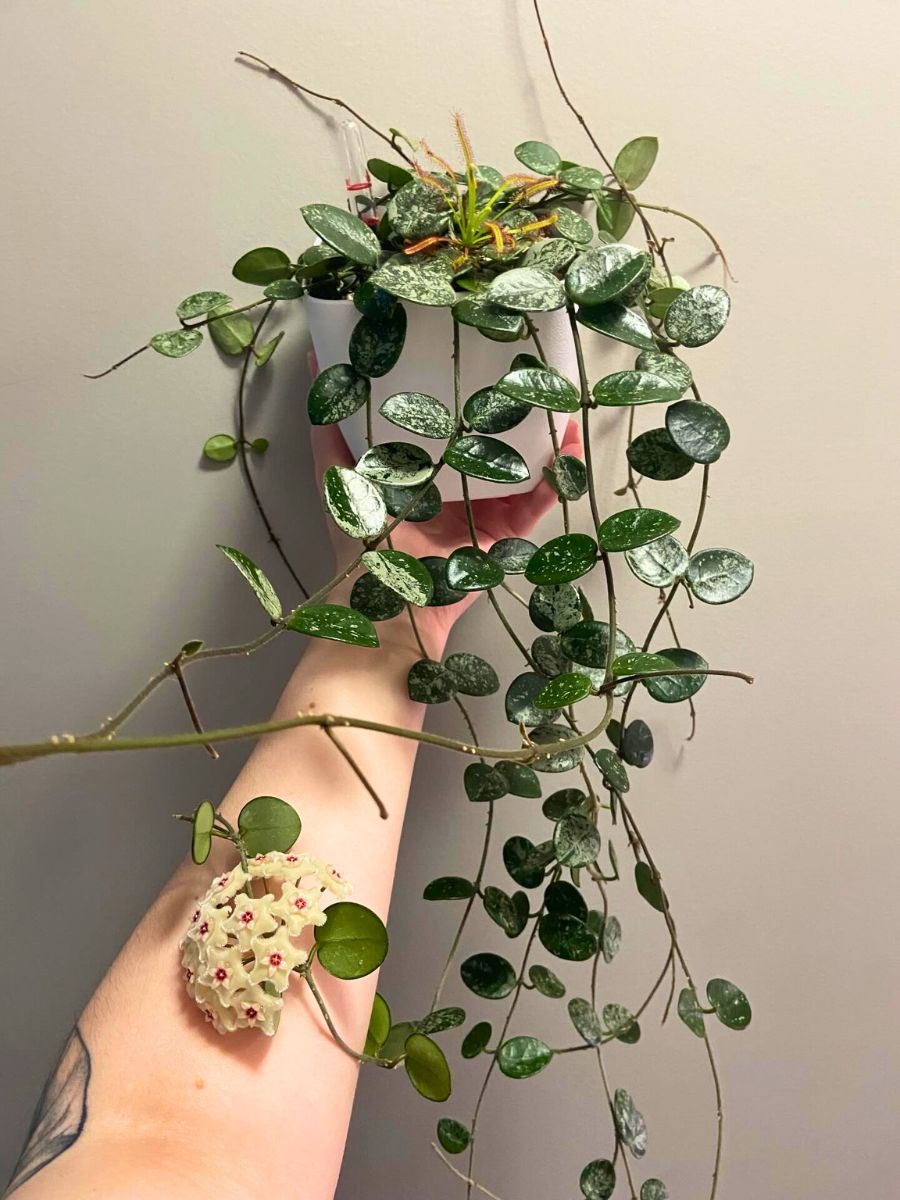
For gardeners interested in expanding their indoor plant collections, the Papua Wax Plant offers both ornamental value and a rewarding growing experience. With bright light, warm temperatures, and well-drained soil, Hoya archboldiana can become a striking climbing houseplant that continues to develop year after year.
Header image by @hoyaiminlove.