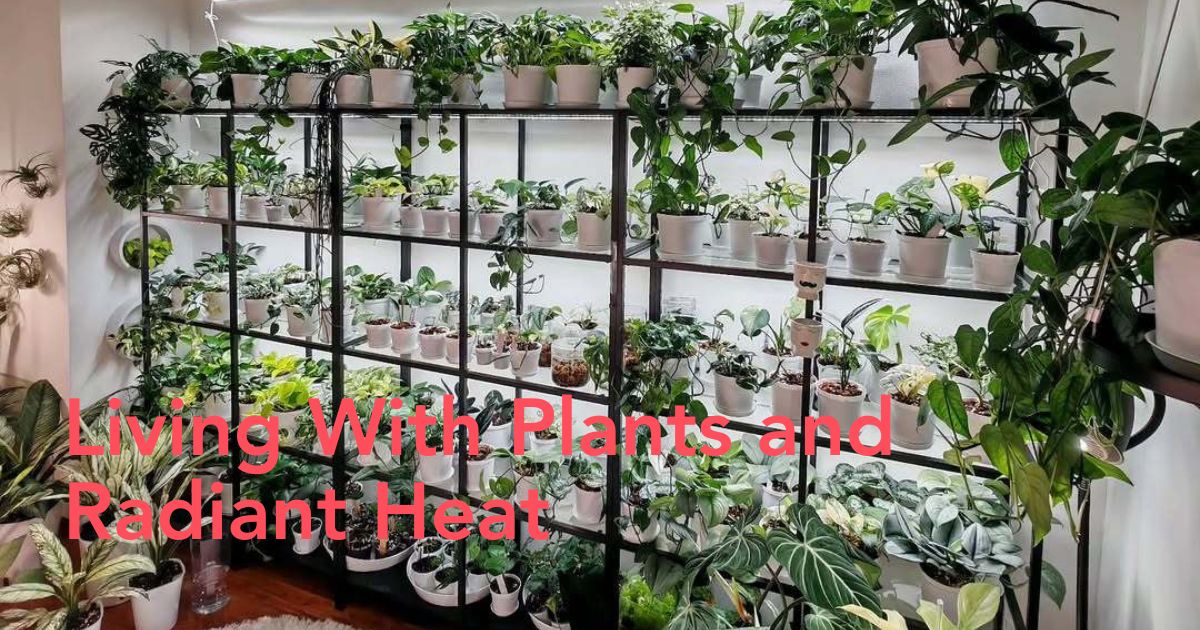
Underfloor heating is one of those upgrades that makes winter at home feel quietly luxurious. Warm tiles, no noisy vents, no radiators stealing wall space, just gentle heat rising from the floor. But if you live with a lot of indoor plants (and let’s be honest, many of us are only a few pots away from a full jungle), you may wonder: Does underfloor heating hurt or help houseplants?
The short answer: with a little awareness and a few simple adjustments, most houseplants do perfectly well, and many even thrive, in homes with radiant floors. High-quality systems, like those supplied by ProLux Materials, create stable, even warmth rather than harsh blasts of hot air. For plants, that stability is a big plus. The key is understanding how warm floors change soil moisture, root temperature, and humidity, and then adapting your plant care accordingly.
You can find more floral inspiration here: Trending Houseplants Shaping the Year Ahead
How Underfloor Heating Works (From a Plant’s Perspective)
Unlike traditional radiators or forced-air systems, underfloor heating is a radiant system. Warm water pipes or electric cables run beneath the floor, gently heating the surface. That warmth slowly radiates upwards, creating an even temperature from floor to ceiling, with no drafts and fewer sudden temperature swings.
For plants, that means:
- Less hot, dry air blowing directly over foliage.
- More stable room temperatures, especially in winter.
- Warmer floor surfaces that can influence root zones and soil moisture.
So while the air often feels softer and less turbulent, a win for most foliage, the soil environment around your plants can change in subtle but important ways.
Key Ways Underfloor Heating Affects Houseplants
1. Faster Soil Drying
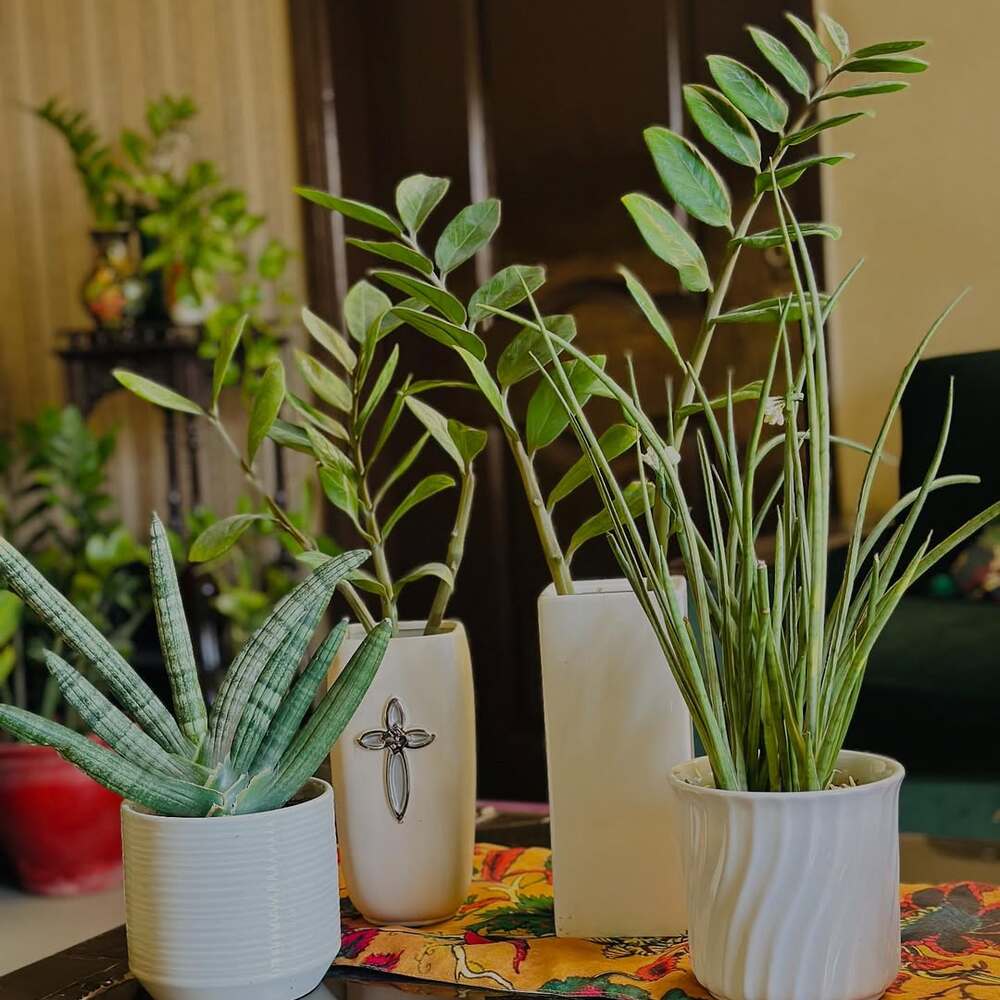
Because the warmth originates beneath your pots, moisture in the soil tends to evaporate more quickly, especially if your plants are sitting directly on the floor. Terracotta pots amplify this effect since they are porous and wick water away from the root zone.
What you’ll notice: Soil that used to stay moist for 5–7 days may now dry out in 3–4, particularly in smaller pots and shallow containers.
How to adapt:
- Check soil moisture more frequently in winter, don’t rely on your summer watering rhythm.
- Consider using ceramic or plastic pots for moisture-loving species.
- Add a thin top dressing of sphagnum moss or fine bark to slow evaporation.
2. Warmer Root Zones
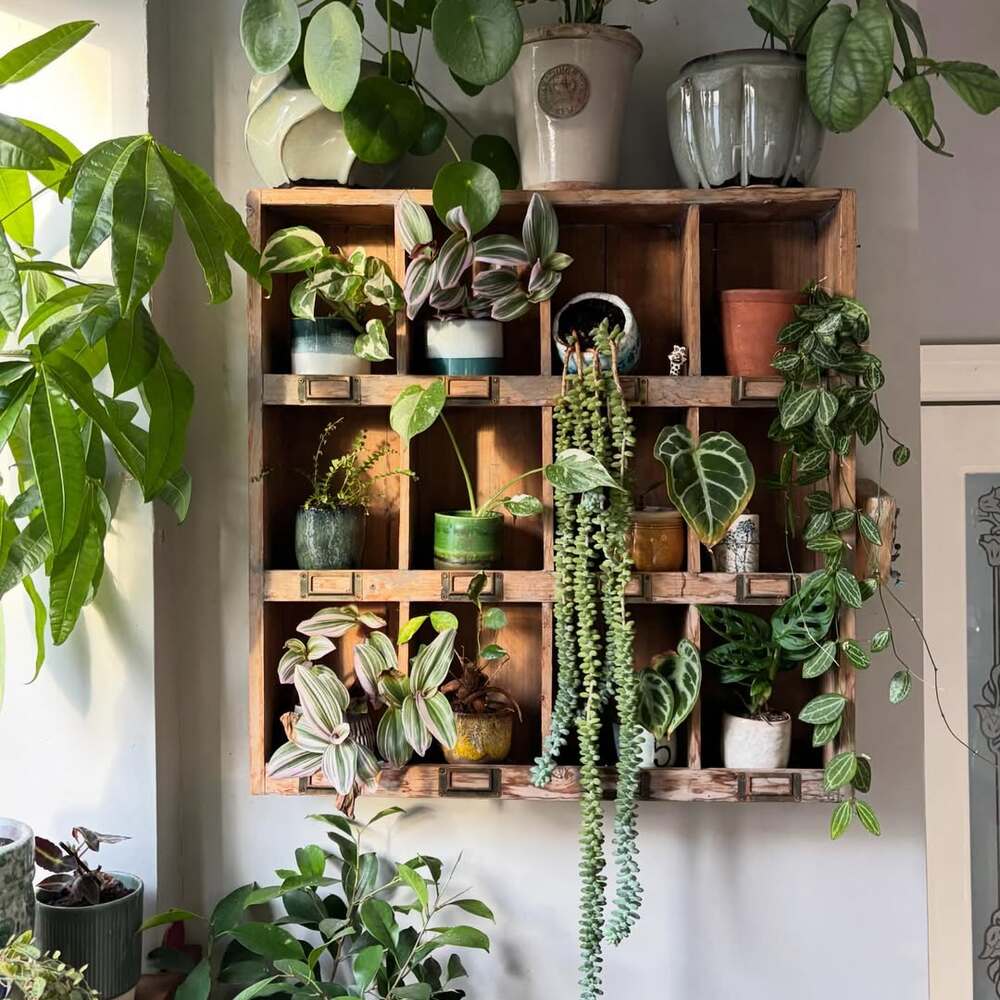
Most tropical houseplants, think Monsteras, Philodendrons, Alocasias, love slightly warm roots. It reminds them of the forest floors they evolved in. For these plants, a gently warmed floor can actually encourage growth and reduce winter sulking.
However, some plants prefer cooler, more stable root temperatures, including certain succulents, some aroids, and species adapted to temperate climates. For them, sitting directly on very warm tiles for months can be a bit stressful.
|
Plant Type |
Typical Reaction to Warm Floors | Suggested Placement |
| Tropicals (Monstera, Alocasia, Anthurium) | Generally positive, like warm, stable roots | On stands or trays, near bright light |
| Ferns & Calatheas | Enjoy warmth but need consistent moisture | On risers with higher humidity support |
| Succulents & Cacti | Tolerant but dislike over-warm + overwatered roots | Near light, slightly off the floor |
| Cooler-climate species | May prefer distance from the warmest spots | On shelves, tables, or window sills |
When in doubt, lifting pots slightly on plant stands, risers, or decorative trays gives roots a gentler microclimate while still benefiting from overall room warmth.
3. Lower Humidity in Heated Rooms
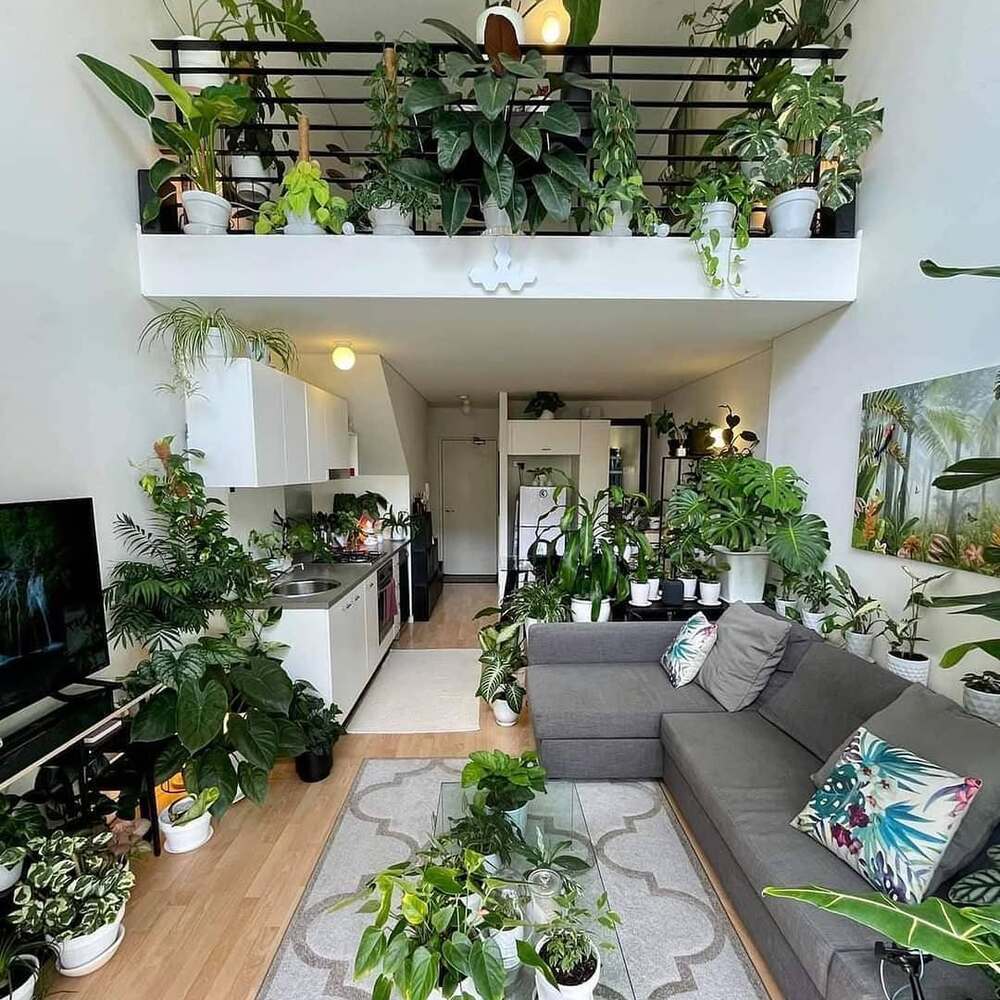
Winter already tends to dry out indoor air, and warm flooring can contribute modestly by encouraging evaporation from soil and surfaces. Many beloved tropicals prefer 50–60% humidity, while heated homes can easily drop below 30%.
That doesn’t mean your indoor jungle is doomed, it just means you may need to support humidity more intentionally:
- Run a small humidifier near plant groupings during the coldest months.
- Cluster plants together to create mini humidity pockets.
- Use pebble trays filled with water under pots (without letting pots sit in the water).
For inspiration on designing lush but balanced spaces, this guide on bringing nature indoors is a great resource for combining greenery, comfort, and style.
4. Pot Materials Behave Differently Over Warm Floors
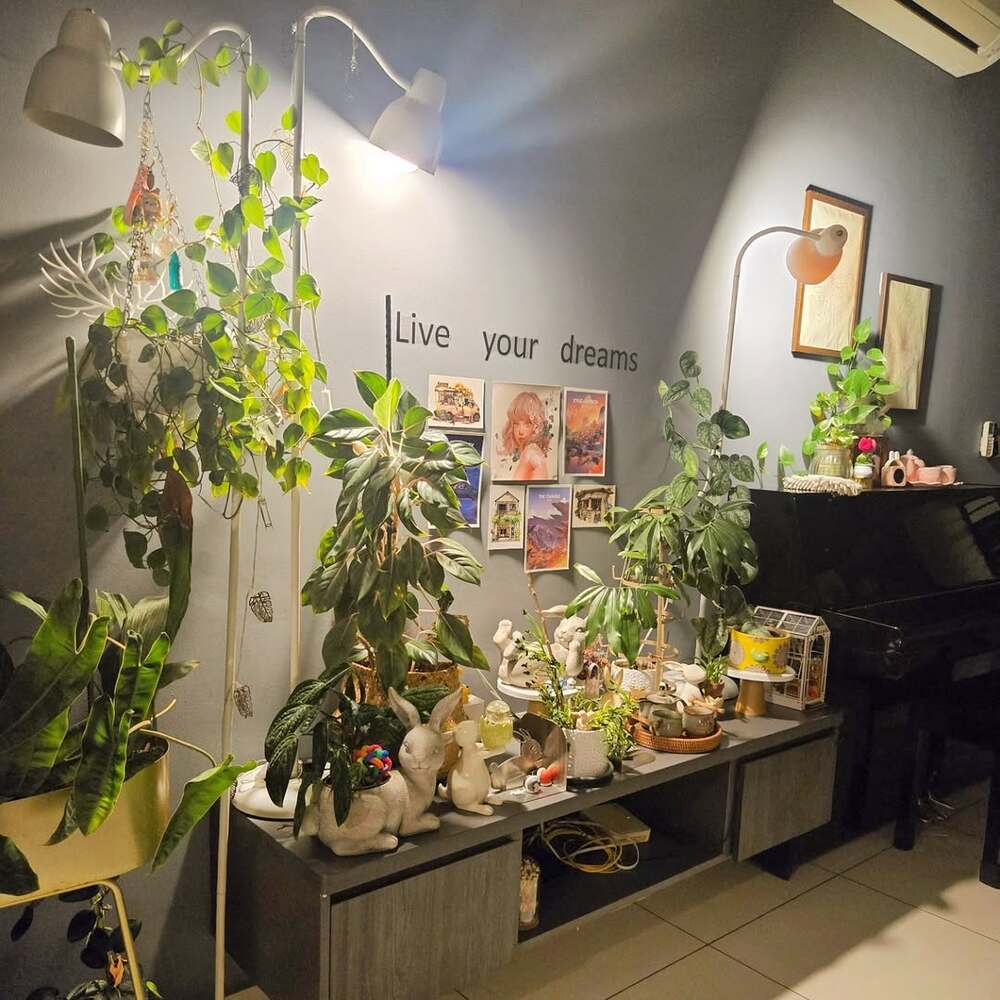
The type of pot you use becomes more important with underfloor heating:
- Terracotta: Beautiful, breathable, but dries out root zones fastest.
- Glazed ceramic: Good compromise, stable moisture with moderate evaporation.
- Plastic: Retains moisture longest, often ideal for thirsty tropicals.
- Metal: Can heat up quickly and isn’t ideal directly on warm floors.
You don’t have to change everything, but being aware of how pot choice influences watering gives you more control.
Where to Place Plants in Rooms With Underfloor Heating

Placement has always mattered in plant care (light first, always), but underfloor heating adds one more subtle layer to think about. The goal is simple: provide plants with consistent warmth without exposing them to extreme temperature differences between the floor, window, and exterior walls.
Good placement options:
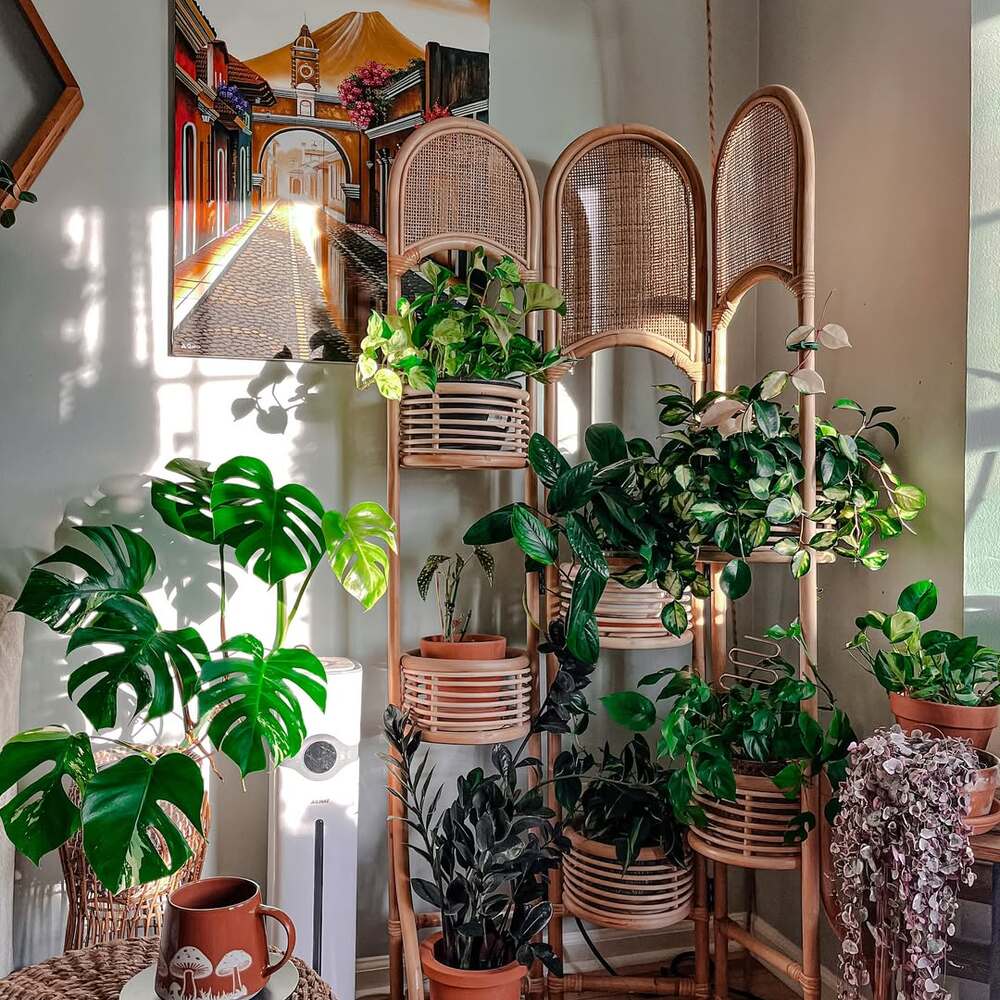
- On shelves, plant stands, or side tables rather than directly on the bare floor.
- Near bright windows, but not pressed against cold glass in winter.
- Grouped in “plant corners” where humidity and temperature are fairly stable.
In smaller spaces like bedrooms, a few elevated plants with radiant warmth below can feel incredibly cozy. For clever small-space ideas, take a look at bedroom jungle plant ideas.
In bathrooms with underfloor heating, many humidity-loving plants genuinely thrive, as long as you’re mindful not to let them sit in bone-dry soil. The feature on the best bathroom plants is a useful guide if you want to turn a warm, tiled room into a mini spa garden.
Which Houseplants Do Best With Underfloor Heating?
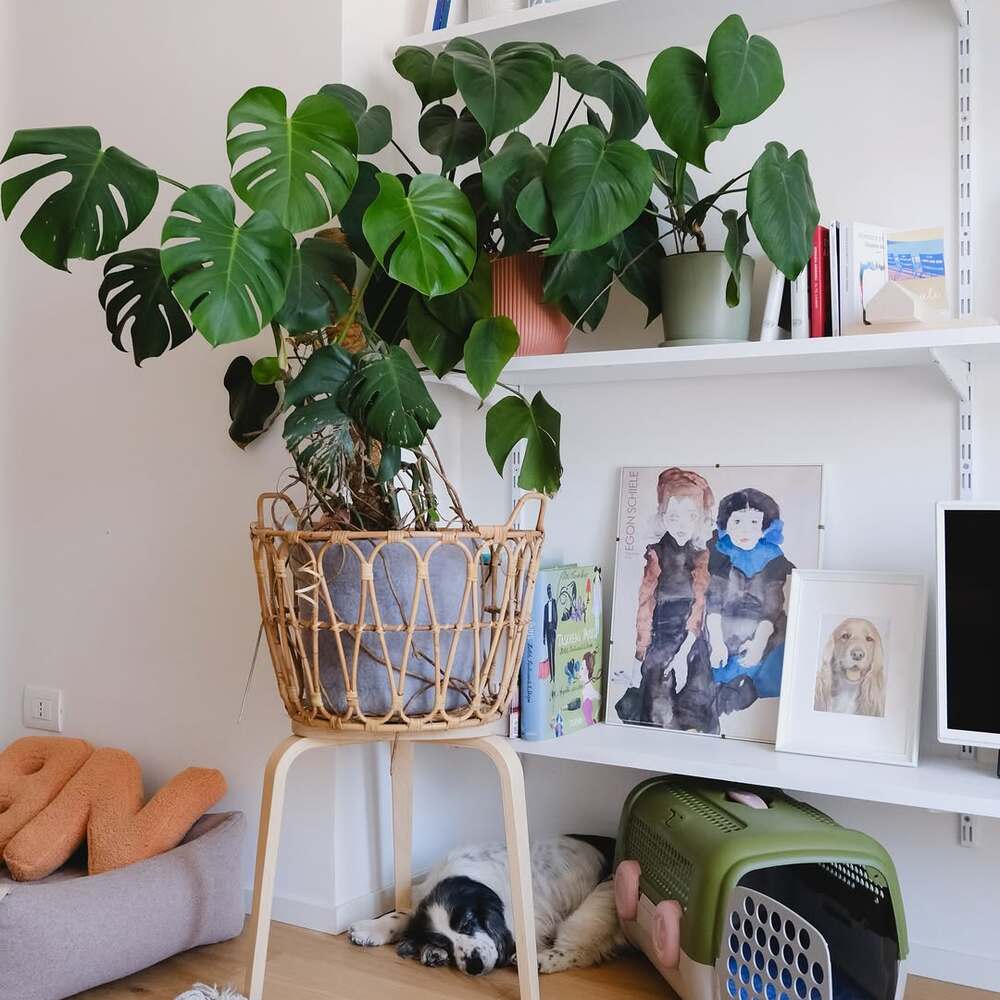
Plants that originate from warm, humid climates tend to do particularly well in rooms with radiant floors, provided you balance warmth with moisture and light. Think big leaves, jungle vibes, and growth that doesn’t stop just because it’s January.
Some good candidates include:
- Monstera deliciosa and other big-leaf Philodendrons
- Bird of Paradise (Strelitzia)
- Ficus species like Fiddle Leaf Fig (with good light)
- Alocasia, Anthurium, and other tropical aroids
- Humidity-loving ferns in bathrooms or grouped with friends
If you prefer dramatic foliage or sculptural plants, you’ll find plenty of inspiration in Thursd’s features, like tall houseplants for a bold statement and other indoor plant collections.
Meanwhile, shade-tolerant plants such as ZZ plants, some palms, and Aglaonema can still do well in warmer rooms, they just need light levels suited to their needs. For darker corners in heated spaces, check out the best plants for shade or darker rooms to choose species that won’t sulk when the sun is low.
Practical Care Tips for Plant Parents With Radiant Floors
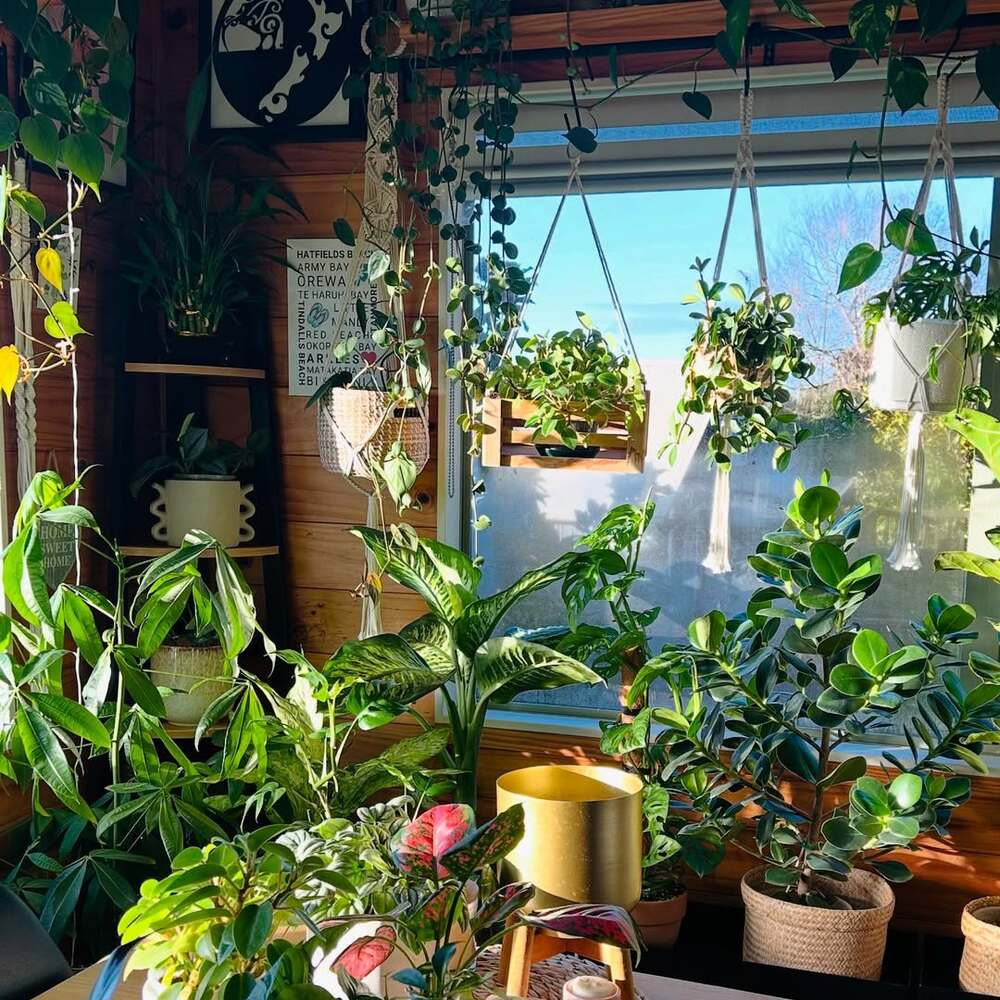
If your home has an underfloor heating system, here’s a simple checklist to keep your plants happy:
- Adjust Your Watering Rhythm
Expect the soil to dry a little faster. Instead of watering on a fixed schedule (“every Saturday”), switch to checking the top few centimetres of soil with your finger. Only water when it feels dry to the touch for most plants, and keep a closer eye on smaller pots.
- Use Risers, Trays, and Stands
Lift pots slightly off the floor using plant stands, decorative blocks, or saucers with feet. This reduces direct heat exposure to roots while still letting them enjoy the overall ambient warmth.
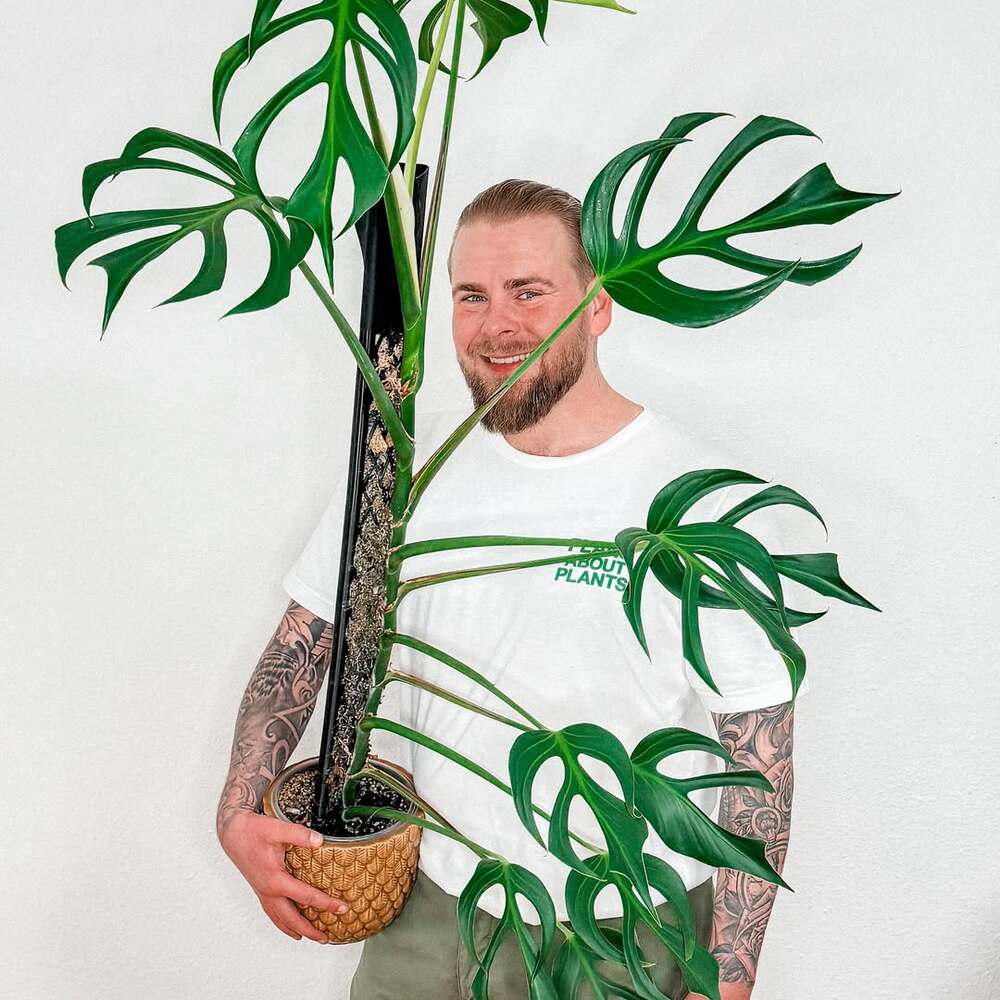
- Support Humidity Where Needed
Group tropical plants, add a humidifier nearby, or use pebble trays. Focus efforts on “high-need” plants first (Calathea, ferns, Alocasia), and you won’t have to humidify the entire house.
- Match Plants to Microclimates
Use warmer, brighter spots for tropical lovers and slightly cooler, more elevated spots for succulents and desert species. Think of each room as having micro-zones: floor level, mid-level (tables and stands), and high shelves.
So… Is Underfloor Heating Good or Bad for Houseplants?
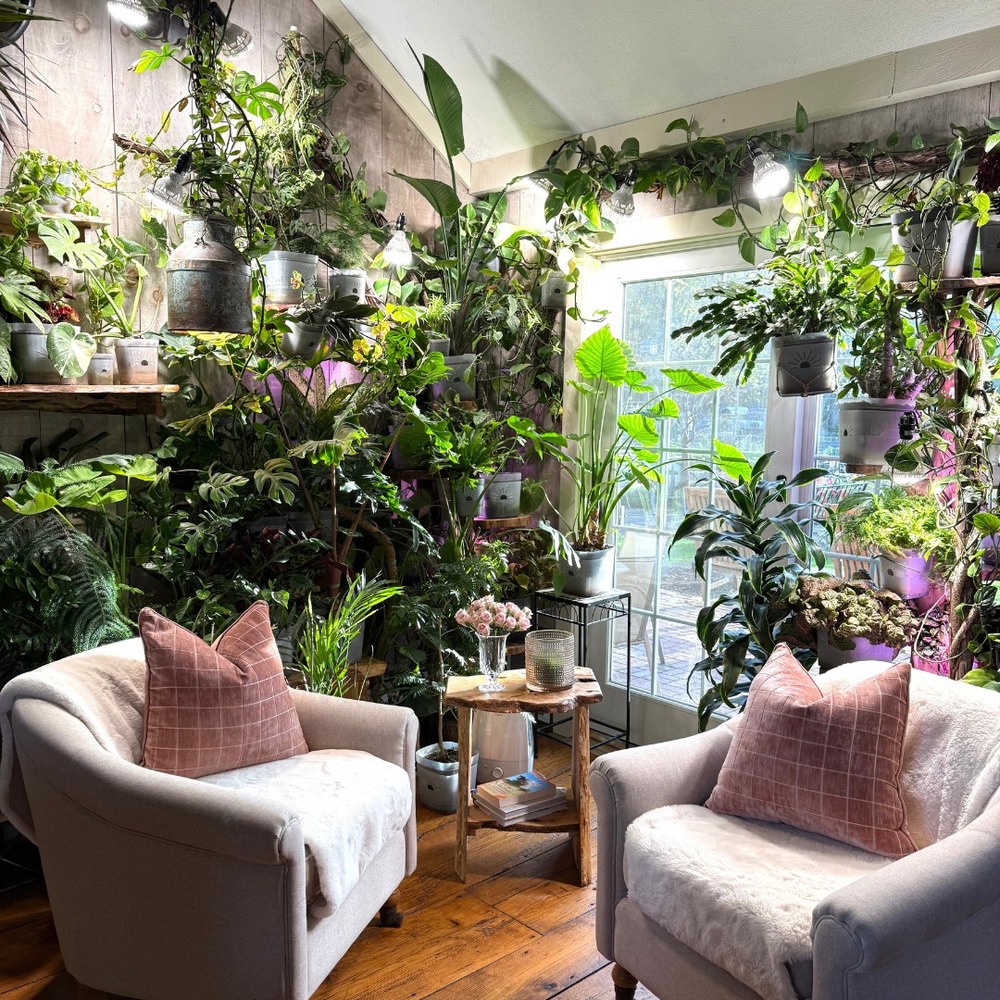
On balance, underfloor heating is more friend than foe. It creates the kind of stable indoor climate that many plants quietly appreciate. There’s no dry, hot air blowing directly over leaves, fewer drastic temperature swings, and a general sense of consistent warmth, all things most foliage responds well to.
The main adjustments are surprisingly manageable:
- Pay attention to soil moisture and water a bit more mindfully.
- Lift sensitive plants slightly above the warmest part of the floor.
- Support humidity for your tropicals during winter.
Do that, and your Monstera, Philodendron, or carefully curated rare collection can thrive happily above a radiant floor, while you enjoy warm feet and a quieter, more efficient home-heating setup. It’s a win for plant parents and people alike.
If you’re planning a renovation or building a plant-forward home from the ground up, pairing a well-designed underfloor system from ProLux Materials with thoughtful plant placement and care is one of the most comfortable combinations you can create indoors.
Warm floors, thriving foliage, and no cold corners? That’s indoor living upgraded.
Header image by @my_greener_home