A rose can be red, pink, white, yellow, or any of the colors found naturally in the flower. But what happens when a customer wants something completely different?
A specific shade, a particular design, or a color inspired by an event, a brand, or simply an idea they have in mind. That is where tinting opens up a different side of roses. At Star Roses, the philosophy is simple: You think, we create. If you've always wondered how tinted roses get those extreme and different colors, you'll learn to differentiate between the two methods: absorption and airbrushing.
You Think It and Star Roses Puts It on a Rose
A rose can only grow in so many colors naturally. Star Roses doesn't have to work within those limits. Give the tinted rose experts a color, a reference, a seasonal idea, or a very specific request, and the process can begin from there. Through tinting, roses can take on colors and finishes that don't occur naturally, giving florists, designers, event planners, and customers a much wider palette to work with.
How does a rose get tinted from scratch? In this video, you'll learn how!
The idea behind Star Roses' approach is summed up in four words: 'You think, we create'. It captures the role of customization in the company's tinted rose program, where a finished design can start with something as simple as a color preference or as specific as a reference that a customer wants translated into a flower.
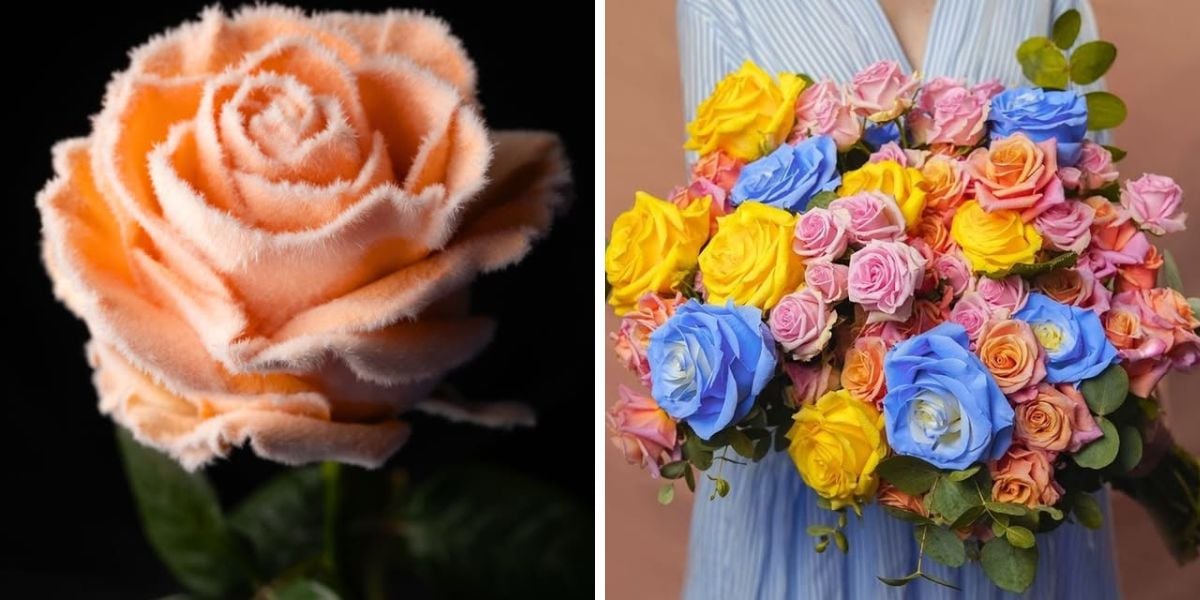
Tinting has become a significant part of their portfolio, with more than 400 tinted rose designs developed through its production and post-harvest processes. The collection includes different colors, finishes, and concepts, with designs developed around seasons, trends, and customer requests. But before getting into all the possibilities, it helps to understand what actually happens to the rose. Star Roses works with two main approaches to tinting, and they work in very different ways. You may also read 'The Season's Boldest Wedding Trend? Tinted Roses Are Stealing the Spotlight' to know how tinted roses are stealing the show at weddings!
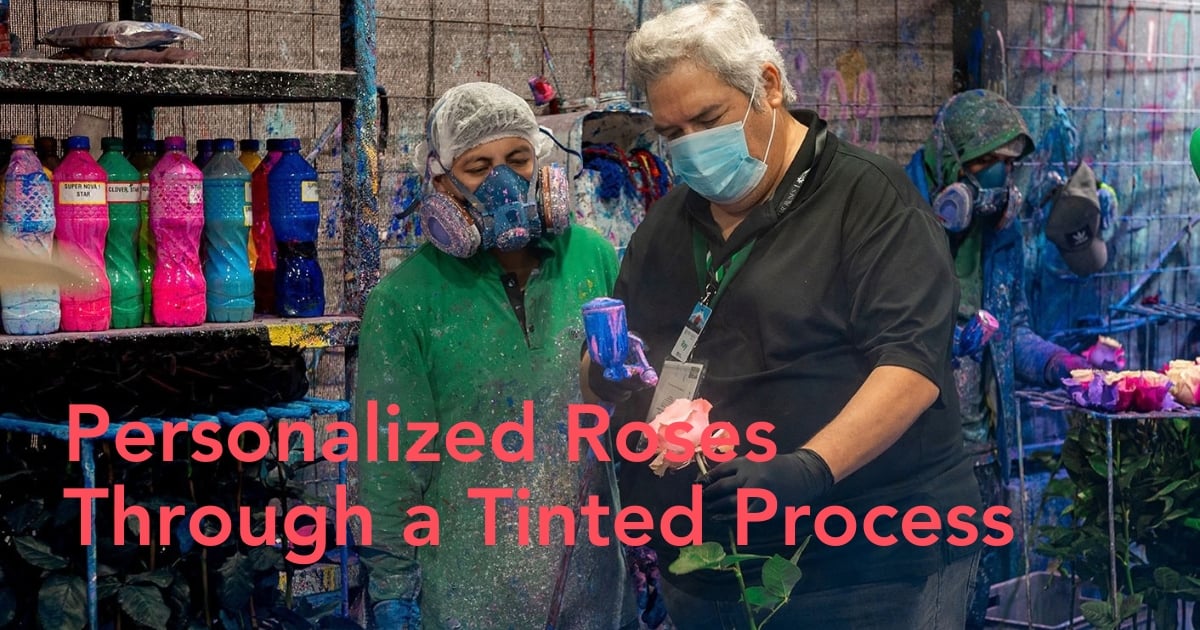
The stars rocking their work!
The Different Methods of Tinting Roses
The first method is absorption, which uses the rose's natural water-uptake system to introduce color through the stem. Selected roses are placed into a dye solution for approximately 24 hours, allowing the color to move upward through the stem and into the flower. The process requires controlled conditions because factors such as the rose's condition, hydration, dye solution, and treatment time can affect the final result.

The second method is airbrushing, where color is applied directly to the petals. Instead of relying on the flower to take up the dye through its stem, the color is placed onto the surface of the rose, giving the team greater control over the final appearance. This makes it possible to work toward particular shades and finishes that require a more direct application.
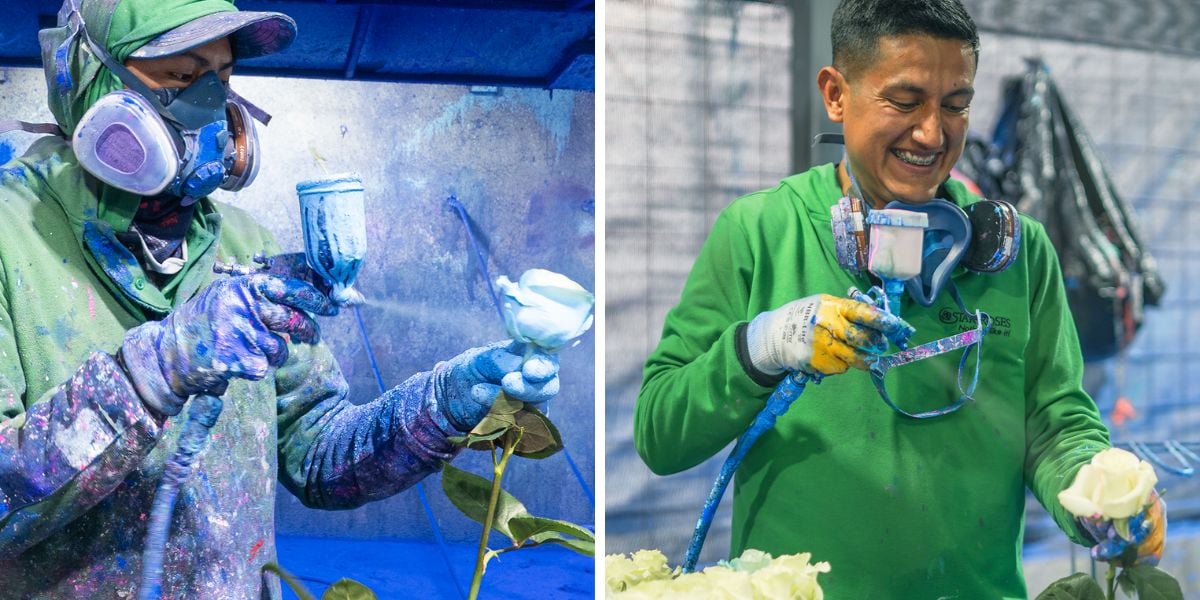
The two methods can also work together. Star Roses' black roses, for example, involve more than one stage. The company has described using Rose Explorer and Rose Hearts with blue dye as part of the initial treatment, followed by black paint to achieve the final deep color. The result shows why tinting isn't simply a matter of changing one color for another; the technique and sequence used can make a difference to the finished flower.
Why Two Methods Make So Many Designs Possible
Having different ways to introduce color gives Star Roses considerably more room to experiment. Absorption can establish an overall color through the stem, while airbrushing allows the team to work directly with the petals. Depending on the requested result, one method may be sufficient, while another design may call for several stages.
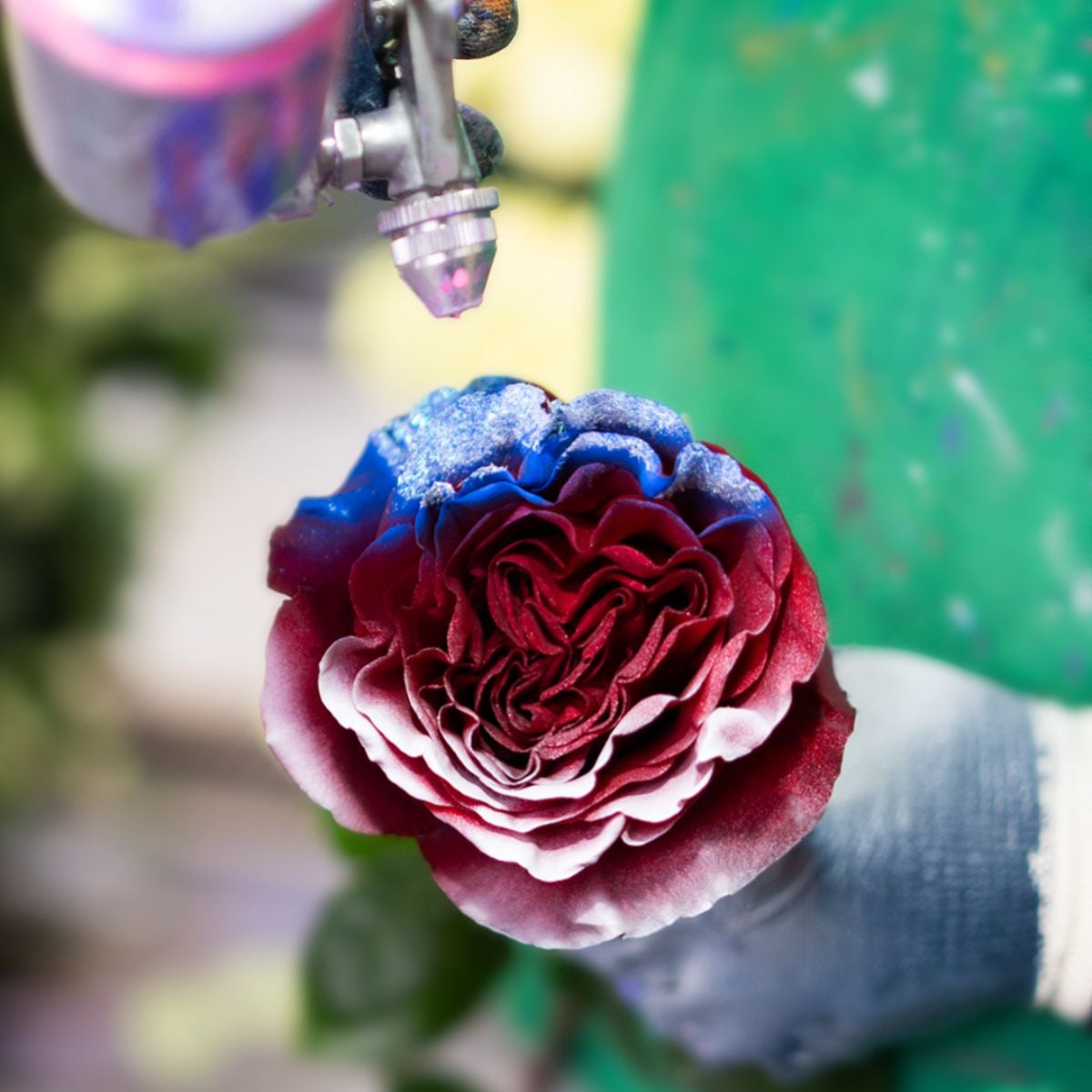
This is also why the same variety can become part of very different tinted designs. Star Roses works with varieties including Rose Mondial, Rose Pink Mondial, Rose Shimmer, Rose Highlight, Rose Mia, Rose Explorer, and Rose Freedom for its tinted rose production, depending on the design and process required.
The result can range from a straightforward change in color to something much more elaborate. The portfolio includes hundreds of tinted designs, including different finishes and concepts developed around seasonal occasions, trends, and customer preferences.
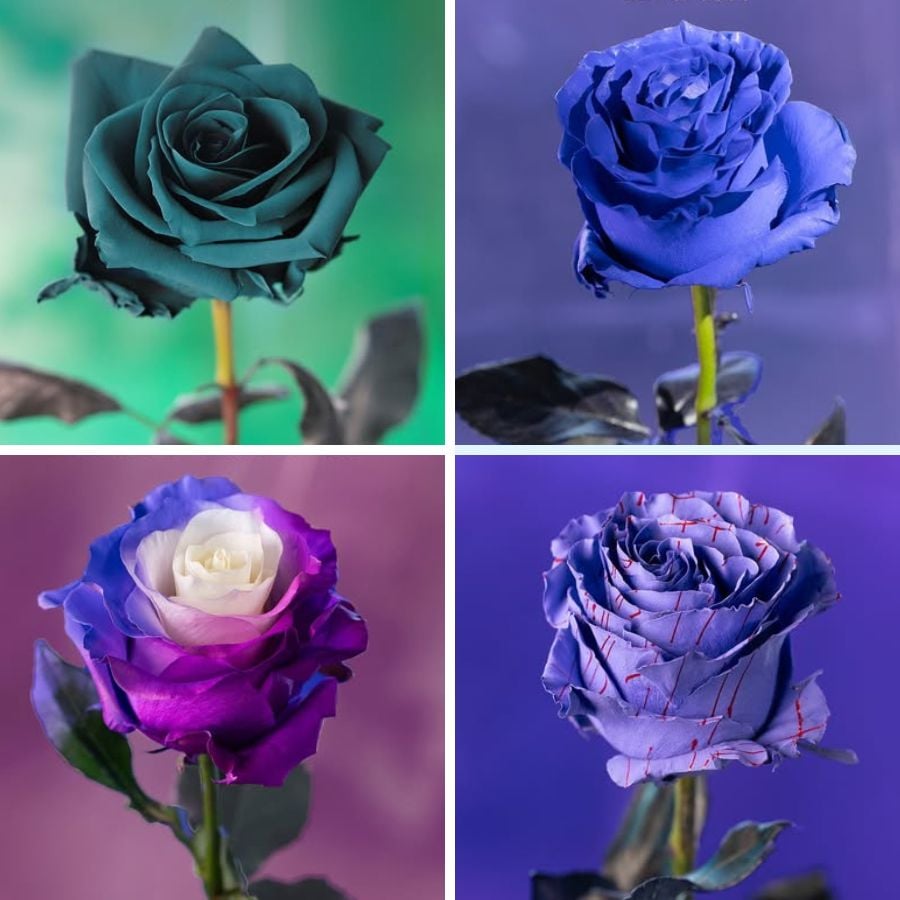
After more than 400 tinted designs, the possibilities are already extensive. But the philosophy behind the collection leaves plenty of space for another idea, another color, and another experiment. Now that fall is coming, make sure to read the article 'The Only Tinted Roses You Need to Celebrate Fall's Biggest Moments and Events' to get inspired.
You think it. Star Roses creates it.
Photos and videos courtesy of Star Roses.