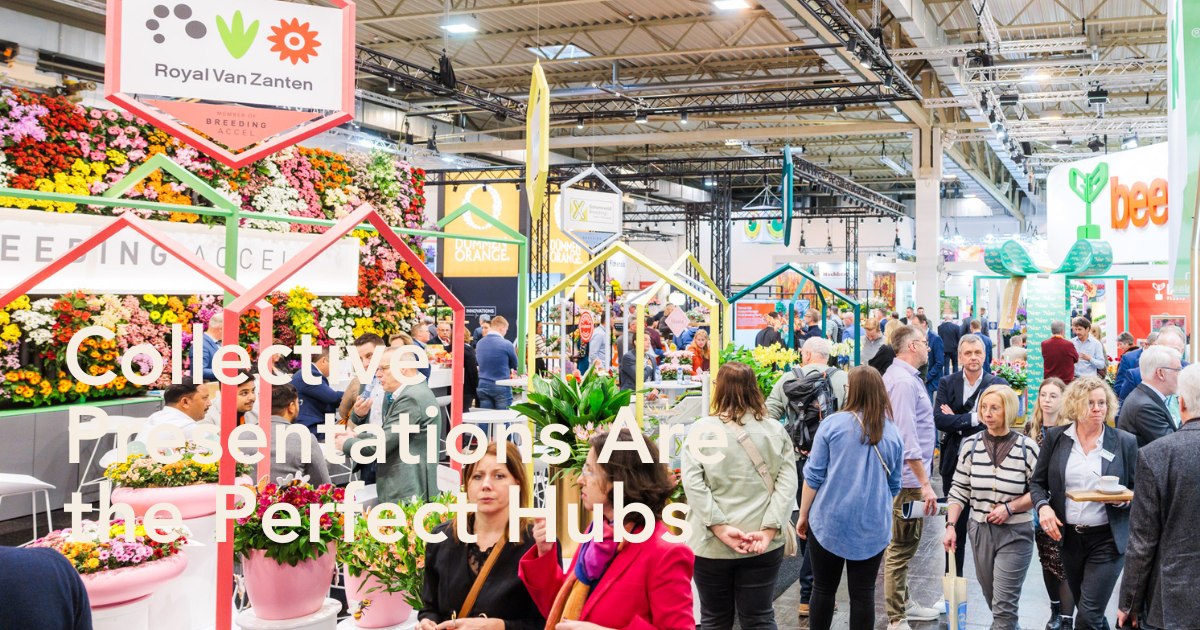
International joint stands are among the established focal points at IPM Essen 2026, which opens its doors from January 27 to 30 at Messe Essen. These joint stands bring together exhibitors from one country or region in one place, making it easier to compare product ranges and solutions. They create intimate spaces for discussions, networking, conversations, and collaborations.
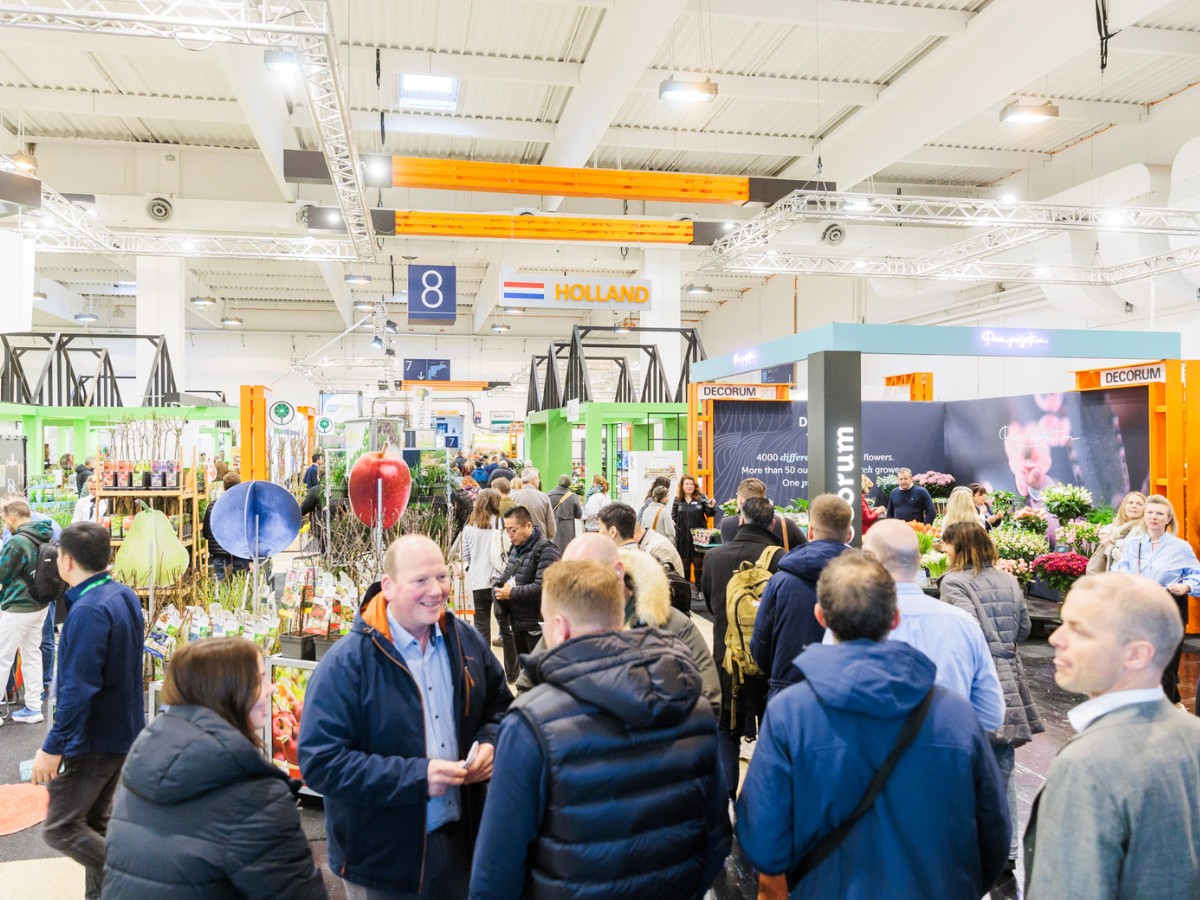
At IPM Essen 2026, 14 national pavilions from 13 countries bring global diversity through their finest horticultural innovations and novelties under one roof. These collective presentations provide the perfect hubs where industry professionals can match solutions, discuss emerging trends, and build partnerships that redefine the prospects of ornamental plant production.
International Pavilions Show the Strength of Unity in Exhibitions
The national pavilions format allows trade fair visitors to experience concerted expertise and explore comprehensive offerings from specific regions without the need to navigate through dispersed locations, trying to find a particular company.
Each pavilion is a microcosm of its country's identity, presenting unique growing conditions, cultural preferences, emerging trends, and innovative approaches to horticultural and floricultural production. Here are some of those pavilions, in alphabetical order.
Belgium in Halls 2, 6, and 8
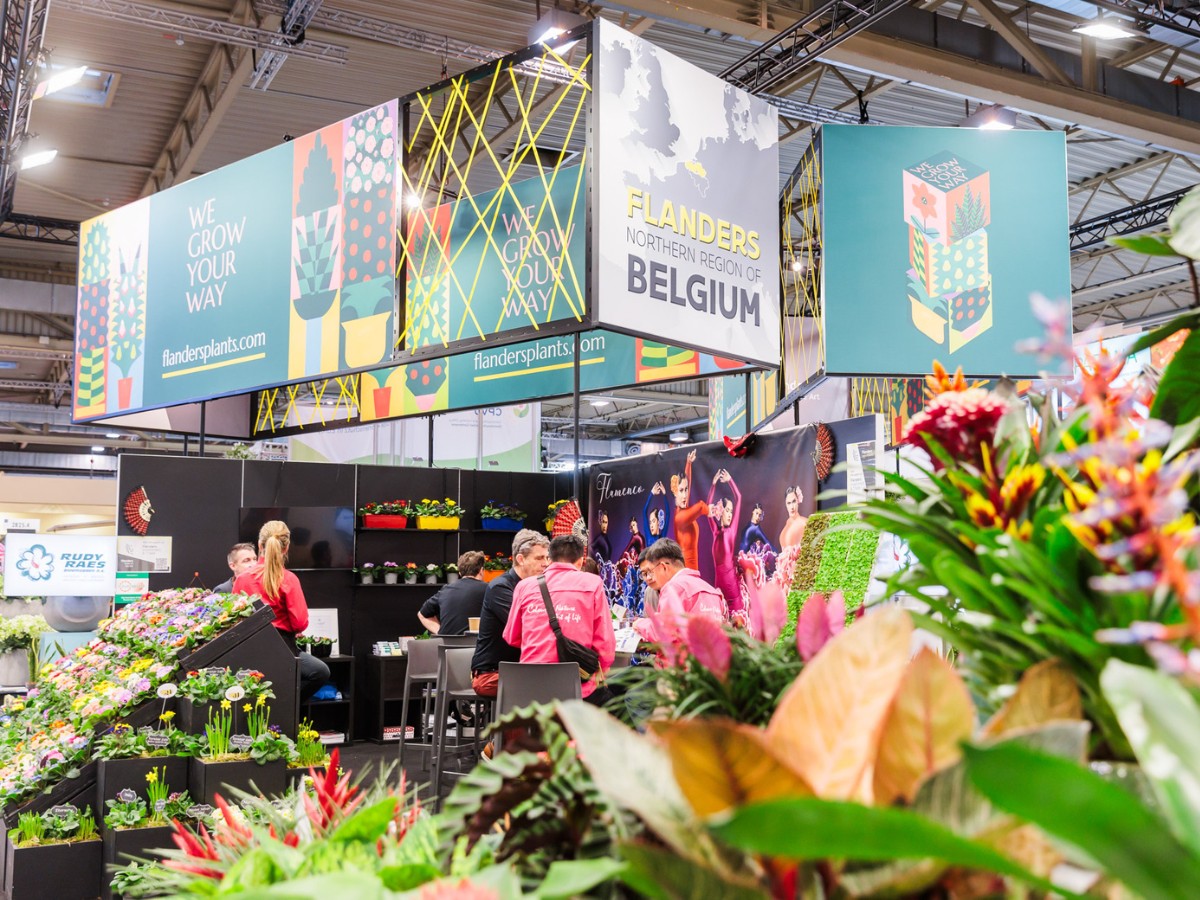
Belgium is represented impressively at Messe Essen, with 33 exhibitors spread across Halls 2, 6, and 8. The Belgian presence shows the country's commitment to both traditional excellence and innovative horticultural practices. Their product selection includes green and flowering potted plants, perennials, woody plants, and climate-resilient varieties suited to the changing environmental conditions.
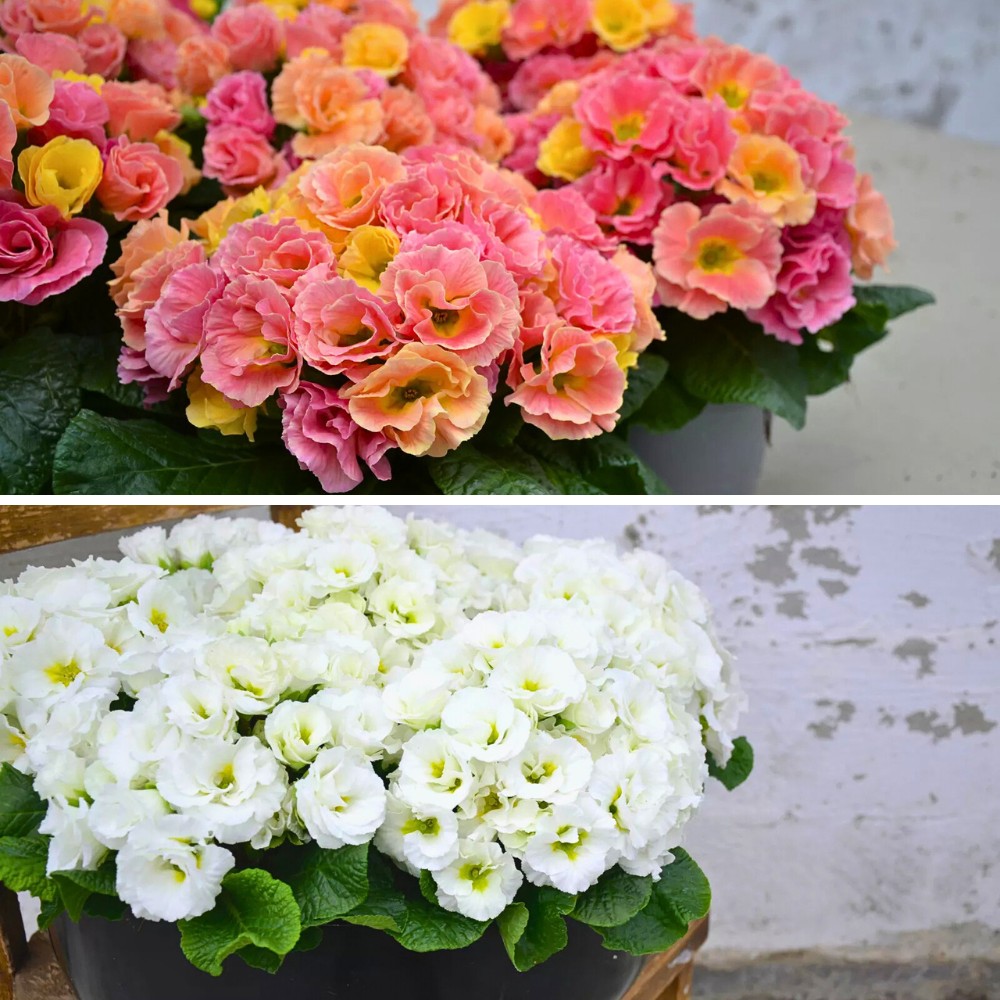
Two new introductions from Flanders deserve particular attention. The Primula acaulis Frilly Peach Melba F1 features bi-colored, fringed flowers in salmon and peach tones, offering January flowering and suitability for larger pots. Meanwhile, the bright white Primula acaulis Frilly Snowball F1 impresses with early flowering and exceptionally long shelf life, making it particularly attractive for the Christmas season.
Belgium also emphasizes sustainable approaches throughout its exhibition. Robust varieties, alternative substrates, precise resource use, and integrated plant protection show the country’s horticulture industry suitably responding to emerging environmental challenges.
China in Halls 1 and 6
The People's Republic of China participates, with 10 exhibitors from different regions, in Halls 1 and 6, presenting a broad selection that highlights the country's vast horticultural capability. The Chinese exhibition includes young plants from plant tissue culture, potted plants, horticultural accessories, fertilizers, tools, and irrigation equipment.
This all-inclusive range shows China's role as both a producer and a supplier of horticultural products and inputs across different segments of the industry.
Costa Rica in Hall 1
The Costa Rican pavilion, occupying 50 square meters in Hall 1, brings together seven companies to showcase high-quality indoor plants. The focus falls particularly on ficus in numerous varieties and natural formations, alongside Dracaena in various colors and growth patterns. Popular plants, including Zamioculcas, Philodendron, Aglaonema, Alocasia, and Yucca, complete the range.
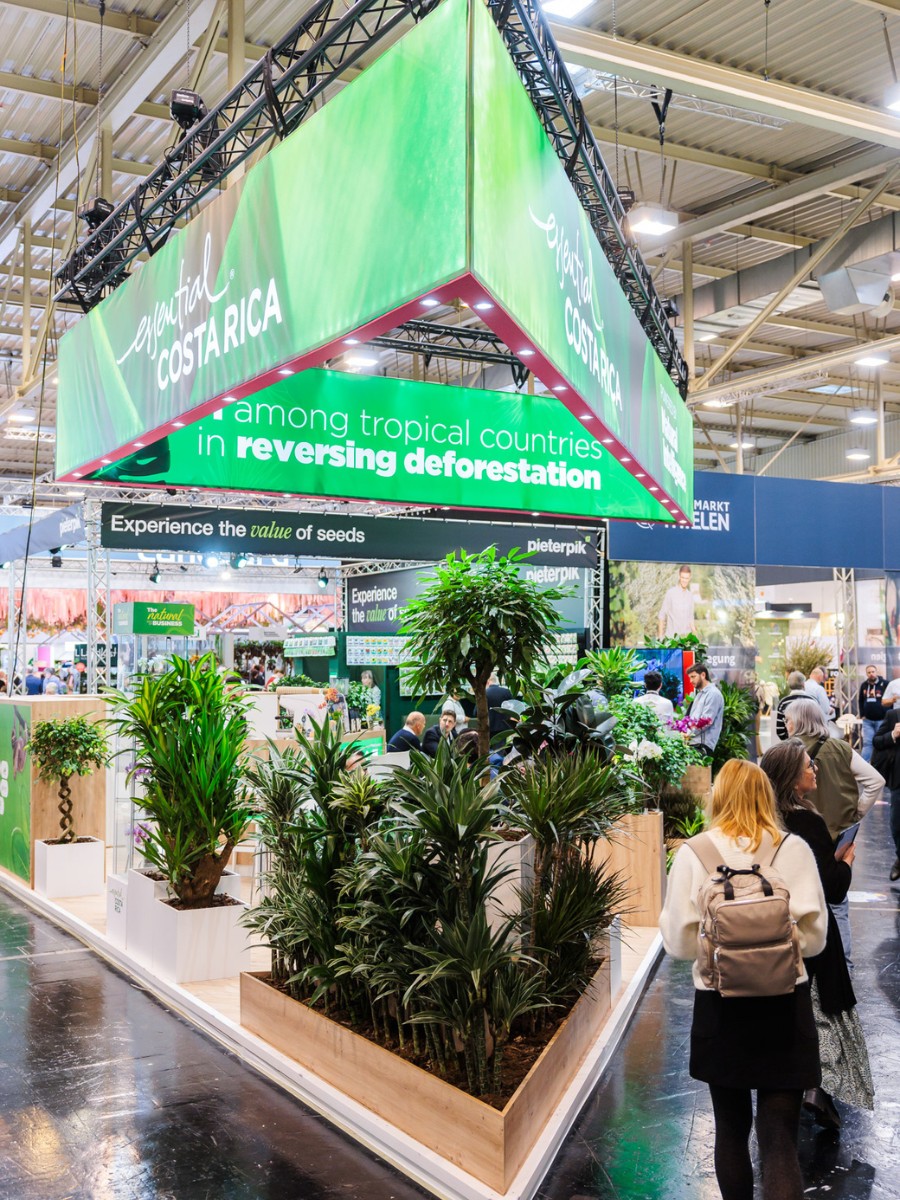
This pavilion highlights Costa Rica’s innovative and technological production processes, particularly in vitro methods and Phalaenopsis orchid presentation. These techniques show the country's commitment to quality standards, environmental awareness, and socially responsible conduct in plant production.
Denmark in Hall 6
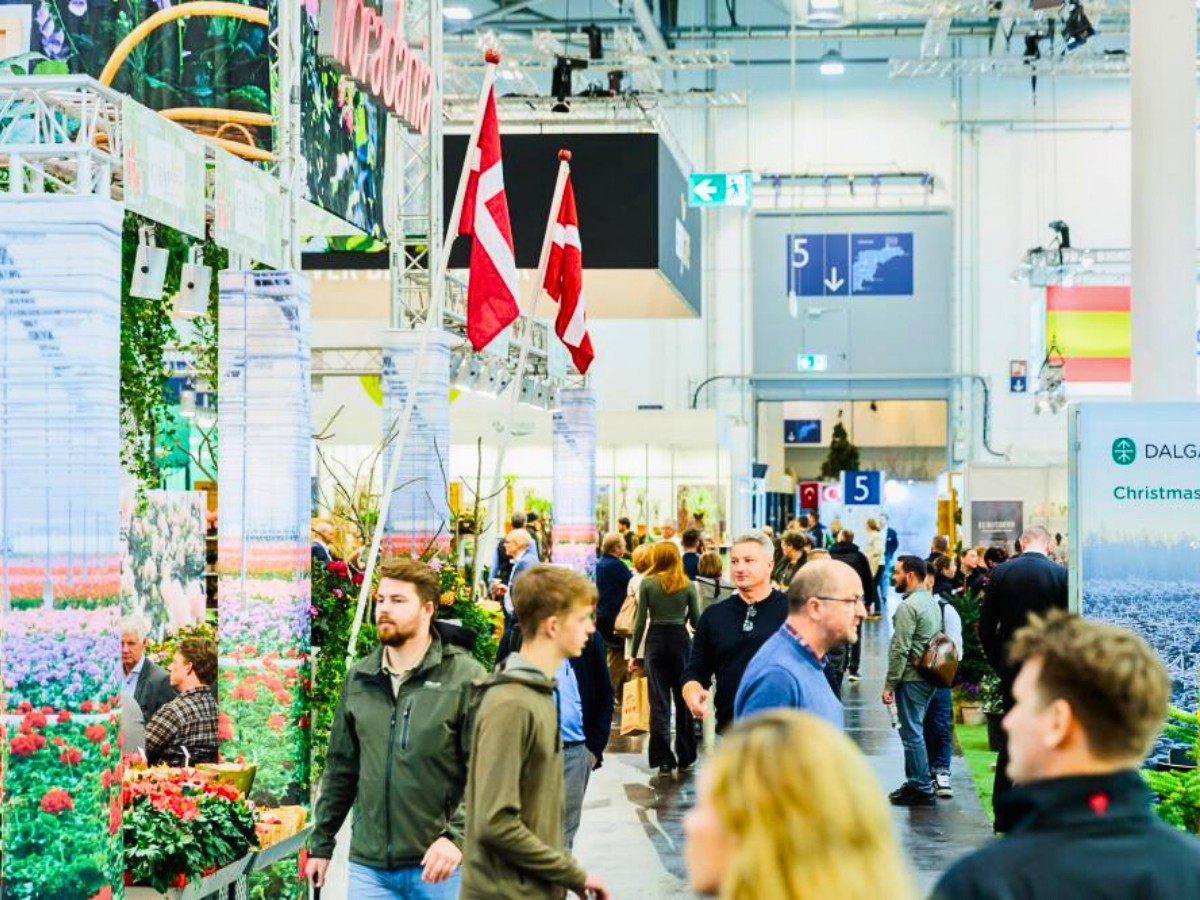
At the Danish joint stand organized by Floradania in Hall 6, 27 co-exhibitors are participating. In addition, six further nurseries and distribution companies from the Scandinavian country present themselves with individual stands in the surrounding area. The showcase largely focuses on green and flowering plants, with the emphasis being on a comprehensive presentation of the Danish ornamental plant sector.
France in Halls 2 and 7
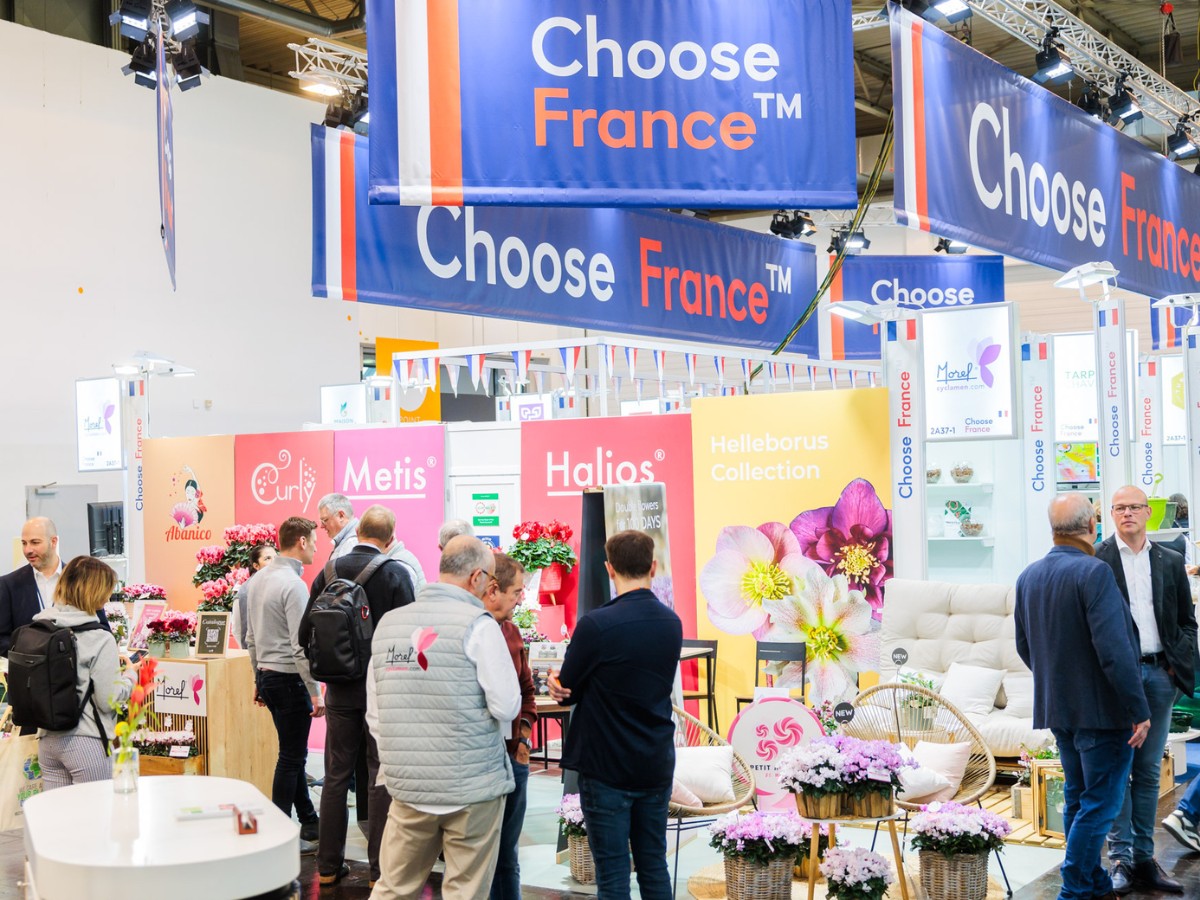
France presents itself under the 'Choose France' label, supported by Val'Hor, across Halls 2 and 7. While Hall 2 focuses on variety and breeding innovations plus young plants, Hall 7 showcases nursery solutions, containers, and logistics services.
For 2026, the French pavilions feature an open, modern stand concept with a focus on creativity, innovation, and sustainability, including an airy design and natural wood elements. New products on display include Cyclamen Macaron® from breeder Morel, Alstroemeria Emilie from Turcieflor, and Hydrangea Black Velvet® Darbi from Sapho.
The Netherlands in Halls 1 and 8
Royal FloraHolland is represented in Hall 1 in 2026 with their own stand and the new ‘Product Square’ presentation area. In addition, the ‘Product Plaza’ offers an overview of a broad range of flowers and plants.
The second Dutch joint stand is located in Hall 8 and organized by Bizz Holland, where around 40 companies and 14 brands present themselves jointly and showcase the extent of the Dutch nursery and ornamental plant sector. The range includes avenue trees, ornamental shrubs, conifers, and roses, as well as perennials, propagation material, and various services.
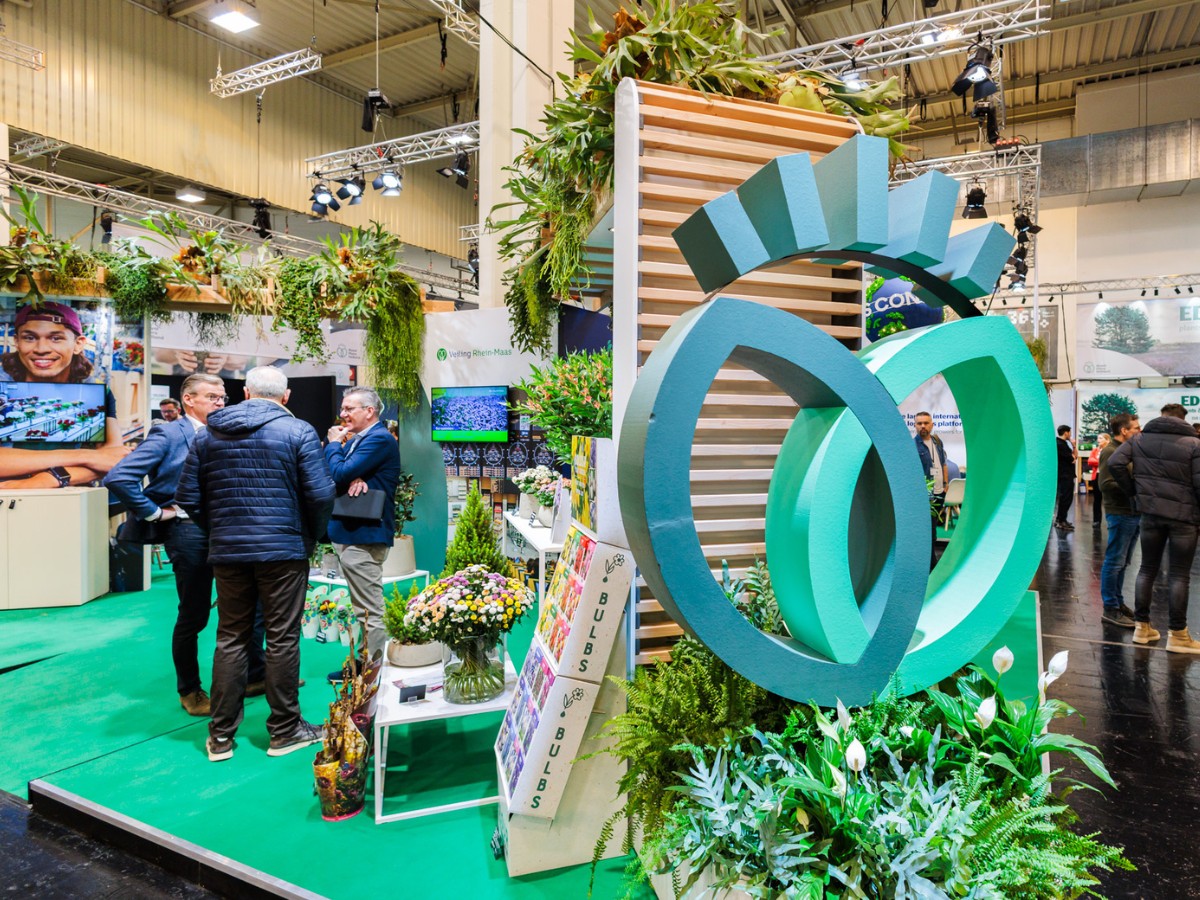
A particular attraction is the ‘Show Your Colors Garden Center.’ These are concept tables with accompanying sales-promoting materials presented in a garden center environment. In addition, daily demonstrations take place, showcasing special potted plant combinations.
Poland in Hall 6
The Polish joint stand is organized by the Polish Nurserymen Association (ZSzP) together with Agencja Promocji Zieleni and is located in Hall 6. The association brings together 128 nurseries, whose range on offer extends from propagation material and young plants to larger container plants and outdoor plants.
Their display includes trees, shrubs, and perennials for public and institutional green spaces as well as for home gardens. Specialist publications are also presented at the stand, including the English-language ‘Catalogue of Proven Plants’ and a 2026 nursery catalogue with basic information on member companies (assortments, company sizes, contacts). As a service, ZSzP also bundles enquiries from the market, including price and quotation enquiries, which can be submitted centrally and forwarded to member companies.
Spain in Hall 6
The FEPEX association organizes the Spanish pavilion in Hall 6. Here, 27 companies from affiliated trade associations take part. All exhibiting companies specialize in the production and export of ornamental plants. IPM Essen provides Spain with direct access to the important German market, and in the first half of 2025, more than 10% of Spanish flowers and plants were exported to Germany, corresponding to €46.5 million in value.
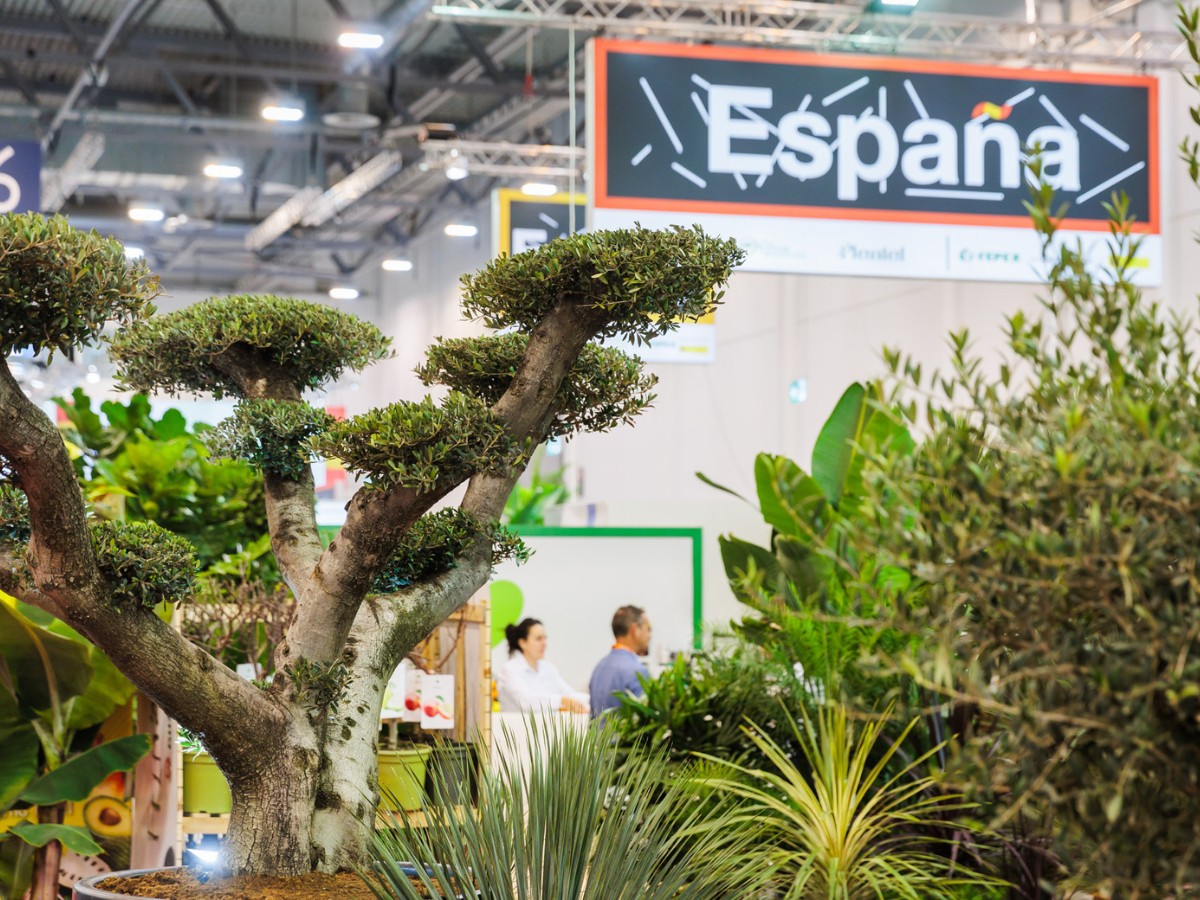
The joint stand is divided into regions, including Valencia, Catalonia, the Canary Islands, Galicia, and Andalusia. An example of product and quality development is the participation of the company Land’Oliv, a multi-year adaptation process that aims to increase the resilience of ornamental olive trees, enabling robust, long-lasting plants for more demanding climatic conditions.
Türkiye in Hall 6
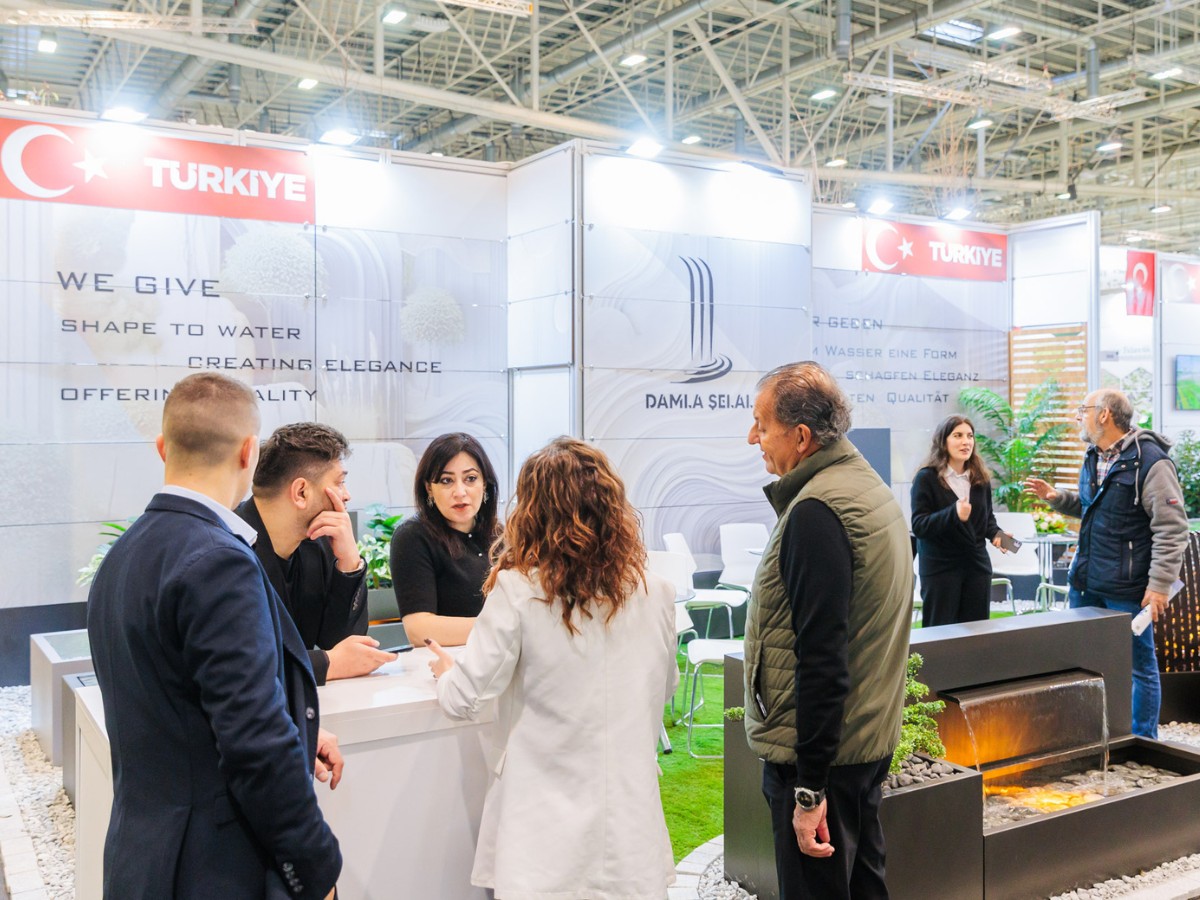
Still in Hall 6, 20 leading companies take part in the Turkish joint stand, whose exhibition products include outdoor ornamental plants, trees, and shrubs, as well as plant containers. Key trends currently highlighted by the Republic of Türkiye also include low-water-use plants, drought-resistant landscape concepts, and the marketing of native species.
United Kingdom in Hall 7
The United Kingdom joint stand is organized by the Commercial Horticultural Association (CHA), with 10 companies participating in 2026. The range includes plants and young plants, reusable plant containers, labels, design and planning expertise, as well as greenhouse and polytunnel solutions.
Among others, important trends in the UK include climate-adapted and water-saving planting, a greater focus on perennials and low-maintenance ornamental plants, biodiversity-promoting planting concepts, and solutions for small spaces. In addition, the garden is increasingly gaining importance as an ‘outdoor living space,’ featuring seating, lighting, and design elements.
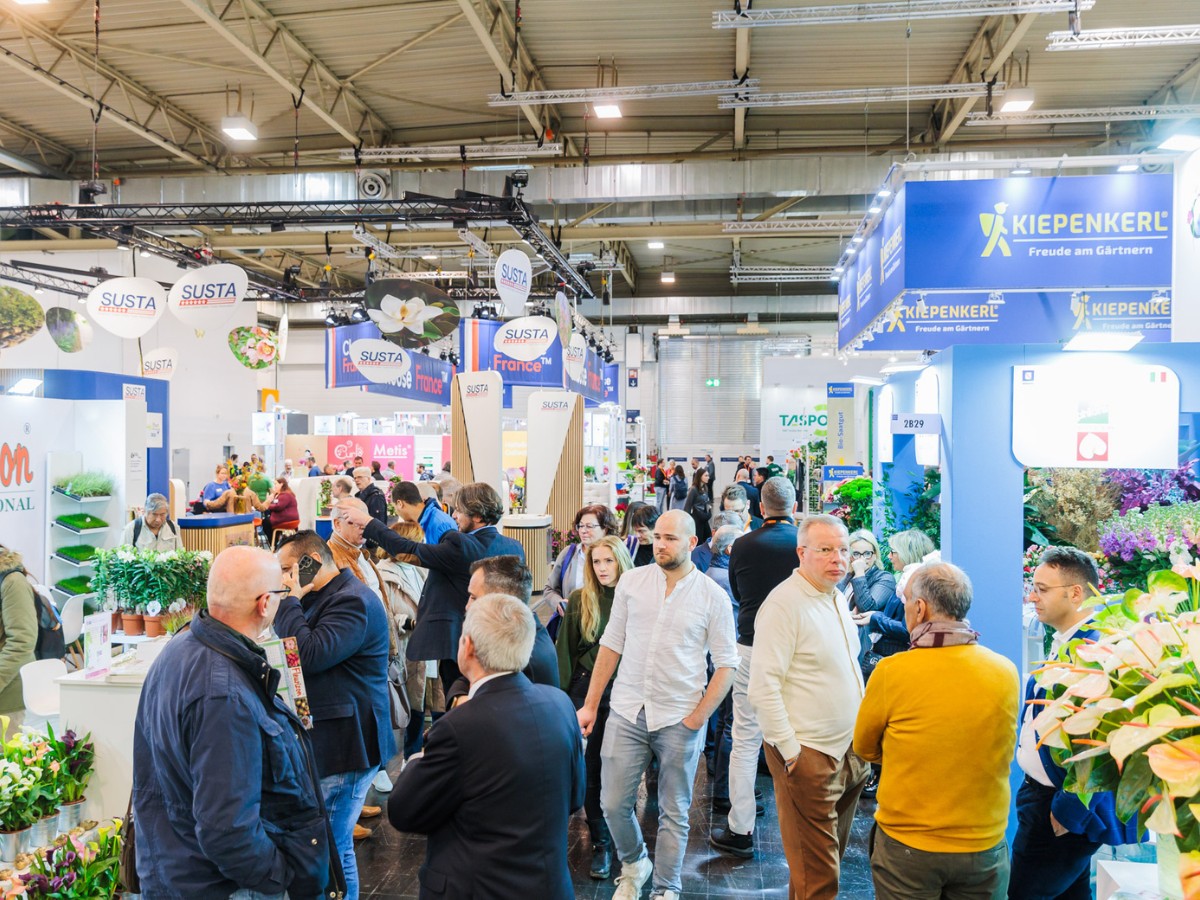
There are more countries presenting joint stands at the IPM Essen 2026. These include Israel (Hishtil Afula) in Hall 2, Portugal (Portugal Fresh) in Hall 6, and the USA (SUSTA) in Hall 2.
International Exchanges Are Increasingly Valuable for the Industry
IPM Essen 2026 continues its tradition of bringing global horticultural expertise together under one roof. And the 14 national pavilions show more than just geographical diversity: the different approaches to horticultural production, sustainability, and market adaptation.
As you attend the event, you can, therefore, be sure to have a firsthand feel of these countries' different horticultural experiences when you visit their pavilions.
Photos by IPM ESSEN.