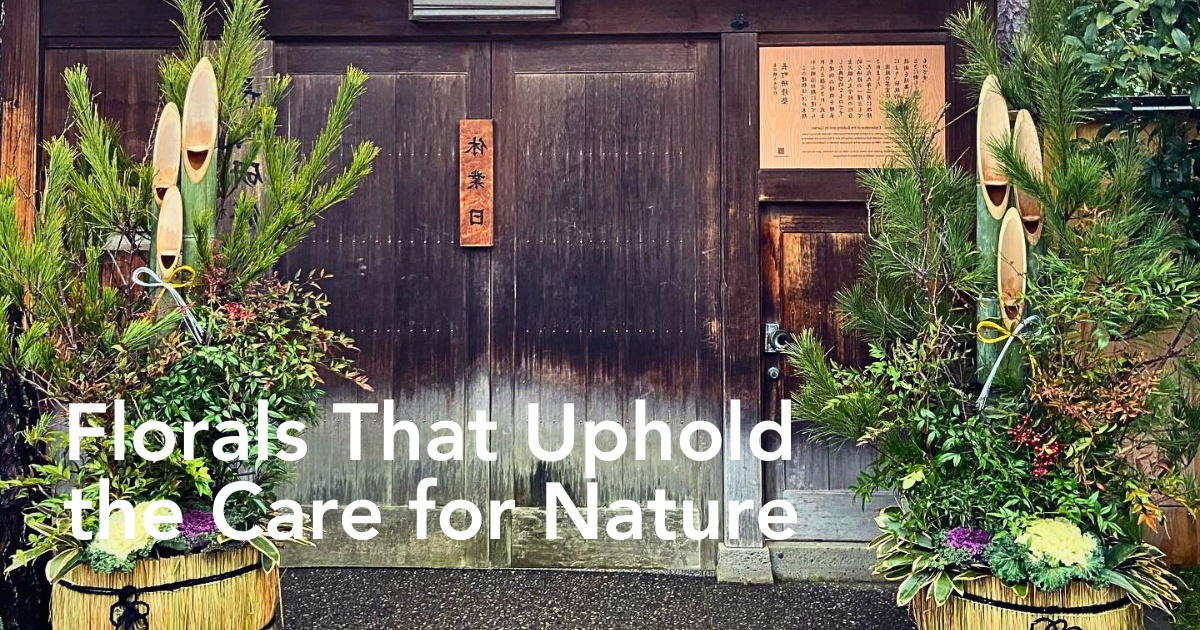
As winter festivities start to wind down in Japan, unique floral arrangements emerge. Placed at doorways and gateways, these elegant, simple yet striking arrangements of bamboo, pine, and plum branches stand sentinel like guardians of the gates, inviting deities in and welcoming the New Year.
Known as kadomatsu (gate pine), these New Year decorations tell a fascinating story about tradition and environmental consciousness. They also say a lot about sustainability that the global floral industry could borrow from, especially when considering sustainable holiday practices.
A Different Kind of Holiday Decoration Wrapped in Years of Tradition
The origins of kadomatsu stretch back over a thousand years, arriving in Japan from China around the eighth century. The famous form recognized today wasn't fully established until the Edo period. Traditionally made with bamboo, pine, and sometimes plum branches as well as an assortment of native florals, these arrangements carry weight and purpose.
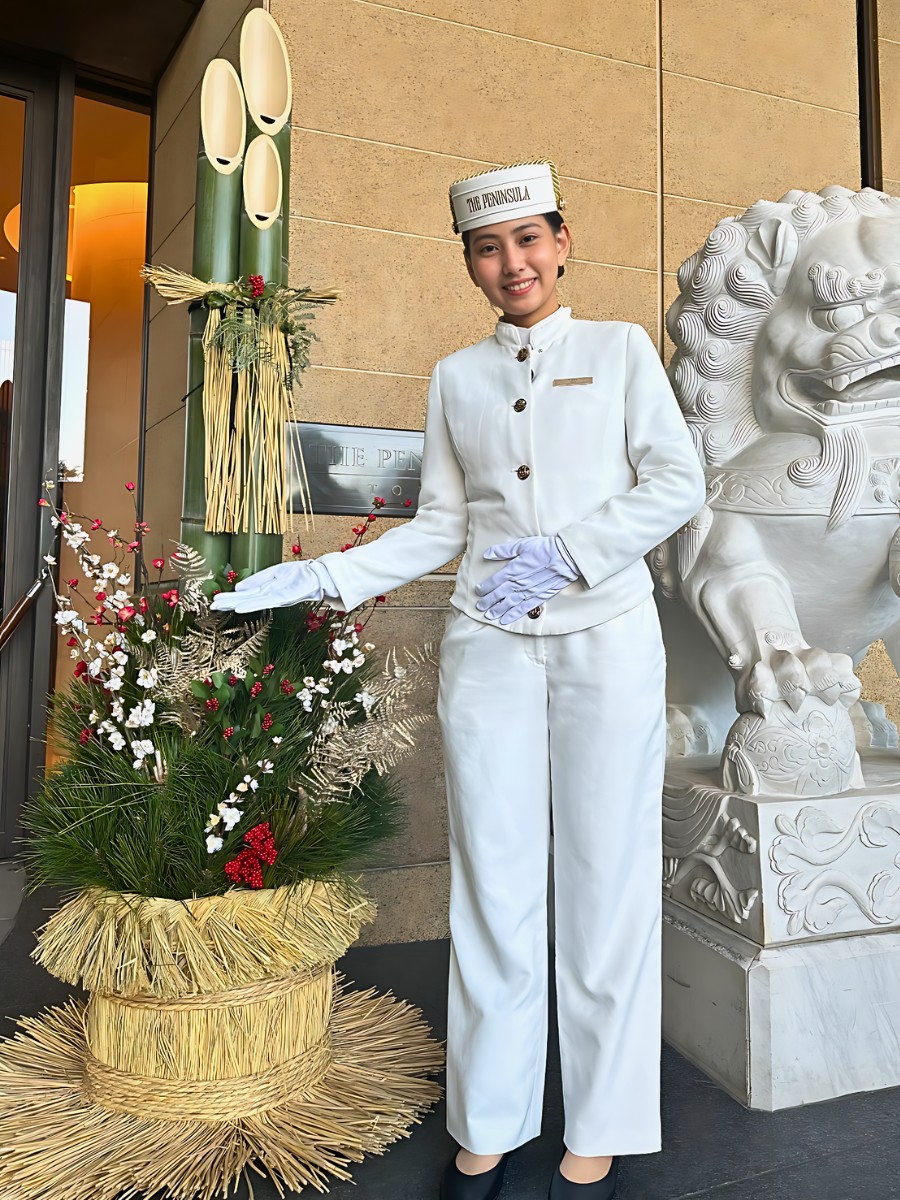
Pine signifies longevity and steadfastness, remaining green throughout winter to symbolize fortitude and vitality. Bamboo, meanwhile, stands for resilience and fast growth. It bends without breaking through harsh conditions. Together, these elements form what is called ‘shochikubai’, or the ‘Three Friends of Winter’ alongside plum blossoms.
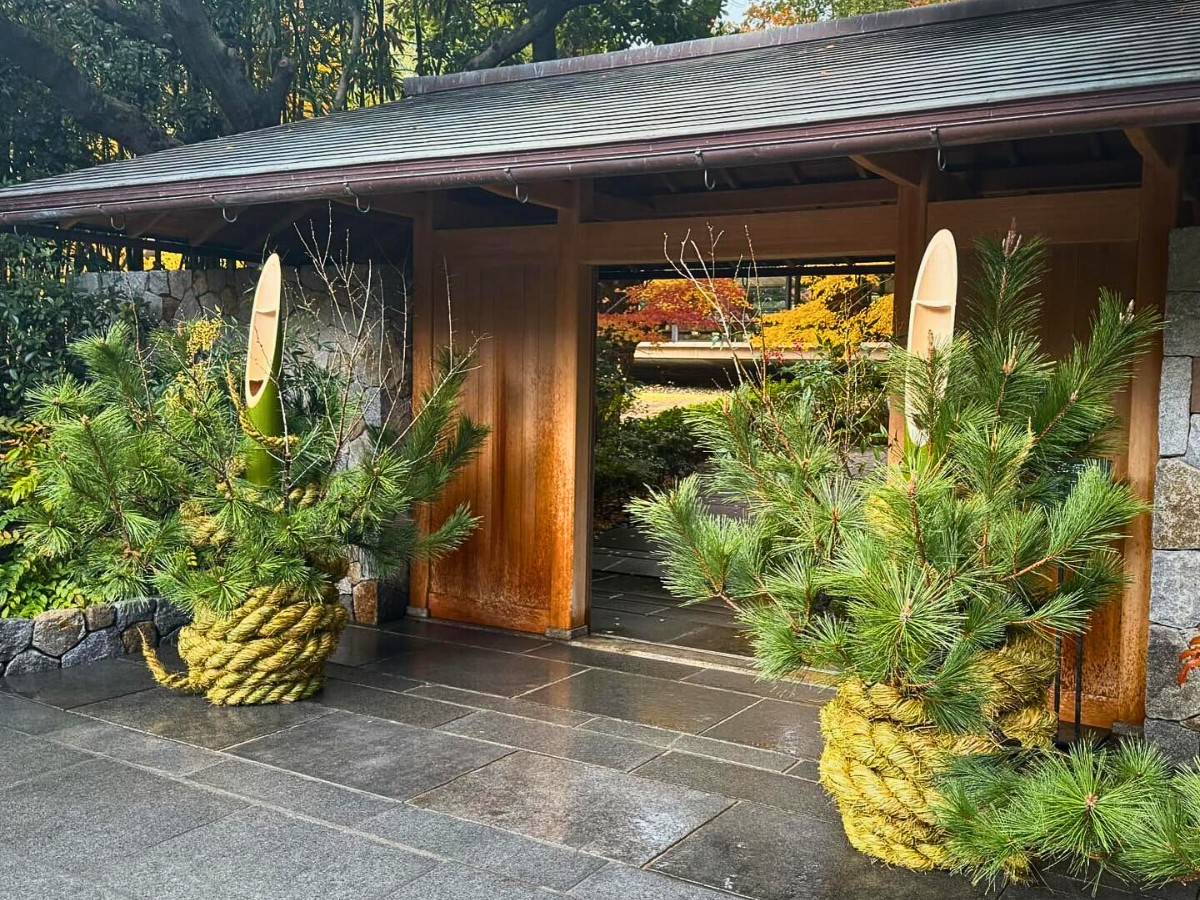
Traditionally placed in pairs flanking entrances, these arrangements are believed to welcome ancestral spirits and provide a temporary dwelling for Toshigami, the New Year deity who brings good fortune. But kadomatsu also offers something more that the floriculture world sometimes overlooks: it is a holiday tradition built on principles that promote environmental awareness.
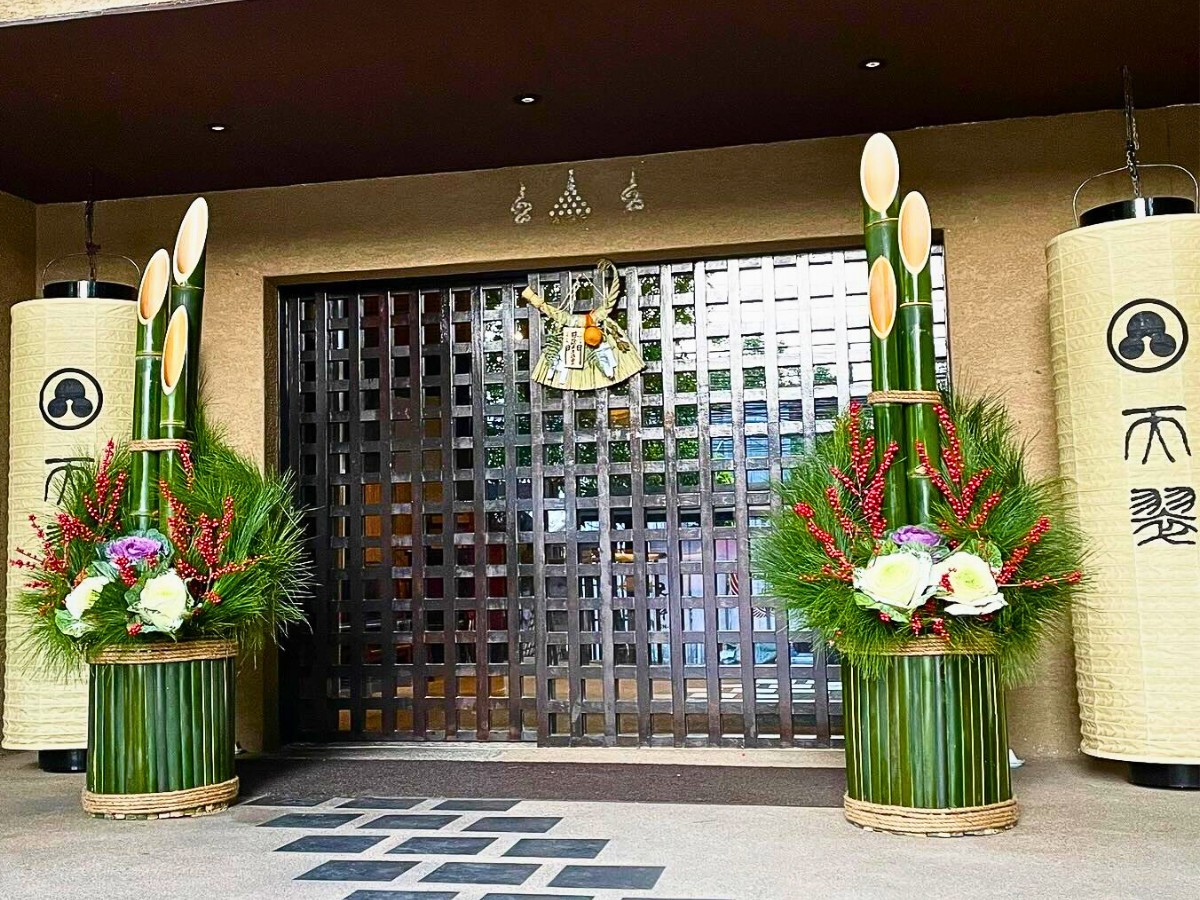
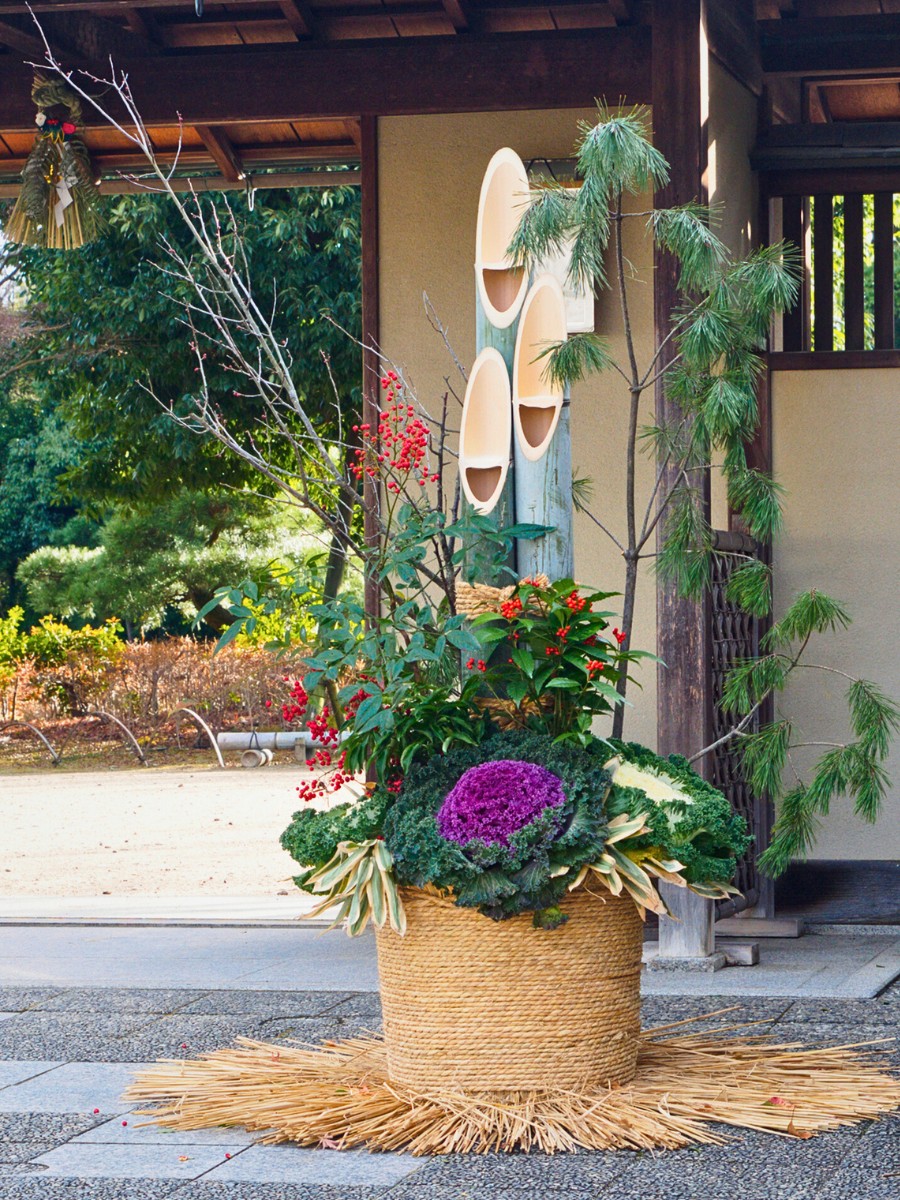
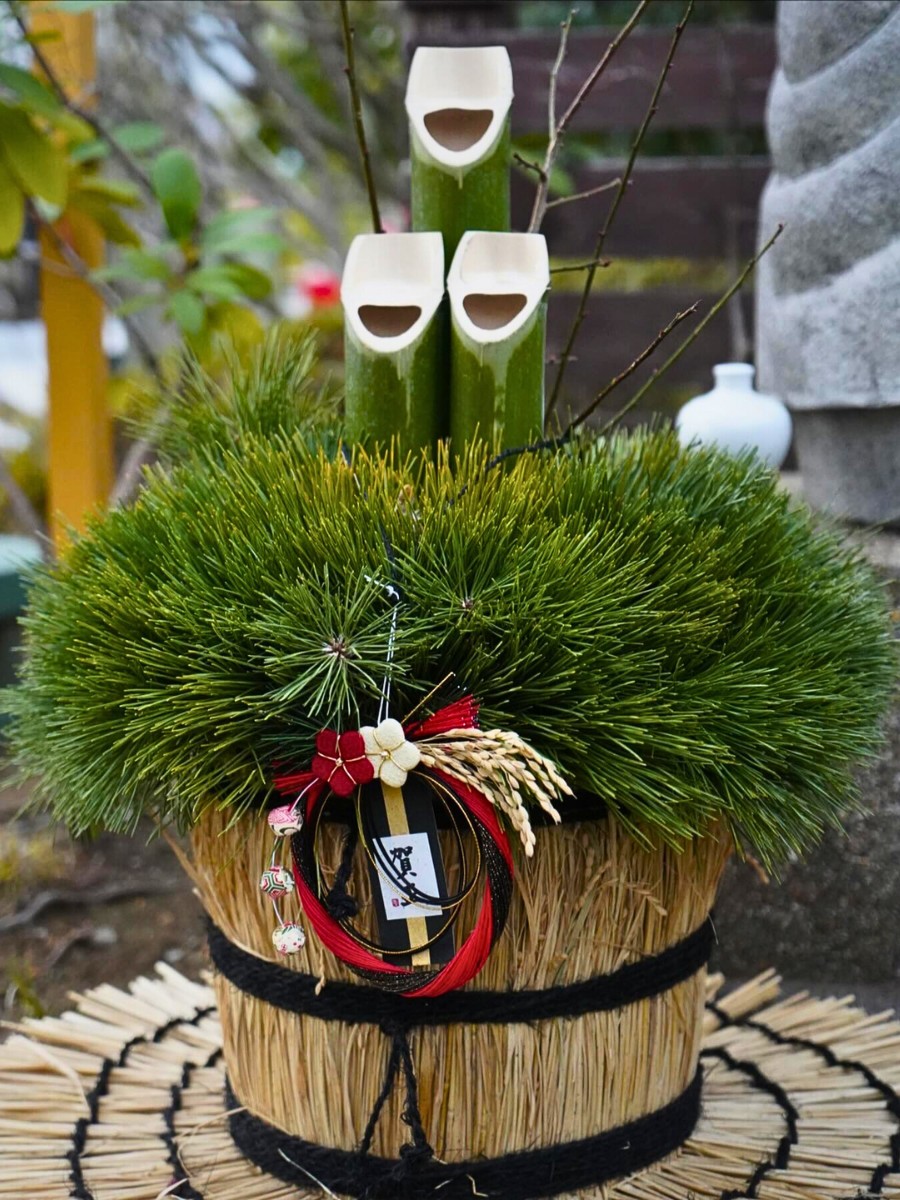
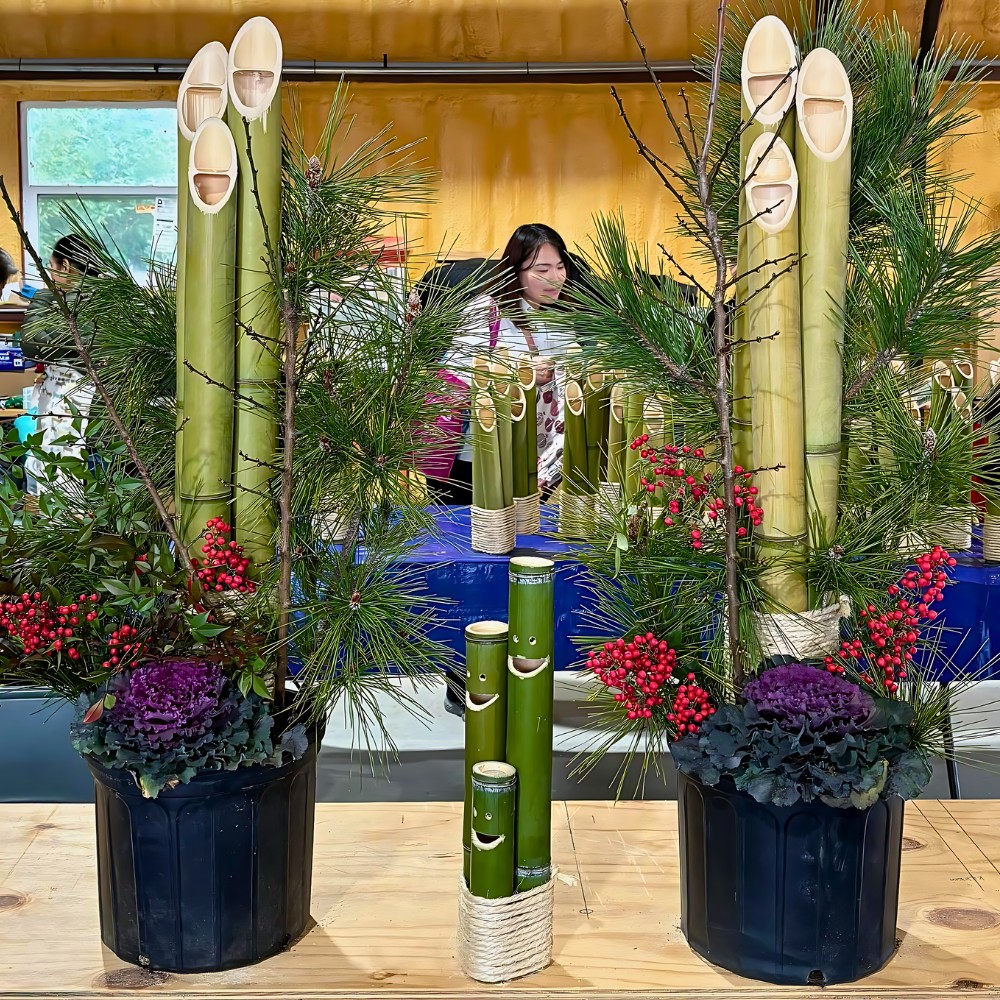
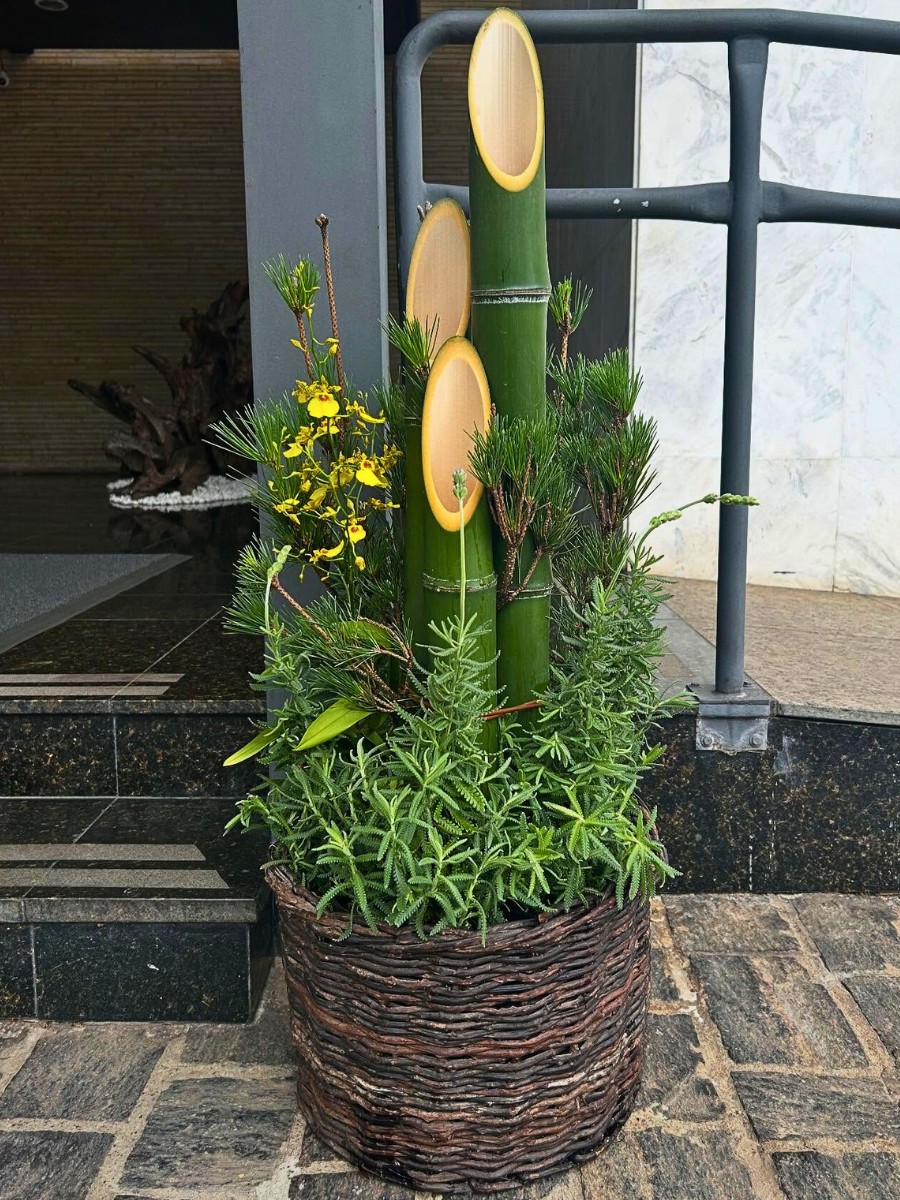
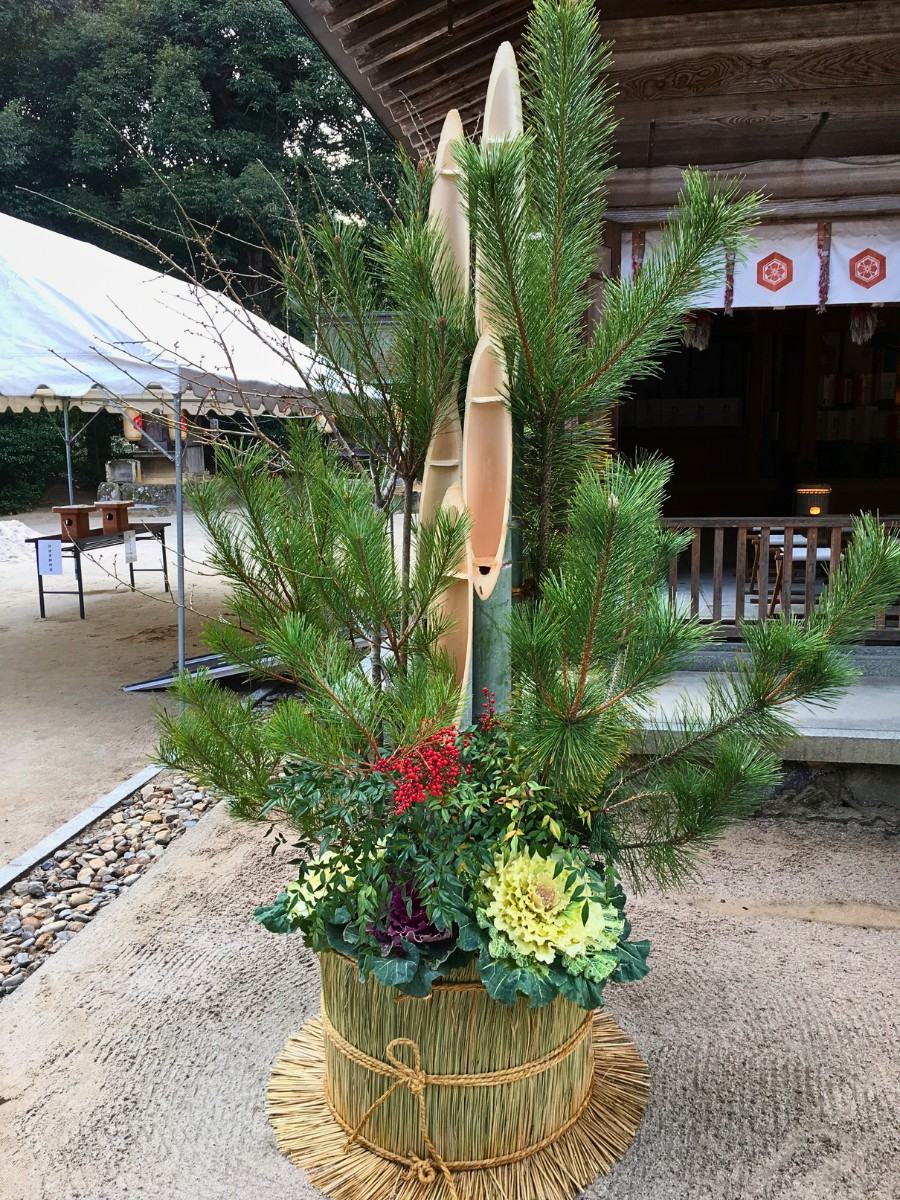
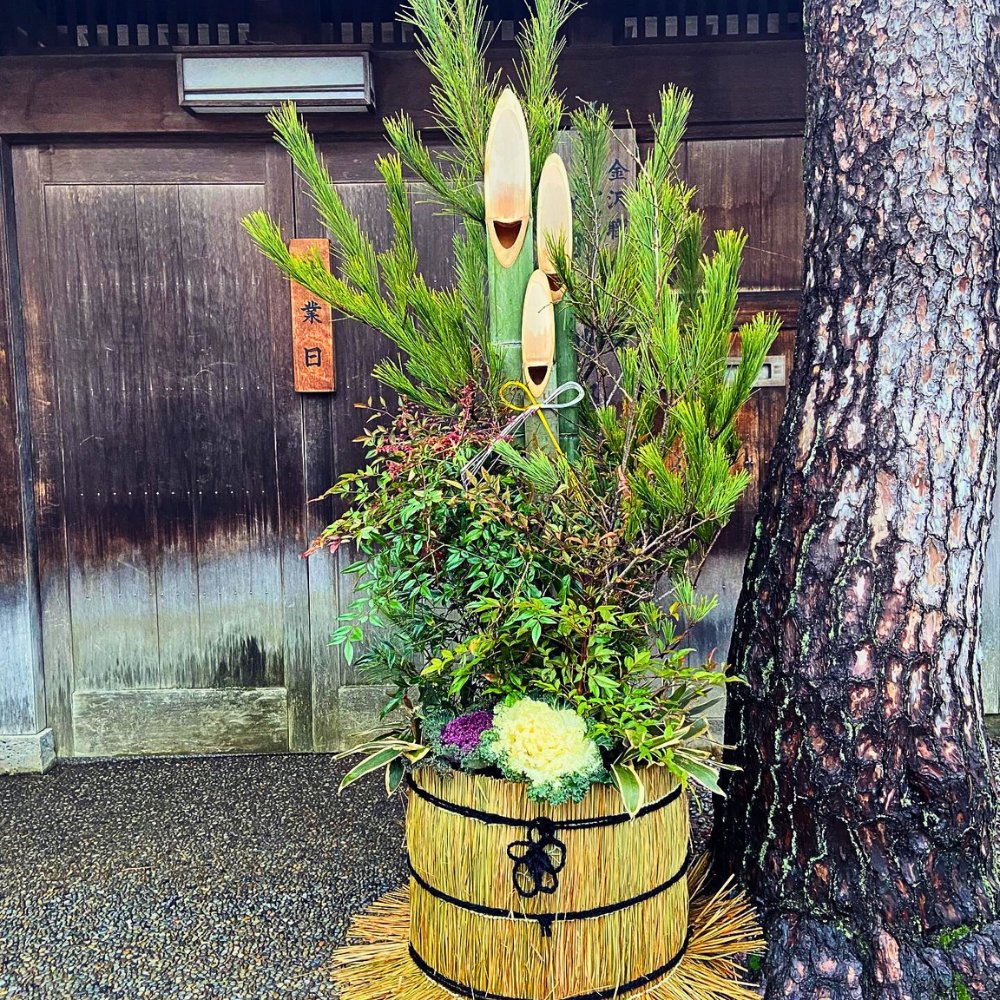
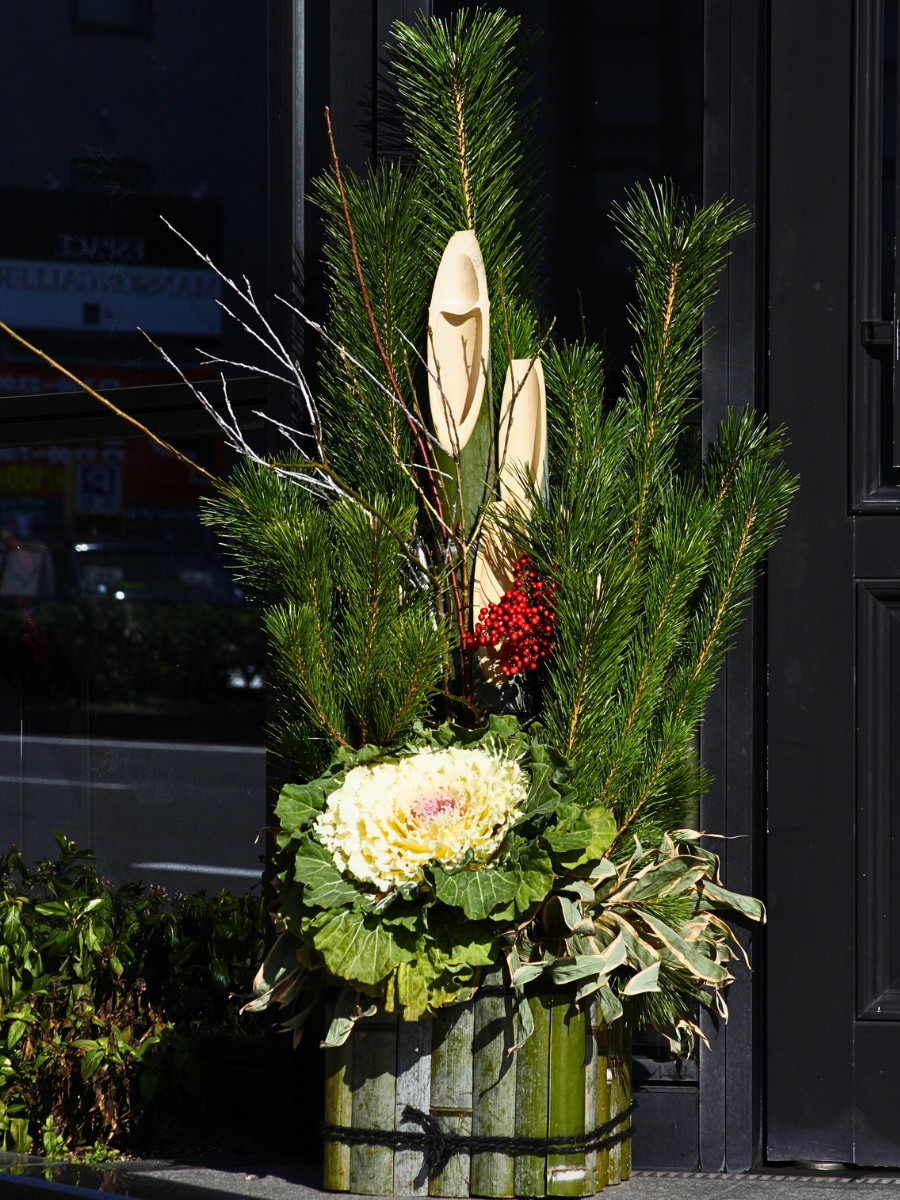
The arrangement’s basic structure is deceptively simple. Three bamboo stalks of varying heights form the center, surrounded by pine branches and often accompanied by plum sprigs, ferns, or other seasonal greenery. The bamboo is cut at an angle, creating a shape that looks a bit like a smile. Some say it resembles the mouth of a laughing Buddha.
Everything sits in a base traditionally made from woven rice straw. This setup is different from Western holiday florals in that, for starters, every single element is local, seasonal, and serves different purposes outside of just decoration.
How the Materials Are Wisely Selected
The genius of kadomatsu lies partly in the materials chosen. Unlike some contemporary holiday decorations that use non-natural substitutes, traditional kadomatsu uses living plants, conveying an understanding of what makes a material really sustainable. Pine and bamboo were selected because they naturally thrive through the harshest season and, importantly, because they could be harvested responsibly every other year, not just because they were convenient.
Bamboo deserves particular attention. This woody grass grows faster than virtually any other plant harvested for material use. Some species reach maturity in just four to five years, compared with pine trees that typically require many years to reach usable size. More remarkably, once bamboo is cut, it easily regenerates from its root system without needing replanting. A single mature bamboo grove can yield new shoots every year, making it truly renewable.
Bamboo Has Significant Environmental Credentials
The environmental credentials of bamboo extend further still. When grown responsibly, bamboo sequesters carbon at rates comparable to or exceeding many tree species, absorbing significant amounts of CO₂ while releasing about 35% more oxygen than comparable forests.
It grows well even on degraded land that wouldn't support conventional forestry, requiring minimal water and no pesticides or fertilizers. This makes it particularly valuable for regions seeking to restore damaged ecosystems while producing functional materials.
Pine similarly offers sustainable credentials. Beyond its long-lifespan symbolism, pine has been part of Japanese cultural practice for centuries, creating knowledge systems around its proper harvesting and use. In traditional Japanese homes and gardens, it appears to be part of a deliberate aesthetic and practical philosophy that understands longevity as a quality and a source of sustainability. It is not just a casual choice.
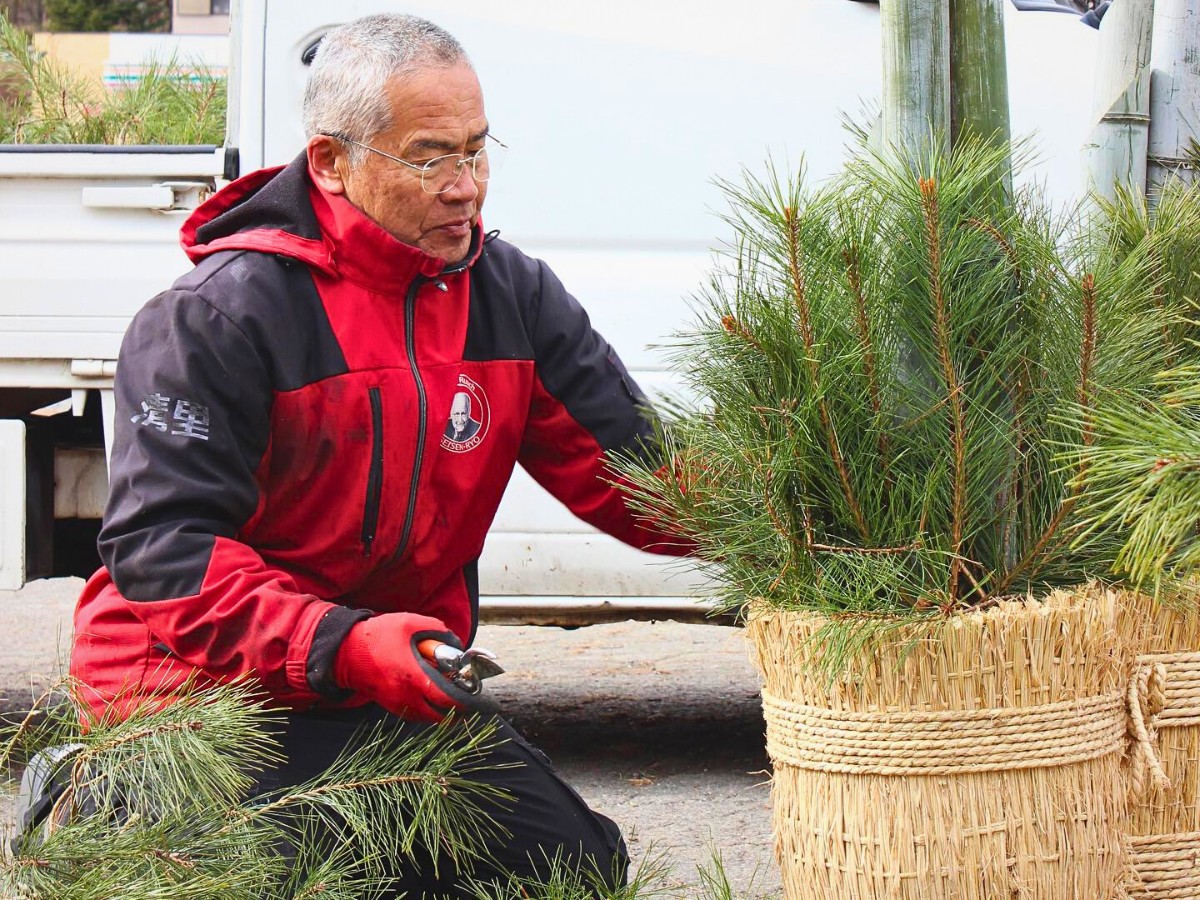
The rice straw base tells an even more interesting story. After the harvest season ends in autumn, farmers have mountains of straw left over. Instead of burning it (releasing carbon) or leaving it to decompose slowly, communities weave it into sturdy containers that hold kadomatsu through the New Year period. When the decorations have done their job, the straw returns to the fields as mulch, completing a perfect circle.
Dondoyaki, When the Full Circle Completes
These kadomatsu arrangements are typically erected around December 28th or 29th and taken down by January 7th. That's roughly ten days, and what is particularly fascinating about them is what happens after the New Year season ends. Instead of being discarded into landfills, these decorations take part in a beautiful ritual called dondoyaki (‘fire burning’).
Typically held between January 14 and 18, communities gather to ceremonially burn their New Year decorations, including kadomatsu. The largest Dondoyaki takes place in the city of Tokushima, on the island of Shikoku. In Shinto tradition, the fire releases the spiritual essence of these temporary homes prepared for the deity of the New Year.
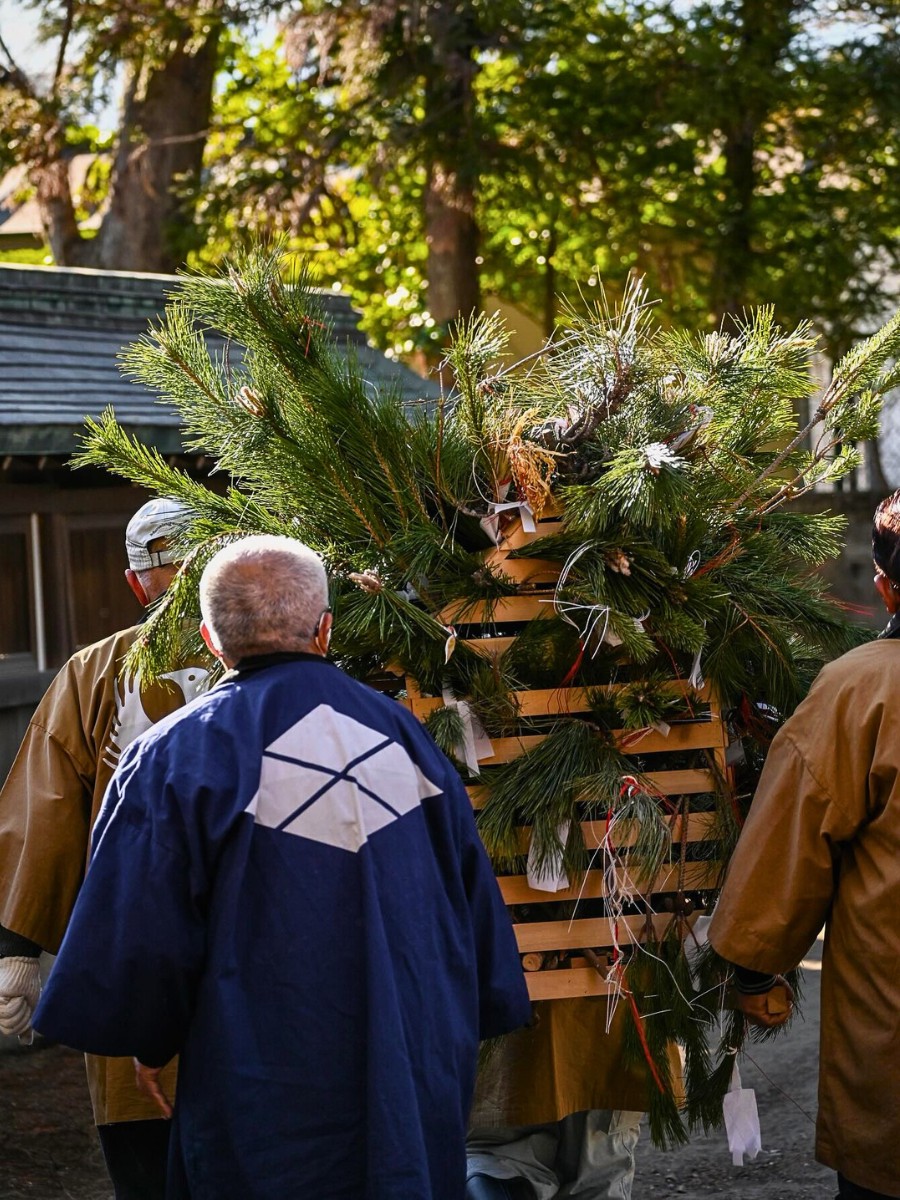
Notably, this practice does not generate hazardous waste. Burning natural plant material produces ash that goes back to the soil as nutrients, completing a full cycle. The bamboo and pine release their stored carbon as well (they had sequestered it while growing), making it all roughly carbon-neutral. More importantly, there is no landfill involved, and hence no waste materials sitting around for years.
This circular approach contrasts with how many other cultures handle holiday greenery. Christmas trees and wreaths often end up in landfills, where they decompose slowly or are incinerated, creating emissions. Even when chipped or composted, the process requires energy inputs and infrastructure. Kadomatsu, by contrast, returns to the earth through fire and ceremony, a practice that integrates spirituality, tradition, and environmental responsibility.
Modern Choices and Traditional Knowledge
The modern context is fascinating. While plastic kadomatsu are becoming available for purchase, offering durability and reusability, many Japanese families continue choosing natural materials despite the extra care required. This preference suggests the harmony between sustainability and tradition, and that sometimes the more traditional choice is also the more environmentally sound one. The practice also preserves traditional craft knowledge, supports sustainable forestry practices, and maintains cultural continuity while treading lightly on the environment.
There is also a subtle point about seasonal awareness embedded in the kadomatsu practice. These decorations appear just after Christmas and come down in mid-January, marking a distinct seasonal boundary. This temporal consciousness, where decorations are temporary and purposeful, encourages a relationship with holidays based on presence, not accumulation. The decoration marks a moment and then releases it. Not insisting on its permanence.
Aesthetics Celebrating the Beauty of Natural Materials in Their Unaltered State
Kadomatsu works because it is embedded in a culture that thinks differently about nature, seasonality, and waste. Japanese aesthetics celebrate the beauty of natural materials in their unaltered state. There is less impulse to modify the flowers unnaturally, or add plastic picks and accessories. The arrangement itself is the art.
This philosophy, called ‘mottainai,’ expresses regret over waste and a desire to use things fully. It is why every part of the kadomatsu serves a purpose, why the materials come from plants that are harvested anyway, and why the disposal method returns nutrients to the soil. Nothing is gratuitous.
Some Lessons to Pick and Emulate
For anyone considering how to approach holiday greenery more thoughtfully, kadomatsu, perhaps, offers some lessons. First, it shows that material choices matter. Natural materials harvested sustainably carry different environmental footprints than alternatives that never biodegrade.
Second, it shows how cultural significance can enhance environmental responsibility. The rituals and meanings surrounding kadomatsu do not exist separately from its sustainability aspect; rather, they strengthen its commitment. Third, it shows that the ephemeral beauties used need not produce lingering waste.
Good design, whether decorative or functional, should consider what happens after its primary purpose ends. Perhaps most importantly, kadomatsu suggests that paying attention to seasons and tradition is aligned with environmental consciousness.
Maybe other holiday florals could use a dose of this thinking. Not every tradition needs to be abandoned, but it could be examined. Are we choosing these flowers because they are meaningful, or because they are available? Are we decorating to celebrate the season, or to compensate for feeling disconnected from it?
Featured image by @dallaskimono. Header image by @giappone_a_colazione.