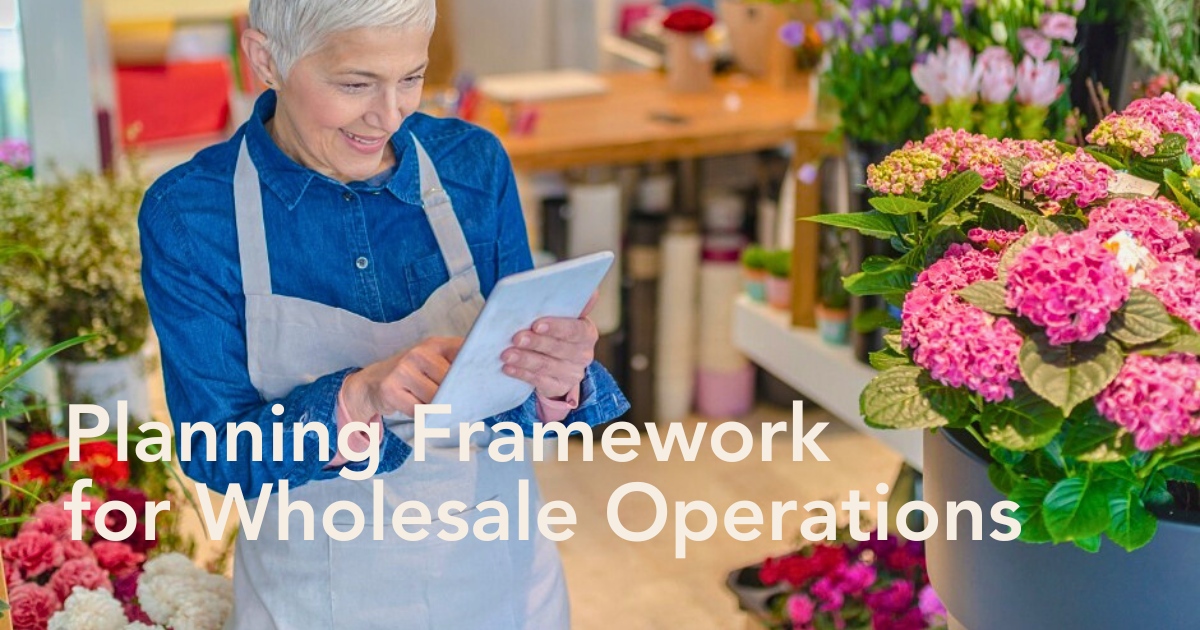
As sustainability continues to gain ground as a major priority across the global floral industry, Sustainabloom, the floral sustainability program of the American Floral Endowment (AFE), has introduced a new planning template designed specifically for wholesale florists, the Sustainability Planning Template for Wholesale Florists.
Available at no cost, the resource provides a structured, research-informed framework to help wholesale operations assess their current practices, identify important opportunities for improvement, and establish a clear way toward their sustainability objectives.
A Framework Designed for Practical Application in the Real World
For many wholesale businesses, the challenge of sustainability is not so much in intention as in implementation. Knowing where to begin, what to prioritize, and how to track progress more effectively are questions that often go unanswered in the absence of practical guidance.
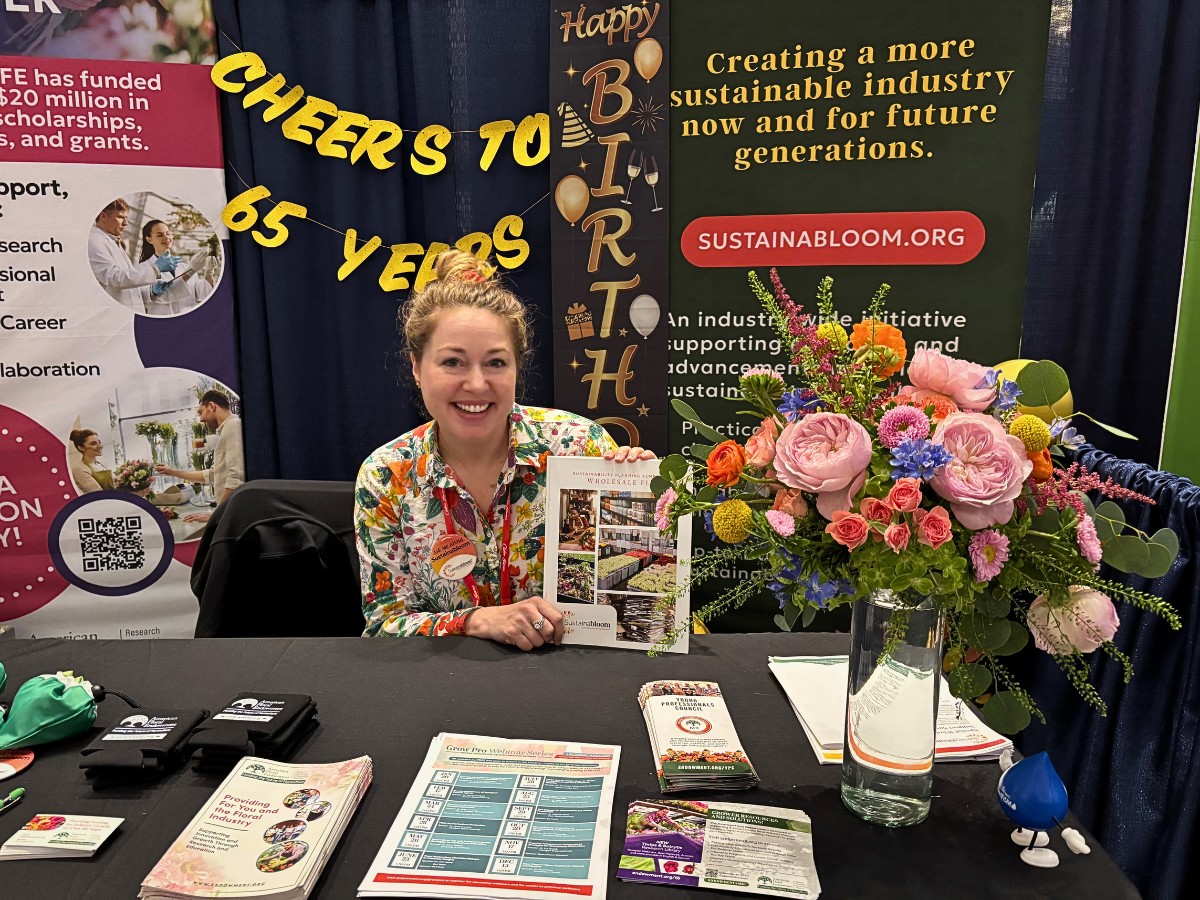
The Sustainability Planning Template for Wholesale Florists addresses these. It was developed by Sustainabloom with direct input from industry partners and informed by the findings of a broad industry-wide survey. Instead of prescribing a fixed approach, the template offers a flexible framework that accommodates businesses at various stages of their sustainability journey, from those taking initial steps to those seeking to build on existing initiatives.
Amanda Solliday, Senior Program Manager for Sustainabloom, described the intent behind the resource, noting that “these tools not only provide guidance, but help floral wholesale businesses take action and make it easier to communicate their efforts." The emphasis, she noted, was on empowering businesses to select the actions most appropriate to their size, structure, and current level of engagement with sustainability.
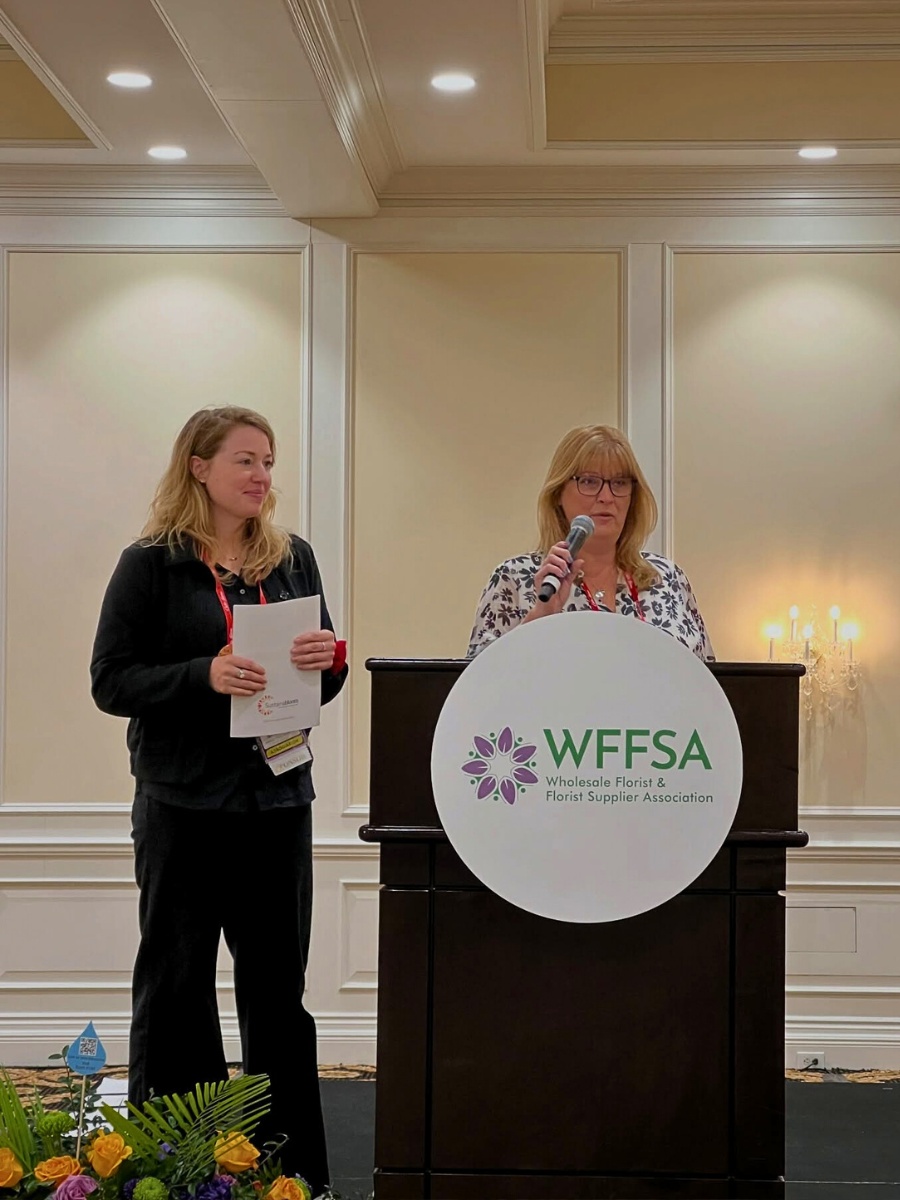
Launched at the WFFSA Floral Distribution Conference
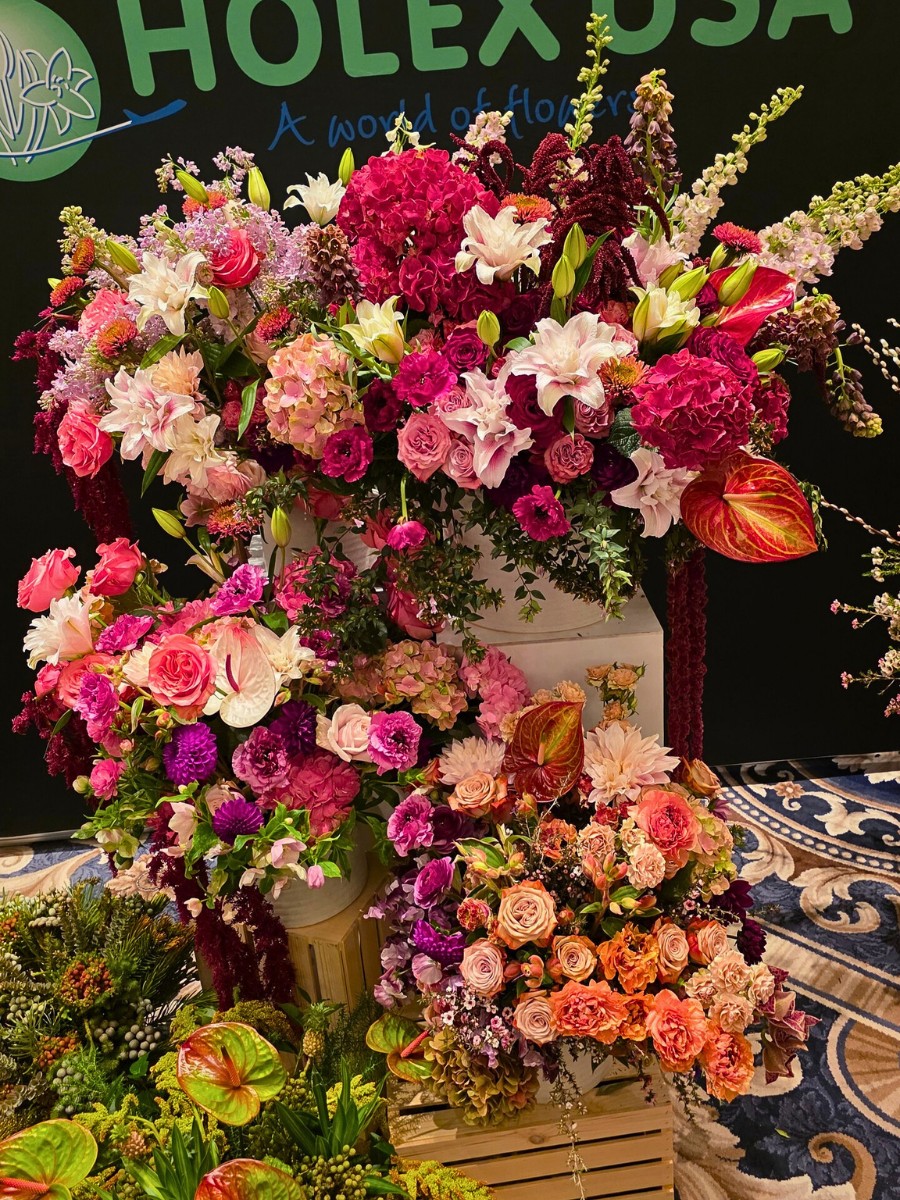
The template was officially introduced at the 2026 Wholesale Florist & Florist Supplier Association (WFFSA) Floral Distribution Conference in Miami, Florida, the premier annual event for wholesale floral suppliers, where Sustainabloom and the American Floral Endowment were the official Sustainability Sponsors of the conference. This highlighted their commitment to advancing sustainability education and resources across the wholesale sector.
Kari Stringfellow, Executive Vice President of WFFSA, emphasized the significance of the collaboration, noting that “sustainability continues to be an important focus for our members, and having a clear, adaptable framework like this makes the work feel achievable.”

Kari Stringfellow:
“We are proud to collaborate with Sustainabloom to help wholesalers turn intention into action and continue moving our industry forward."
Key Features and Operational Coverage
The template guides users through a structured self-assessment spanning several core operational areas, including packaging, flower care and post-harvest management, certifications, sourcing, transportation, energy and water use, and communication with employees, customers, and the wider community.
A notable feature of the guide is its ‘stoplight system,’ which uses red, yellow, and green indicators to help businesses evaluate their current practices and identify priority areas for advancement.
This visual approach allows wholesalers to quickly distinguish which areas require immediate attention, which are progressing satisfactorily, and which already reflect strong performance. Floral businesses are encouraged to select one to three focus areas at a time, ensuring that progress remains achievable and well-managed.
The template further supports businesses in engaging leadership, establishing measurable metrics with their teams, and developing a formal sustainability commitment statement suitable for sharing with customers and supply chain partners. The emphasis on transparency shows a general recognition that clear communication of sustainability efforts strengthens relationships and builds long-term credibility.
Sustainability as Sound Business Strategy
One thing that makes this template stand out is that it does not treat sustainability as a purely idealistic exercise. It puts focus on floral sustainability as a commercial reality, as well. Throughout the guide, sustainability is presented as a practical strategy with viable operational benefits, and not as an abstract aspiration. The benefits that come with sustainability include cost savings, reduced spoilage, improved energy performance, stronger supplier relationships, and increased customer confidence.
For wholesale floral businesses facing the ongoing pressures of rising costs and supply chain uncertainty, these outcomes carry considerable weight. The template, therefore, proactively assists businesses in recognizing how sustainability improvements can address the very operational challenges that affect day-to-day performance and long-term competitiveness.
A Growing Suite of Floral Industry Sustainability Resources
The Wholesale Florists template is the second planning resource of its kind released by Sustainabloom. A companion Sustainability Planning Template for Retail Florists was made available in late 2025, and together the two resources address the distinct needs of both retail and wholesale segments of the floral supply chain.
Both templates are available as free downloads through sustainabloom.org, in keeping with Sustainabloom's mission to make research-backed sustainability guidance accessible to floral businesses of all sizes and at all stages of development.
So, if you are part of a floral wholesale operation and sustainability has been sitting somewhere on your to-do list, this might be the nudge you have been waiting for. The template is available now at sustainabloom.org.
Header image by @american_floral_endowment.