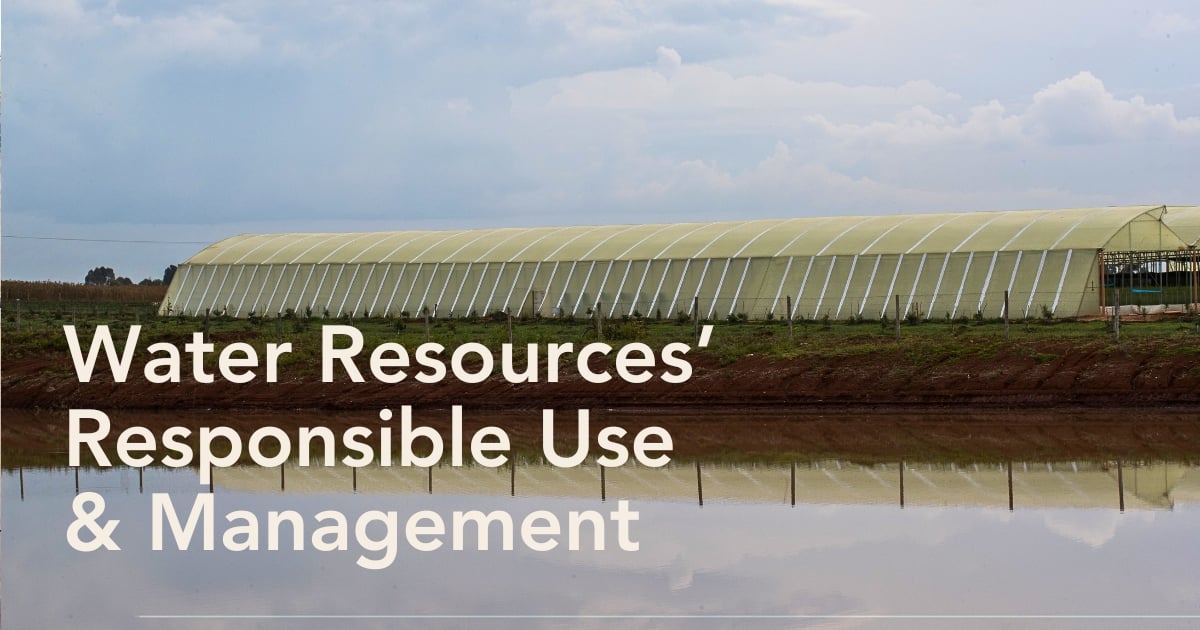
Water is, perhaps, the single largest input in cut flower production in Kenya. Greenhouses and open flower farms need it, irrigation systems rely on it, and many other flower production processes require it. Therefore, natural water bodies near flower farms can hardly ever be considered an afterthought. The Kenya Flower Council (KFC), the umbrella body representing (sustainable) flower production in the country, has made water a high-priority resource that defines how the sector works, and not a byproduct of production.
KFC’s Flowers and Ornamentals Sustainability Standard (KFC FOSS) has, for the years of its existence, made proper water management a key principle (and a daily practice) on all certified Kenyan farms. This Standard sets the bar for how member farms measure, treat, and reuse water. But how does the whole system work? And why does it all matter for buyers sourcing from Kenya?
Water Is the Very Essence of Kenya’s Flower Production
Kenya is among the world's leading exporters of cut flowers and supplies more than 40% of the cut roses sold in the European Union. All Kenyan flower shipments’ production is based on mechanisms largely driven by water. Greenhouse irrigation needs sufficient irrigation water, as well as cooling systems that keep flowers fresh after harvest, and processing lines that wash, grade, and pack flowers.

The flower sector supports more than 200,000 direct jobs and touches the livelihoods of an estimated two million Kenyans, many of them concentrated around Lake Naivasha and other catchment areas where flower farms and communities draw from the same (sometimes limited) water sources. This shared dependence is why the Kenya Flower Council, the industry's representative body since 1996, has water management among its most important responsibilities.
Three Decades Transforming Kenya’s Floriculture
When Kenya's flower sector began taking shape, it did not start with the systems in place today. Roughly three decades ago, most flower farms met only the minimum requirements set by law. But the industry has since grown and achieved standards recognized well outside Kenya's borders. Rainwater harvesting infrastructure, precision drip irrigation, hydroponic growing systems, water recycling loops, constructed wetlands, wastewater treatment plants, and restoration work on riparian zones bordering waterways are just a few systems currently in place.
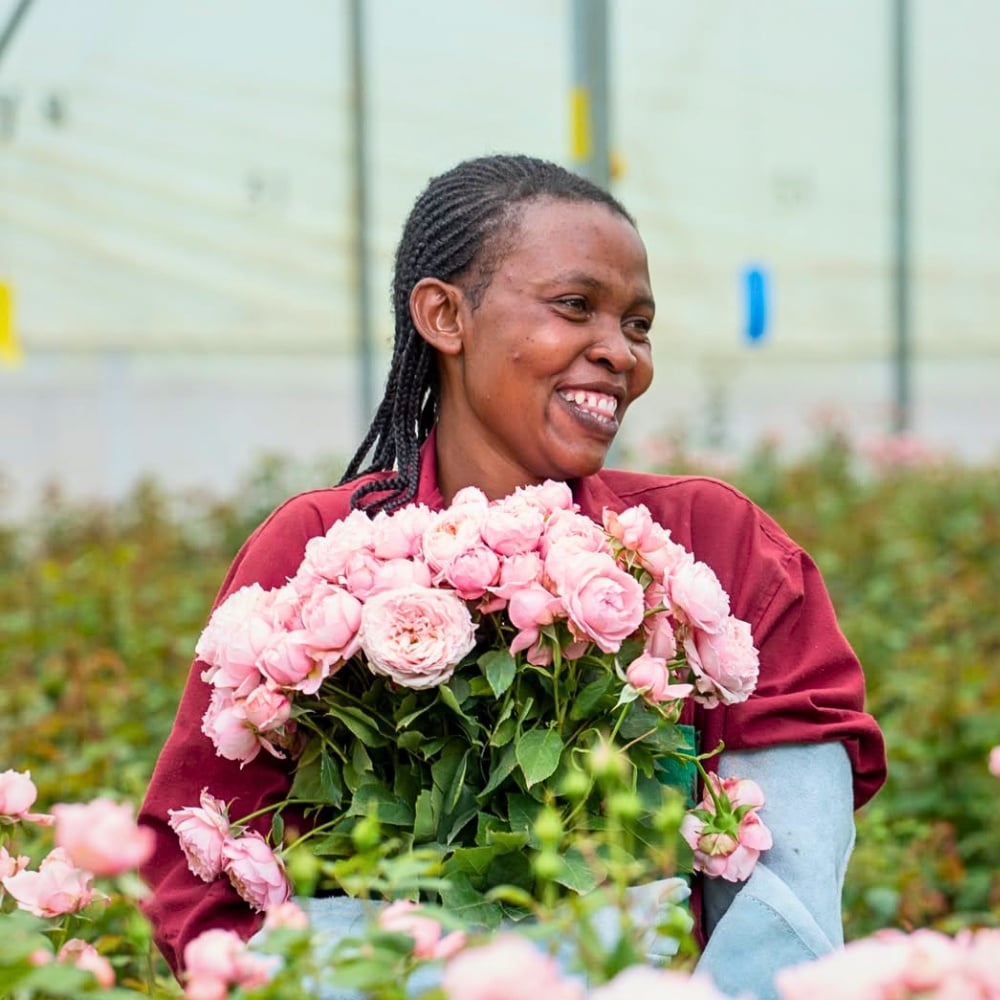
KFC, which celebrates its 30th anniversary this year, has been at the forefront of all these. The association has ensured that, rather than water being used and discarded (on certified farms), it can be managed as a resource tied to continued production and the health of the surrounding environment. KFC FOSS plays a key role here. And even more is expected of this Standard as it improves.
The Role of KFC FOSS in Floricultural Water Governance
Commercial floriculture requires reliable, high-volume access to clean water, while still minimizing environmental impact on surrounding hydrological systems. Therefore, KFC implements strict regulatory oversight, checking this resource’s management across its member operations.
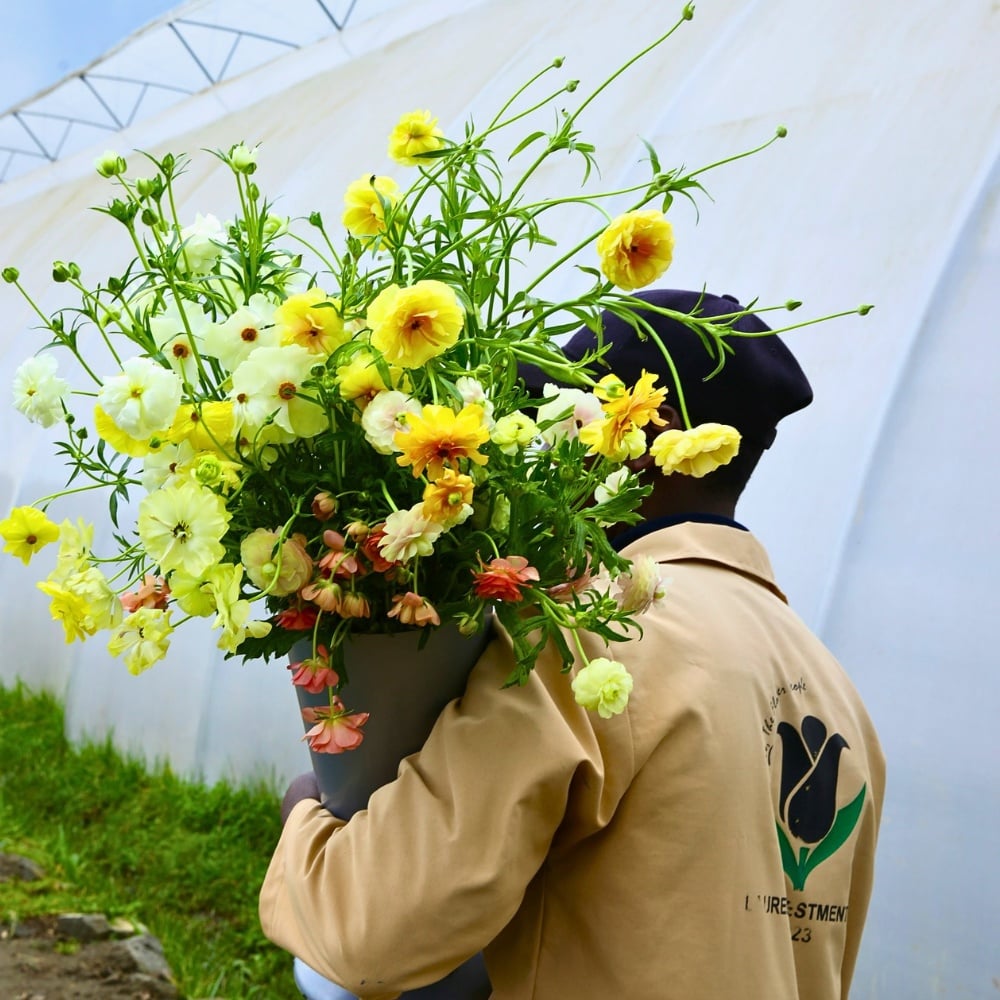
KFC FOSS, known widely as KFC Silver and benchmarked against international criteria like GLOBALG.A.P’s Integrated Farm Assurance, the Floriculture Sustainability Initiative’s (FSI) Basket of Standards, and aligned with Kenya’s Horticulture Code of Practice, KS 1758 Part 1, establishes mandatory requirements for water abstraction, usage tracking, pollution prevention, and ecosystem protection.
This Standard has, as a result, seen the Kenyan floriculture sector transition from basic regulatory compliance to structured water conservation. Under FOSS certification, commercial farms undergo independent technical audits to verify their water sourcing, internal distribution networks, and treatment protocols.
The Standard also requires growers to register all natural water abstraction, conduct regular water quality testing in accredited laboratories, and maintain proactive measures that protect local watersheds from chemical contamination. Essentially, FOSS is the operational blueprint that balances commercial floriculture productivity with long-term ecological management.
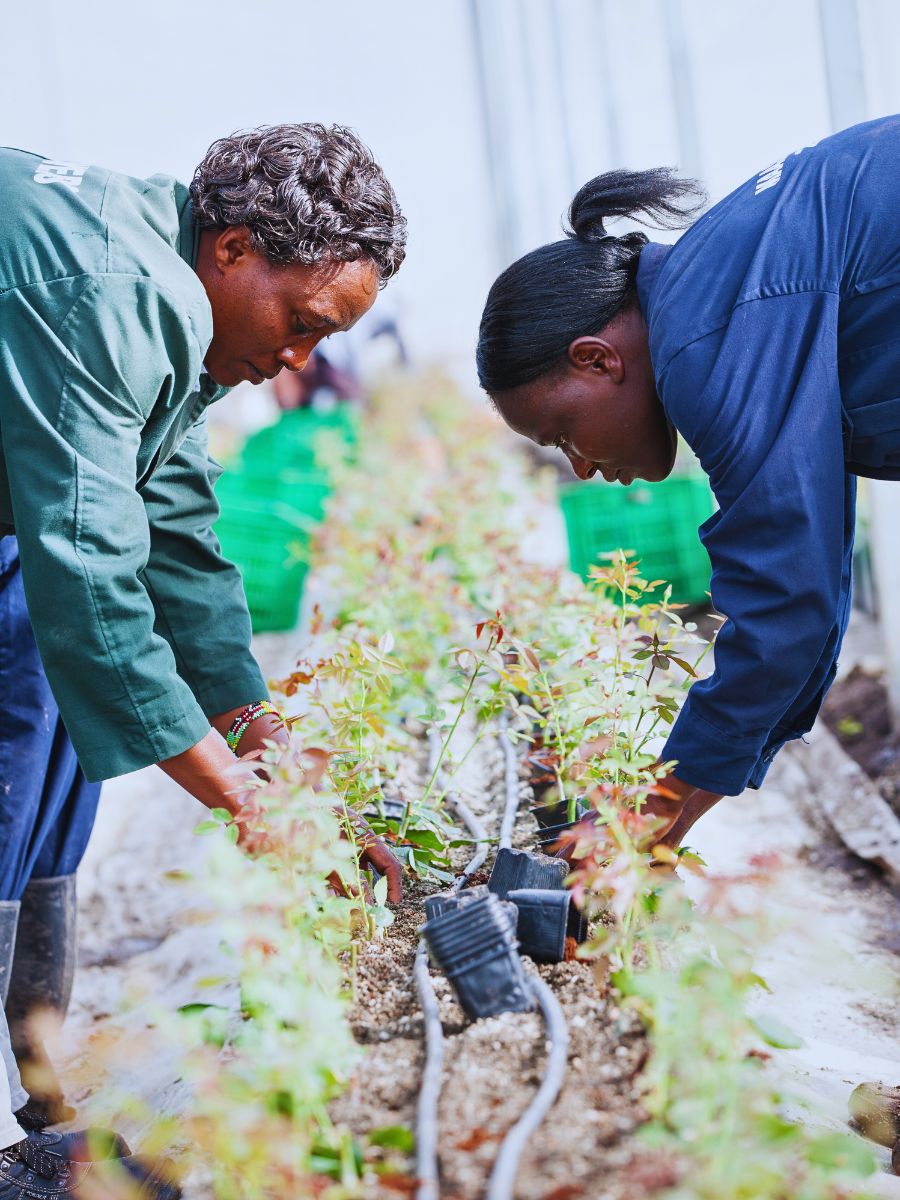
Notably, KFC FOSS certification is not one-tiered, and flower farms first work toward Silver status, which confirms baseline compliance with water, labor, and environmental requirements, before advancing to Gold, which asks for performance that clearly exceeds the baselines on metrics like water recycling rates, wastewater quality, and biodiversity protection near riparian zones.
Also, the tiered structure gives farms a defined approach to continuous improvement, rather than a one-time pass-or-fail outcome. This, in turn, encourages sustained investment in water systems even after initial certification is achieved. Noteworthy is that KFC FOSS certification is not granted based solely on paperwork, and qualified independent assessors must first verify practices at the production site.
KFC FOSS and Water Management Practices on the Ground
Member farms, as already noted, are benchmarked against several metrics, which also extend to responsible handling of chemicals. Much of this responds to conditions on the ground, particularly around Lake Naivasha, where a large share of Kenya's flower farms are, because the lake is a Ramsar-listed wetland, and farms in the basin balance production against the water needs of surrounding communities and wildlife.
Rainwater Harvesting and Efficient Irrigation
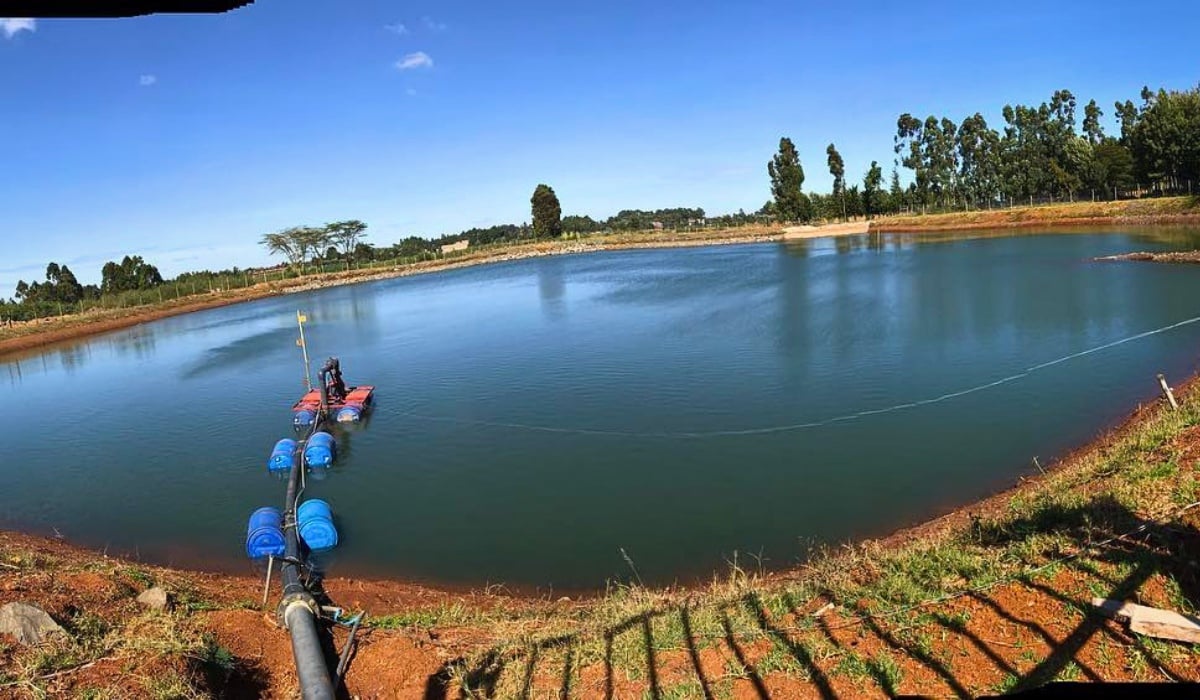
Many FOSS-certified farms collect rainwater from greenhouse rooftops, often supplying a significant portion of a farm’s annual water needs and reducing reliance on natural sources; in this case, KFC notes that 78% of its farms harvest rainwater. A quarter of farms also meet more than half their water needs from harvested rainfall.
Drip irrigation, another practical model, delivers water directly to plant roots instead of across open ground, cutting losses from evaporation and runoff. Likewise, closed hydroponic systems boost this even further, recirculating water through the growing system instead of discharging it after one use. This method is now common among Kenya's larger flower producers.
Wetlands and Wastewater Treatment Before It Reaches the Watershed
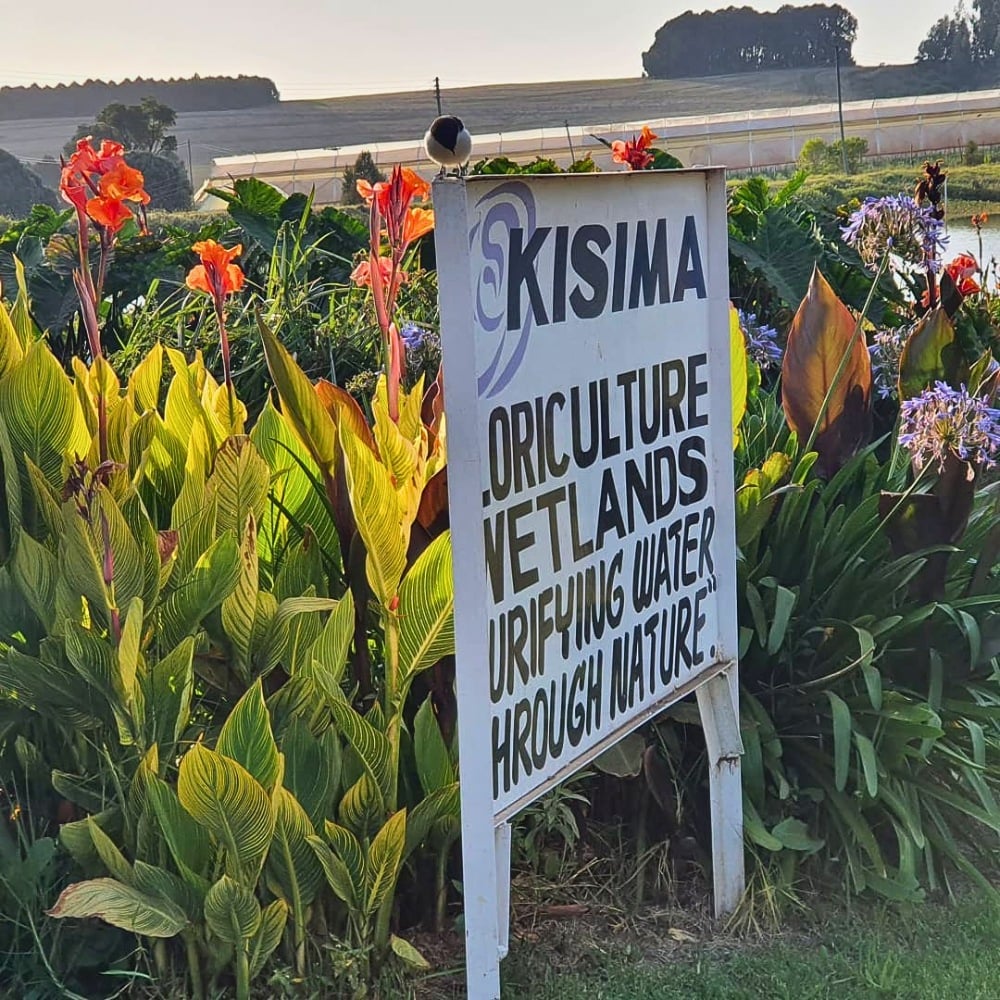
Constructed wetlands have become common on many farms. Wastewater from greenhouses and packing houses passes through these planted systems, which filter out sediment, nutrients, organic matter, and residual chemicals, if any, before the water is released back into the environment or reused for irrigation.
The Kingfisher wetland is among the largest and oldest of these systems in the basin. Water quality studies done along this wetland’s length have found a significant drop in pollutant concentration between the point where wastewater enters and where treated water exits.
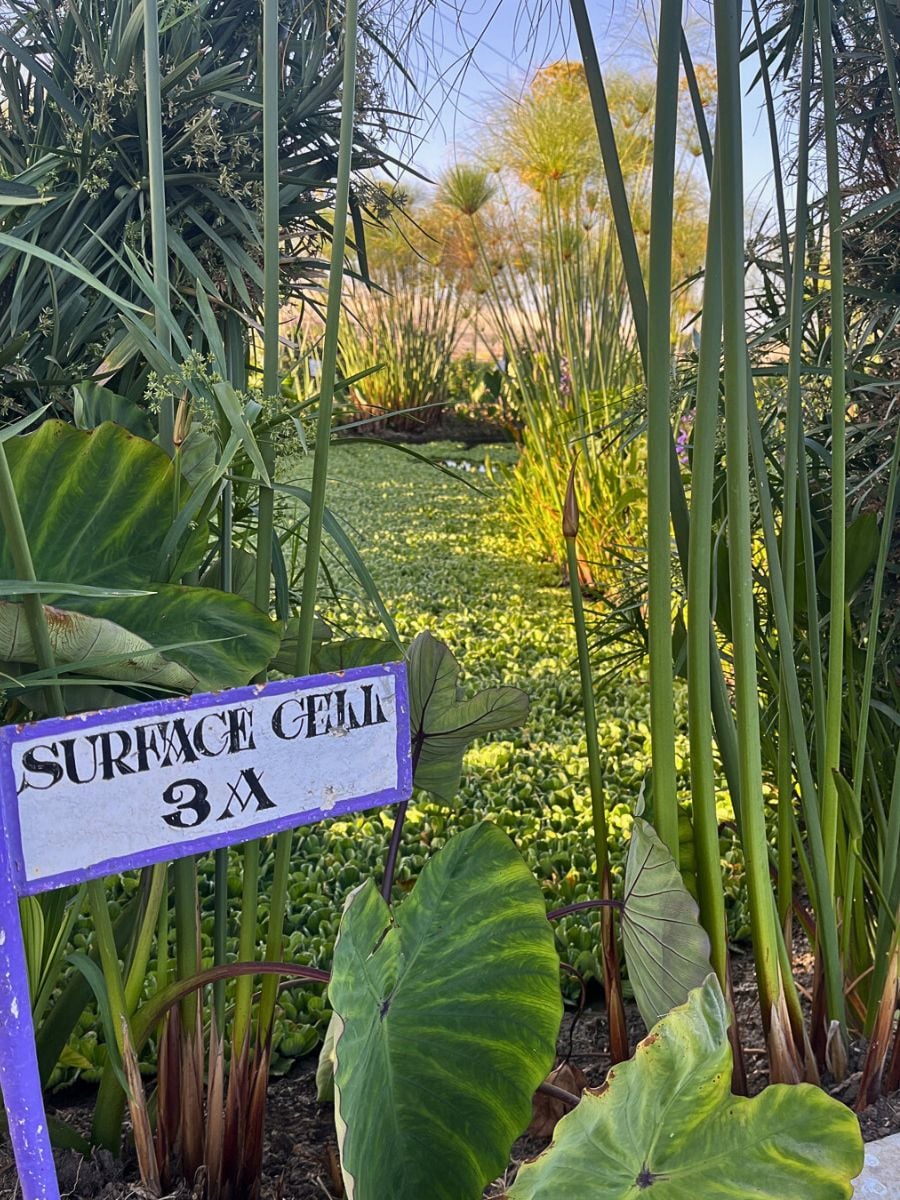
Alongside constructed wetlands, several growers in the region also work to restore riparian vegetation along the lakeshore, reducing erosion and helping filter runoff before it reaches open water. They have joined watershed-level initiatives that spread water management upstream of their own operations. These and similar arrangements recognize that collaboration across the wider catchment is how leading farms approach the water issue.
Hydroponic Systems and Effluent Management
Modern production facilities certified under FOSS are also increasingly adopting closed-loop production systems to control nutrient delivery and minimize waste. Currently, 56% of member farms use hydroponic growing systems, representing 54% of the total cultivated floriculture area under KFC oversight. These non-soil media systems allow growers to collect surplus irrigation runoff that contains dissolved fertilizers.
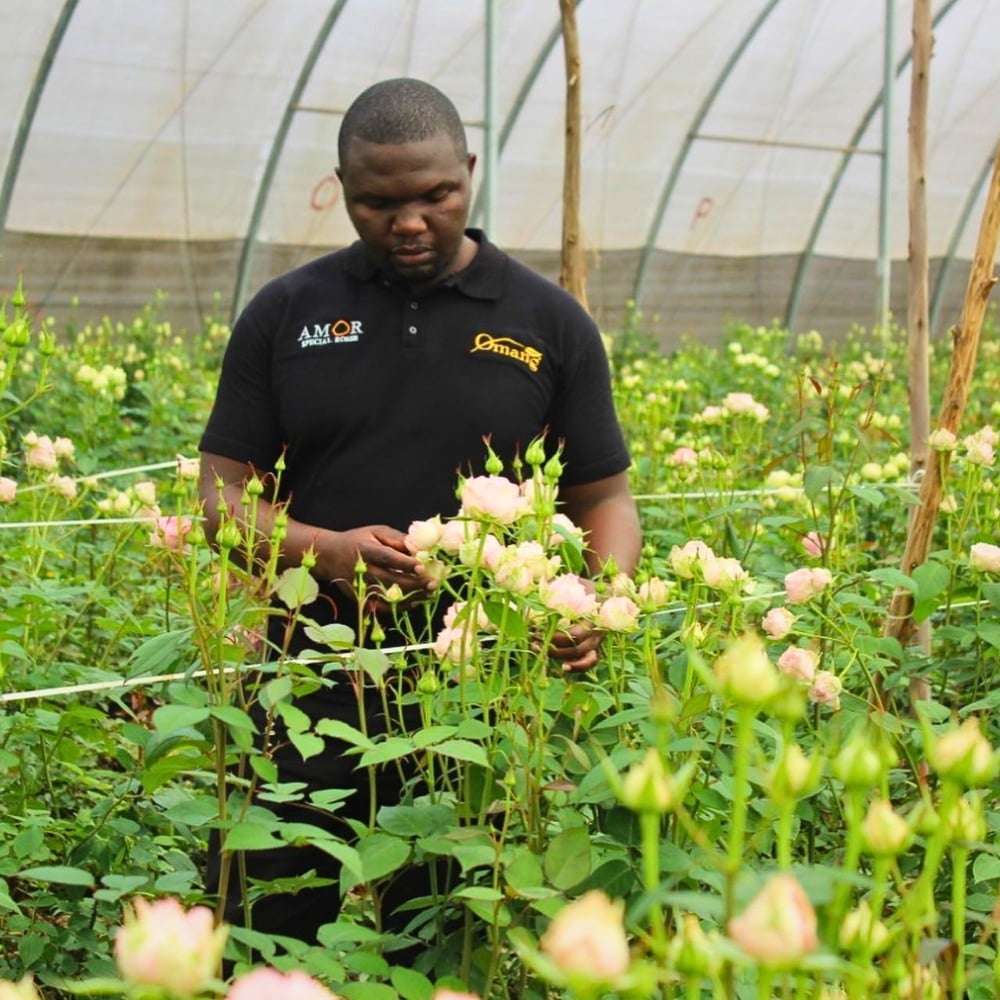
Among those operating hydroponic units, 70% proactively capture, filter, and recycle fertilizer outflows back into the primary irrigation loop, and this recycling of nutrient solutions reduces commercial fertilizer consumption while preventing excess nitrates and phosphates from entering surrounding groundwater tables.
For general wastewater management and effluent containment, FOSS has in place mandatory treatment protocols before any water exits farm boundaries. Data indicates that 117 out of 118 evaluated member farms (99%) maintain operational wastewater containment systems, which feature engineered constructed wetlands, specialized soak pits, or chemical deactivation units. The processed water still undergoes laboratory testing to ensure full compliance with national environmental standards before it is released.
Auditing and Certification Platform and Ecotrace
To facilitate all this, KFC has an Audit and Certification Platform, a digital system that collects real-time, standardized, and independently audited data across member farms. This platform tracks water use efficiency, harvesting, recycling, wastewater treatment, constructed wetlands, biodiversity outcomes, and general compliance all in one place, giving a clearer picture of what is happening on the ground. Yet it does not just rely on the farms to self-report performance.
EcoTrace, yet another upcoming system, is expected to build on this by adding traceability across the value chain, so that claims about a farm's water performance can be checked against independently verified records. Both of these essentially move the industry from just making sustainability claims to validating them through verified evidence.
These systems, KFC CEO Clement Tulezi says, will well-position Kenya's flower industry to meet the increasing demand for verifiable sustainability data, improve decision-making, identify areas for continuous improvement, and strengthen international competitiveness.
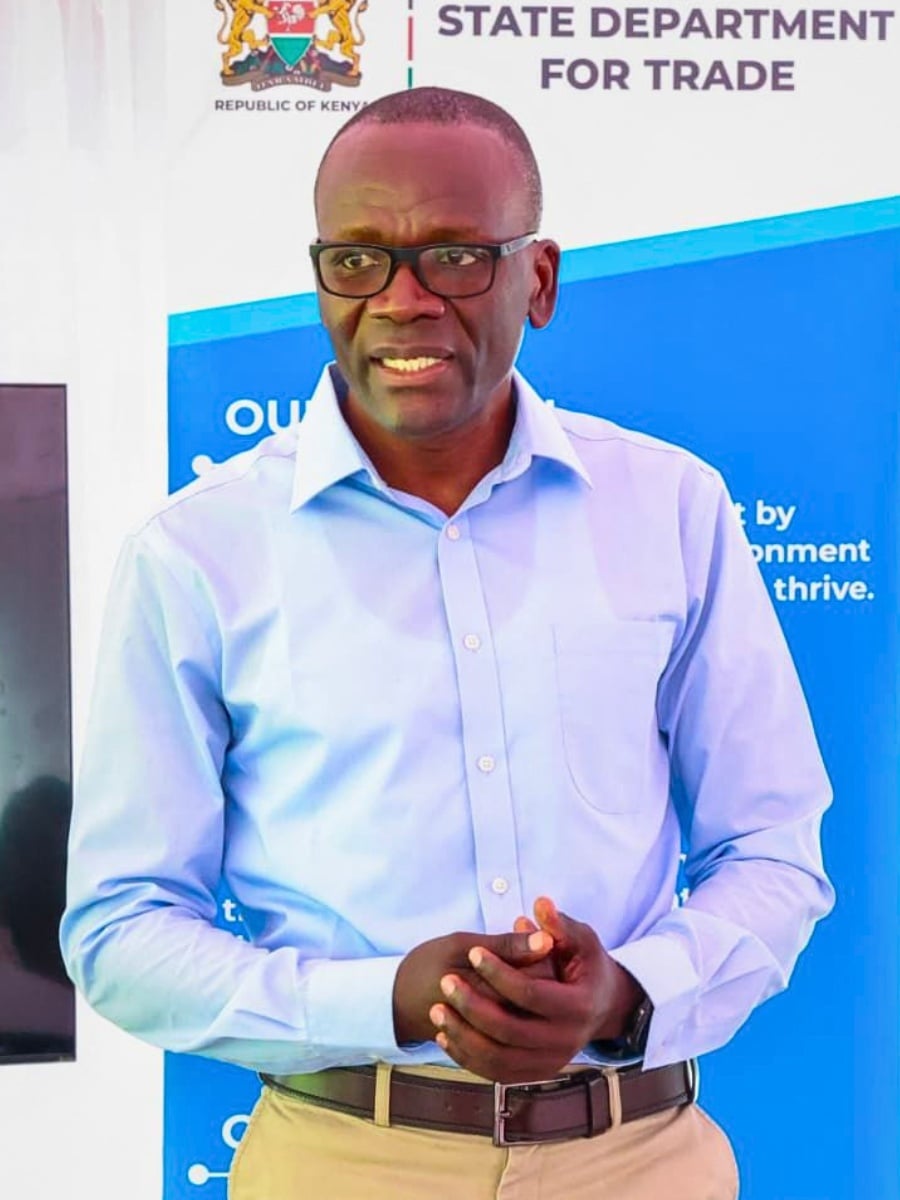
“Sustainability today is measured through evidence, not promises. Our digital audit platform and EcoTrace are transforming how we demonstrate environmental performance by providing credible, independently verified data that builds confidence among buyers, regulators and consumers worldwide.”
With EcoTrace adding another traceability layer to the Audit and Certification Platform, data including water use efficiency, harvesting volumes, recycling rates, wastewater treatment outcomes, constructed wetland performance, and biodiversity indicators are all easily measured, giving international buyers a recognized basis for sourcing decisions while helping farms identify areas for improvement.
Positioning Kenya as a Sustainable Floriculture Leader
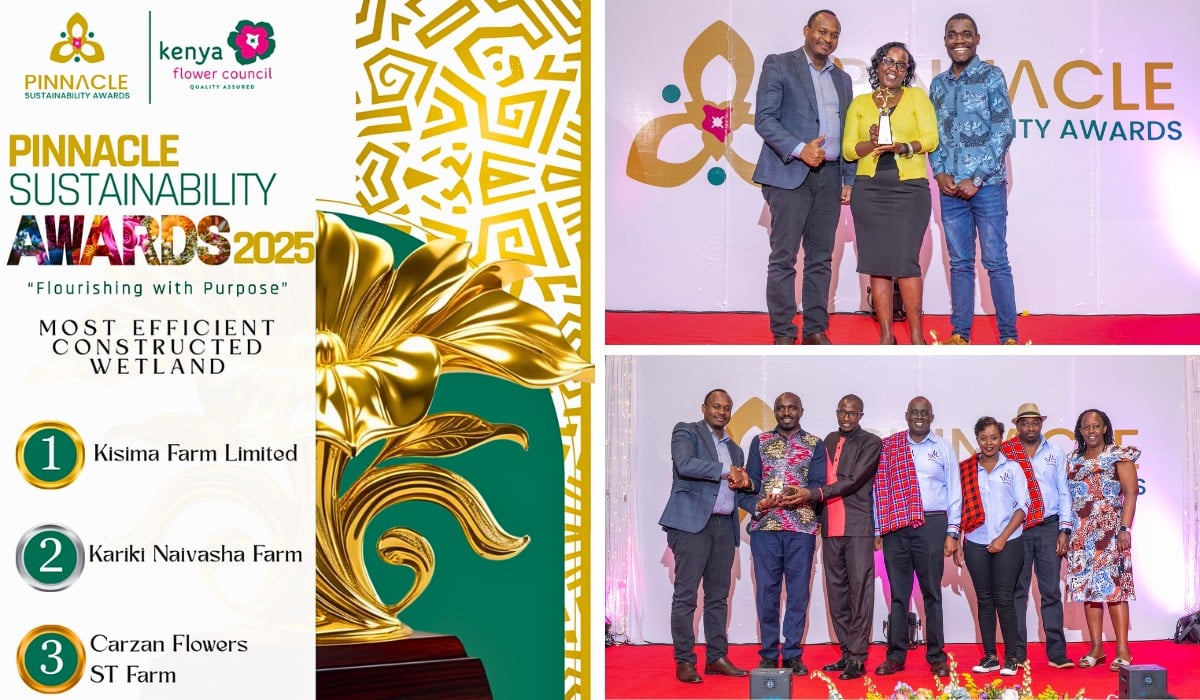
The KFC FOSS requirements, audit platform, and EcoTrace all form a continuous cycle in which standards are set, farms are measured against them, and the resulting data refines the standards further. This structure is part of why Kenya's flower sector maintains a reputation for credible sourcing even as competition from other flower-growing regions grows. With recognition at events like the Pinnacle Sustainability Awards, there is impetus for farms to up their water management practices well past baseline requirements.