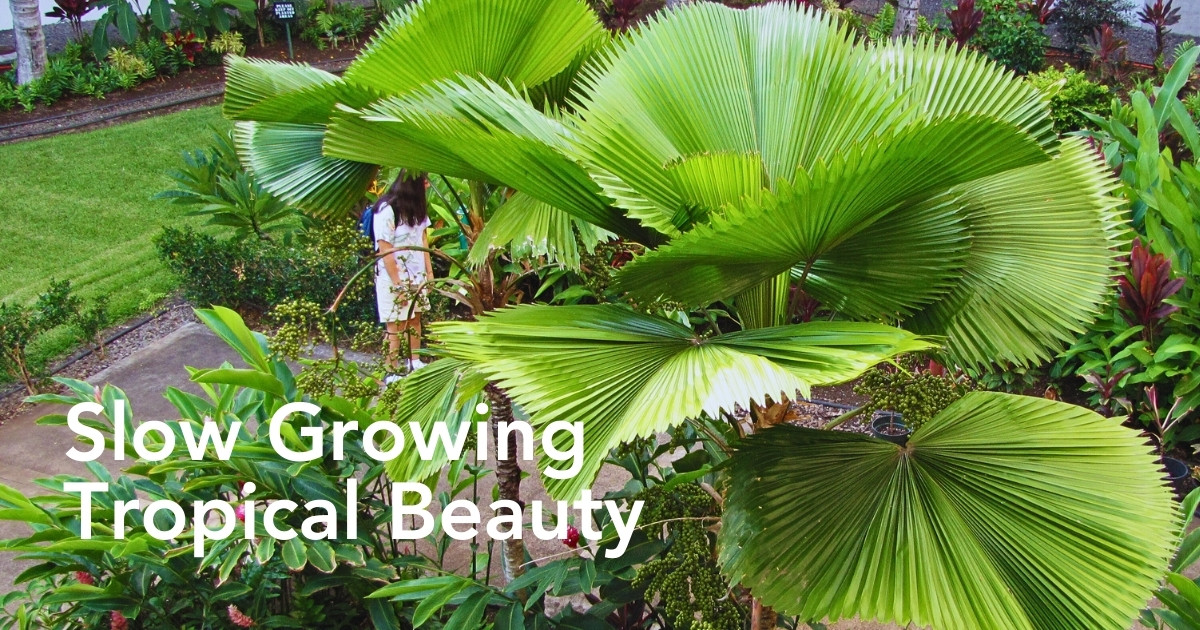
With pleated circular leaves resembling giant green parasols, the Licuala grandis, affectionately known as the ruffled fan palm, brings that exotic allure and tropical elegance directly into living spaces. This slow-growing beauty from the South Pacific islands is known to bring unsurpassed visual appeal to spaces where it is planted – whether as an indoor Licuala grandis or an outdoor tropical garden.
In essence, the ruffled fan palm offers architectural elegance, grace, and beauty, all wrapped up alongside the plant’s surprisingly forgiving nature. You might want it as an indoor statement piece or a garden focal point; either way, this fan palm has that understated elegance that elevates any setting.
Understanding Licuala Grandis Palm’s Botanical Origins and Background
The Licuala grandis, scientifically classified within the Arecaceae family, is one of the most distinctive tropical palms available. It belongs to the genus Licuala, which encompasses approximately 108 recognized species distributed across Southeast Asia and the Pacific region.
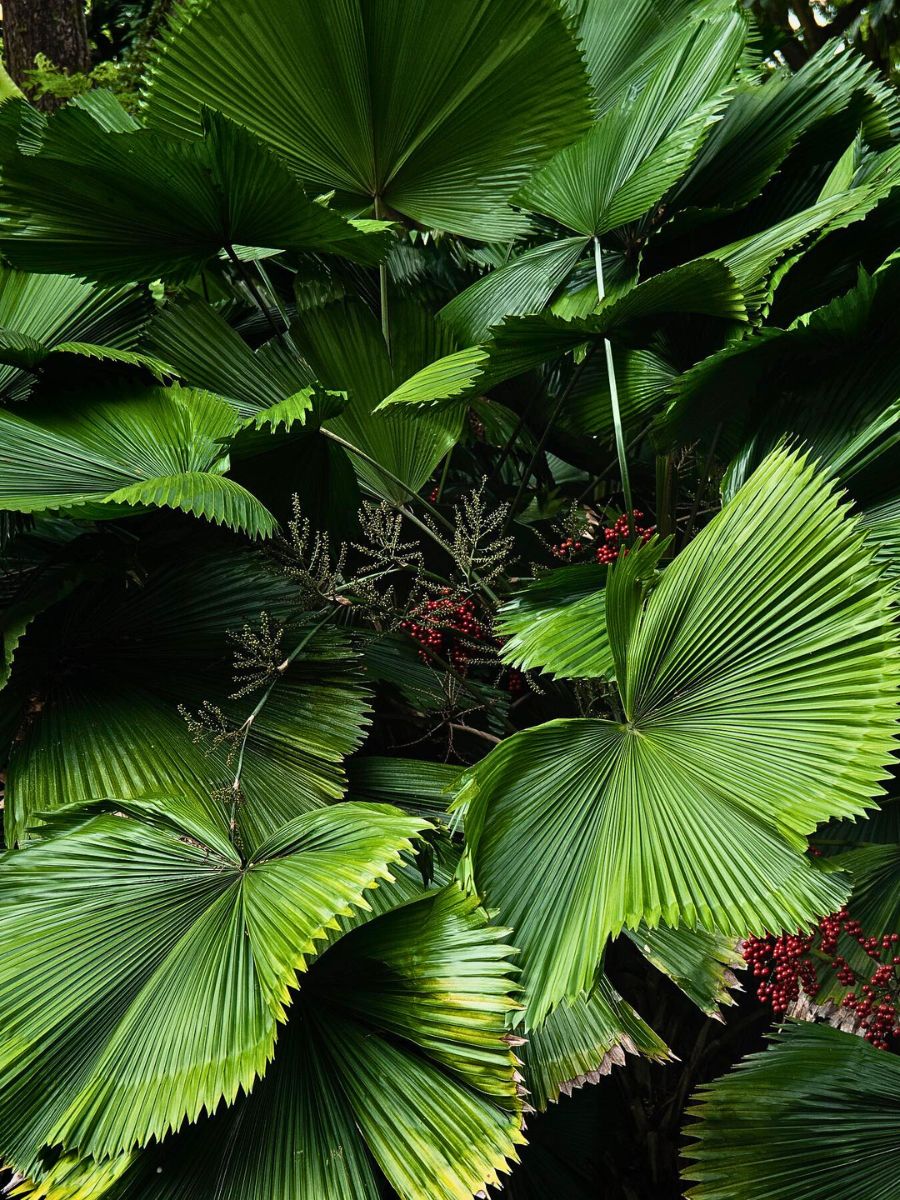
Licuala grandis palm calls the humid rainforests of Vanuatu home, though you'll also find it native to the Solomon Islands and parts of the South Pacific region. It got its common name, Vanuatu fan palm or ruffled fan palm, from its distinctive foliage that spreads out in perfect, ruffled circles.
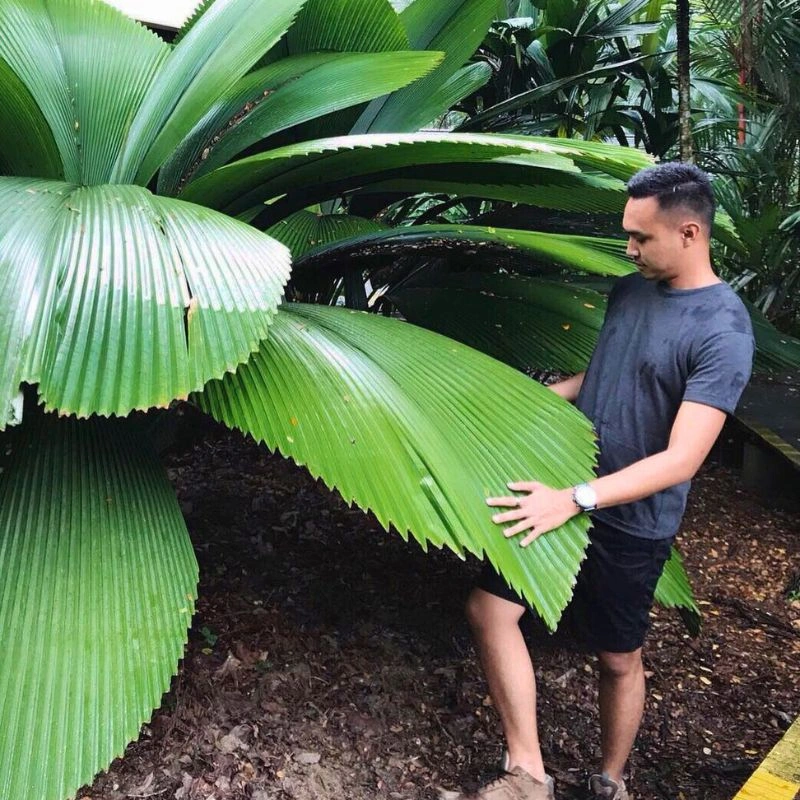
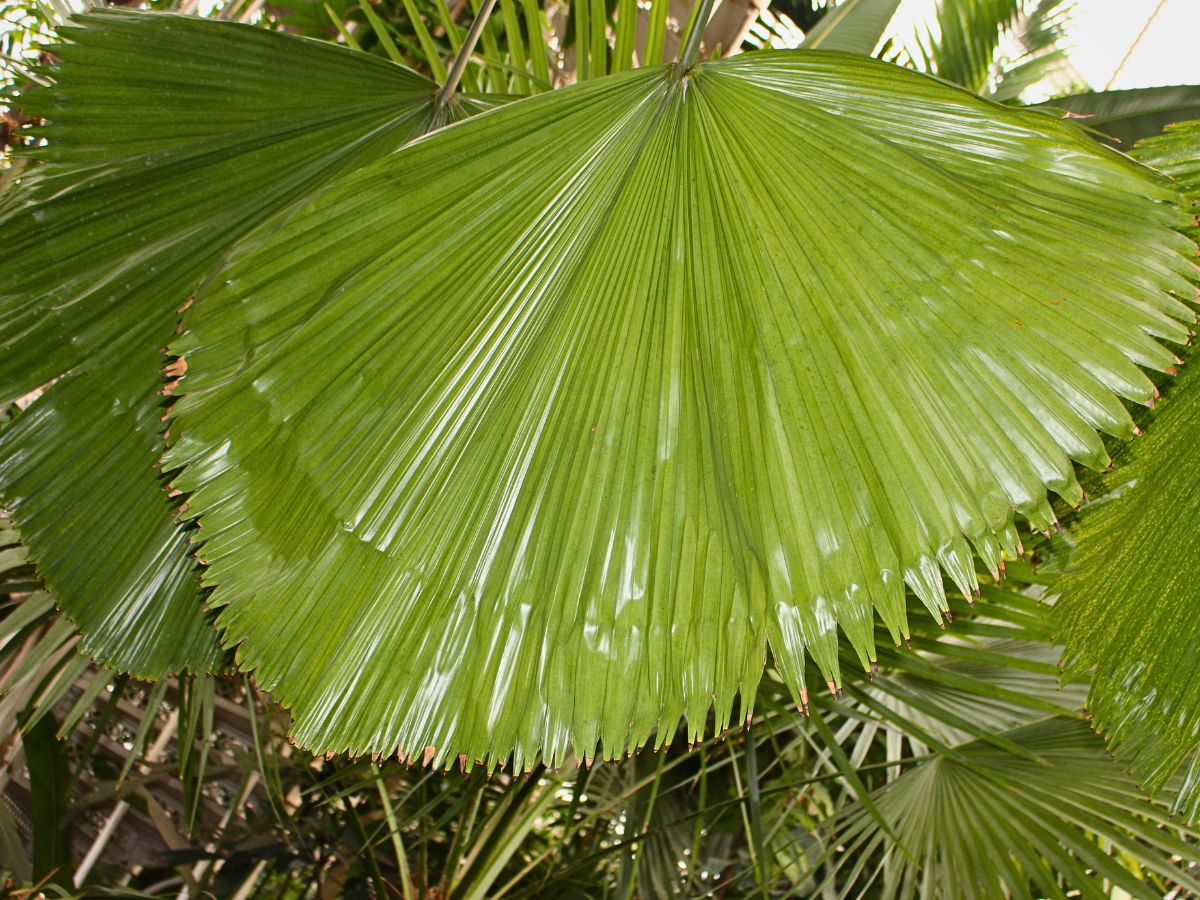
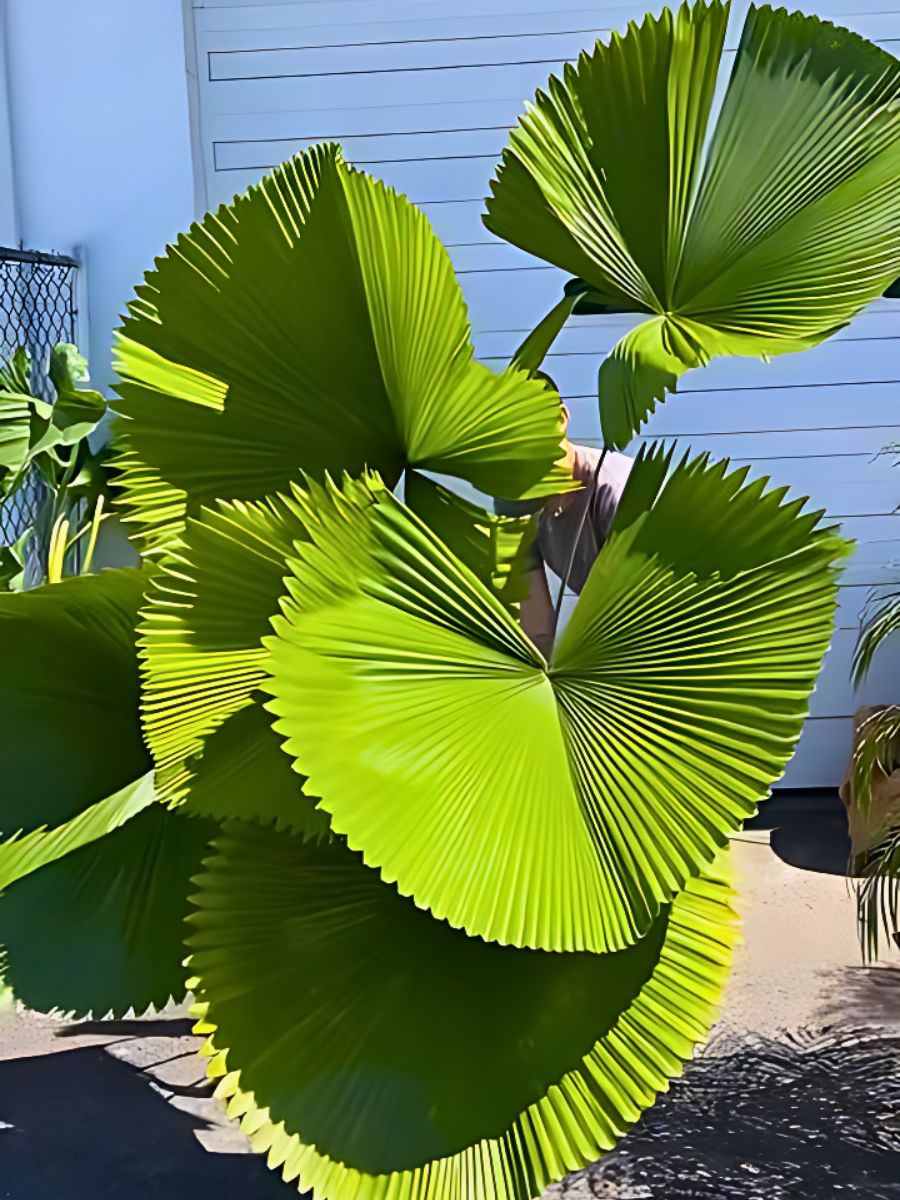
Its botanical nomenclature reflects the plant's impressive characteristics. ‘Grandis’ translates to ‘large' or ‘great,’ referencing the expansive, circular fronds that can reach up to three feet in diameter. These leaves distinguish Licuala grandis from other tropical fan palms, making it instantly identifiable.
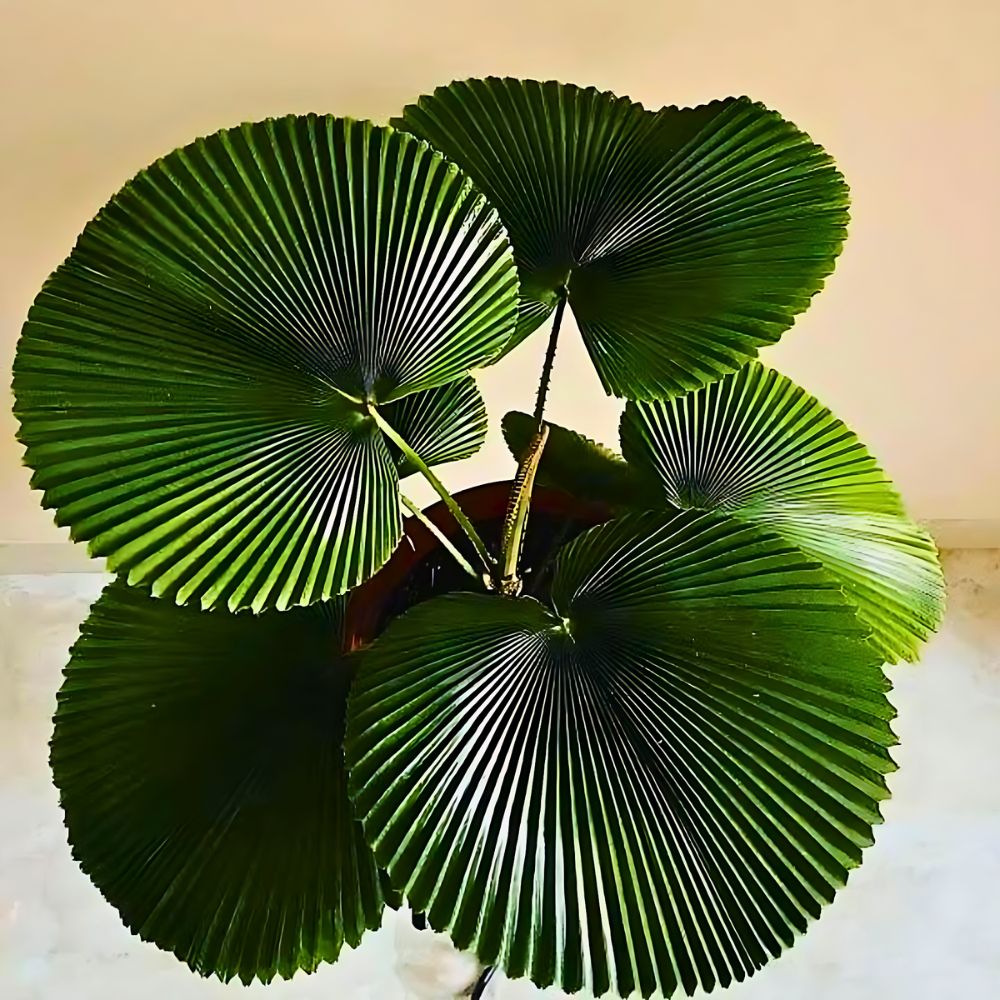
In the genus Licuala, grandis is also unique for its particularly glossy, undivided leaves. Unlike many fan palms with deeply divided fronds, Licuala grandis has leaves that remain whole, creating a signature round silhouette with only a notched tip.
This palm grows slowly (really slowly), and in its native habitat, mature palms can reach heights of 3 meters (10 feet), but in cultivation, especially when planted in a pot or grown indoors, you’ll be looking at a much more modest growth rate. This slow development makes it ideal for those who want a manageable palm that won't outgrow its space quickly.
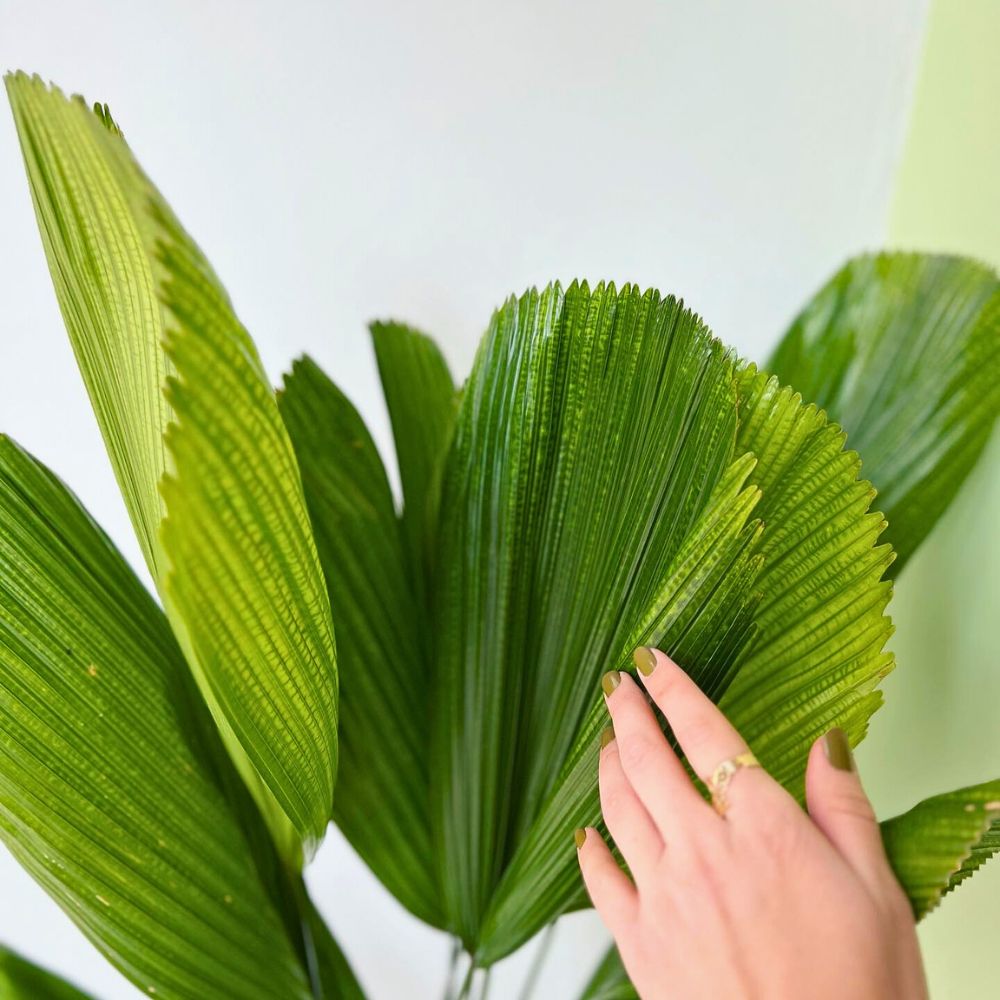
At the Royal Botanic Gardens and other botanical institutions across Australia, this species has been studied and cultivated for years.
Ruffled Fan Palm Geographic Distribution and Habitat
Licuala grandis’ native distribution covers specific areas including the Santa Cruz archipelago, San Cristobal, and the northern islands of Vanuatu, occupying a narrow ecological niche within lowland rainforests, and flourishing as an understory species beneath towering canopy trees that provide dappled shade.
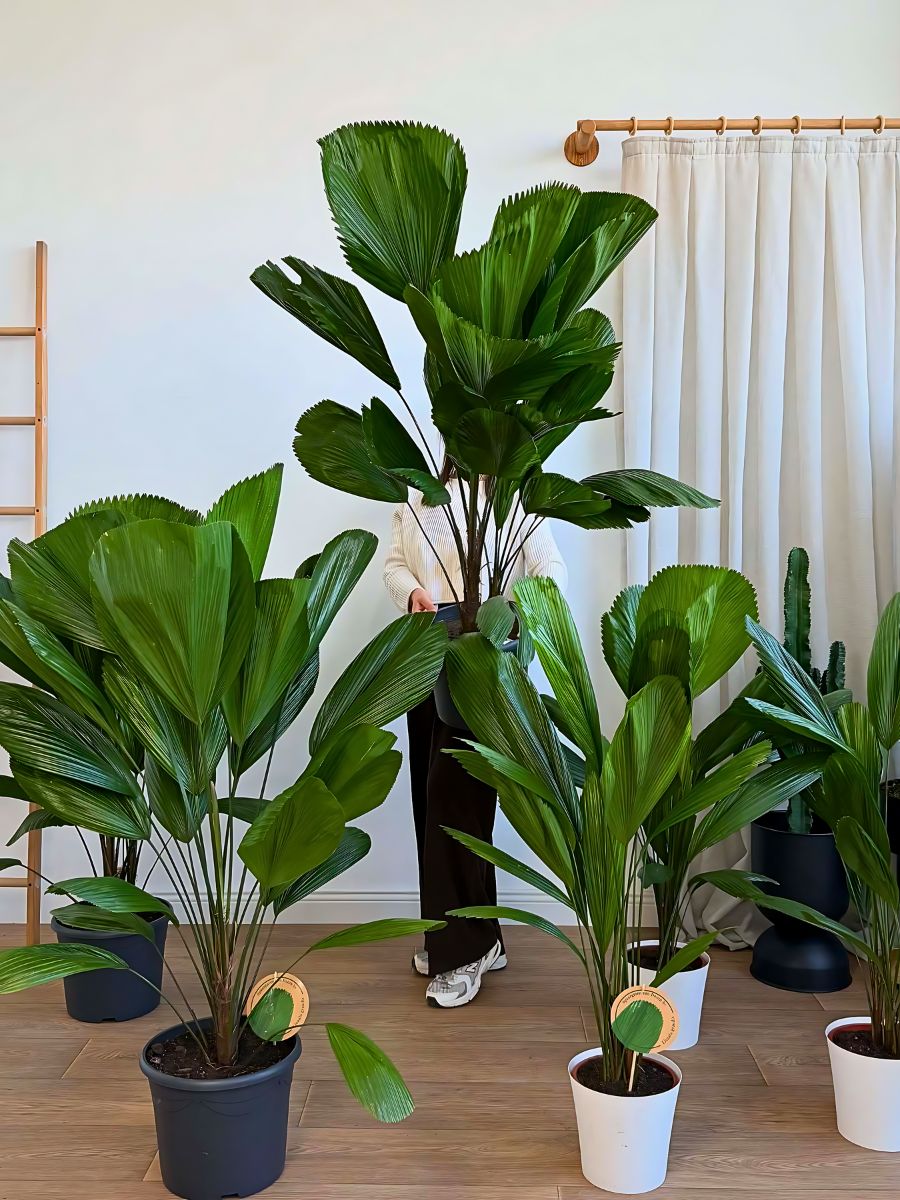
Historically, the ruffled fan palm held significant cultural importance among indigenous peoples of the Vanuatu islands. In traditional communities, its leaves were used as natural umbrellas during sudden rainfall and carried ceremonial significance as status symbols. Today, the ruffled latan palm, another regional common name, remains part of the cultural consciousness of its native regions while gaining popularity as a houseplant worldwide.
The ecological habitat of Licuala grandis consists of moist, humus-rich soil enriched by periods of tropical plant decomposition. These regions experience consistent warmth, abundant humid conditions, and regular watering throughout the year. The plants remain protected from harsh direct sunlight and extreme weather conditions, factors that significantly influence cultivation requirements for this slow-growing palm in domestic settings.
Understanding the Ruffled Latan Palm’s Growth Patterns
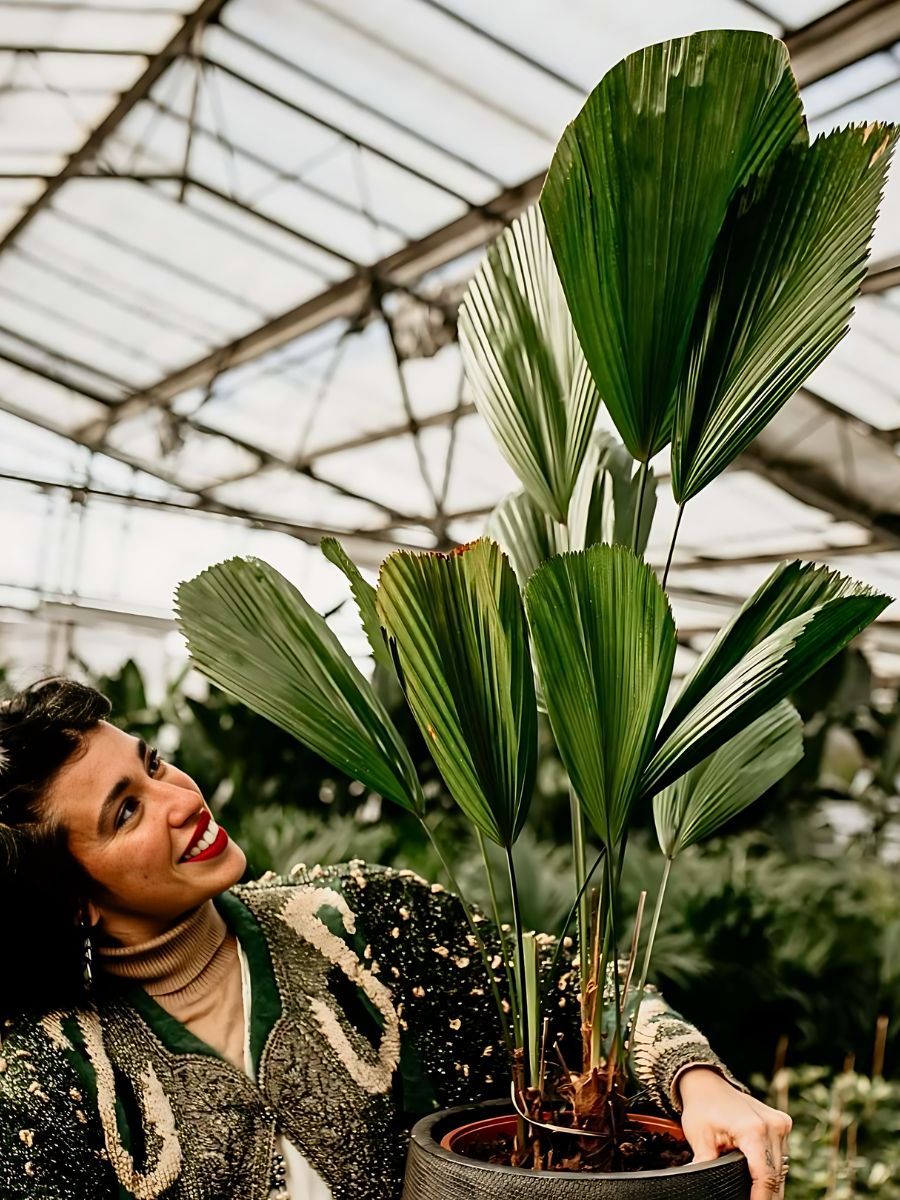
Growing and caring for a Licuala grandis starts with understanding its natural growth habits. This slow-growing palm develops from a single trunk, sending up those gorgeous ruffled leaves on slender stems. When the fan palm reaches maturity, it creates a canopy of circular green fans that seem to float above the ground.
In the growing season, which runs from spring through summer, you'll notice new leaves developing from the crown. Each leaf emerges tightly pleated, gradually spreading into that characteristic round shape. The leaf edges have distinctive, uneven tips, giving each frond a decorative, serrated appearance.
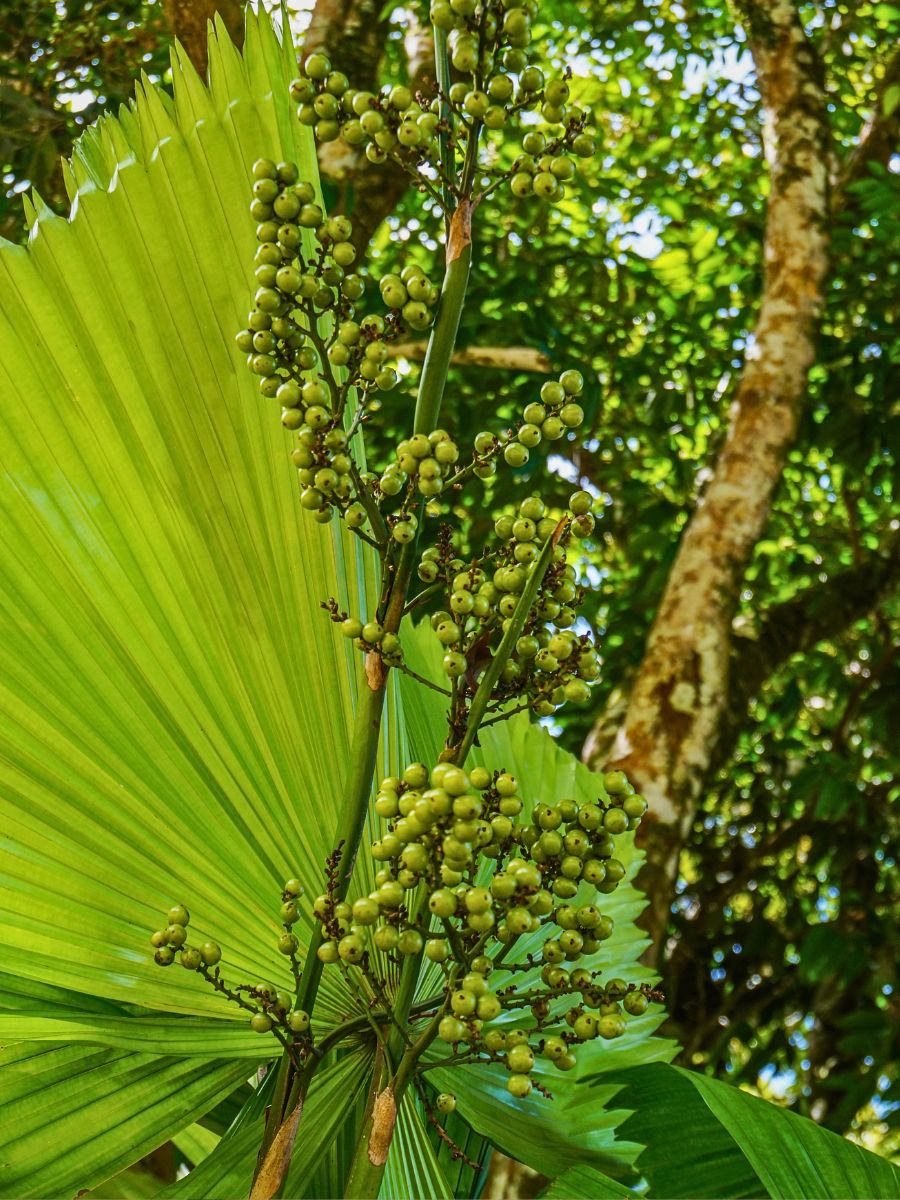
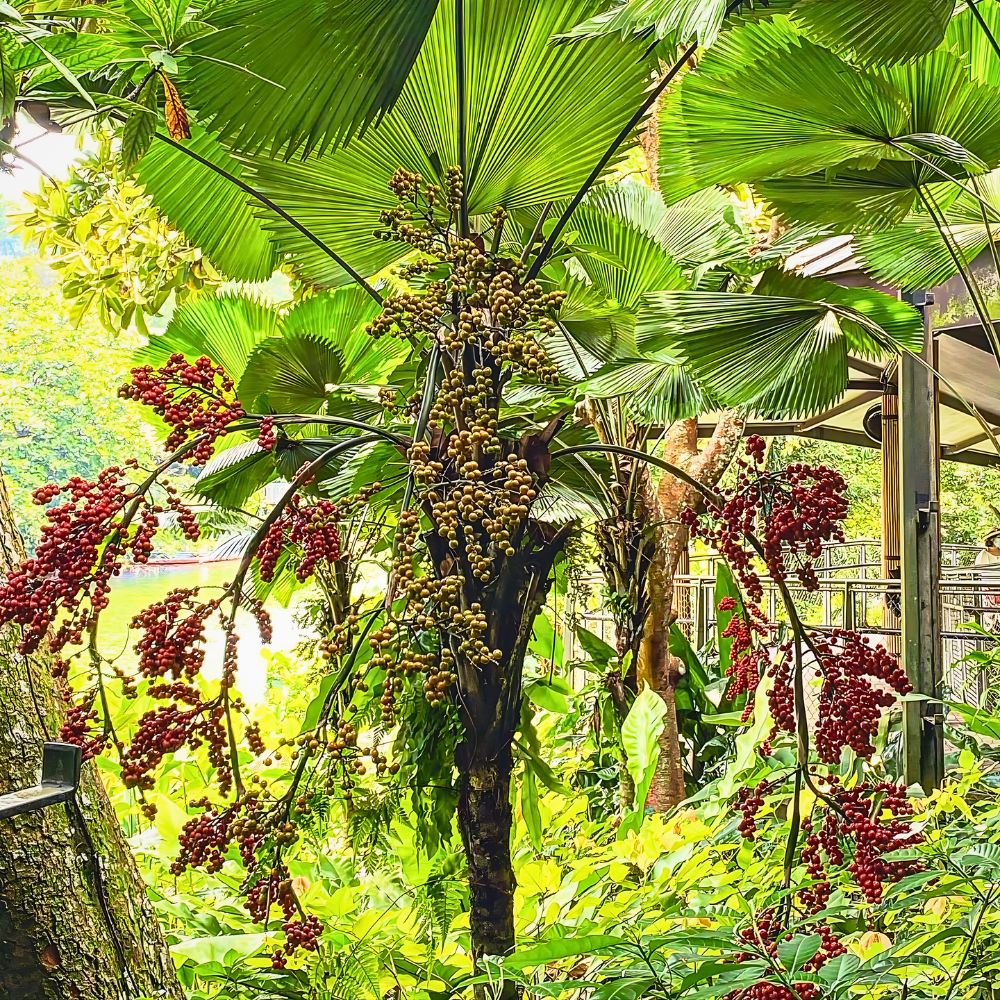
Its flower structures appear on mature plants, usually in autumn. Small white flowers develop on branching inflorescences that emerge from the base of the leaves. While the flower display isn't particularly showy, it has a vital role in the plant's reproduction. Male and female flowers appear on the same plant, and after pollination, tiny fruits develop, containing a single seed.
Is Licuala Grandis Hard to Grow?
Is Licuala grandis hard to grow? This question comes up frequently, and the answer depends on your environment. If you provide humid conditions, partial shade, and protection from temperature extremes, this palm is quite accommodating. However, it does have specific requirements that differ from more forgiving houseplants.
The fan palm, Licuala grandis, thrives in warm, moist environments similar to its South Pacific origins. It does not tolerate frost or very low temperatures, making it strictly a tropical or subtropical species. In cooler regions of Australia and other countries, growing it as an indoor plant is a practical solution.

One challenge is its sensitivity to dry air. Without adequate humidity, leaves develop brown tips and edges, a common complaint from growers in drier climates. However, with proper attention to watering and humidity, the plant maintains its beautiful, glossy leaves, which make it desirable.
How to Take Care of the Licuala Grandis
Here are some essential tips for you to take care of your Licuala grandis, and help this slow-growing palm flourish to its fullest!
Light Requirements for Licuala Grandis
Knowing how to care for Licuala grandis begins with getting the lighting right. In nature, this palm grows under the forest canopy where it receives filtered sunlight throughout the day. Replicating these conditions is key.
For outdoor cultivation, plant your Vanuatu fan palm in partial shade, ideally morning sun and afternoon shade. Direct sunlight, especially during the hottest part of the day, scorches delicate ruffled leaves, turning them brown and losing their appeal. If you are gardening along the coast or in tropical regions with intense sun, provide extra protection during summer.
Indoors, place your Licuala grandis ruffled fan palm near an east-facing window where it catches gentle morning light, or a few feet back from a south-facing window with sheer curtains. The plant can adapt to shade, but too little light slows its already diffident growth to a crawl. Finding that sweet spot between more sun and too much sun takes some observation of how your specific plant responds.
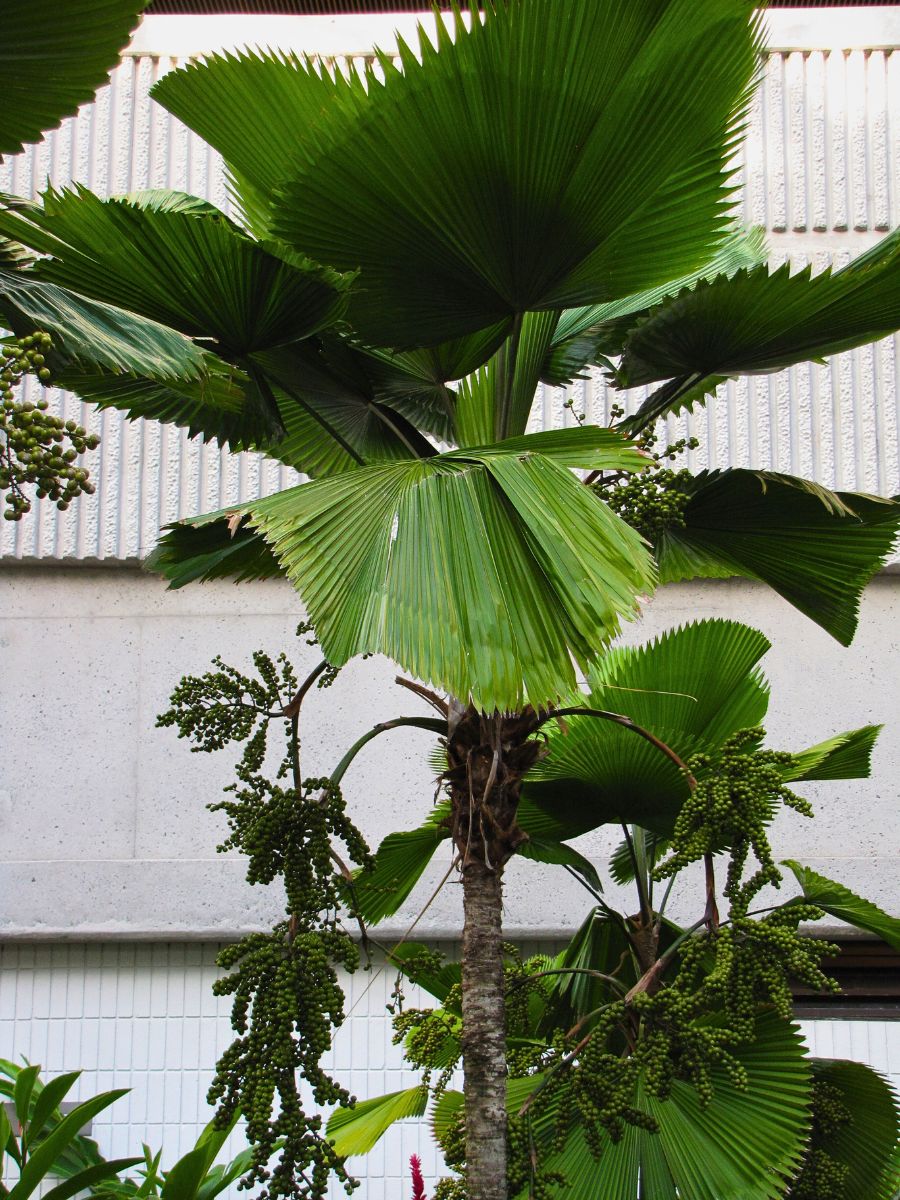
In winter, when light levels naturally drop, you might need to move the pot closer to windows or supplement with grow lights. The plant's growth slows during this season anyway, but maintaining adequate light prevents the leaves from losing their deep green color.
Watering and Humidity Needs to Help the Ruffled Fan Palm Grow
Regular watering keeps your ruffled fan palm healthy, but the keyword is regular, not frequent. The soil should stay consistently moist but never waterlogged. During the growing season, water the palm when the top inch of soil feels dry to the touch. In winter, reduce watering as the plant's metabolism slows.
Licuala grandis roots are sensitive to both drought and soggy conditions. Overwatering leads to root rot, one of the few things that can quickly kill an established plant. Use a well-draining soil mix that retains some moisture while allowing excess water to escape. A blend designed for tropical palms or a mixture of regular potting soil, perlite, and orchid bark works well for container growing.
Also, humidity matters for the Vanuatu fan palm. Aim for levels above 50% and, ideally, 60-70%. In dry indoor environments, use a humidifier near the plant, group it with other houseplants to create a microclimate, or place the pot on a tray filled with pebbles and water, ensuring the pot's bottom doesn't sit in water.
Misting helps temporarily, but it is not a substitute for ambient humidity. Some growers move their indoor Licuala grandis to bathrooms or kitchens where moisture levels naturally run higher, though ensuring adequate light in these locations can be tricky.
Soil, Fertilization, and Container Selection for Optimum Licuala Grandis Palm Growth
The right soil composition supports healthy growth without causing drainage problems. Your Licuala grandis palm appreciates a slightly acidic to neutral pH between 6.0 and 7.0. Rich, organic soil that mimics forest floor conditions works best. Mix in compost or well-rotted organic matter to boost nutrient content.
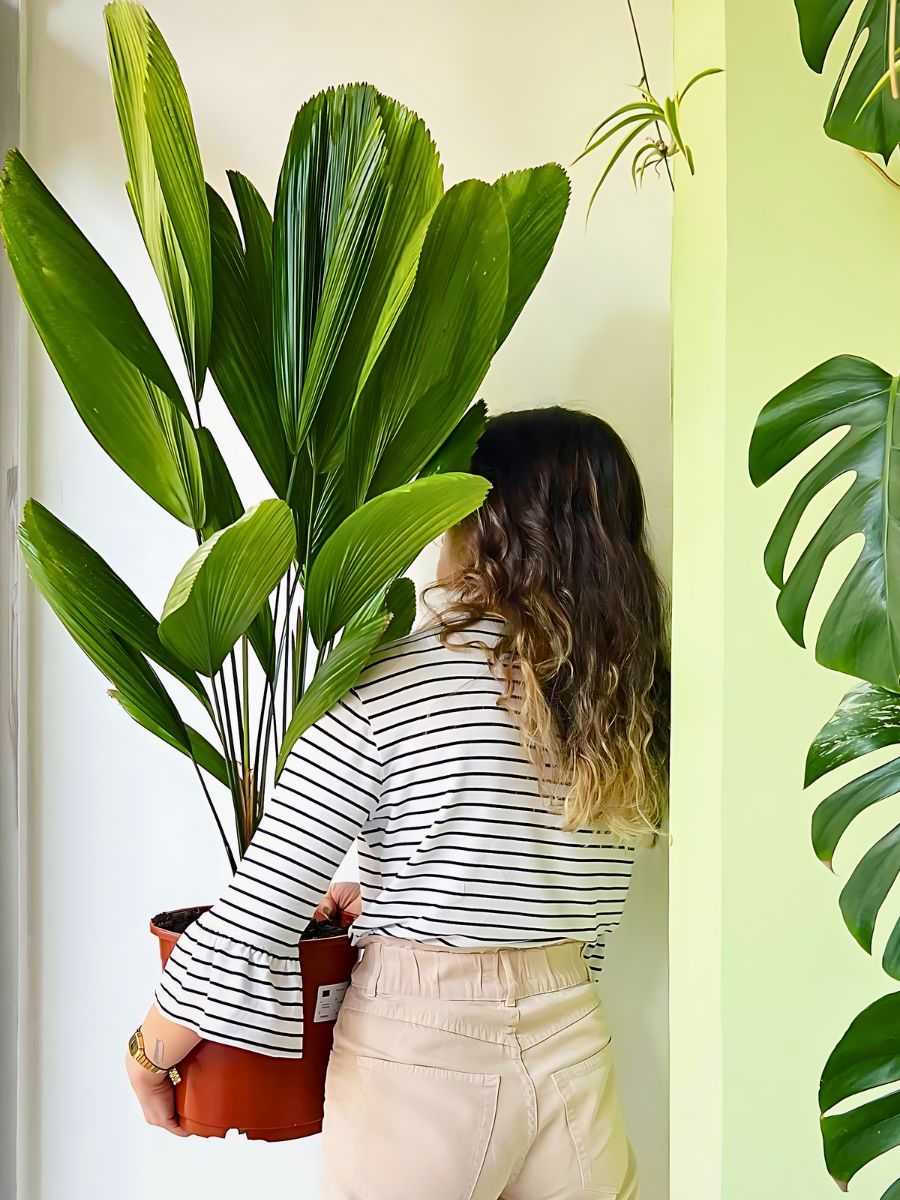
For container cultivation, choose pots with adequate drainage holes. Terracotta pots help regulate moisture by allowing soil to dry out slightly between waterings, while plastic pots retain moisture longer, which is helpful in drier environments. As a slow-growing palm, the Licuala grandis doesn't need frequent repotting. Every 2-3 years is typically sufficient, and some mature plants can stay in the same container for even longer.
During the growing season, feed your palm with a balanced, slow-release palm fertilizer. These products contain the right micronutrients. Apply according to package directions, typically every 3-4 months during active growth. Avoid fertilizing in winter when the plant is essentially resting.
Yellow or pale leaves often indicate nutrient deficiencies, particularly nitrogen or magnesium. However, before reaching for fertilizer, check your watering routine and light levels, as these factors can also affect color.
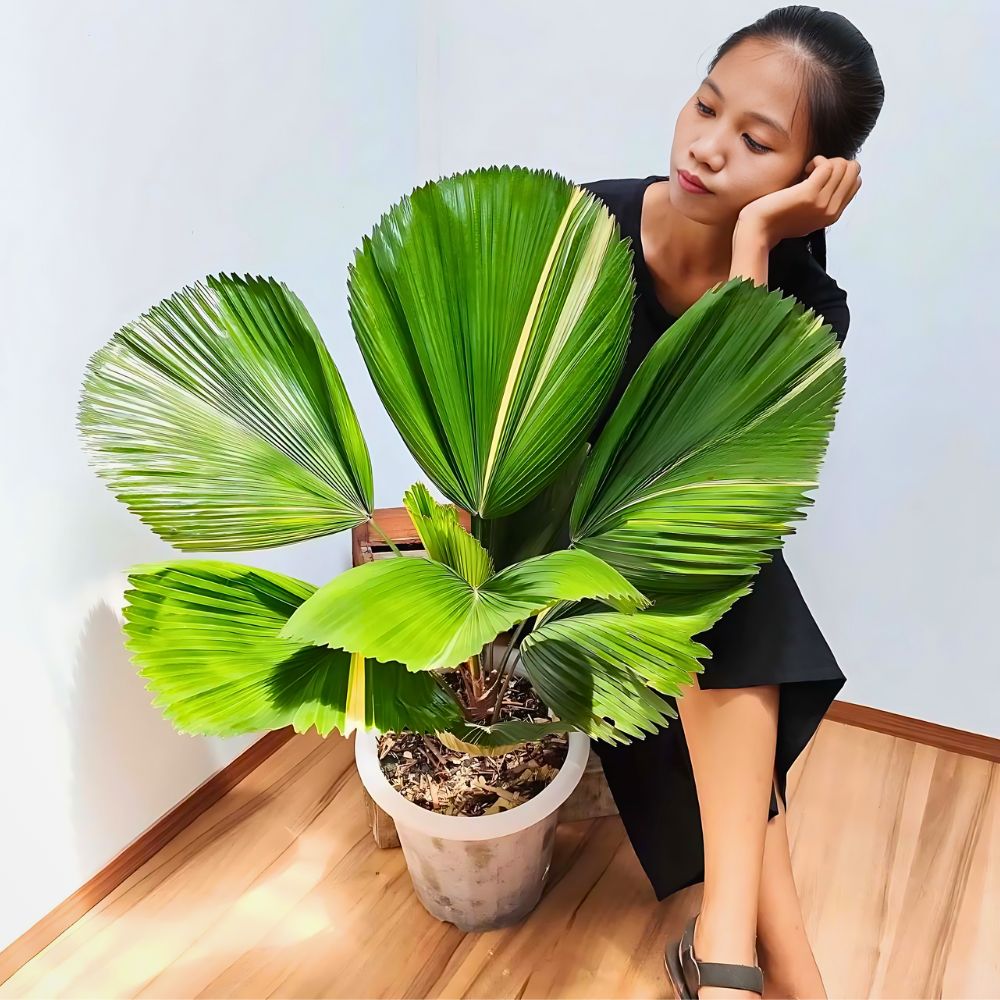
Temperature and Seasonal Care to Keep Growing Your Vanuatu Fan Palm Growing
The Vanuatu fan palm prefers warm conditions year-round. It can withstand slightly higher-than-normal temperatures for short periods – extended exposure to cold causes permanent damage. If you're growing the palm outdoors in marginal climate zones, have a plan to bring it under cover or provide protected conditions when temperatures drop.
During winter, keep your indoor palm away from cold drafts, heating vents, and windowpanes that might get quite cold at night. The combination of low temperature and low humidity from indoor heating systems creates challenging conditions. A humidifier is almost essential during this season for maintaining leaf quality.
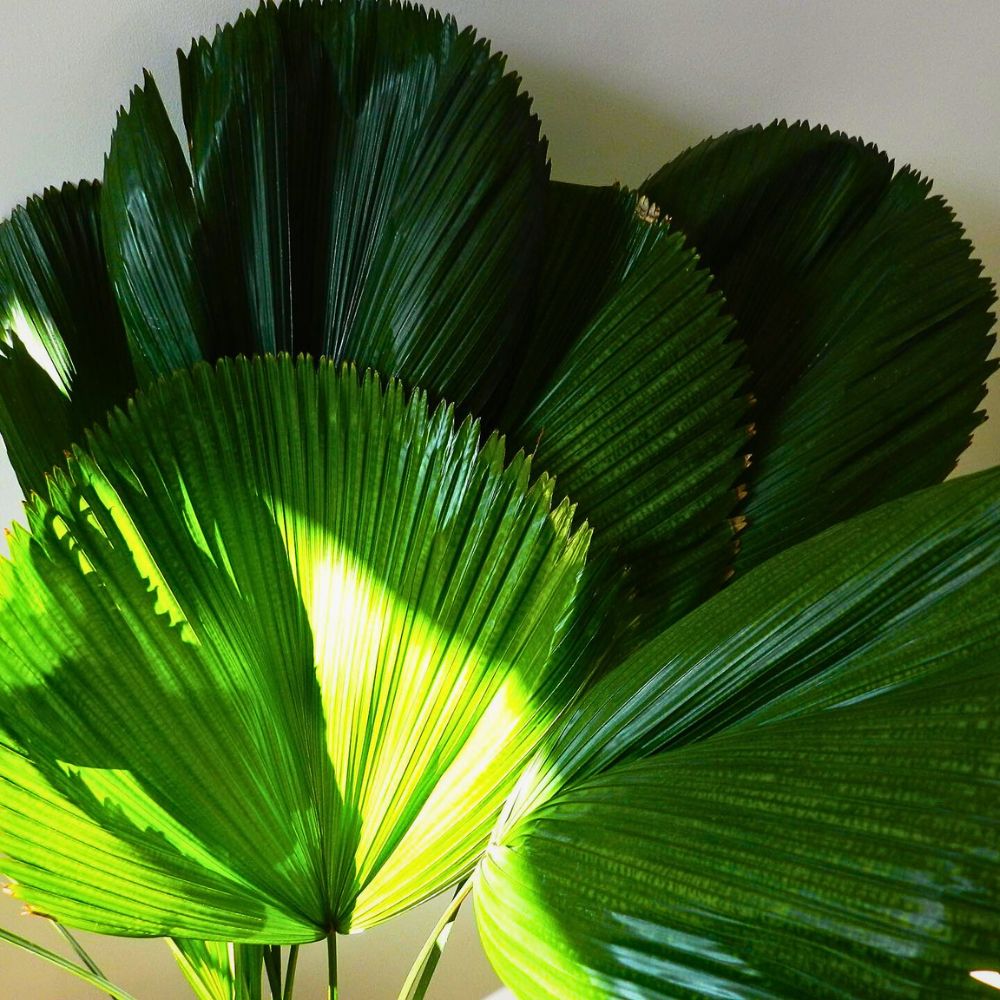
In autumn, as growth naturally slows, reduce watering frequency and stop fertilizing. This seasonal adjustment helps the plant transition into its dormant period without stress. Come spring, you can gradually increase water and resume fertilization as new leaves begin to develop.
Ruffled Fan Palm Propagation and Growing From Seed
Growing new plants from seed requires patience, which is fitting for such a slow-growing species. The red fruits that develop after flowering contain seeds, though collecting and planting them is a long-term project. Fresh seed germinates better than old, so if you're collecting from your own plant or purchasing seeds, freshness matters.
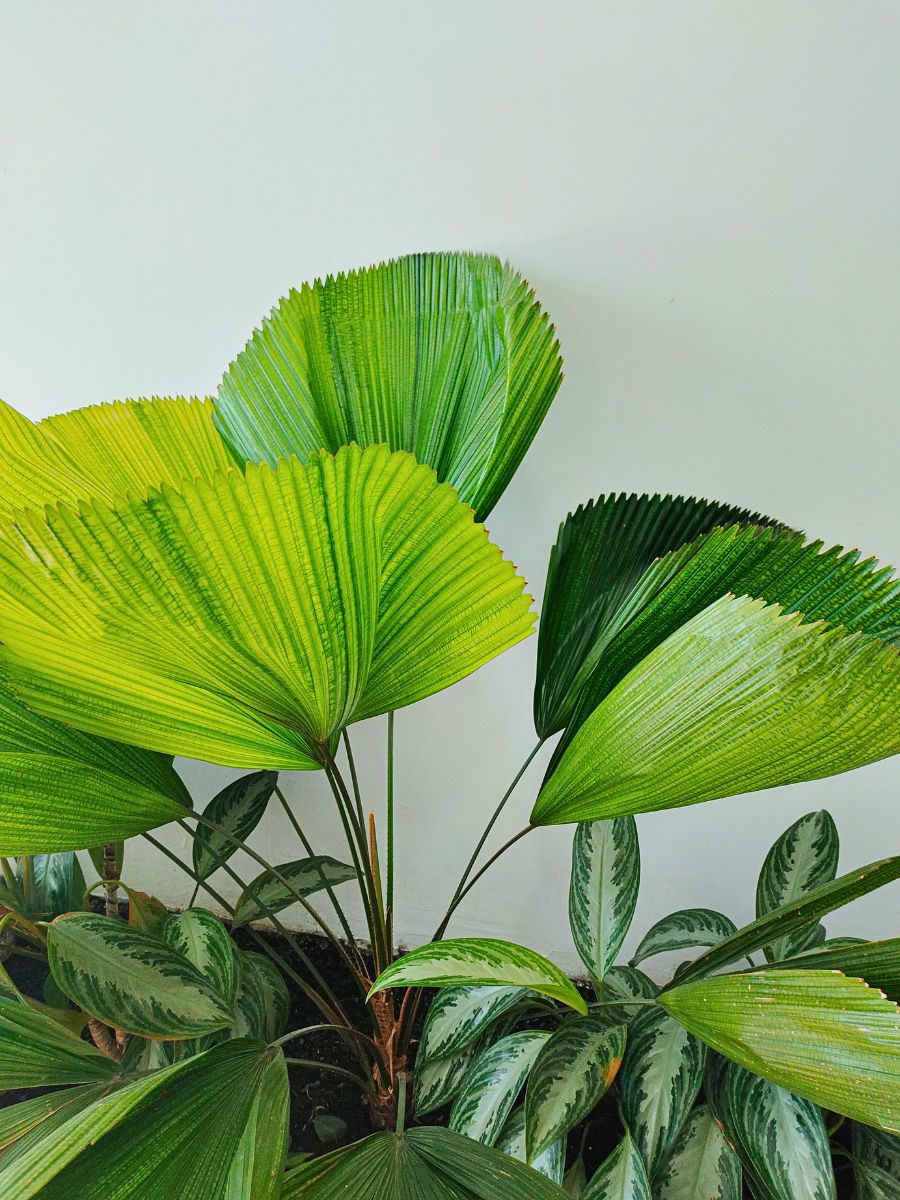
The seed turns red when ripe, signaling it is ready for harvest. Clean the flesh from the seed and plant it in a moist, well-draining mix. Keep the soil warm and consistently moist but not soggy. Germination can take several months, so don't give up too quickly.
Some gardeners prefer purchasing young plants rather than attempting propagation from seed. Given the palm's slow growth rate, starting with a plant that already has several leaves saves years of waiting. If buying, search for reputable nurseries that specialize in tropical palms for the healthiest specimens.
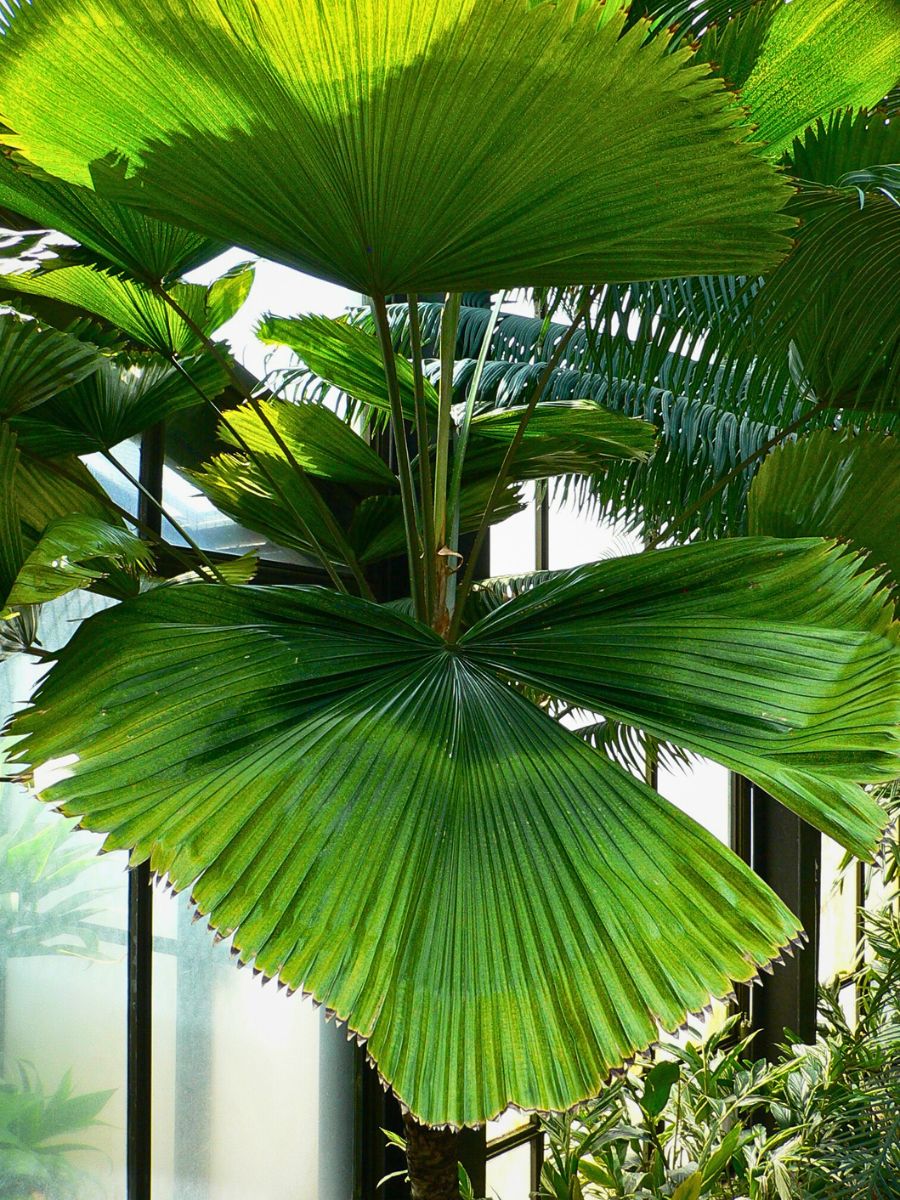
Division isn't typically an option with Licuala grandis, as it grows from a single stem rather than forming clumps like some other fan palms.
Pruning and Maintenance of the Licuala Grandis
Prune this fan palm only when necessary. Remove dead or damaged leaves by cutting the stem close to the trunk. Always use sharp, clean tools to prevent the transmission of disease. Unlike some palms that benefit from regular grooming, the ruffled fan palm looks best when allowed to maintain its natural spread of circular leaves.
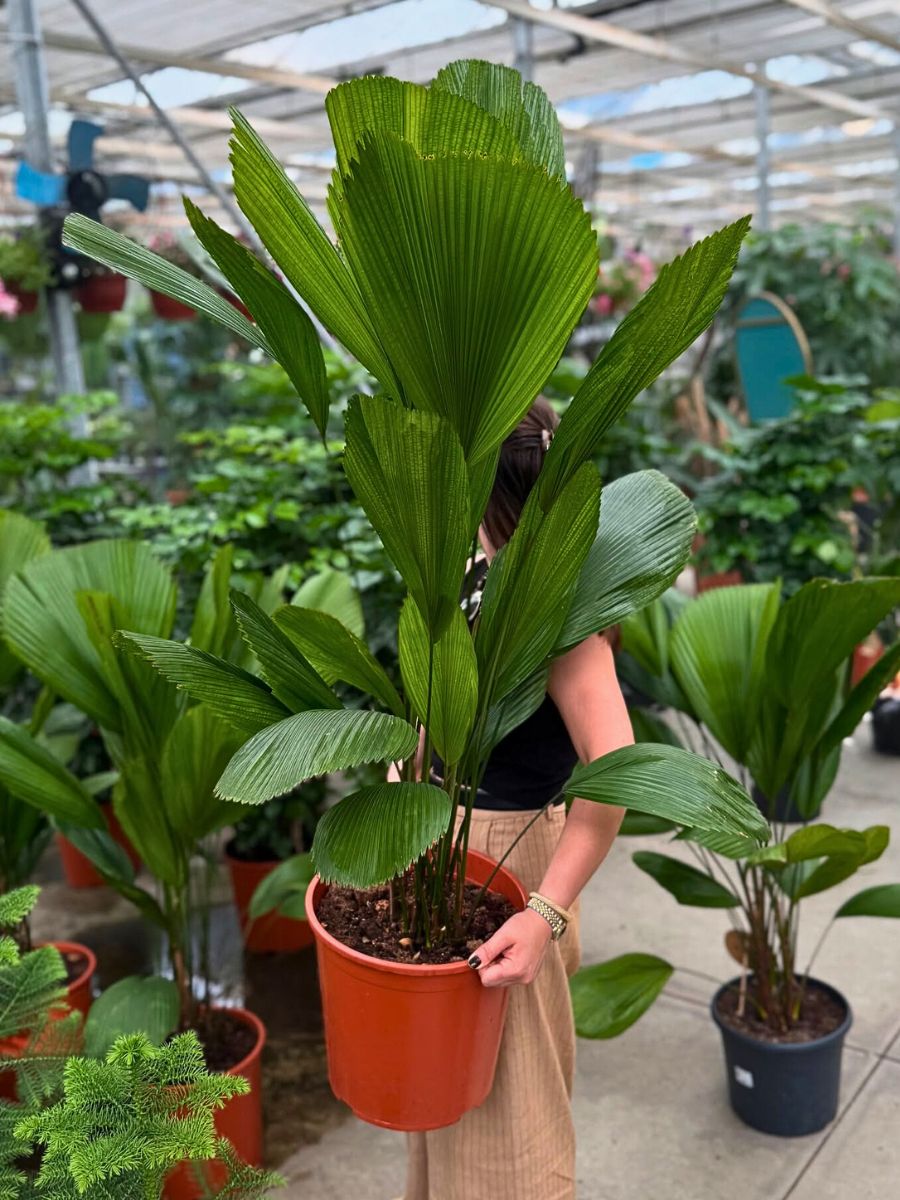
Brown leaf tips can be carefully trimmed with scissors, following the leaf's natural curve for a neat appearance. However, if multiple leaves are developing brown edges, address the underlying environmental issue, which is usually low humidity or inconsistent watering, rather than just treating the symptom.
Often, dust accumulates on those large, flat leaves, blocking light and making the plant look dull. So, gently wipe leaves with a damp cloth every few weeks to keep them clean and glossy. This simple maintenance task also allows you to inspect for pests.
Using Licuala Grandis in Indoor and Outdoor Design
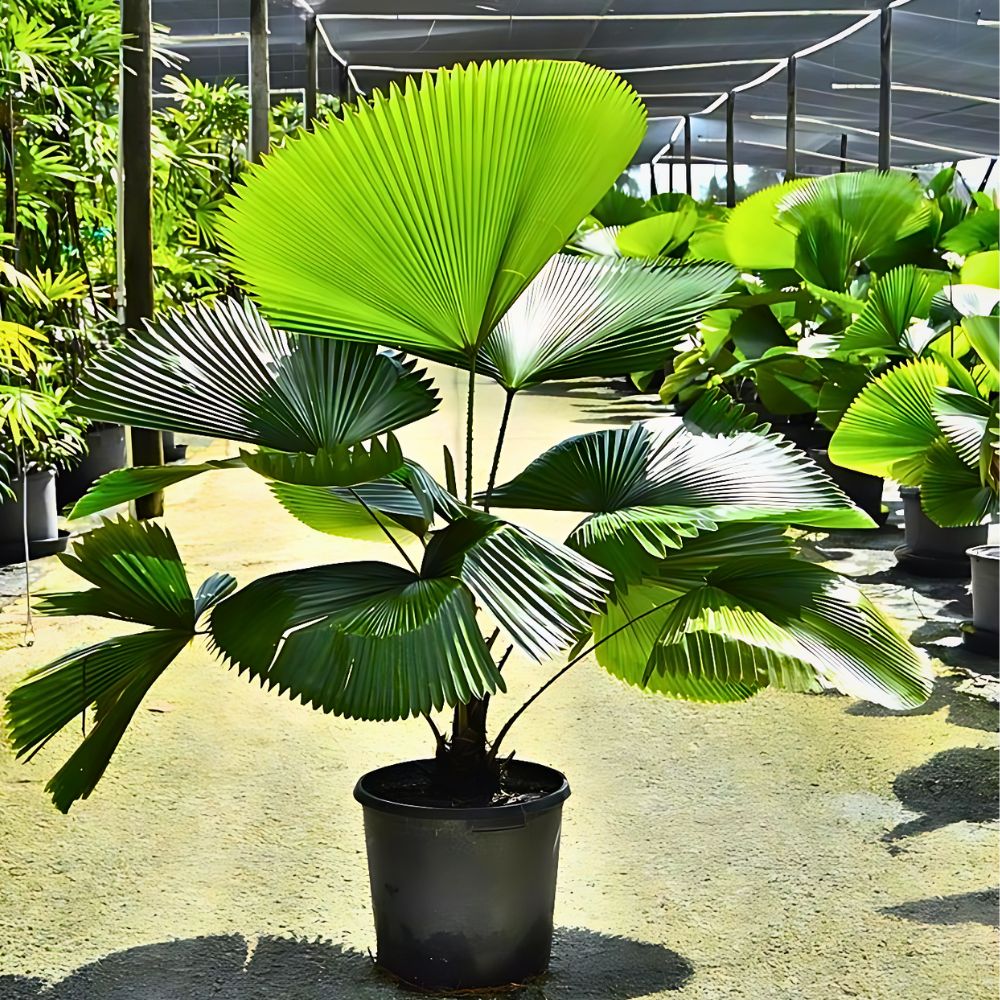
As an indoor plant, the Licuala grandis ruffled fan palm can serve as a stunning focal point. Its architectural form commands attention in entryways, living rooms, or offices with adequate natural light. The circular leaves create interesting shadows and add dimension to interior spaces. Pair it with other tropical plants that share similar humidity requirements, or let it stand alone as a statement piece.
In the garden, this palm works beautifully in tropical and subtropical landscapes. Plant it in protected locations under tree canopy or alongside buildings that provide afternoon shade. Its modest height makes it suitable for smaller garden spaces where taller palms would overwhelm. The glossy leaves contrast nicely with broad-leafed tropical plants and ferns.
Also, like most houseplants, the ruffled latan palm improves indoor air quality by removing carbon dioxide and releasing oxygen. Although it is not classified as a medicinal plant, its presence creates a calming, tropical atmosphere that enhances living spaces psychologically.
Essentially, success with the Licuala grandis comes down to recreating the humid, warm, shaded conditions of its South Pacific origins. Growing it indoors as Licuala grandis or in a protected garden spot requires consistent care to produce the best results. Ensure the soil stays moist, maintain humidity, provide partial shade, and protect from cold temperatures.
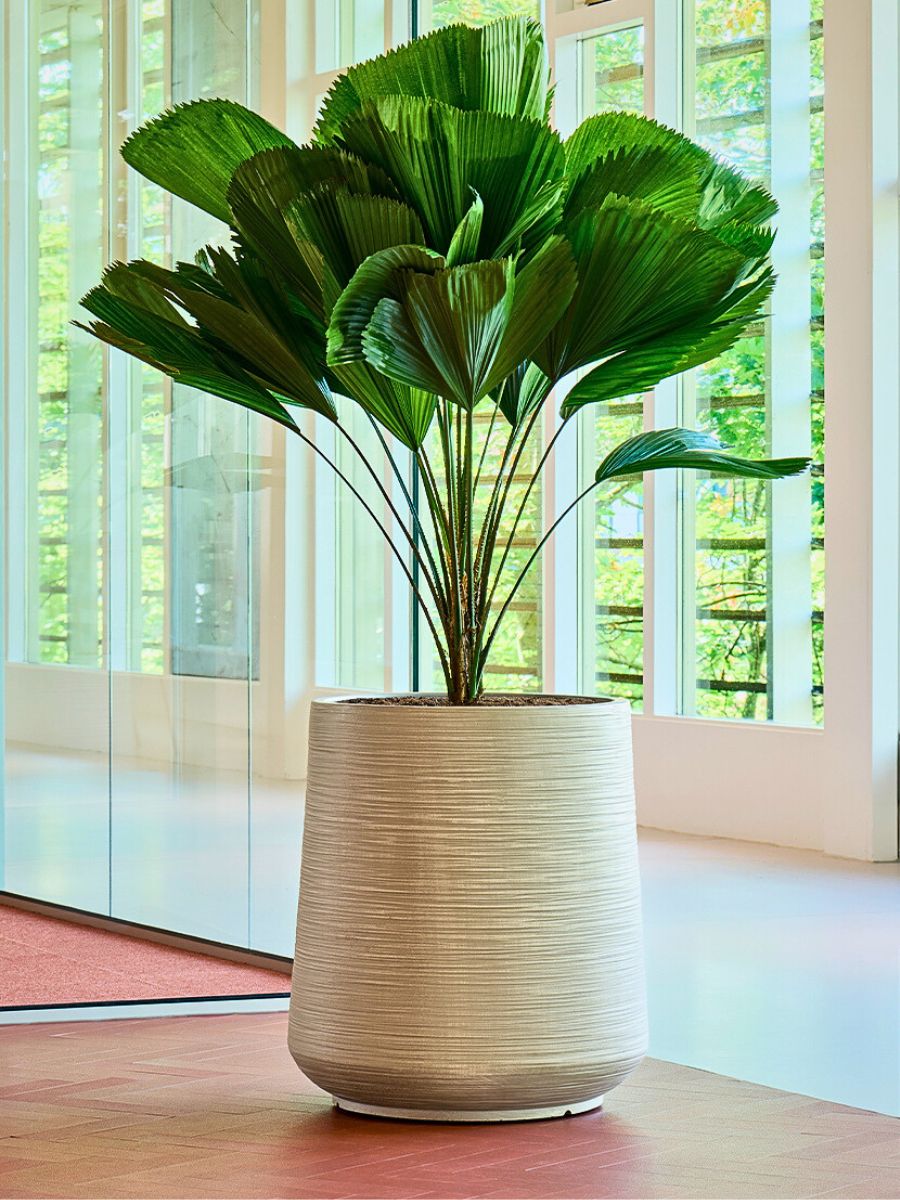
With these considerations in mind, patient gardeners willing to meet its requirements are rewarded with those perfectly round, ruffled leaves, creating a sculptural effect that few other palm plants can match.
Feature image by @speakinplants. Header image by Forest and Kim Starr. Reel: @coolconceptflower.