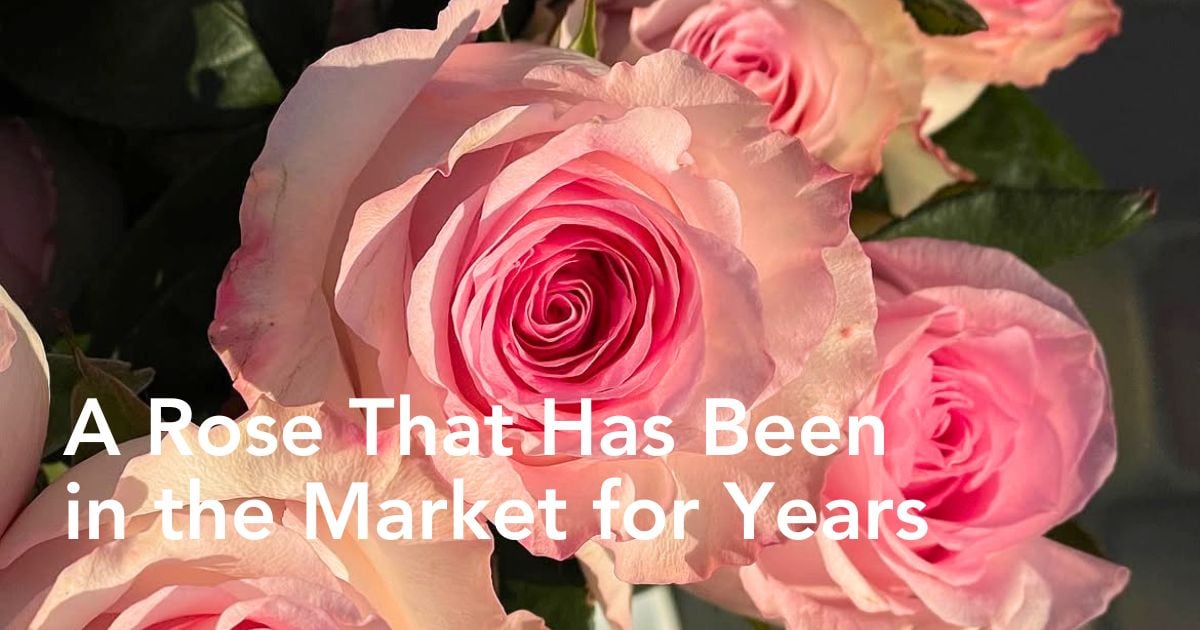
When Rose Mandala® was introduced in 2016–2017, it did not immediately become a commercial success. Almost a decade later, the story looks very different. Mandala by De Ruiter has established itself as a variety with staying power, and for the past three years it has remained among the breeder's top three best-selling varieties.
That alone says something about the rose. The market is constantly moving, with new varieties arriving and growers having to decide which ones deserve space in their greenhouses. A rose that remains commercially relevant eight or nine years after its introduction has had time to prove itself.
Mandala – The Rose That Keeps Finding New Markets
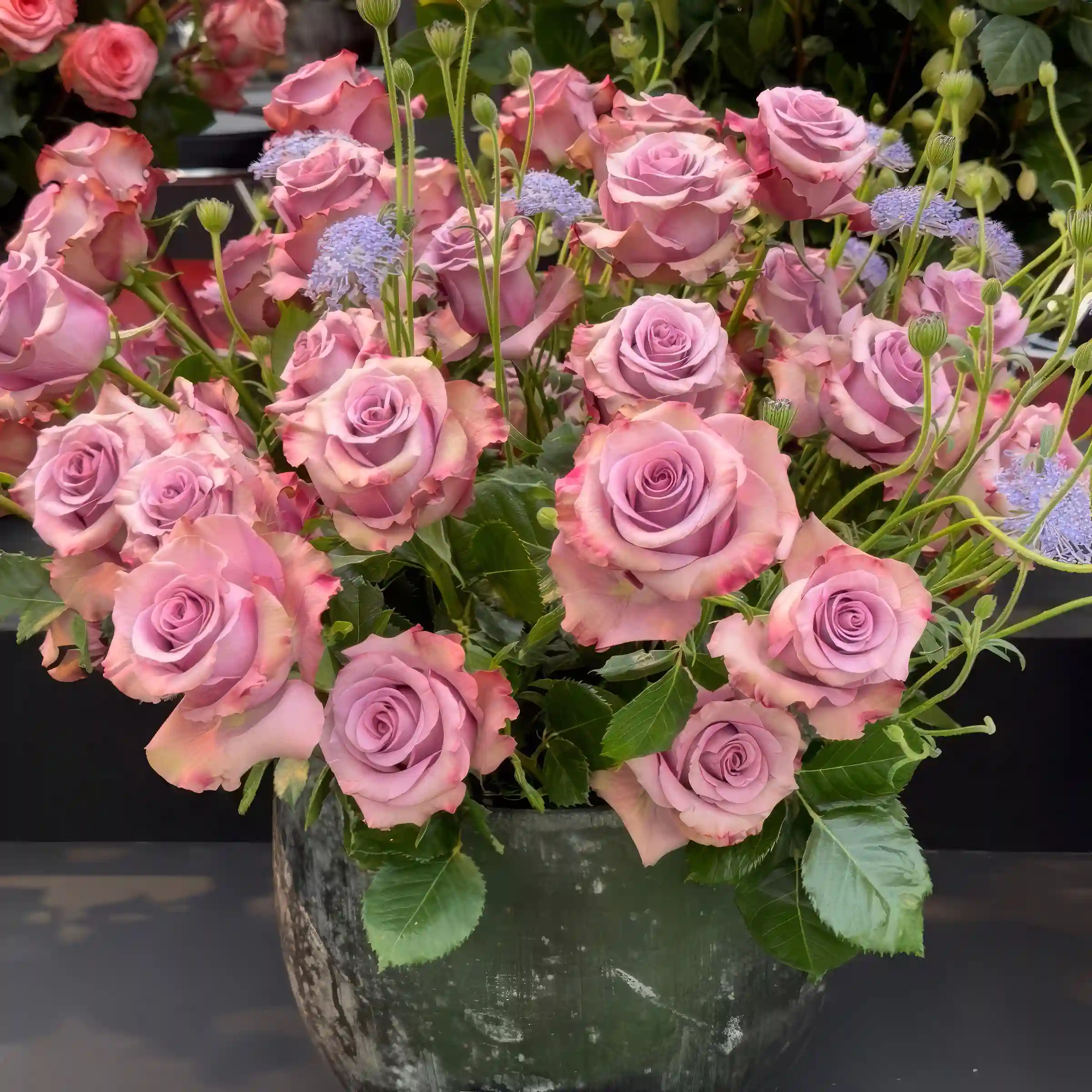
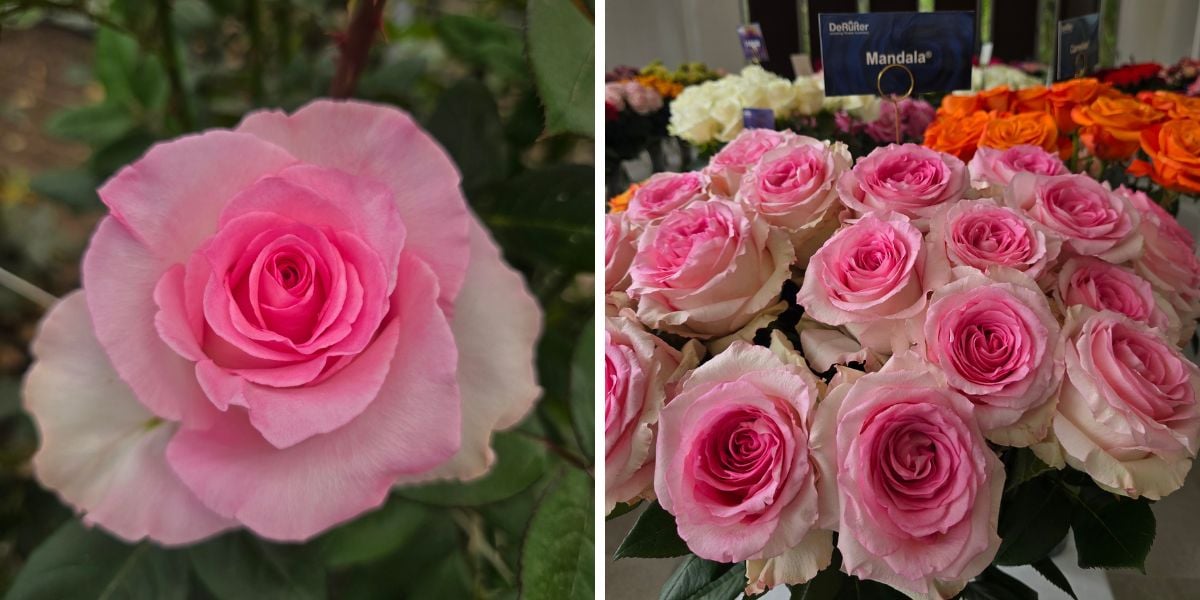
Rose Mandala's success also comes down to something that has become increasingly important in today's flower market: versatility. Its soft pink color, distinctive shape, and strong performance give growers and buyers room to take the variety in different directions. It can work within established premium rose programs, sit comfortably alongside garden-style varieties, and serve different floral markets without being locked into one particular look or use.
The story of this rose in Ecuador is particularly interesting because two farms at different points in their relationship with the variety are now growing it: Florecal, which has had Mandala from the beginning, and Valle del Sol, which adopted it more recently.
Almost a Decade Later, Mandala Has More to Prove Than a New Variety
The first years of a rose's life in the market can be unpredictable. A new variety may attract attention at launch, but that initial interest does not necessarily translate into sustained demand. The trajectory for this has been different. Its acceptance grew gradually, and its commercial position has strengthened with time.
Today, its three consecutive years among De Ruiter's top three best-selling varieties provide a much clearer picture of its place in the market. This rose has moved beyond the introduction stage and into a period where its performance can be judged over years of production and sales. That distinction is really important for growers. Planting a variety is a long-term decision, and greenhouse space has to earn its place. A rose that continues to sell well after several years gives growers something that a new launch cannot immediately offer: a track record.
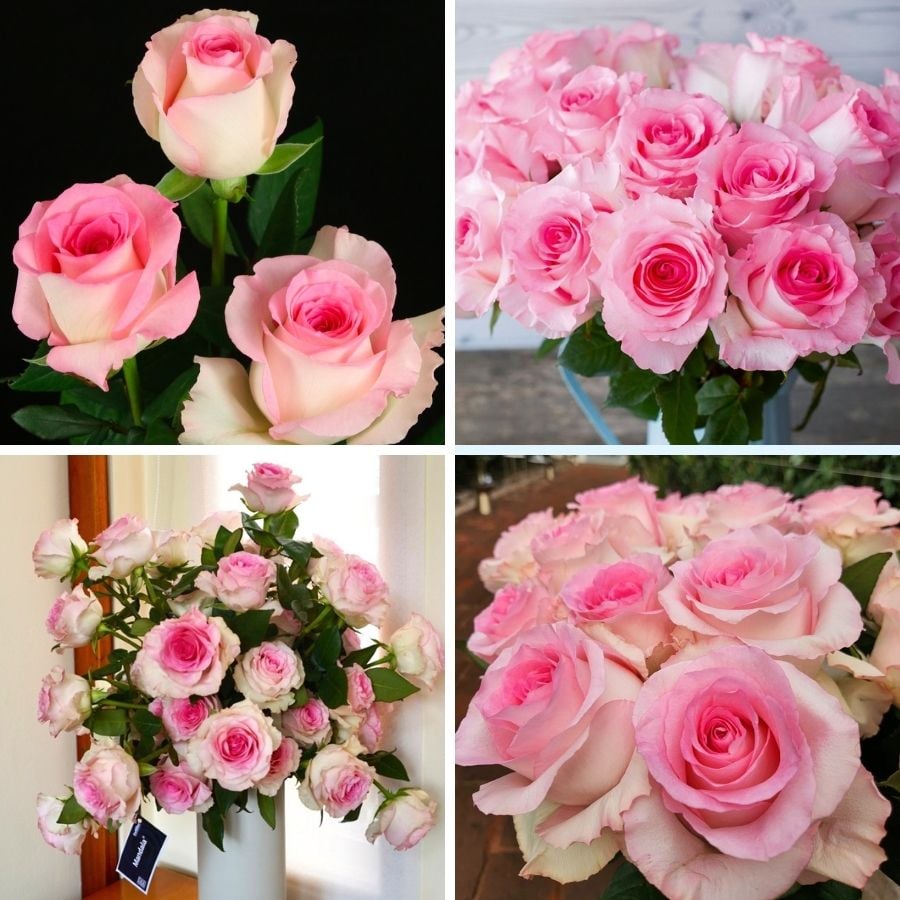
Rose Mandala's longevity is also tied to its ability to work across different types of floral programs. Its soft pink color gives it broad commercial appeal. Nonetheless, its flower shape and substantial opening give designers enough presence to use it as a central flower in a composition. The variety does not need to be confined to one particular floral aesthetic.
That flexibility is becoming one of its strongest qualities.
Mandala's Versatility Is What Keeps the Variety Moving
A rose can have an excellent launch and still become difficult to place once the market moves on. Mandala has managed to avoid that problem in part because it gives customers several ways to use it. Its soft pink color is easy to work into different color stories and designs, while the shape of the flower gives it a recognizable presence in an arrangement. It can be included in more classic premium rose selections, work alongside garden-style flowers, or be used in designs where the flower needs to stand out on its own.
For growers and exporters, that flexibility matters commercially. A variety with only one obvious market or one narrow design application can become vulnerable when preferences change. A variety that can move between different customers, occasions, and design styles has more opportunities to remain relevant.
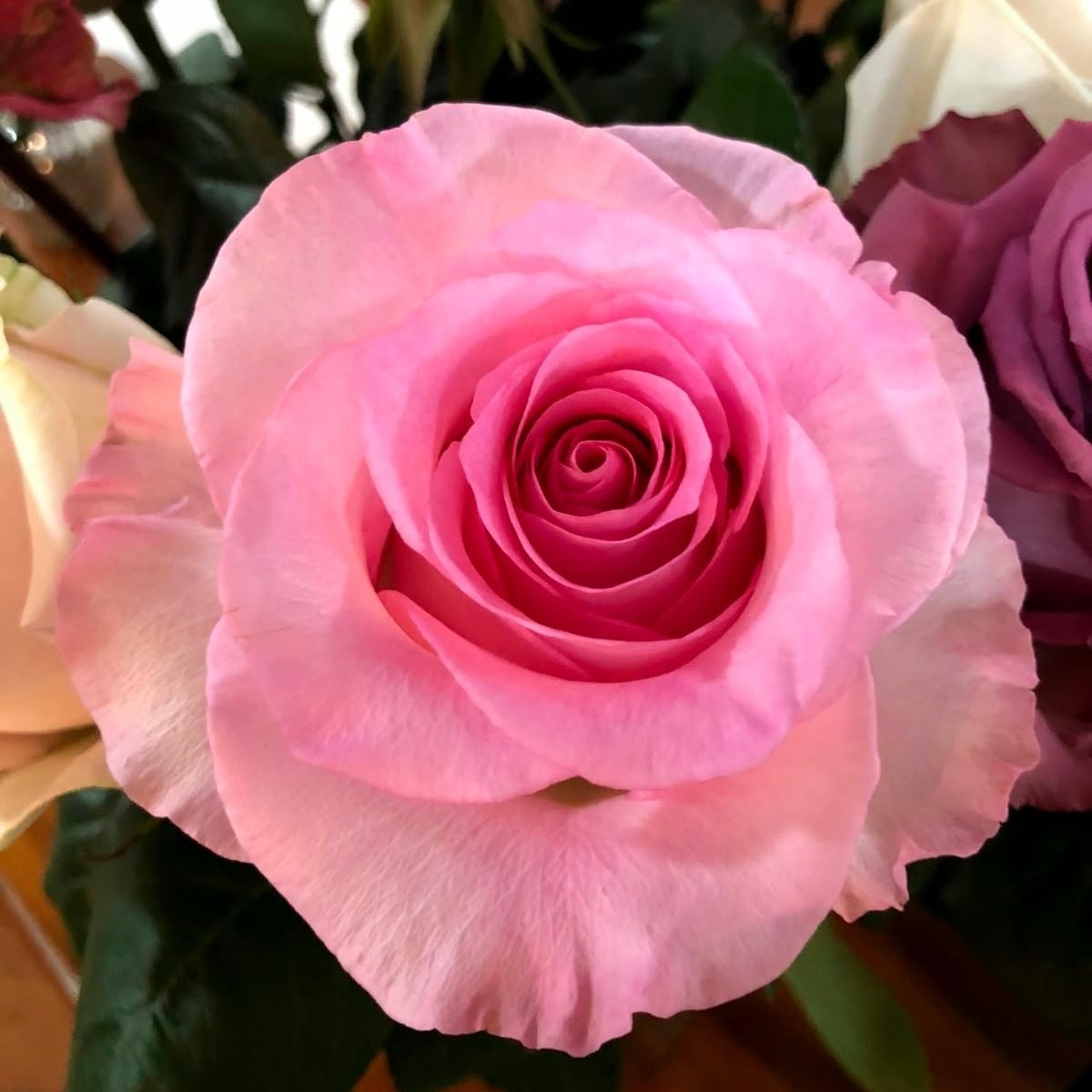
This is also where Mandala's physical performance adds another layer to its versatility. The variety produces a large bud of approximately 6-6.5 cm, with around 65-70 petals, alongside strong stems and a vase life of approximately 10-14 days. Those characteristics give the flower the presence buyers expect from a premium rose while supporting the practical demands of international flower distribution.
The result is a variety that offers more than one reason to choose it. Its color brings the initial appeal, its flower form gives it character, and its production and postharvest performance help support its commercial value. This specific combination may help explain why it has continued to find space in the market years after its introduction.
Two Ecuadorian Farms, Two Different Chapters in the Mandala Story
The most interesting way to understand this rose's position today is to look at the farms growing it.
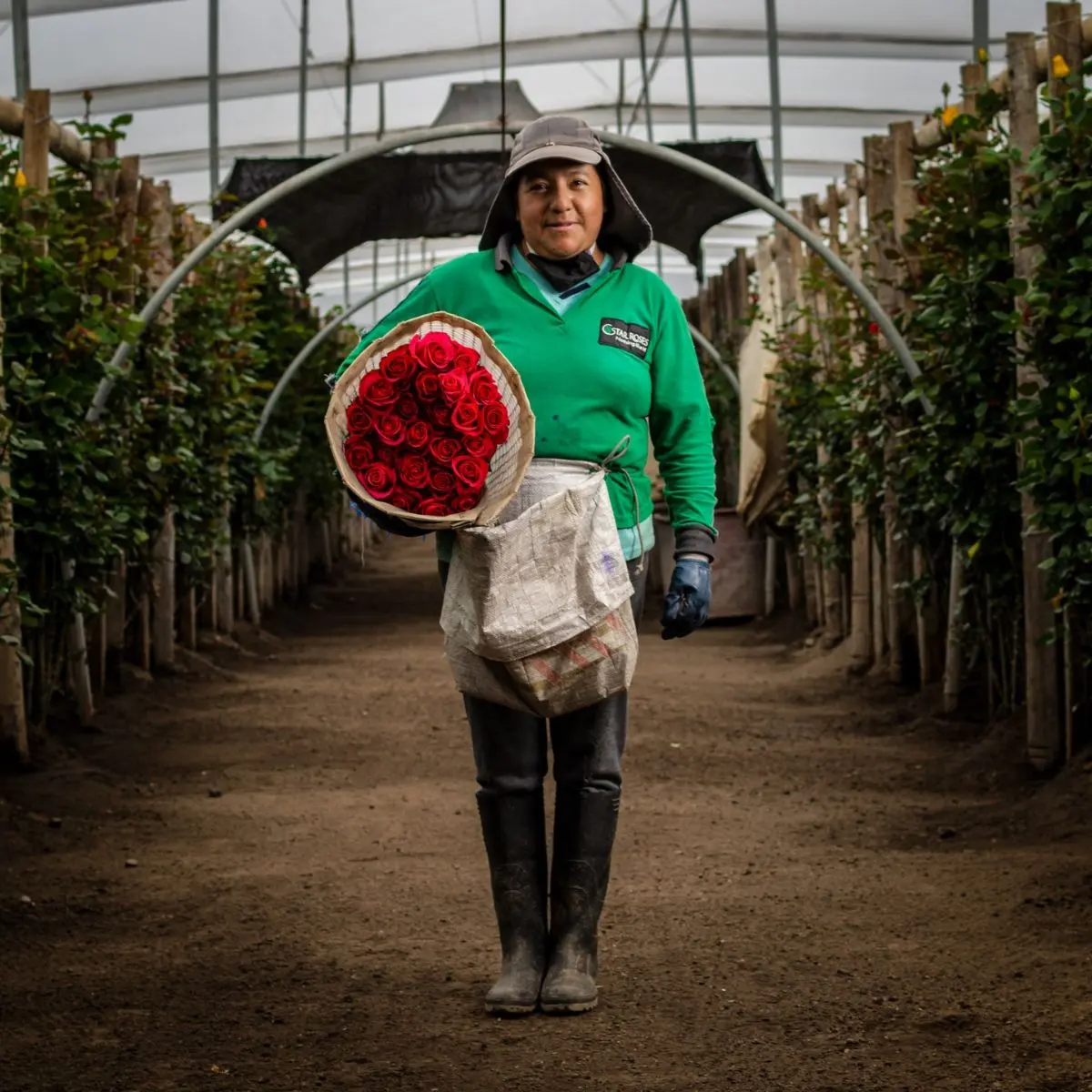
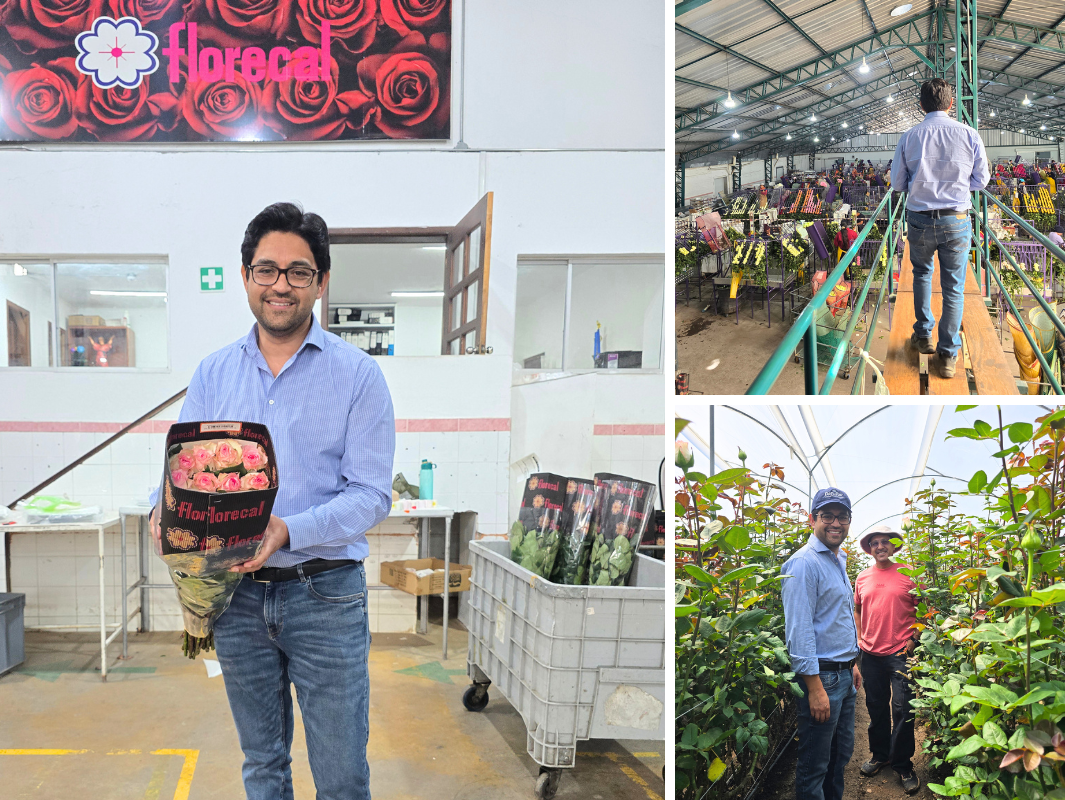
Florecal has been with Mandala from the beginning. Florecal is a premium rose grower and exporter founded in 1991 in Cayambe, Ecuador. Operating at a high altitude of 2,850 meters on the equator, the farm utilizes intense natural sunlight to cultivate over 150 varieties of high-quality standard, garden, and spray roses across a 40-hectare facility. The company employs over 400 local workers and holds multiple environmental and social certifications (such as Flor Ecuador and Florverde), highlighting its commitment to sustainable farming, water conservation, and fair labor practices.
For a farm with an established position in Ecuador's rose industry, keeping a variety for years speaks to its continued value. This rose variety has been present since it entered the market back in 2017. That makes the farm particularly important to this story because it can speak to what happens after the excitement of a new variety has passed.
Jaime Andrés Castillo, General Manager of Florecal, shares:
"Mandala is a variety we've had for a long time. We were one of the first to plant it in Ecuador. It has always been a very important variety because it gives us great access to the European market, where it's highly sought after and in high demand. It performs exceptionally well, and it has given us a very important commercial benefit."
On the other hand, Ecuadorian farm Valle del Sol brings a different perspective. The family-owned company was established in 1997 and has spent decades producing and exporting Ecuadorian roses from its high-altitude location in Cotopaxi. The farm currently works with 12 hectares in production and describes its approach around productivity, quality, efficiency, consistency, and customer service.
Its interest in garden roses and newer flower styles adds another dimension to the Mandala story. The farm has experience rooted in a traditional rose-growing business, but its variety selection continues to evolve with the market. Mandala entered that picture more recently, allowing the farm to explore a variety that can connect with garden-focused customers while also offering the performance expected from an export rose.
Francisco Arteta, General Manager of Valle del Sol, shares:
"We started growing the Mandala variety last year following many recommendations from our customers. It has been performing very well for us, and we sell it to Europe, Russia, and the rest of the world. We are very happy with the variety because there is strong demand for it."
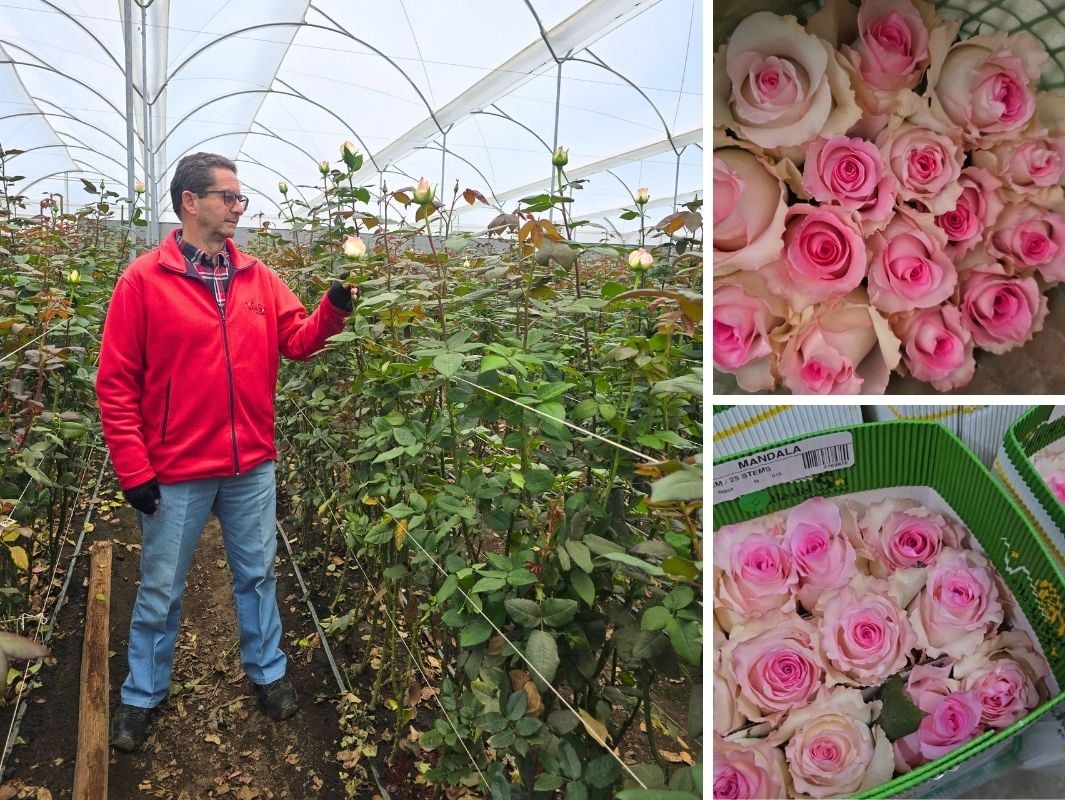
The contrast between the two farms is valuable. Florecal represents a grower that has known Mandala since its early days. Valle del Sol represents a more recent adoption of the variety. Together, they can show how the same rose continues to make sense at different points in a farm's variety strategy.
Why This Rose Variety Still Has a Place in the Market Today
Mandala's story is ultimately about more than how long the variety has been available. Eight or nine years in the market would mean little if buyers had moved on. Its position among De Ruiter's top three best-selling varieties for the last three years suggests this variety continues to earn its place, year after year.
Its versatility is a major part of that story. It's one of the main characteristics of why it's known and loved by many. A soft pink rose with a large, layered flower can move through different floral settings and customer preferences. Strong stems and good vase life give it the performance needed behind the scenes. For growers, that creates a variety with room to serve different markets. For buyers, it means a flower that can fit into more than one commerciañ scene.
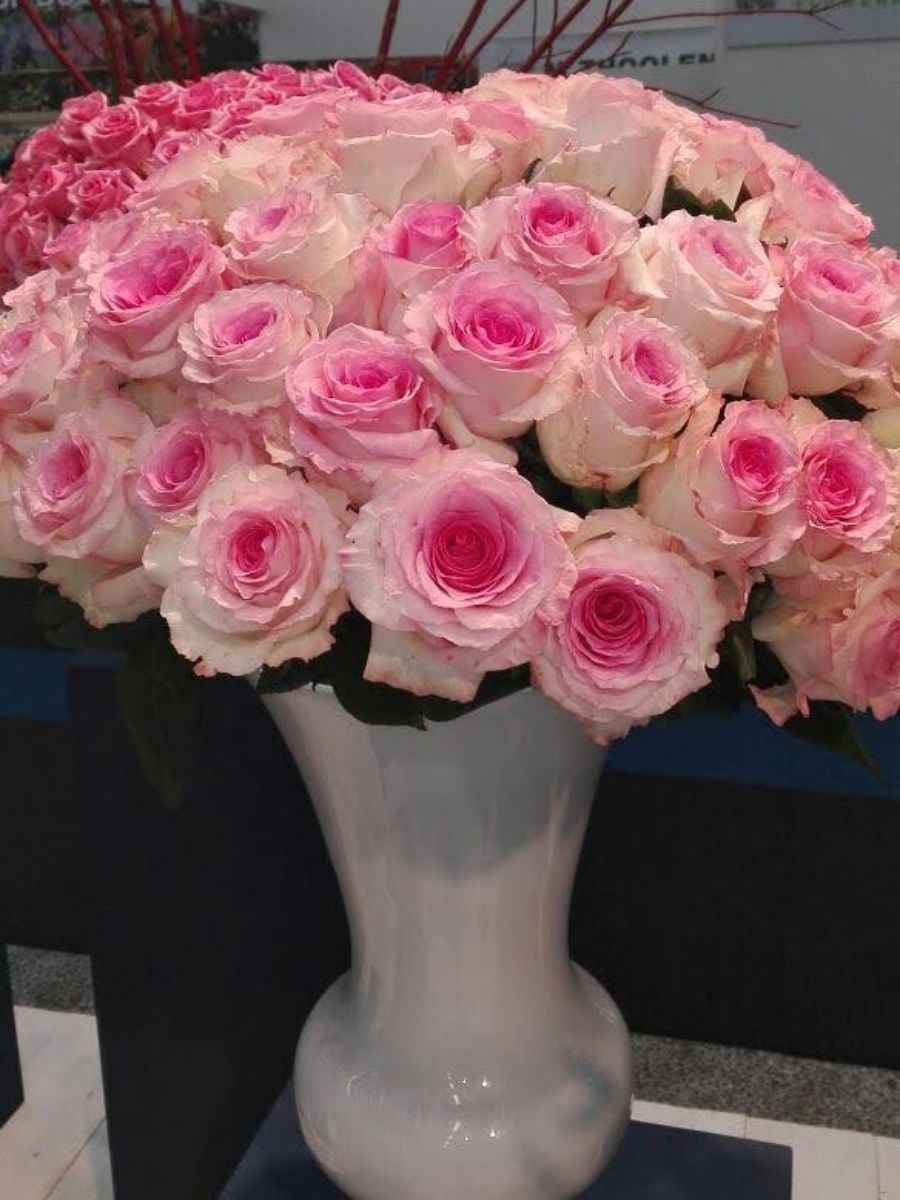
And the two Ecuadorian farms growing Rose Mandala illustrate that point from different angles. Florecal has carried the variety from its early years, while Valle del Sol has found a place for it as its own collection continues to evolve.
Nearly a decade after Mandala first entered the market, its story is no longer about whether the variety will succeed. It is about why it has stayed in growers' heads and farms.