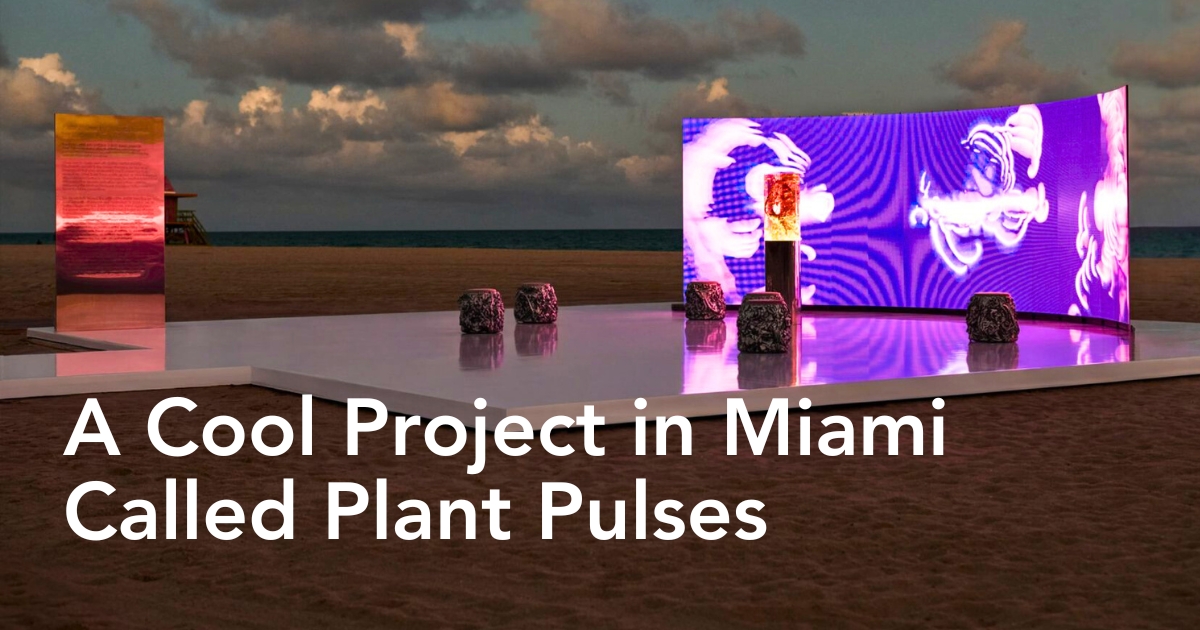
Designer Marcin Rusak has transformed the ultrasonic signals emitted by plants into a sculptural and sonic installation for the champagne house Perrier-Jouët at Design Miami, captured in an incredible video. Titled 'Plant Pulses', the installation visualised the normally inaudible activity of plants as they undergo stress and recovery, converting the recordings into a sculptural display of resin, light, and sound.
Plant Pulses by Marcin Rusak
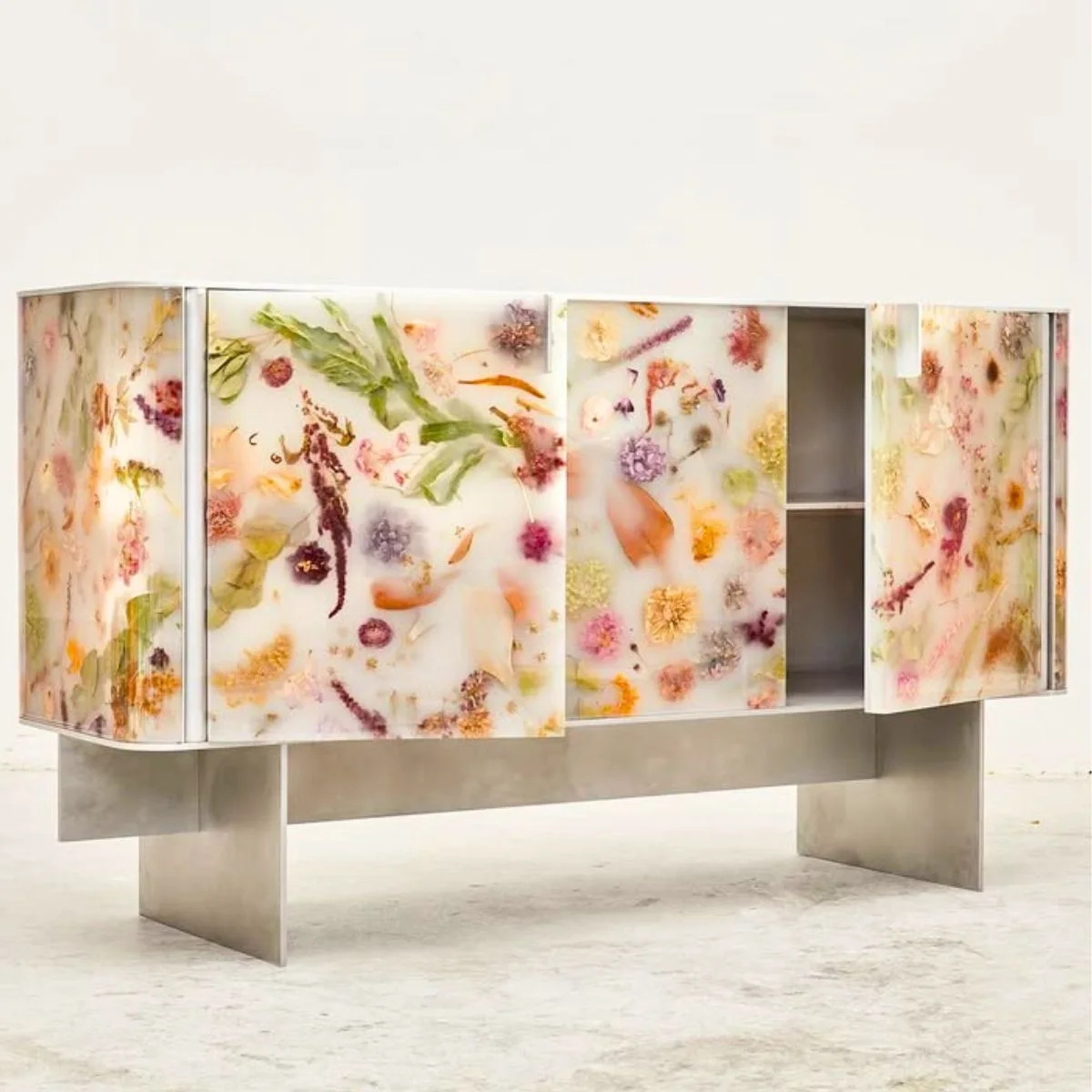
You might be familiar with the work of Marcin Rusak, for instance, in his earlier project 'Floral Resin', which encapsulated the wilderness of the Polish countryside.
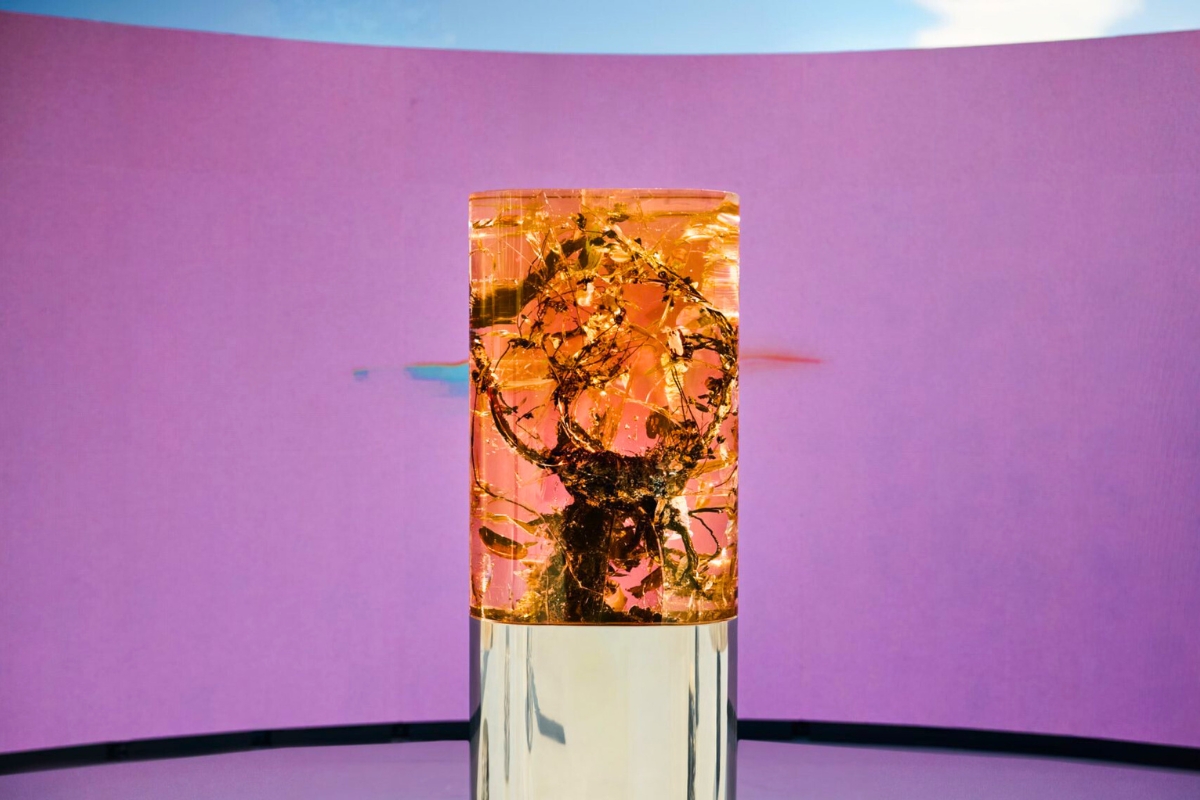
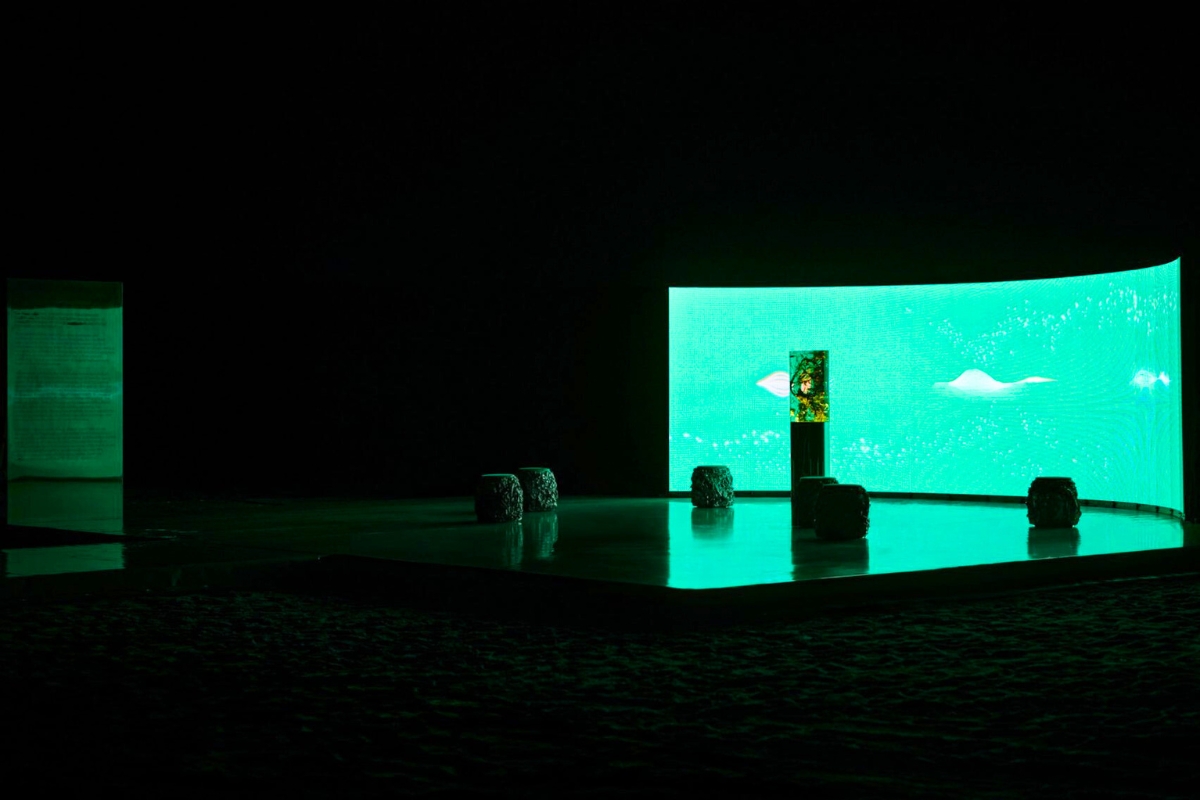
His new installation, 'Plant Pulses,' was anchored by a resin-encased botanical sculpture resembling a contemporary herbarium. Marcin developed the piece in his Warsaw studio using a casting technique, embedding vine cuttings, European birthwort, and white clover within a clear botanical cross-section. These species were selected in collaboration with Perrier-Jouët's biodiversity advisors, who identified them as key indicators of ecological health in the Champagne region's landscape.
The incredible plants' sounds
The plants appeared suspended within the case, preserved within layers of chalk soil and resin, forming a microenvironment that echoes the champagne house's terroir. A circular ring of screens surrounded the sculpture, displaying animated graphics derived from research conducted at AGH University of Kraków, where scientists studied the ultrasonic emissions released by plants during dehydration and subsequent recovery.
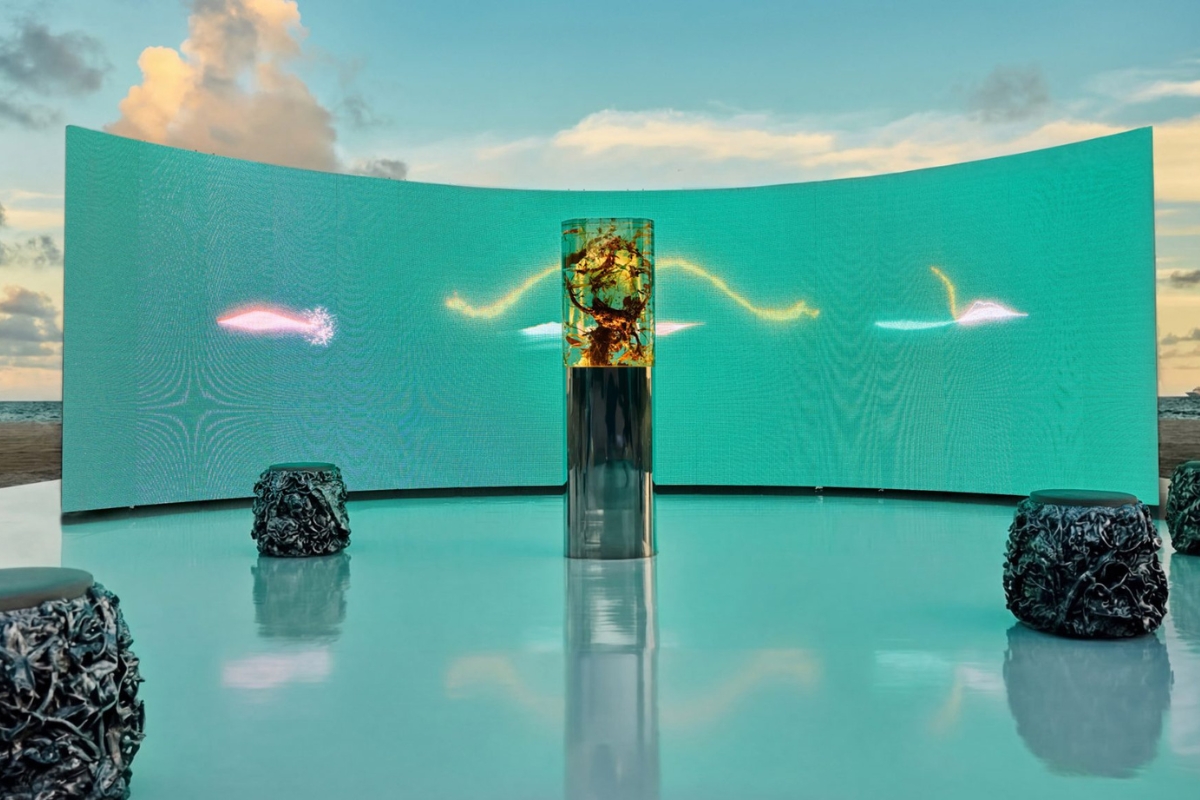
Botanical Activity Transformed Into a Sculptural Soundscape
These signals, normally imperceptible to human hearing, underpinned a three-part soundscape that shifted from sharp pulses to softer, rhythmic tones. Multidirectional speakers guided visitors through the space in a slow spiral, mirroring the cyclical processes of the plants themselves.
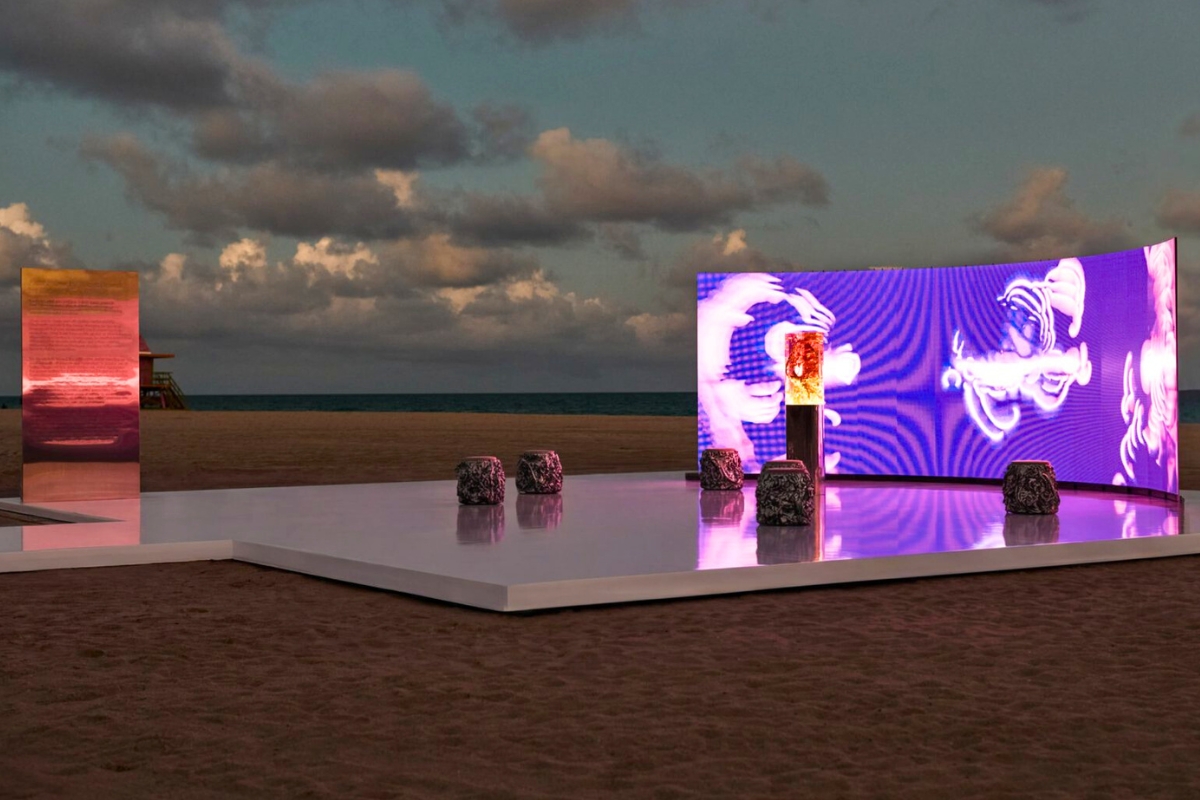
The project also featured 3D-printed seating coated with dried plant matter collected in Epernay, France, the historic home of Perrier-Jouët's vineyards and the centre of its Champagne terroir. This encouraged visitors to pause within the installation to observe the gradual transitions of light, movement, and sound.
According to Rusak, the project continues his ongoing exploration of botanical matter, reflecting his broader interest in how natural cycles can inform contemporary design practices. Perrier-Jouët positioned Plant Pulses as part of its wider cultural programme, connecting its Art Nouveau heritage with design research on biodiversity and regenerative viticulture. The brand says that the ultrasonic studies incorporated into the installation may eventually support new approaches to vineyard monitoring.
Design for Nature Award
The installation also aligned with Perrier-Jouët's introduction of the Design for Nature Award, a new annual initiative that recognises designers whose work addresses sustainability through an Art Nouveau lens. The inaugural prize, announced during Design Miami 2025, was awarded to Dutch fashion designer Iris van Herpen, who will develop a commission to debut at the 2026 edition of the fair.
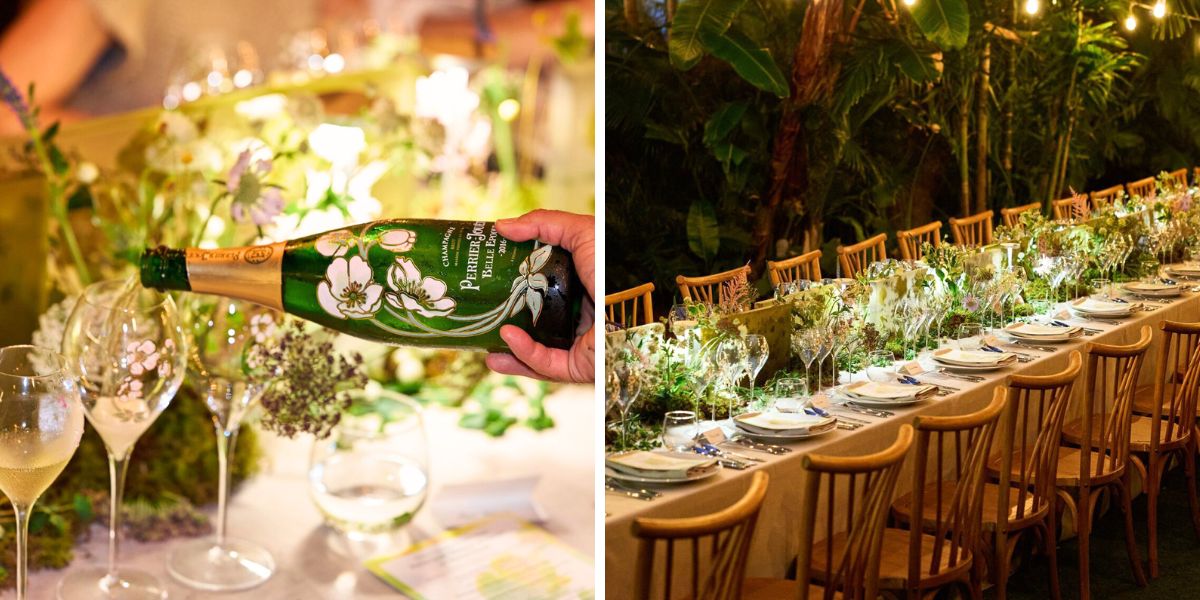
The Plant Pulses installation was placed on Faena Beach during Miami Art Week, where it formed part of the area's wider program of art and design activations.