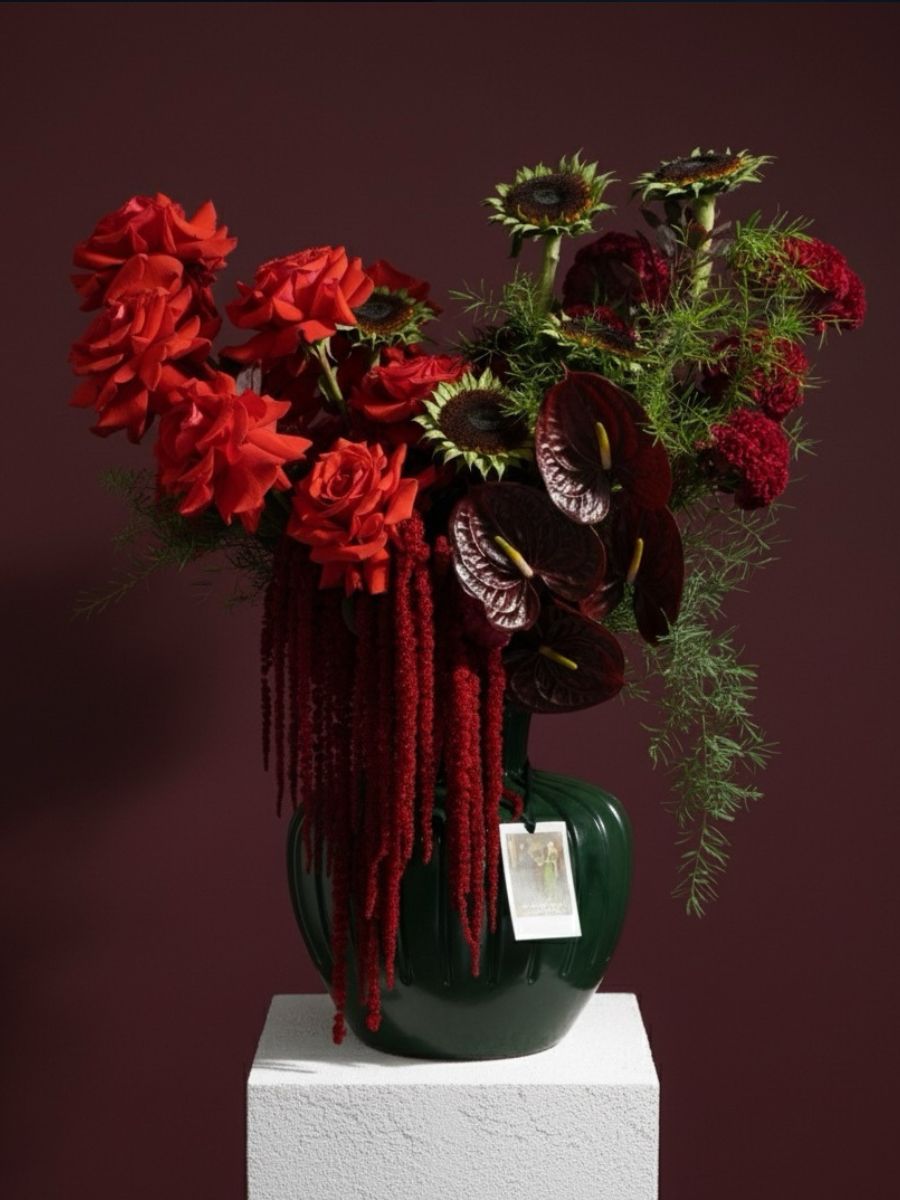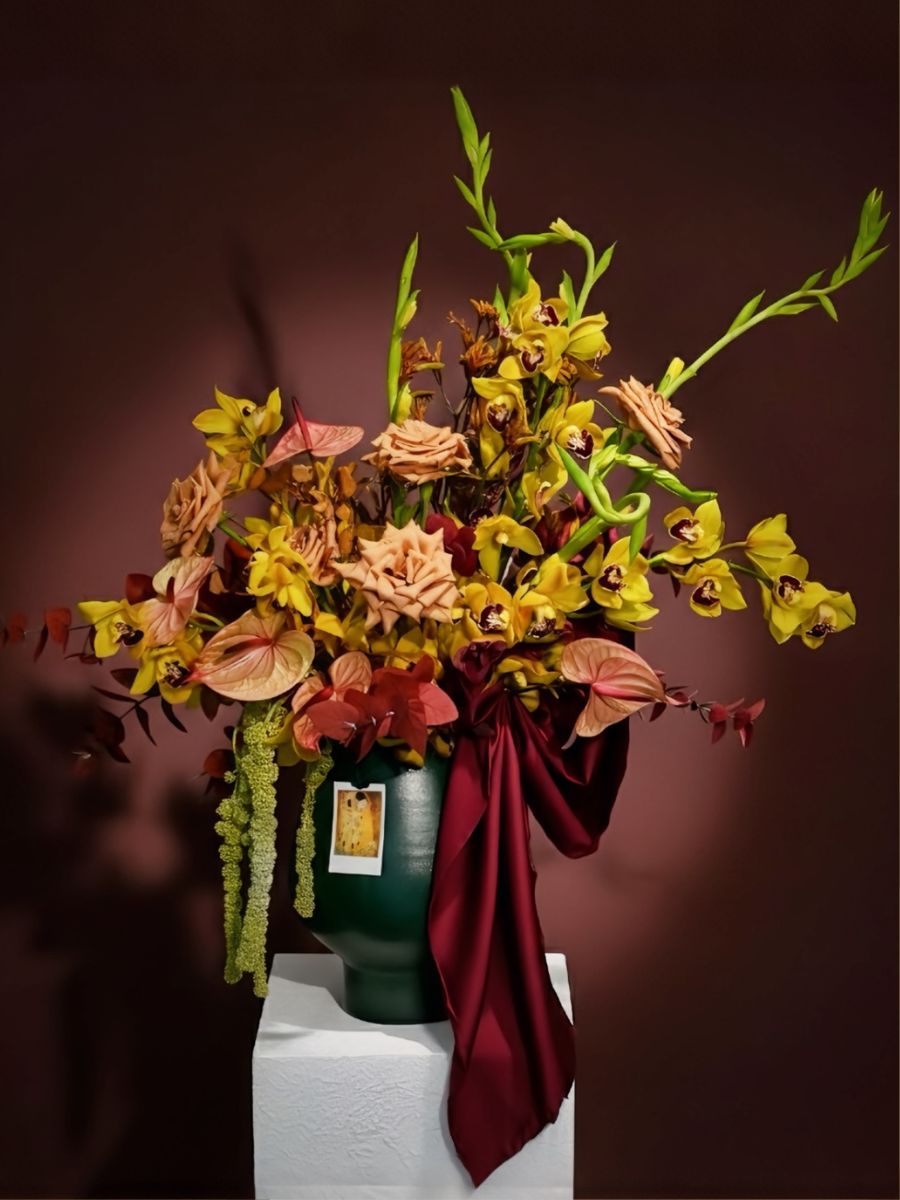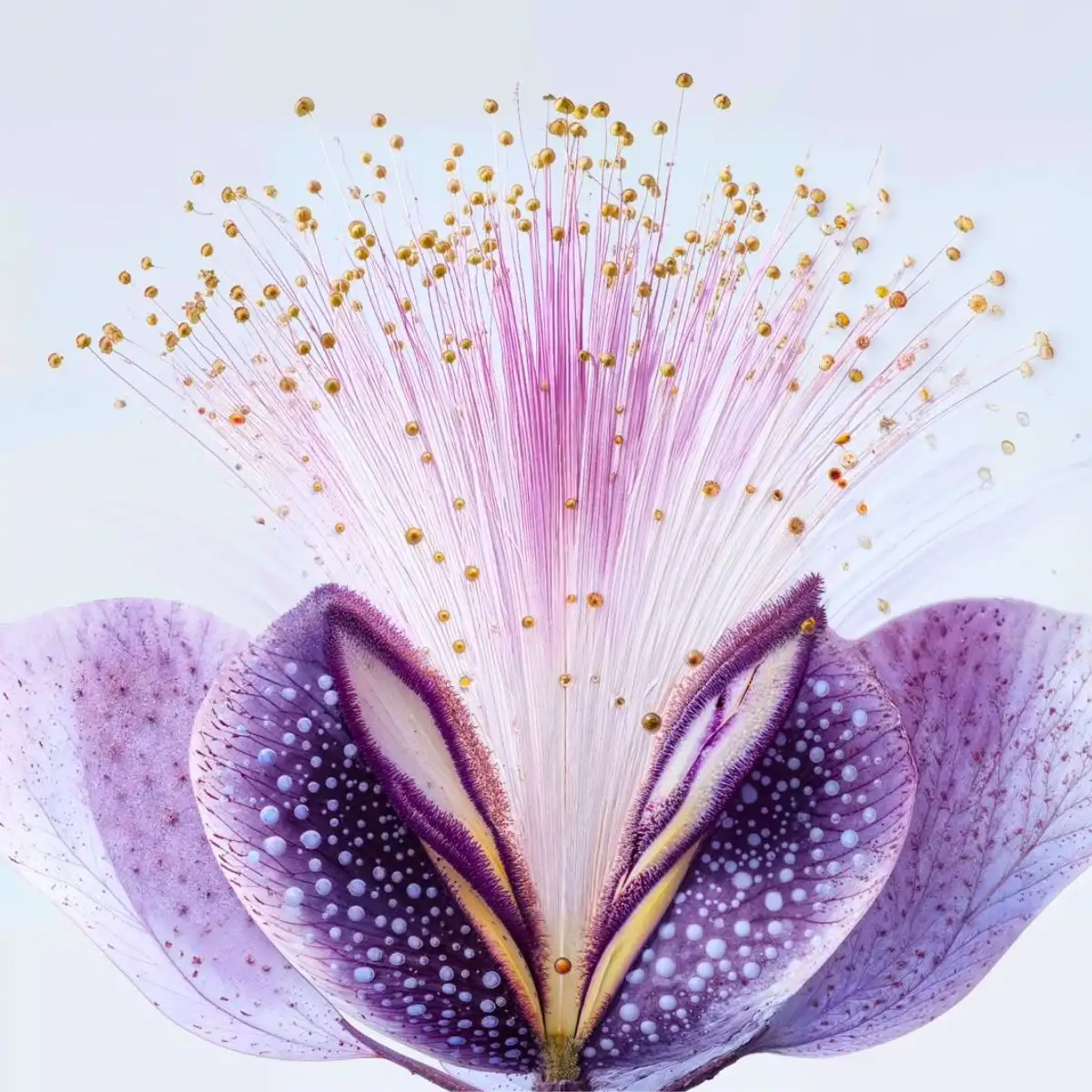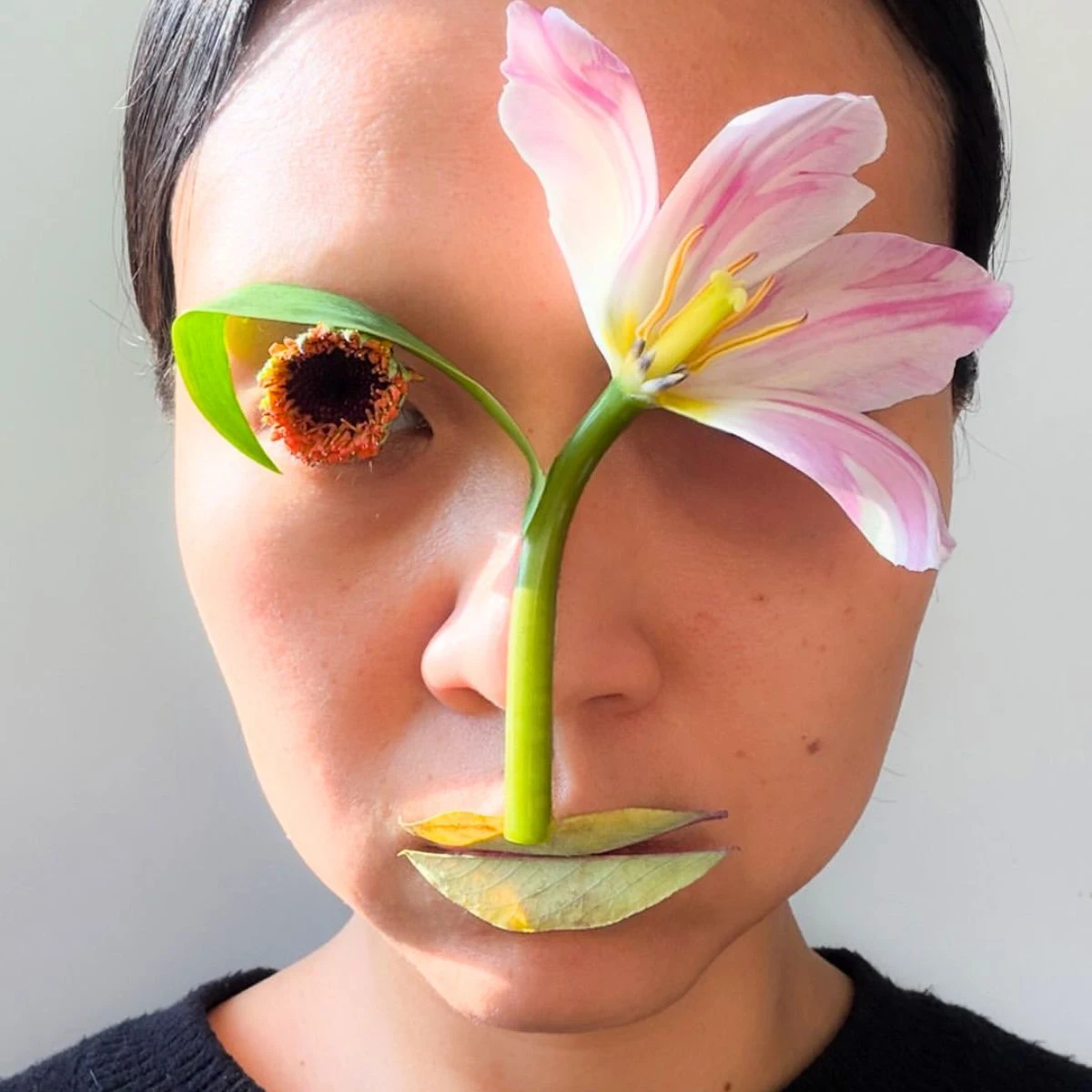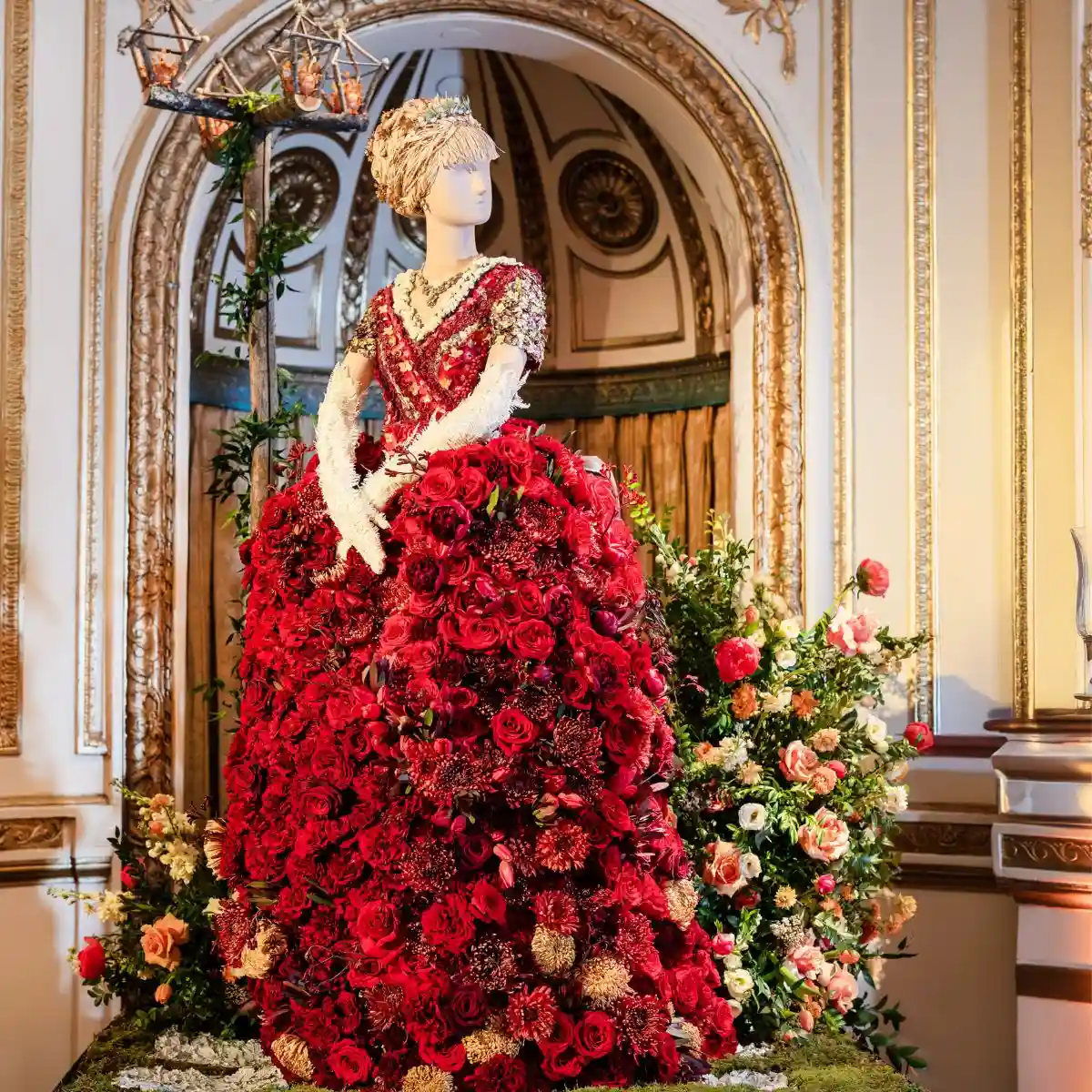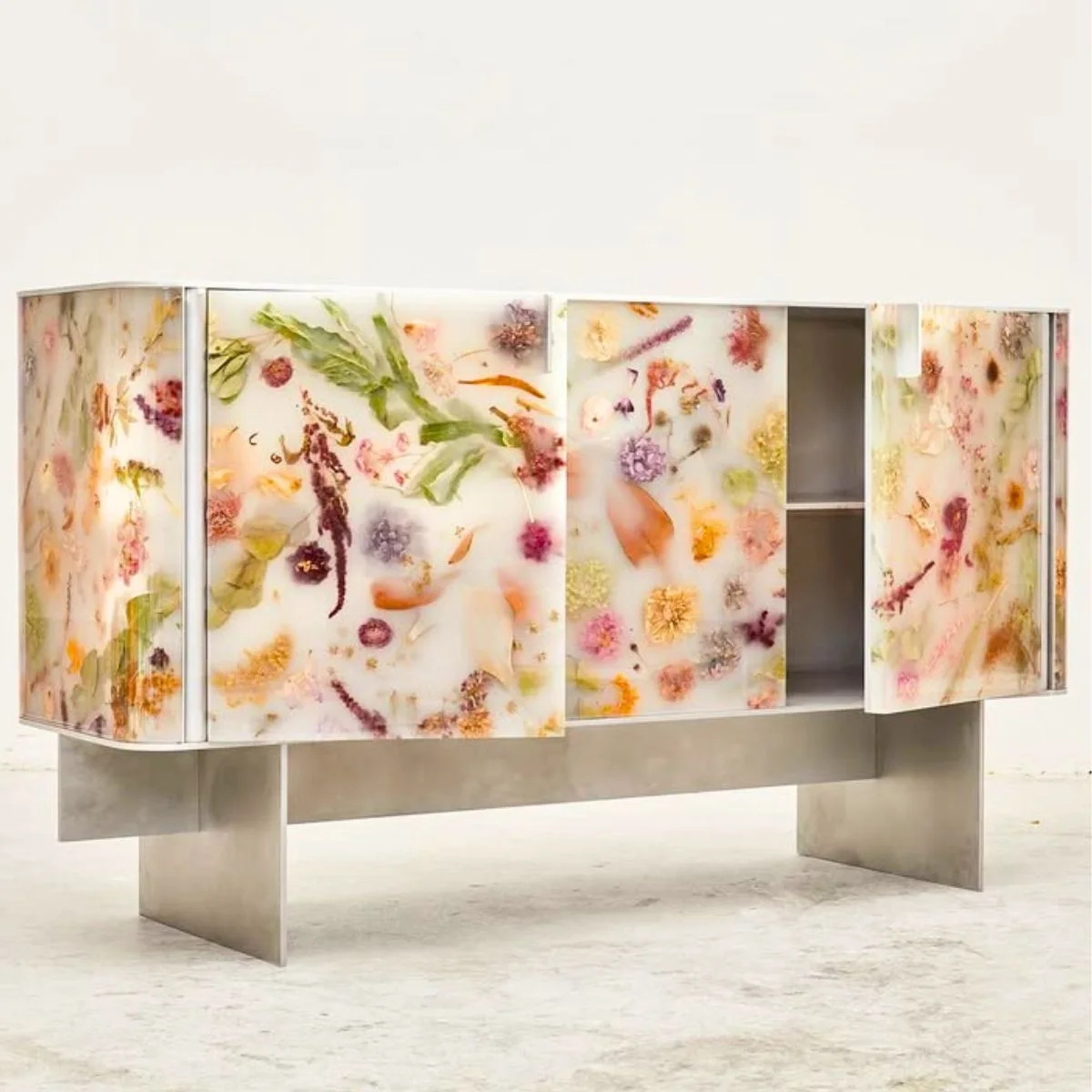
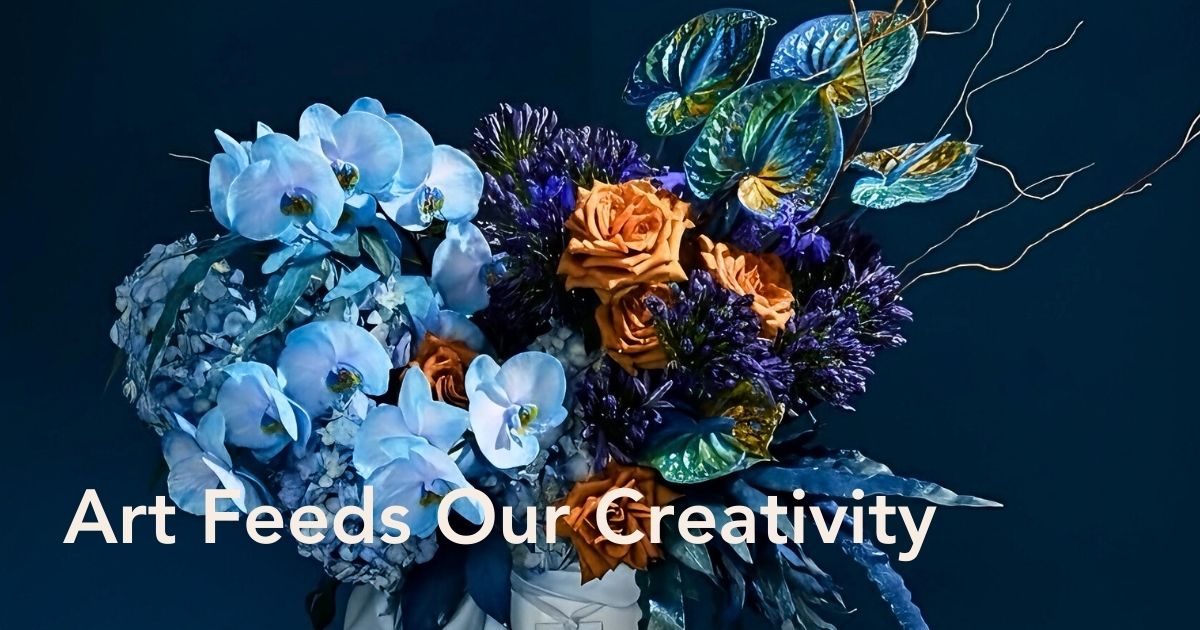
The 'Artistry Collection' at Camelia Flowers didn’t start with a big plan. As you saw in my previous blog, 'Working With Water, Light, and Continuity in Floral Form', we align floral design to an existing Art Piece.
It began very naturally, from a creative feeling rather than a concept. Over time, we grew into it, and before we knew it, it became an independent artistic expression. I, for one, love this collection, and I love to work out new ideas.
At Camelia Flowers, We Love Art and Flowers
This art collection emerged from a deep love for art and a desire to touch cultural heritage through floristry. I was not interested in the literal quotation of famous paintings, but in translating their visual language: color, rhythm, line, and emotional tension into form, volume, and living material. It was important to convey not the external image, but the meaning, feeling, and mood embedded in the artwork.
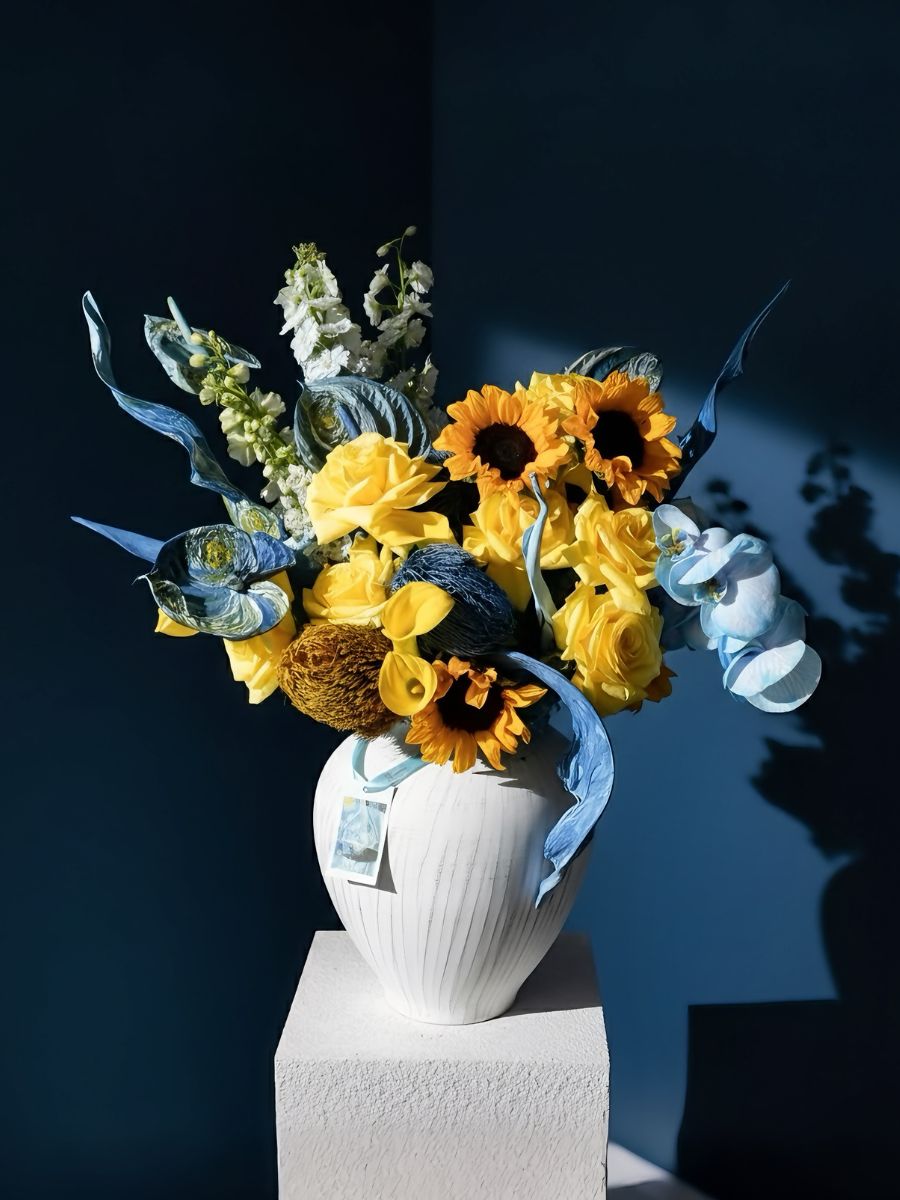
At the core of the collection lies a dialogue with artists from different eras and movements; from the classical drama of Karl Bryullov to the expressive intensity of Edvard Munch, from the soft painterly language of Pierre-Auguste Renoir to the decorative symbolism of Gustav Klimt. What unites these works is not style, but emotional depth and a profound relationship with form and color.
We Want to Know the Story Behind Each Art Work
While developing the collection, we spent a lot of time together with the floristry team at Camelia Flowers, really looking at the paintings. Not just how they look, but where they come from, what they mean, and the stories behind them. We wanted to understand the moment they were created and who the artists were at that time. Their emotions, their lives, what they were carrying. That helped us feel the inner language of each painting.
.jpg "Artistry Collection by Valentina Pospelova from Camelia Flowers")
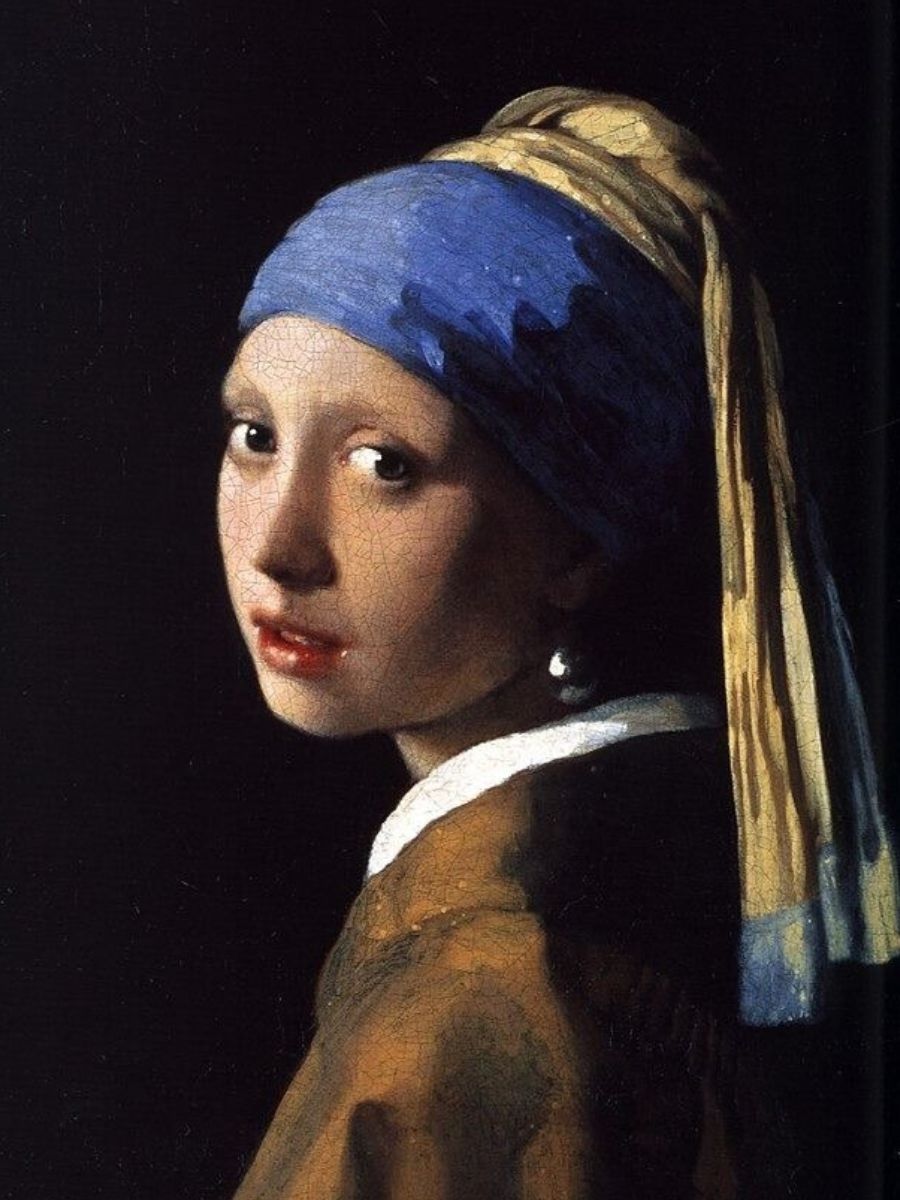
Translating Art With a Floral Language
Each composition is built around the intention to convey the artistic idea of a painting through a floral language. Color, form, materials, and rhythm become tools for translating pictorial images into three-dimensional space. In this way, the floral works do not illustrate the paintings, but continue their artistic and emotional meaning. I am convinced that fashion, fine art, history, architecture, and floristry are closely interconnected and form a unified cultural environment.
This interconnectedness is one of the most powerful and inexhaustible sources of inspiration and creative exploration for me. For me, this collection is not a series of decorative compositions, but a way of speaking about emotions and states through floristry. Flowers become a language capable of expressing tension, silence, fragility, or inner harmony. It is an attempt to touch art and capture not an image, but the sensation of a moment.