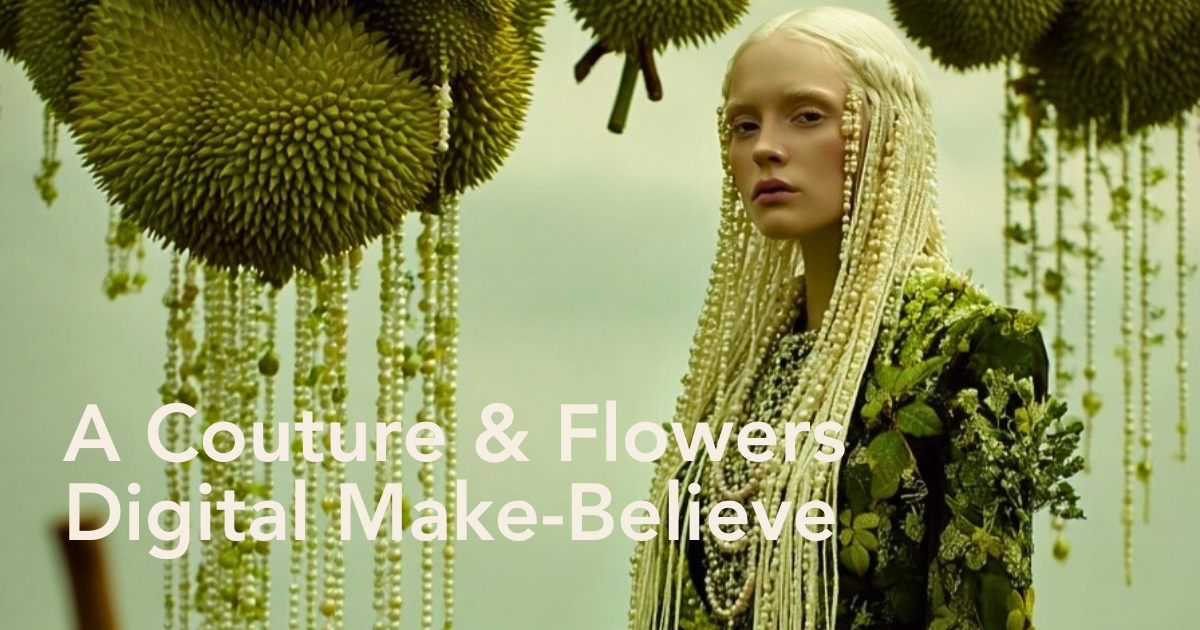
AI artist Alexandra Paras' art sits right where fashion, botany, and fantasy meet, using AI to grow surreal flowers, drape them over imagined (humans) figures, and let them tell stories. She has spent years exploring this intersection, creating floral imagery that defies virtually everything people believe they know about art and photography.
Yet her journey in this art form started a bit differently. For 13 years, she applied her skills in marketing and brand strategy. Her fascination with AI and digital art grew along the course of her work.
Alexandra's AI-Grown Gardens
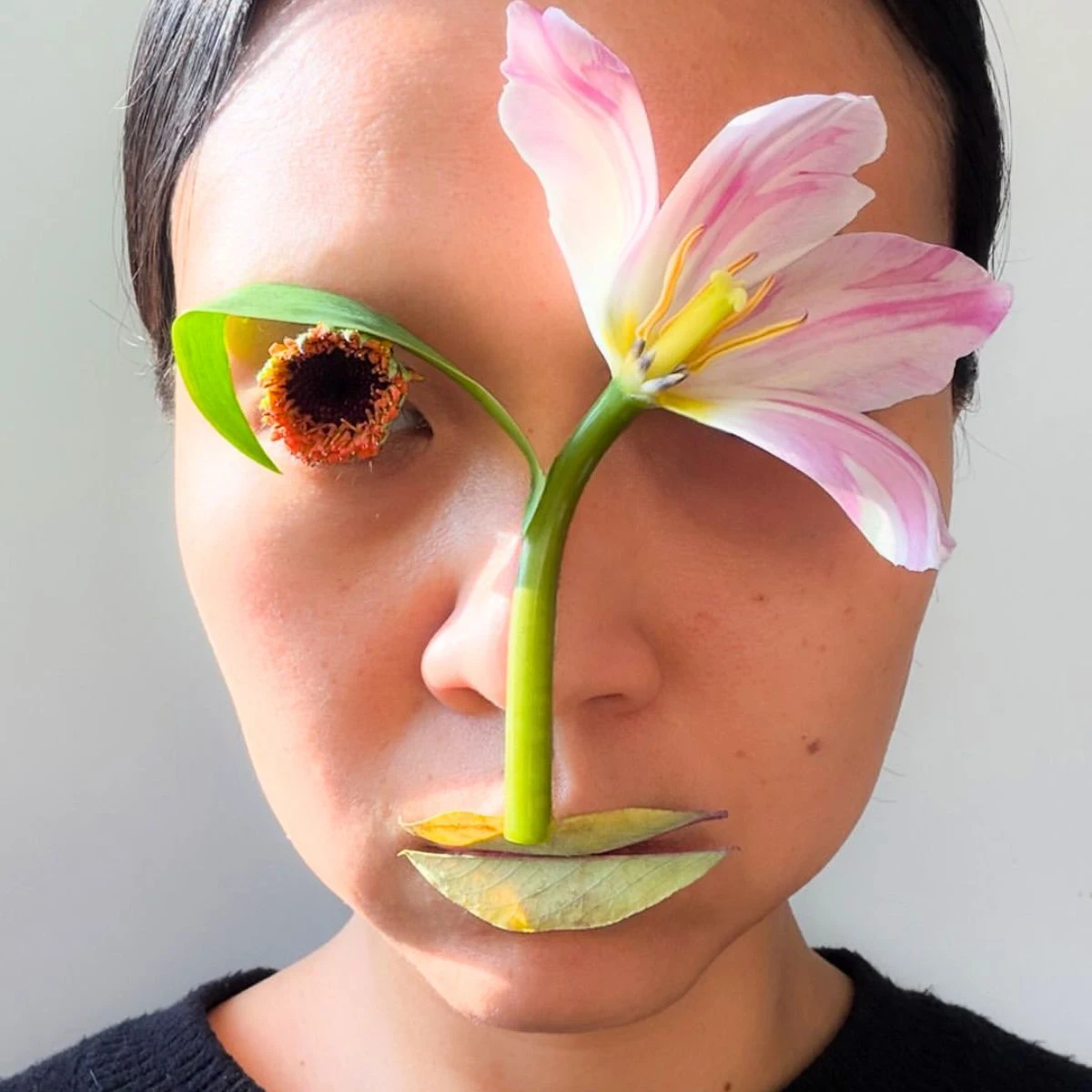
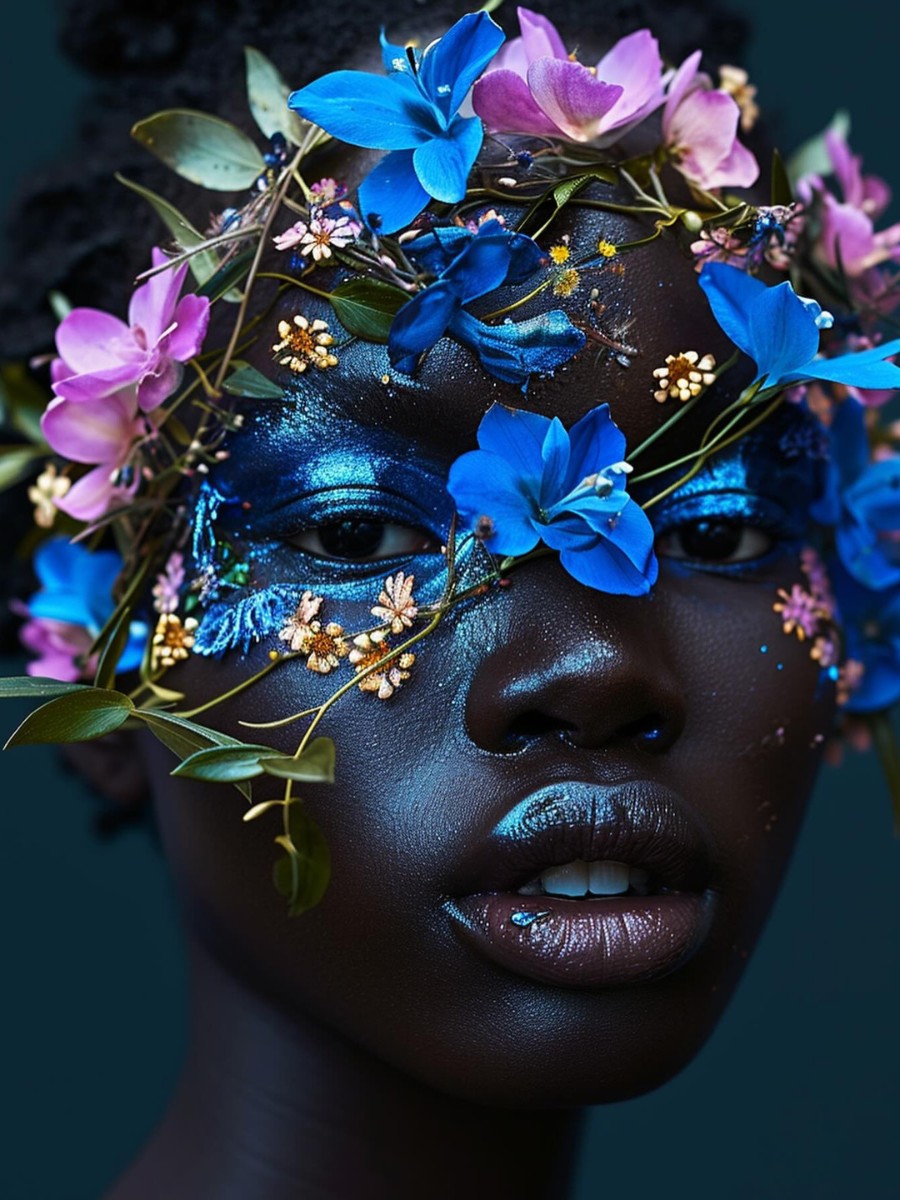
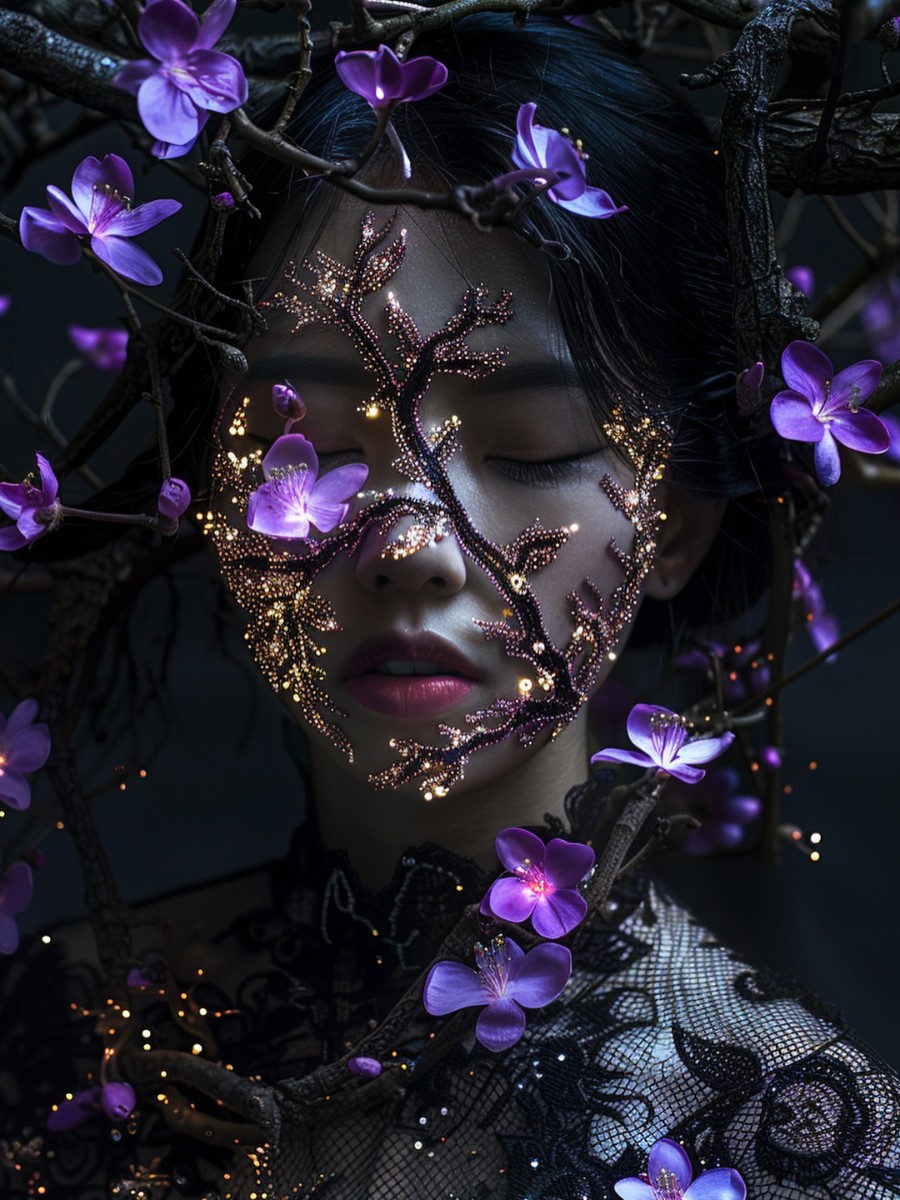
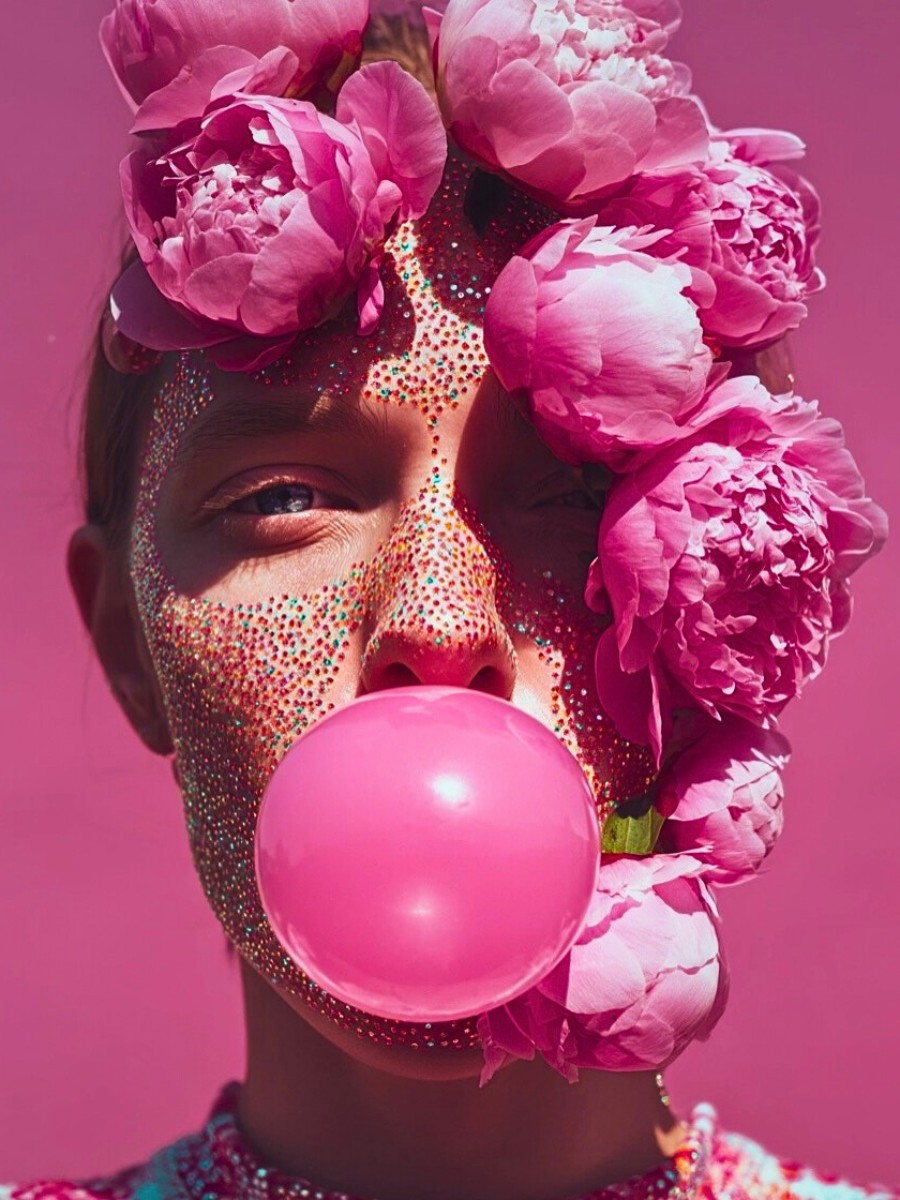
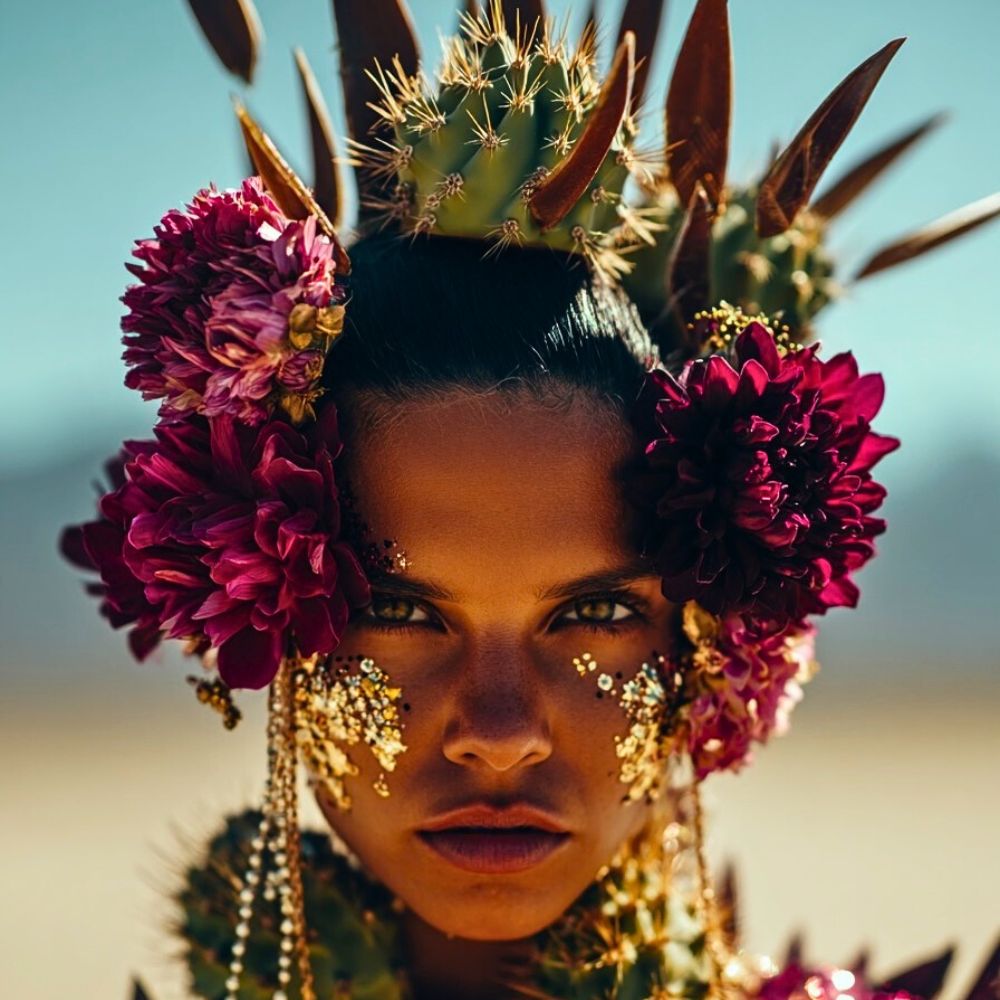
While she presents herself clearly as an AI creator, Alexandra's heart seems to be quite grounded in the natural world. Her portraits often feel almost alive, featuring faces framed with petals, stems woven into garments, and floral textures used as much as possible to evoke an otherworldly feel.
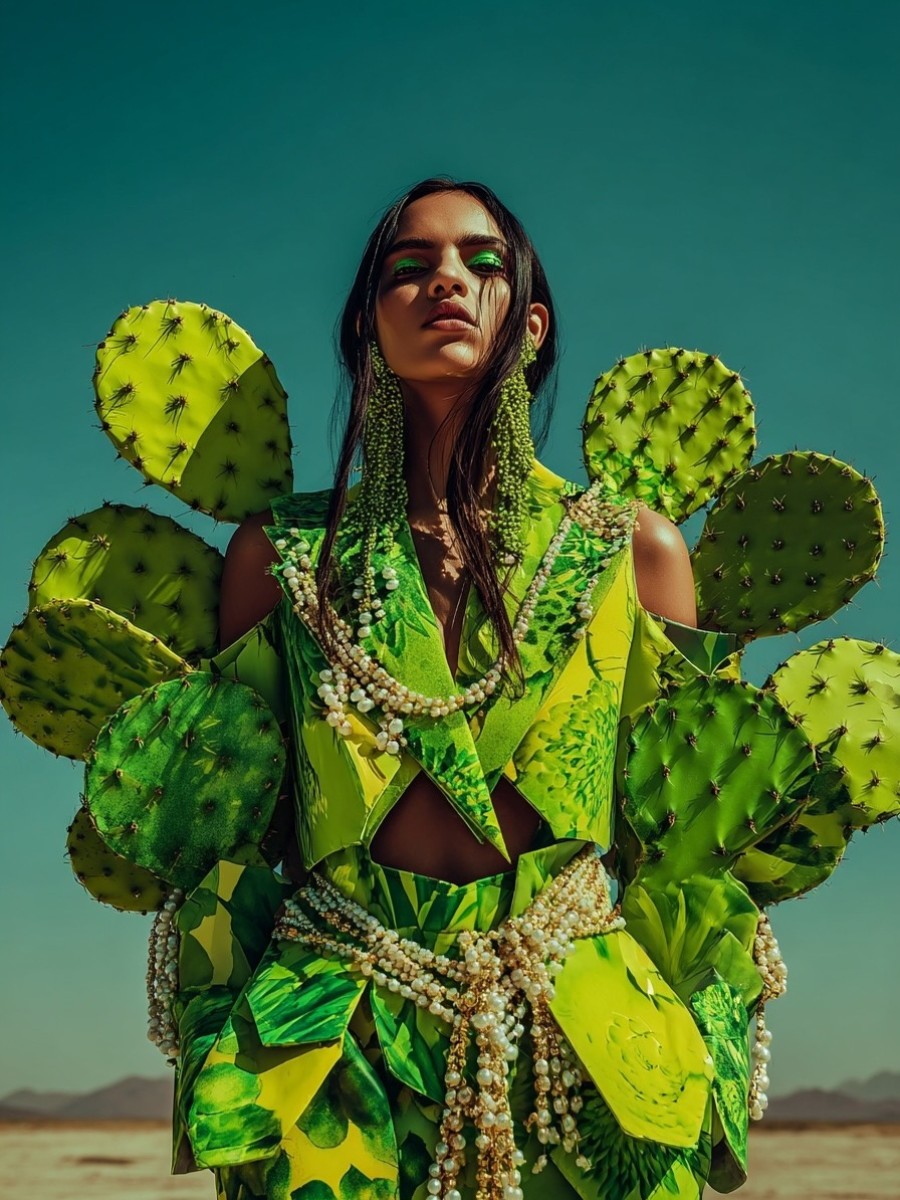
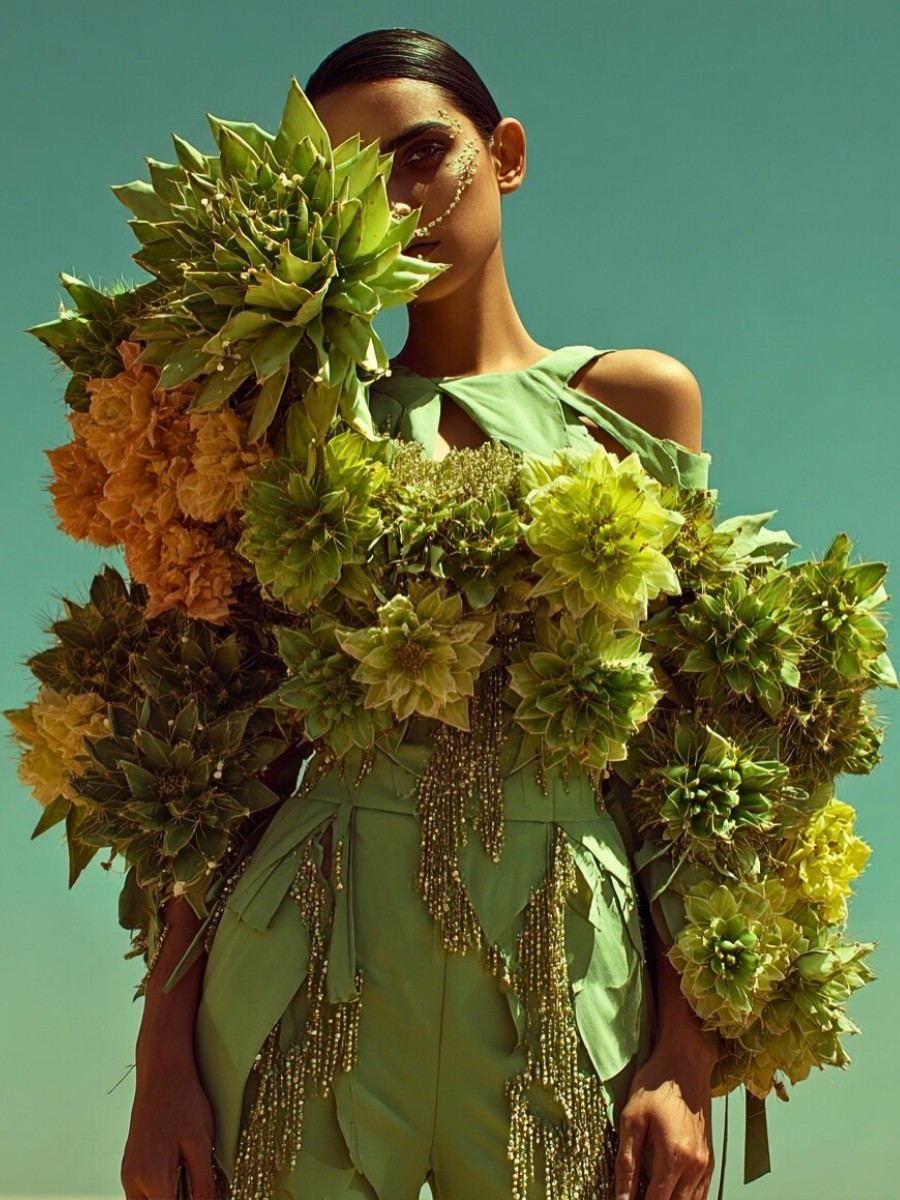
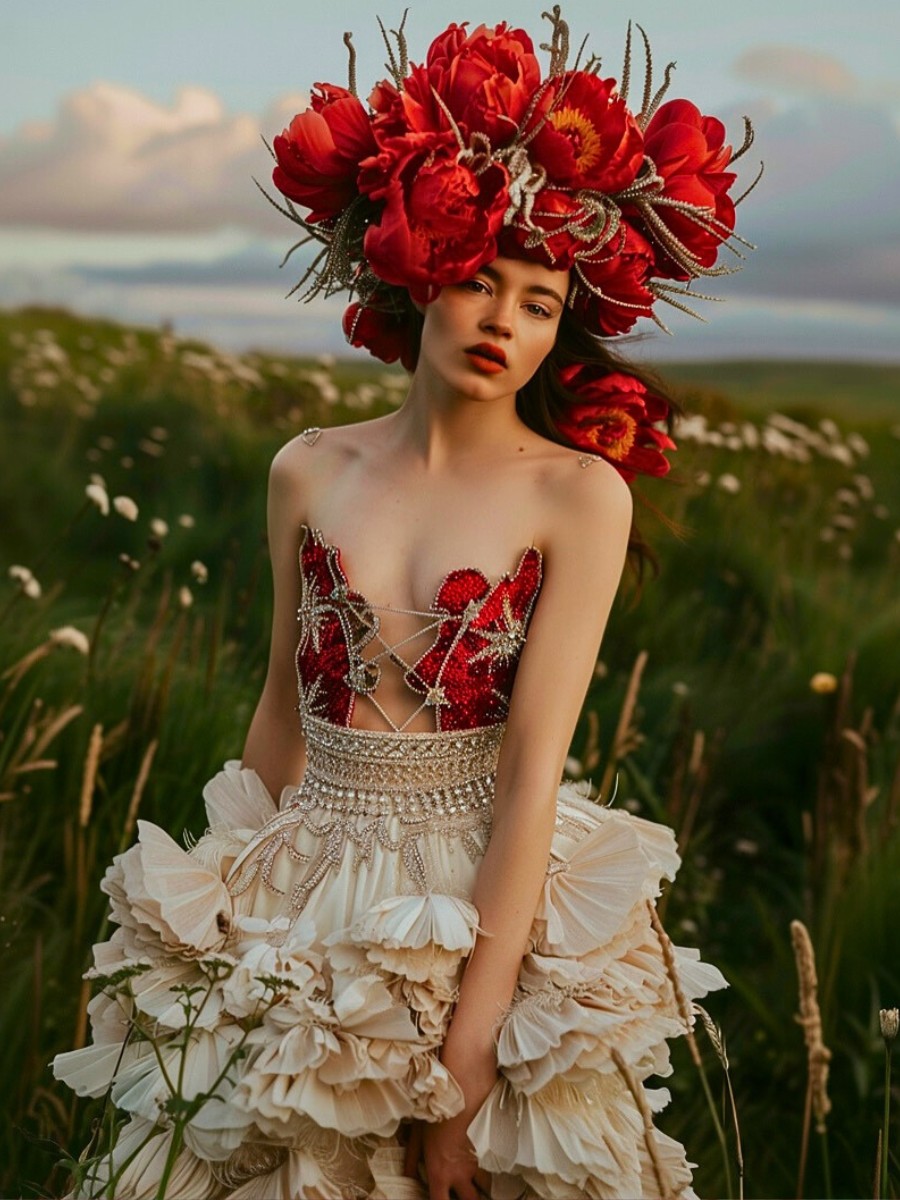
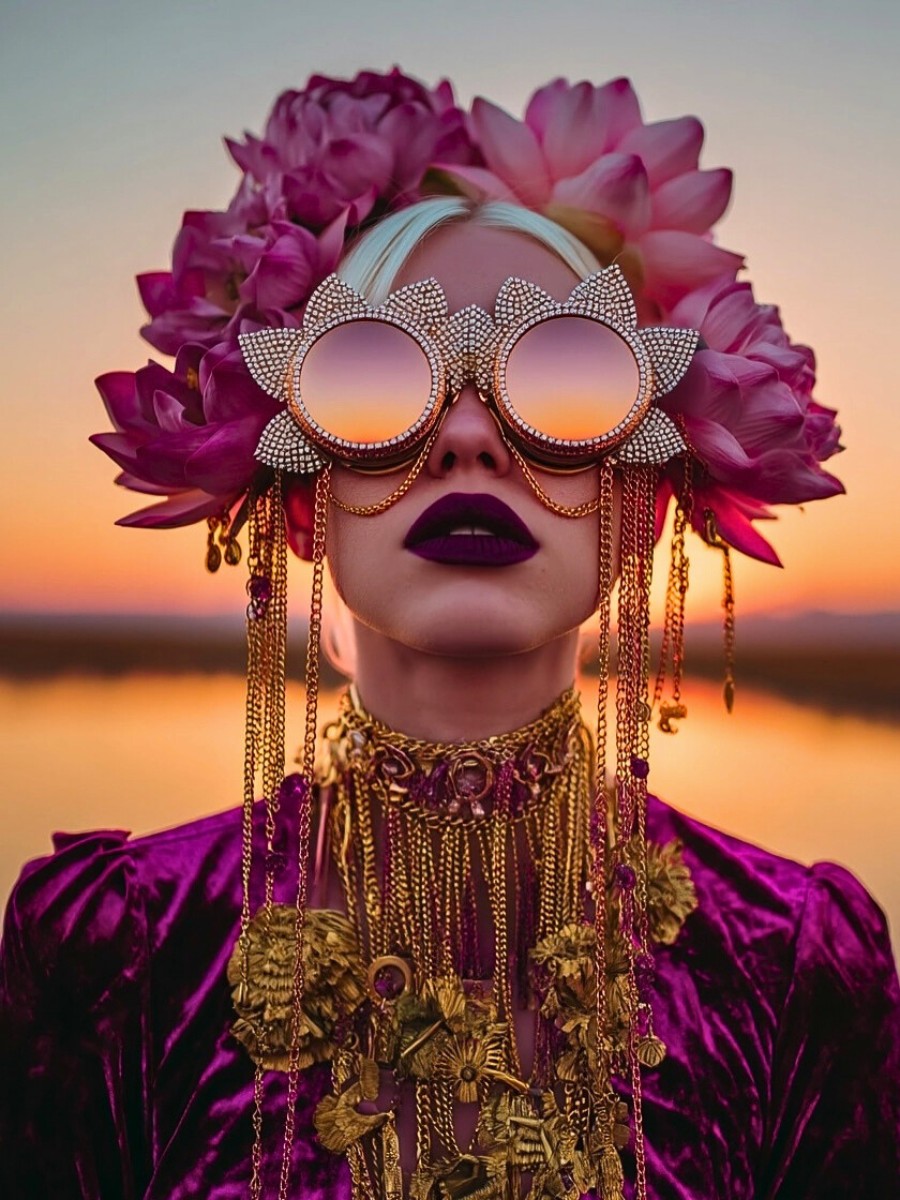
More than that, instead of treating florals as background decoration, she brings them to the forefront. You'll notice flowers acting as halos, headdresses, or even armor. Each of her figures is a sort of floral guardian. There is a sense that she is not just arranging flowers around a subject, but working with floral shapes like characters in their own right.
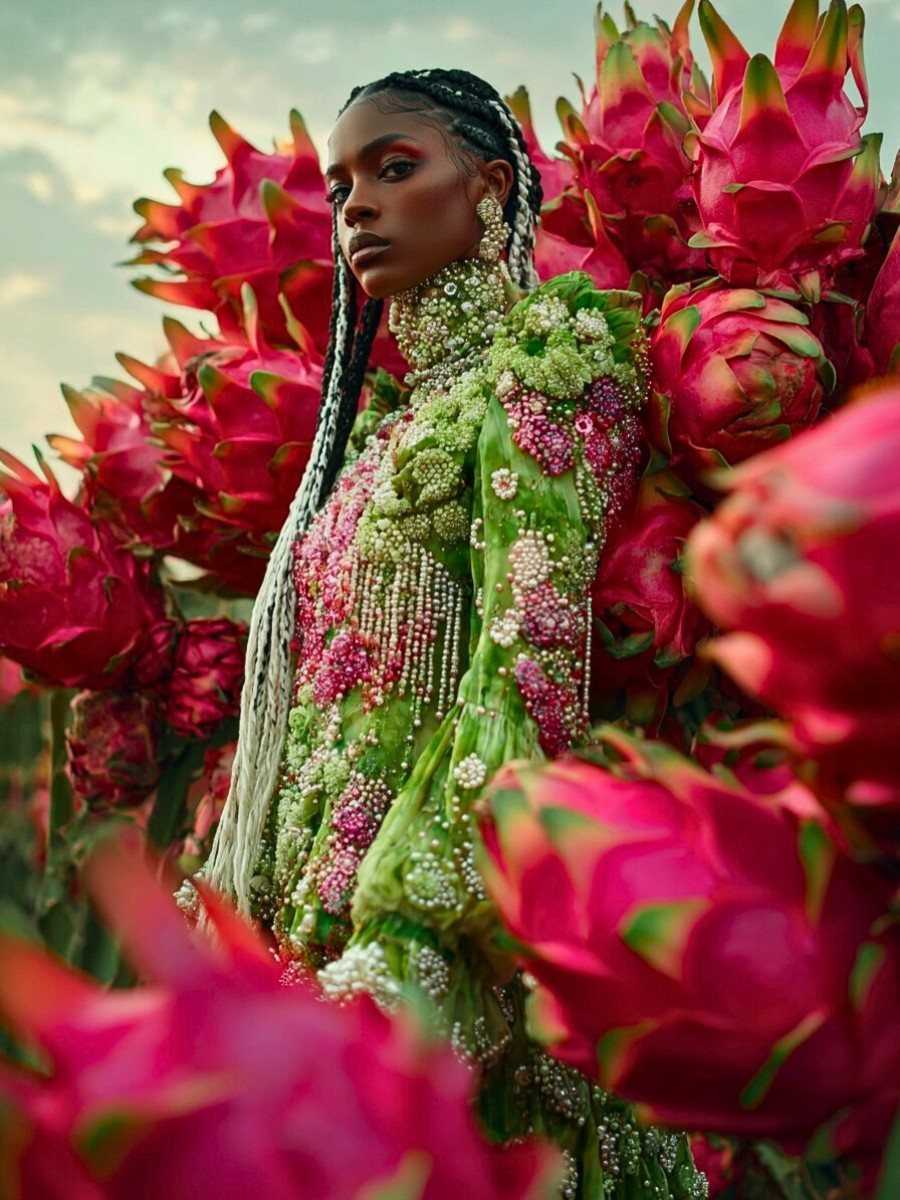
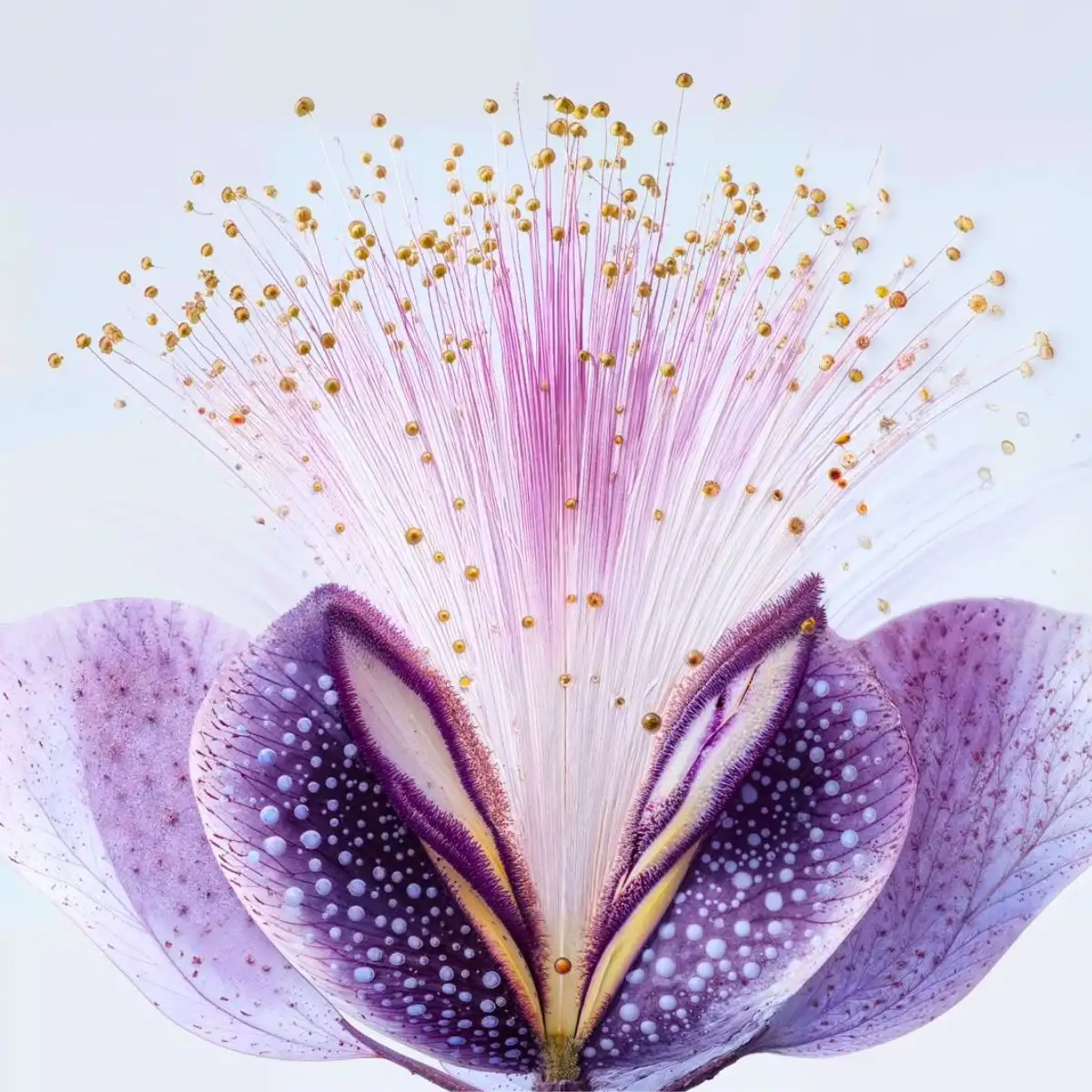
Unique about her work is the refusal to choose between the natural and the man-made. Where traditional botanical illustration requires painstaking observation, AI gives Alexandra the freedom to explore what flowers could look like if they existed outside the usual rules of botany.
As she puts it:
"What excites me most about AI is how it allows me to build layers of complexity and creativity unrestricted by the usual physical limitations of photography,"
But this isn't about replacing the real thing; it is about asking questions that traditional media hardly answer. What if roses glowed with neon light from within? What if petals could exist in colors that nature never imagined? Quite some thoughts to ponder!
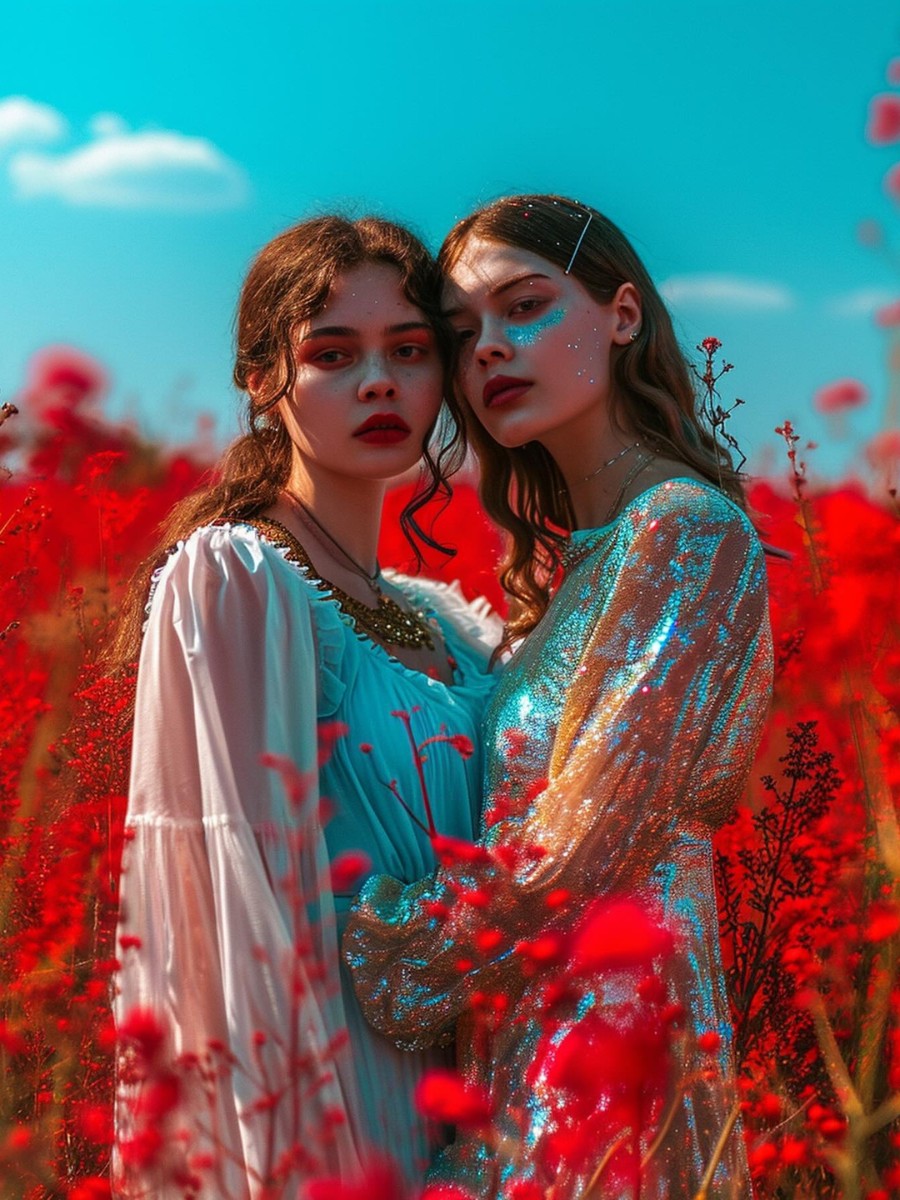
An AI-Floral Language Outside of Realism
Alexandra's art does not necessarily aim for botanical accuracy. Instead, some of her florals appear overstated, fused, or gently distorted. Colors sometimes slide into surreal terrain, petals proliferate, and flowers appear where structure shouldn't allow them, yet the result still feels peculiarly harmonious.
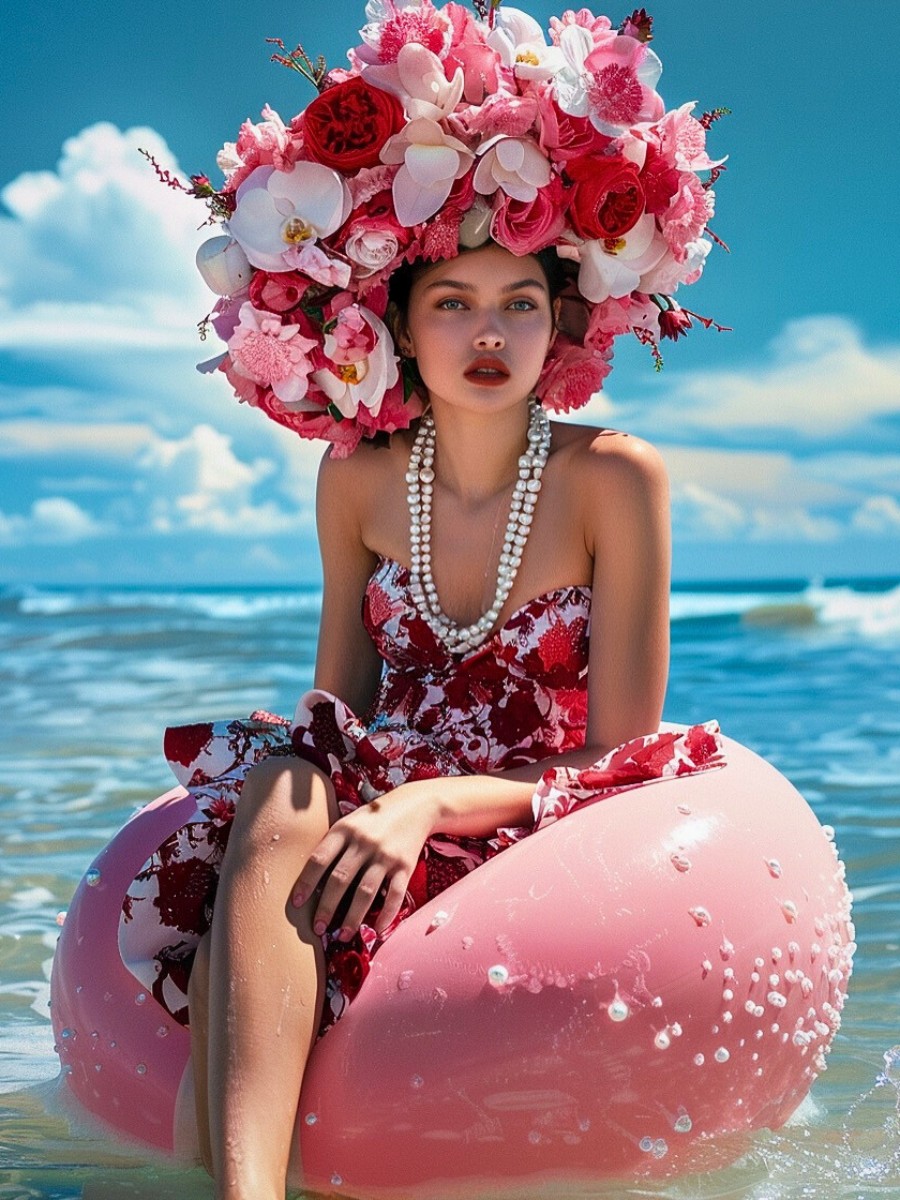
This is where AI is at most a co-creator, moving her florals into unimagined roles, for instance, a collar morphs into a ring of petals, a hairstyle dissolves into flowers, and a background turns into a soft, petal-like mist around the subject. Plus, here is where, generally, the sense of the elements being 'held in light' emerges visually as subtle radiance around the figures.
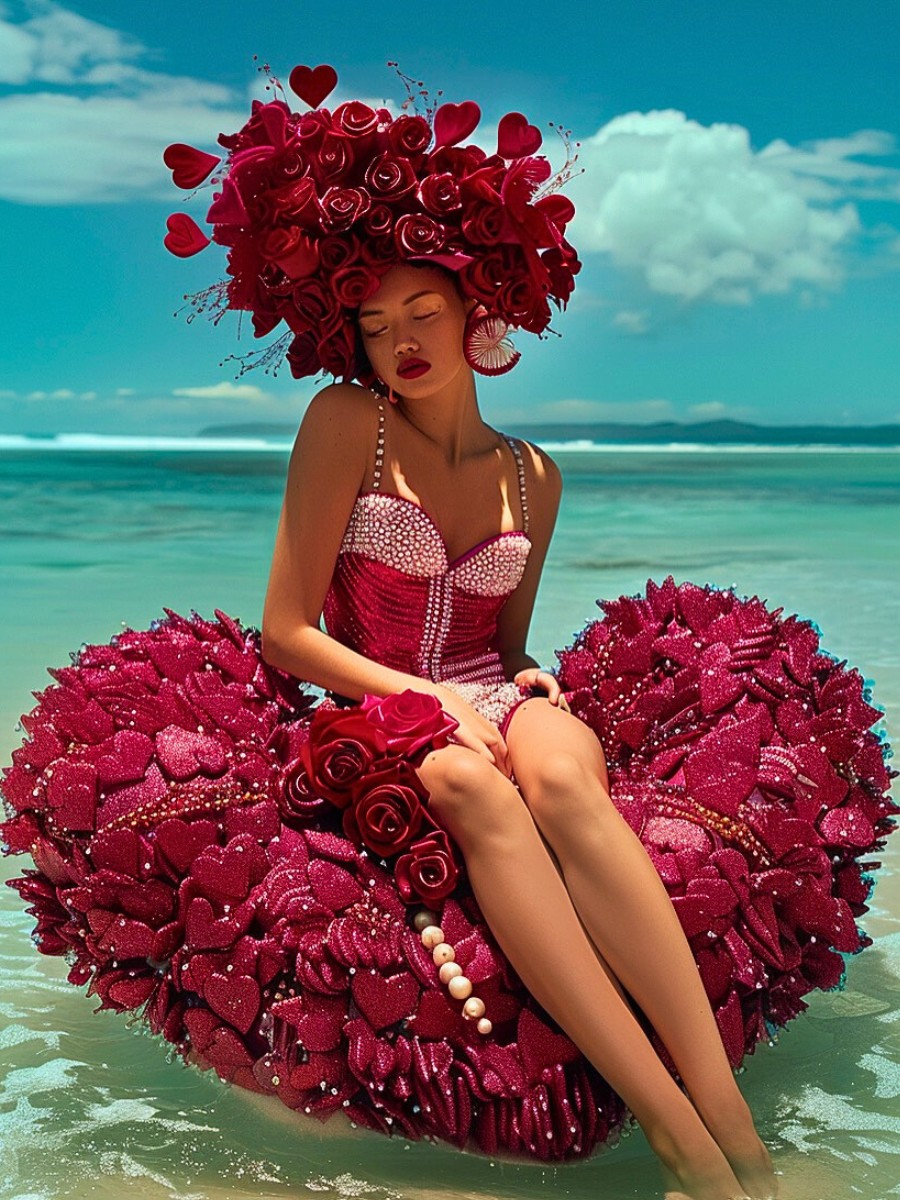
Where Fashion Meets Petals and Pixels
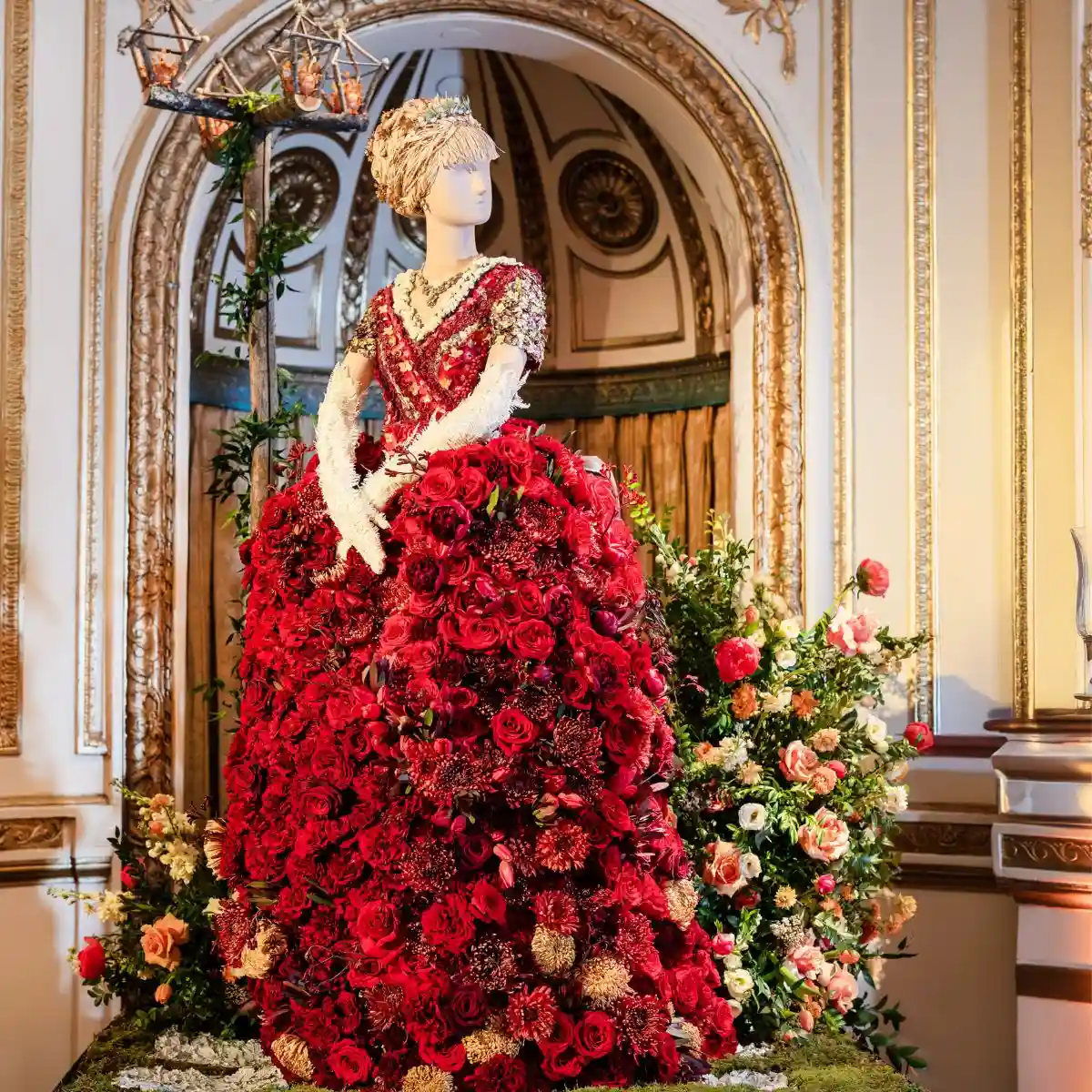
Many of Alexandra's works sit very close to fashion photography, only with dresses that no human hand has sewn. In some pieces, gowns spill out like cascading petals, sleeves open up like lilies, and metallic floral details catch the light like they were grown from molten metal.
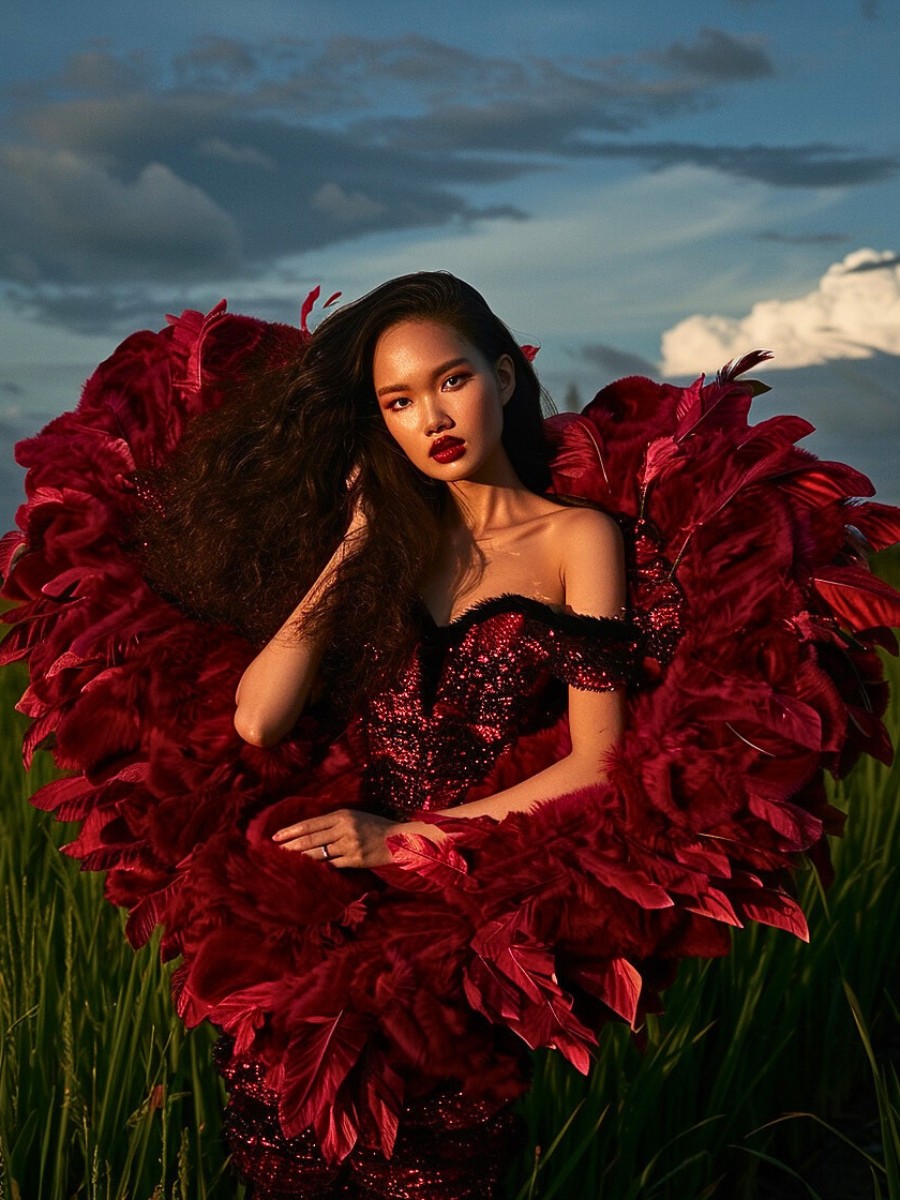
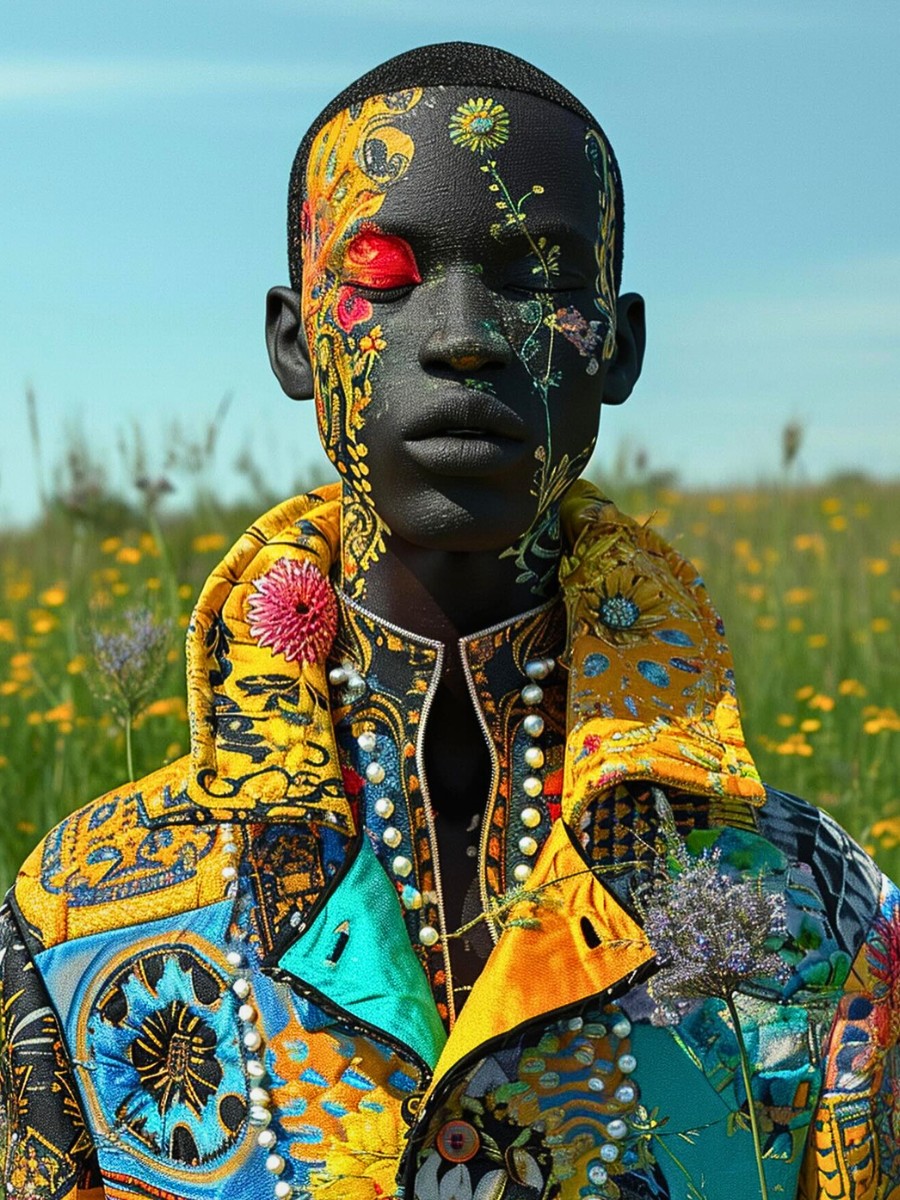
One of her pieces, described as 'velvet metallic vibes that's Middle Eastern inspired,' hints at the way she often merges textiles, cultural motifs, and floral forms. Perhaps, think velvety roses rendered into attire, or patterned petals echoing traditional ornamentation, all wrapped around serene, otherworldly figures. It almost feels like designing a garden-theme couture.
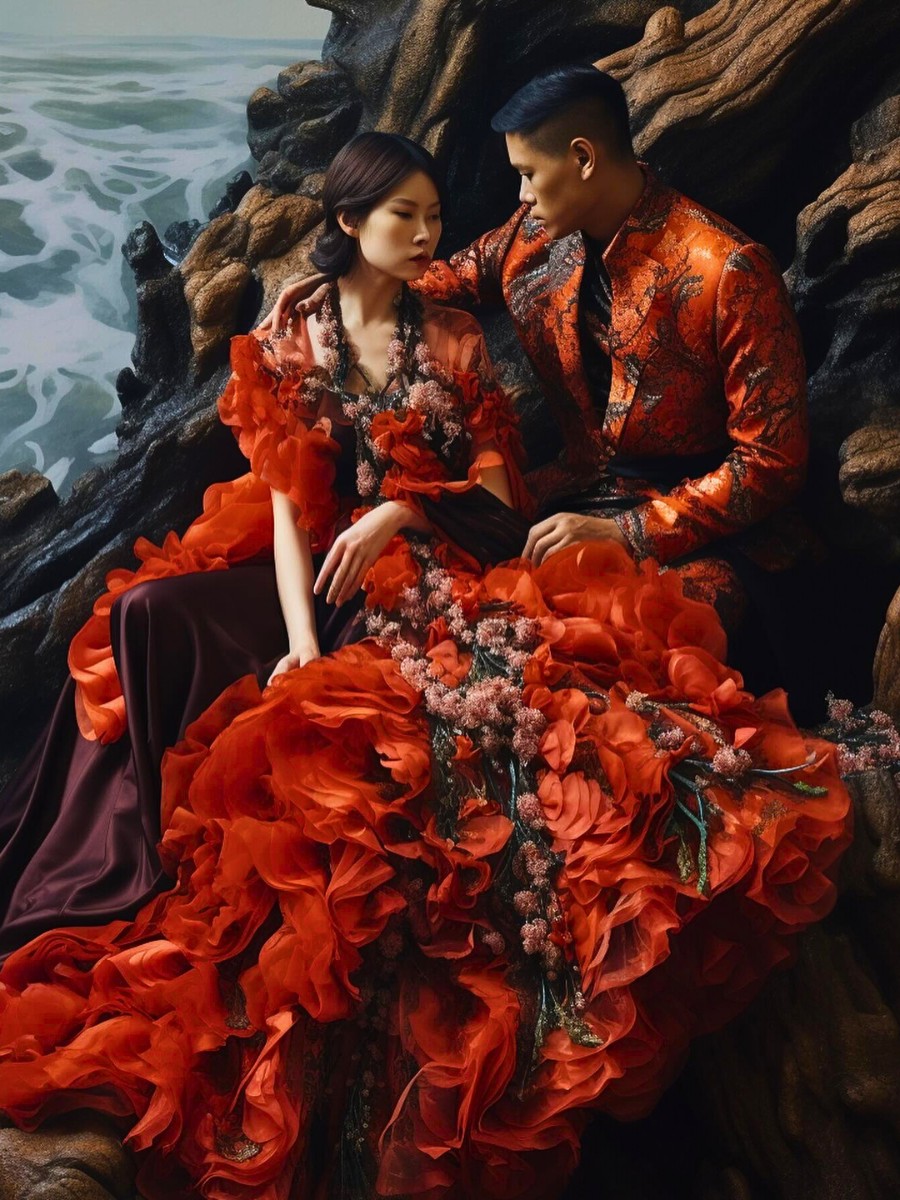
Another piece, which is one of Alexandra's most celebrated (featured in Chile's Artificial V.2 Festival), perfectly captures her approach. The piece shows the subjects bathed in striking neon orange light, a color choice that speaks to her wider aesthetic. That same bold use of color appears throughout her floral work, where traditional vegetal palettes give way to electric pinks, deep cyans, and the signature orange glow.
Creating Meaning Where the Technical Meets the Organic
When Alexandra talks about her process, she speaks in terms of storytelling. Her floral art pieces carry a plot. A flower, rendered through AI, might, for instance, combine the nostalgic quality of vintage botanical prints with the electric energy of contemporary digital art. Her pieces prod viewers to reconsider their relationship with nature itself.
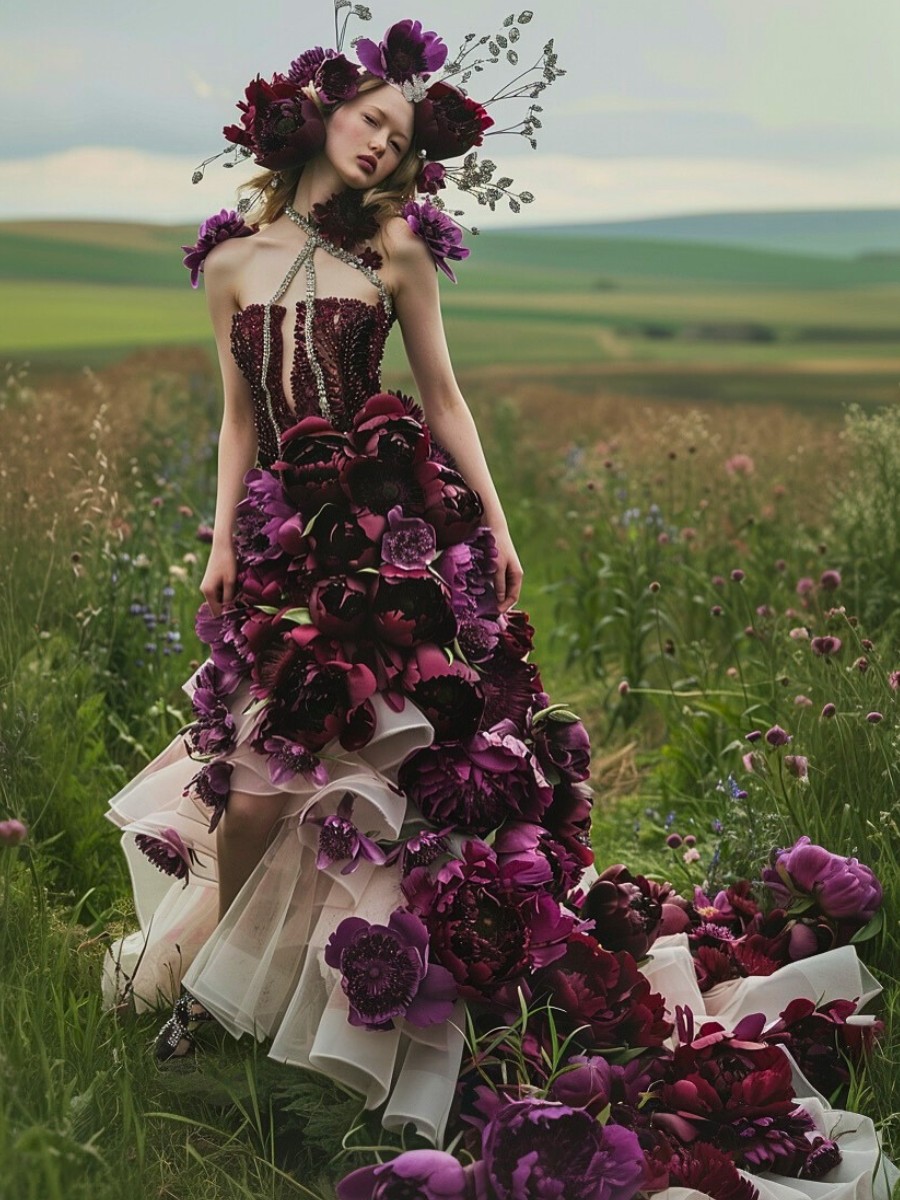
As climate change threatens botanical diversity, perhaps AI-generated florals offer a different kind of preservation. But the approach requires both technical understanding and artistic sensitivity. While AI can generate thousands of variations of art, it takes a human eye to recognize which variations rise to the occasion and which fall flat. Years of observing real florae guide AI toward something like that.
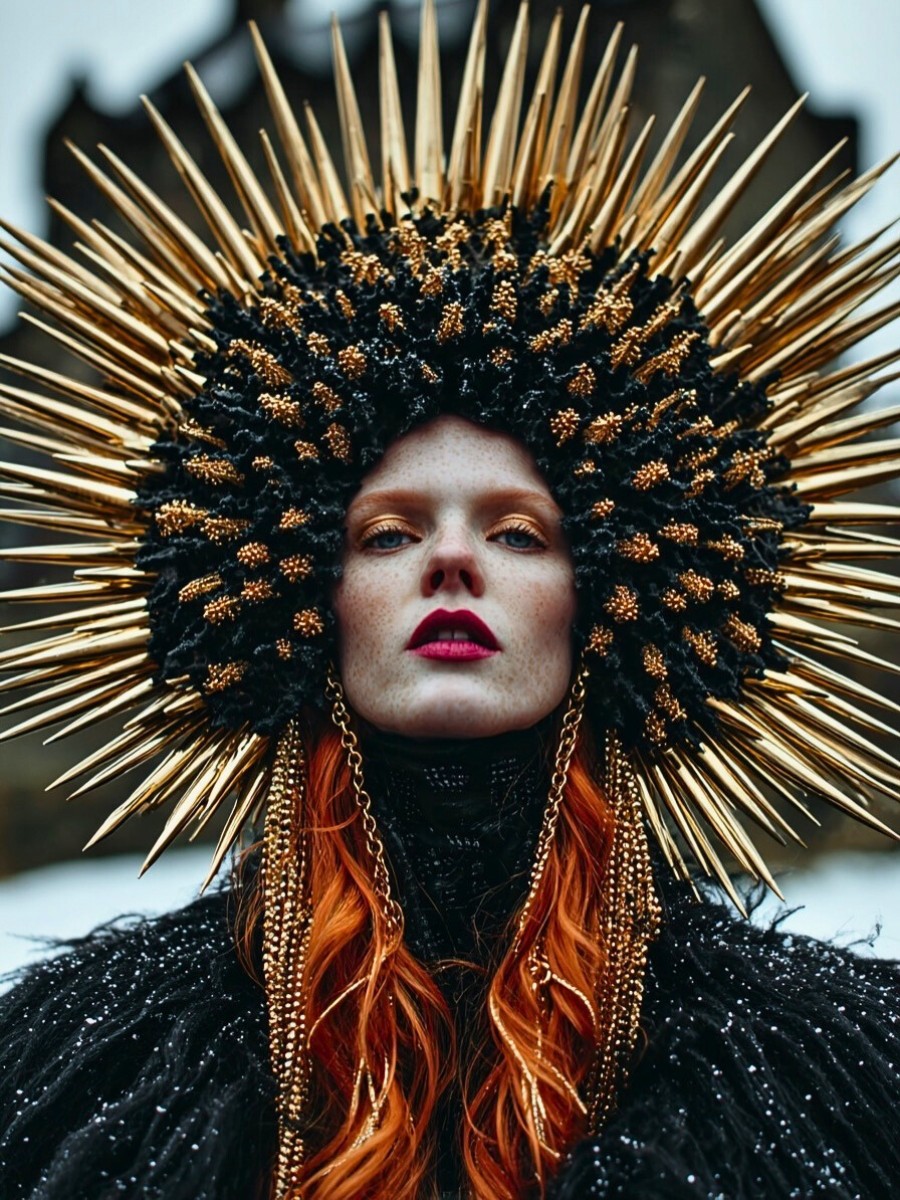
Notably, the human perspective guiding technology is largely what makes Alexandra's works so convincing. It is the choice to immerse flowers in orange neon light, the decision to layer impossible colors, or the instinct that knows when a composition looks and feels right. Her works, essentially, point to the notion that while tools change, the fundamental human need to create and preserve floral beauty remains constant.
Democratizing the Digital (AI Art) Garden?
One of Alexandra's fundamental beliefs is that AI democratizes creativity. One does not necessarily need access to rare flowers or expensive equipment to create stunning floral art. Neither does one need years of training in traditional painting techniques. One just needs a vision, patience, and a willingness to experiment.
This matters a lot because, while throughout history, botanical art has been the province of the wealthy or the scientifically trained, AI changes that notion. Someone with limited resources but unlimited imagination can create stunning pieces, and even flowers that exist nowhere else.
The coming years promise exciting developments in generative AI, and floral art is part of that development. Perhaps, immersive digital environments where people can walk through imagined gardens, touch digital petals that change color, and watch flowers that bloom and fade in mesmerizing patterns…
But, alongside this technological progress must be ethical consideration. AI is growing more sophisticated, and some concerns could be pressing. Responsible development, ensuring AI serves human creativity and does not replace it, would be ideal. Outside of her everyday work, Alexandra's parallel line as an AI artist has attracted global attention.
She has exhibited in cities like Milan, New York, and Santiago. Working from Cyprus, Alexandra continues exploring the limits of digital and AI art. You can check out her socials to know more about her and her work.
All photos are by @alxndraai.