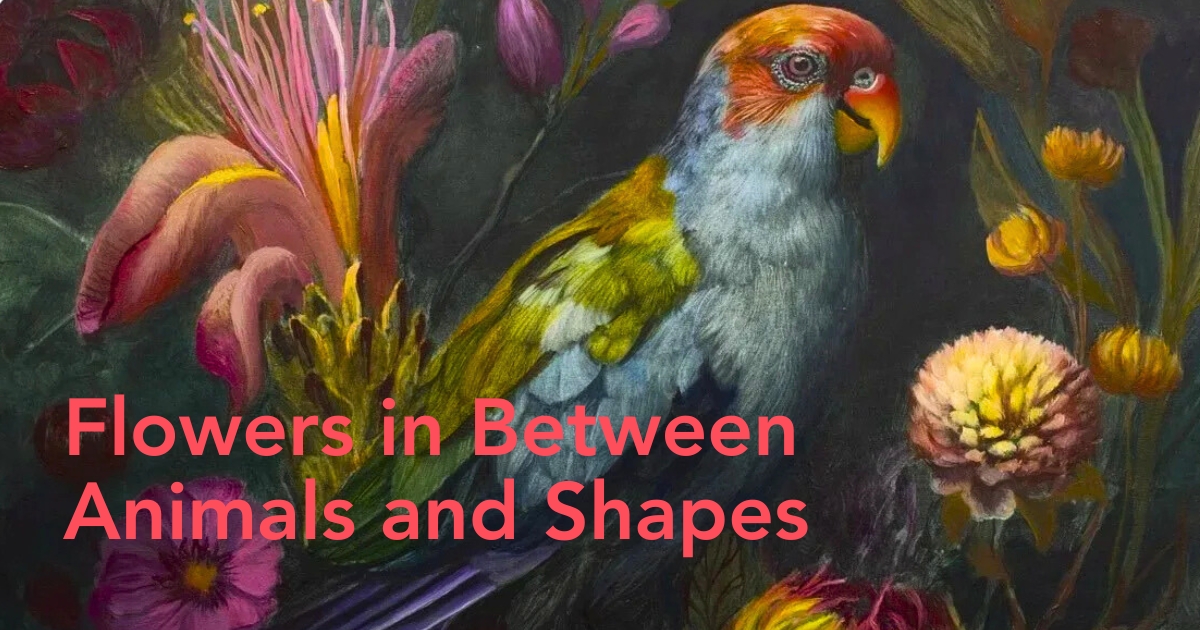
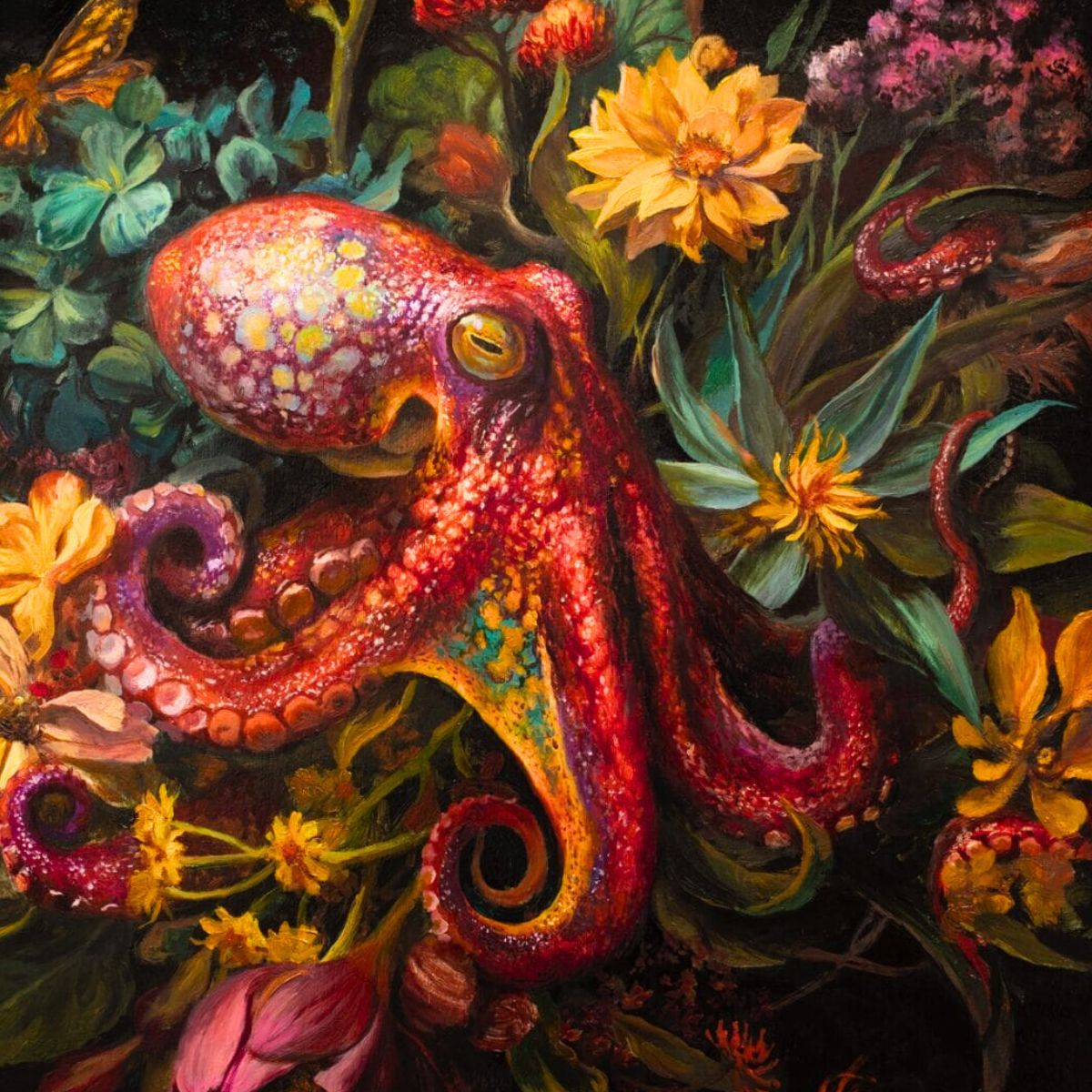
A parrot confined to a too-small cage, jellyfish floating above fungi and ferns, and a spotted octopus resting as the centerpiece to a flourishing bouquet are a few of the surreal scenes in the works of Martin Wittfooth. The artist is known for his enigmatic paintings that meld flora and fauna to consider interconnection and nature's endurance.
Through Vivid Color, Martin Wittfooth Revels in Surreal Worlds
Wittfooth currently splits his time between Savannah and Brockville, although he plans to relocate permanently to the latter this year. Before he begins preparing for a solo exhibition in spring 2027 with Hashimoto Contemporary, the artist is completing a few larger commissions.
Martin enjoys the balance between larger bodies of work and singular pieces. A unified field of concepts and vibes, to have all of the pieces in an exhibition have a kind of kindred dialogue going on between one another, and then when the dust settles in between shows, to have singular works to focus on, where he can slow down just a bit and let the new ideas start to form for the next show.
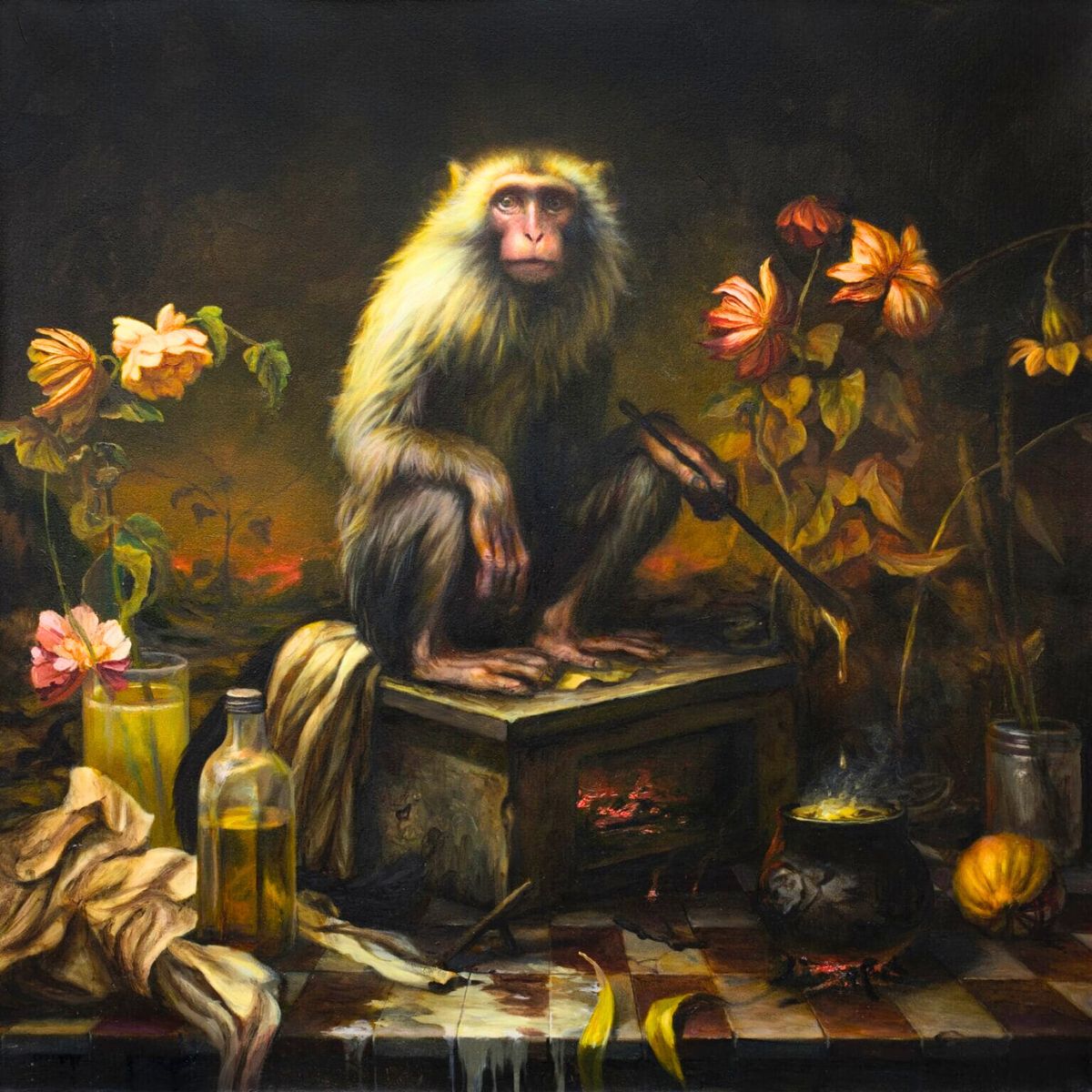
Along with Yuko Shimizu, Wittfooth will also mentor at the unique Quarantine residency this April. This is his third time participating in the program, and it's one that informs much of the way he thinks about connection. He's always impressed by how quickly bonds form between the students, between the mentors, between the students and the mentors, and with the whole crew that runs the show.
How Flora and Fauna Shape Wittfooth’s Imagery
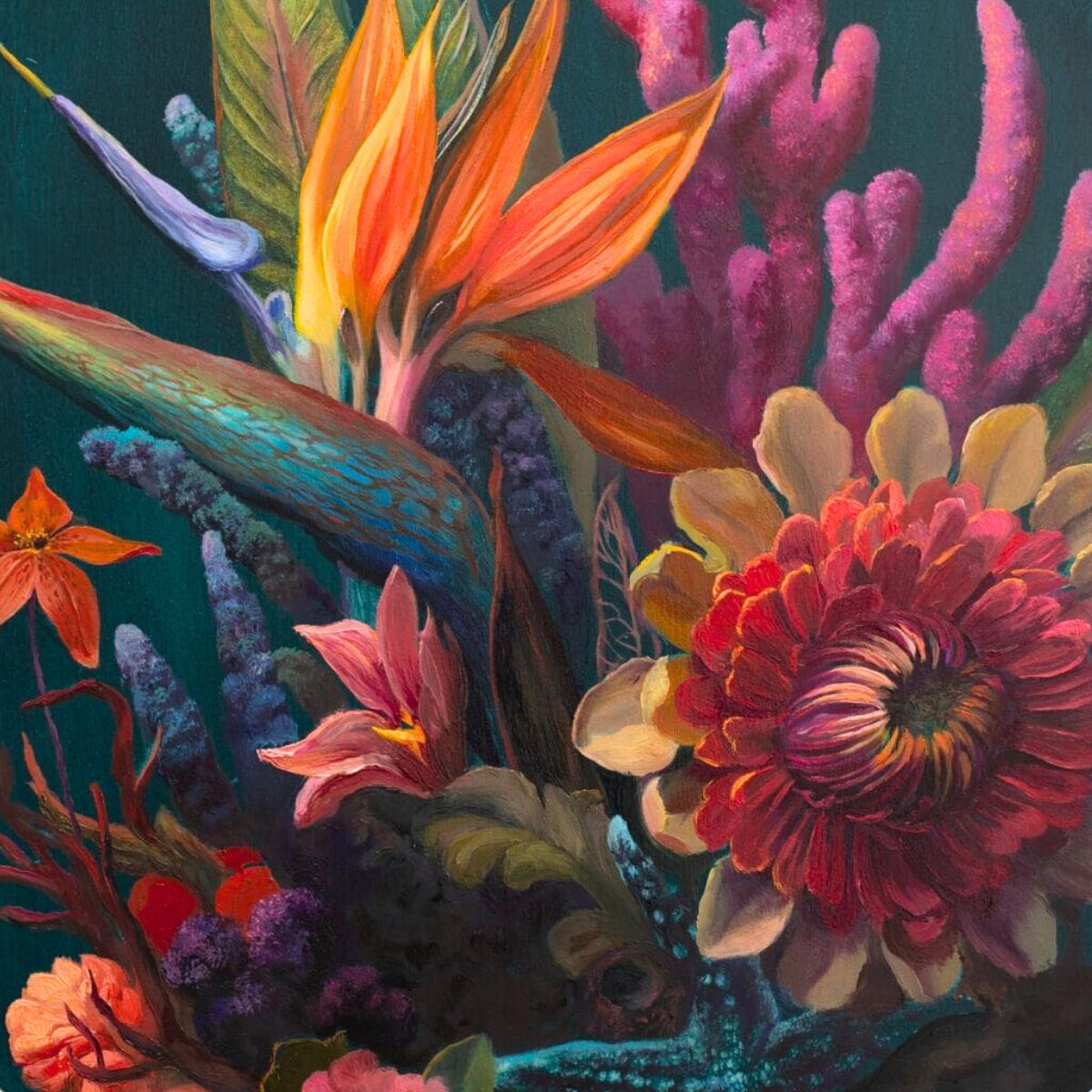
Martin Wittfooth's paintings often bring together plants and animals in ways that go beyond simple illustration - he uses them to explore our emotional and instinctive responses to the natural world. In Crystal Garden-like scenes, flora and fauna are chosen for the way they make viewers react based on deep patterns shared by humans across cultures. The artist has said that certain animal forms evoke universal responses - awe for large mammals, caution around spiders or snakes - and he uses these reactions to give his work a sense of presence that feels physical and felt, not only visually seen.
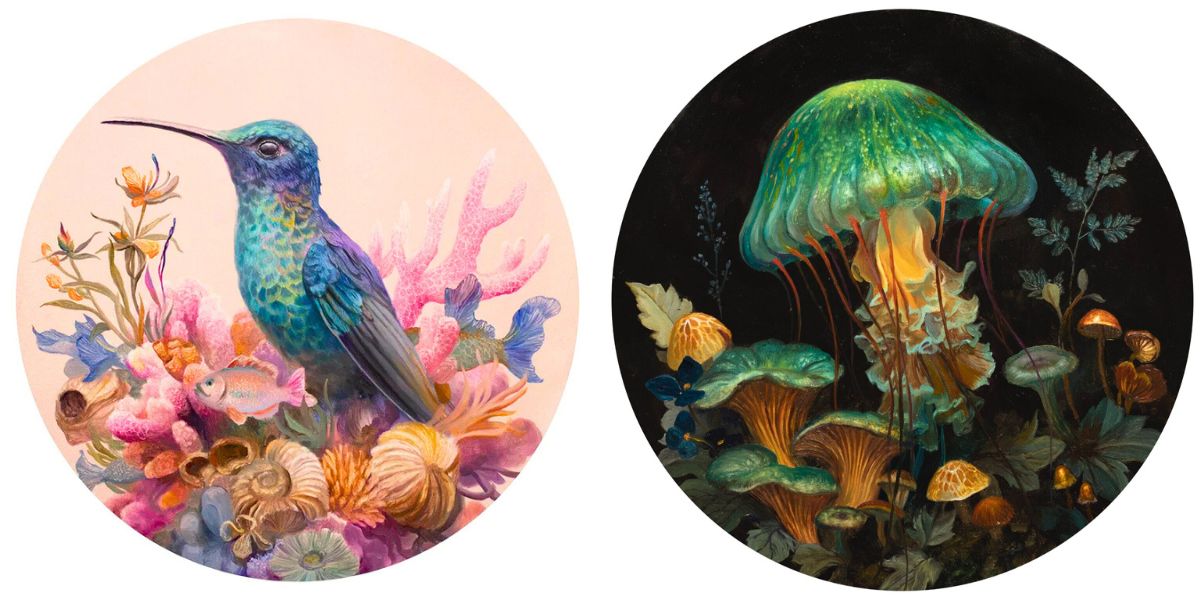
He also places animals and plants in surreal or unexpected environments to highlight ecological ideas. In some series, for example, creatures float above fungi and ferns, or an octopus becomes central to a bouquet, inviting viewers to consider the endurance of nature and the connections between living beings and their surroundings. This blending of plant and animal forms serves as a metaphor for nature's resilience and complexity, and doubts about humanity's impact on the world.
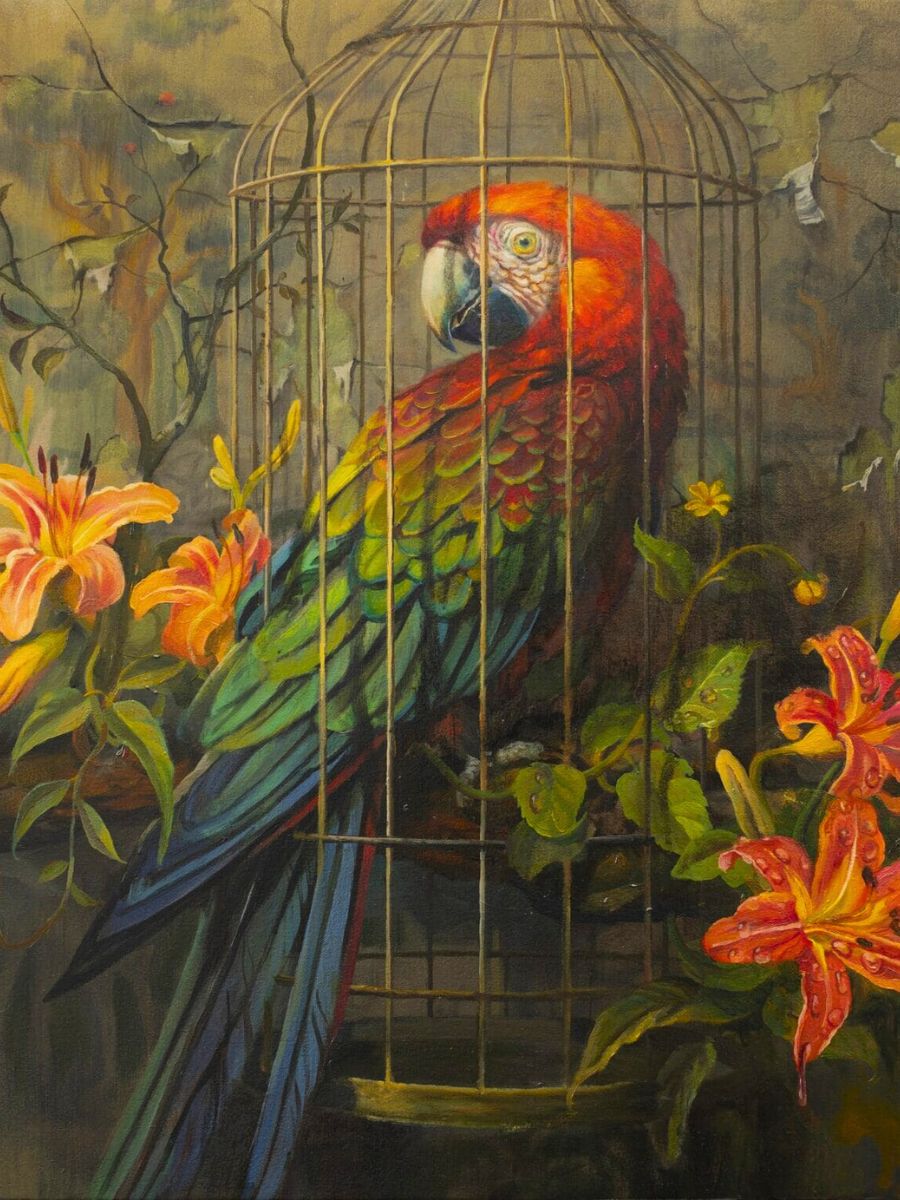
Martin used animals in scenes of environmental decay to reflect on human influence and instinctive reactions to natural forms. Because he believes people respond emotionally to recognizable natural shapes, he works to craft paintings that feel alive - as if the animal and plant subjects could occupy physical space with the viewer.
Photos: Martin Wittfooth.