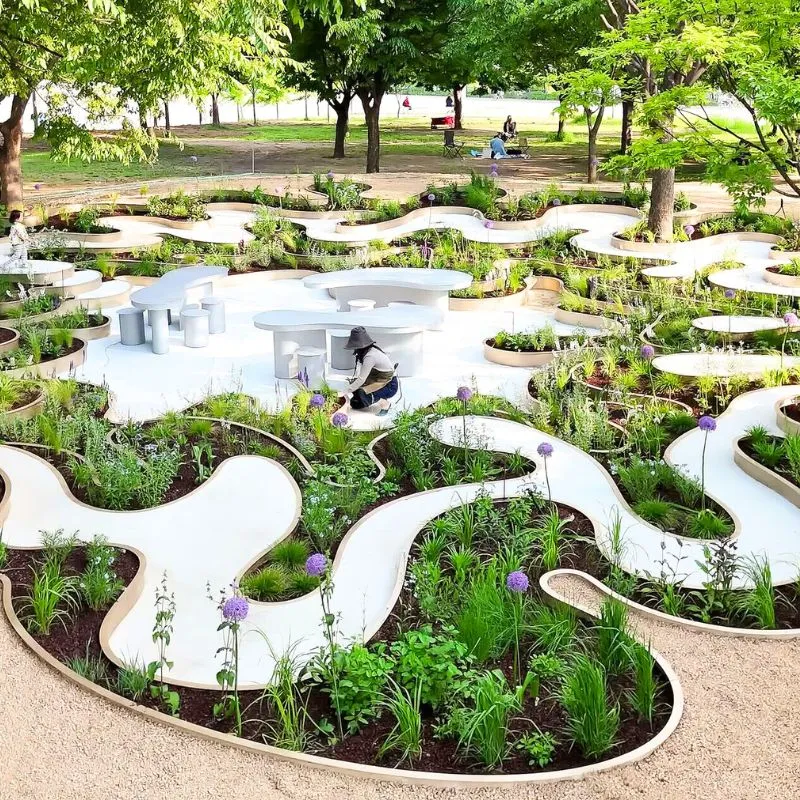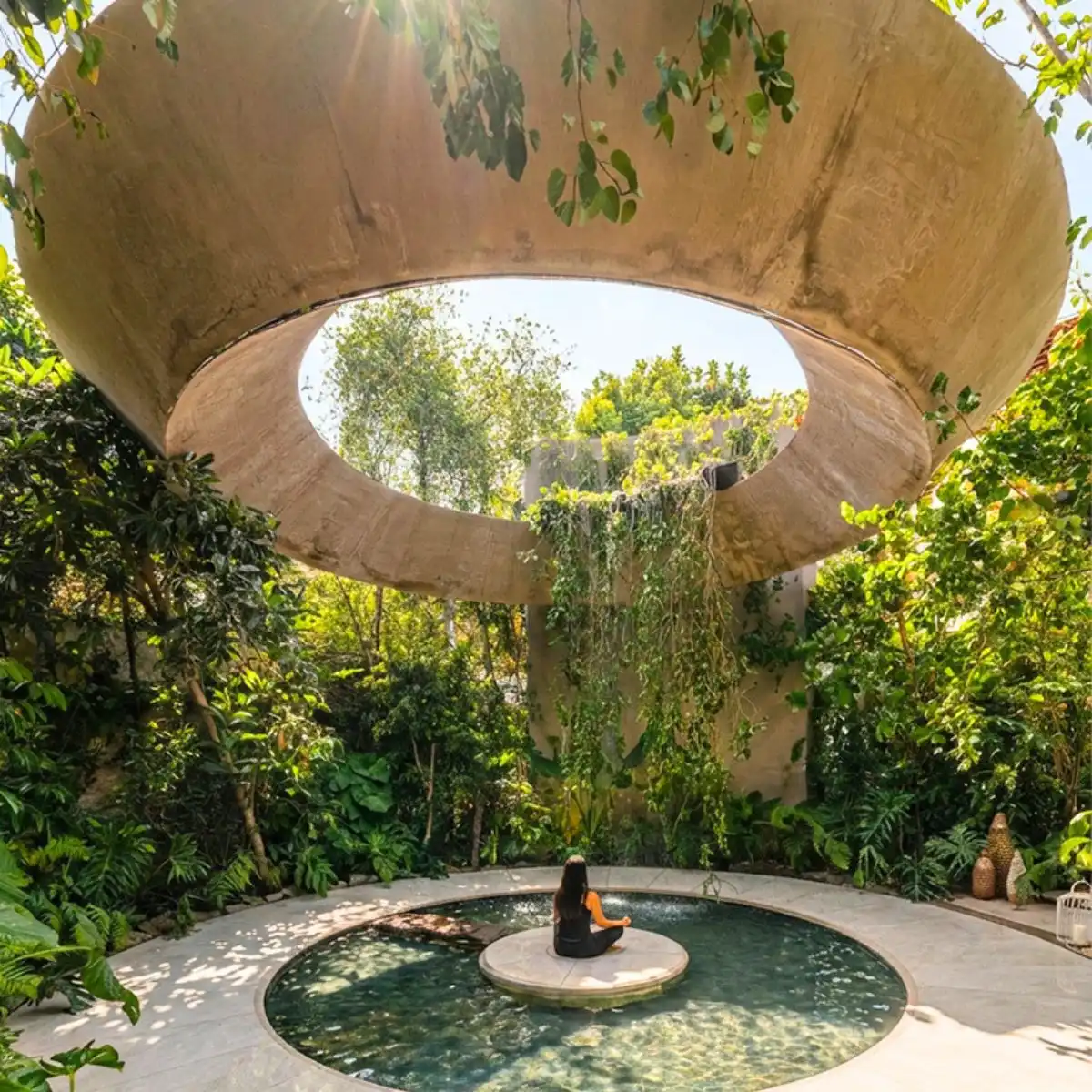
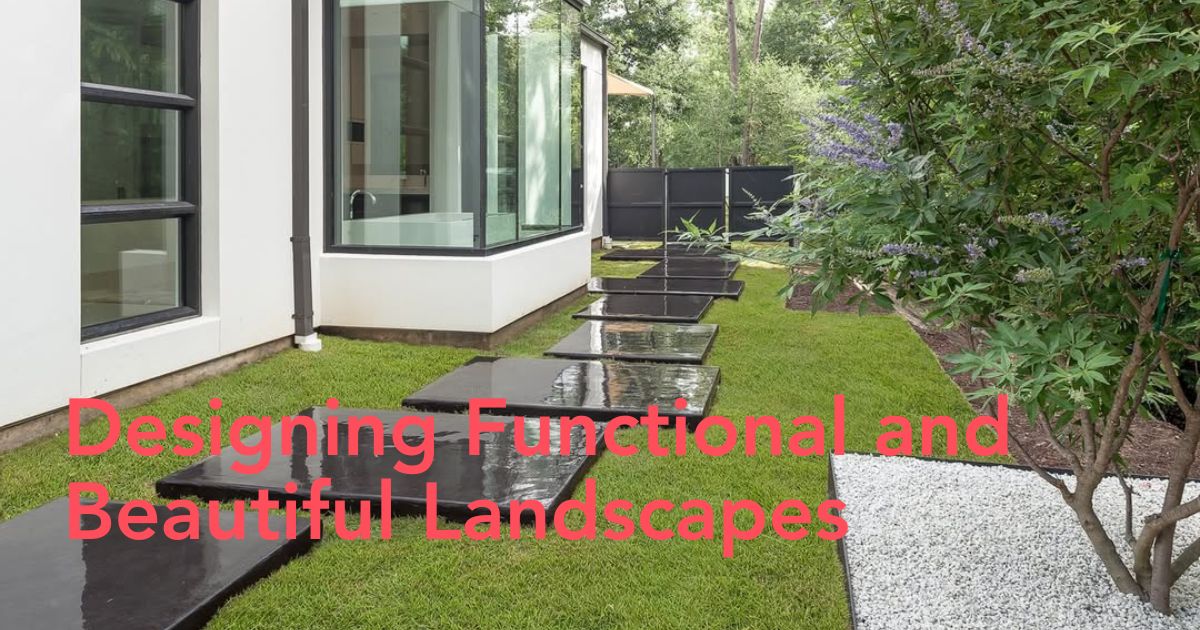
1Today’s homeowners are embracing outdoor spaces that blend beauty, function, and sustainability. Popular modern landscaping trends include low-maintenance native plants, multi-level hardscaping, integrated lighting, and flexible entertainment zones. Water-wise features like dry creek beds and smart irrigation are also gaining traction, as are durable materials such as composite decking and natural stone. These elements not only reduce upkeep but also create inviting, year-round environments that reflect personal style while supporting environmental resilience.
You can find more floral inspiration here: 7 Modern Trends of Landscape Architecture All Students Should Know
Promise of Contemporary Landscaping
Imagine stepping into your backyard and feeling instantly relaxed - surrounded by clean lines, soft ambient lighting, and a layout that flows seamlessly from patio to planting beds. That’s the promise of contemporary landscaping: thoughtfully designed outdoor areas that serve as true extensions of the home. Across Canada, more property owners are moving beyond basic lawns to create purposeful, stylish retreats that support everything from quiet mornings with coffee to lively weekend gatherings.
This shift is especially visible in cities where climate and space demand smart solutions. For example, many turn to professionals who understand how to balance aesthetics with practicality - like those offering Calgary landscaping services that prioritize both innovation and durability. Whether you’re working with a sloped yard, limited square footage, or harsh seasonal shifts, the right approach can transform underused areas into vibrant, functional landscapes.
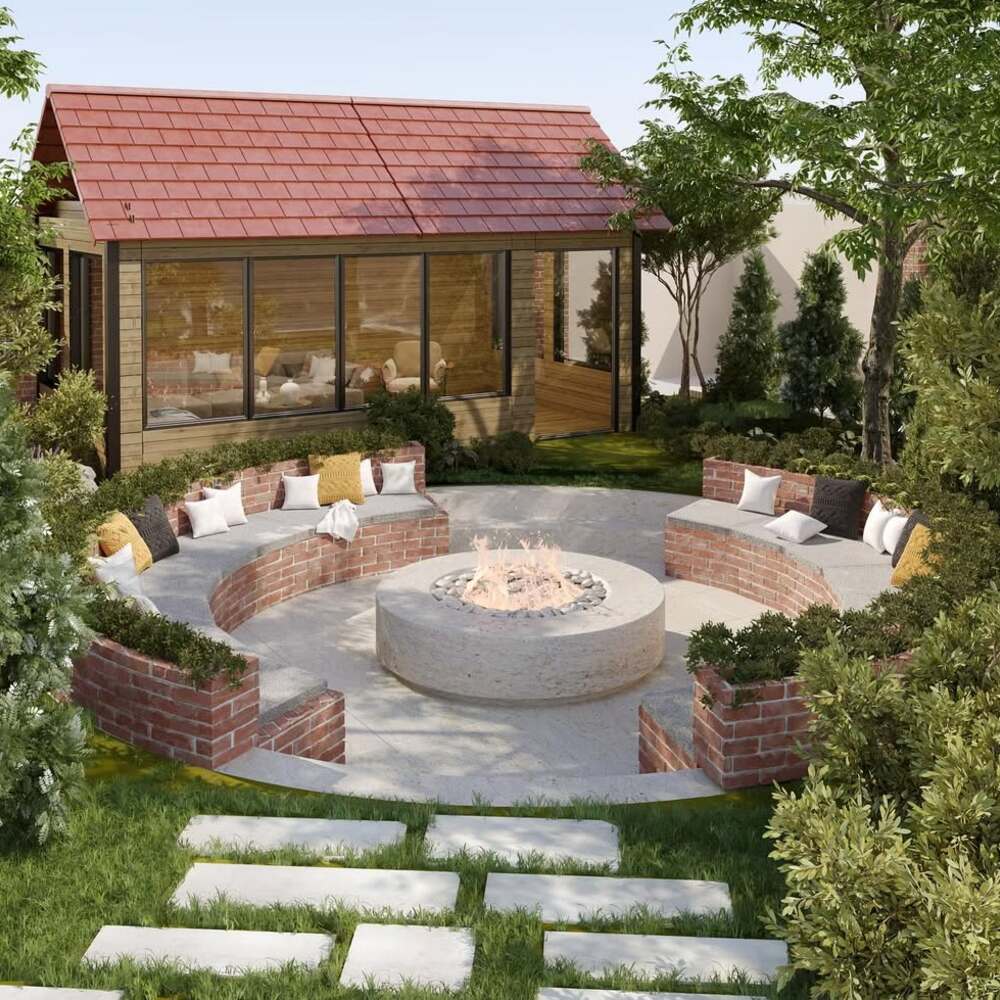
What makes these trends stick? It’s not just about looks - it’s about creating spaces that adapt to real life. From privacy screens that double as green walls to fire pits nestled beside built-in seating, modern design solves everyday needs while elevating curb appeal. In the sections ahead, we’ll explore the top features driving this evolution and how you can thoughtfully incorporate them into your own property - no matter where you live.
Top Modern Landscaping Trends Reshaping Canadian Yards
Gone are the days when landscaping meant little more than a trimmed lawn and a few flower beds. Today’s outdoor spaces are dynamic, multi-functional, and designed with long-term sustainability in mind. Whether you’re in a dense urban neighborhood or a quiet suburban cul-de-sac, these trends offer adaptable ideas that blend form, function, and environmental awareness.
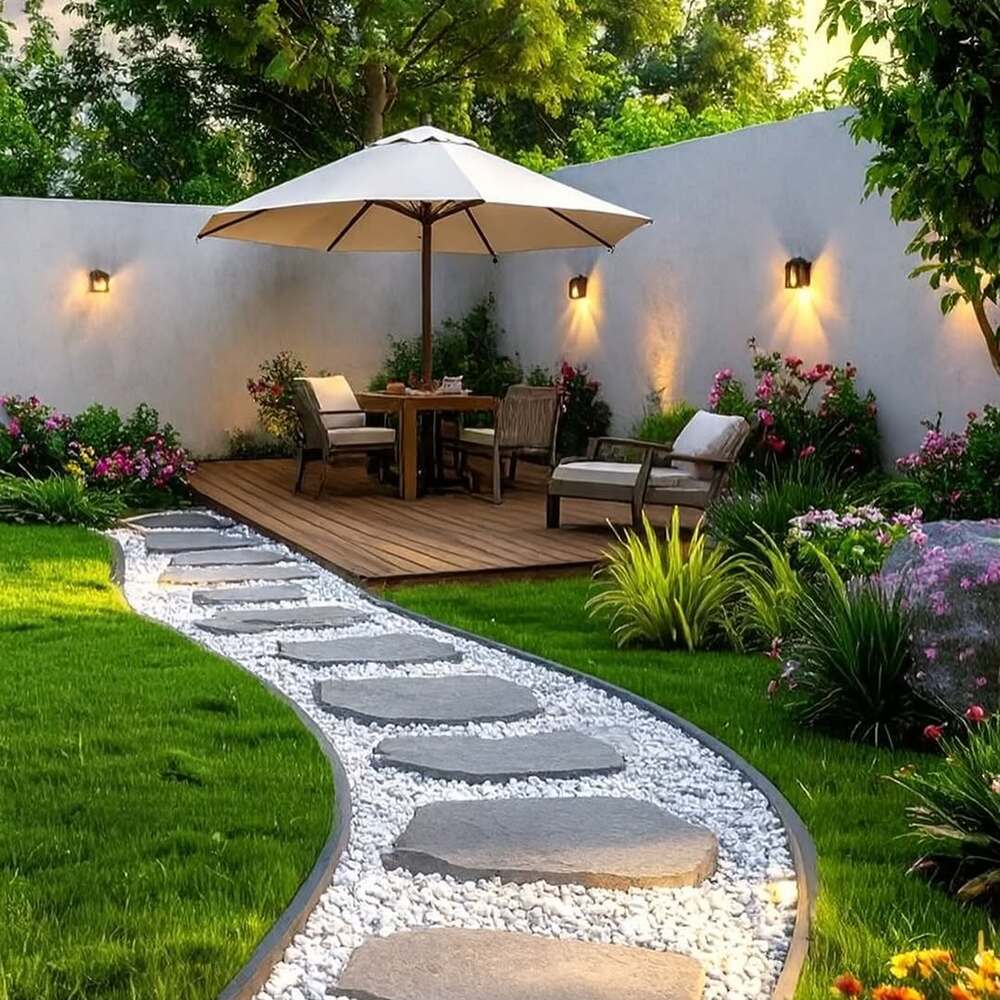
1. Low-Maintenance, Climate-Resilient Plantings
Homeowners are increasingly choosing native grasses, perennials, and drought-tolerant shrubs that thrive with minimal watering and care. These plantings not only reduce maintenance but also support local pollinators and withstand temperature swings - critical in regions with unpredictable spring frosts or dry summers. Think feather reed grass, sedum, or prairie smoke instead of thirsty turf.
2. Multi-Zone Outdoor Living Areas
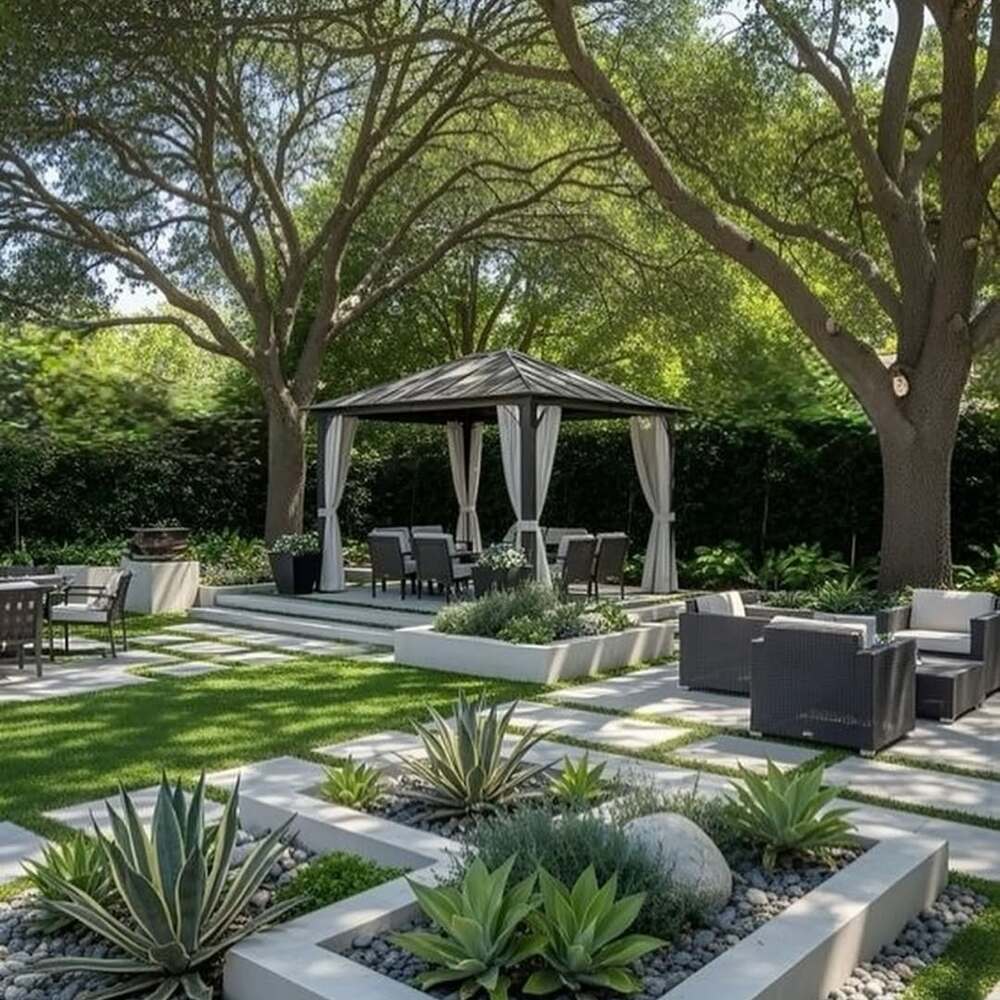
Modern yards are being treated like extra rooms - complete with distinct zones for dining, lounging, cooking, and even working. Strategic placement of furniture, pergolas, and level changes (like raised decks or sunken seating) helps define each area without physical walls. This approach maximizes usability, especially on smaller lots.
3. Sustainable Hardscaping Materials
From permeable pavers to reclaimed wood and locally sourced stone, material choices now prioritize both aesthetics and eco-impact. Composite decking remains popular for its durability and resistance to warping, while gravel pathways and crushed stone patios offer drainage-friendly alternatives to concrete.
4. Integrated Lighting and Tech Features
Subtle LED path lighting, solar-powered step lights, and smart irrigation systems are becoming standard. These features enhance safety and ambiance while conserving energy. Some homeowners even incorporate weather-responsive controllers that adjust watering based on real-time forecasts.
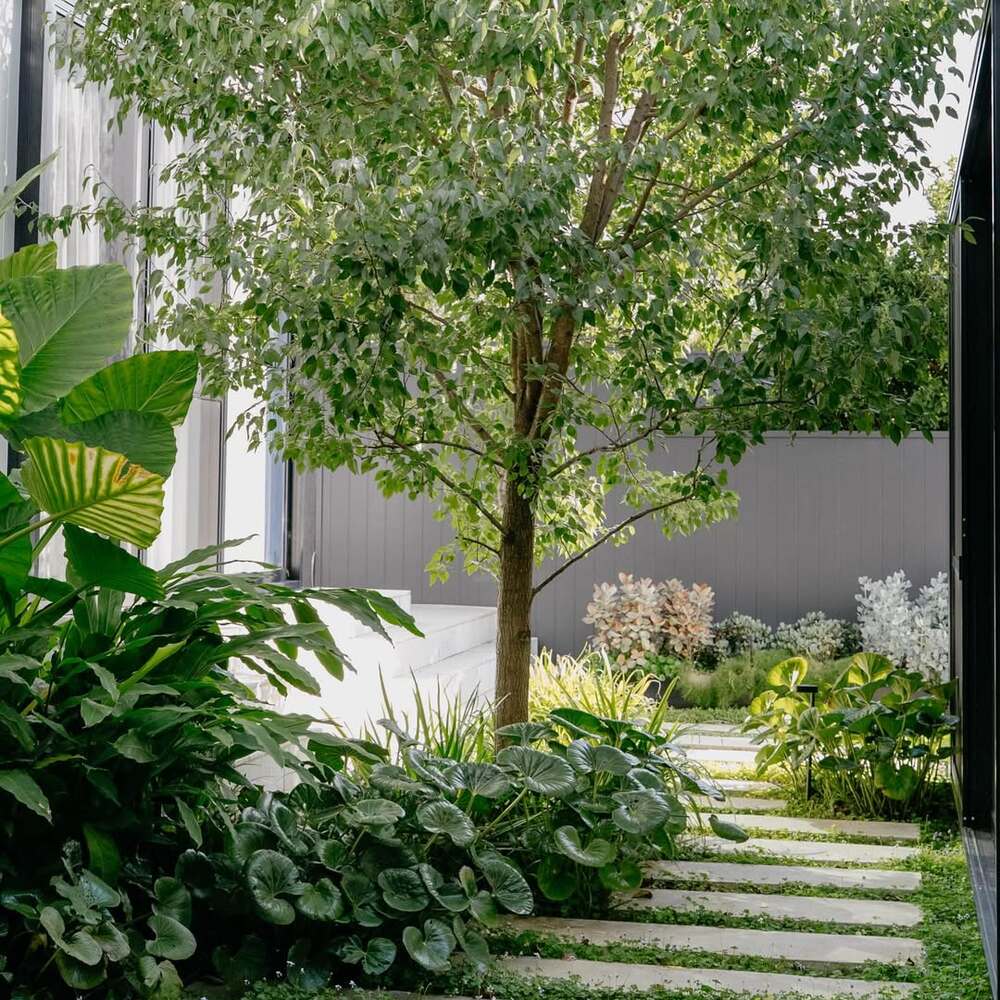
5. Privacy Through Design, Not Just Fences
Instead of tall wooden fences, many are opting for layered greenery - such as columnar trees, mixed-height shrubbery, or trellised vines - to create natural screens. These living barriers soften the landscape while offering year-round visual separation.
To illustrate how these elements come together, here’s a quick comparison of traditional vs. modern approaches:
|
Feature |
Traditional Approach |
Modern Trend |
|
Lawn |
Large, water-intensive turf |
Reduced turf; replaced with ground covers or hardscape |
|
Plant Selection |
Ornamental annuals |
Native, perennial, low-water species |
|
Outdoor Space Use |
Single-purpose (e.g., lawn) |
Multi-functional zones |
|
Materials |
Standard concrete, wood |
Recycled, permeable, local |
|
Privacy |
Solid wood fencing |
Layered planting + architectural screens |
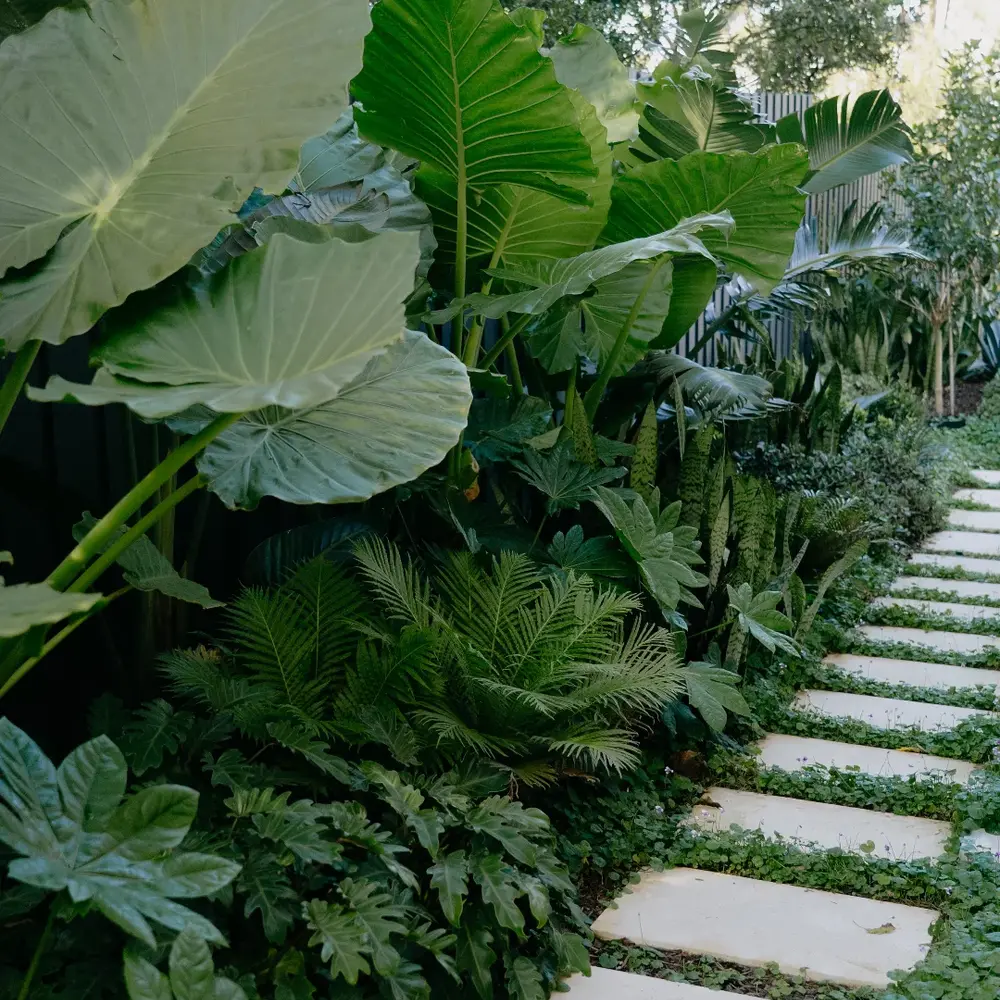
What’s Next: Practical Tips and Ideas to Bring Trends Home
Adopting modern landscaping doesn’t require a complete overhaul - or a limitless budget. The key is thoughtful layering: start with your biggest pain point (whether it’s muddy runoff, lack of privacy, or a yard that feels unused) and build from there. Below are practical, scalable strategies that align with current trends while respecting real-world constraints like time, space, and climate.
Start Small With High-Impact Upgrades
You don’t need to redesign your entire yard to see a transformation. Consider these entry-level improvements:
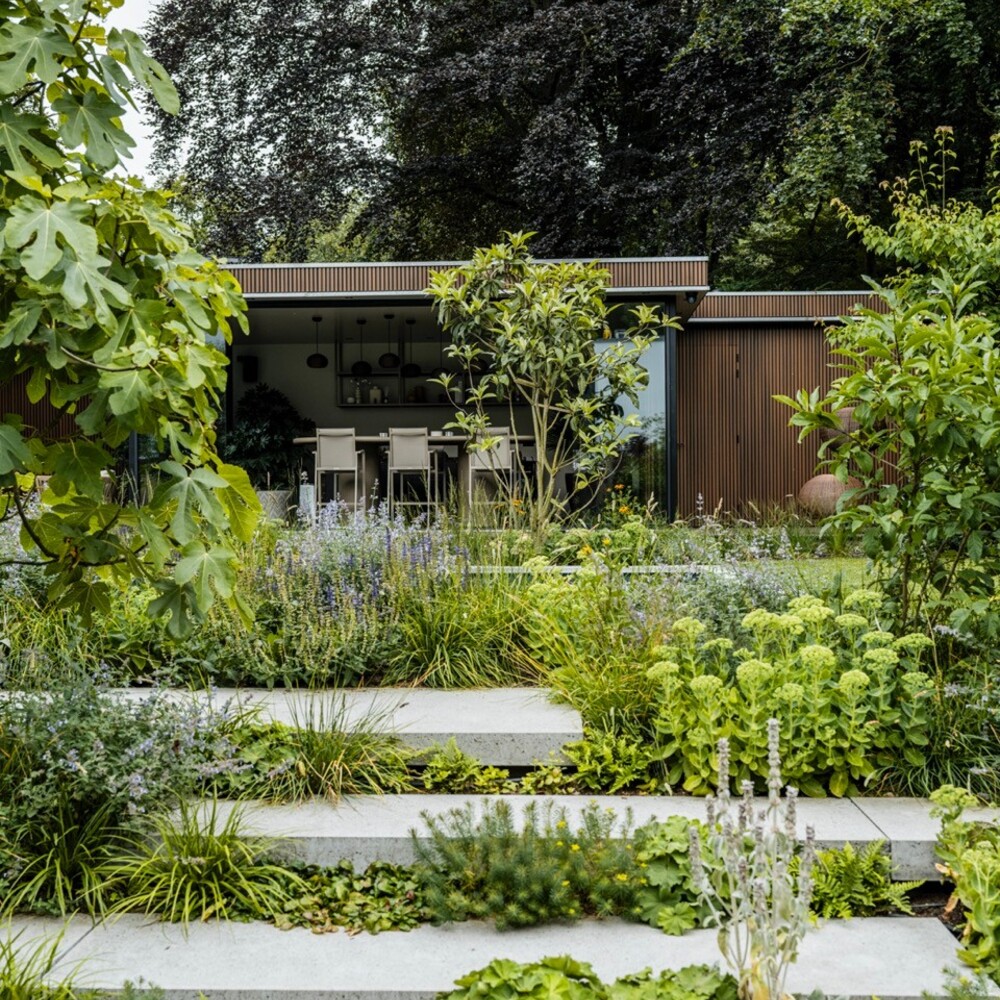
- Replace a narrow strip of lawn beside a walkway with creeping thyme or sedum - it’s soft underfoot, drought-tolerant, and blooms gently in summer.
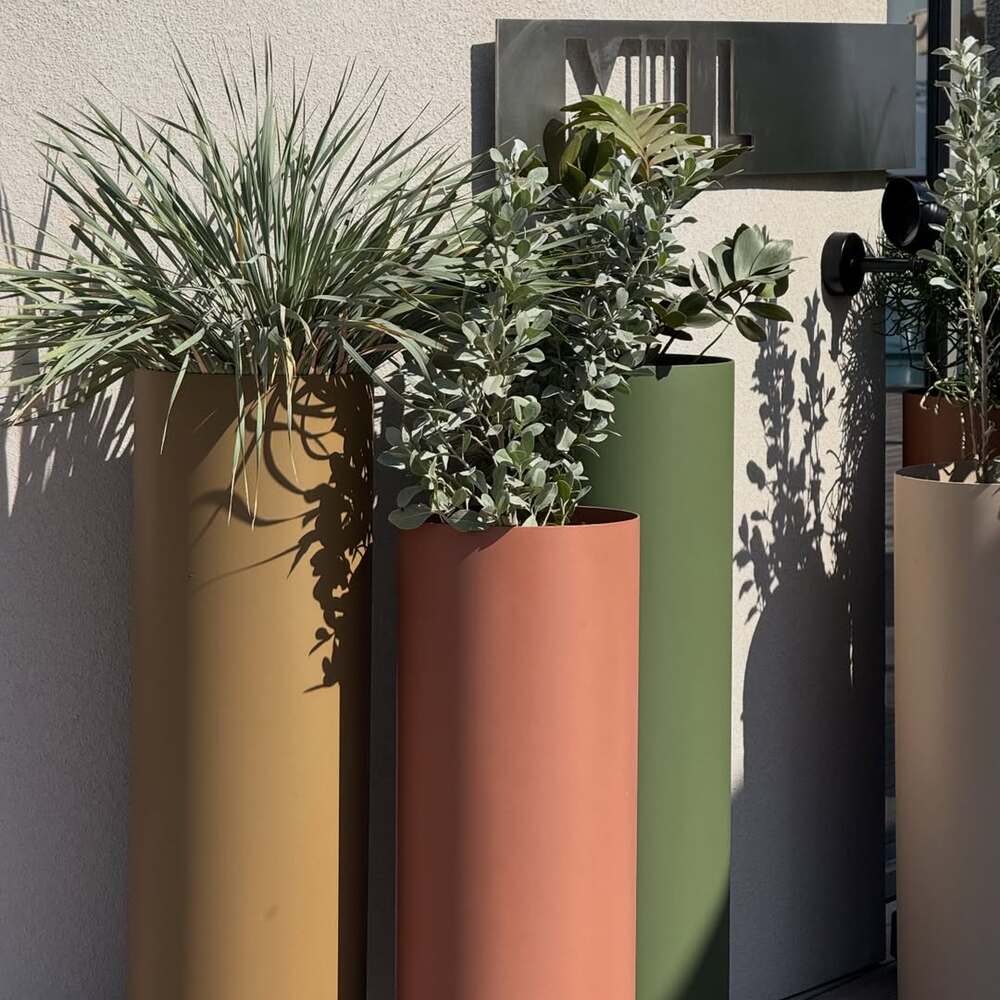
- Install a single statement piece, like a corten steel planter or a minimalist water feature, to anchor a quiet corner.
- Add solar-powered path lights along existing edges to instantly elevate nighttime usability.
Design for All Four Seasons
In Canada, a yard that looks great only in July won’t satisfy for long. Build year-round interest by combining:
- Spring: Early bloomers like crocus or serviceberry trees
- Summer: Textural grasses and pollinator-friendly perennials
- Fall: Ornamental grasses with golden hues or shrubs with vibrant berries
- Winter: Evergreens, sculptural branch structures, or hardscape elements that stand out against snow
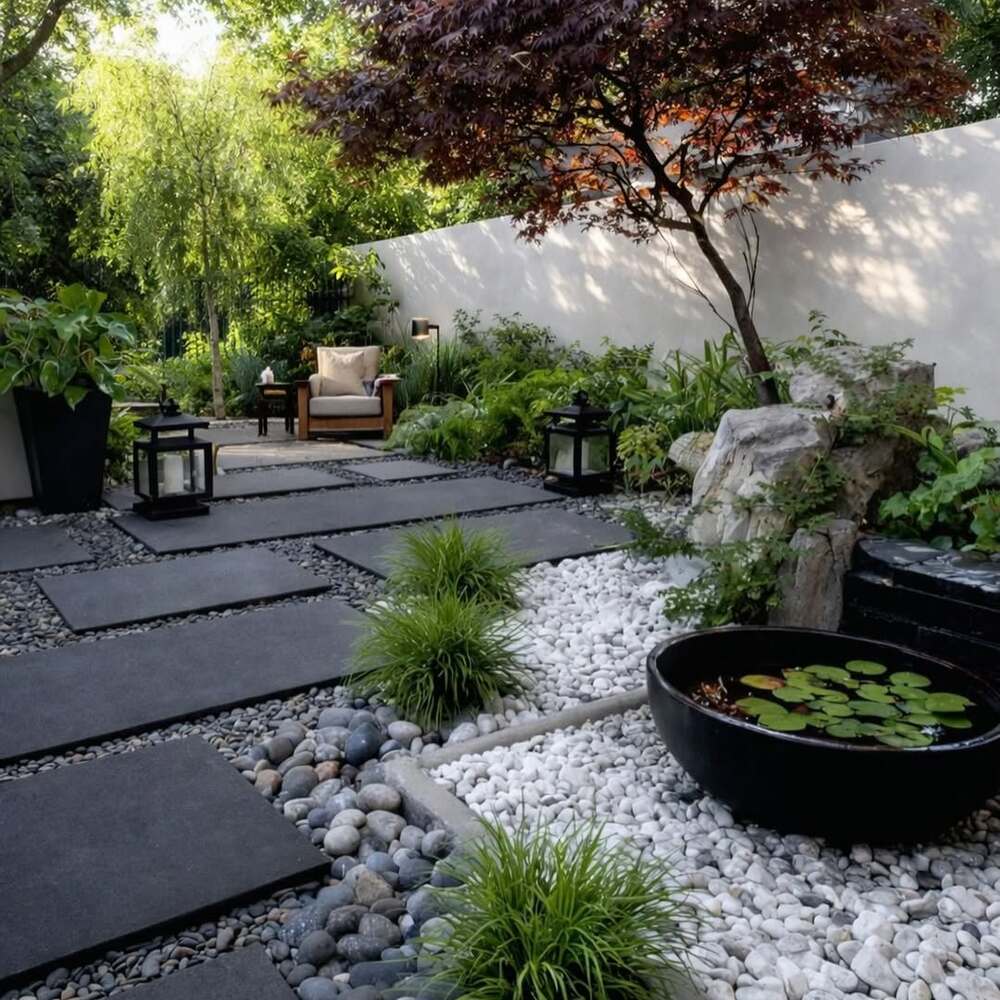
This layered approach ensures your space remains engaging even when plants are dormant.
Work With - Not Against - Your Site’s Natural Features
Slopes, mature trees, or rocky patches aren’t obstacles; they’re opportunities. A gentle incline can become a terraced seating area with native ground cover. Existing trees can define a shaded lounge zone beneath a pergola. Even drainage swales can be turned into attractive dry creek beds lined with river rock and ornamental grasses.
Choose Landscaping Services That Align With Your Vision
If you’re collaborating with a professional landscaping company like Tazscapes, look for a team that emphasizes landscaping design rooted in site analysis - not just aesthetics. A strong partner will assess sun exposure, soil type, drainage patterns, and your daily routines before proposing solutions. This ensures your investment supports both beauty and long-term functionality.
Plan for Flexibility
Today’s best outdoor spaces evolve with your needs. Modular furniture, movable planters, and plug-and-play lighting systems let you reconfigure layouts as your lifestyle changes - whether you’re hosting a dinner party or creating a quiet reading nook.
|
Common Goal |
Smart Modern Solution |
|
Reduce watering |
Group plants by water needs (hydrozoning); use mulch to retain moisture |
|
Increase privacy |
Combine evergreen shrubs (e.g., arborvitae) with vertical screens or lattice panels |
|
Improve usability |
Define zones with changes in material (e.g., stone patio - gravel path - wood deck) |
|
Boost curb appeal |
Frame entryways with structured plantings and subtle uplighting |
Landscaping That Grows With You
Modern landscaping isn’t about rigid rules or picture-perfect Pinterest boards. It’s about creating outdoor spaces that respond to how you actually live - whether that’s sipping coffee at sunrise, hosting friends under string lights, or simply enjoying a quiet moment surrounded by rustling grasses and birdsong. The most successful designs feel effortless because they’re rooted in practicality, local conditions, and personal rhythm.
Header Image by @exteriorworlds