A flower business can look beautifully simple from the outside. Buckets of fresh stems, carefully arranged bouquets, a few loyal customers, and seasonal displays that make the shop feel alive. Behind that beauty, though, the work is rarely simple. Florists and plant businesses manage orders, suppliers, delivery timing, event details, invoices, customer messages, images, and stock that can change by the hour.
That is why digital organization has become more than a nice extra for the floral world. It now sits quietly behind many of the businesses that are able to stay creative while still handling the practical pressure of modern retail, weddings, events, and online sales.
Florists Are Managing More Digital Moving Parts
A modern florist may have customer inquiries coming through email, Instagram, WhatsApp, a website form, and in-store conversations. A plant shop may be juggling supplier lists, care notes, delivery windows, online orders, and repeat customers who expect quick replies. Once the business grows, keeping all of that in one person’s head is no longer realistic.
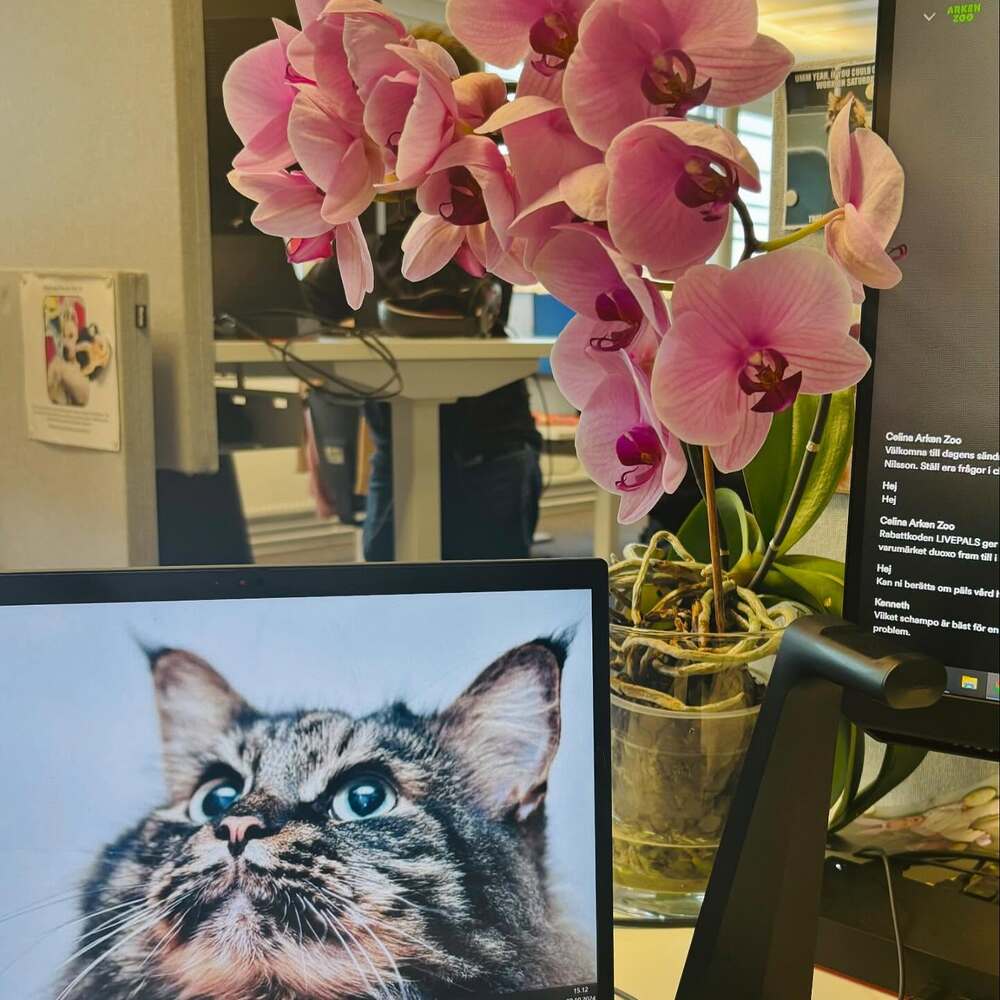
Good digital habits help protect the creative side of the work. Clear folders, named image libraries, organised proposal templates, saved care instructions, and a reliable password manager can make daily operations feel less scattered, especially when more than one person needs access to tools, supplier portals, social accounts, or client information.
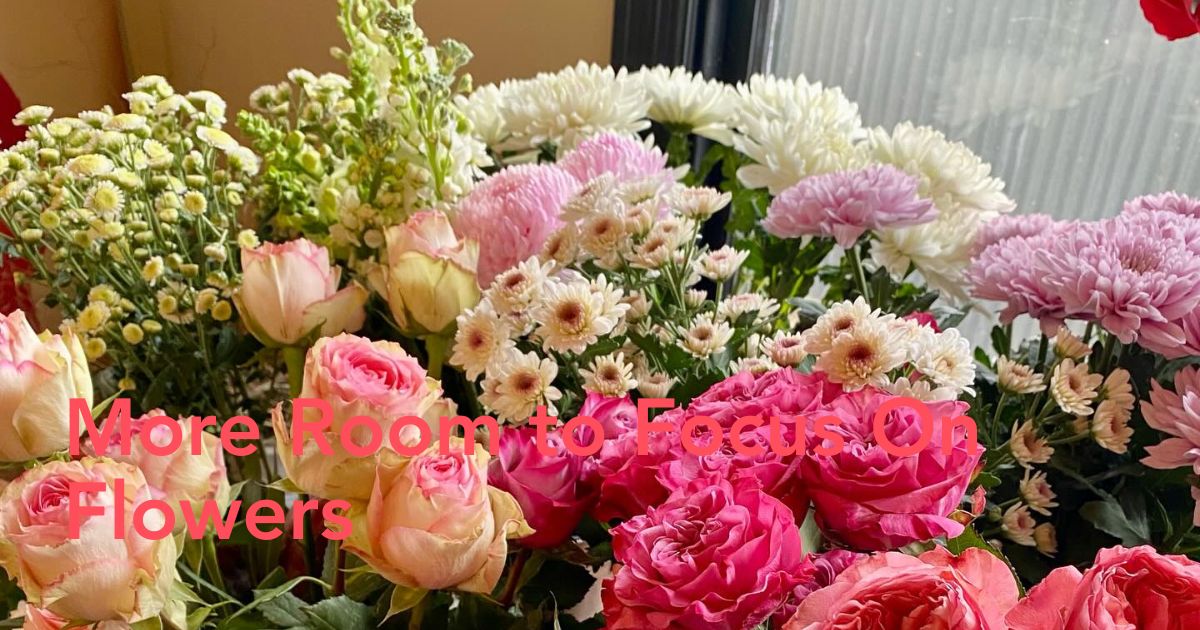
The goal is not to make floristry feel corporate. It is to give creative teams more room to focus on flowers, plants, design, and service.
Technology Is Already Part of Modern Floral Work
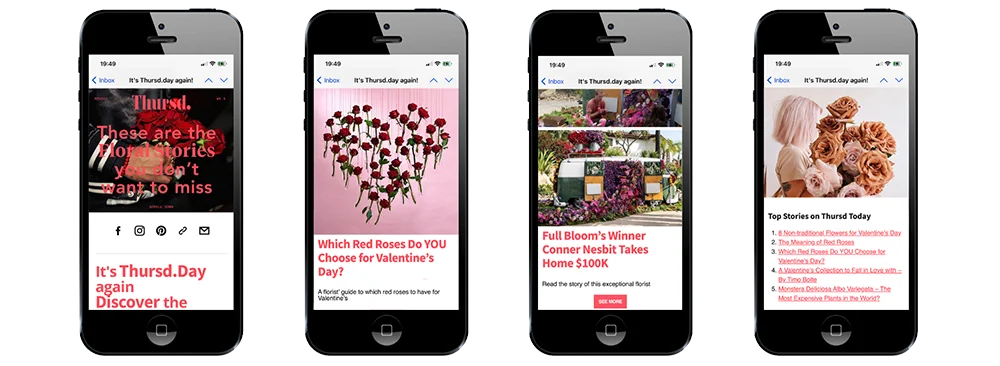
Thursd has covered how digital tools are changing floral design, from visual layouts and digital portfolios to CRM systems and customer service. That shift reflects what many florists already know: the industry is still deeply personal, but the work around it has become more connected.
A wedding florist may build a mood board, send a proposal, adjust recipes, confirm dates, and collect payment before a single stem is ordered. A plant business may use online catalogs, inventory tools, delivery apps, and social content to keep sales moving. None of these tools replaces taste or craft, but they do change how the business is run.
When the digital side is messy, the stress eventually reaches the creative side too.
Small Organizational Habits Can Prevent Big Problems
Floral work is time-sensitive. Flowers have a shelf life. Events have fixed dates. Deliveries cannot be casually delayed. A missing login, lost invoice, misplaced image reference, or forgotten supplier note can create unnecessary pressure at exactly the wrong moment.

A Medium piece on digital organization makes a simple but useful point: productivity often improves when people reduce clutter in the systems they use every day. For florists, that clutter might be a camera roll full of unnamed bouquet photos, old supplier spreadsheets, scattered order notes, or client requests buried in messages.
Tidying those systems is not glamorous, but it can make the day run better.
Plant Businesses Need Structure as They Scale
The same is true for plant shops, growers, and online plant retailers. As sales grow, so does the need for clear product information, care instructions, shipment tracking, customer support, and stock updates. Customers may be buying a plant, but they are also buying confidence that it will arrive healthy and that they will know how to care for it.

Digital organization helps businesses answer faster, avoid repeated mistakes, and keep the customer experience consistent. It also makes it easier to train staff, hand over work, and maintain quality during busy seasons.
Better Systems Support Better Creativity
Floristry will always depend on eye, instinct, and emotion. A beautifully designed arrangement cannot be created by a folder system. But the business around that arrangement needs structure.
The florists and plant businesses that organize their digital work well are not becoming less creative. They are protecting their creativity from avoidable chaos. In a market where customers expect both beauty and speed, that quiet layer of organization is becoming one of the most useful tools a modern floral business can have.