The flower business has always followed feeling. People buy blooms to celebrate, comfort, impress, or simply make a space feel softer and more alive. What has changed in 2026 is not that emotional pull. It is the customer behind it.
Today’s floral buyer is more visually aware, more influenced by digital culture, and far more selective than buyers even a few years ago. They are not only choosing flowers. They are choosing mood, style, and meaning. That shift is quietly changing the floral industry from the ground up.
Flowers Are Now Part of Lifestyle, Not Just Occasion
For a long time, flowers were tied mainly to major dates and events: weddings, anniversaries, funerals, birthdays, and holidays. Those moments still matter, but flowers are also being bought more often for everyday living.
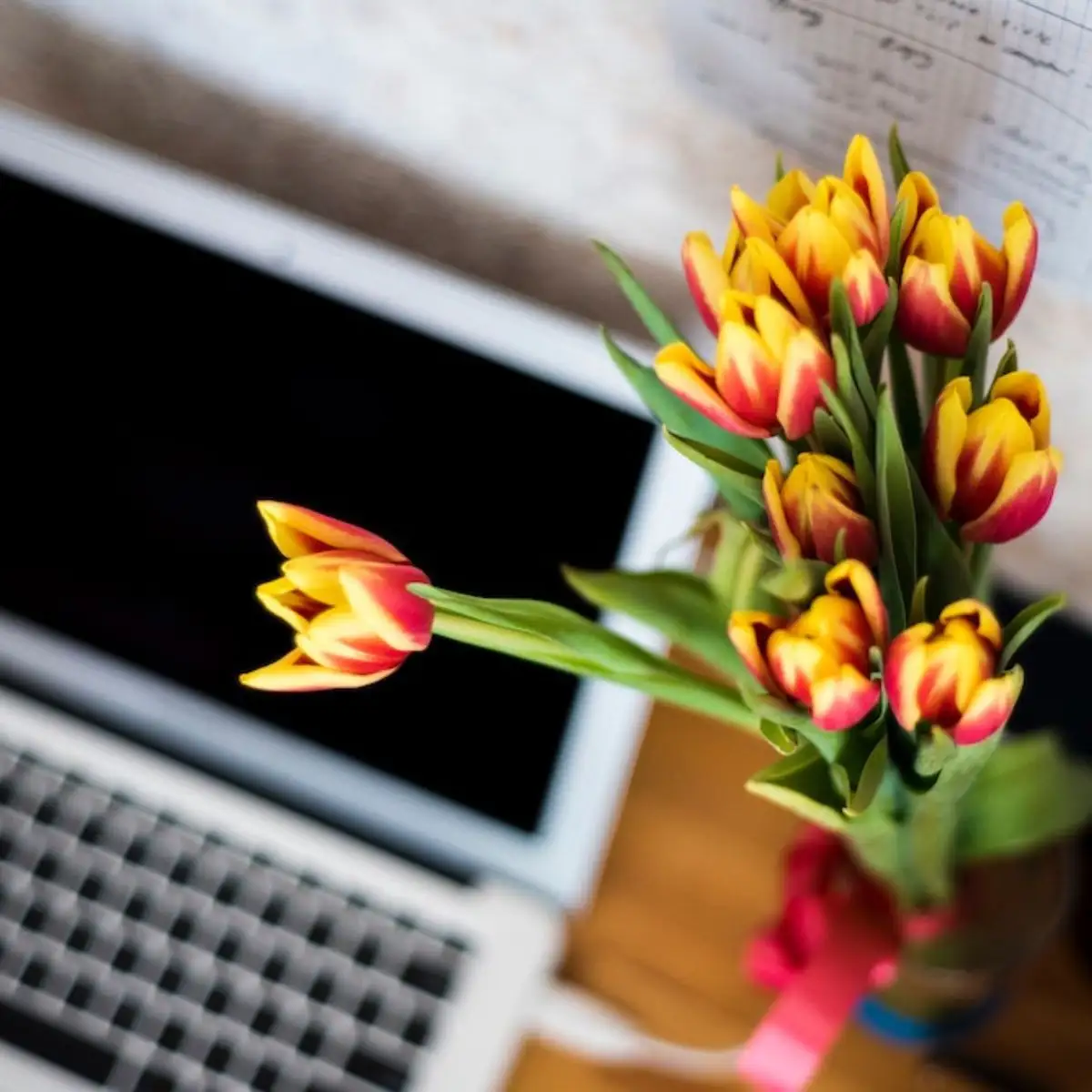
People now place flowers in kitchens, home offices, boutique hotels, cafés, and retail spaces because they want atmosphere. They want something fresh, sculptural, and personal in the room.
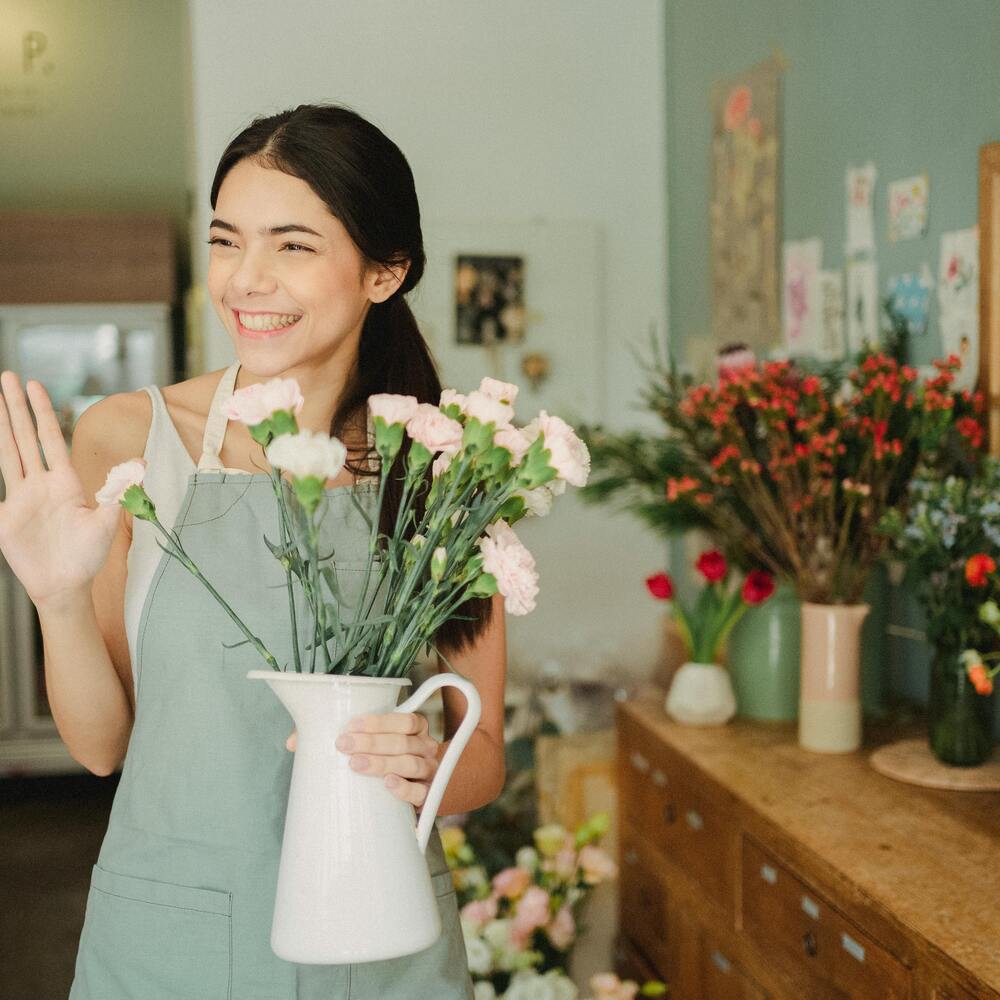
That shift matters because it changes demand. Consumers are no longer looking only for formal bouquets or classic gift arrangements. They are looking for flowers that fit their taste and surroundings.
Much of this discovery now happens online, where buyers compare styles, browse floral inspiration, and move between shops, suppliers, and visual platforms. While doing that on public or shared networks, some users rely on practical tools like a Windows VPN as part of their regular browsing setup. That may sit outside the bouquet itself, but it reflects how digital habits now shape floral commerce too.
Shoppers Want Arrangements That Feel Curated
One of the clearest changes in consumer taste is the move away from arrangements that feel overly standardised.
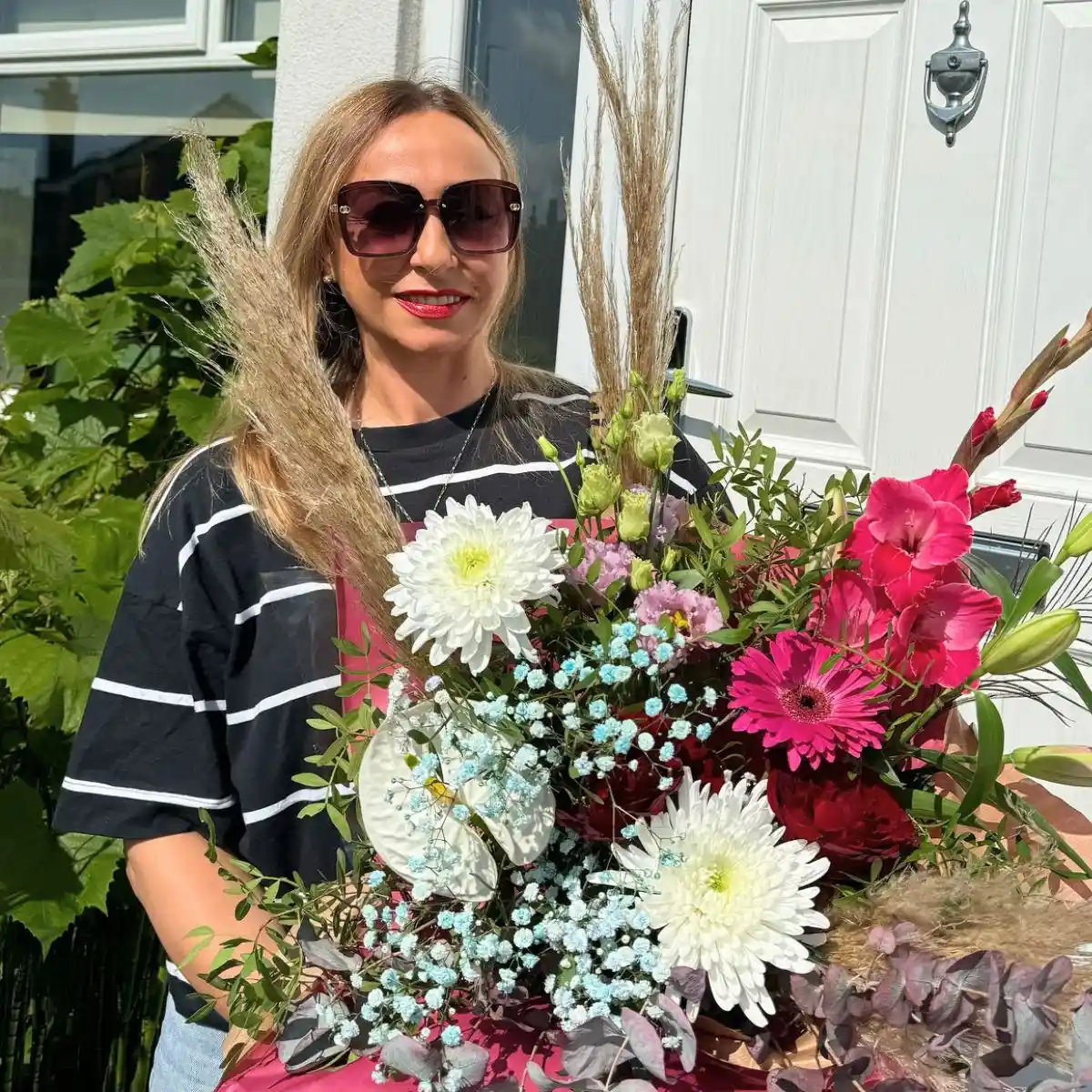
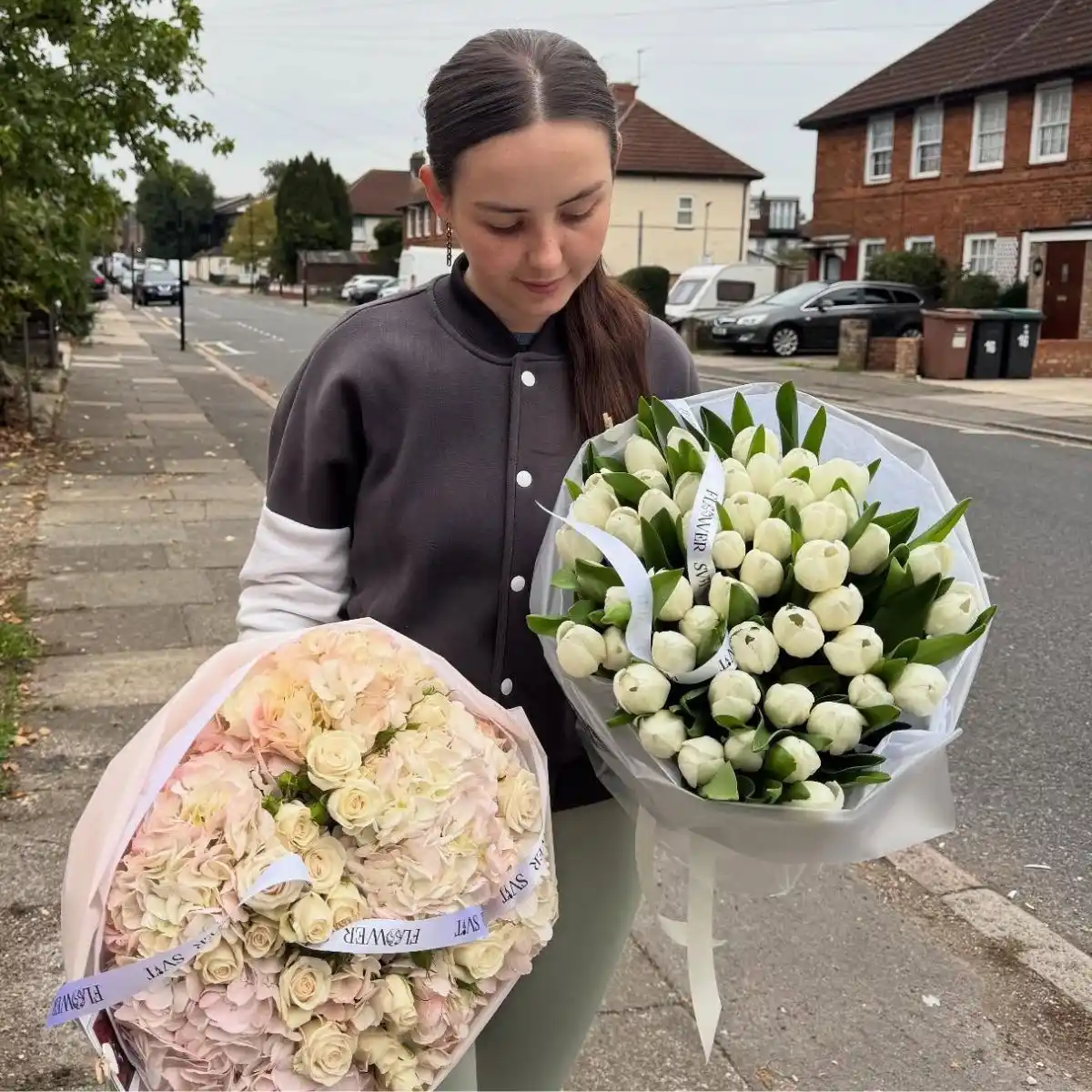
Customers want flowers that feel considered. That might mean softer seasonal palettes, looser garden-inspired shapes, unusual stem combinations, or bouquets that look less manufactured and more natural.
Florists are being pushed to think less like order-fillers and more like editors. The sale is no longer only about what is fresh and available. It is also about what feels distinctive.
Sustainability Now Affects Buying Decisions
Consumers are asking better questions. Where were these flowers grown? How much packaging is being used? Is this arrangement seasonal, or has it been pushed through a long chain just to match an out-of-season look?
In many markets, sustainability is no longer a niche concern. It is becoming part of how customers judge value. Flowers still need to be beautiful, but more buyers now appreciate:
- Seasonal stems
- Less plastic packaging
- Local or regional sourcing where possible
- Designs that feel abundant without looking wasteful
That is putting real pressure on the industry, but it is also creating room for smarter, more thoughtful businesses to stand out.
Visual Culture Is Shaping Floral Taste Faster Than Ever
Interior design, social media, hospitality styling, and fashion are all influencing what consumers now expect from flowers.
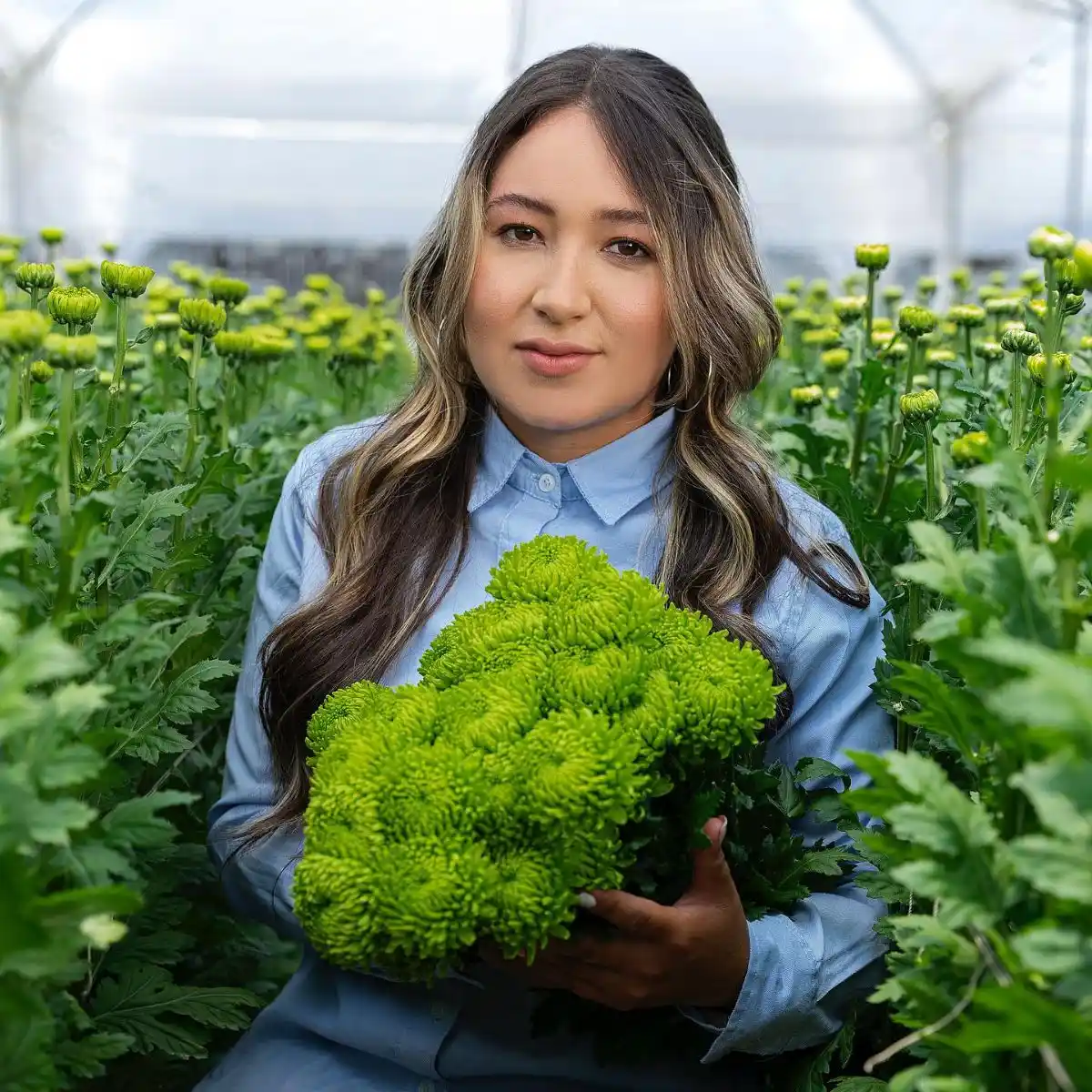
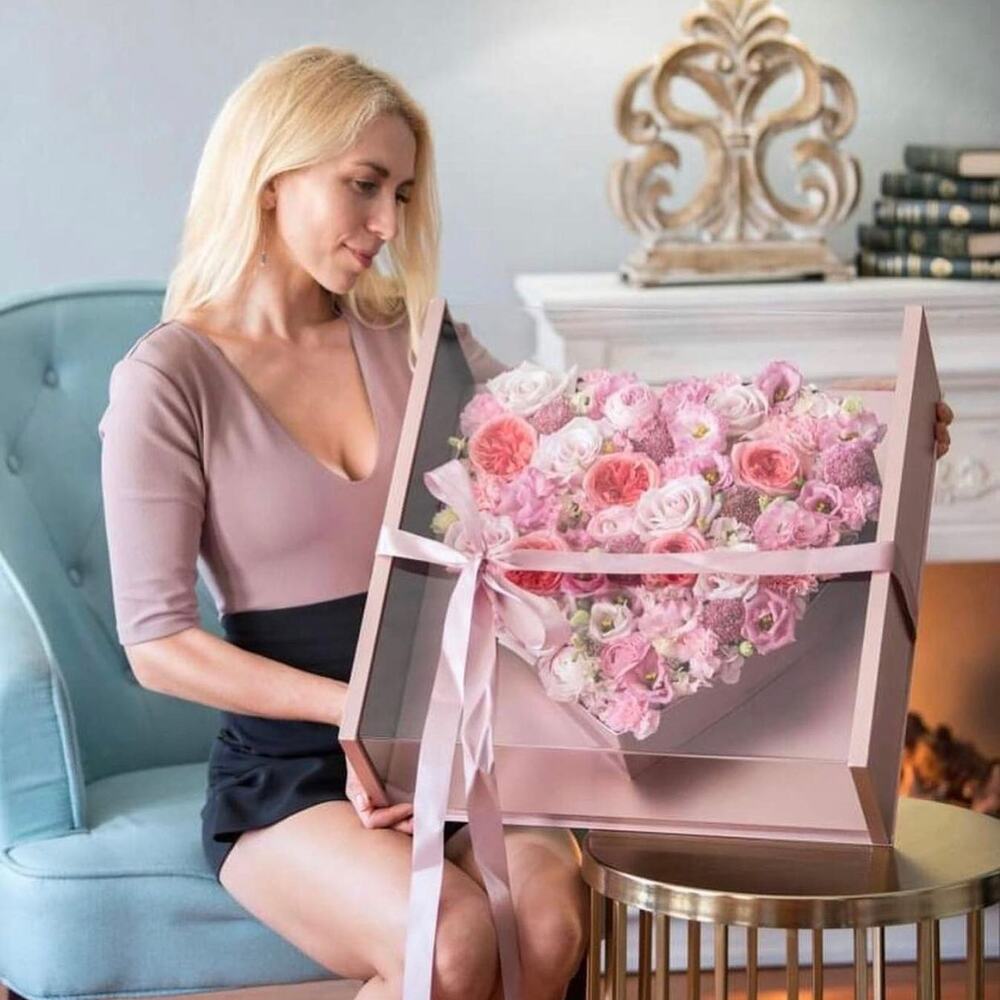
Muted tones, textural greens, reflexed petals, sculptural branches, and asymmetrical designs are gaining traction because buyers want arrangements that feel current. They are buying flowers not just for tradition, but for how those flowers live in a photographed, shared, and design-aware world.
That makes presentation more important than ever.
If you want a wider look at where the market is heading, this floral industry outlook gives useful context on the larger forces shaping the years ahead.
The Future Belongs to Businesses That Understand the Buyer Better
The global floral industry is being reshaped by a customer who wants more than freshness. They want relevance. They want beauty with intention. They want flowers that fit the way they live now.
For florists, growers, and floral brands, that means the job is no longer just to supply blooms. It is to understand the taste, values, and habits of a far more informed customer.
That is the real shift in 2026. Flowers still speak to emotion, but the industry around them is becoming more consumer-led, more style-conscious, and much more responsive than before.