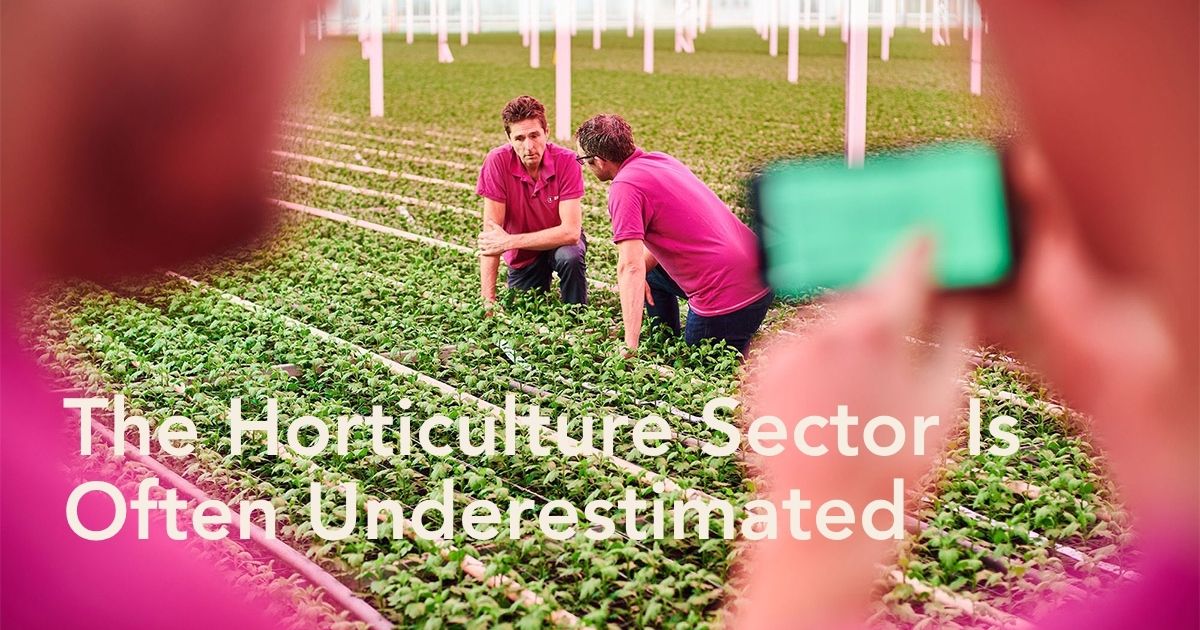
The Dutch flower industry stopped growing roses at scale years ago. Yet walk into any wholesale market from Tokyo to São Paulo, and what you find there is still, in a very real sense, Dutch. According to Ruud van der Vliet, one of the floriculture sector's most closely followed strategic voices, understanding that paradox is the key to understanding where the global ornamentals industry is heading.
A Market That Keeps Outperforming
Before addressing the Netherlands' evolving position, Ruud van der Vliet points to the broader market reality that too often gets overlooked. The global ornamental plants market is approaching USD 60 billion, with consistent growth expected across the coming years. Cut flowers alone are projected to grow from around USD 37 billion in 2025 to approximately USD 39 billion in 2026, while potted plants are expanding even faster – driven by the accelerating consumer desire for greenery, wellness, and living environments that feel genuinely alive.
"The ornamental horticulture sector is often underestimated," Van der Vliet notes. "Yet globally it remains a resilient and growing industry – driven by something fundamental: people's need for beauty, nature, and well-being in an increasingly urban world."
Against this backdrop, Dutch exports of flowers and plants still exceed EUR 7 billion annually, representing well over 10 percent of global ornamental trade. No single country comes close to that kind of share in such a fragmented, worldwide market. The Netherlands remains, by any measure, the world's most important floriculture hub. But according to Ruud van der Vliet, the nature of that hub role is changing – and the industry should pay close attention to what that change actually means.
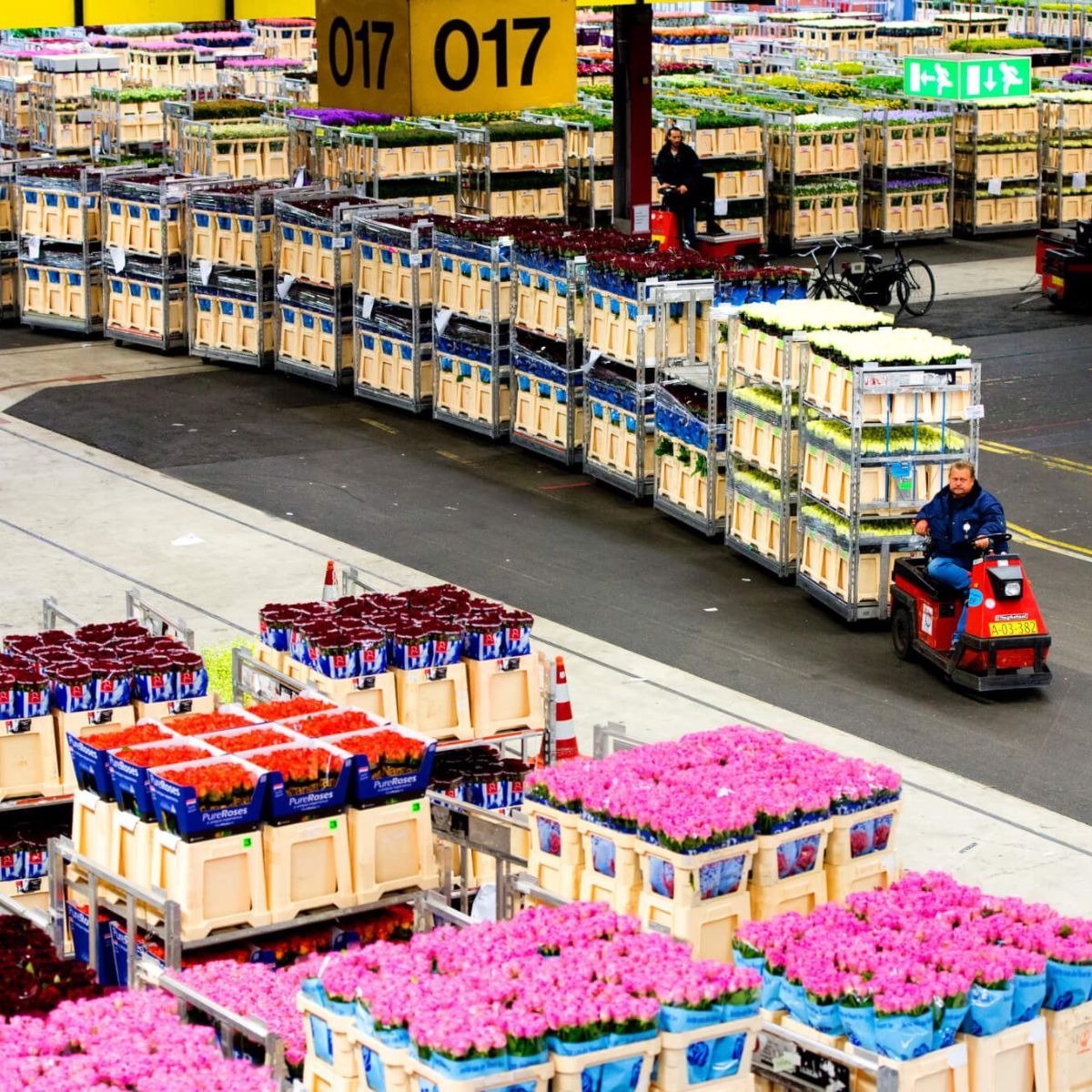
From Grower to Global Brain
Ruud van der Vliet draws a compelling parallel with what happened in Dutch vegetable horticulture before the same shift reached ornamentals. Dutch tomato and pepper growers spent decades building world-class expertise in high-tech greenhouse cultivation. Then, as production costs rose and global demand expanded, production migrated closer to the consumer – to Spain, Morocco, Turkey, Mexico, and Canada. But the genetics, the greenhouse design, the irrigation systems, the logistical frameworks? Those stayed Dutch.
The Netherlands became the brain of a globally distributed production system rather than the field where everything grew. And in Van der Vliet's view, exactly the same transformation is now well underway in ornamentals – as Ethiopia's rose industry demonstrates with growing clarity.
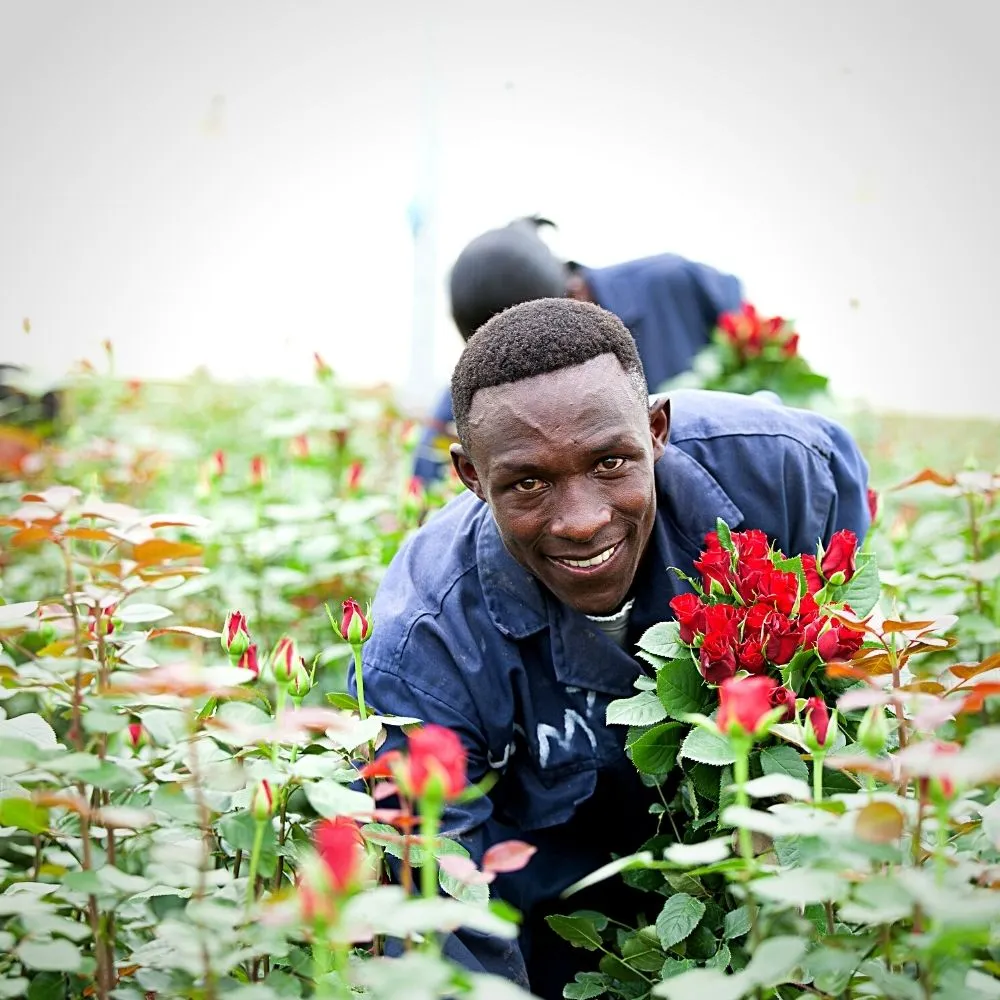
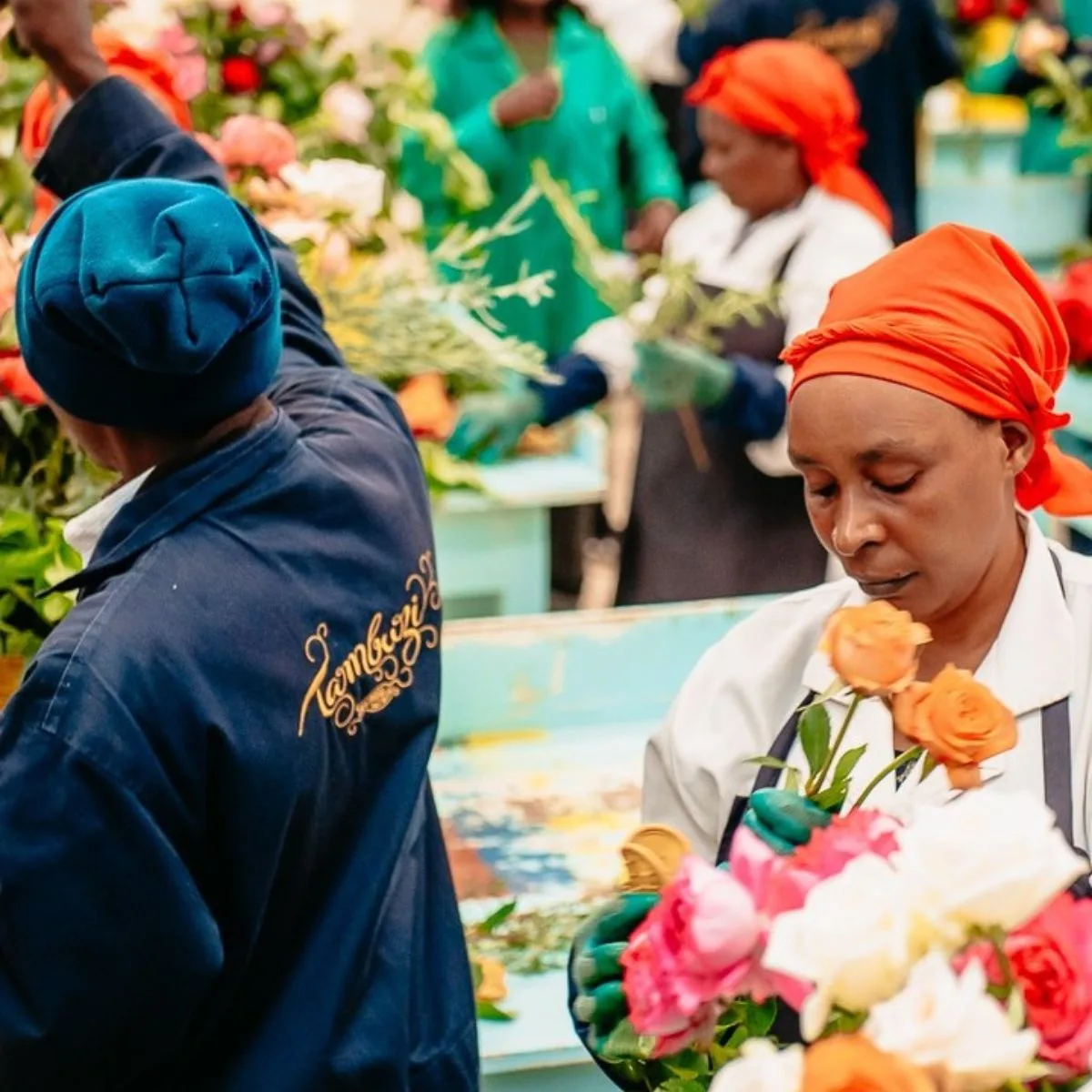
Roses are the clearest example. They are no longer grown in the Netherlands at any meaningful scale. Yet the varieties being cut in Ethiopia, Kenya, Ecuador, and Colombia were overwhelmingly developed by Dutch and Dutch-affiliated breeders. The supply chain structures organizing those flowers from farm to auction to export were built on Dutch logistics expertise. The greenhouse technologies being adopted across East Africa and South America trace their lineage directly back to Westland and the Bollenstreek – a relationship that the latest HortiFlora Expo Ethiopia made tangibly visible.
"The same shift is happening in ornamentals," Ruud van der Vliet explains. "Roses, for example, are hardly grown in the Netherlands anymore. Yet the genetics, supply chain organization, greenhouse technology, and logistics knowledge developed here continue to shape global production."
Where the Real Competitive Edge Now Lives
Ruud van der Vliet is direct about the economics driving this evolution. Production costs in Europe continue to rise, particularly labor and logistics, while mass-market flower prices remain relatively static. The arithmetic of that gap points clearly in one direction: the future of Dutch floriculture lies not in growing more flowers per square meter, but in doing things that cannot easily be replicated elsewhere.
According to Ruud van der Vliet, those things are increasingly well defined:
- Genetics and breeding – the development of varieties with better vase life, stronger color expression, disease resistance, and design versatility. IP-intensive work that takes years to master and cannot be copied overnight. De Ruiter Innovations is perhaps the clearest example of this model in practice.
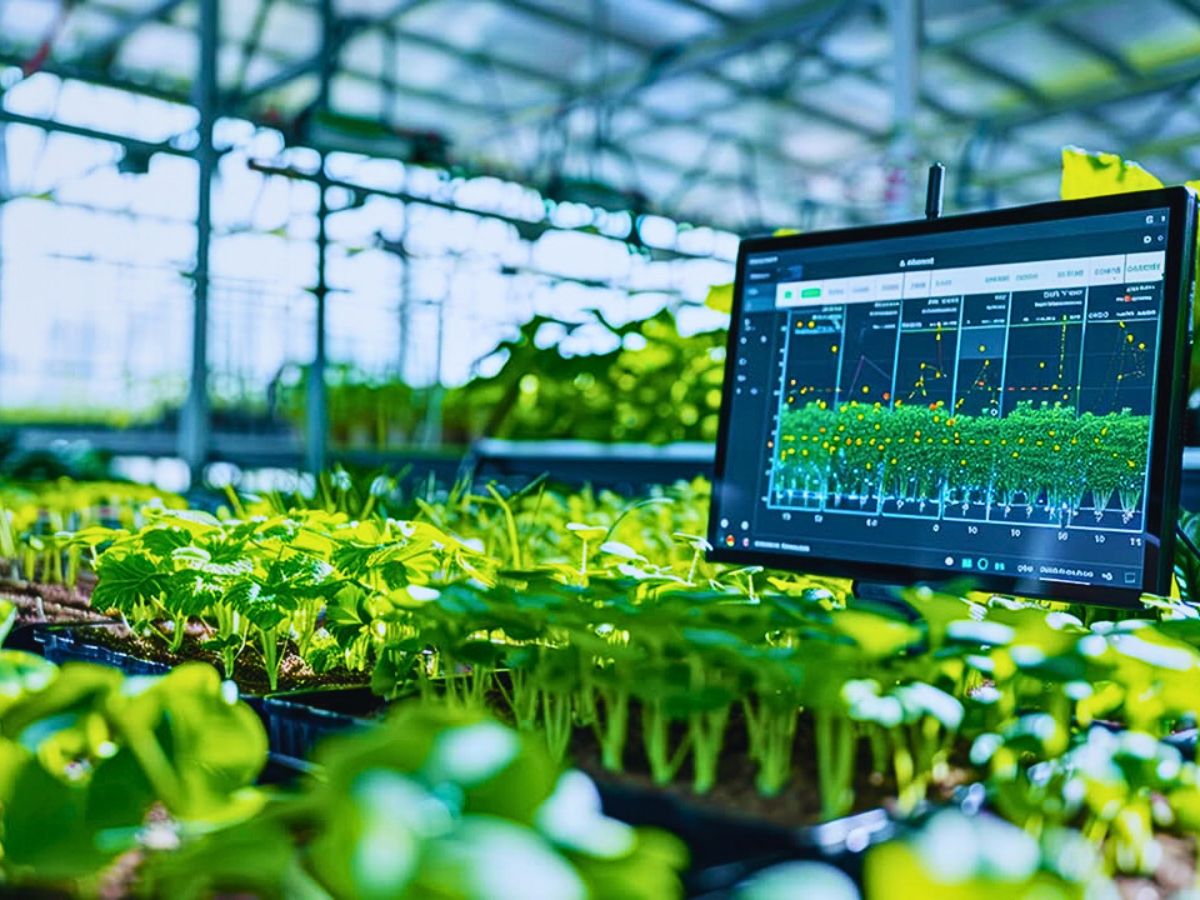
- Cultivation systems knowledge – data-driven growing, precision climate control, and crop management insight that only emerges from decades of operational refinement in world-class facilities.
- Greenhouse automation and robotics – Dutch technology companies are exporting not just equipment but entire growing philosophies to new production regions around the world, a transformation already well underway across the global value chain.
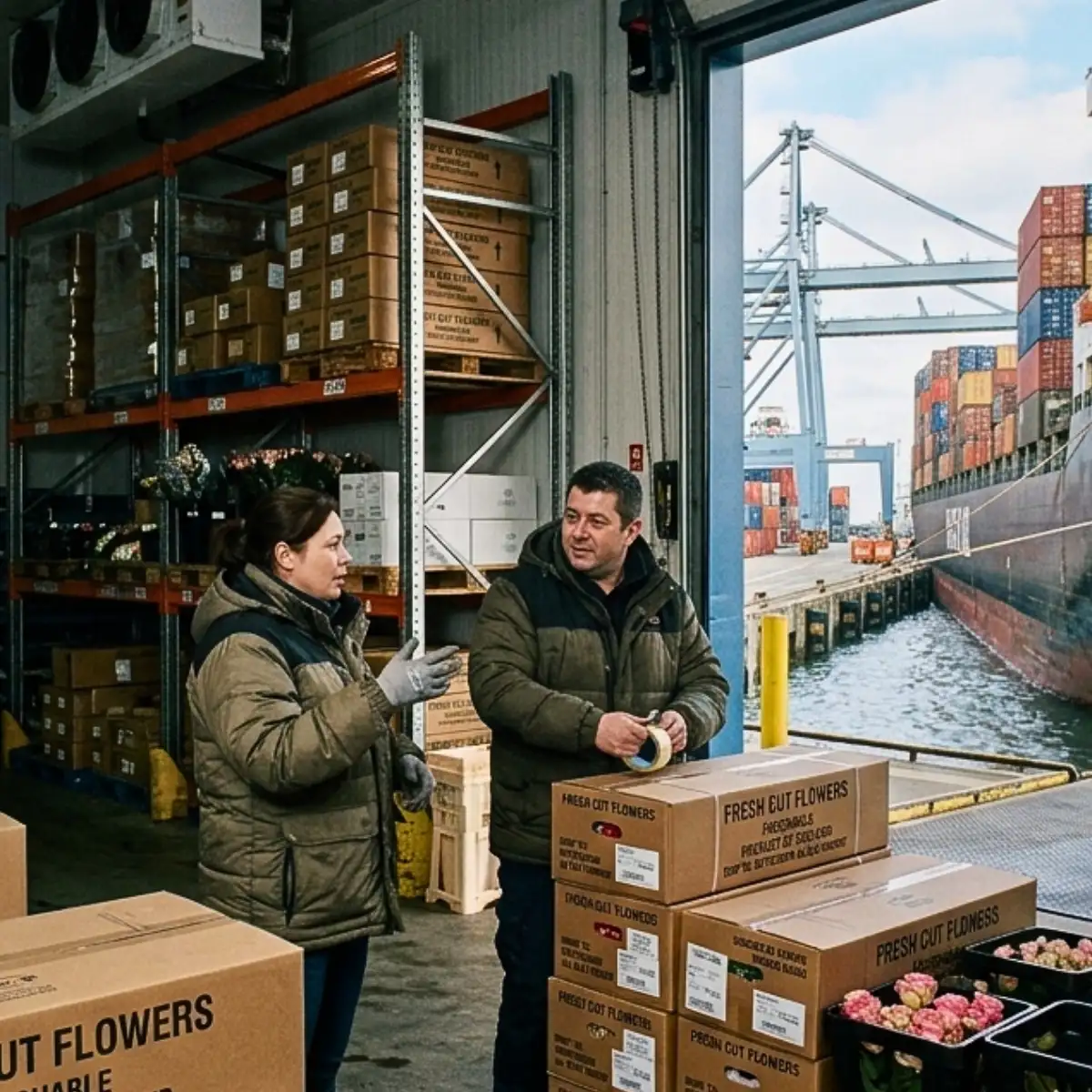
- Supply chain architecture – the organizational knowledge of how to move perishable, high-value products efficiently across continents while maintaining quality.
- Market access and commercial intelligence – understanding where global demand is moving before it arrives, and positioning production and logistics accordingly.
Ruud van der Vliet emphasizes that the market is simultaneously moving toward a specific type of business model: integrated companies that combine several of these capabilities under one roof. Genetics, cultivation know-how, automation, data platforms, and market reach together create a proposition that standalone growers simply cannot match. "The market is clearly moving toward strong, integrated companies that offer total solutions," he notes.

The investment world is drawing the same conclusion. Capital flowing into floriculture is increasingly targeting exactly the businesses Van der Vliet describes: technology platforms, proprietary genetics, and integrated value-chain models that combine multiple capabilities under one roof. Ruud van der Vliet's analysis of the latest horticulture M&A trends on Thursd shows how this structural shift is reshaping valuations and redefining what makes a floriculture business attractive to investors today.
Less Volume, More Value
For Ruud van der Vliet, the conclusion is neither pessimistic nor nostalgic. It is, in his framing, a question of correctly reading where comparative advantage now lives – and following it deliberately.
"Dutch horticulture is increasingly exporting knowledge of cultivation systems, data-driven growing, robotics and greenhouse automation," he argues. "That is where our real competitive advantage lies."
Production will continue expanding across Asia, the Americas, and Africa. Kenya alone now ranks among the top five floriculture producers worldwide, and Van der Vliet sees this not as a threat to the Dutch position, but as a reflection of Dutch knowledge reaching new markets – and in many cases, as a direct result of Dutch investment, breeding, and technical expertise being deployed globally. The Netherlands does not need to grow every rose to remain central to how roses reach their buyers.
The summary Van der Vliet offers is concise and worth sitting with: less volume, more knowledge, more technology, more value. And if the industry navigates this transition with clear strategic intent, he believes the Netherlands will remain what it has always quietly been – the global brain of ornamental horticulture, even as production continues to shift and expand far beyond its borders.

Header & featured image: Chrysanthemum growers by Zentoo.