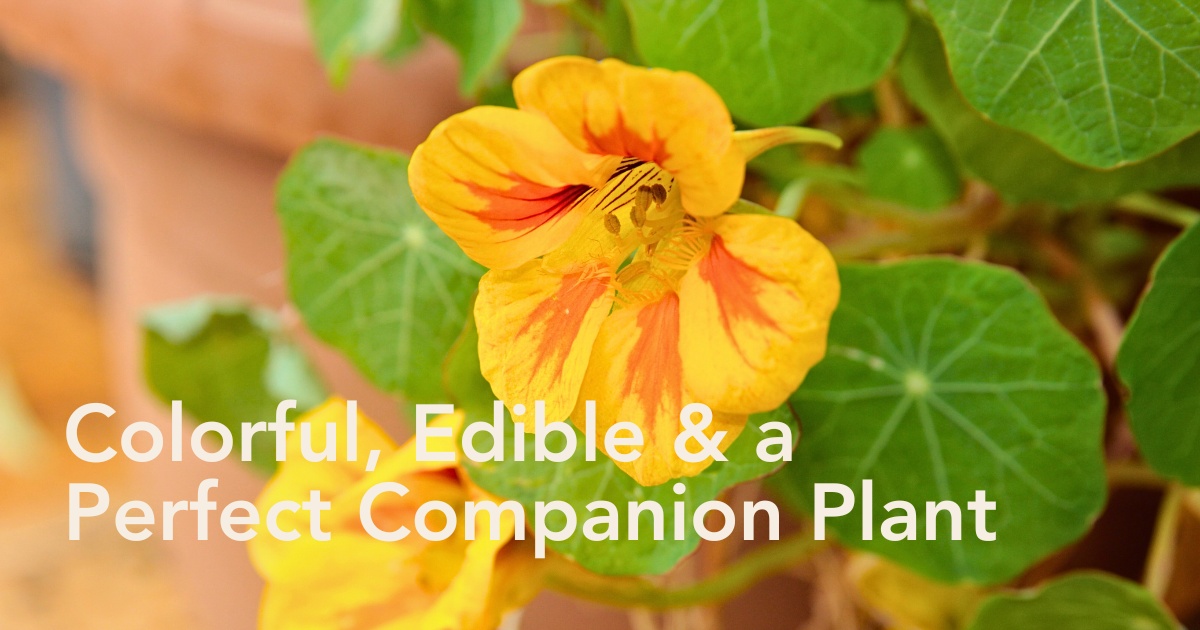
Most flowers often seem to sit back and just look pretty. But Nasturtiums are more than that. They have a way of easily stealing the show; spilling out of pots, weaving through vegetables, dotting a garden with their cheerful color, and on top of all that, daring to taste good.
Peppery, a little sweet, with a heat that tends to sneak up on you, every part of this plant is edible, from its round, lily-pad leaves to the trumpet-shaped flowers and the plump green seed pods that look like capers. Add the fact that they grow almost anywhere, flower for months, and actively help vegetables growing nearby, and you wonder why you don’t find them growing in every garden.
What Are Nasturtium Flowers?
The Nasturtium flower belongs to the genus Tropaeolum, a group of plants native mainly to the Andes of South America and Central America. The species most gardeners grow are Tropaeolum majus, Tropaeolum minus, and sometimes Tropaeolum peregrinum, all known simply as Nasturtiums.
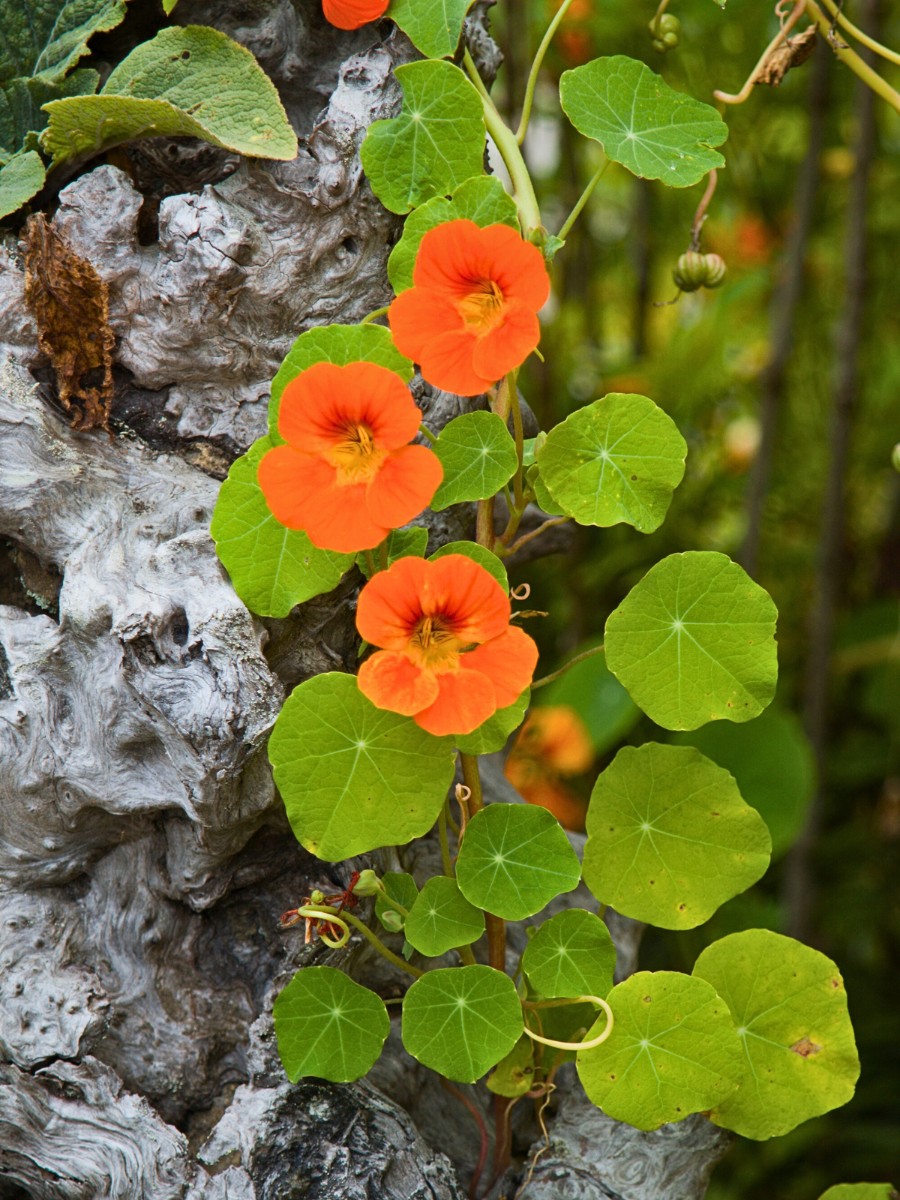
The name most gardeners use, ‘Nasturtium,’ technically refers to the genus Nasturtium in the watercress family. Still, over centuries of common use, the name firmly attached itself to Tropaeolum majus and its relatives. Now, when someone says Nasturtium, they almost always mean this spicy-leafed, brilliantly colored garden plant.
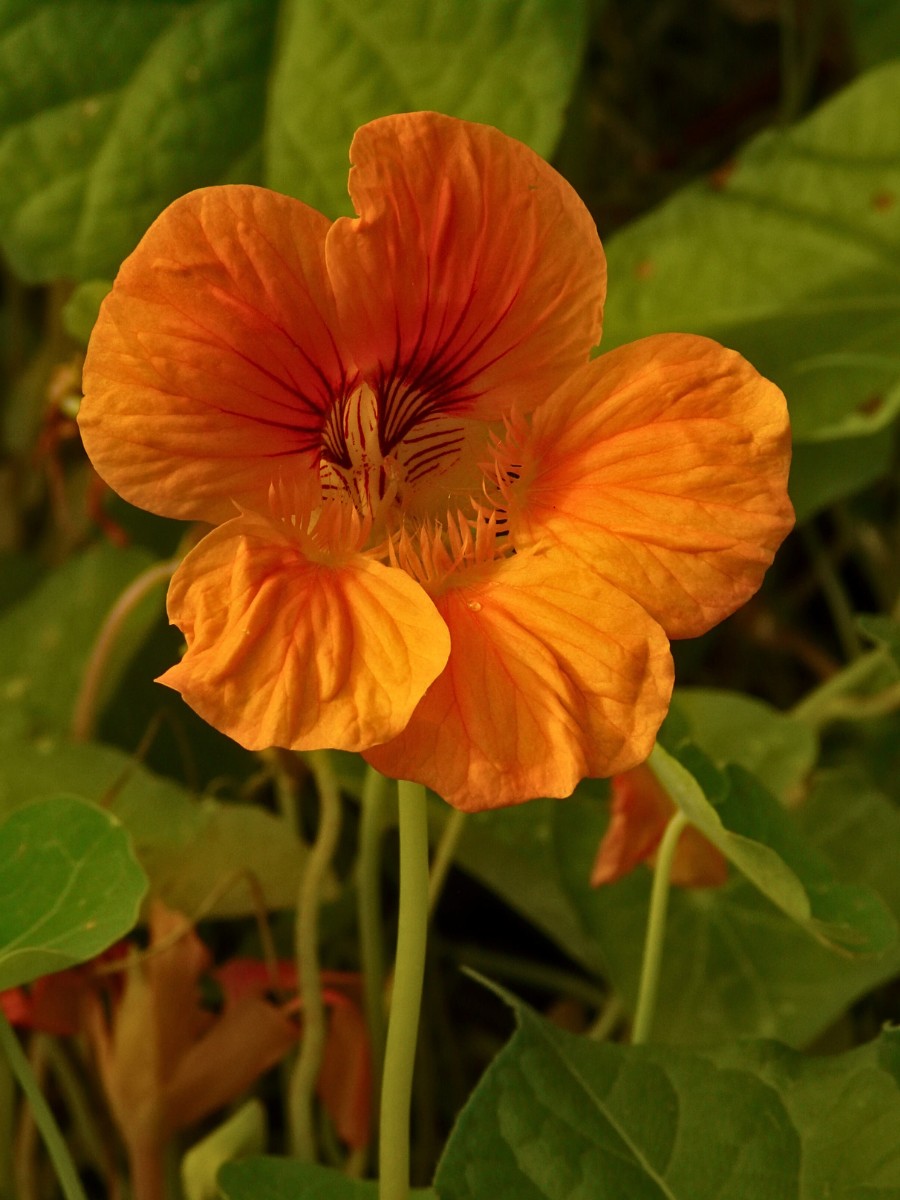
Nasturtium flowers come in a wide range of forms. You will find trailing or climbing varieties that can reach several meters tall and compact mounding types that stay neat and low, perfect for borders or containers. The flowers themselves are five-petaled and gently trumpet-shaped, typically in warm tones of red, orange, yellow, cream, and everything in between. Some varieties carry deep burgundy flowers or soft peach tones that feel almost delicate against the bold, circular foliage.
Nasturtium Varieties Worth Knowing
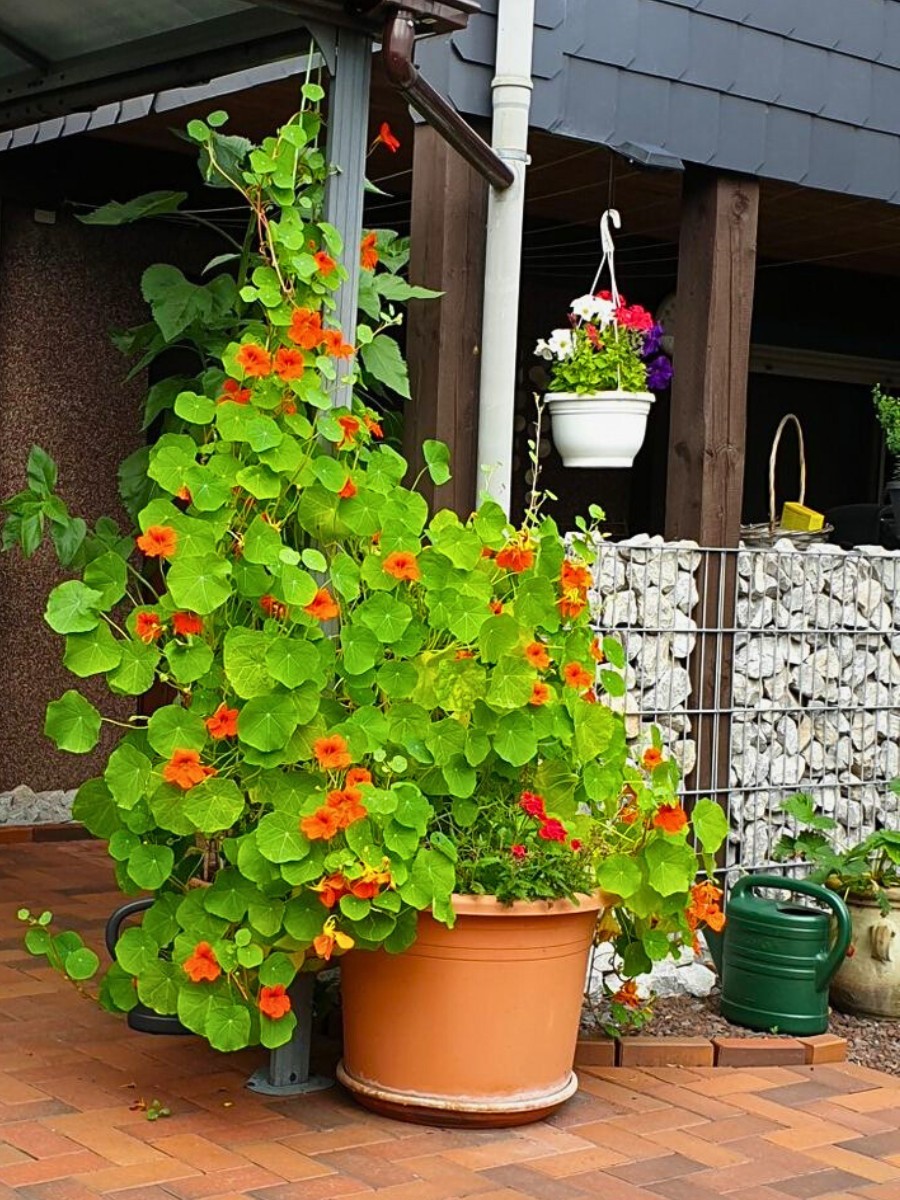
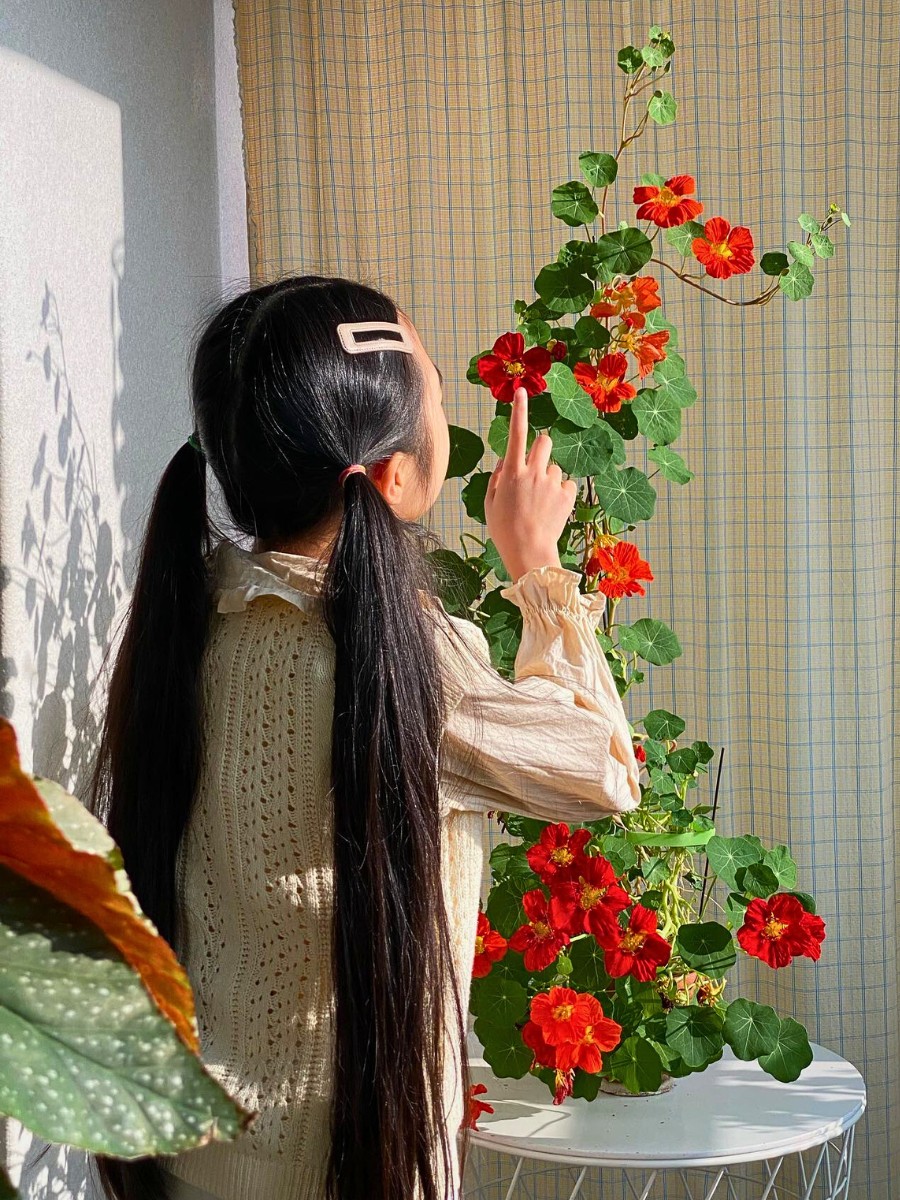
Before you decide how to plant Nasturtium seeds, it helps to know which type suits your space. Trailing and climbing types such as 'Tall Mixed' or 'Spitfire' are ideal for trellises, fences, or hanging baskets. They can grow quickly and generously, softening hard edges in a garden with their cascading stems.
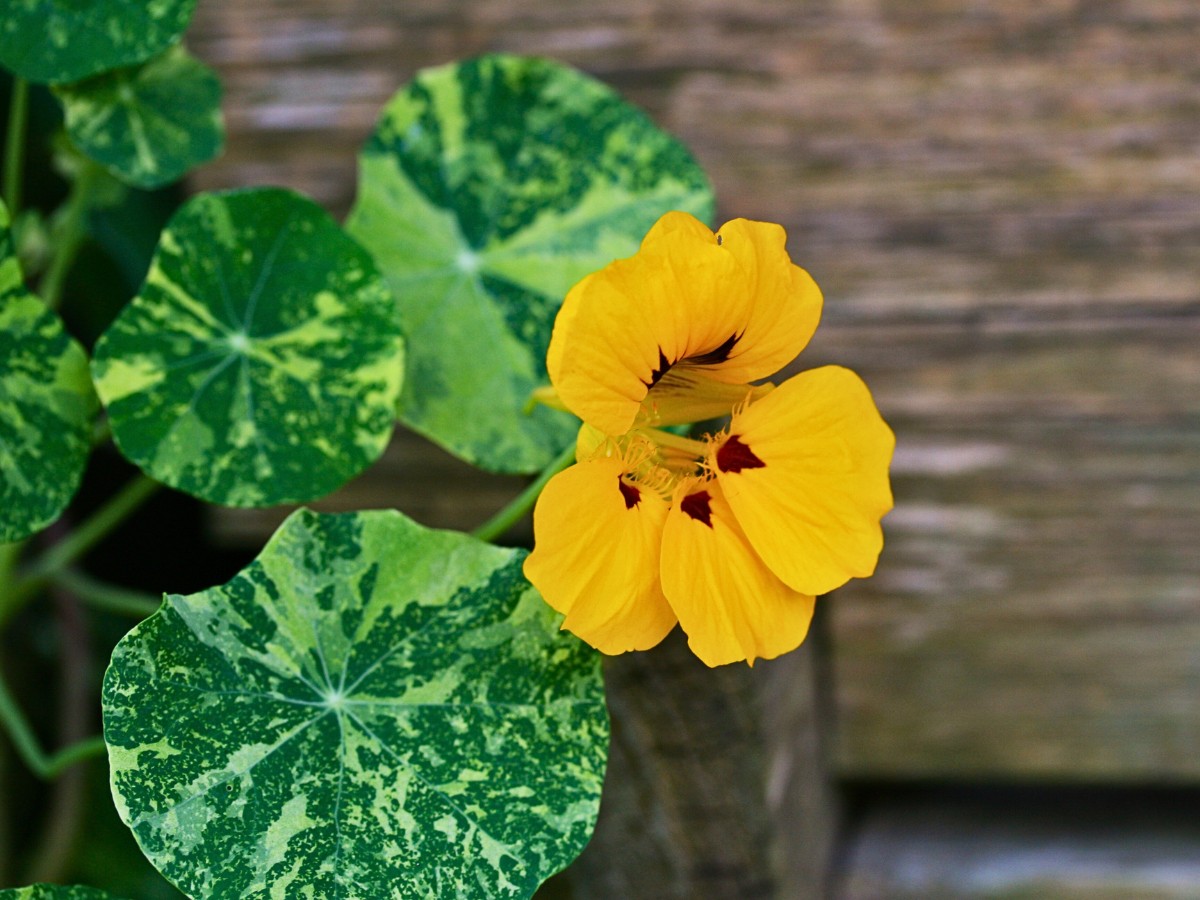
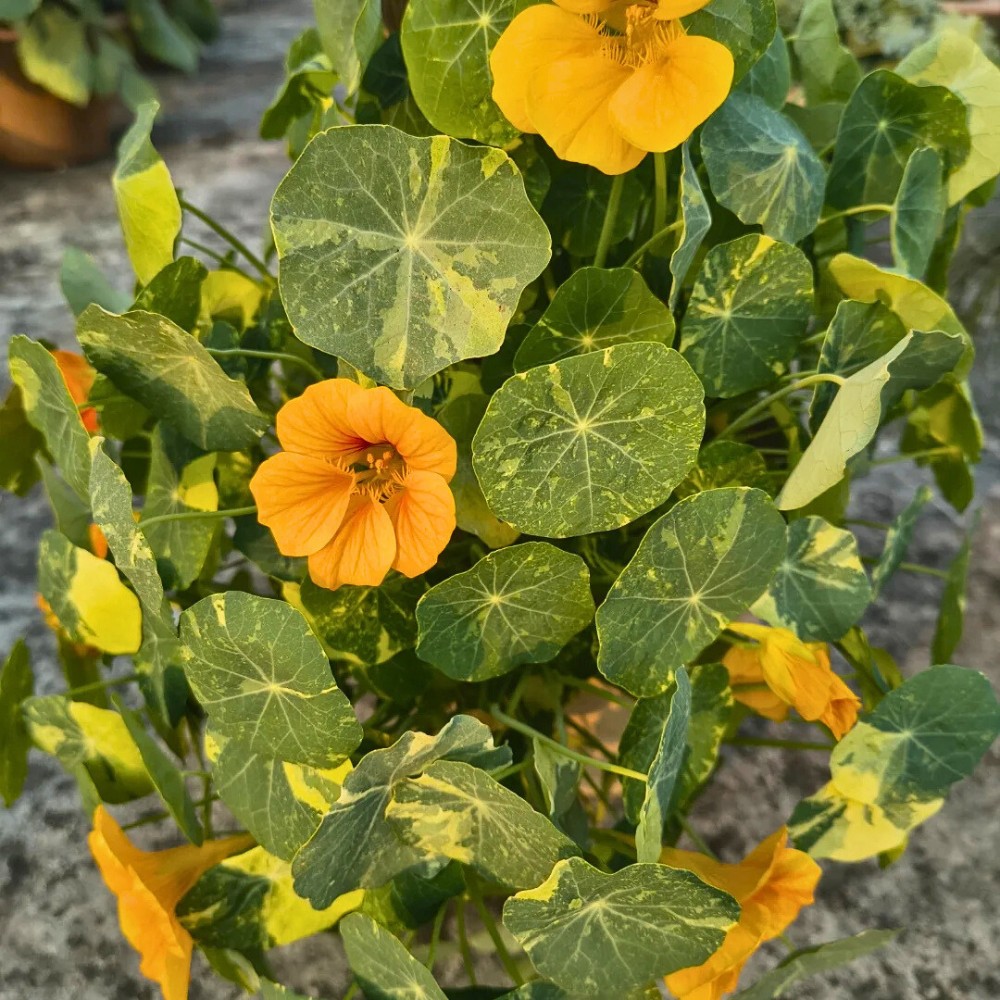
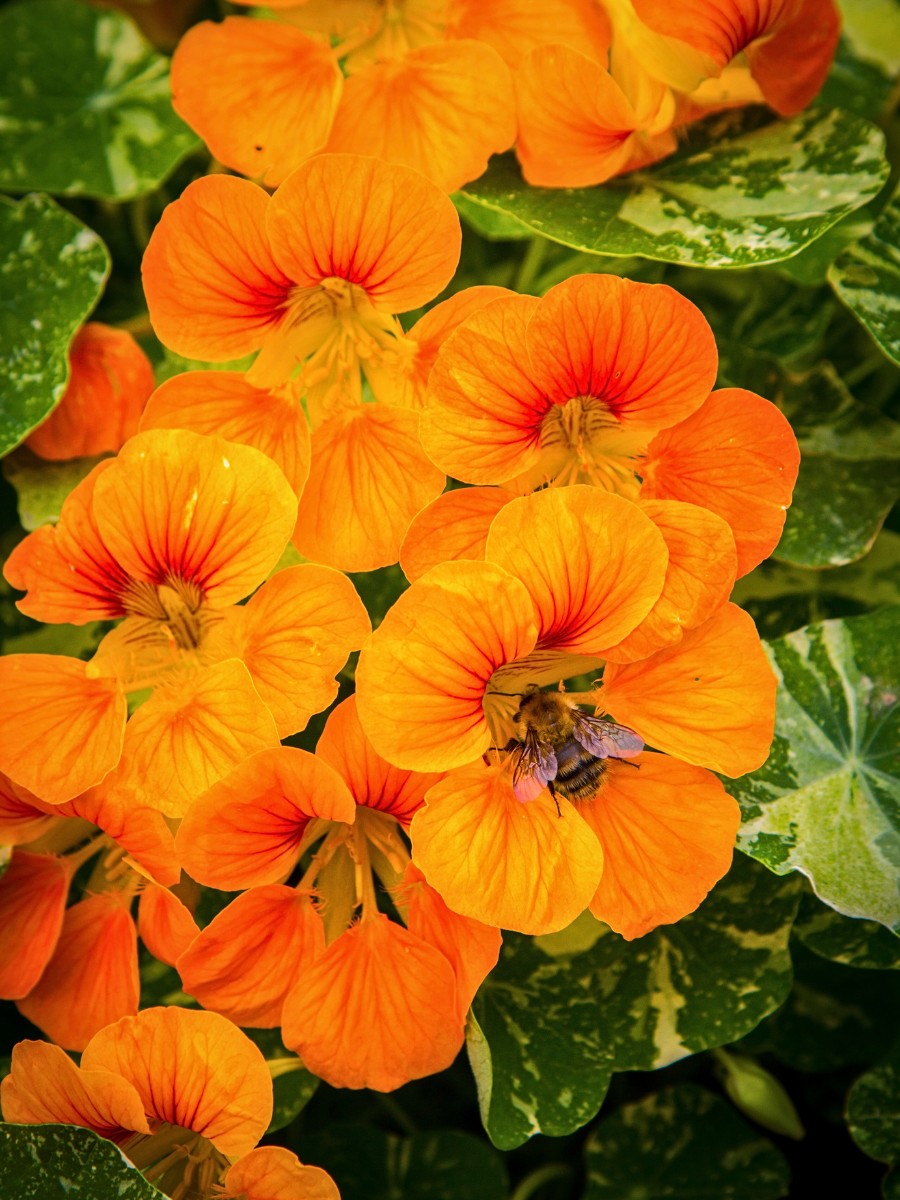
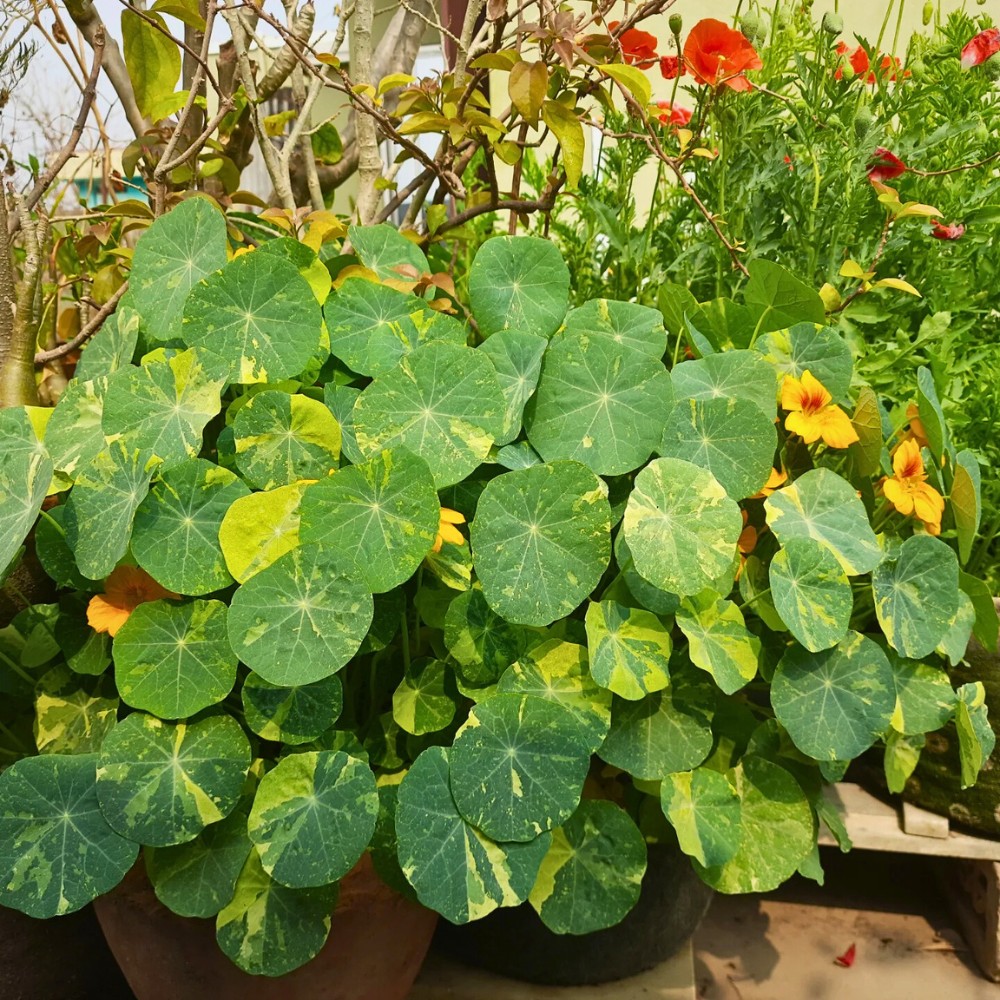
Bush or dwarf types like 'Jewel Mixed' or 'Alaska' stay compact and tidy. 'Alaska' is particularly beloved for its leaves, which are splashed with creamy white variegation, making the foliage decorative even when the plant is not yet in flower. Double-flowered varieties such as 'Strawberry Ice' or 'Peach Melba' offer fuller, more ruffled flowers and are often chosen by gardeners who want a slightly more formal look.
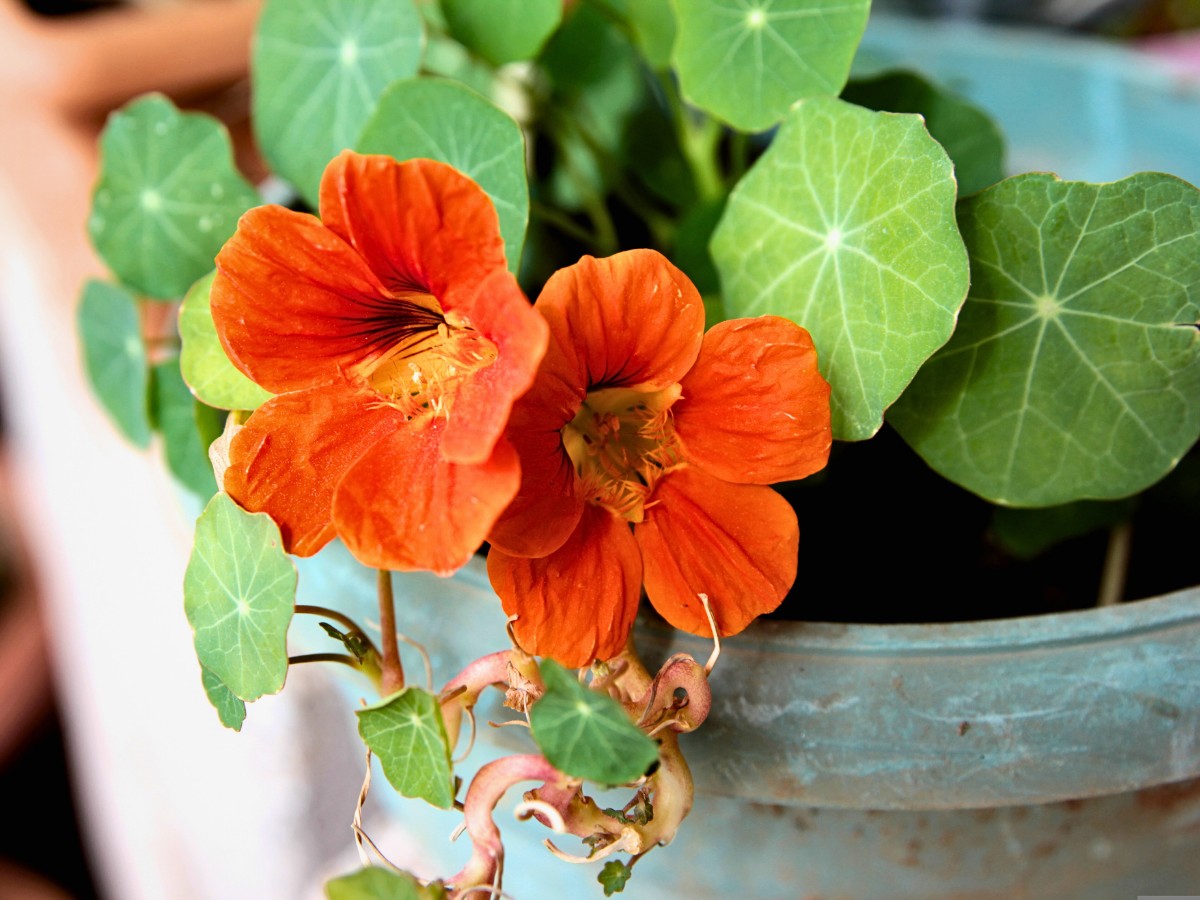
If you are growing Nasturtium flowers for cutting, the trailing types tend to give you longer stems. And for edging a path or filling a pot on a balcony, the compact varieties are ideal.
When to Plant Nasturtium Seeds
Timing matters, and getting it right is one of the simplest ways to set yourself up for success. Nasturtiums are frost-tender annuals in most climates, so the general rule is to wait until all risk of frost has passed before sowing the Nasturtium seeds outdoors.
In most temperate regions, this means planting directly into the ground or containers from mid-spring through early summer. In USDA hardiness zones 9 to 11, you can sow the Nasturtium seeds in late winter or early spring, and even into autumn for a cool-season display.
If you are eager to get a head start, these Nasturtium seeds can be started indoors about two to four weeks before your last expected frost date. Be careful not to start them too early, as they dislike having their roots disturbed and can become leggy if kept indoors too long. Many experienced gardeners find it just as effective to sow directly outdoors once conditions are right.
Soil temperature is a useful guide. Nasturtium seeds germinate best when the soil is between 13°C and 18°C. Below that range, germination slows. Above it, the seeds may still sprout, but the seedlings can struggle in summer heat in warmer climates.
A Step-By-Step Guide to How to Plant Nasturtium Seeds
Learning how to plant Nasturtium seeds is one of the more satisfying gardening tasks, partly because the seeds are large enough to handle easily and partly because they germinate reliably and quickly.
- Choose your spot. Nasturtiums prefer full sun but tolerate partial shade, especially in hot climates where afternoon shade can prevent them from wilting. They are extraordinarily adaptable to a wide range of soils.
- Prepare the soil, but not too much. This is one of those plants that perform better in poor to moderately fertile soil. Rich soil encourages lush leafy growth at the expense of flowers. If your soil is very heavy or compacted, loosen it and add a little grit or sand for drainage, but hold off on the compost or fertilizer.
- Soak the seeds if you like. Some gardeners soak Nasturtium seeds in water for 12 to 24 hours before planting to soften the outer coat and speed up germination. This is optional, but it can help in cooler soils.
- Sow the seeds. Press Nasturtium seeds about half an inch to one inch deep, spacing them roughly 20.32 cm to 30.48 cm apart for compact varieties and 30.48 to 45.72 cm apart for trailing types. Water them gently after sowing.
- Water and wait. Keep the soil moist until germination, which typically happens within 7 to 14 days. Once the seedlings are established, Nasturtiums are drought-tolerant and need only moderate watering.
How to Grow Nasturtium From Seeds and Care Tips After Germination
Once your seedlings are up, growing Nasturtiums is largely a matter of relishing them. They are not demanding. But here is what to keep in mind.
Watering: Water regularly, but allow the soil to dry slightly between sessions. Overwatering or waterlogged soil can lead to root rot, and Nasturtiums in soggy conditions often develop pale, unhappy foliage.
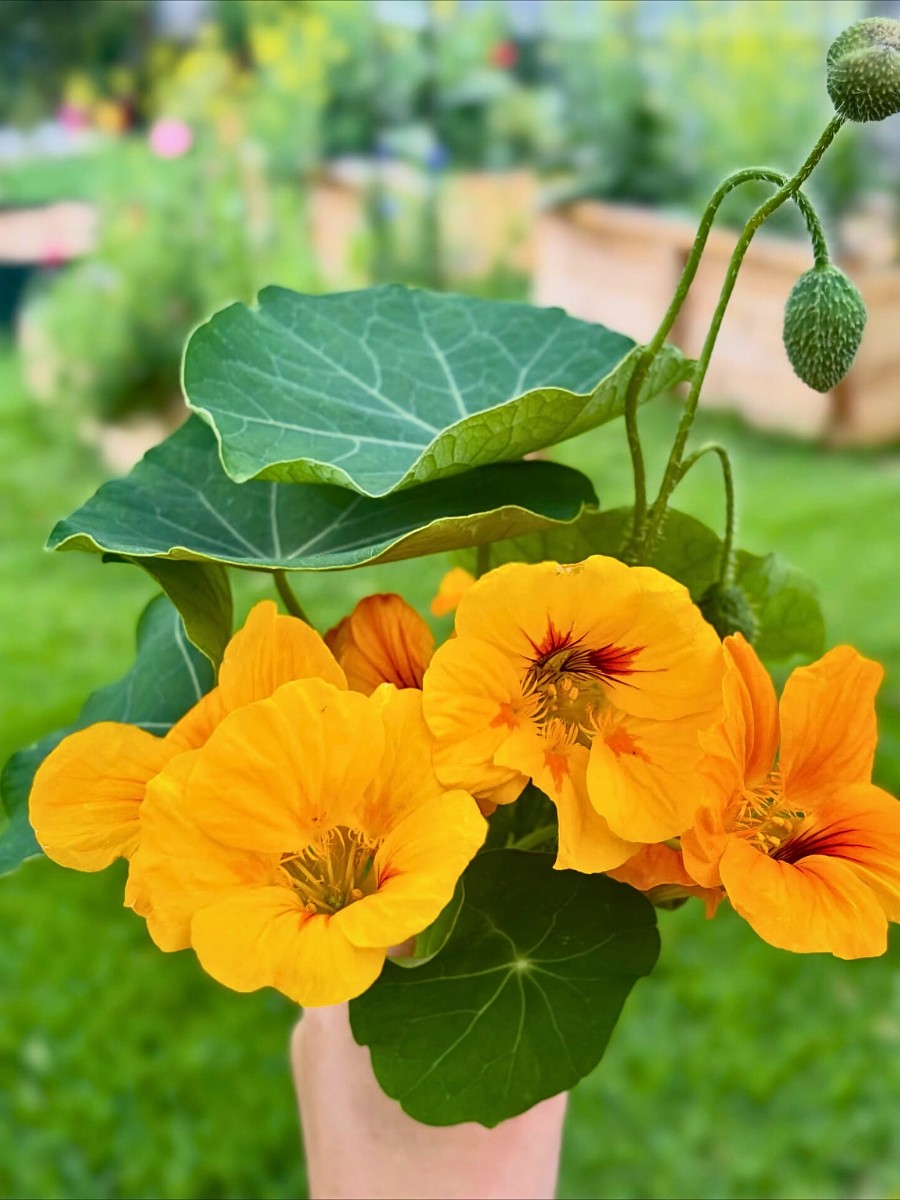
Feeding: Here is the counterintuitive part of learning how to grow Nasturtium seeds into thriving plants. Do not feed them heavily with nitrogen. Too much nitrogen produces large, dark green leaves and very few flowers. If the soil is reasonably fertile, you may not need to feed at all. If growth seems very slow or leaves look pale, a light application of a balanced fertilizer once or twice through the season is enough.
Deadheading: Removing spent Nasturtium flowers regularly encourages the plant to keep producing more. If you want to collect seeds for next year, leave some flowers to mature fully on the plant.
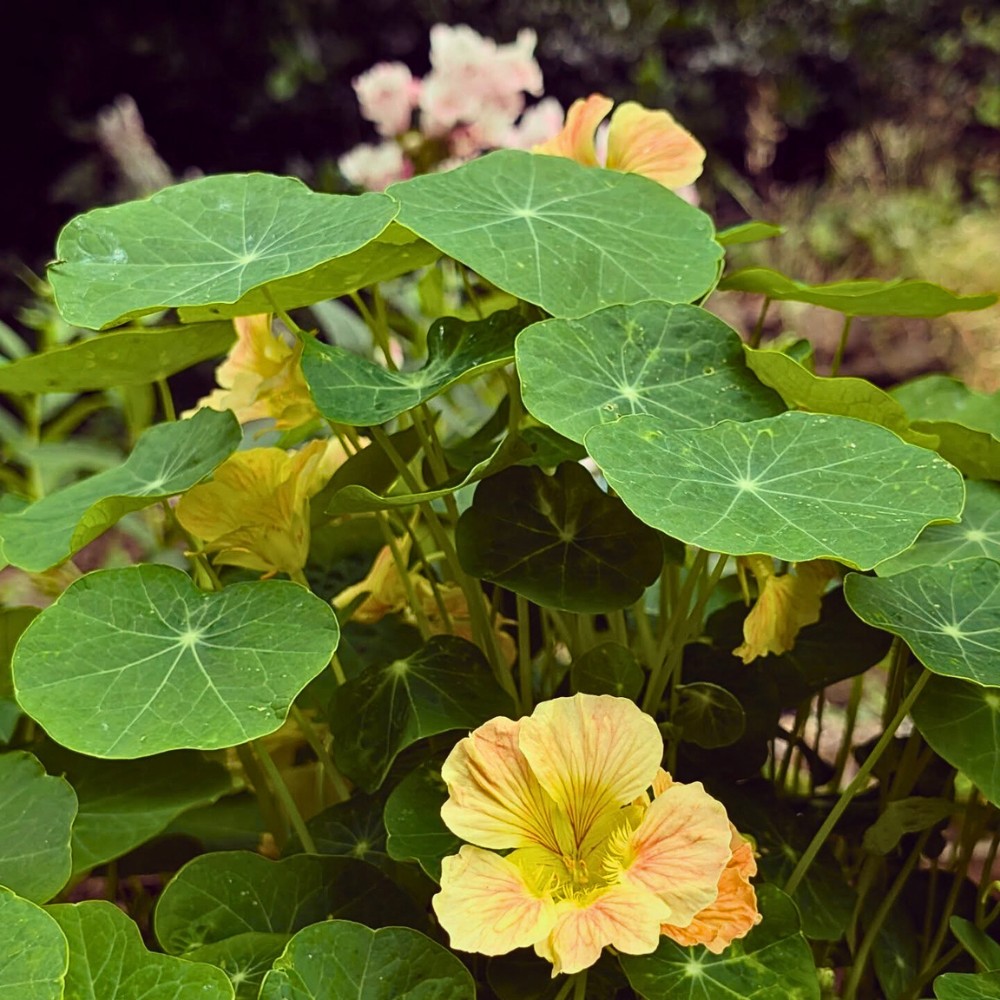
Pests: Aphids, particularly blackfly, are enthusiastic fans of Nasturtiums. Some gardeners deliberately plant Nasturtiums as a trap crop, drawing aphids away from vegetables like beans and brassicas. Ladybirds and other beneficial insects often follow the aphids, so the situation tends to balance itself. If aphids become overwhelming, a strong jet of water or an insecticidal soap spray will help.
Self-Seeding: Nasturtiums are enthusiastic self-seeders. If you let some seed pods ripen and fall, you will very likely find Nasturtiums popping up in the same spot the following year, which feels like a little gift from the garden.
How to Grow Nasturtium Seeds in Containers
Container growing suits Nasturtiums well. Use a pot with good drainage holes and fill it with general-purpose compost mixed with some perlite or grit. Avoid very rich potting mixes for the same reason you avoid over-fertilizing in the ground: you want flowers, not just leaves.
Trailing varieties look especially good in hanging baskets, where their stems can cascade freely. Water containers more frequently than you would in-ground plants, as pots dry out faster, but be sure water drains freely from the bottom.
Are Nasturtiums Perennial?
This is a question that comes up often, and the answer depends on where you live. In the strictest sense, most garden Nasturtiums (Tropaeolum majus) are tender perennials. In their native South American habitat and in frost-free climates, they can live and flower for several years. However, in most temperate gardens, they are treated as annuals because they cannot survive frost and die back completely when cold weather arrives.
So, are Nasturtiums perennial in your garden? If you live in USDA zones 9 to 11, or in similarly mild climates, yes, you may find that they persist and regrow from year to year, especially if they self-seed freely. In colder regions, you will need to resow their seeds each spring.
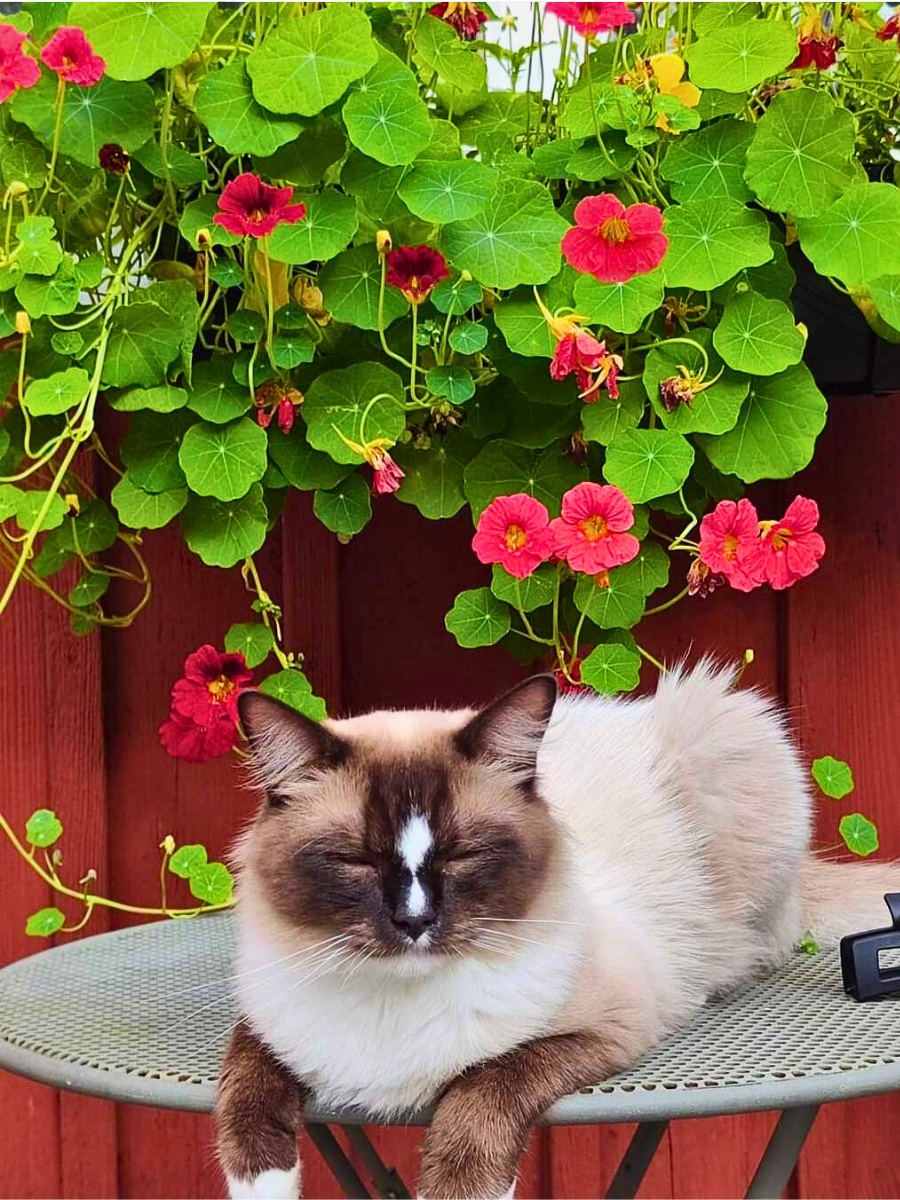
Some other Tropaeolum species, like Tropaeolum speciosum (the flame Nasturtium) or Tropaeolum tuberosum, are hardier perennials with underground tubers that survive cold winters. These are less commonly grown but worth exploring if you want a perennial option.
Nasturtium in the Kitchen: Their Seeds, Leaves, and Flowers Are Edible
Not many edible flowers are as well-suited to cooking and garnishing as the Nasturtium flower. Their flavor is much more useful than being merely decorative. That explains why one of the delights of these flowers is that they are fully at home both in the garden and in the kitchen.
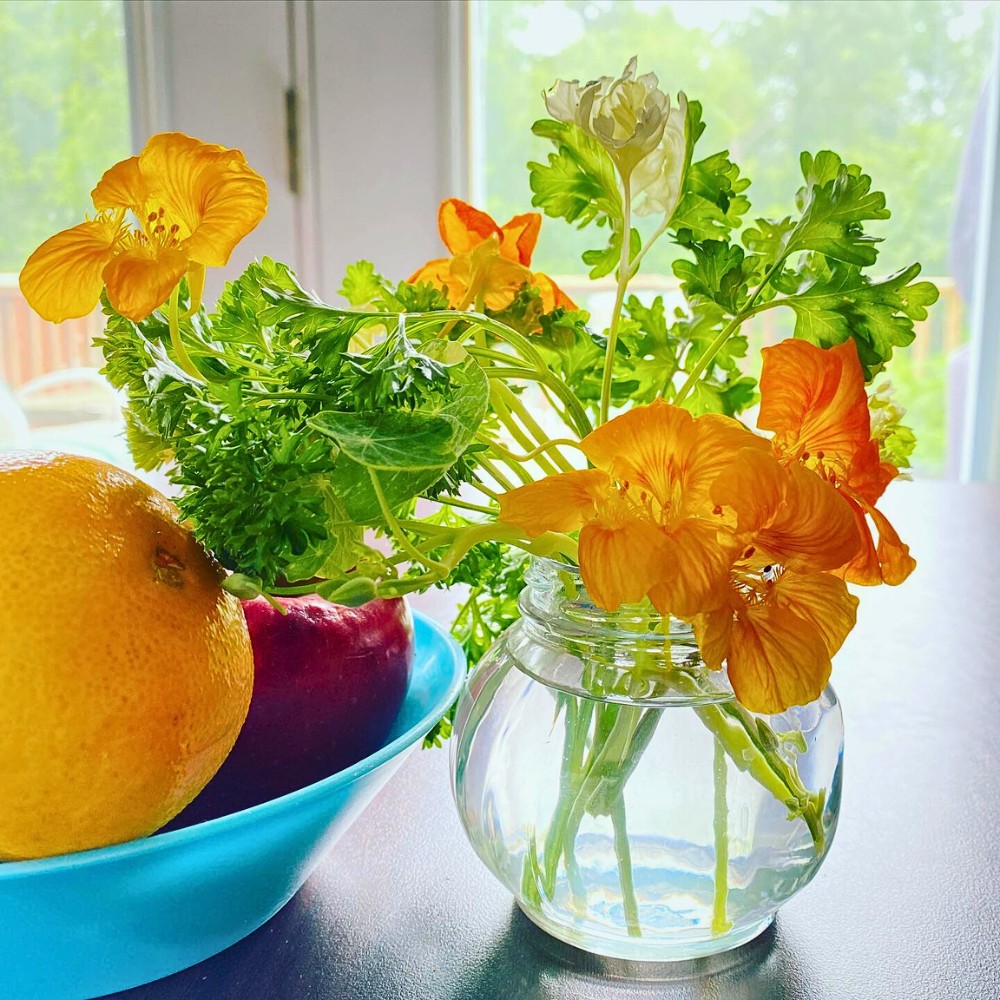
The flowers have a lightly peppery, honey-sweet flavor, the leaves carry a sharper, more mustard-like bite, and even the seed pods, while still green and tender, can be pickled and used as a caper substitute. The flowers, therefore, add a peppery brightness to green salads; work beautifully stuffed with soft cheese, and can be used to garnish cold soups or grain bowls with color and a gentle heat.
You can also scatter Nasturtium flower petals over salads, pasta, and grain dishes for a quick burst of color and flavor. The leaves can be used much like watercress in sandwiches, wraps, or wilted briefly into a warm dish. The unripe green seed pods can be pickled in white wine vinegar with a few peppercorns and used as a substitute for capers.
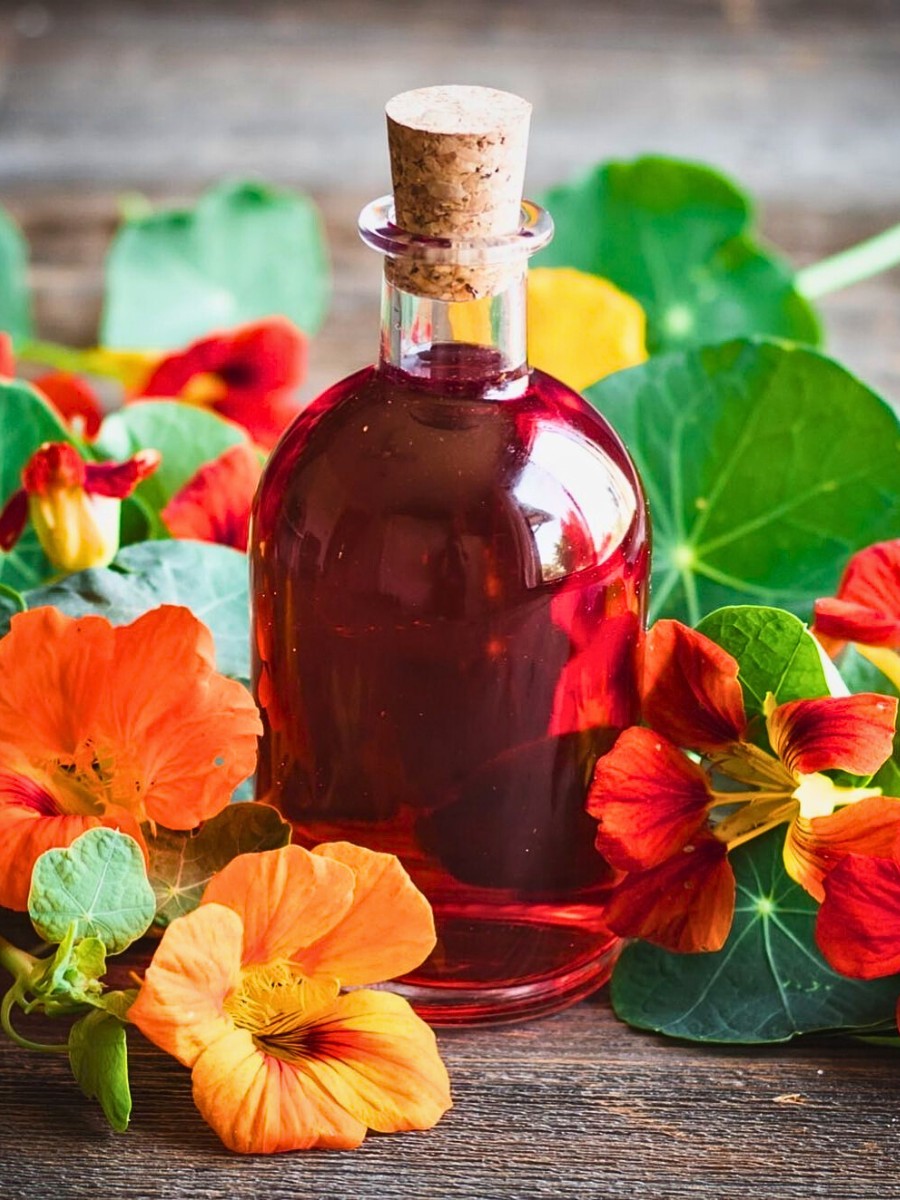
Once you have tried pickled Nasturtium seeds, you will understand why they have been used as a capers alternative in Britain since the 18th century. But then again, if you plan to eat the Nasturtium flowers or leaves, make sure you have not applied any pesticides or chemical treatments to the plants.
Nasturtiums in the Garden as Companion Plants
Nasturtiums are also valued as helpful companion plants in vegetable and herb gardens. They attract pollinators and beneficial insects, which benefit the entire garden, while also acting as a ‘trap crop’ for pests such as aphids, which may choose them over more valuable crops.
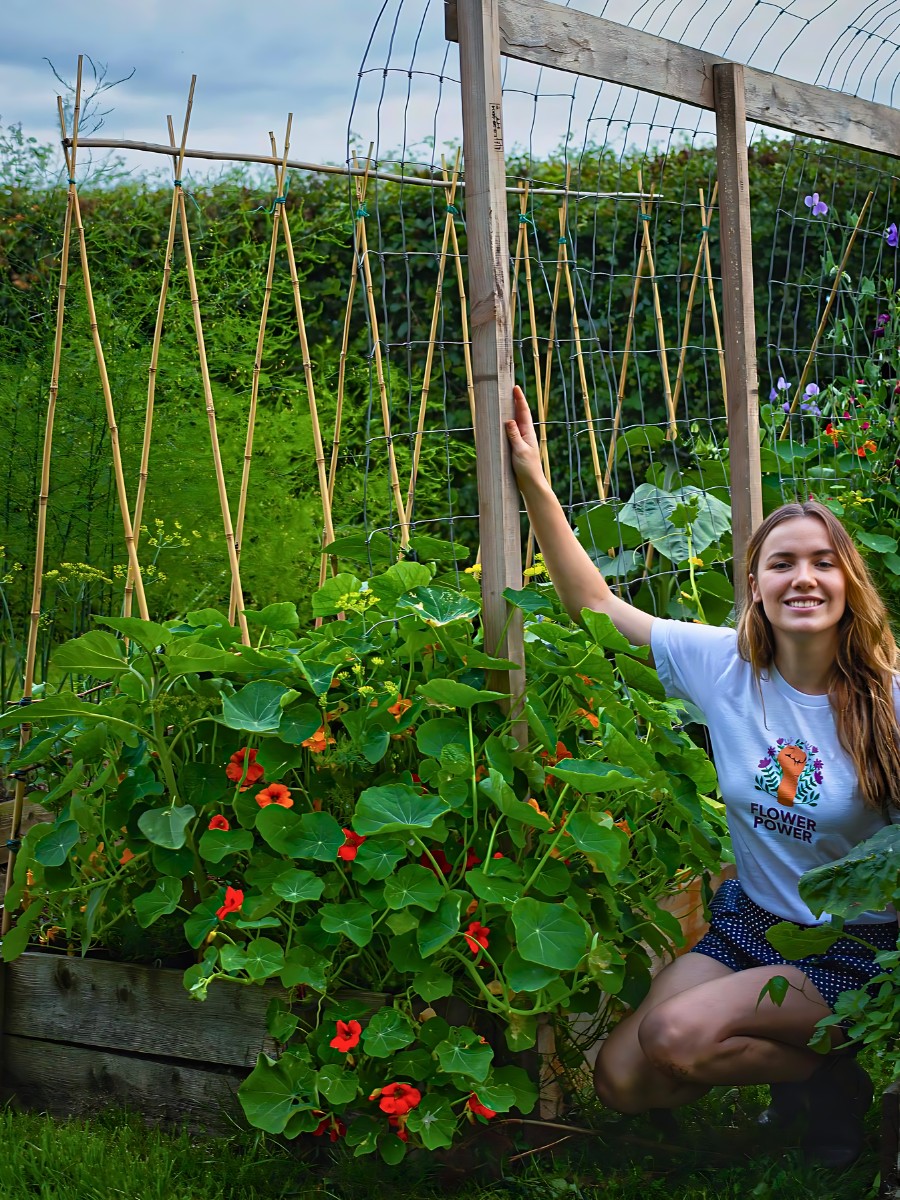
You can plant these flowers near tomatoes, cucumbers, beans, or cabbage to create a more diverse, lively planting mix where many insects focus on the sacrificial Nasturtiums. They help deter certain pests and create a more bio-diverse growing environment. Aside from that, their lush foliage and cascading stems can also act as living mulch that shades soil, retaining moisture and reducing weed growth around taller crops.
Featured image by @edwina_mc. Header image by @begonvilliev