Cooking with edible flowers and seasonal plants brings a fresh, vibrant energy to your kitchen. Their colors, shapes, and subtle fragrances create an atmosphere that turns everyday cooking into a sensory experience.
Beyond their visual appeal, these natural ingredients encourage creativity and curiosity, inspiring you to explore new combinations and flavors. They can brighten a simple dish, spark conversation at the table, and add a sense of connection to the natural world right from your home.
Read on to uncover the joys of botanical living and learn how to bring these natural wonders into your meals with ease and style.
You can find more floral inspiration here: Flowering Shrubs for Every Season: Year-Round Color in Your Garden
Bringing Nature Into Your Kitchen
Edible flowers and seasonal plants can transform simple meals into sensory experiences. Their colors, shapes, and subtle aromas enhance the way we interact with food, encouraging attention to detail and creativity in preparation. For those starting out, understanding the delicate nature of these ingredients is essential for preserving both flavor and visual appeal.
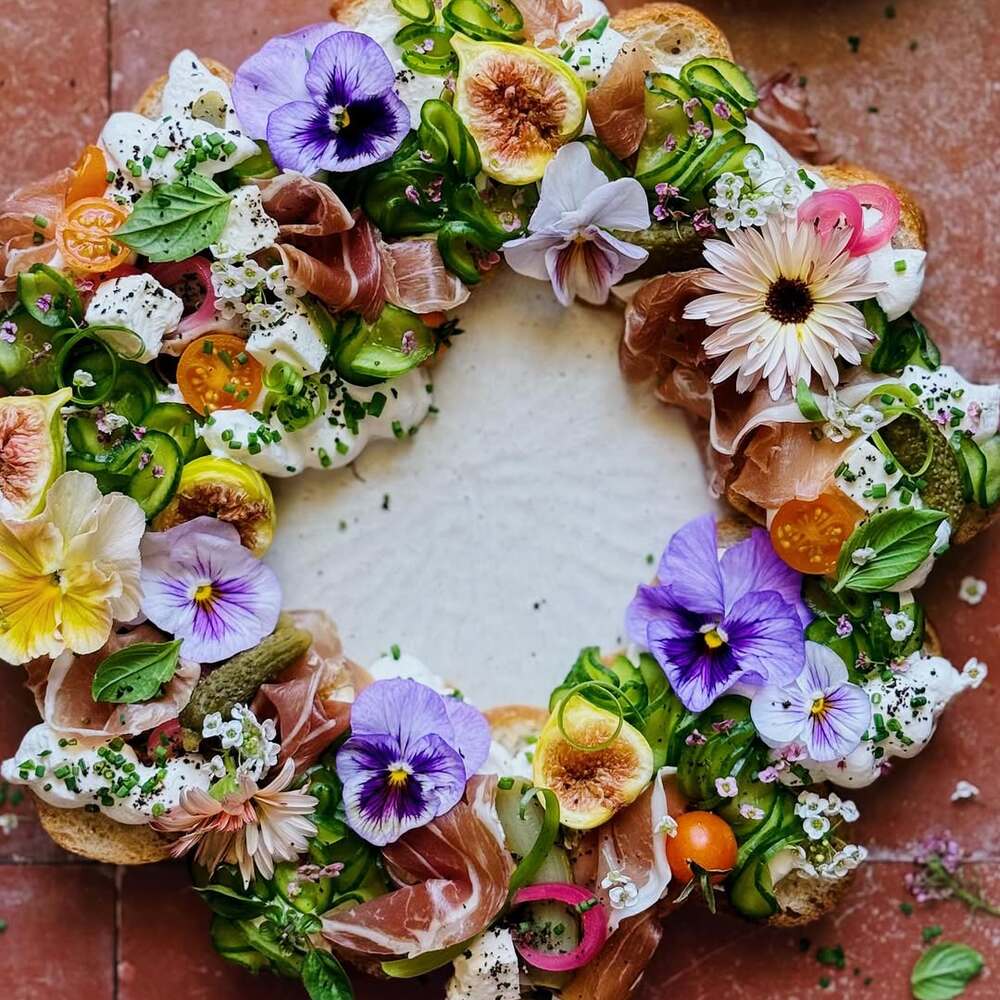
In addition, preparing these ingredients requires care to maintain their integrity. Using a high-quality stainless steel saute pan ensures even heat distribution and prevents sticking, allowing herb blooms and flower petals to retain their texture and delicate flavors. Proper cookware can make cooking easier and more precise, providing the control needed when handling such fragile ingredients.
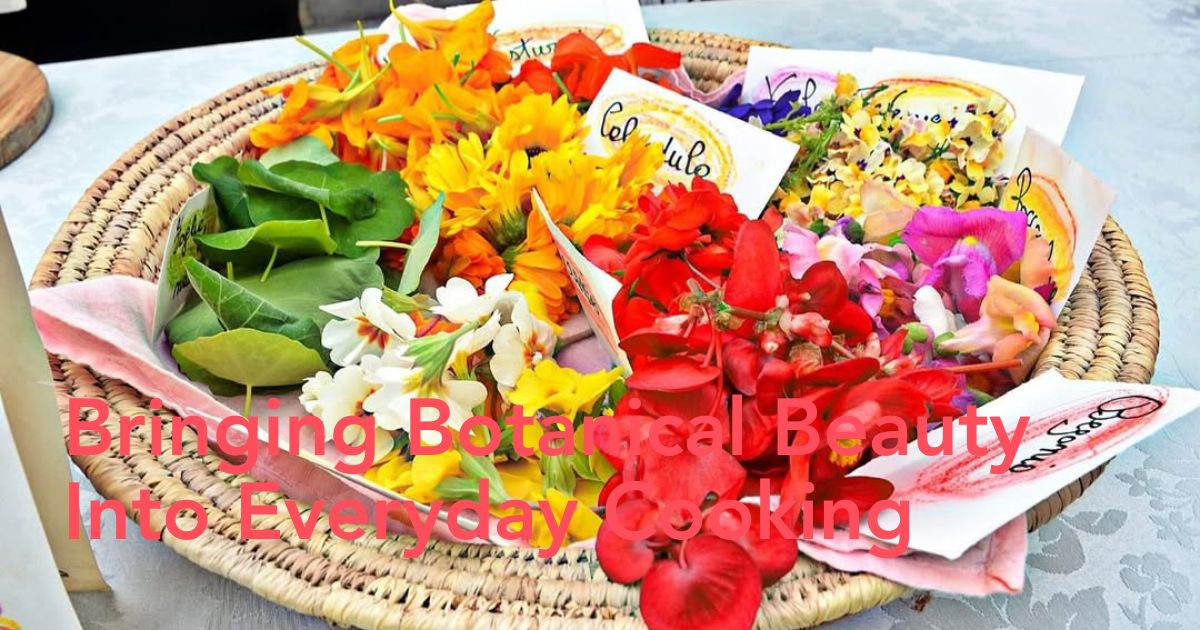
Furthermore, exploring the variety of available options enriches the culinary experience. Common edible flowers, including rose petals, edible blossoms, and edible flowers, each bring distinct tastes and fragrances to a dish. Similarly, seasonal herbs and greens, such as purple basil bloom and basil flowers, offer subtle notes that complement both sweet and savory preparations.
With the right tools and ingredients, your kitchen becomes a space for experimentation and appreciation of nature’s simple elegance.
Choosing and Sourcing Edible Flowers and Seasonal Plants
Finding fresh, high-quality ingredients is key to successful botanical cooking. To make sourcing easier and more reliable, there are a few practical approaches you can follow.
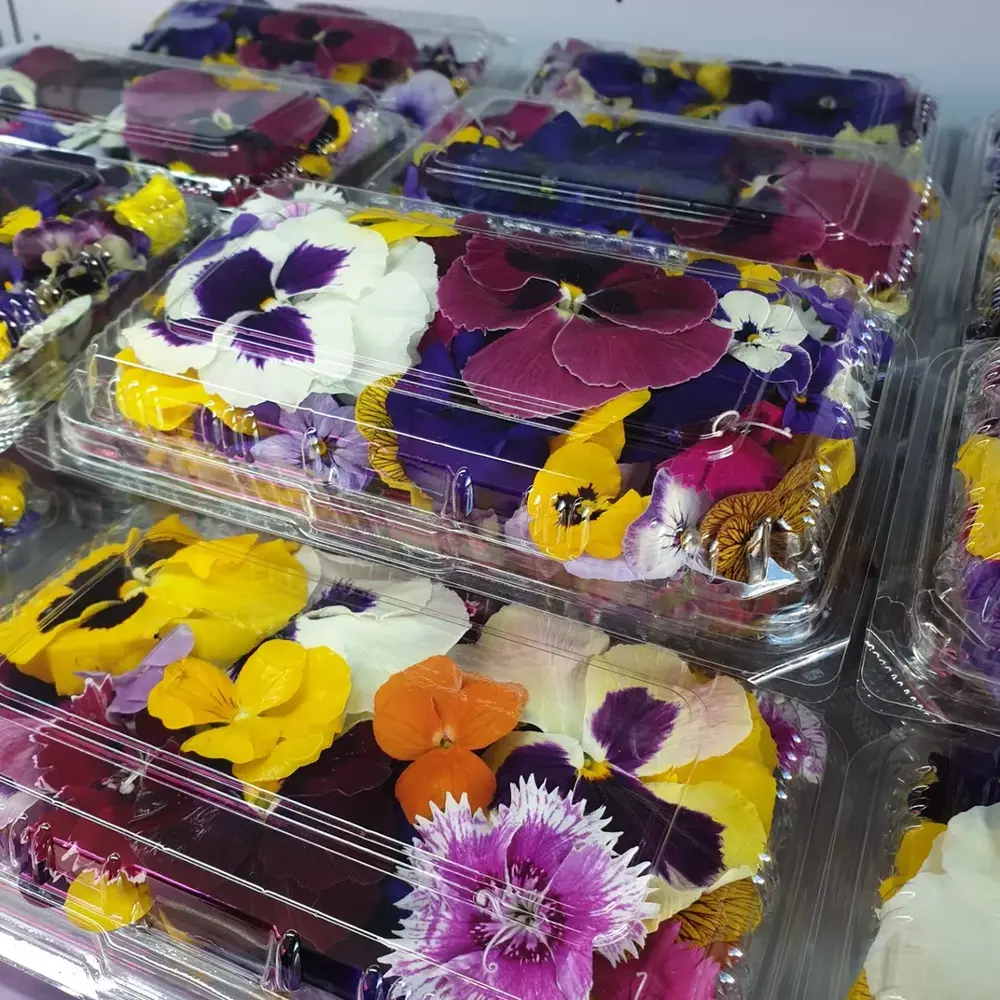
Here are some ways to ensure your edible flowers and seasonal plants are safe, flavorful, and visually appealing:
Visit Local Farmer’s Markets
Local markets often carry freshly picked edible flowers and seasonal herbs. You can ask vendors about the varieties they offer and learn which blooms are at peak freshness. This option also allows you to support local growers while discovering unique or rare ingredients.
Grow an Edible Flower Patch
Cultivating your own edible flower patch at home gives you direct control over quality and variety. You can choose which flowers to plant, such as rose petals or basil flowers, and harvest them when they are freshest for cooking. Homegrown blooms also allow you to experiment with different flavors and textures in your meals.
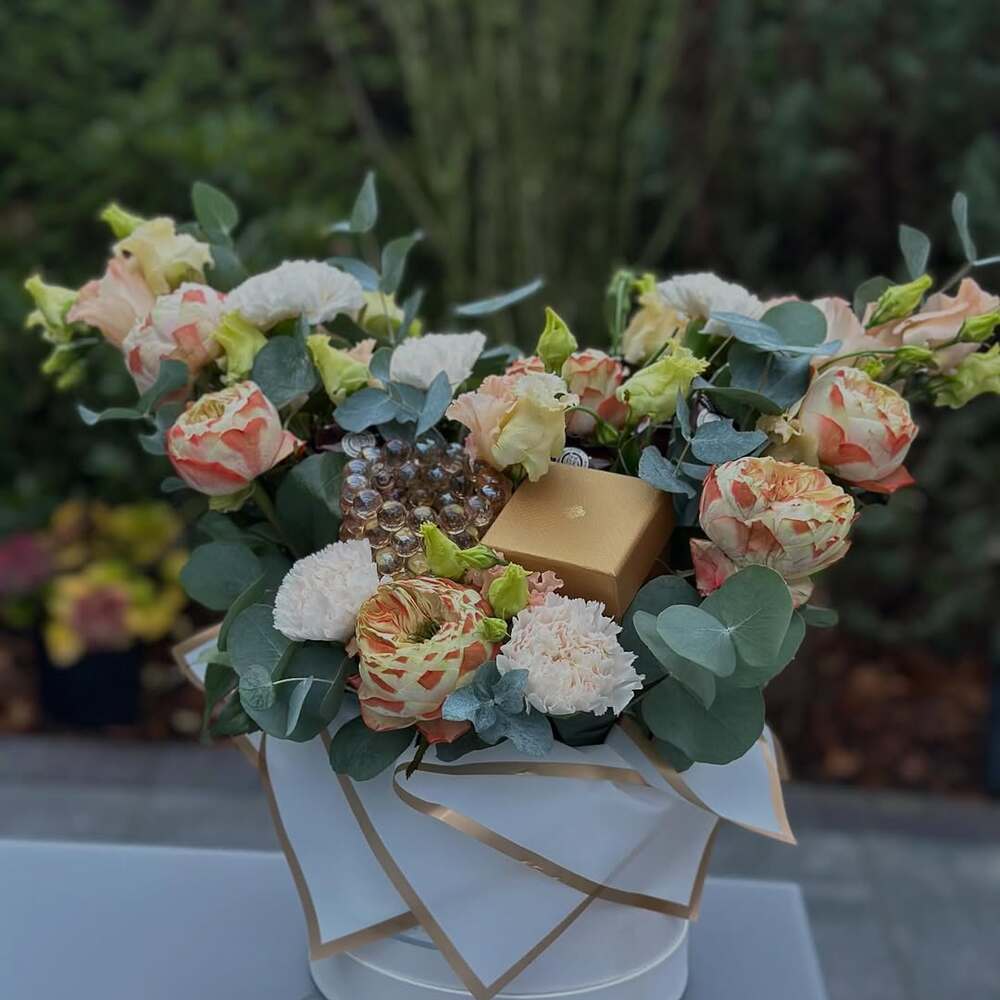
Check Specialty Flower Shops and Pollinator Gardens
Some flower shops and pollinator gardens sell flowers specifically meant for culinary use. These sources often provide guidance on how to handle and prepare the blooms safely, ensuring they retain both taste and appearance when added to your dishes.
Using these methods helps you consistently access ingredients that enhance both flavor and presentation. Thoughtful sourcing creates a foundation for cooking with confidence and enjoying the natural beauty of edible flowers in every meal.
Cooking Techniques and Recipe Ideas
Once you have sourced fresh edible flowers and seasonal plants, the next step is to bring them to life in your meals. Understanding how to use them effectively can enhance flavor, texture, and presentation in a variety of dishes.
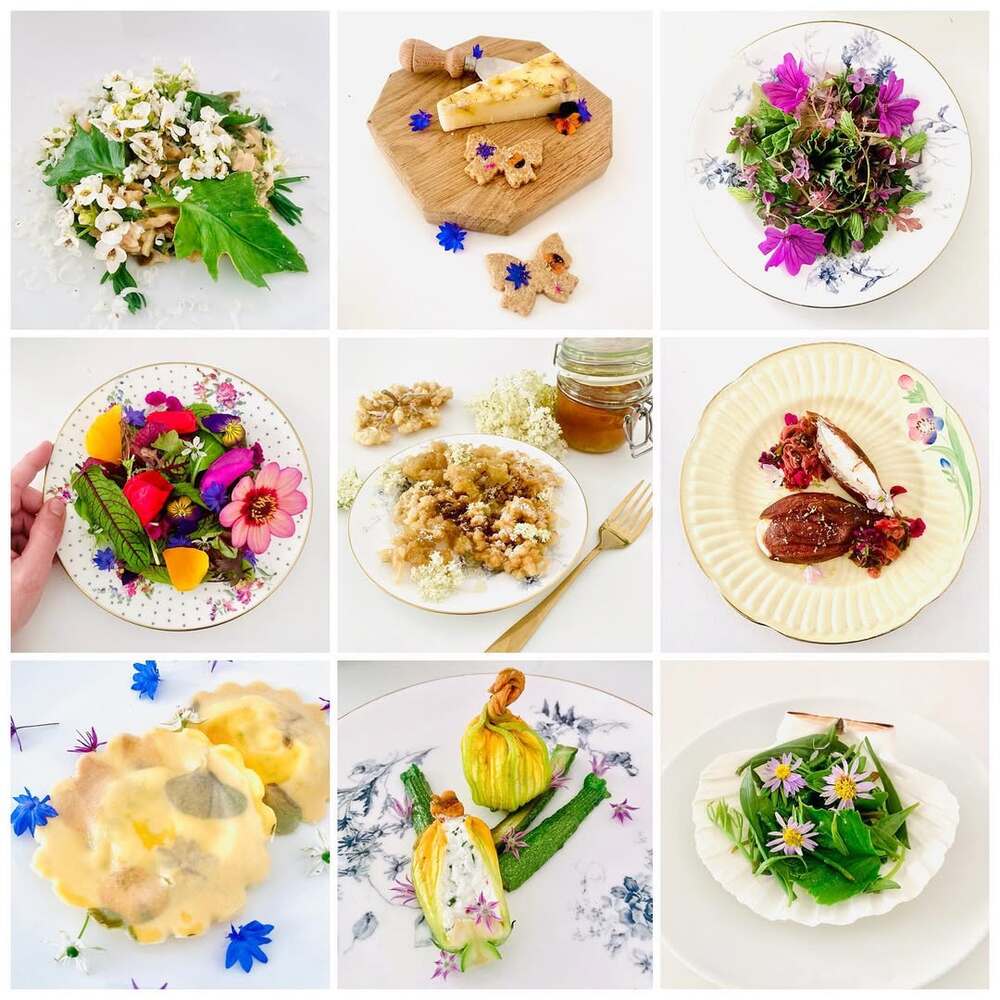
The following are some practical techniques and ideas for incorporating these ingredients into everyday cooking:
Using Flowers and Plants in Meals
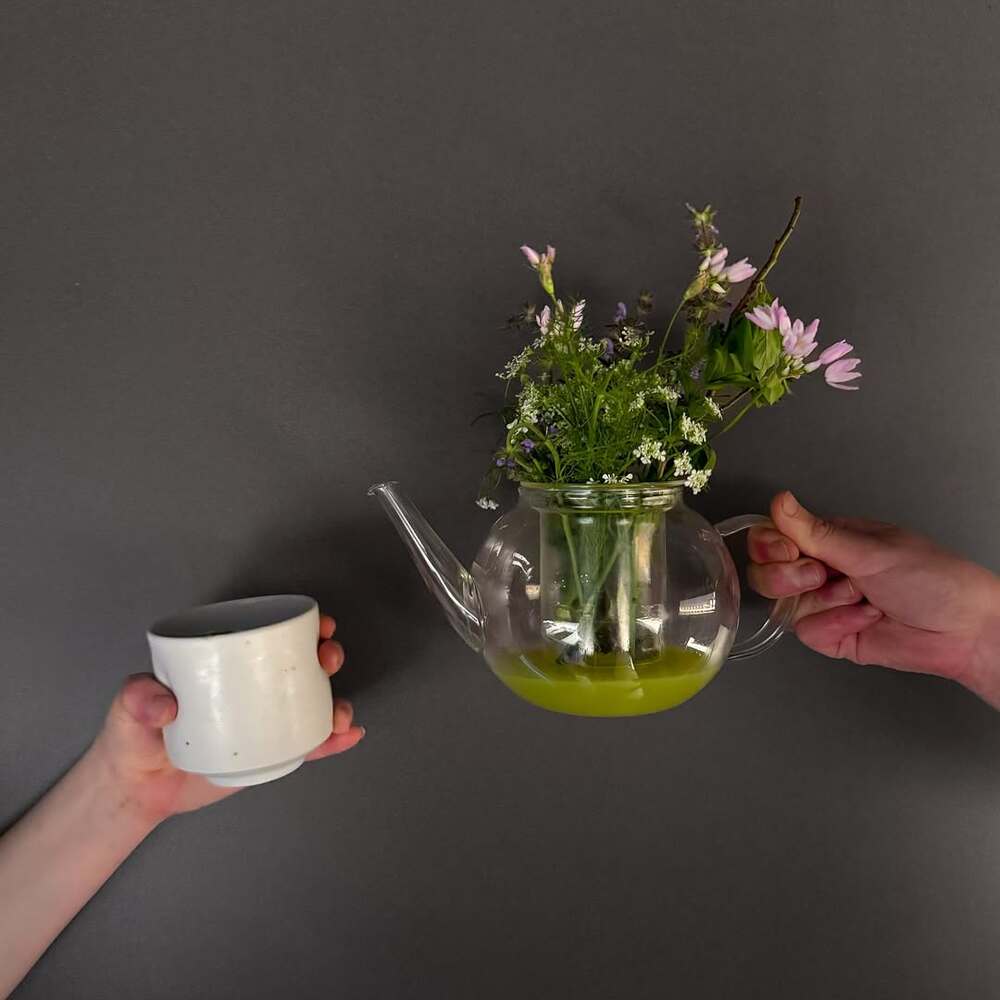
Add chive blossoms to salads or sprinkle orchid cream nasturtium for visual appeal. Mix herbs and petals into savory dishes like fusilli alfredo or roast them gently alongside proteins such as pork loin. Infuse teas and beverages with rose water, jasmine flowers, or hibiscus tea for delicate flavors that elevate drinks naturally.
Baking and Dessert Applications
Incorporate petals and blooms into sweets for both taste and presentation. Recipes like floral cookies, lavender cookies, shortbread dough, and vanilla shortbread can be enhanced with subtle floral notes. You can also create unique treats such as wild rose petal jam, sweet pea risotto, or flower-infused popsicles for a playful twist on traditional desserts.
Flavoring, Garnishing, and Preservation
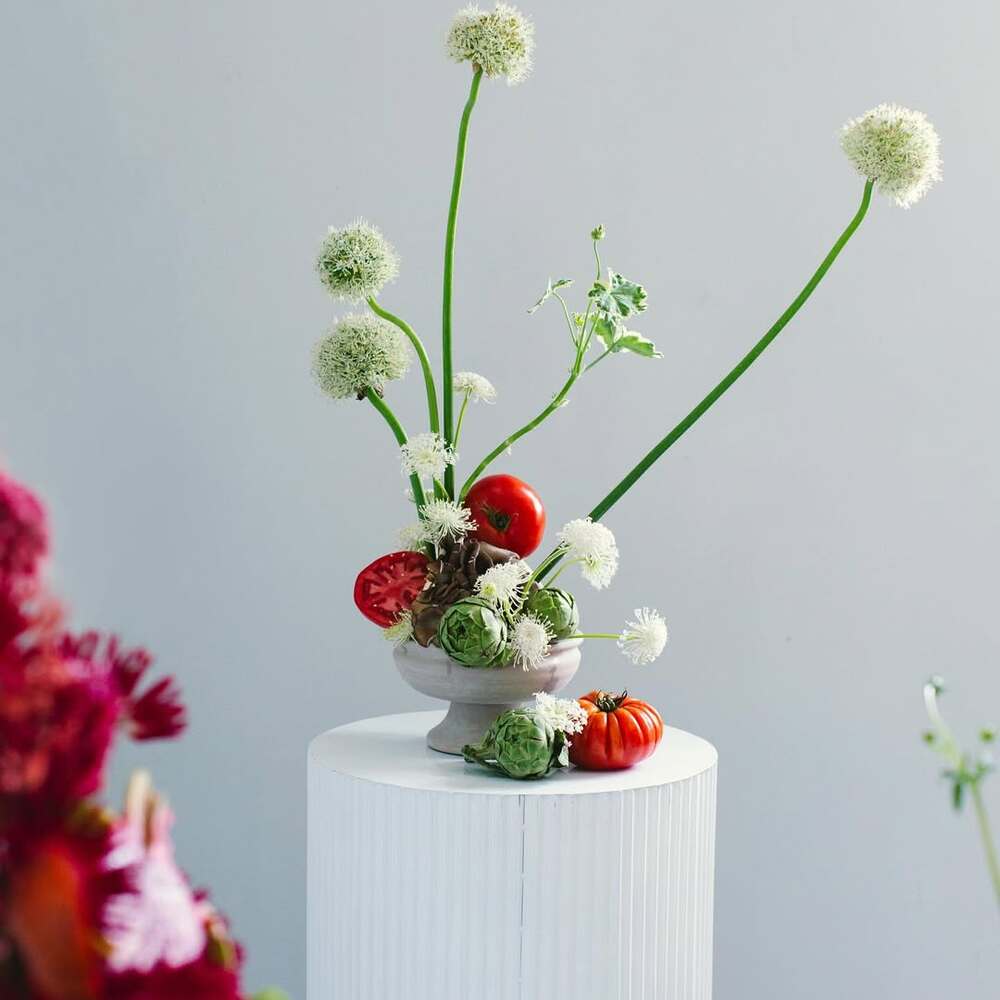
Lightly sauté or blend flowers into sauces and dressings to maintain their taste. Preserve freshness with freezing techniques using ice cube trays or create syrups with citrus blossom or chive blossom vinegar. Thoughtful garnishing with mass-cultivated blooms or delicate petals ensures dishes are visually appealing and highlights the natural colors and textures of each ingredient.
Using these techniques allows you to explore the full potential of edible flowers and seasonal plants in your cooking.
Health Benefits and Creative Presentation
Edible flowers and seasonal plants contribute more than color and aroma; they provide a natural source of essential nutrients. Many contain antioxidants, vitamins, and phytonutrients that support overall wellness and help maintain a balanced diet. Incorporating these ingredients is especially beneficial for those following a plant-based diet, as they add variety, nutrients, and subtle flavors without relying on animal products.
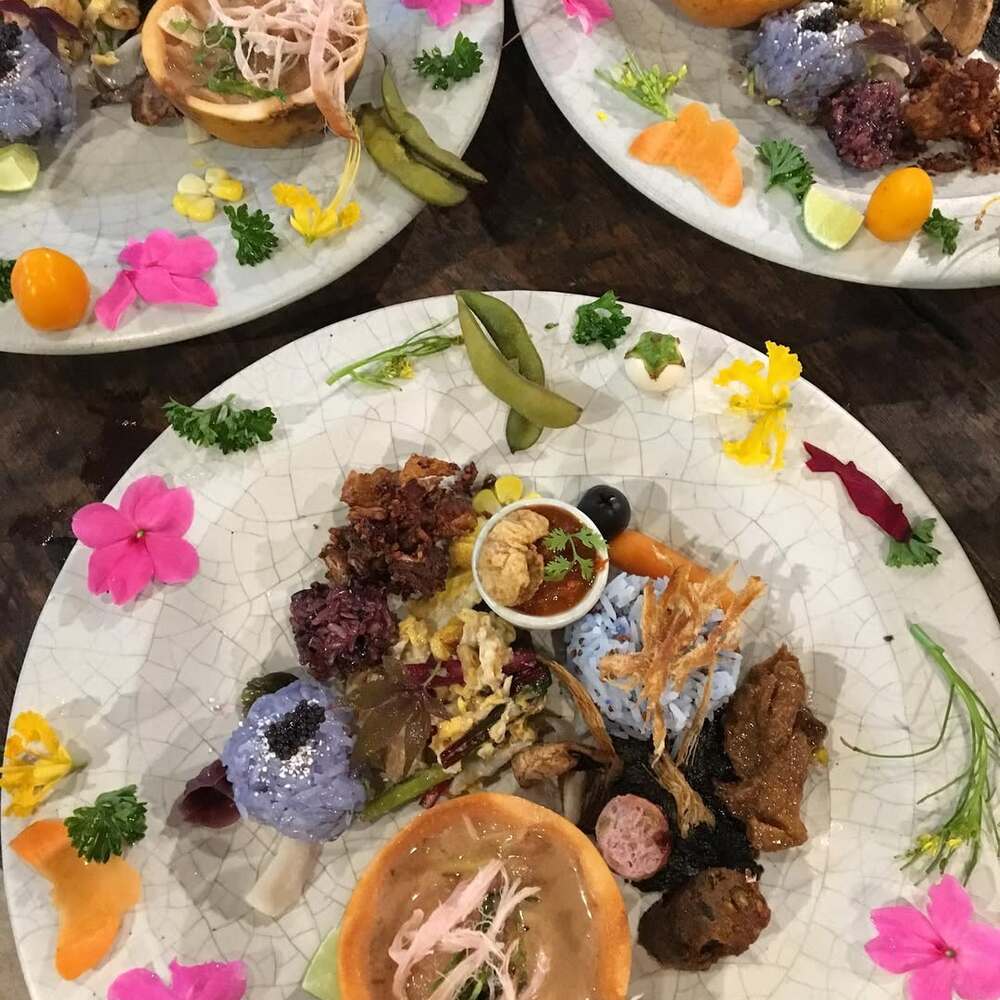
In addition to their nutritional value, these ingredients encourage creativity in plating and presentation. Using a combination of colors, shapes, and textures can make even simple dishes feel more refined and engaging. Thoughtful arrangement draws attention to the natural beauty of each flower or leaf, enhancing both visual appeal and dining satisfaction.
Furthermore, incorporating these elements can elevate the dining experience for guests or family members. Small details, such as a few petals on a salad or microgreens atop a main course, create a sense of care and intentionality in cooking.
Bringing Nature to the Plate
Cooking with edible flowers and seasonal plants is a simple way to bring freshness and creativity into your kitchen. By selecting the right ingredients, experimenting with techniques, and paying attention to presentation, you can elevate both flavor and nutrition. Whether used as a garnish or a key component, these natural elements turn everyday meals into memorable experiences.
Header Image by @flauer_alassio