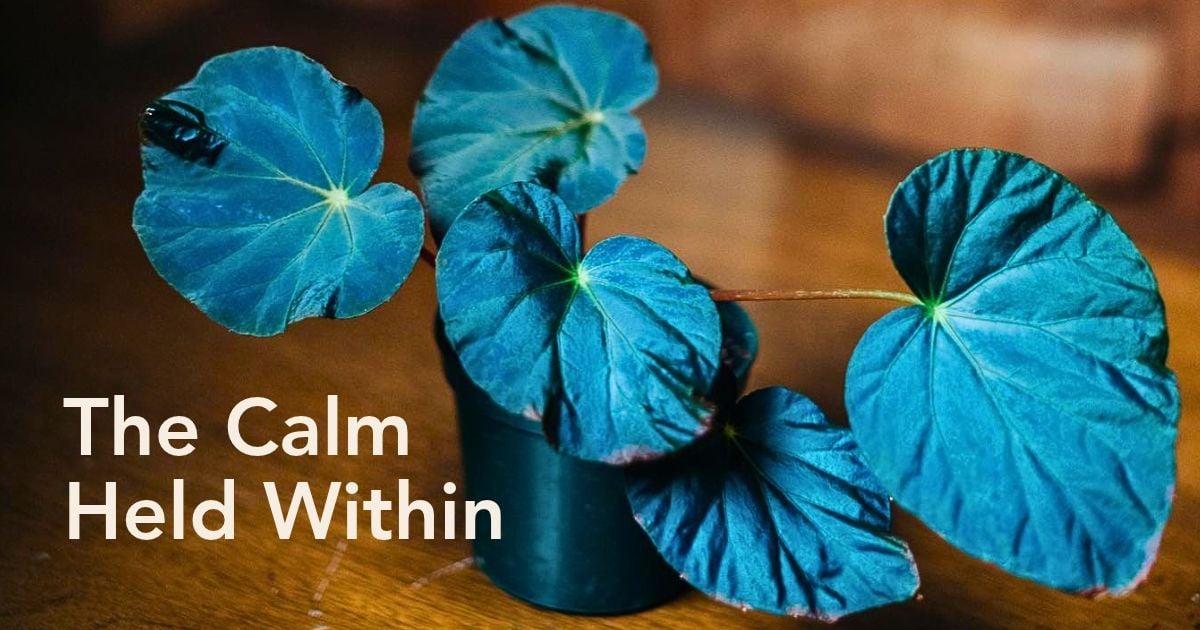
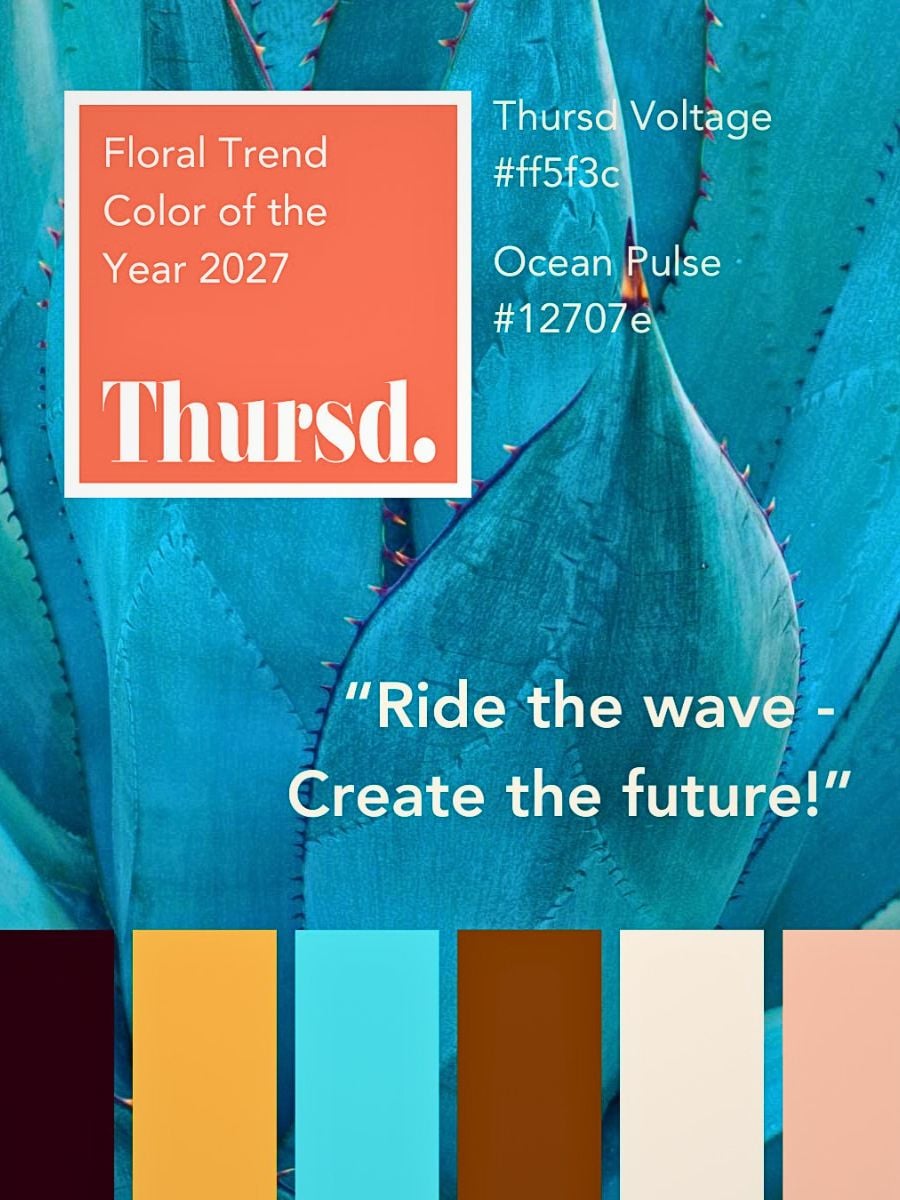
Ocean Pulse, #12707E, is the color of nature in the Thursd Floral Trend Color 2027. It is a deep teal that sits between blue and green, between depth and growth, between stillness and movement. Where Thursd Voltage is the spark rising within, Ocean Pulse is the calm held within. And nowhere does that calm feel more alive than in foliage.
Leaves are often viewed as the background of a design. But Ocean Pulse asks us to look again. Some plants carry this color in a way that feels almost unreal. They have a shimmer that shifts when you move, a cool layer of silver on green, a tone that brings to mind teal-colored water seen from below. These are the plants that make the 2027 forecast tangible.
Leaves That Shimmer: Iridescent Foliage
A small group of plants has developed something remarkable. They have leaves that appear blue or teal because of how they reflect light, not only because of pigment. At the right angle, they glow. Move a little, and the color changes. It is the closest thing nature has to a living interpretation of Ocean Pulse.
Peacock Begonia (Begonia Pavonina)
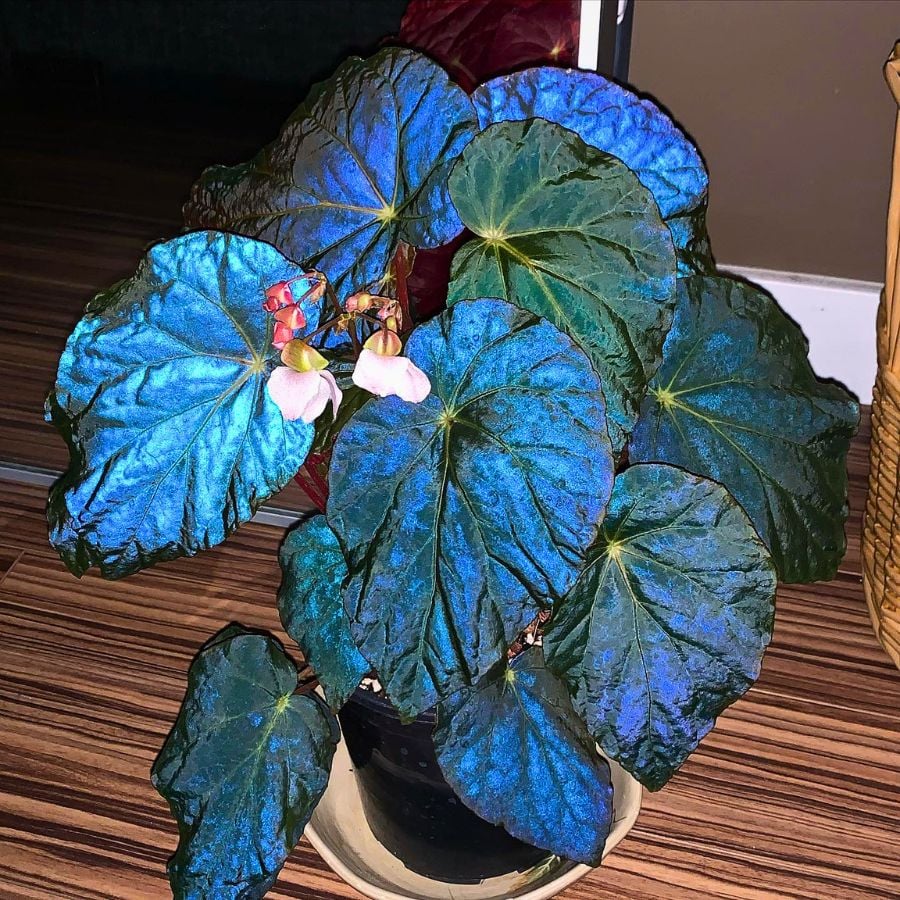
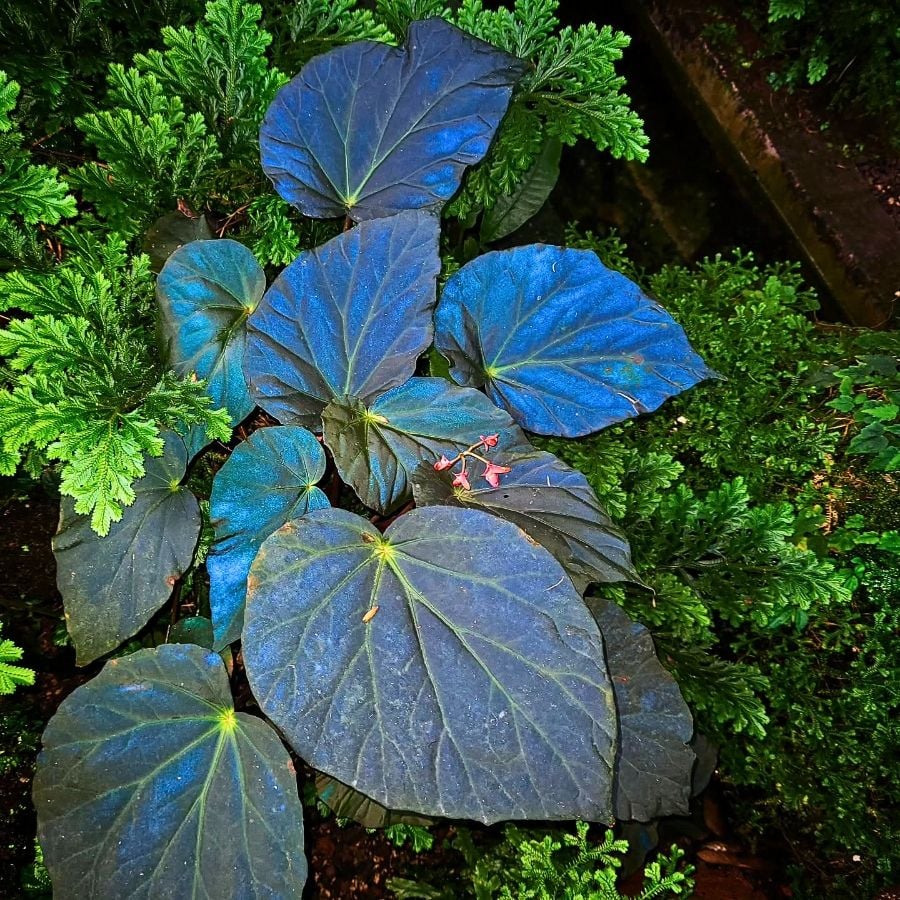
Native to the rainforest floor of Malaysia, this Begonia shows a metallic blue gleam across its dark leaves. Researchers have found that its iridescence helps the plant make the most of the little light that reaches it. A plant that turns scarcity into beauty: that feels very much like the mood of our time.
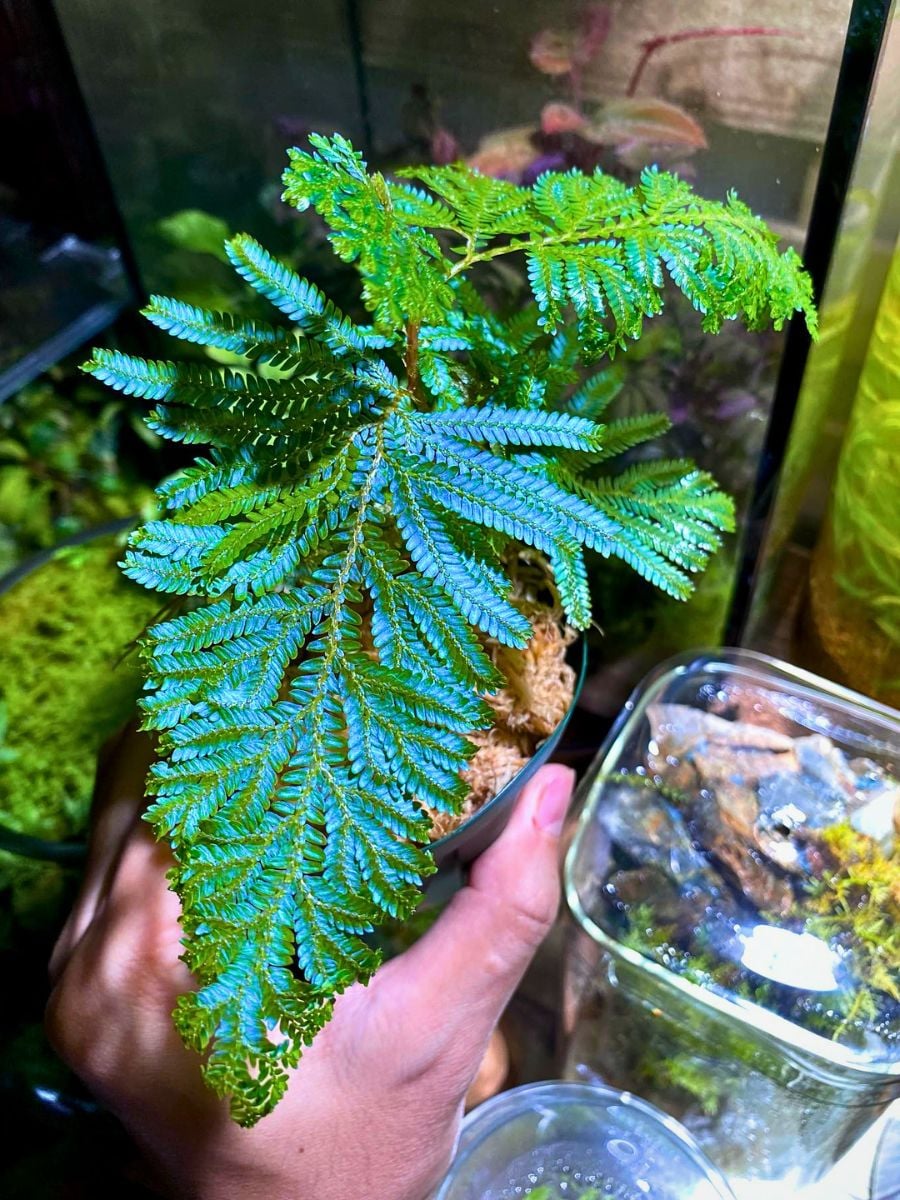
Peacock Spikemoss (Selaginella Willdenowii)
This ancient plant has fine, lacy fronds with an electric blue sheen. In low, filtered light, the color deepens into teal, which is why it thrives in terrariums and shaded corners, where it brings an almost mystical depth to the interior.
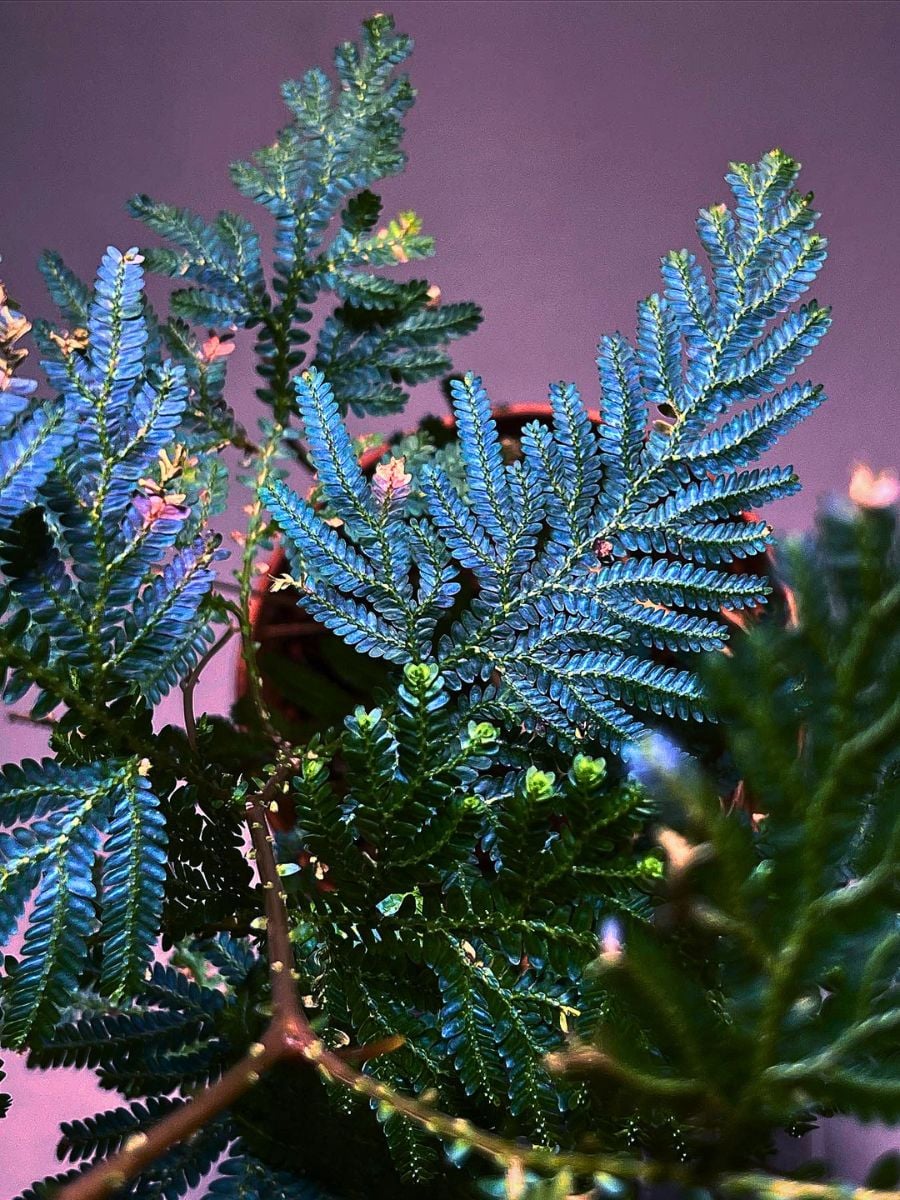
This plant's most distinctive feature is the metallic blue or turquoise iridescence, caused by thin-film interference in the upper leaf cuticle, which helps protect it from strong sunlight in shaded forest environments where it is native.
Cobra Fern (Microsorum Thailandicum)
This is an epiphytic and lithophytic fern native to the shaded limestone jungles and understory of Southeast Asia (such as Thailand, Vietnam, and southern China) that requires high humidity and steady moisture.
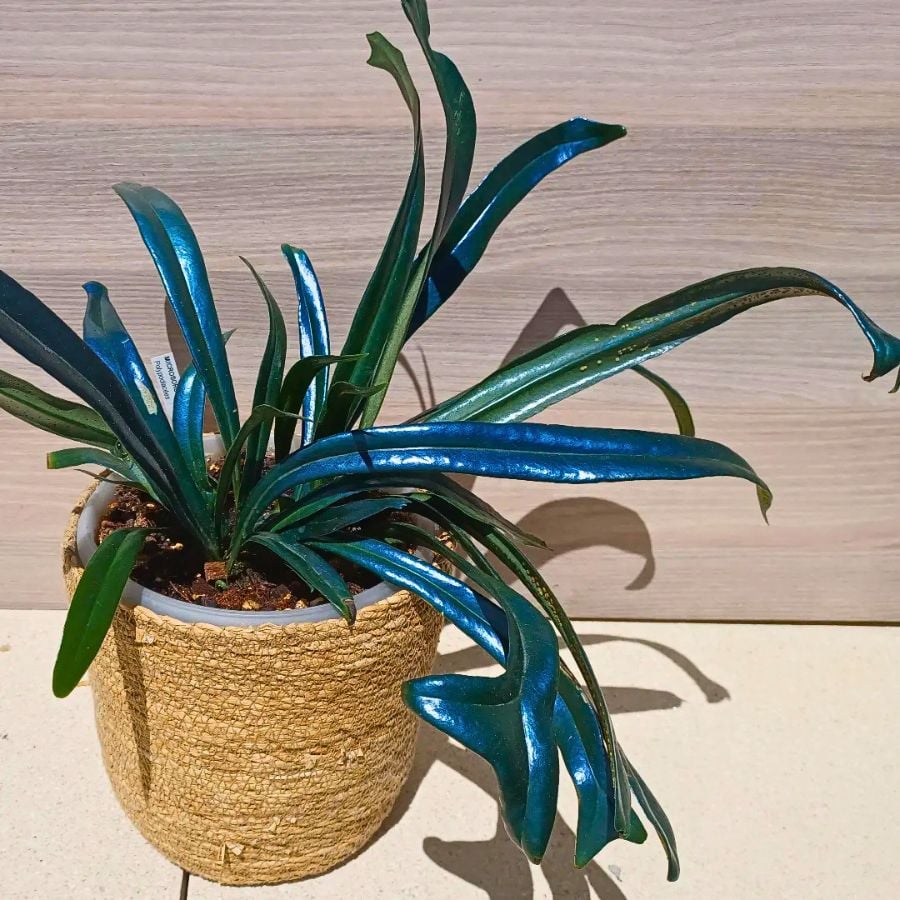
Also called blue oil fern, cobalt fern, and scarab fern, this plant is famous for its striking, iridescent cobalt-blue or metallic-green sheen on its fronds. Its long, glossy fronds catch the light with a blue-green shimmer. Slow-growing and sculptural, it works beautifully as a single statement plant in a minimal setting.
Cool and Calm: Blue-Green Foliage for Interiors
Not every plant needs to shimmer to carry Ocean Pulse. Some hold the color in a softer, more muted way, through a silvery coating or a cool undertone.

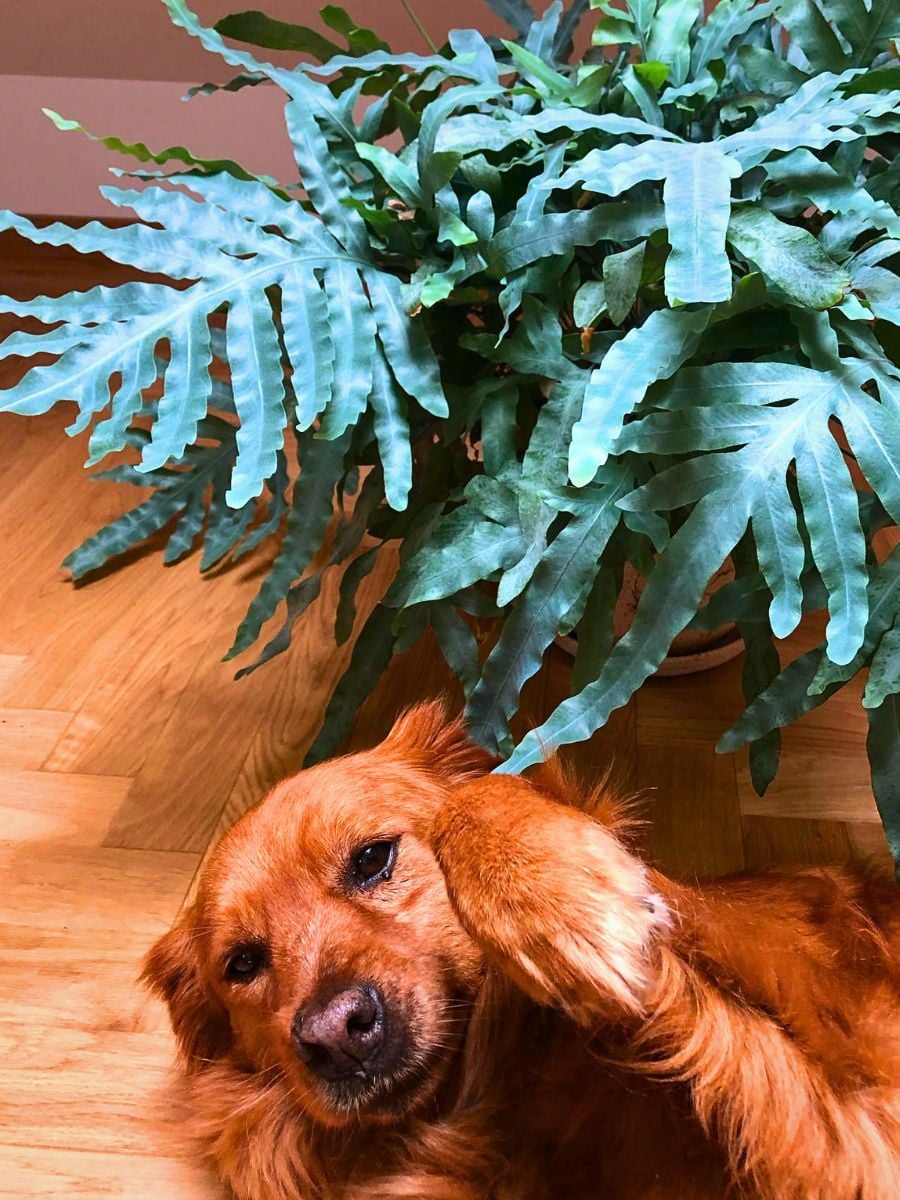
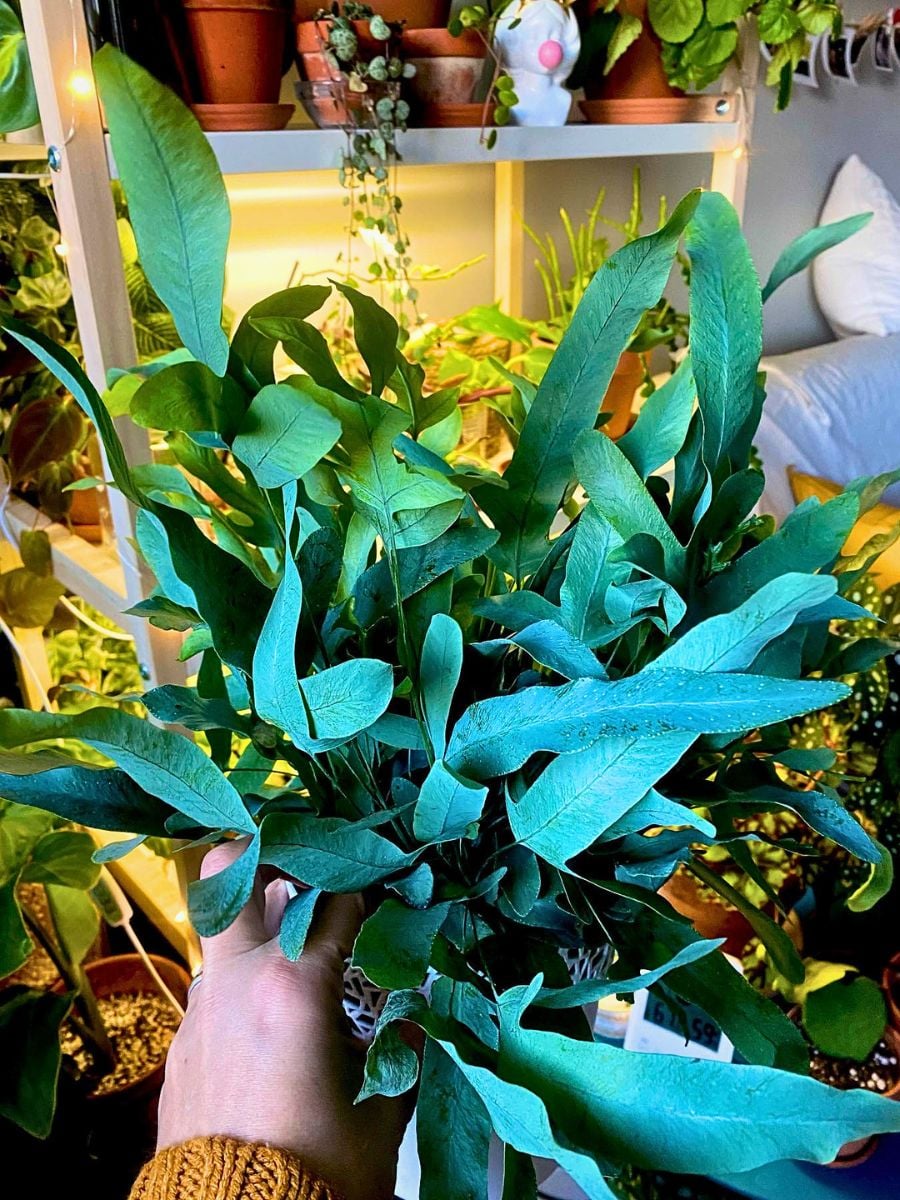
Blue Star Fern (Phlebodium Aureum Blue Star)
Native to tropical and subtropical regions of the Americas, including Florida, Mexico, Central and South America, and the Caribbean, this fern naturally grows as an epiphyte on tree branches, rocks, and decaying logs, absorbing moisture and nutrients from the air and organic debris rather than soil. It features silvery blue-green, pinnate fronds with wavy, lobed margins that can reach up to 40 cm long indoors, and up to 60–90 cm in ideal conditions.
The fronds emerge from creeping, fuzzy, golden-brown rhizomes, which are rhizomatous and can spread along the surface of its growing medium, giving the plant a lush, textured appearance. The wavy fronds in a dusty blue-green make this fern one of the most forgiving ways to bring the color indoors. It tolerates lower light and adds movement to shelves and windowsills.
Echeveria and Other Blue Succulents
Varieties with a powdery blue-green finish bring a cool, structured quality to a design. Their rosette shape adds a quiet geometry, especially when grouped in a shallow bowl.
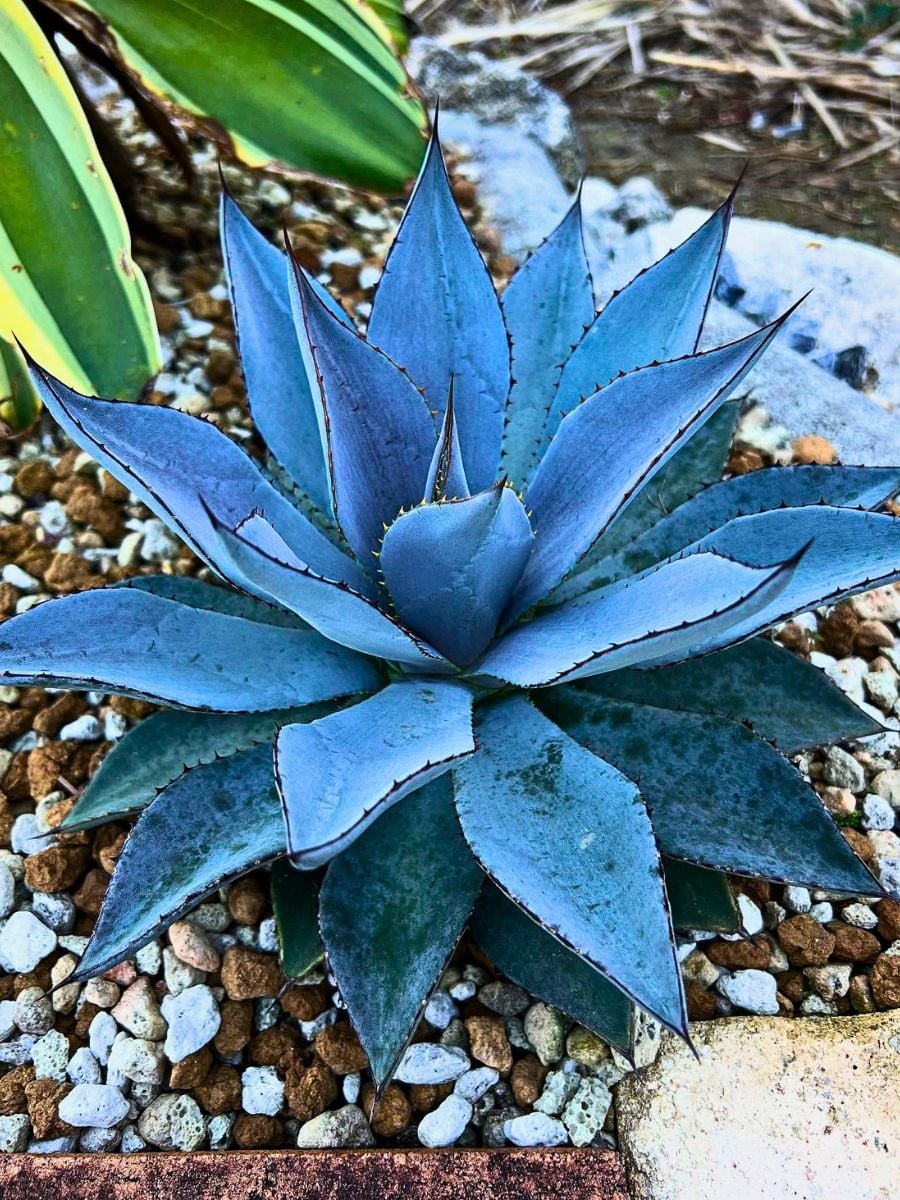
Agave (Agave Americana, Agave Parryi)
Thick, sword-shaped leaves covered in a powdery blue-grey bloom, a natural wax that protects the plant from strong sun and drought. Some varieties, such as Agave 'Blue Glow', add a fine red and golden edge that lights up when the sun shines through. Bold and architectural, agave brings a sculptural calm to an interior, and single leaves make a dramatic statement in large floral installations. Handle with care: the sap can irritate the skin.
Shaped by the Sea: Coastal Plants
It feels right that a color named Ocean Pulse finds some of its truest expressions along the coast. Plants that grow near the sea often develop a glaucous, blue-grey layer that protects them from salt, wind and sun. Their color is a form of resilience.
Sea Kale (Crambe Maritima)
A perennial, salt‑tolerant Brassicaceae plant native to European coastlines, this plant grows 30–90 cm tall and is valued both as an ornamental and an edible vegetable with blanched shoots traditionally eaten like asparagus.
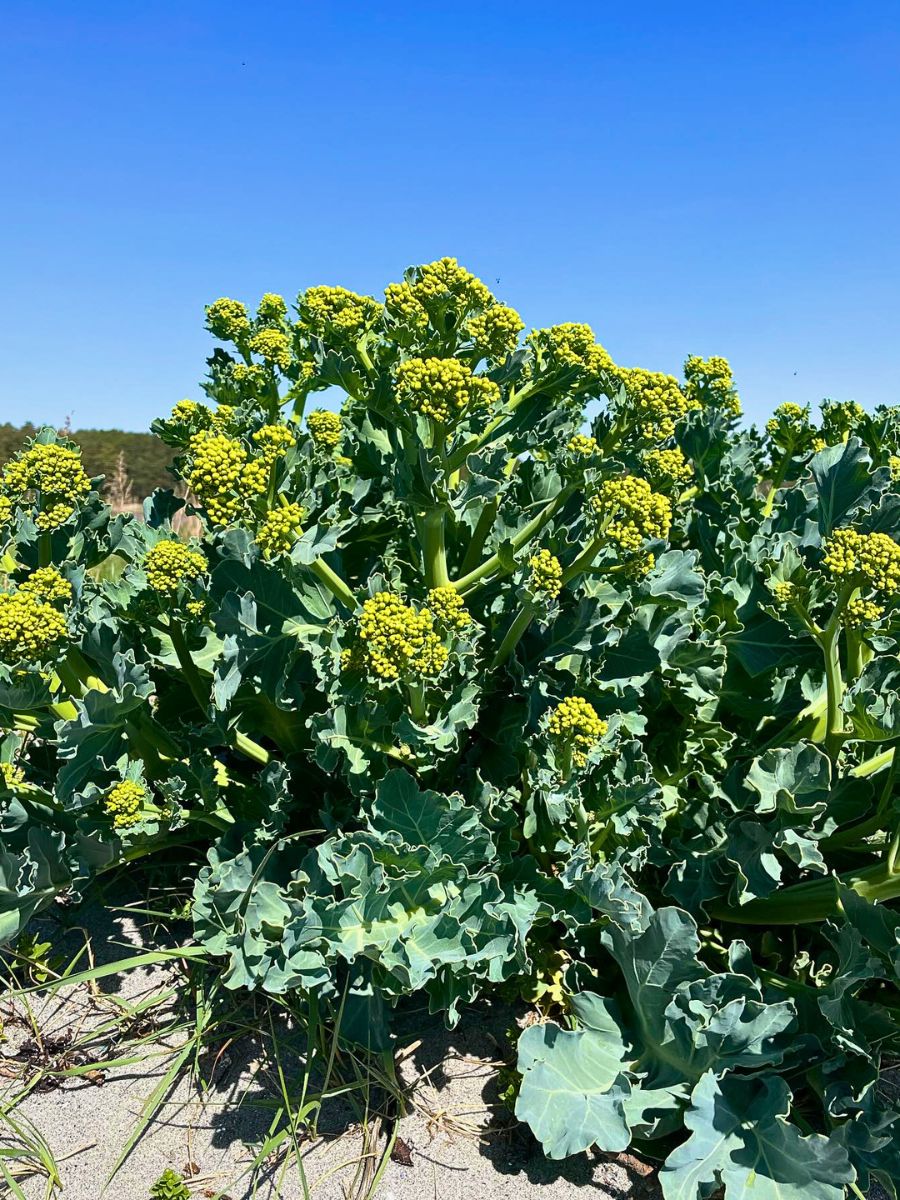
It features broad, crinkled leaves in a deep blue-green and grows straight from shingle beaches, producing small, white, fragrant flower clusters in late spring to midsummer. In a garden or a large installation, these plants bring a sculptural, almost architectural presence.
Oyster Plant (Mertensia Maritima)
Also known as oyster leaf or sea bluebells, this is a low-growing coastal perennial herb belonging to the borage family (Boraginaceae). It is famous for its thick, silvery-blue-green leaves that taste and smell remarkably like fresh oysters.
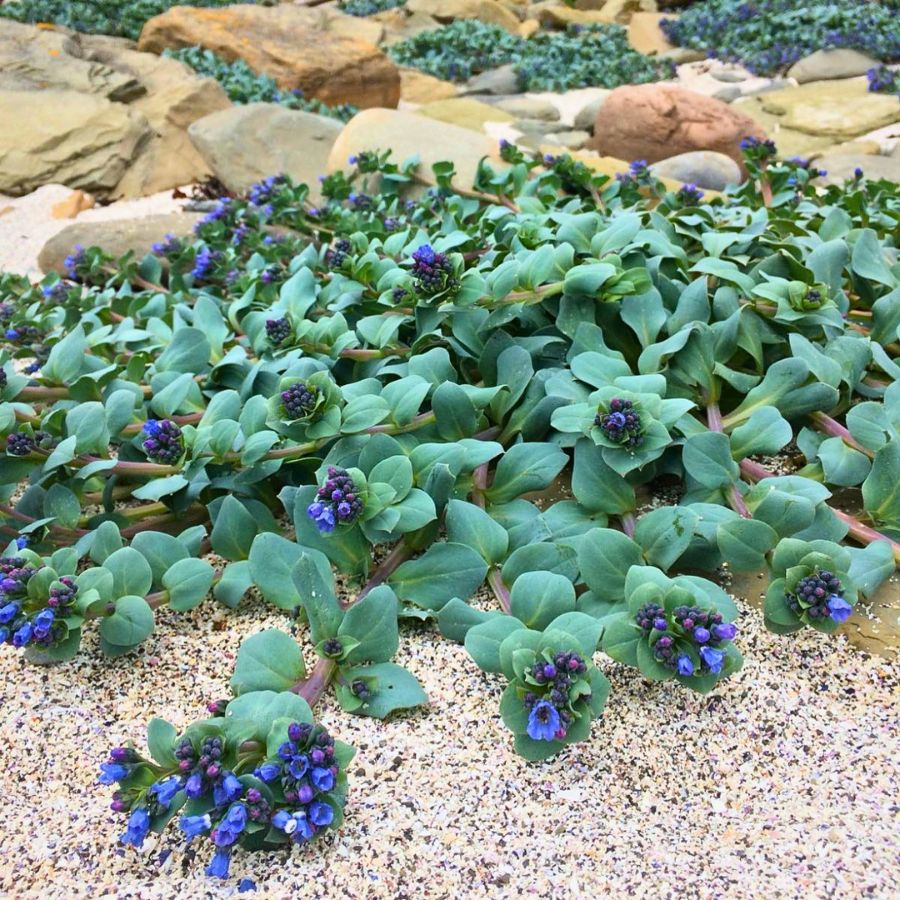
The oyster plant is best grown in coastal gardens, cottage gardens, rock gardens, or containers. And in a small way, this plant is a small, poetic reminder of how closely color and place are connected.
Sea Holly (Eryngium Maritimum)
Sea holly is a striking addition to gardens, especially coastal and rock gardens, due to its unique texture, color, and ability to thrive in poor, sandy soils. It is also known for its architectural form and blue flowers, making it a standout in the garden.
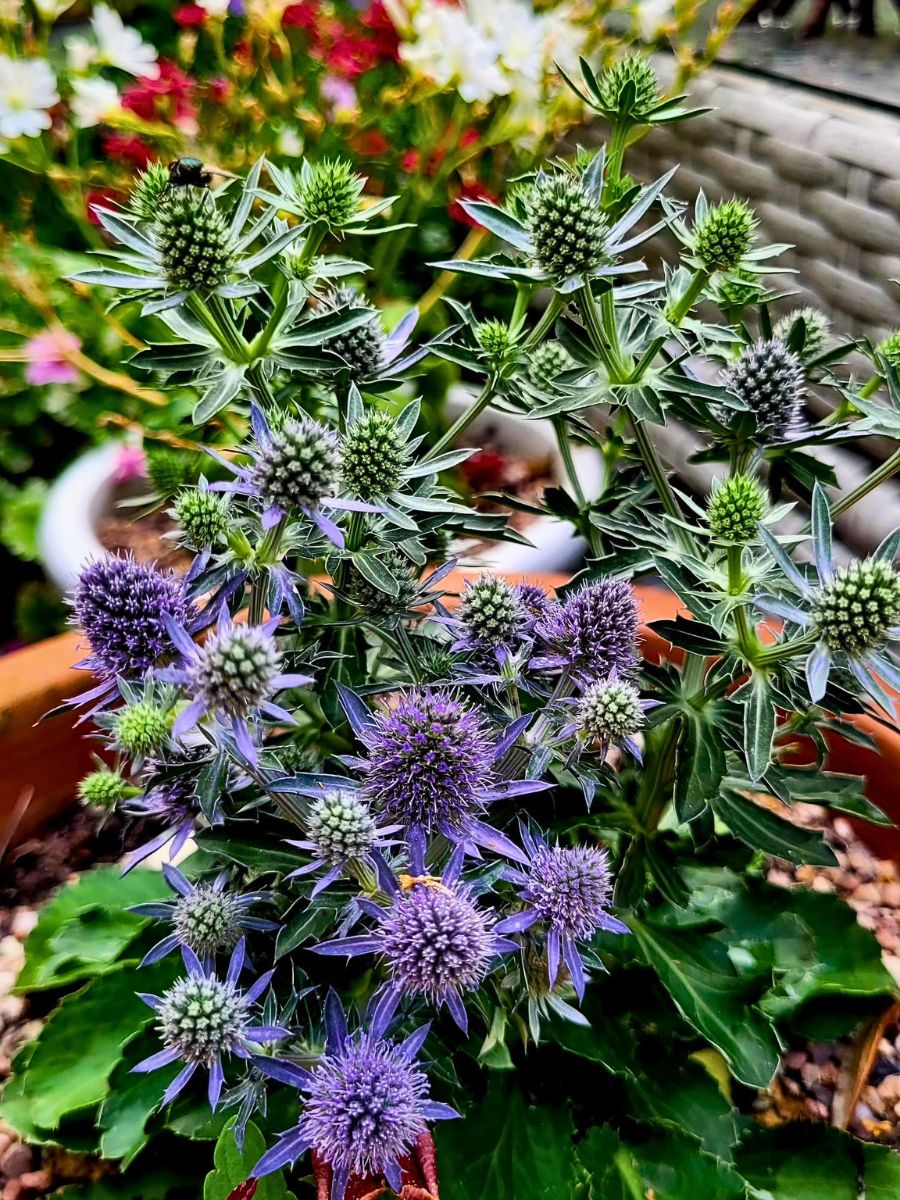
In addition to being a garden favorite, with its spiky, steel-blue structure, sea holly is a favorite among floral designers. Its cultivated relatives are widely available as cut flower material and also keep their color beautifully when dried.
Designing With Ocean Pulse Foliage
For florists and floral designers, Ocean Pulse opens a new way of working with green. Instead of using foliage as filler, let it lead. Some cut materials that bring the color into arrangements:
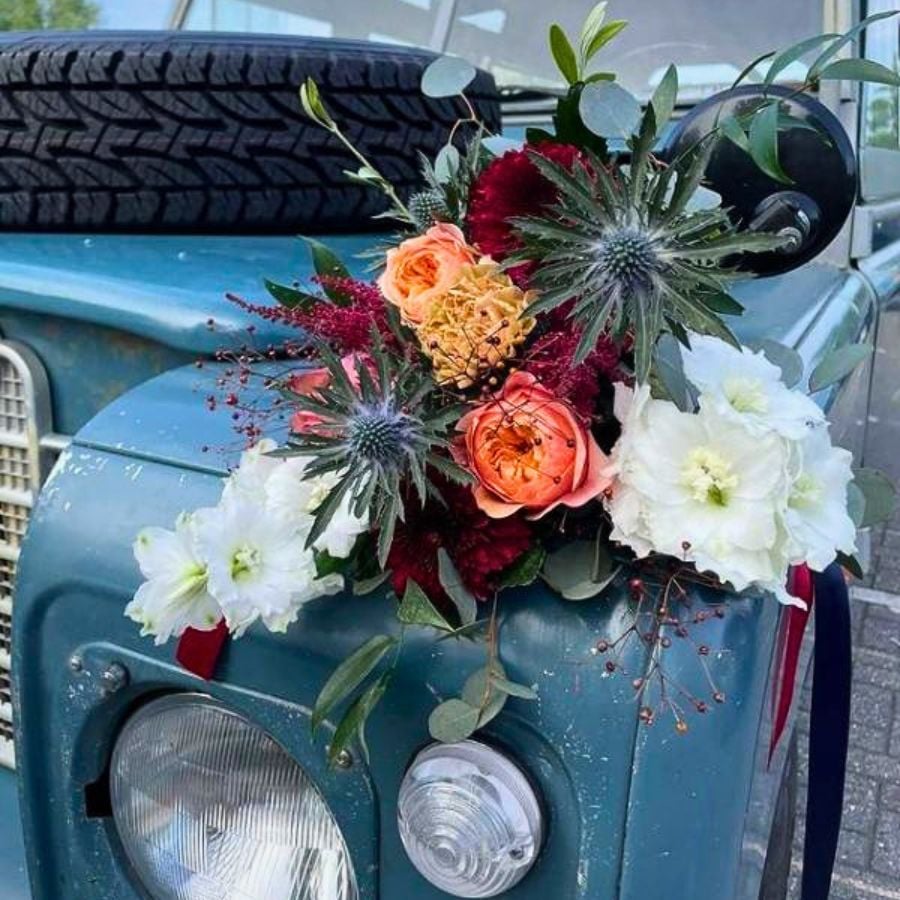
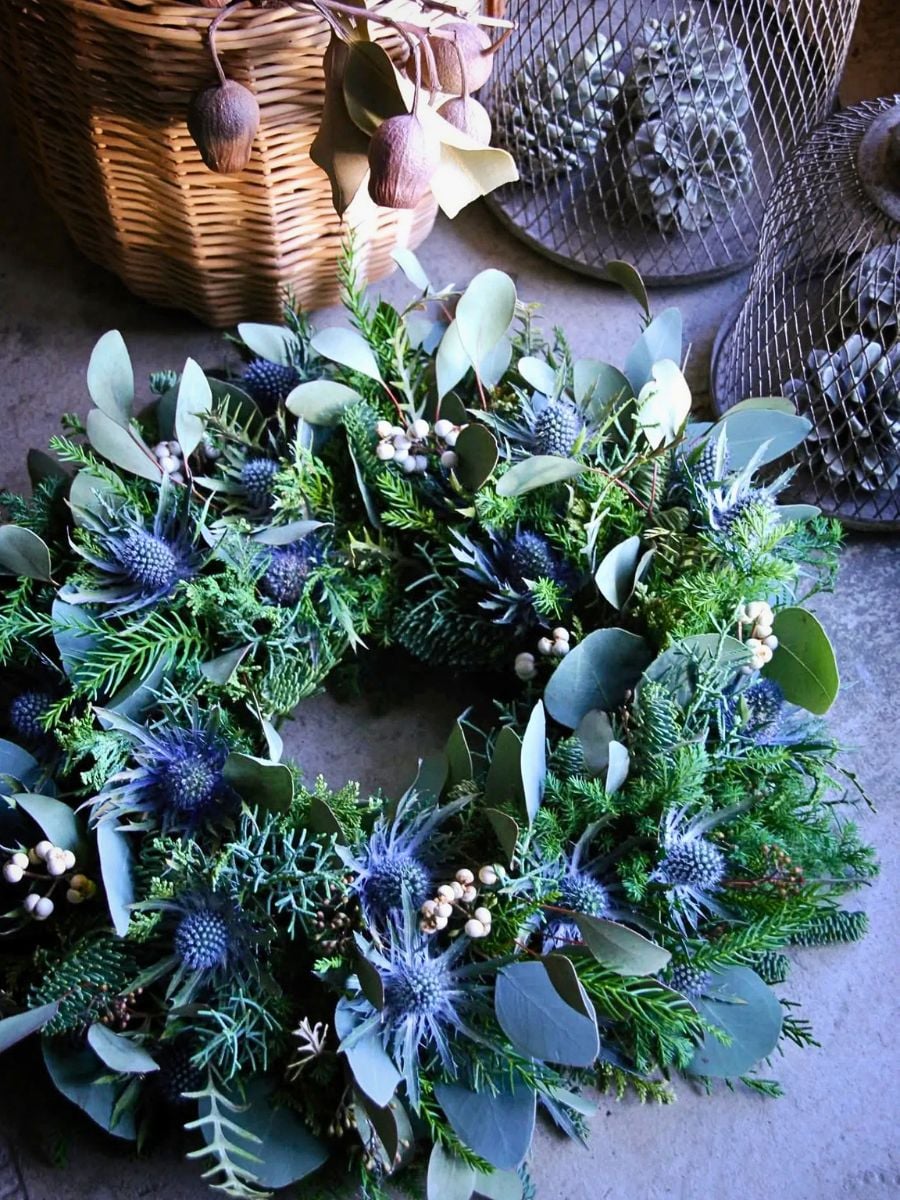
Eucalyptus, especially silver dollar and cinerea, for a cool, silvery base. Eryngium for structure and a touch of steel blue. Use blue spruce and juniper for texture and deeper tones in autumn and winter designs. Ornamental kale for a lush, layered heart in a bouquet. Agave leaves for a bold, graphic accent in large-scale work.
The real energy appears when Ocean Pulse meets its counterpart. Pair these cool, deep leaves with flowers in Thursd Voltage (#FF5F3C), and the contrast becomes a conversation: calm and spark, depth and light, held together in one design. Think coral-orange roses or ranunculus resting against eucalyptus and sea holly. One color grounds, the other lifts.
A Color That Invites You to Slow Down
Ocean Pulse is not a loud color. It does not ask for attention. It invites you to look closer, to notice the shimmer on a leaf, the silver on a stem, the quiet strength of a plant that grows where others cannot. In a world that moves fast, these plants remind us that depth takes time, and that calm can be its own kind of energy.

Bring Ocean Pulse into your space, your designs, and your stories. Start with a single leaf, and let it lead the way.
Featured image: @lowiplants. Header image: @deannster.