So, you read that tongue-in-cheek guide about greenwashing your floral business. Perhaps had a good laugh about it, and maybe even recognized a few tactics you've seen (or maybe used before). The satire landed right there because it is uncomfortably familiar.
But while the guide was cheeky, the problem it highlights is quite serious. So this is why greenwashing is not just ethically questionable, but rather it is becoming legally risky, does not make much sense economically, and could be environmentally catastrophic.
What Greenwashing Really Is
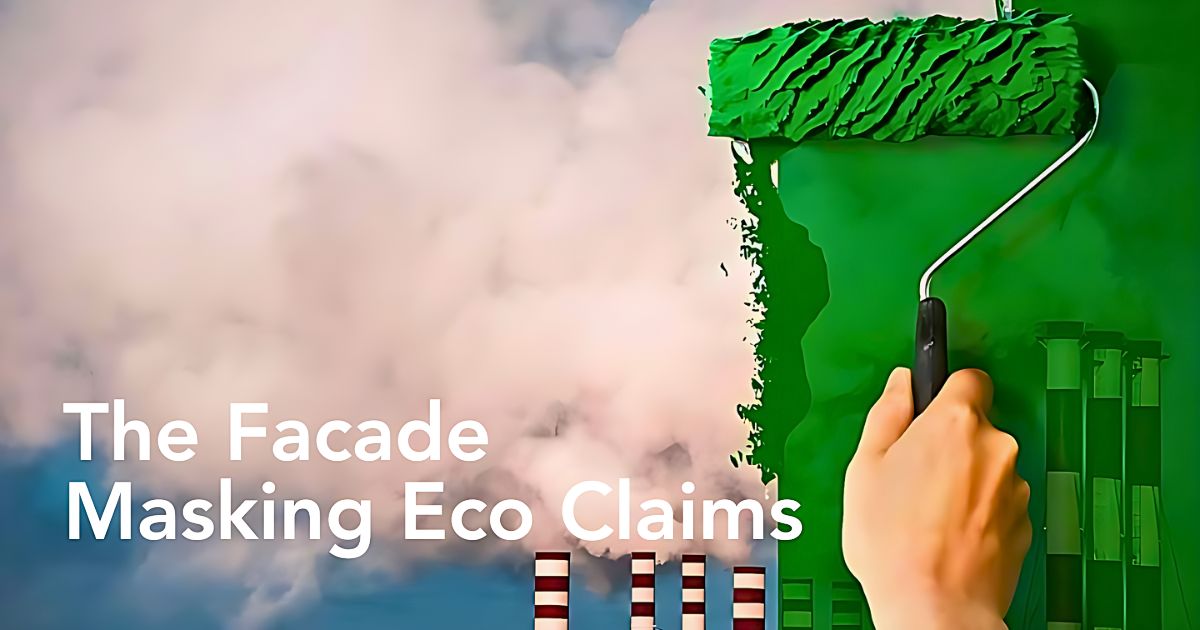
Greenwashing is when you spend more resources making yourself look green than actually being green. It is the practice of creating a false impression of environmental responsibility while continuing business as usual behind the scenes. Think of it as combining 'green' with 'whitewash': covering up the mess instead of cleaning it up.
A car manufacturer bragging about fuel efficiency while ignoring their factory's massive carbon footprint. The fashion brand with one organic cotton line and fifty collections of fast fashion. A hotel asking you to reuse towels while doing absolutely nothing else for the environment. All that is classic greenwashing, and actually, the latter is where the term came from back in 1986.
Why Businesses Keep Falling Into This Trap
Consumer behavior has shifted. People want to buy from businesses that share their values, especially when it comes to the environment. This creates opportunity, but also a bigger temptation to fake it rather than make it.
Why redesign your entire supply chain when you can rebrand your packaging with earth tones and vague claims like ‘eco-conscious’ or ‘natural’? The marketing investment seems minimal compared to a genuine sustainability overhaul.
The result is market confusion. Consumers face an overwhelming barrage of environmental claims with no clear way to distinguish between real commitments and marketing gimmicks. Terms like ‘earth-friendly,’ ‘green,’ ‘planet-positive,’ and ‘eco-conscious’ appear practically everywhere, yet these words often have no legal definition or verification requirement behind them. Sound familiar? It should. That satirical guide nailed it.
Regulators Are Now Fed Up With the Charade
But regulators have lost patience with the deception. The European Union introduced Directive 2024/825 (the Green Claims Directive) in March 2024, which must be implemented by March 27, 2026. This directive changes the rules for environmental marketing across Europe.
You can, for instance, no longer make generic claims like ‘eco-friendly’ or ‘green’ unless you can show and validate recognized excellent environmental performance relevant to that specific claim. Those magic terms from the satirical guide? Yes, they are becoming legally problematic.
The directive also prohibits vague environmental assertions about future performance unless they are supported by clear, objective, publicly available, and verifiable commitments with detailed implementation plans. So, that Net Zero by 2050 announcement, without showing exactly how one will get there, could soon be null.
In essence, the directive bans explicitly comparative claims without equivalent data, claims about environmental impact that only apply to one product aspect, and claims of ecological neutrality based solely on carbon offsetting and nothing more.

For businesses, this means your marketing department can no longer operate independently from your sustainability team. Everything in sustainability needs grounding in reality, and visuals like leafy logos, green color palettes, and others need substance and grounding now.
What ‘The Right Way to Do' Things Look Like
The paradox of greenwashing ‘the right way’ is hardly even a paradox. There is no right way to greenwash because greenwashing is deception by definition. The only proper way to claim environmental responsibility is to build it sustainably, measure it, and communicate it transparently.
What does that mean? First, conduct a genuine environmental assessment of your entire operation, not just the camera-friendly parts. Manufacturing, sourcing, transportation, waste management, and end-of-life disposal. Yes, all of it. Be ruthlessly honest about where you are causing harm. If you are a flower producer, include your sustainability metrics. If a florist, examine your supply chain. There are hardly any shortcuts.
Second, set realistic sustainability goals with clear timelines. Instead of claiming ‘Net Zero by 2050’ with no interim targets, commit to specific, science-based reductions with measurable milestones. Third, use recognized certification standards and third-party verification. MPS, Rainforest Alliance, Florverde Sustainable Flowers, KFC-FOSS, B Corp Certification, Fairtrade, they all exist specifically to verify that one does what they claim. They may cost more and require change, which is precisely why they are credible.
Fourth, be transparent about what you are not doing yet. Almost no business has achieved perfect sustainability. Admitting limitations builds more trust than pretending one is already there. If your company is 30% through an emissions-reduction plan, mention it and add what comes next. Finally, ensure your sustainability investments exceed your marketing budget. If you are spending more on green messaging than on actual environmental improvements, that is greenwashing.
Why Being Straightforward Makes Business Sense
The counterintuitive part is that true sustainability often makes better business sense than greenwashing in the long run. Reducing waste cuts costs. Improving energy efficiency reduces expenses. Sustainable sourcing builds supply chain resilience. And businesses that embed sustainability into operations gain competitive advantages, not just marketing angles.
Moreover, consumers and regulators are becoming more adept at spotting fake claims. Greenwashing is moving from ethically questionable to legally risky. And businesses making inaccurate environmental claims could even face regulatory penalties, legal liability, and damage to their brand reputation that no green marketing can recover from.
Essentially, businesses winning loyalty right now are not quite the ones with the prettiest sustainability reports, but rather the ones with the prettiest sustainability reports. Those showing consistent, demonstrable, quantifiable progress over time.
So, There Is No ‘Right Way’ to Greenwash
Greenwashing delays environmental action at a time when it cannot afford delays. It exploits consumer goodwill, undermines legitimate sustainability efforts, and contributes to the very cynicism that makes real progress harder.
Of course, that satirical guide was funny because it contained truths. However, the truth it revealed was profound. The regulatory environment is changing rapidly, and what passes for greenwashing today may violate regulations tomorrow. Businesses preparing now by embedding genuine sustainability into operations will thrive. Those betting on continued consumer confusion are gambling with their future.
There is no ‘right way' to greenwash. The only proper way is to do the hard work, be transparent about progress and limitations, invest in real change rather than clever marketing, and accept that while building real environmental responsibility costs more than faking it, it pays off in ways that matter more.
So yeah, keep an eye out for those leafy logos. And when you see them, ask questions; maybe even for data, and look for third-party certifications. Basically, the joke is over, and now comes the actual work.