Ask a grower what they sold last year, and you will get a number to the dollar. Ask what they threw away, and the conversation usually goes quiet. Stan Vander Waal, CEO of Rainbow Greenhouses in Chilliwack, British Columbia, is one of the few growers willing to put that second number on the table, including the part he does not know.
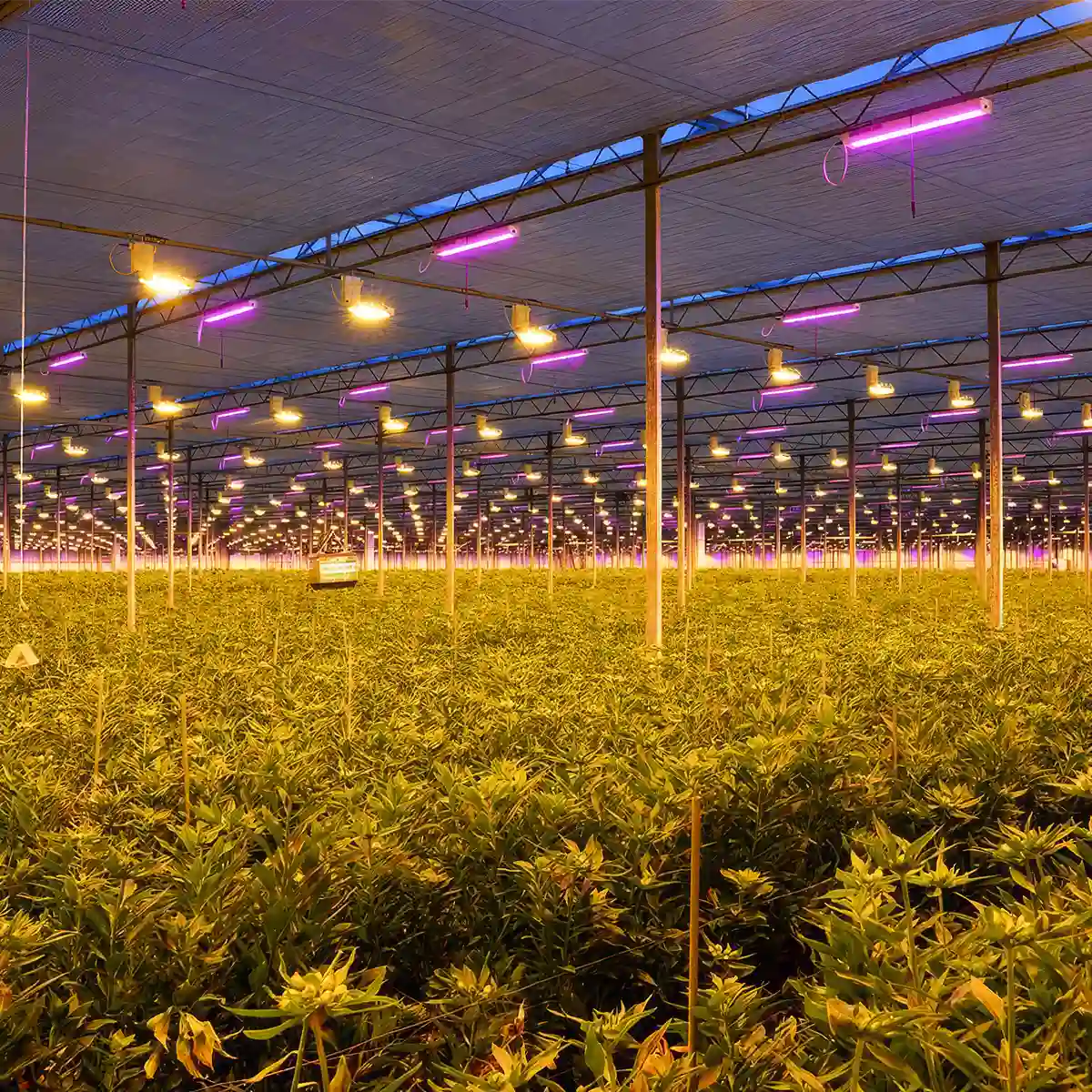
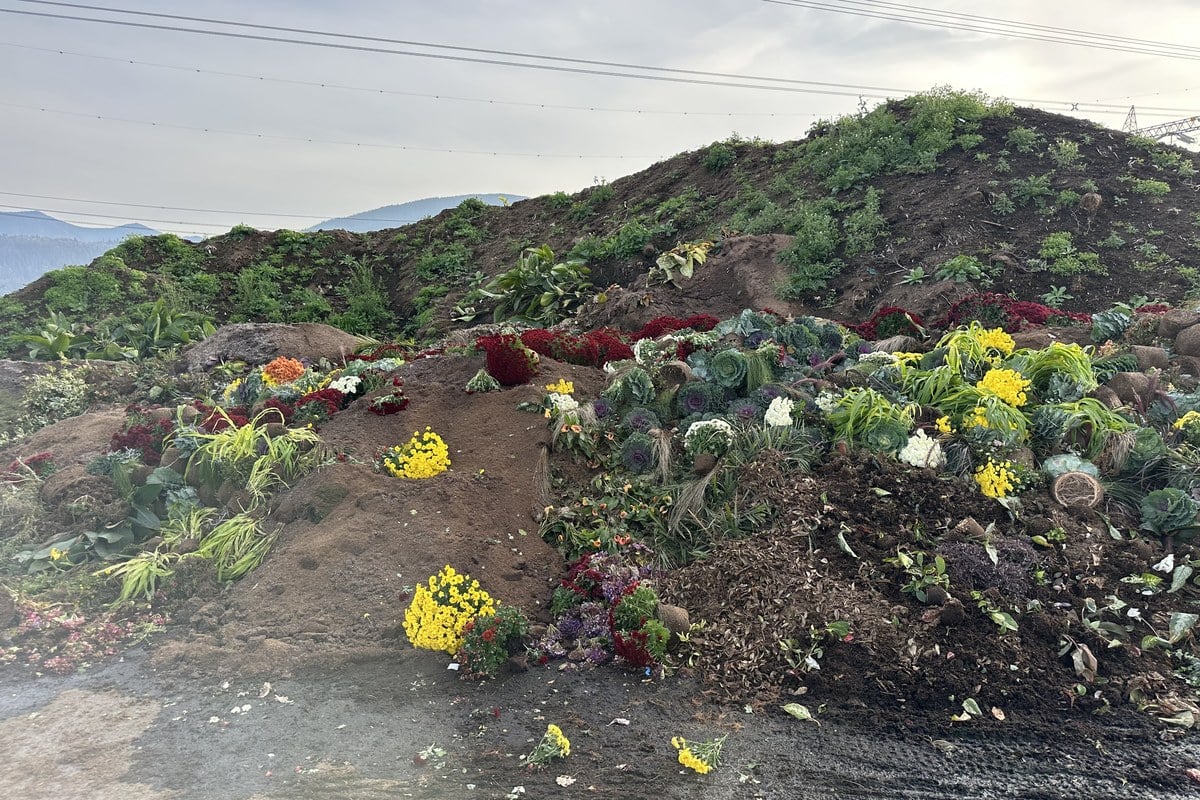
In a recent column for the American trade magazine GrowerTalks, Vander Waal wrote that for every 10 acres of greenhouse space at Rainbow, 1.5 to 2 acres of plants end up on the compost pile. They potted, watered, heated, and lit every one before dumping it. And he admits the counting behind those figures is far from complete.
"We think we're about 50 percent accurate in what we're capturing," he says.
From 3,000 Square Feet to Mass Retail
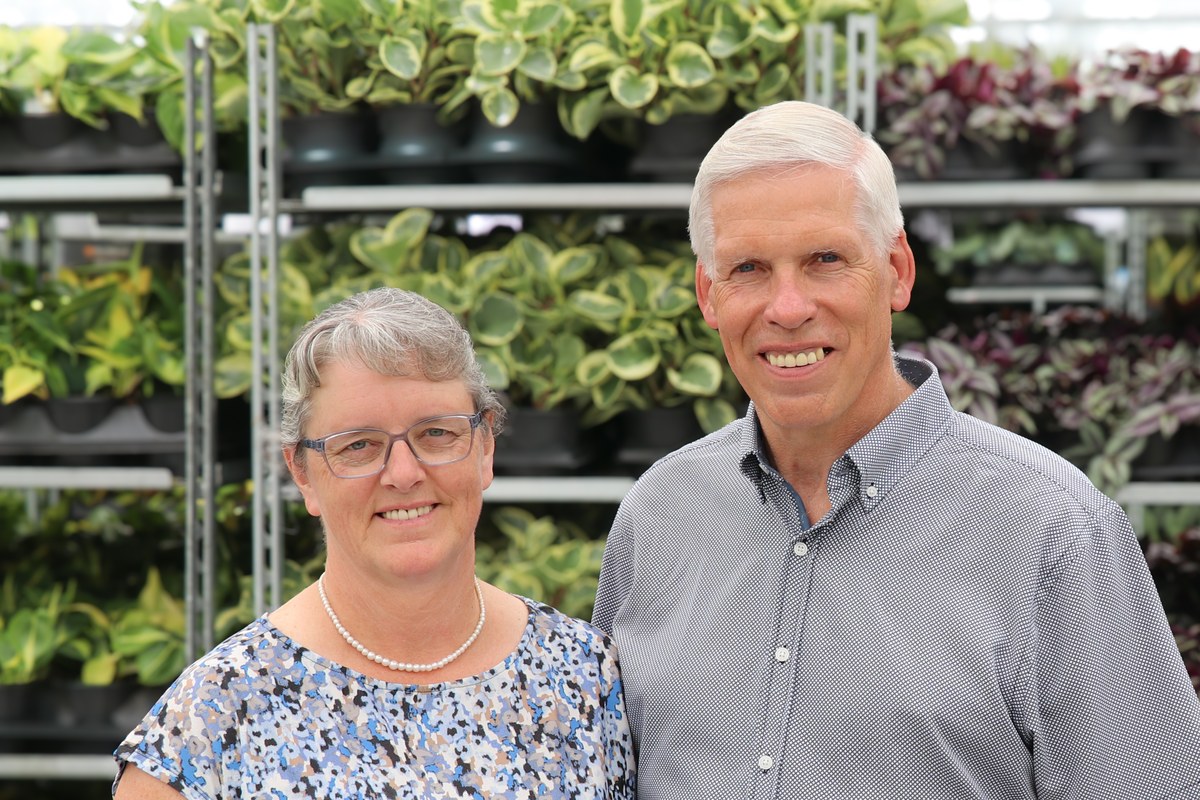
Vander Waal and his wife, Wilma, started Rainbow Greenhouses in 1985 with a 3,000-square-foot greenhouse. Today, the company grows on roughly 1.6 million square feet across several sites, employs more than 1,000 people at peak, and is adding four hectares in Alberta.
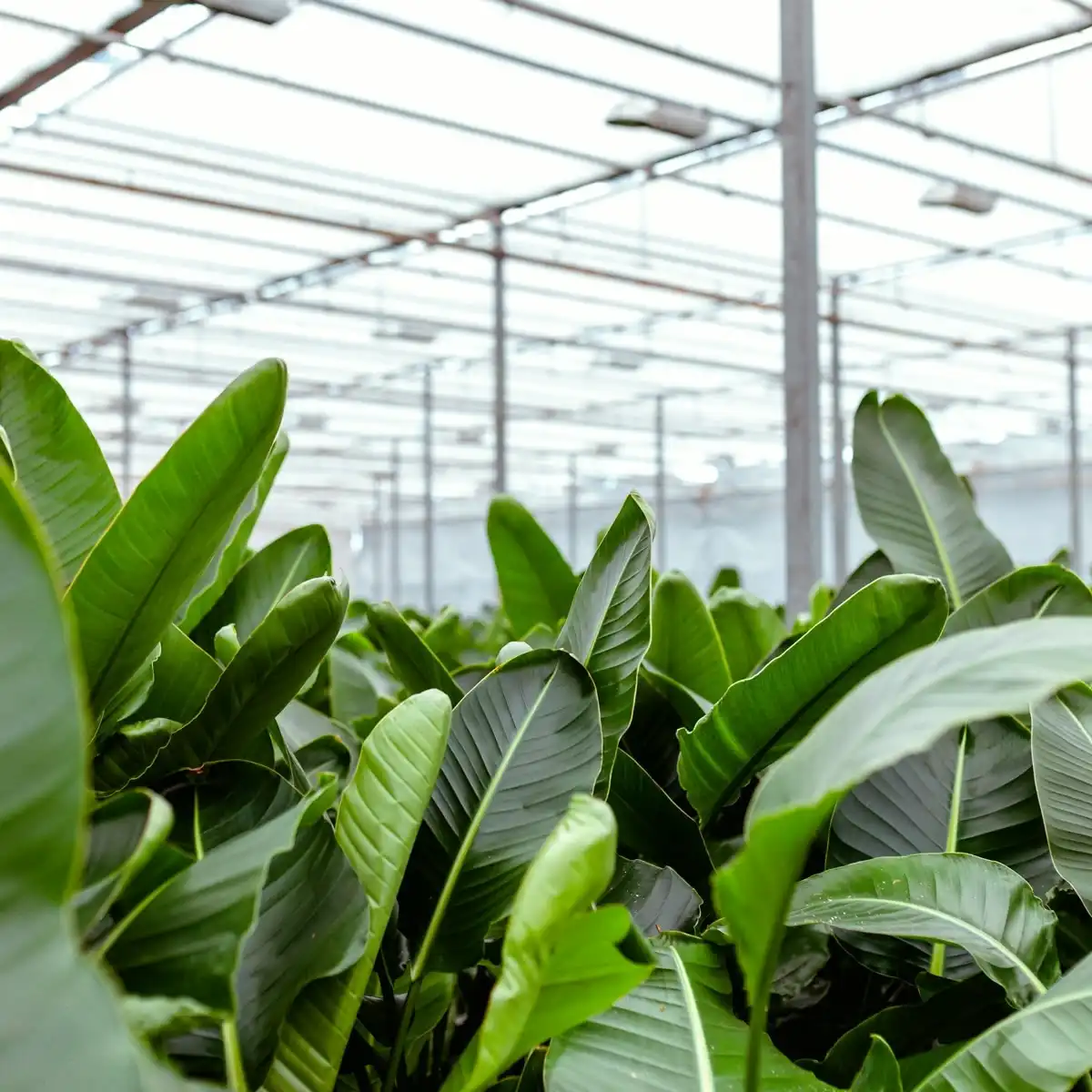
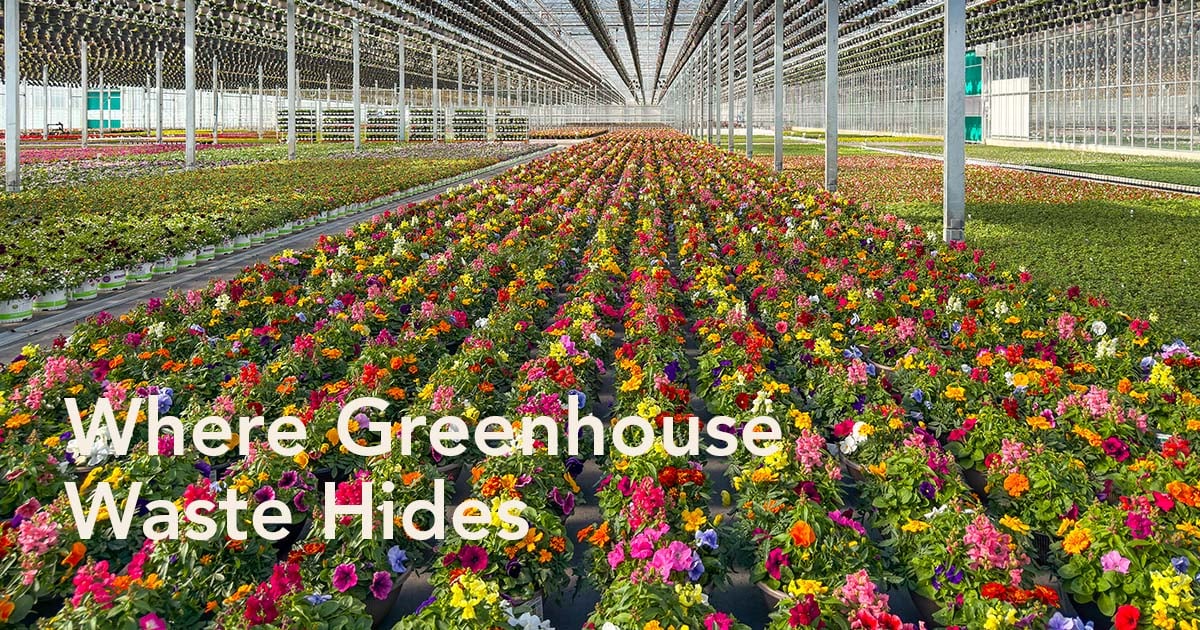
Rainbow produces the full spring range, from bedding plants and vegetable starters to hanging baskets, plus poinsettias, Easter lilies, and tropical foliage plants. About 99 percent of its sales go directly to mass retailers such as Home Depot, Costco, IKEA, and Walmart.
Waste matters so much at Rainbow because labor runs at around 26 to 27 percent of sales and keeps climbing.
"If our total shrink in production is 15 percent, that's all labor that translated into nothing," Vander Waal says. "If I cut waste, my labor automatically goes down. My inputs automatically go down."
Three Kinds of Waste
Vander Waal splits waste into three buckets. The first is production waste: every plant lost between the arrival of cuttings and the day a crop is ready to ship. The second is retail waste. More than 60 percent of Rainbow's sales are pay-for-scan, meaning the store pays the grower only when a plant passes through the checkout. If customers buy 70 out of 100 plants, Rainbow gets paid for 70.
The third bucket is the one most growers never count: lost opportunity. If the sales plan calls for 1,000 plants and production delivers 900, those missing 100 plants are sales that never happened.
"If those plants were worth two dollars, I have a 200-dollar opportunity," he says. "That's technically a waste of opportunity."
Why Counting Waste Is So Hard
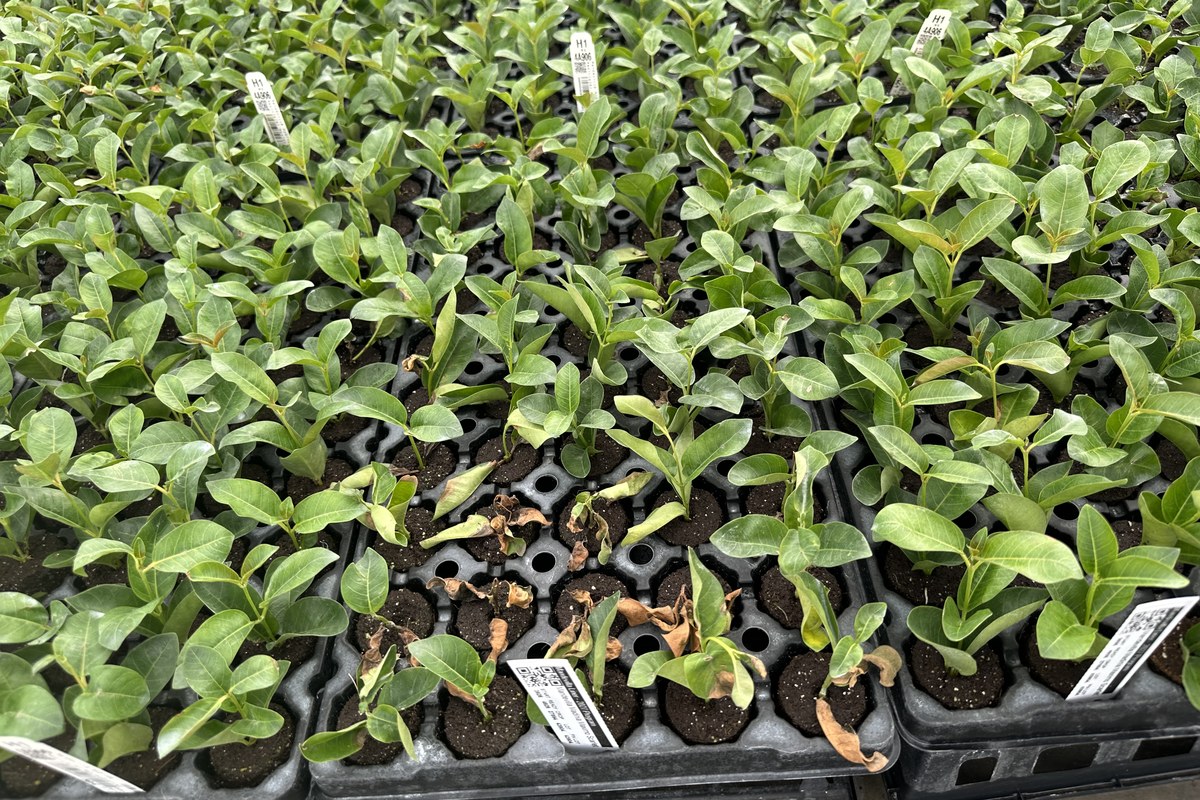
Rainbow Greenhouses can track retail sell-through accurately. Production waste is much harder. Every dumped plant should be recorded and assigned its sales value. A thousand plants pulled from a bench get logged. Five plants with a root problem often do not. And teams sometimes push back: "What do you want me to do? Grow plants or track waste?"
There is a human side, too. Recording waste can easily turn into what Vander Waal calls "the gotcha card": I saw you dump a thousand plants, so you are at fault.
"It's not about the penalty that follows a failure," Stan says. "The goal is to make our process better so that we can deliver on the opportunity that's in front of us."
A Weekly True or False
To measure lost opportunity, Rainbow uses a system called OTIFOS: on time, in full, and on specification. Each week, the sales plan is compared with actual inventory. Vander Waal's son calls it a "true-false statement."
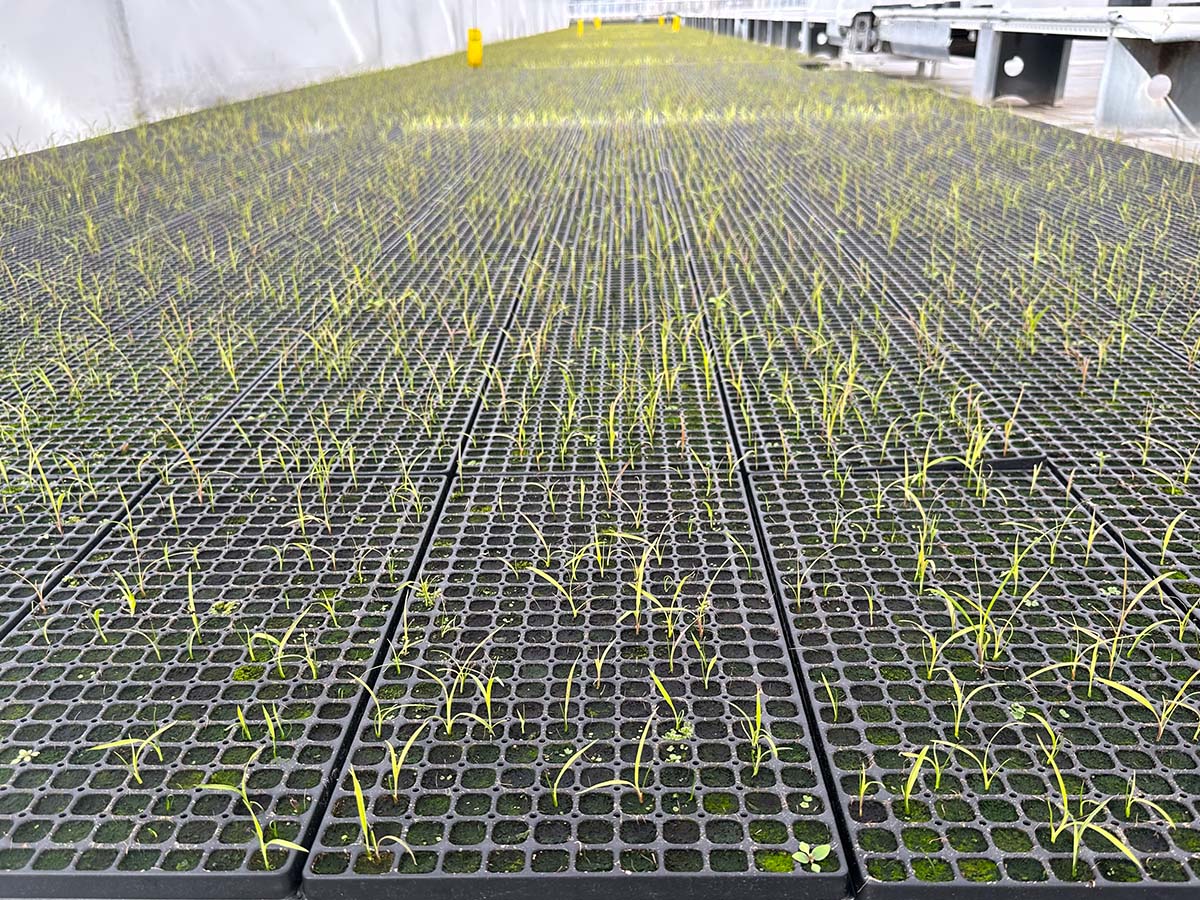
A "false" starts a search for the cause, from the production plan to short-shipped cuttings, propagation, and the transplant line. Rainbow also checks each crop about three weeks before it is due, while there is still time to buy in.
Where the Store Comes In
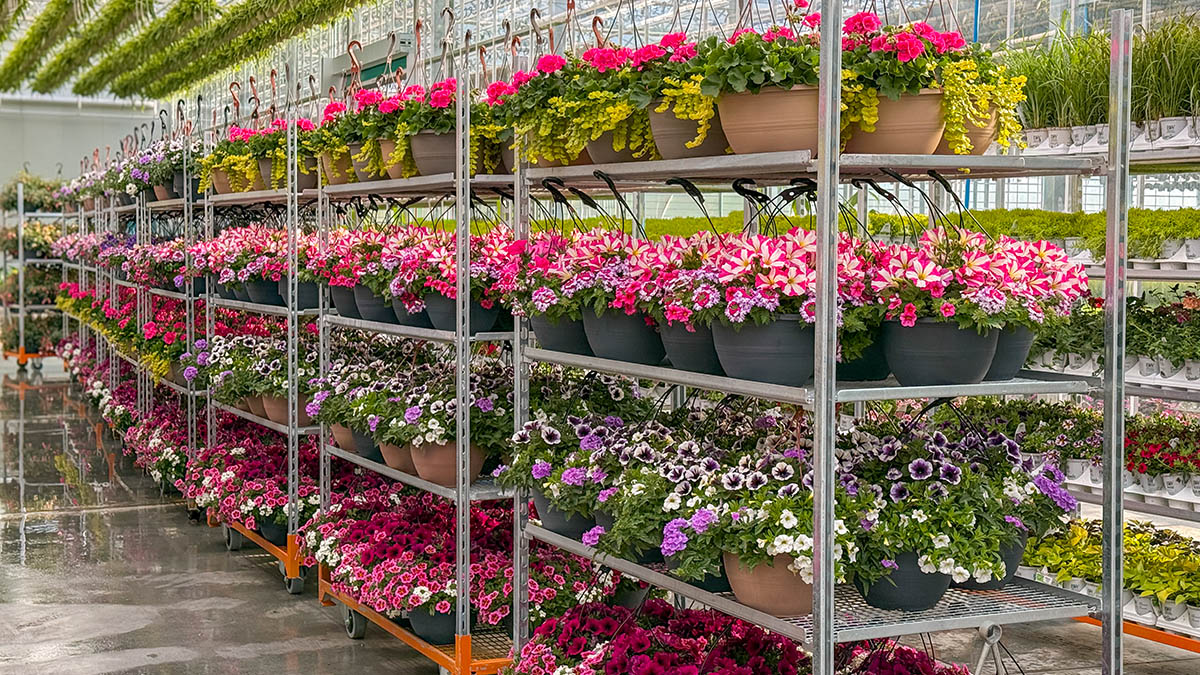
Because so much depends on sell-through, Vander Waal spends a lot of time walking stores. "We have to remember our business is an impulse business," he says. People buy plants because they see them and like them, so plants hidden in a back corner will not sell.
Many store managers dislike live goods because, unlike metal fixtures, plants die. Vander Waal therefore wants to show them how many dollars per square foot his plants generate, because other categories compete for that same space.
What Changed, and What Hasn't Yet
The turning point inside Rainbow came from outside. Texas A&M economist Charlie Hall walked the management team through his market data and showed them there was money to be found in waste.
"He verified what I knew," Vander Waal says. "But it came from a different source. Sometimes our people need to hear it from a different source than just ourselves. I've been talking about this waste for years, but they don't believe me."
So, has the waste gone down? "No," he says. "Honestly, we are still in the early stages of the why." The leadership team now agrees the waste is there, but it's still measuring its size, and Vander Waal estimates Rainbow is about a quarter of the way to tracking it properly. Changes in production planning can take a year to show results, so the team is starting with the fastest crops.
Where Any Grower Can Start
Many flower growers, whether in Kenya, Ecuador, or the Netherlands, know their sales figures precisely but track their waste only roughly. Vander Waal advises starting small. A grower who has to pull a bed can simply record the date and the number of plants and let the office assign the value. "Just begin the process of tracking," he says. "It becomes an eye-opener almost immediately."
Stan does not pretend Rainbow has solved it, and he would gladly learn from growers who are further along.
"It's not as hard as we think. You don't have to overthink it," he says. "I always say to myself, just walk my facility and open your eyes with an open mind, and you see several forms of waste abundantly."

All images courtesy of Rainbow Greenhouses.