Dutch master florist, Robert Koene, always tries to achieve exceptionalness when he does what he does in the luxury wedding scene. Born into a family of flower wholesalers, he has spent more than three decades in this industry, working across four continents, from royal palaces in the Middle East to luxury venues in Europe and Asia.
Often, in his works, he strives to answer questions that most in the wedding industry rarely consider, such as, “How does this moment really feel perfect?” His upcoming book, Stunning Wedding Floristry, scheduled for release in mid-2026, answers that question (and others) through an incisively immersive look into his most accomplished works. They provide details on how to use flowers suitably in luxury weddings. See Robert's website here.
Luxury Wedding Industry Reimagined
The modern luxury wedding has evolved into much more than just a celebration, becoming a statement event that combines personal identity, cultural expectations, aesthetic ideas, and design possibilities. For practically every couple, flowers are the first visual language of their union, yet too often they are used just as decor, hardly as evocative elements.
Robert Koene is also part of the myThursd Meetup Spot community. He created his project: 'Stunning Wedding Floristry' – A 2026 Book by Robert Koene
Robert:
"I'm a Dutch Master Floral Designer, and I am excited to open a collaboration opportunity to breeders, growers, floral product developers, and hard-goods suppliers featured or active on the Thursd Platform. In 2026, my new book, Stunning Wedding Floristry, will be published internationally: a luxury, design-driven showcase of wedding floristry photographed across Europe, the Middle East, Asia, and the United States. The book celebrates premium flowers, craftsmanship, cultural storytelling, and innovation in large-scale event floristry. Stunning Wedding Floristry will be distributed worldwide in 2026 through bookstores, floral outlets, trade networks, educational institutions, and premium design retailers. Interested in collaborating? Feel free to reach out directly to me."
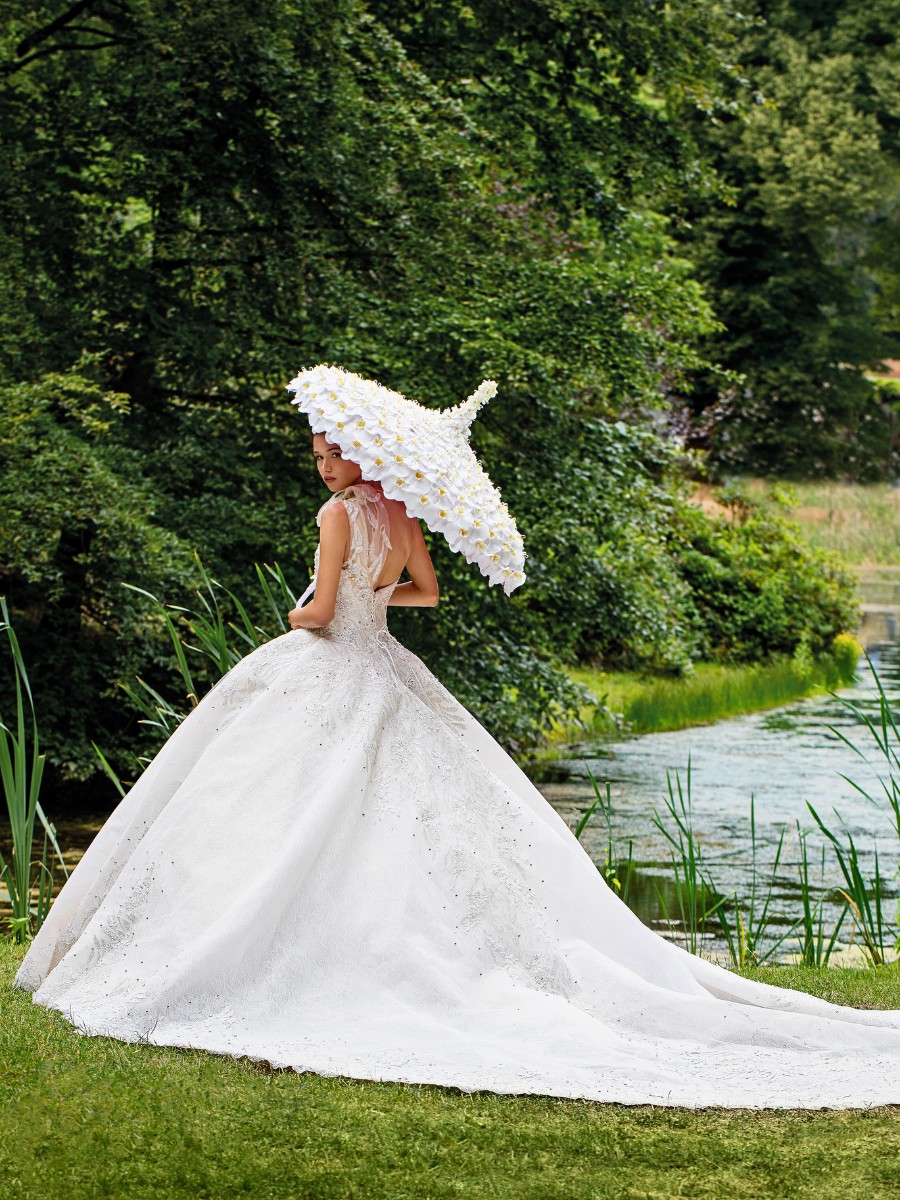
Koene's approach is, however, different. His work, featuring prominently in publications like Harper's Bazaar India, Fusion Flowers, and Wedding UK Bride, meets these luxury wedding pressures. His career tells a lot about the modern wedding industry: couples with the most significant budgets work with the finest venues and increasingly demand that their weddings reflect a level of artistic coherence, perhaps even one that rivals gallery installations.
His 18 royal weddings in Saudi Arabia are not simple events, but also showcases of taste and cultural refinement. One can tell that the royal houses of the Middle East did not pick Koene just for his ability to arrange flowers prettily, but for much more than that. When working at that level of expectation, the flowers used cease to be just decoration and require a lot more.
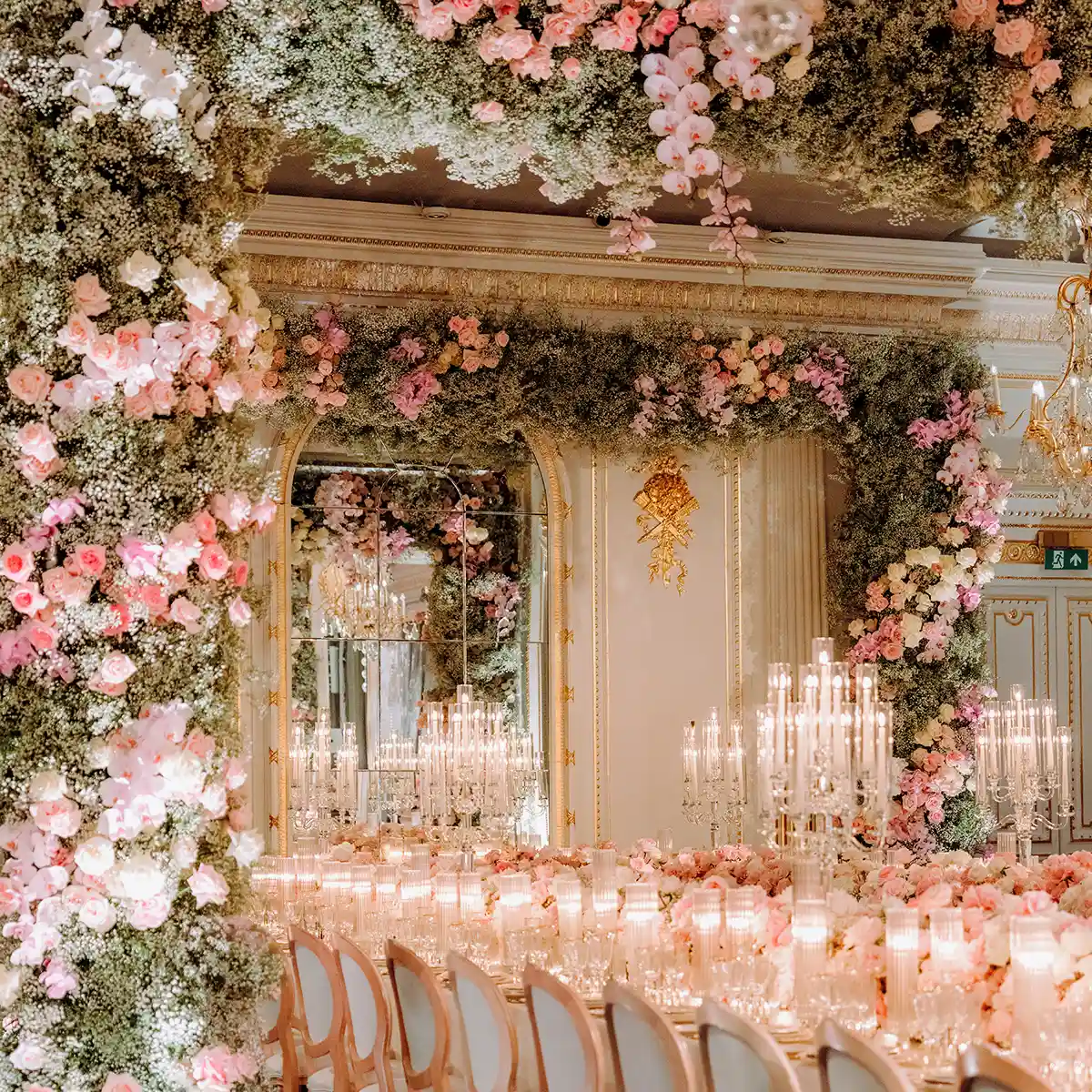
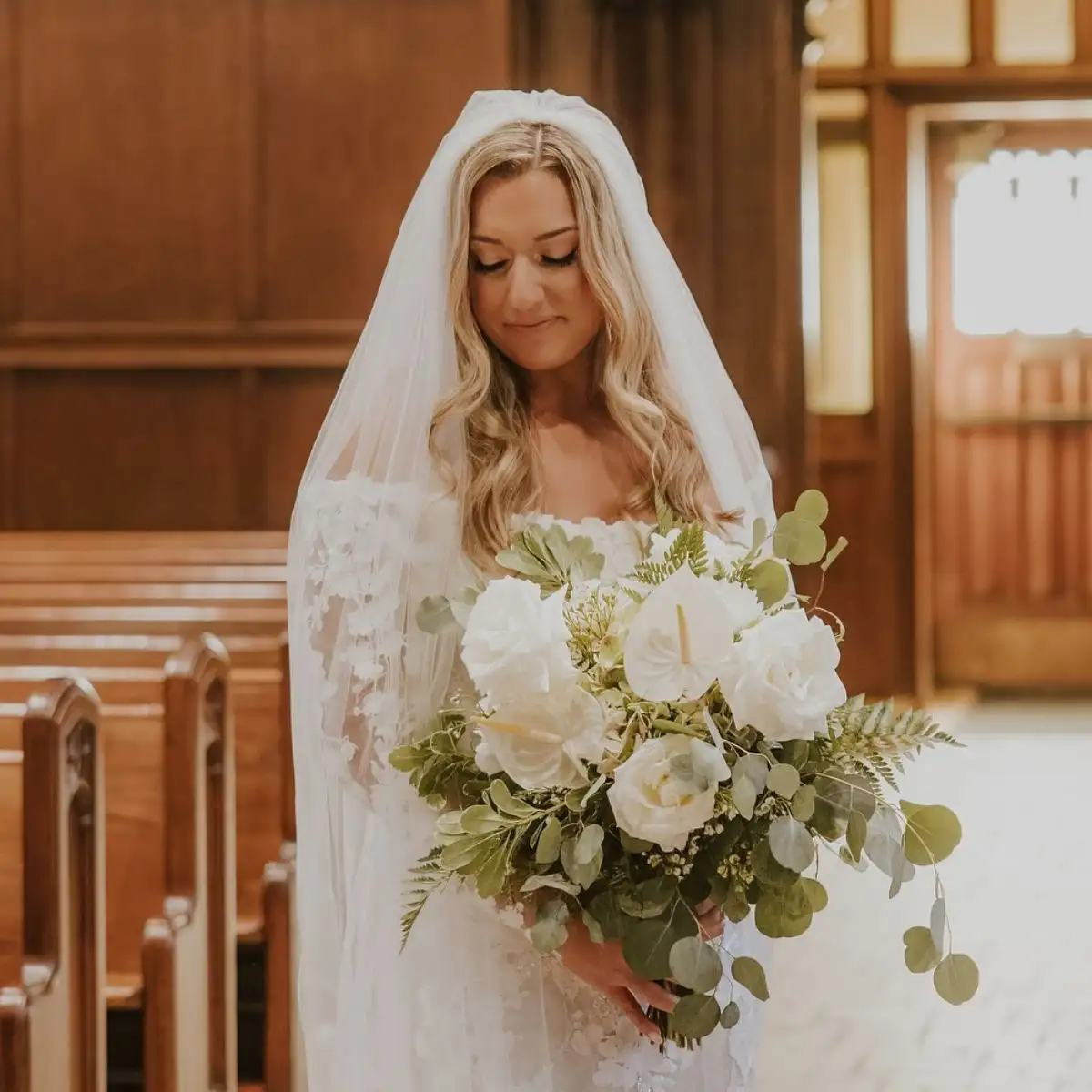
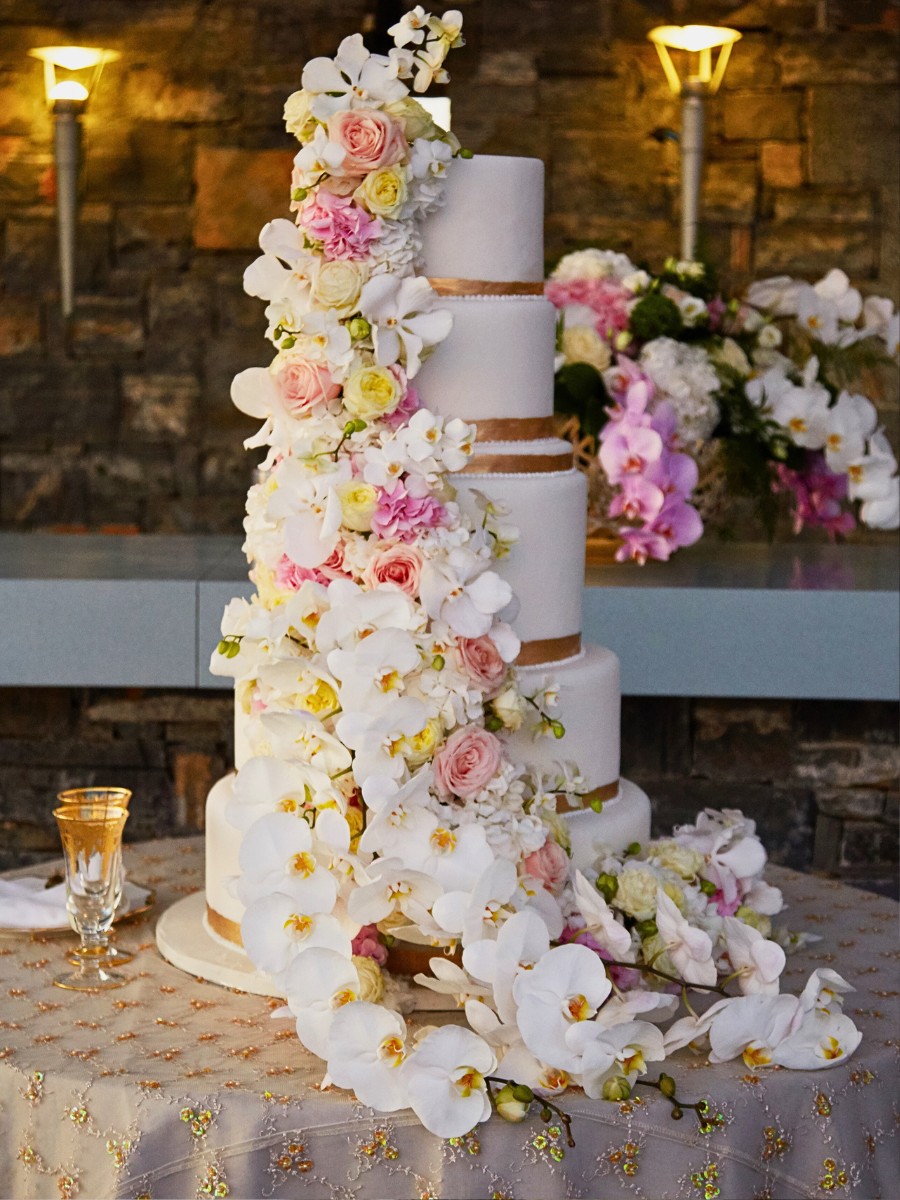
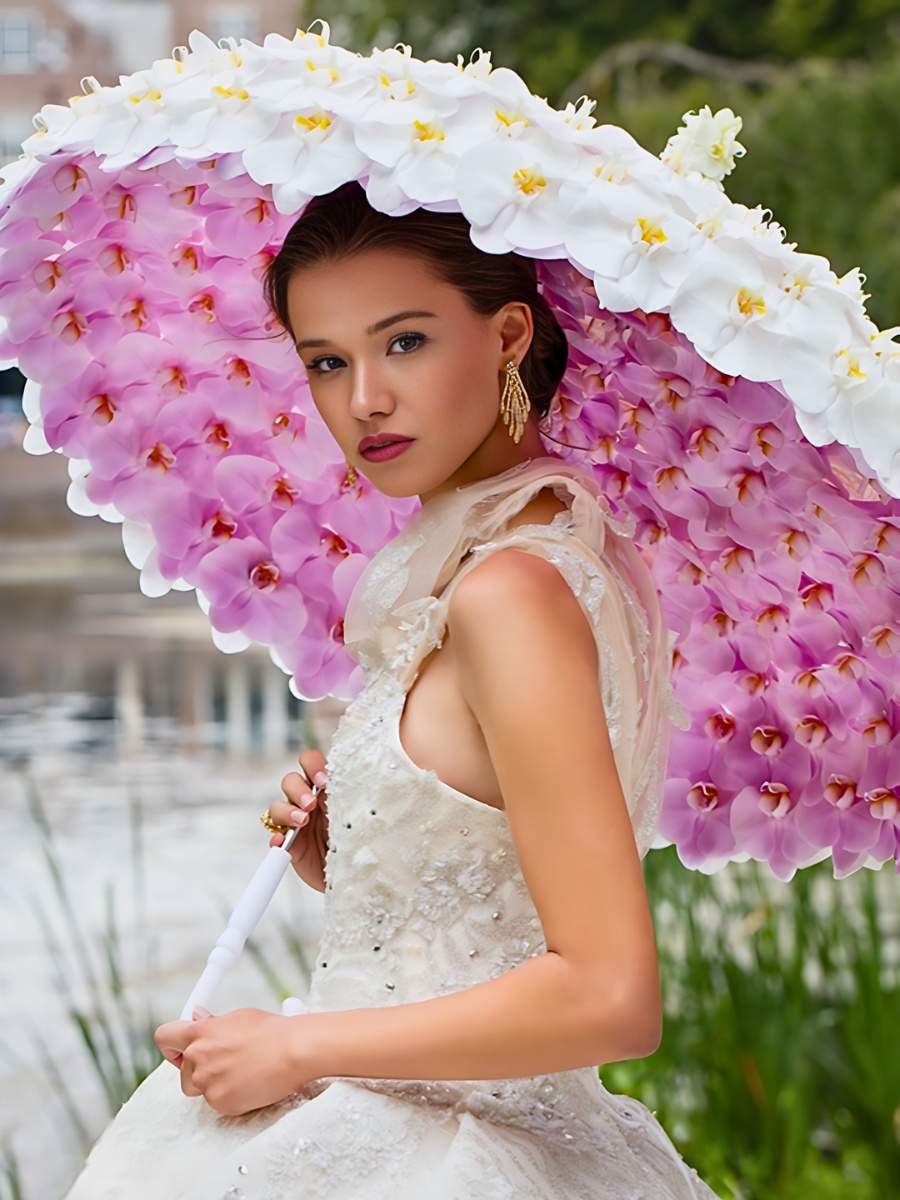
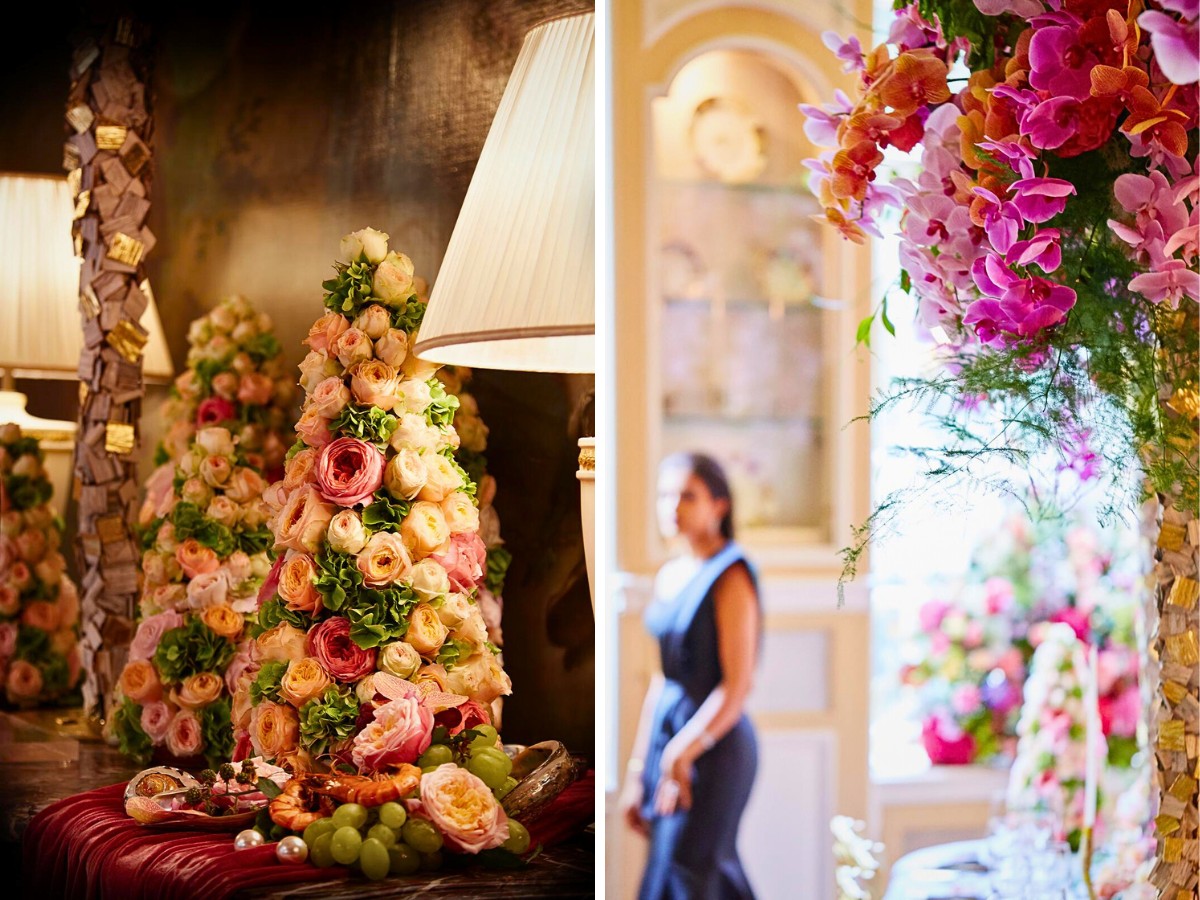
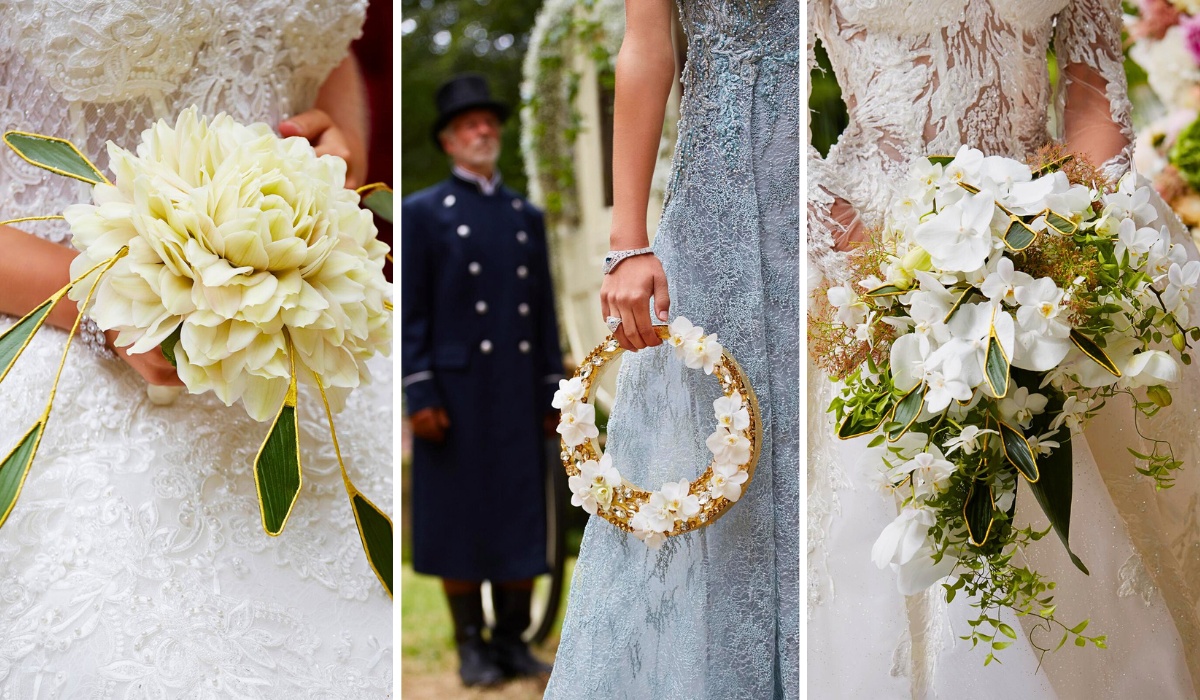
In his book, Koene does not treat wedding floristry as a separate category from fine artistry, revealing installations that defy one’s suppositions of what flowers can achieve in ceremonial spaces. Consider his ‘Whispers of White Elegance’ series, for instance, where orchids create what he describes as ‘quiet strength.’ In the language of flowers, white speaks of purity, clarity, and understated luxury.
But while anyone with a budget can buy white flowers, what separates a mediocre white wedding from a transcendent one is understanding that white flowers (orchids in this case) need precise staging and lighting, and careful composition to avoid looking cold or clinical. Each orchid installation is described as a blend of artistry and nature that changes an ordinary moment into an ethereal one.
Beyond Trends and Instagrammable Moments
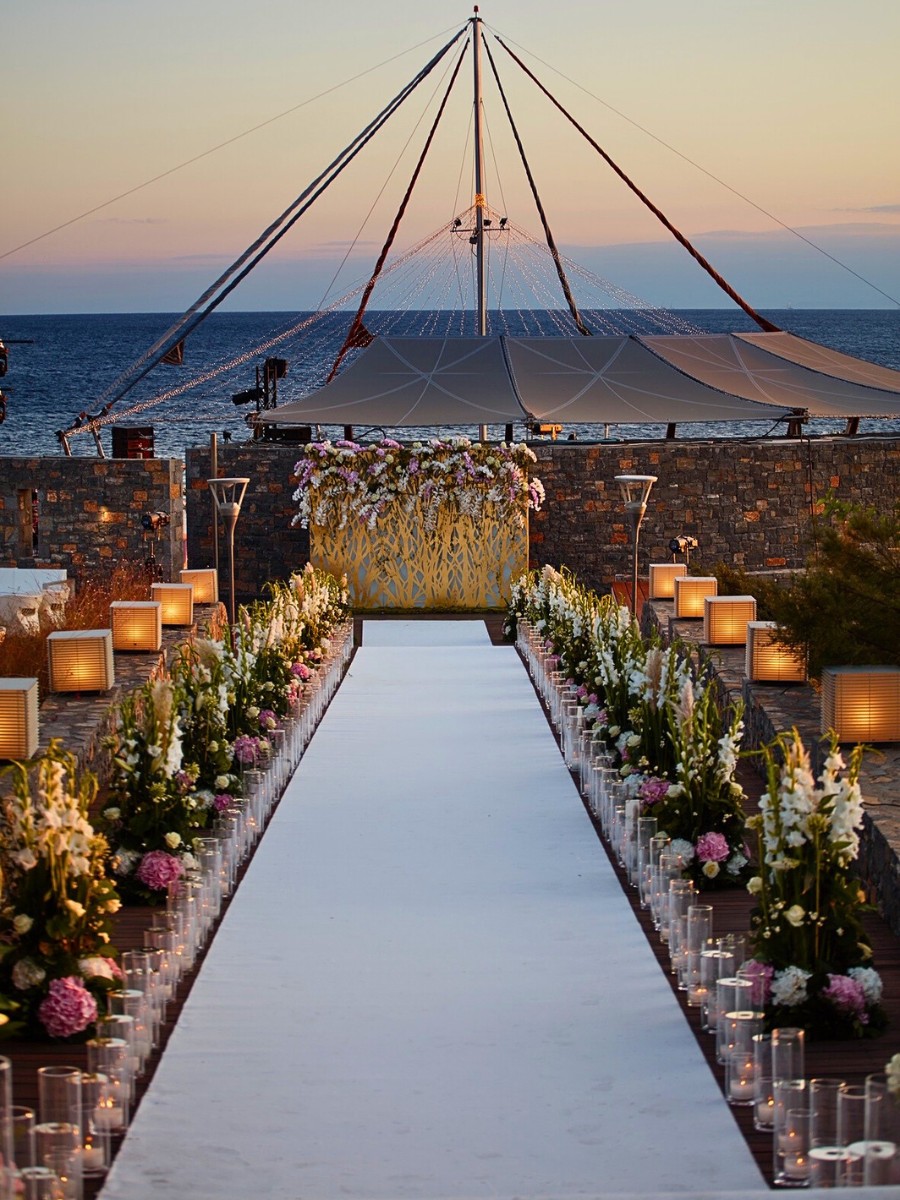
The wedding industry often pushes couples toward trends that are currently fashionable or Instagram-worthy. Koene's work, as documented, suggests a counter-narrative. His ‘Coastal Elegance at Sunset’ installation captures this perfectly. Set against the Aegean Sea, the arrangement blends with its natural surroundings. Orchids and hydrangeas mirror the waves' movement, and pastels echo the fading light, making the design part of the landscape, not an imposition on it.
The flowers and cascading forms are selected for their ability to create a setting so intentional and complete that elegance forms the atmosphere and is part of the design itself. Not a coincidence. This is a reflection of his decades of understanding how light changes flowers, how proximity shapes perception, and how the relationship between natural and designed elements can create a scene that feels neither overly manicured nor wild.
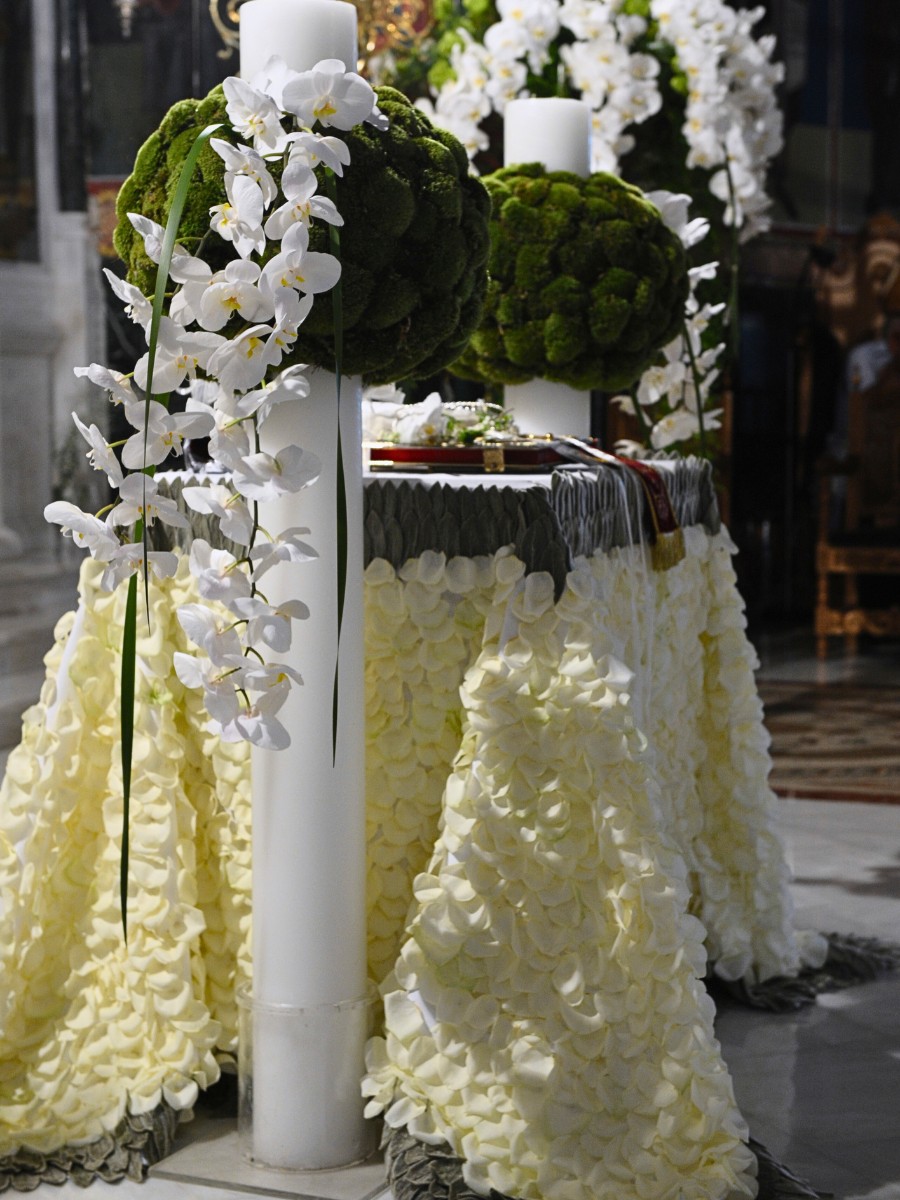
This thoughtfulness of the setting appears throughout. For instance, his ‘Geometry of Nature’ featuring spherical arrangements in white and green creates what he calls ‘purity in symmetry.’ This particular approach signals much about where luxury weddings are headed: contemporary couples who have the most discerning taste are often attracted to minimalism, modernist design principles, and the idea that beauty comes from reduction instead of accretion.
Koene's ability to work comfortably in this register shows his progress as a designer who understands that the industry itself is maturing outside of the maximalism of earlier years. For wedding planners and couples struggling with venue challenges, this approach offers some insights.
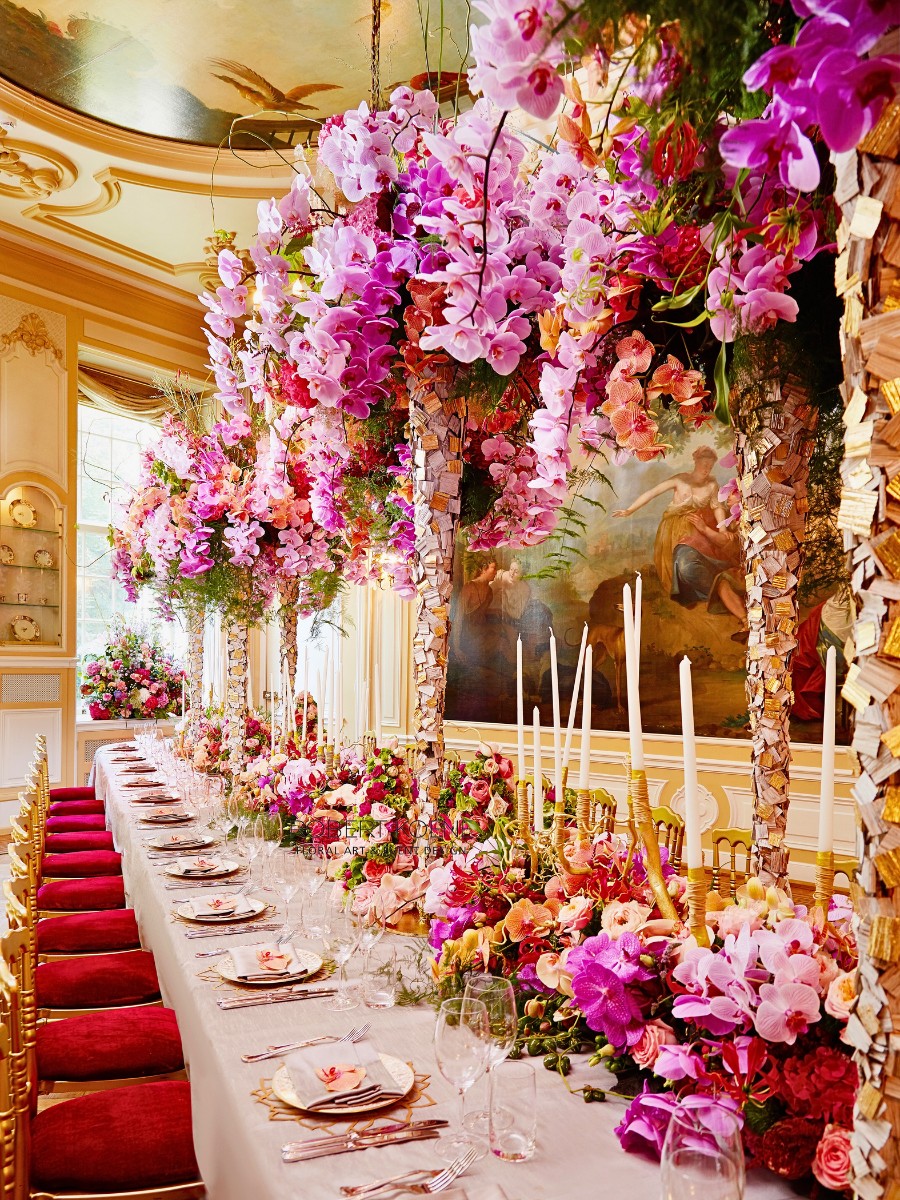
Perhaps no installation better illustrates how floristry has evolved as an industry than ‘The Altar of Petals,’ in which Koene takes the most sacred moment of a wedding ceremony and surrounds it with white flowers that seem to float between heaven and earth. The concept is that the altar is a garden, with each petal representing a vow of devotion.
Rather than sentimental thinking, this installation shows a florist who understands that weddings are about transformation, where two people become one. Their relationship becomes public, as their private commitments are celebrated. Flowers, more than any other element, can amplify that sense of crossing from one threshold into a new one.
On Modern-Day Professional Wedding Floristry
The luxury wedding industry is moving toward more sustainable floristry, and Koene’s work suggests someone attuned to how the industry moves and changes. For floral professionals, this knowledge is essential.
And while royal weddings, particularly those in the Middle East, where he has concentrated much of his work, operate on a grand scale that most hardly encounter, his book tells of principles that apply there regardless of budget, with some installations showing that impact comes from concept more than quantity.
Color as Language
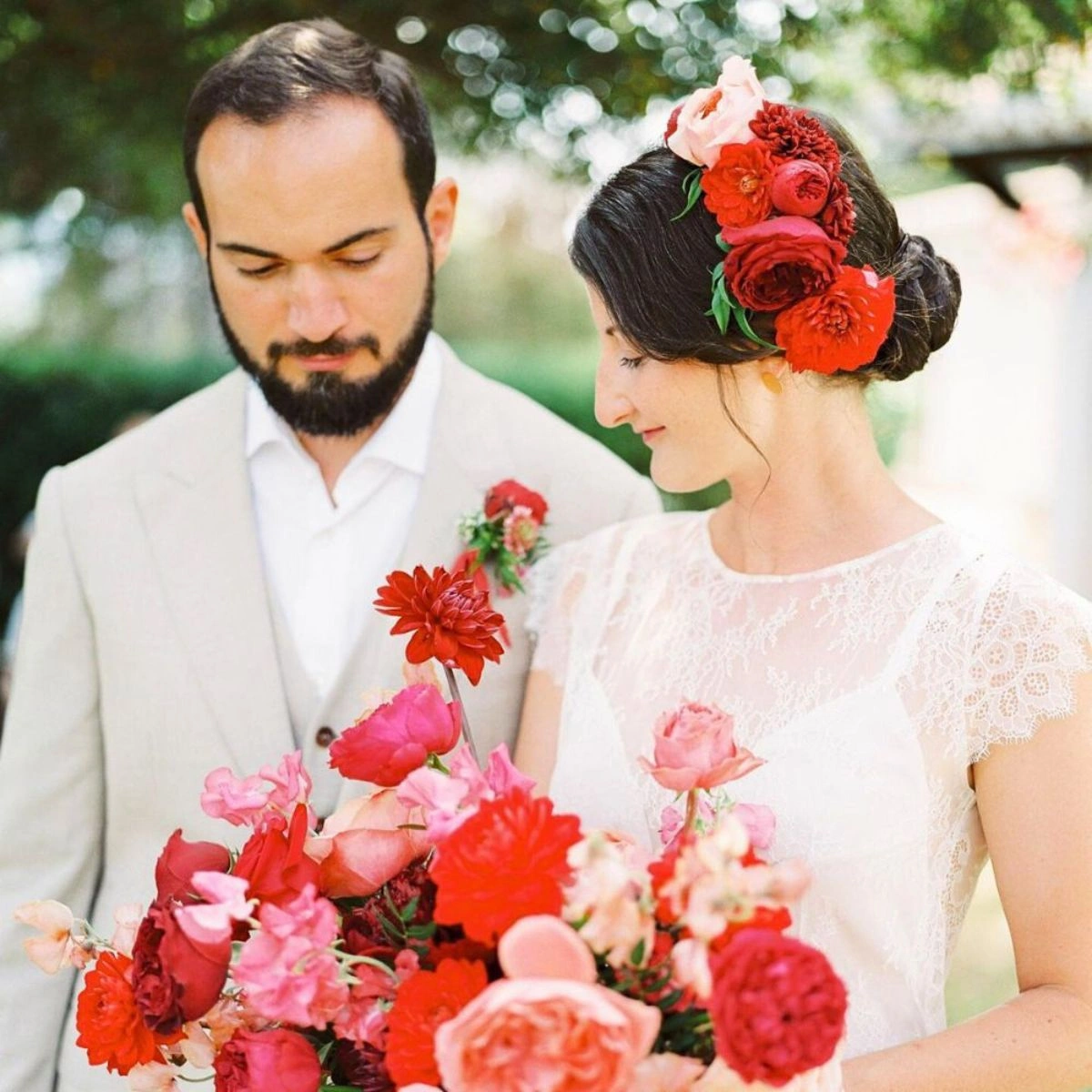
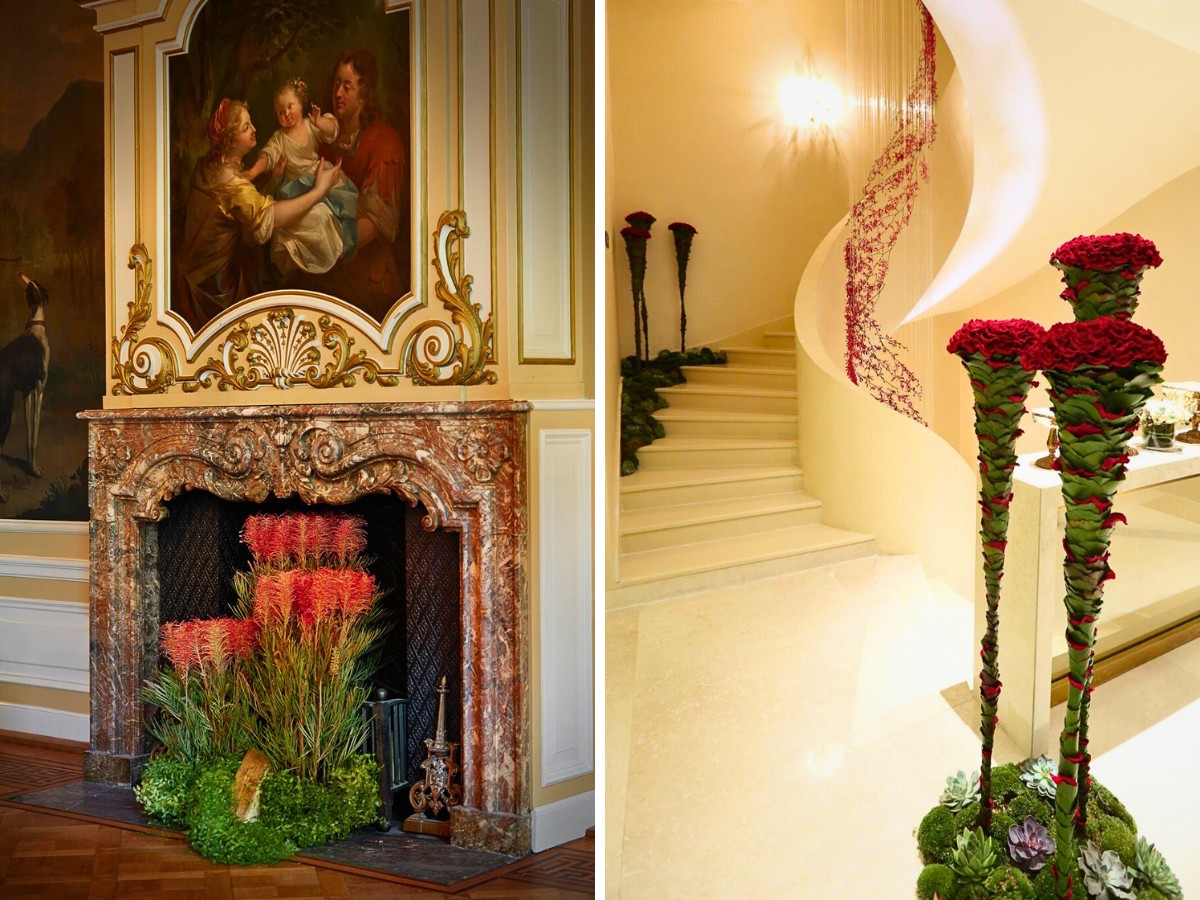
Koene’s book also explores color. His ‘Red Symphony’ work moves outside of the traditional association of red roses with romance. The arrangements suggest passion, certainly, but also drama and boldness. For couples considering non-traditional color palettes, seeing how a master florist handles such loaded symbolism offers permission and guidance.
Color in wedding floristry also extends past simple aesthetic preference. Red at a European wedding could have a different weight than in Middle Eastern celebrations, where it might compete with cultural traditions around bridal attire and ceremonial decoration. Koene's international works show this cultural fluency. In addition to the different venues, they adapt to different symbolic languages and what flowers communicate at a wedding.
From Grand Gestures to Attention to Intimate Details
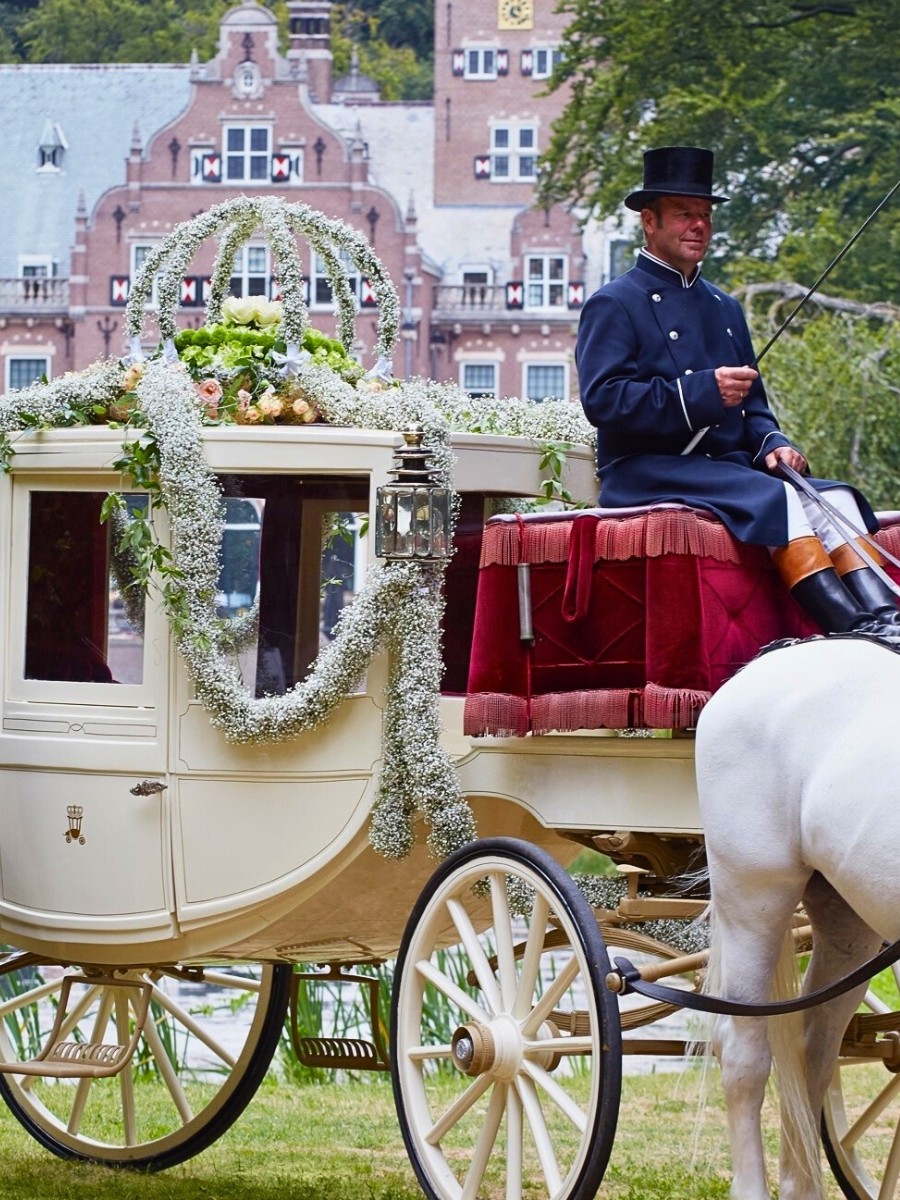
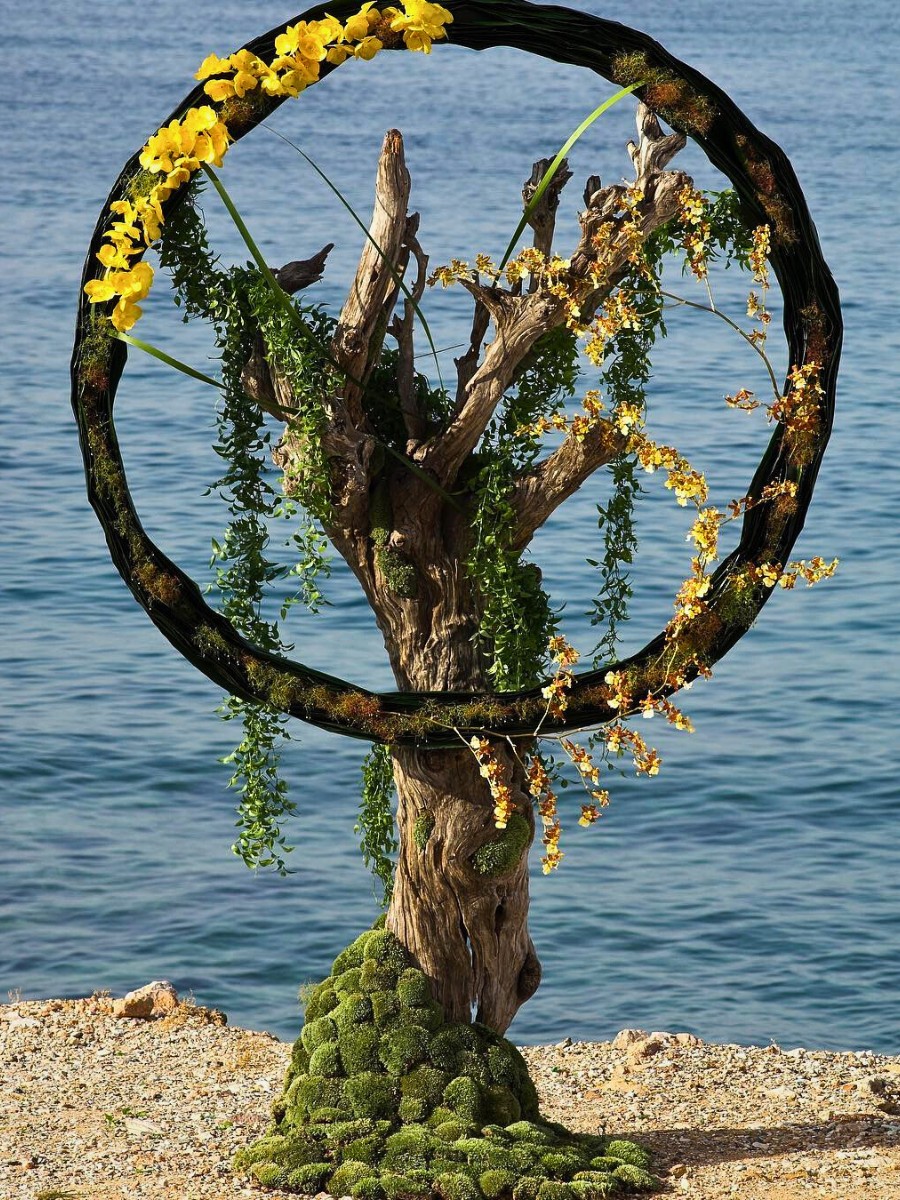
Also, Koene doesn't specialize in a single aesthetic or approach, showing his ability to move fluently between styles while maintaining a coherent artistic ideal. The ‘Royal Ride of Flowers,’ featuring elaborate floral arrangements on vehicles, is in the same portfolio as minimalist moss installations, underscoring that different clients have different ideas, budgets, and venues.
Wedding floristry also exists in a specific temporal reality where flowers have limited lifespans and events take hours, while lighting changes from ceremony to reception. An essential element, wedding photography captures installations at their peak and conveys how flowers interact with their environments throughout the event.
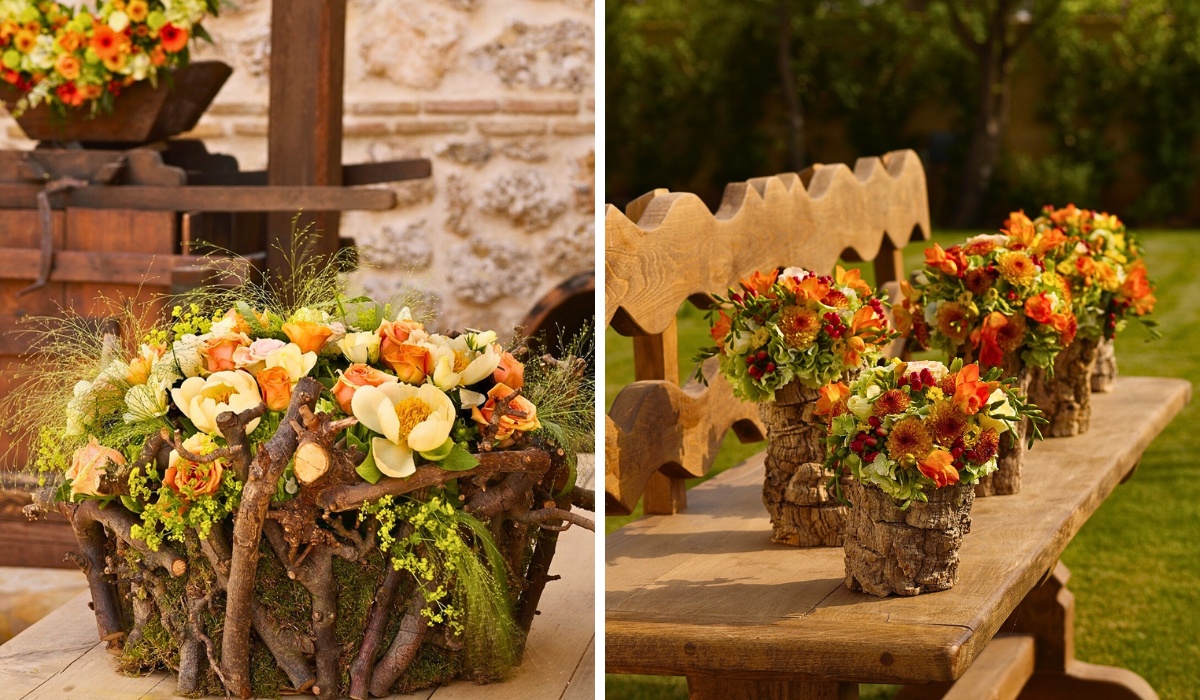
His ‘Whispers by the Sea’ installation exemplifies this attention to temporality. The soft arrangements designed for an evening event consider how natural light fades, how artificial lighting eventually takes over, and how guests move through the space as the celebration progresses. His book says something about this timing and effect.
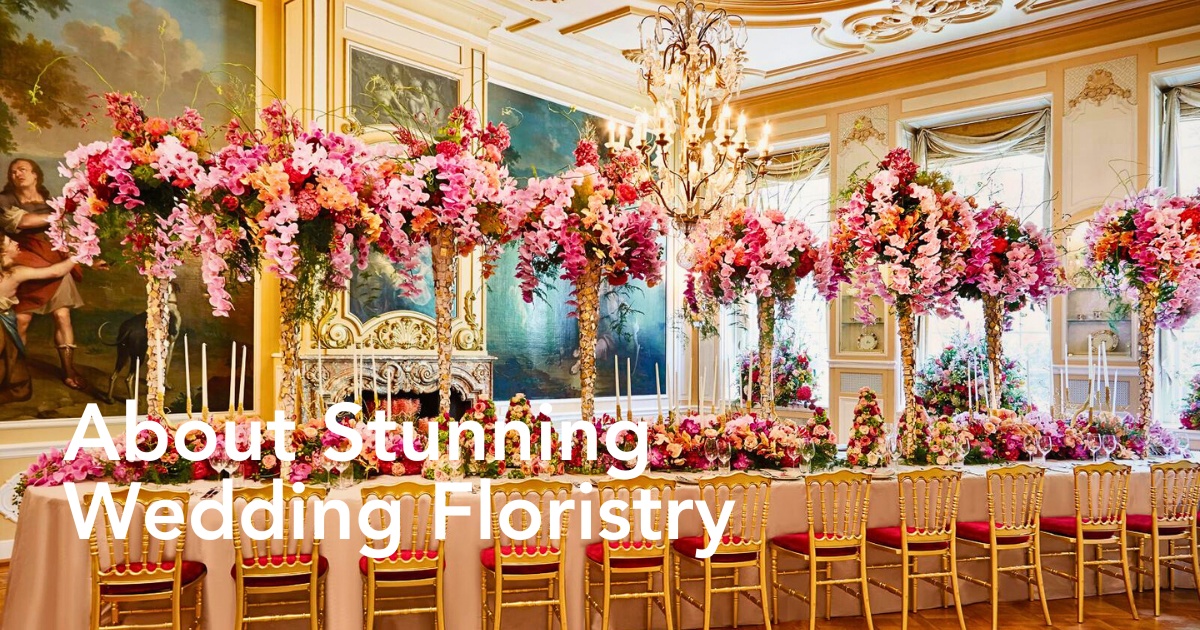
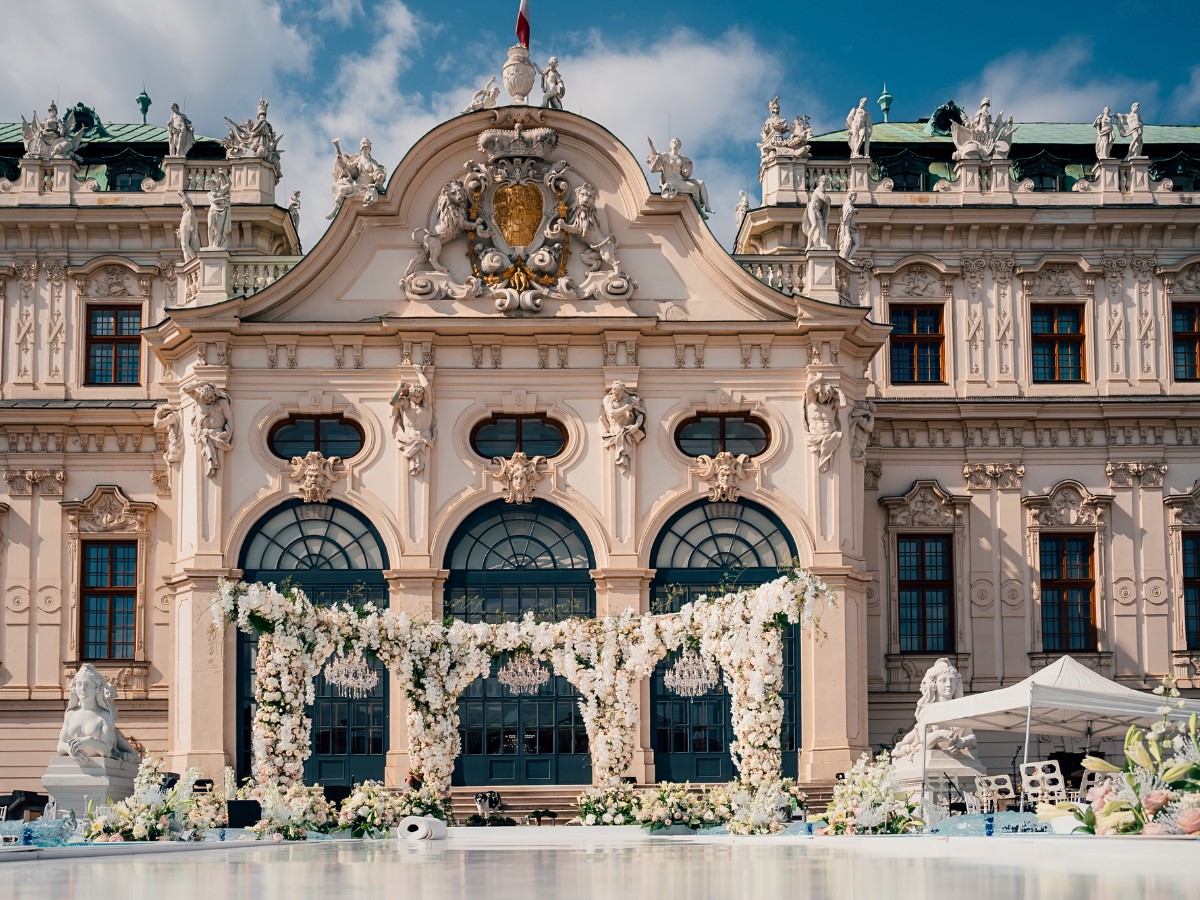
Koene’s book also hints at technical knowledge alongside aesthetic ideas. Large-scale installations like those featured in ‘Floral Elegance’ require an understanding of structural support, water sources, climate control, and installation logistics; much more than just arranging flowers in vases. Royal events and palace venues have unique challenges: security protocols, cultural sensitivities, coordination with different teams, and expectations that allow for no margin of error.
Permission to Trust Your Ideas
For couples planning their luxury weddings, Koene’s book offers permission to trust their instincts. The diversity of work shown suggests there is no single ‘right’ way to approach wedding floristry, and that the key is to find coherence among personal taste, venue character, and the emotional tone of the celebration. Some of his installations, for instance, create entirely different moods, but feel completely appropriate to their contexts.
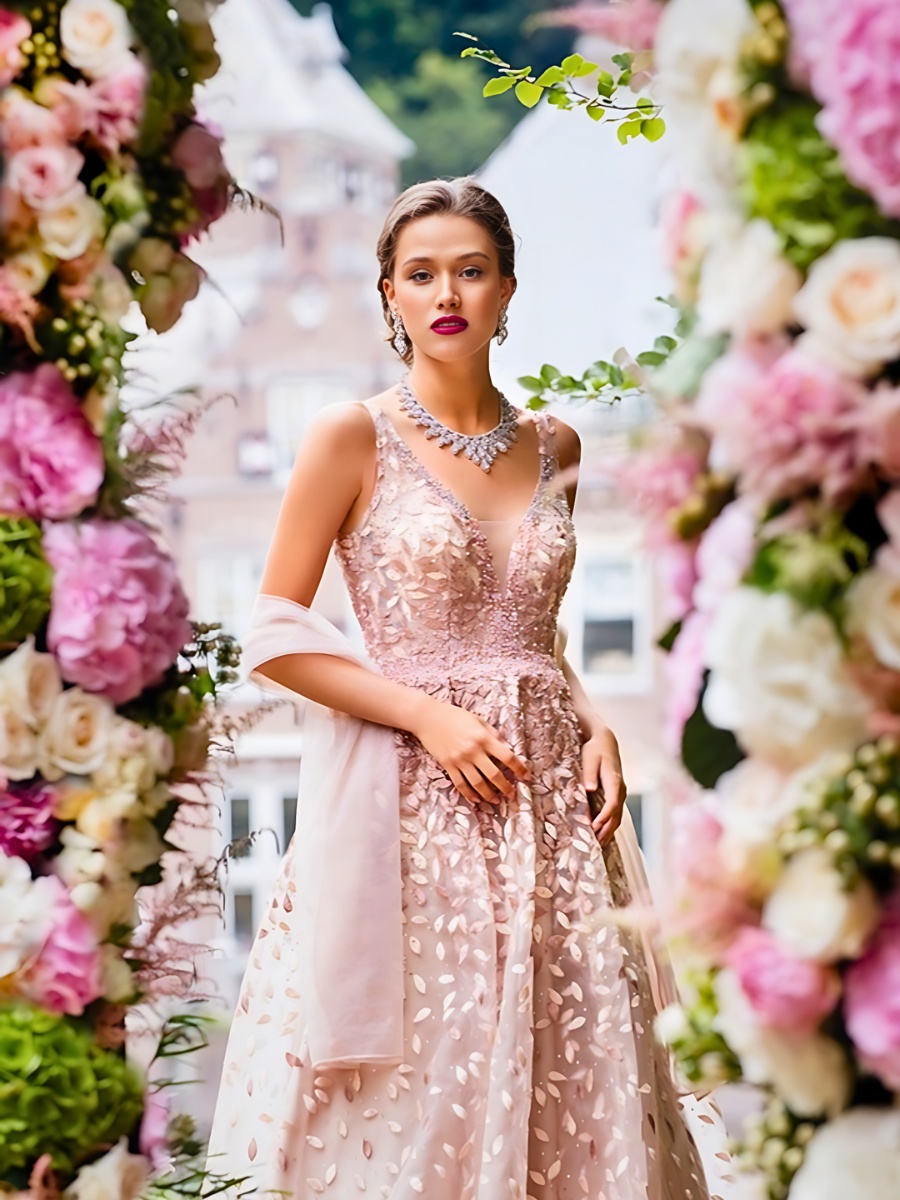
This kind of validation matters in an industry that can sometimes feel prescriptive, where certain flowers are deemed ‘wedding appropriate’ while others aren't, color palettes follow seasonal dictates, and size and grandeur often mean success. Seeing Koene's minimalist installations work alongside his maximal productions indicates that the measure of successful wedding floristry is how well it serves the specific purpose of the celebration, not just how closely it adheres to conventional perception.
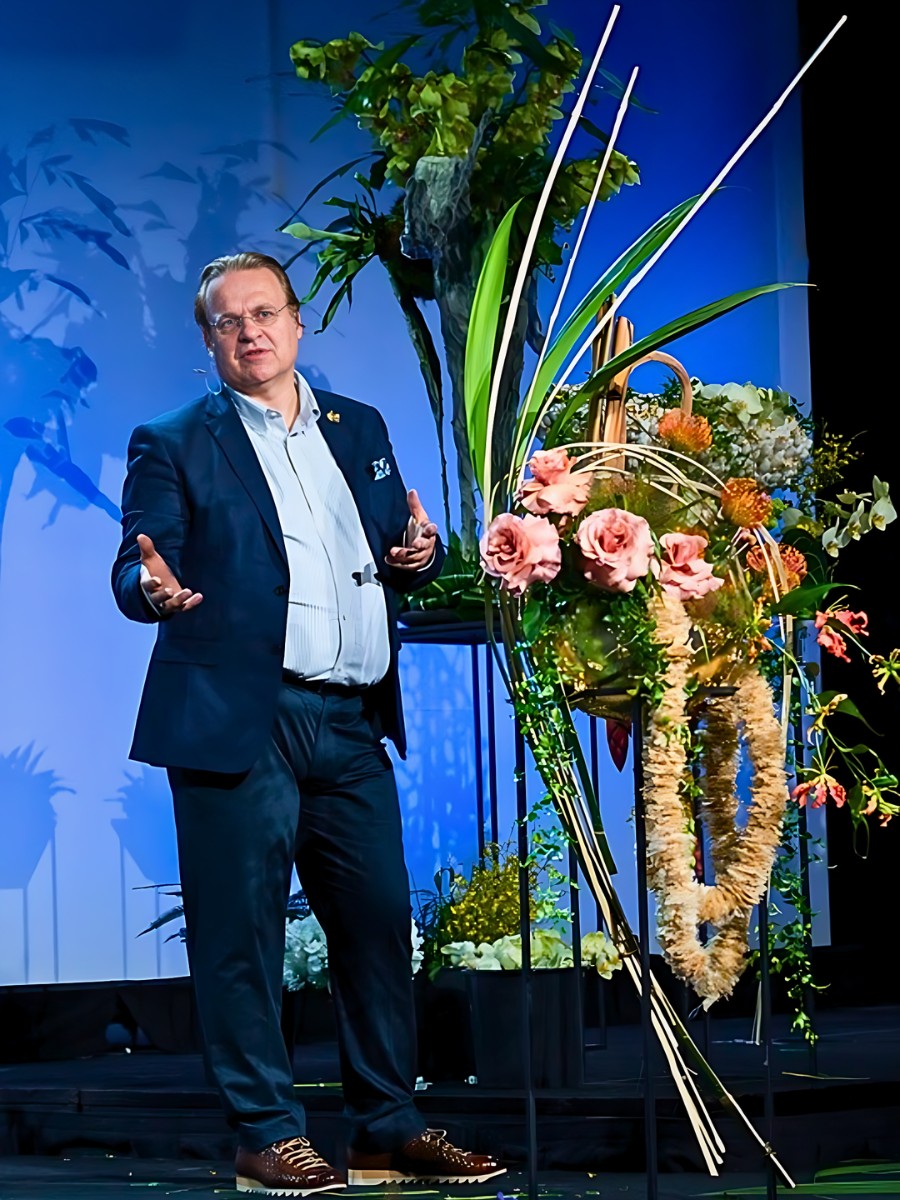
The Stunning Wedding Floristry seems ideally suited to the changing luxury wedding scene, suggesting a book that offers practical education alongside visual inspiration. Its inclusion of both Koene’s signature projects and his service offerings makes it a comprehensive approach. For anyone who believes that flowers at weddings should be more than just decoration and should give a deeper meaning to the event, this book is aptly suited to your reading.
Photos by Robert Koene (@robertkoenefloralart).