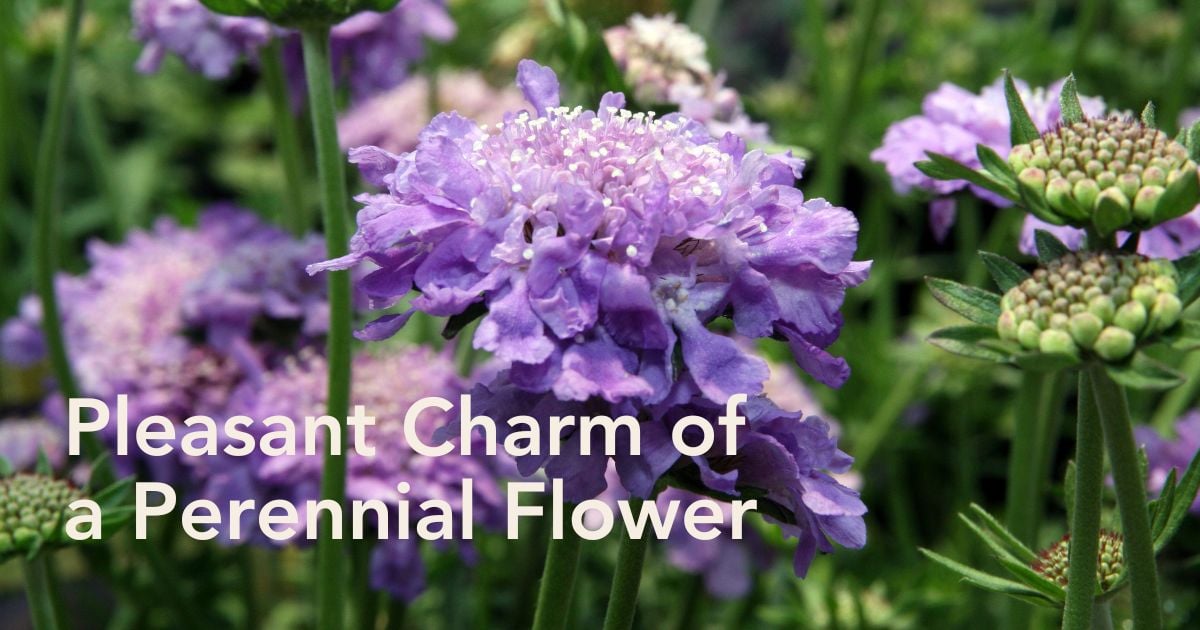
Scabiosa butterfly blue, also known as the butterfly blue pincushion flower, is a pleasant perennial plant that adds a stunning blue hue to your garden. It is a selection of Scabiosa columbaria, a species that grows wild across much of Europe, and it is now grown in gardens in many parts of the world because it is pretty and easy to grow.
The butterfly blue pincushion flower belongs to the honeysuckle family and can grow up to 45 cm (18 inches) tall. It produces a profusion of flowers from late spring until fall, so you get color through most of the season.
Origins, Native Habitat, and Some Ideal Qualities of Scabiosa Butterfly Blue
The Scabiosa butterfly blue (Scabiosa columbaria) comes from a species of dry, sunny places: in the wild, this perennial flower grows on chalk and limestone grassland and on sunny slopes, which is why it does so well in a well-drained garden border.
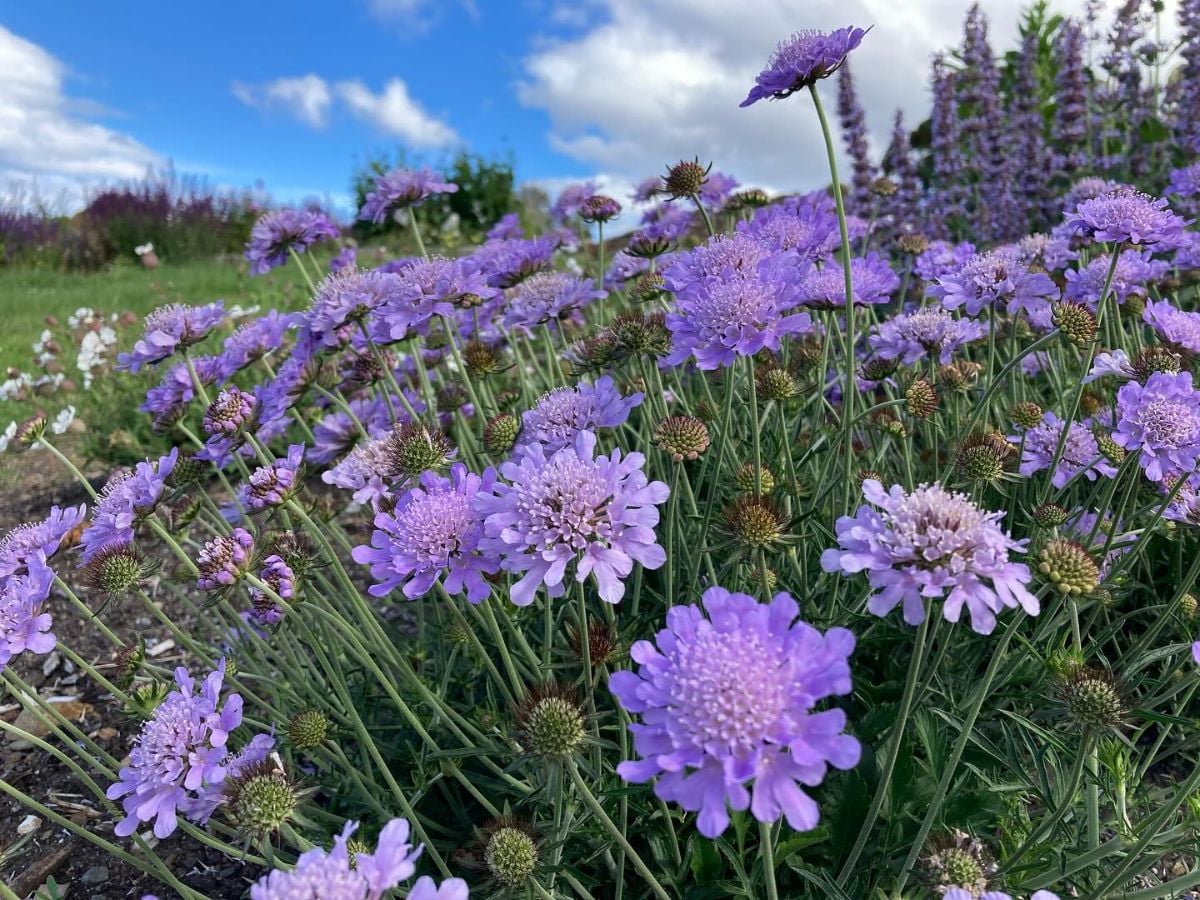
It has gained popularity worldwide, adorning gardens, landscapes, and floral arrangements with its perfectly enchanting presence. The genus name Scabiosa comes from the Latin scabies, the itch, because the plant was once used in folk medicine against scabies, a skin condition that causes severe itching. Each flower of the butterfly blue Scabiosa is a beautiful shade of blue, which is why it is also called the blue butterfly pincushion flower.
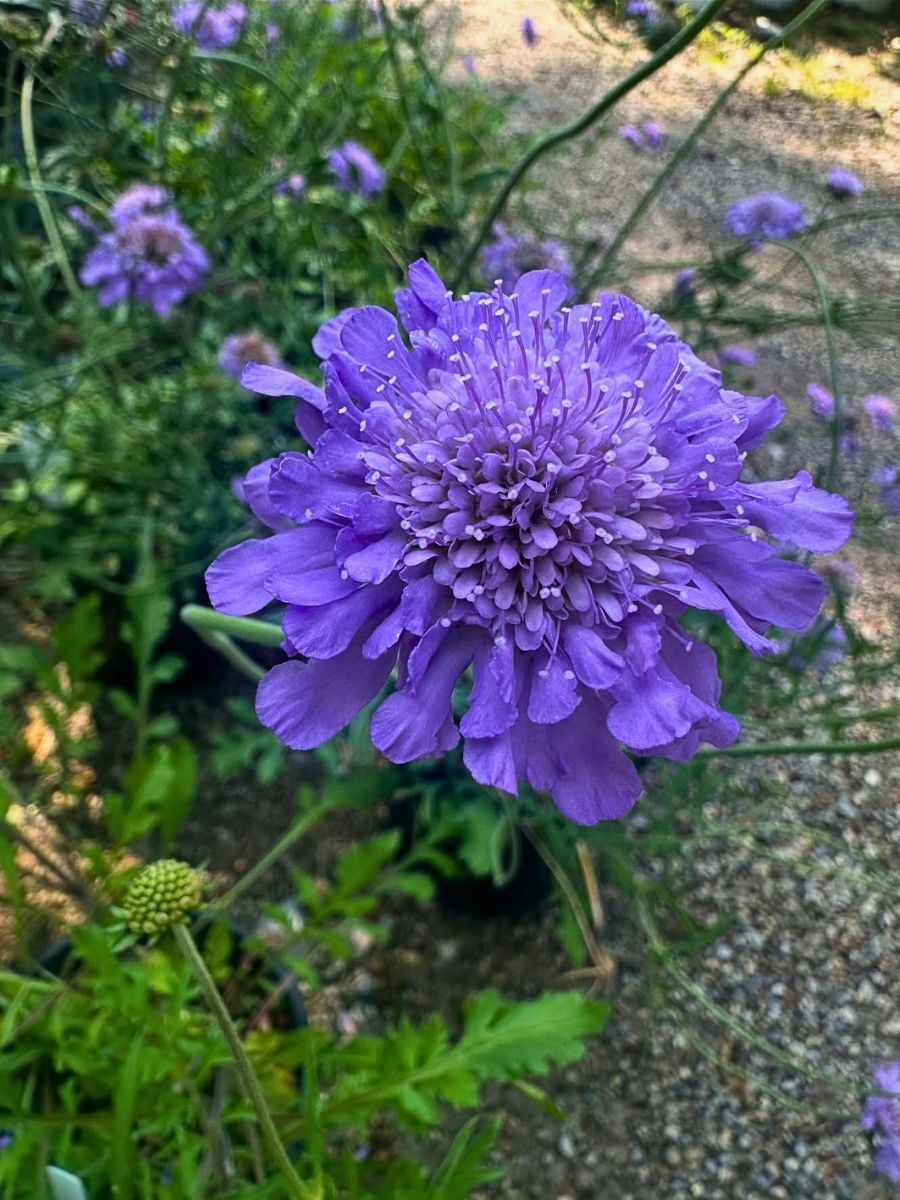
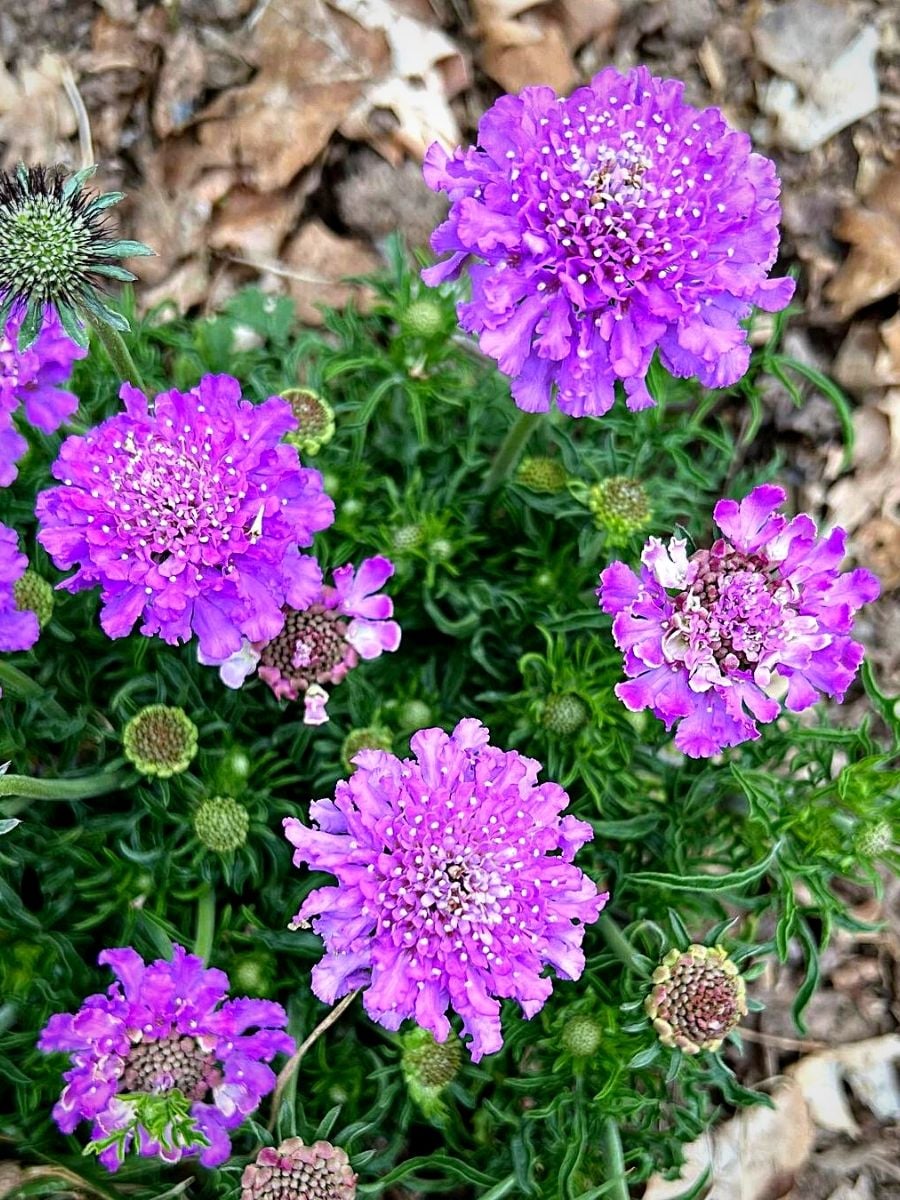
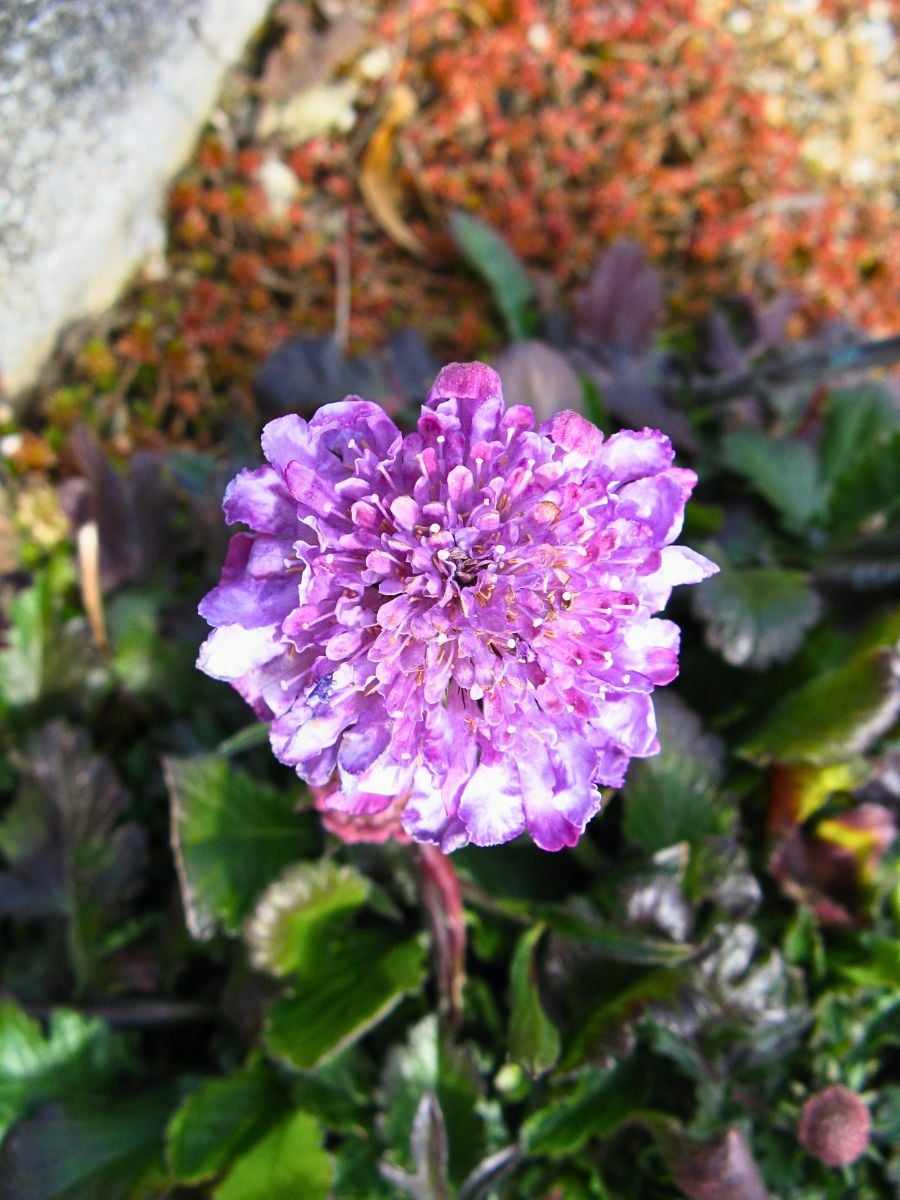
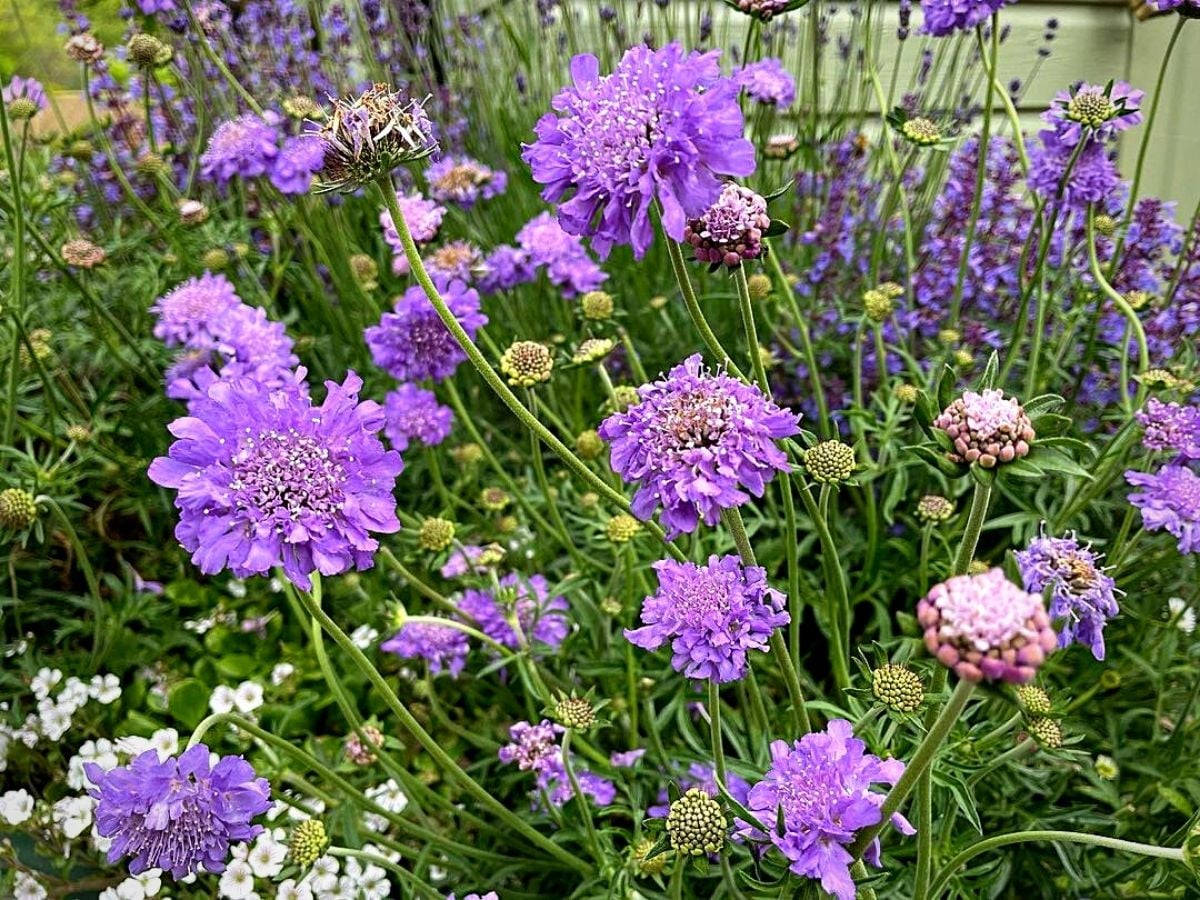
The flower heads are 2.5 to 5 cm (1 to 2 inches) wide and have a distinctive pincushion-like shape, with a raised center surrounded by a ring of petals. As with any garden plant, keep it out of reach of children and pets who like to chew on leaves and flowers.
The Butterfly Blue Pincushion Flower Is a Perennial Marvel
Another of the most endearing qualities of the Scabiosa butterfly blue is its perennial nature. Unlike annual plants that complete their lifecycle in one growing season, this pincushion flower graces us with its presence every year. Essentially, it comes back year after year, making it a great investment for gardeners who want a long-term addition to their garden.
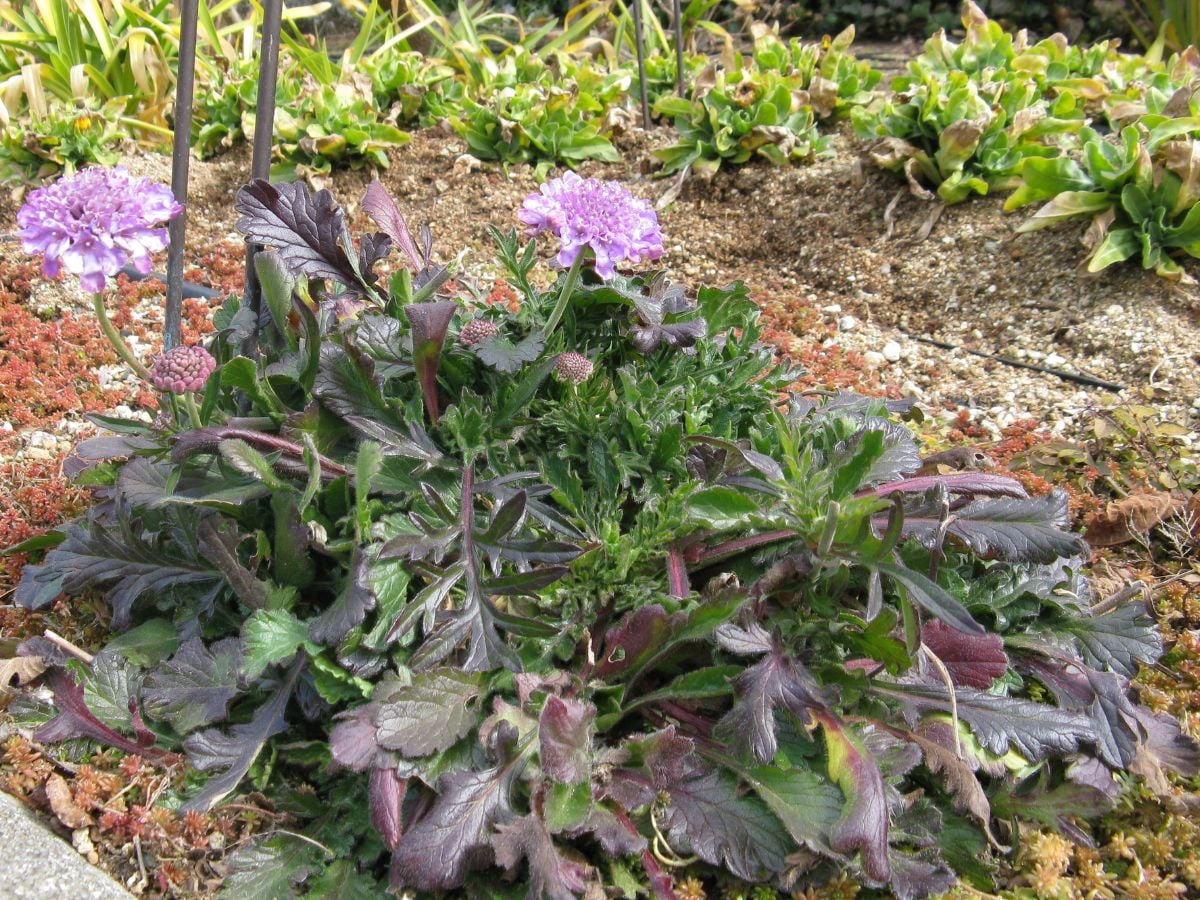
Once established, this plant requires little care and can thrive for many years. As temperatures warm in spring, its slender stems emerge from the soil, adorned with lush green foliage. As the days go by, the flower buds begin to form, providing a teaser of their upcoming blue splendor.
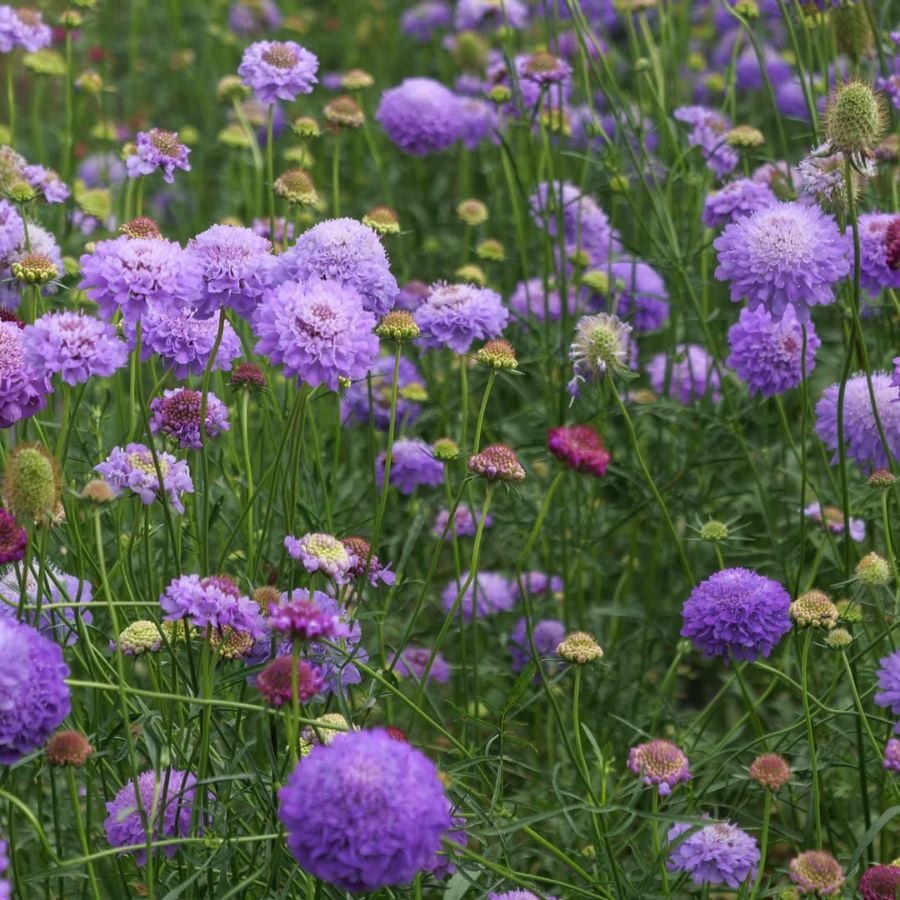
The plant is hardy and can grow in a variety of soil types, as long as they are well-drained. It prefers full sun exposure but can also tolerate partial shade. This is basically a plant that is fairly easy to care for and requires minimal maintenance, making it a popular choice for both novice and experienced gardeners.
Alluring Blue Flowers That Lure Butterflies and Bees
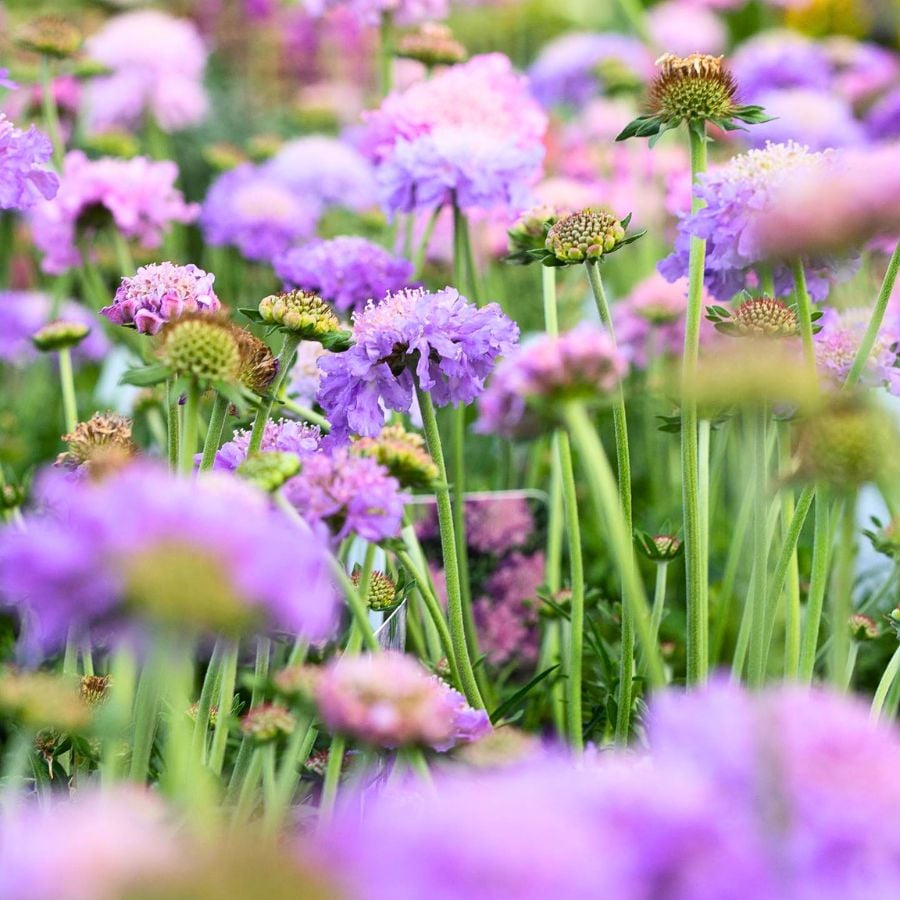
The Scabiosa butterfly blue is mostly loved for its breathtaking blue blossoms, which have inspired its other common names, such as butterfly blue pincushion flower and butterfly blue Scabiosa. The distinctive shade of blue varies from plant to plant, ranging from sky blue to a deeper, more vibrant hue reminiscent of a sapphire's allure.
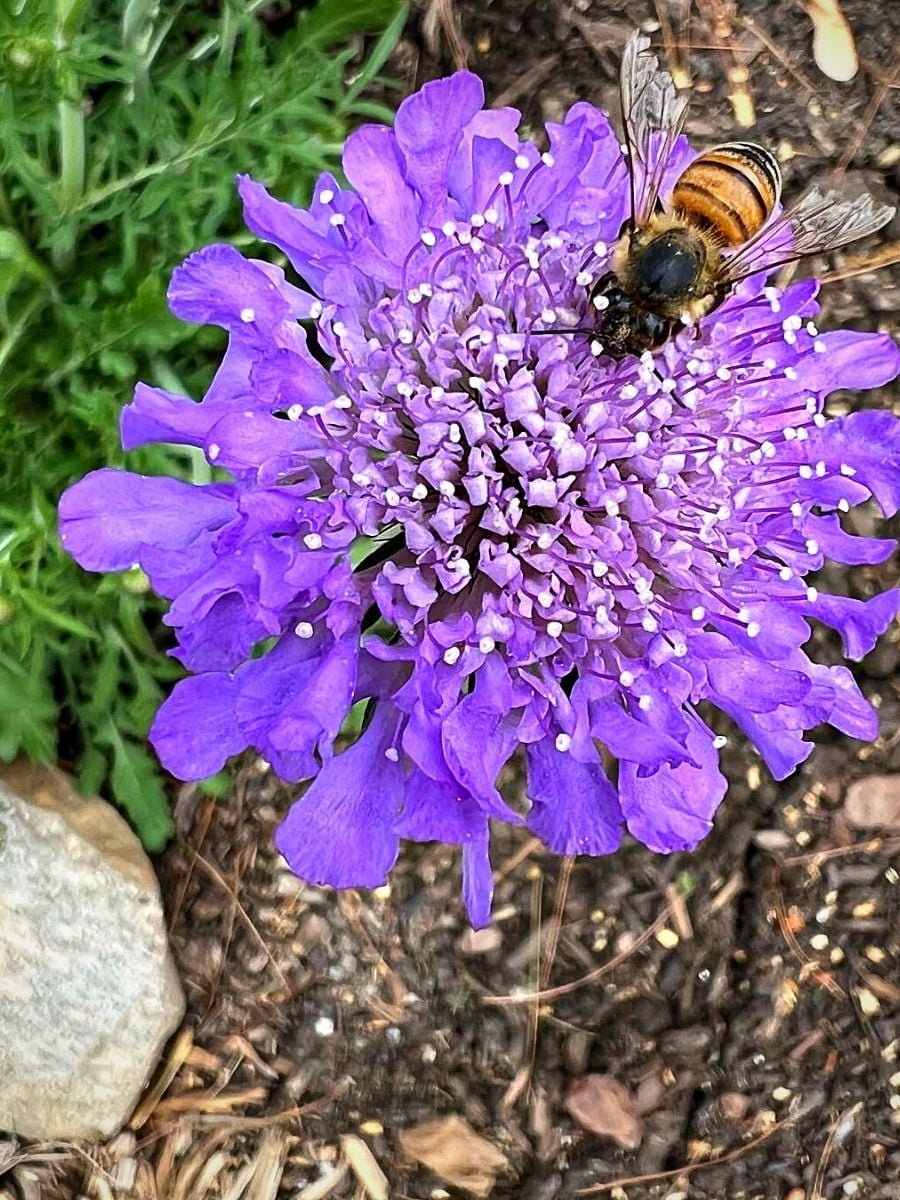
These captivating flowers bloom abundantly throughout the summer, attracting pollinators and people with their irresistible charm. So, true to its other common names, the Scabiosa butterfly blue has a special appeal to butterflies, with these winged visitors often flocking to its nectar-rich flowers for the sweet reward while unknowingly playing a key role in pollination.
How to Care for the Scabiosa Butterfly Blue
The butterfly blue pincushion flower is a captivating plant that adds refined beauty and elegance to the garden. If you have recently added this plant to your garden or plan to do so, it is important to know how to care for it properly. So here are some helpful tips to care for your Scabiosa butterfly blue plant:

How to Choose the Perfect Spot
The first step in caring for your Scabiosa butterfly blue is finding the ideal spot for it to flourish. This pincushion flower thrives in locations with abundant sunlight, so select a spot that receives at least six hours of direct sunlight daily. Well-draining soil is essential, as waterlogged roots can lead to root rot. It does best in moderately fertile soil that is neutral to slightly alkaline, which is why it does well in chalky soils.
Planting the Butterfly Blue Pincushion Flower
When it comes to planting, timing is key. The best time to plant Scabiosa butterfly blue is in the early spring or fall when the weather is cooler. Begin by preparing the soil, removing any weeds or debris, and incorporating organic matter for added nutrients. Dig a hole slightly larger than the plant's root ball, place it gently in the hole, and cover it with soil. Water thoroughly after planting to help the roots settle in comfortably.
Watering and Maintenance of Your Butterfly Blue Pincushion Flower
While Scabiosa butterfly blue is relatively low-maintenance, proper watering is crucial for its well-being. During the initial establishment period, keep the soil consistently moist but not waterlogged.
Once the plant is established, it can tolerate mild drought conditions, but it's best to water it regularly during prolonged dry spells. Always water at the base of the plant to prevent water from splashing on the leaves and causing potential fungal issues.
Deadheading for Prolonged Blooming
To encourage continuous blooming and maintain the plant's tidy appearance, deadhead spent flowers regularly. This simple task involves removing faded blossoms by pinching them off at the base. Deadheading prevents the plant from investing energy in seed production, redirecting its resources to producing new buds and blooms instead.
Supporting the Pincushion Flowers and Fertilizing for Optimal Growth
As your Scabiosa butterfly blue matures and produces an abundance of blooms, you may find that the slender stems need some support to prevent them from flopping over. Use stakes or decorative plant supports to gently prop up the stems and keep the plant looking neat and upright.
To enhance the plant’s growth and blooming potential, go easy on the fertilizer: in moderately fertile soil, a light feed with a balanced fertilizer in spring is usually enough, and heavy feeding gives soft, leafy growth rather than more flowers.
Winter Care and Managing Pests and Diseases
As winter approaches, the Scabiosa butterfly blue will gradually go dormant. Before the first frost, cut back the plant to a few inches above the ground. Apply a layer of mulch around the base to protect the roots from extremely cold temperatures. Come spring, the plant will emerge once again, ready to beautify your garden with its lovely flowers.
When it comes to pests and diseases, the Scabiosa butterfly blue is generally resistant to pests and diseases, but it's always wise to keep a watchful eye on your plant. If you do spot a problem, deal with it promptly, using organic pest control methods or mild fungicides, if necessary.
How to Prune the Scabiosa Butterfly Blue
Pruning is an essential aspect of maintaining the health and beauty of your Scabiosa butterfly blue plant. You can prune your butterfly blue pincushion flower plant in the early spring to remove any dead or damaged stems. This will help promote healthy growth and encourage more blooms. You can also prune the plant after the blooming season to remove any dead flowers and encourage new growth. Here are some tips on how to prune your butterfly blue pincushion flower:
When to Prune
The best time to prune your Scabiosa butterfly blue plant is in spring, just before new growth appears. This will help promote healthy growth and encourage more blooms during the growing season.
How to Prune
To prune your butterfly blue pincushion flower, use a pair of sharp, clean pruning shears. Start by cutting any dead or damaged stems back to the base of the plant. Finally, you can also deadhead your Scabiosa butterfly blue plant by removing the spent flowers. This will encourage the plant to produce more blooms, giving you a longer blooming season.
Tips for Pruning
When pruning your pincushion flower plant, it's important to make clean cuts to avoid damaging the plant. Clean your pruning shears before you start to avoid spreading disease.
Also, avoid pruning your butterfly blue pincushion flowering plant too heavily, as this can lead to stunted growth and fewer blooms. Instead, focus on removing dead or damaged stems and shaping the plant to promote healthy growth.
Mindful Maintenance
While pruning is necessary, it's important to approach it with care and mindfulness. Avoid over-pruning, as this can stress the plant and inhibit its ability to bloom. Remember that this plant has a natural form that enhances its appeal, so focus on removing spent flowers and selectively trimming for better growth, rather than heavily reshaping the plant.
Post-Pruning Care
After you've completed the pruning process, take a moment to water the butterfly blue pincushion flower gently as adequate hydration helps the plant to recover from the pruning process and encourages new growth.
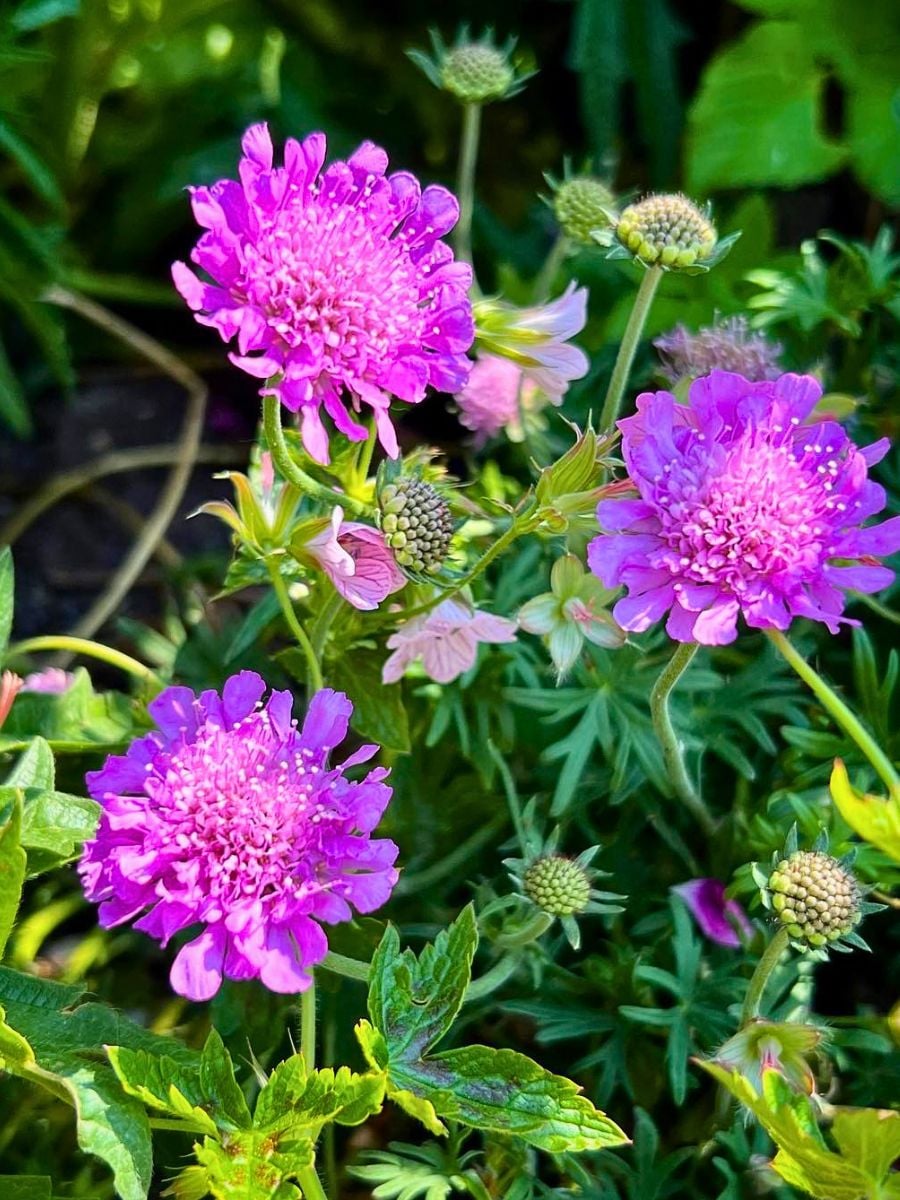
Applying a layer of organic mulch around the base of the plant can also help retain moisture and regulate the soil temperature, providing further support during this phase. With that, the butterfly blue pincushion flower, with all these alluring qualities, makes it a sure bet to bring bliss to your garden for years.
Something important worth knowing is that florists mostly know scabiosa as a cut flower. The Scabiosa Scoop varieties from Danziger, such as Scabiosa Blackberry Scoop, bring the same pincushion shape to the vase, and Scabiosa Scoop brought the pincushion flower back into the florist's cooler.
Feature image by @theageinggardener, header image by David J. Stang.