A home with plants can feel calmer, softer, and more personal. But not every plant-filled space feels peaceful to everyone. Some people feel overwhelmed by strong scents, too many colors, messy soil, sharp leaf textures, or crowded shelves.
That is why sensory-friendly plant design matters. It is not about filling every corner with greenery. It is about choosing plants, pots, light, layout, and care routines in a way that feels comfortable to live with.
For people who are sensitive to noise, scent, clutter, or visual overload, a plant space should reduce stress, not create another task. A calm plant corner can become a small reset point in the home.
What Sensory-Friendly Plant Design Means
Sensory-friendly plant design means thinking about how a space feels, not only how it looks.
It asks simple questions. Does this plant have a strong smell? Does it shed leaves often? Does the potting mix attract fungus gnats? Does the shelf look crowded? Is the watering routine easy to remember? Can the person sit near the plants without feeling distracted?
The goal is not perfection. The goal is comfort.

Plants can support calm environments, but professional care is important when emotional stress becomes hard to manage alone.
Start With Fewer Plants
Many people think a calming plant space needs a large collection. It does not.
A small group of healthy plants is often better than a crowded shelf of struggling ones. Too many plants can increase watering tasks, visual clutter, pests, and guilt when care becomes difficult.
Start with three to five plants. Place them where you can see and care for them easily. Give each plant space around it. A little empty space helps the whole area feel calmer.
Choose Low-Scent Plants First
Scent is personal. A plant that feels refreshing to one person may feel too strong to another.
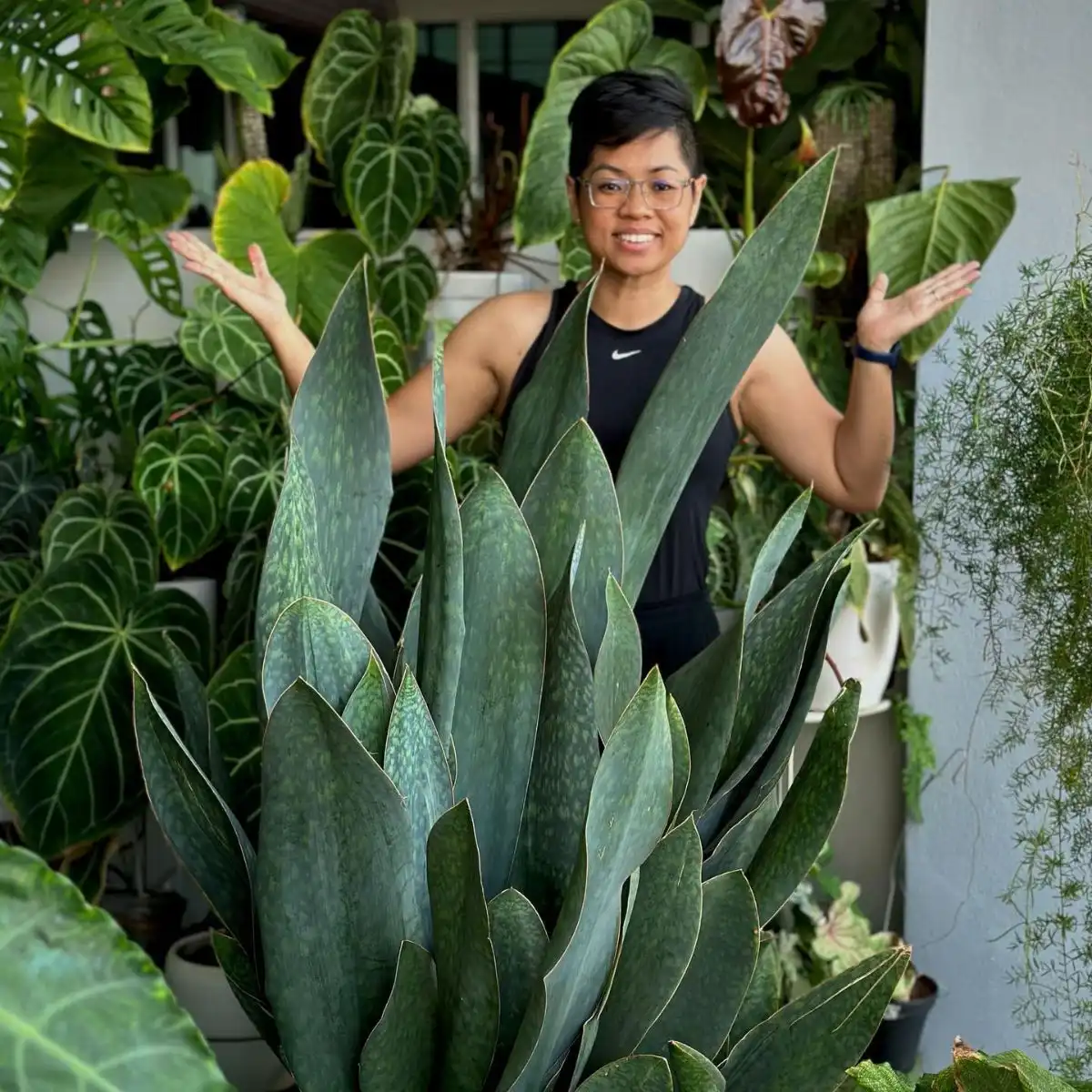
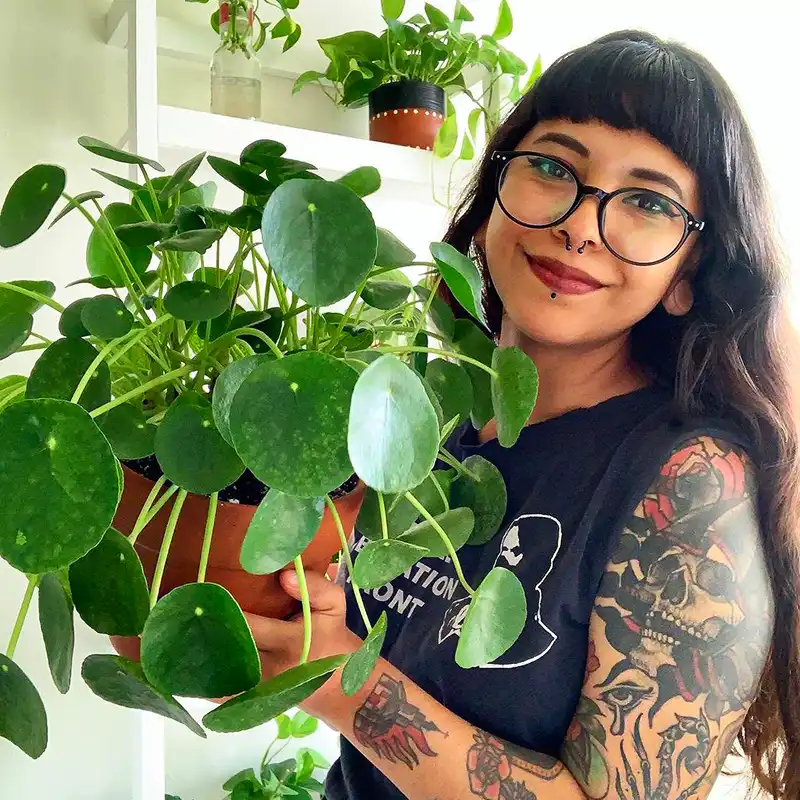
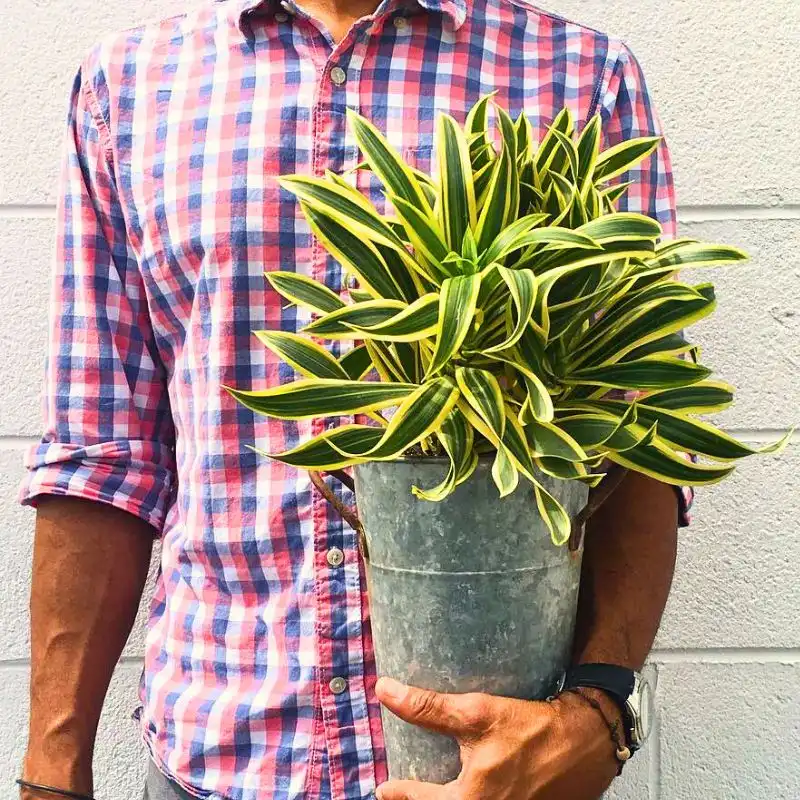
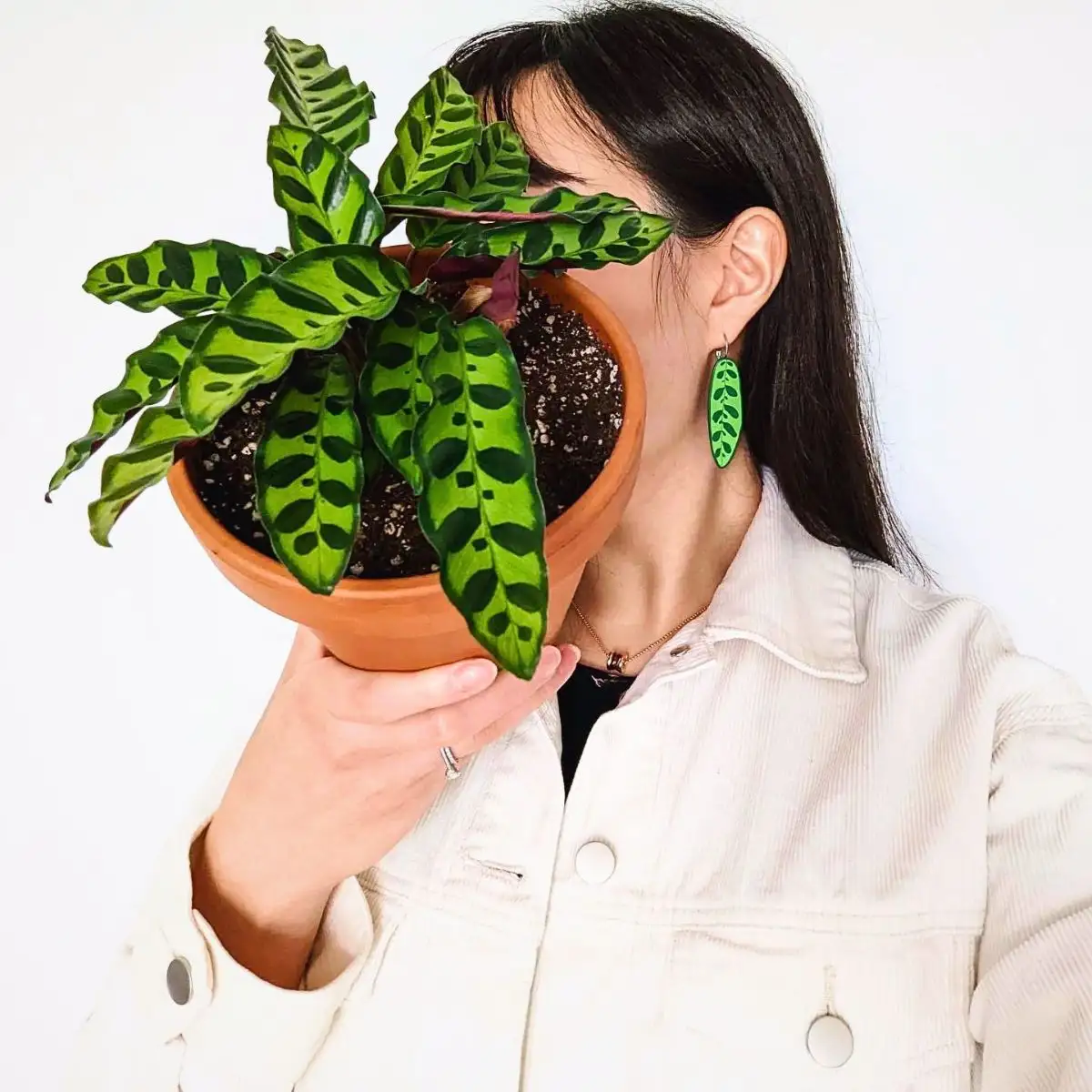
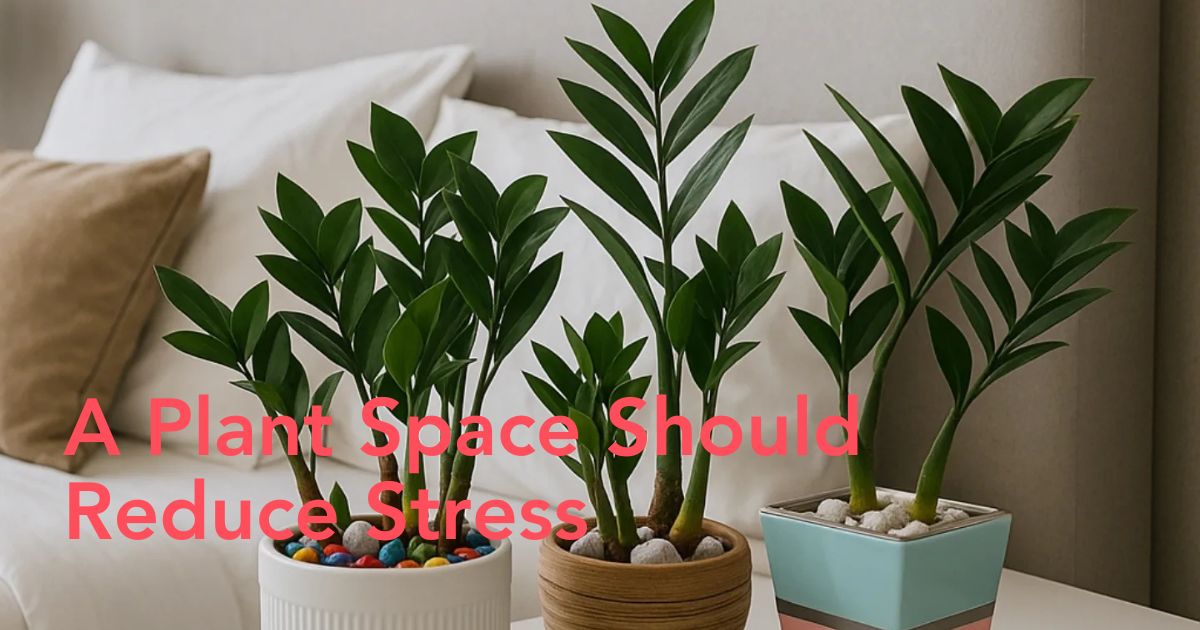
For sensory-friendly homes, low-scent plants are usually the safest choice. Many foliage plants offer the calm feeling of greenery without a strong fragrance. Snake plants, pothos, ZZ plants, philodendrons, calatheas, and ferns can work well depending on light and humidity.
Flowering plants can still be included, but choose carefully. Some flowers release a strong scent, especially in warm rooms. If fragrance causes headaches, nausea, or irritation, keep scented flowers away from bedrooms, desks, and small enclosed spaces.
Think About Texture
Texture matters more than people expect.
Some leaves feel soft and smooth. Others feel rough, sticky, sharp, or waxy. If you often brush past plants, sit close to them, or care for them by hand, texture can affect whether the plant feels comforting or annoying.
Soft foliage plants can work well in calm corners. Avoid plants with spines, sharp edges, irritating sap, or leaves that easily break and leave residue. This is especially useful in homes with children, pets, or people who are sensitive to touch.

Photo by @jcchris
Keep the Layout Simple
A sensory-friendly plant space should be easy to understand at a glance.
Avoid placing too many small pots together. Use fewer, larger visual groups instead. Matching pots or a limited color palette can help the space feel ordered. Shelves should not feel overloaded. Floor plants should not block walkways.
A simple layout might include one floor plant, one small table plant, and one trailing plant on a shelf. That is enough to create a plant corner without making the room feel busy.
Use Soft Light and Clear Placement
Light changes how a plant space feels.
Very bright direct light can create glare. Dark corners can make plants look heavy or neglected. A calm plant space usually works best with soft natural light, filtered light, or a warm lamp nearby.
Placement matters too. A plant beside a reading chair can feel comforting. A plant blocking a door can feel irritating. A plant on a crowded work desk can feel like clutter.
Put plants where they support the room’s function. The plant should belong to the space, not interrupt it.
Choose Easy-Care Plants to Reduce Pressure
A plant space should not become a source of stress.
If you forget watering, travel often, or dislike complicated care, choose plants that tolerate irregular routines. ZZ plants, snake plants, pothos, and some philodendrons are good starting points for many homes.
Avoid plants that need constant misting, high humidity, exact watering, or regular pest checks unless you truly enjoy that kind of care. Rare plants may be beautiful, but they can add pressure if they need daily attention.
For a broader plant wellbeing angle, readers can explore Thursd’s article The Psychology Of Plant Therapy.
Reduce Soil and Past Stress
For some people, the most stressful part of plant care is not the plant. It is the mess.
Loose soil, water stains, fungus gnats, yellow leaves, and leaking pots can make a plant space feel uncomfortable. Good setup prevents most of this.
Use pots with drainage and saucers. Avoid overwatering. Keep soil surfaces clean. Remove dead leaves quickly. If fungus gnats appear, let the top layer of soil dry more and use traps or a safer pest-control method.
A clean plant space feels more calming because it does not keep asking for attention.
Make Watering Predictable
A routine helps reduce decision fatigue.
Choose one or two plant-care days each week. Check the soil before watering instead of watering everything automatically. Keep a small watering can nearby if that helps, or store all tools in one basket.
You can also use simple labels for plants that need different care. For example: “dry first,” “likes moisture,” or “bright light.” This makes care easier when you are tired or distracted.
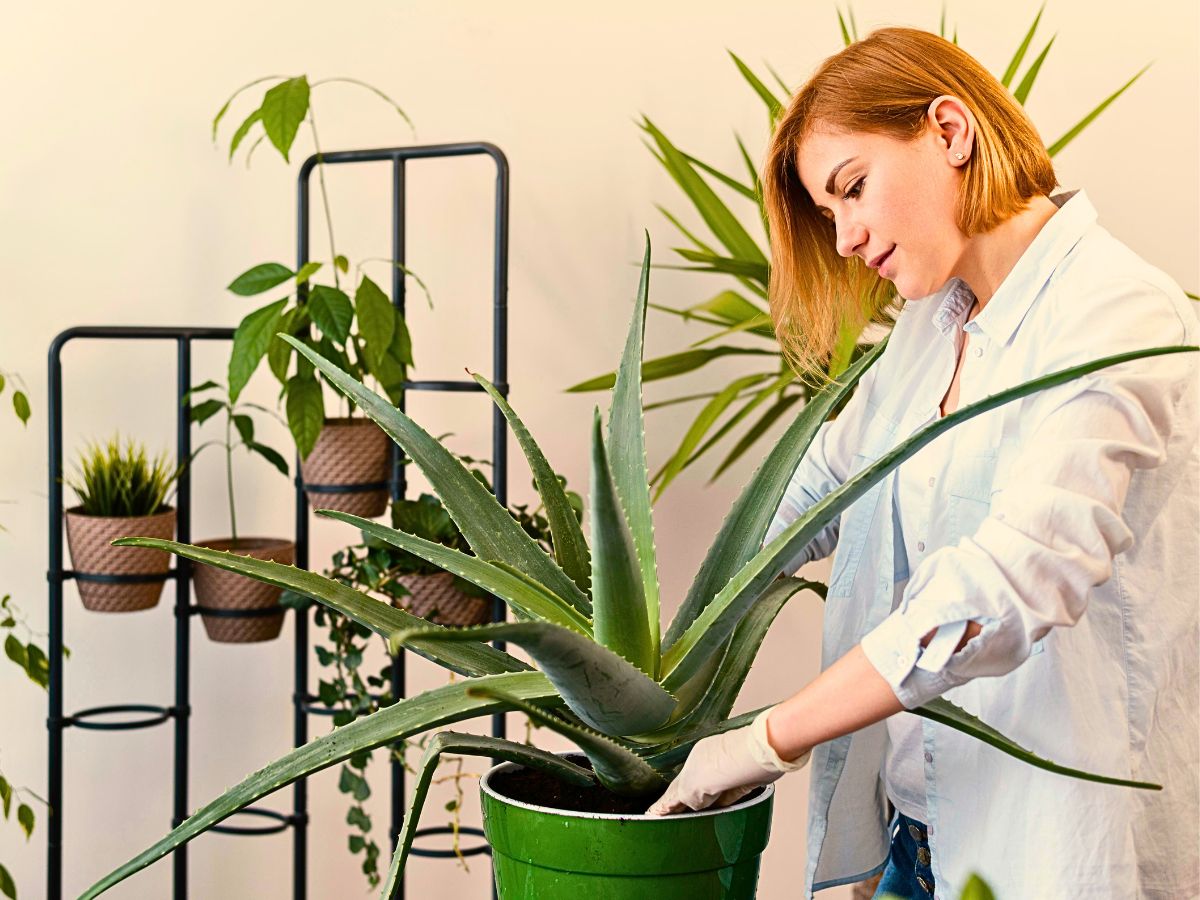
Photo by freepik
Create a Sensory Reset Corner
A sensory-friendly plant corner can become a reset space.
Keep it simple. Add one comfortable chair, one small table, and a few plants. Avoid strong scents and too many objects. Keep the floor clear. Add soft lighting if the space is used in the evening.
This corner can be used for reading, tea, journaling, breathing, or simply sitting quietly for a few minutes. It does not need to look like a designed wellness space. It only needs to feel safe and easy to use.
For more plant-based calm ideas, this internal Thursd article may be useful: Natural Stress Relief How Plants Can Soothe Anxiety.
Plant spaces can support a calmer home, but they should not be treated as a replacement for professional care. If someone is dealing with substance use concerns or related mental health challenges, it is important to speak with qualified professionals and review clinical options carefully. For readers researching treatment-related information, TMS for Substance Use Disorder can be used as a starting point for a conversation with a licensed provider.
Think About Pets and Children
Sensory-friendly also means safe.
Some popular houseplants are toxic to pets or children if eaten. If you have cats, dogs, or young children, check plant safety before buying. Place risky plants out of reach or choose safer alternatives.
Also, think about stability. Heavy pots should not be easy to tip over. Hanging planters should be secure. Tall plants should not lean into walkways.
A calm plant space should not create hidden worry.
What to Avoid in a Sensory-Friendly Plant Space
Avoid strong-scented plants in small rooms if scent sensitivity is an issue. Avoid spiky plants near seating areas. Avoid too many small pots on one shelf. Avoid plants that shed heavily in high-traffic areas.
Also, avoid buying plants because they are trendy if they do not fit your real home. A plant that needs constant care can quickly become another source of pressure.
The best plant is not always the most impressive one. It is the one you can live with comfortably.
Sensory-friendly plant spaces are about comfort, not perfection. A calm home does not need a large plant collection. It needs the right plants in the right places, with a routine that feels manageable.
Choose low-scent plants. Keep layouts simple. Use soft textures. Reduce clutter. Make watering predictable. Keep the space clean and safe.
When plants are chosen with care, they can support a home that feels calmer, clearer, and easier to return to.