Behind every lush garden, thriving houseplant collection, and beautiful cut-flower arrangement is one humble, essential ingredient: water. We tend to focus on soil, sunlight, and the plants themselves, but the systems that deliver and manage water quietly make it all possible. For anyone serious about flowers and greenery, a little practical knowledge of plumbing and water supply goes a surprisingly long way, saving hassle, preventing waste, and keeping everything green and blooming.
Water: The Lifeblood of Flowers and Plants
Plants are overwhelmingly made of water, and their health depends on a steady, reliable supply of it. A dependable water source is the difference between flourishing greenery and a sad, wilting display. Whether you are tending a balcony full of pots, running a small greenhouse, or keeping cut flowers fresh, consistent access to clean water is non-negotiable.
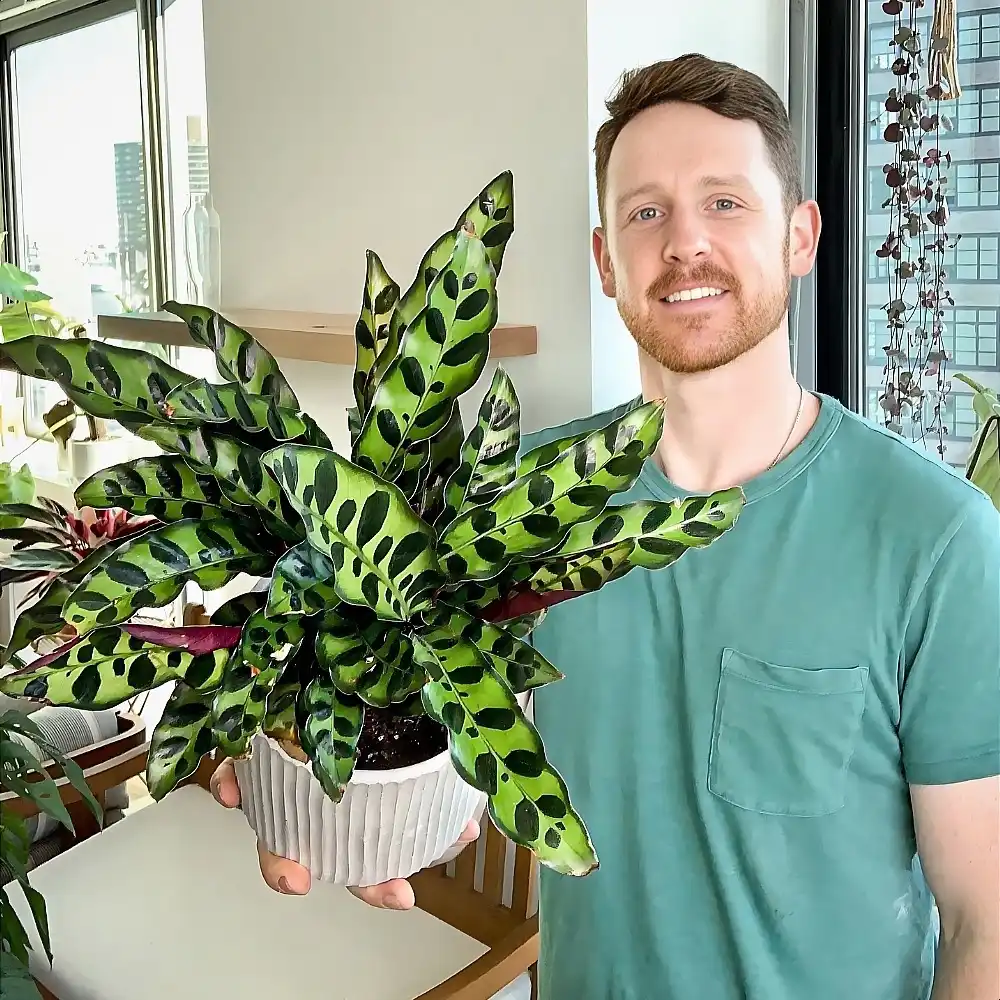
That dependence is exactly why the practical side of water delivery deserves attention. When taps, hoses, or watering systems fail, plants suffer quickly, so understanding the basics helps you keep problems from becoming plant emergencies. You can also read more about 15 Rare Houseplants You Will Love
Photo by @jcchris
Common Water Needs for Plant Lovers
Serious plant and flower enthusiasts run into a range of water-related needs. Outdoor gardeners rely on functioning taps, hoses, and often irrigation or drip systems to keep beds watered efficiently. Greenhouse owners may need dedicated water lines and misting setups to maintain humidity. Even dedicated houseplant keepers benefit from convenient indoor water access and good drainage to avoid soggy roots and messes.
Cut-flower lovers and florists have their own considerations, since fresh water, clean containers, and reliable supply keep blooms vibrant for longer. Across all of these, the common thread is simple, well-maintained plumbing that delivers water where it is needed, when it is needed. Even a modest indoor collection benefits from a nearby tap and a sink deep enough to fill a watering can, small conveniences that make regular care far more likely to actually happen.
When DIY Meets the Water Line
Many watering setups involve small do-it-yourself jobs: connecting a new hose line, installing a drip irrigation kit, fixing a dripping outdoor tap, or adding a convenient water point near your plants. None of these require a master plumber, but they do require the right parts and fittings, and using quality components makes all the difference between a setup that lasts and one that leaks.
Having a reliable source for these bits and pieces matters. An Online Plumbing Supply Store can provide the valves, connectors, hoses, and fittings needed for garden and greenhouse projects, letting you gather exactly what you need without hunting around multiple shops. Sourcing proper parts from the start helps ensure your watering systems work reliably and do not spring leaks the moment you need them most.
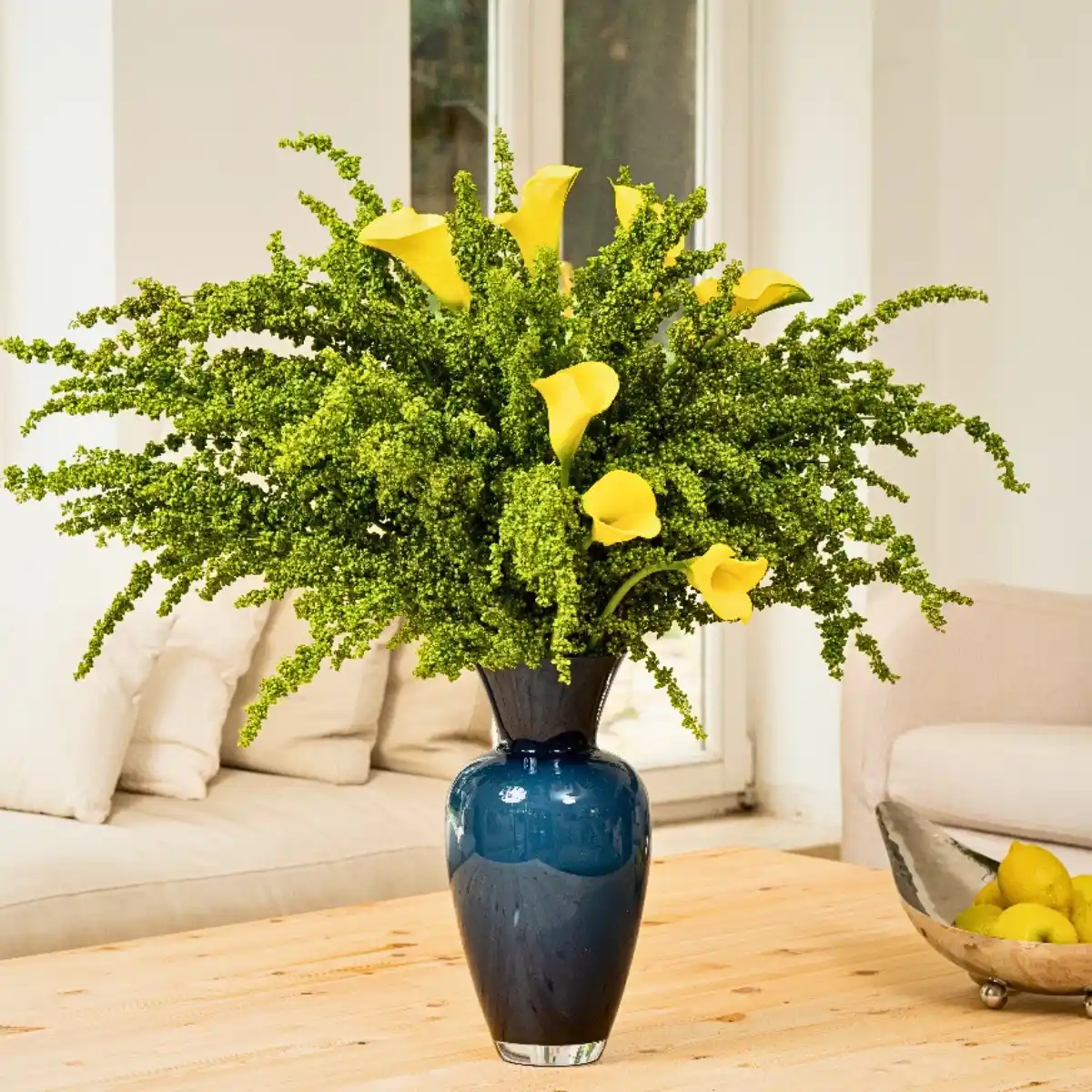
Photo by Artful Home Decor.
Water Quality and Your Plants
It is not only about getting water to your plants but also about the quality of that water. Very hard water, heavy in minerals, can affect certain sensitive plants and leave deposits on containers and fittings over time. Depending on your local supply, a simple filter or letting water stand before use can help, and rainwater collection is a favorite trick among dedicated growers for giving plants a gentler drink.
Paying attention to what comes out of the tap is a small step that can noticeably improve plant health. Matching your water to the needs of your particular plants is one of those details that separates casual growers from truly green thumbs. Tropical houseplants, in particular, tend to appreciate room-temperature, low-mineral water, while many outdoor plants are far less fussy.
Keeping Things Flowing
A little maintenance keeps your watering systems, and your plants, happy. Check hoses and connections periodically for leaks, since even a slow drip wastes water and can go unnoticed for weeks. Clear blocked nozzles, store hoses properly over winter, and fix small problems promptly before they grow into bigger ones.
The Royal Horticultural Society (RHS) recommends maintaining efficient watering practices and regularly checking irrigation equipment to ensure plants receive consistent moisture while avoiding unnecessary water waste. Ultimately, caring for the plumbing behind your plants is part of caring for the plants themselves. With reliable water access, the right fittings, and a bit of routine attention, you remove one of the biggest obstacles between you and a thriving, beautiful display, so you can spend less time troubleshooting and more time enjoying the flowers.