While the Northern Hemisphere settles into autumn, New Zealand is in the middle of spring. Days are getting longer, gardens are filling out, and the first proper evenings for having friends over are arriving.
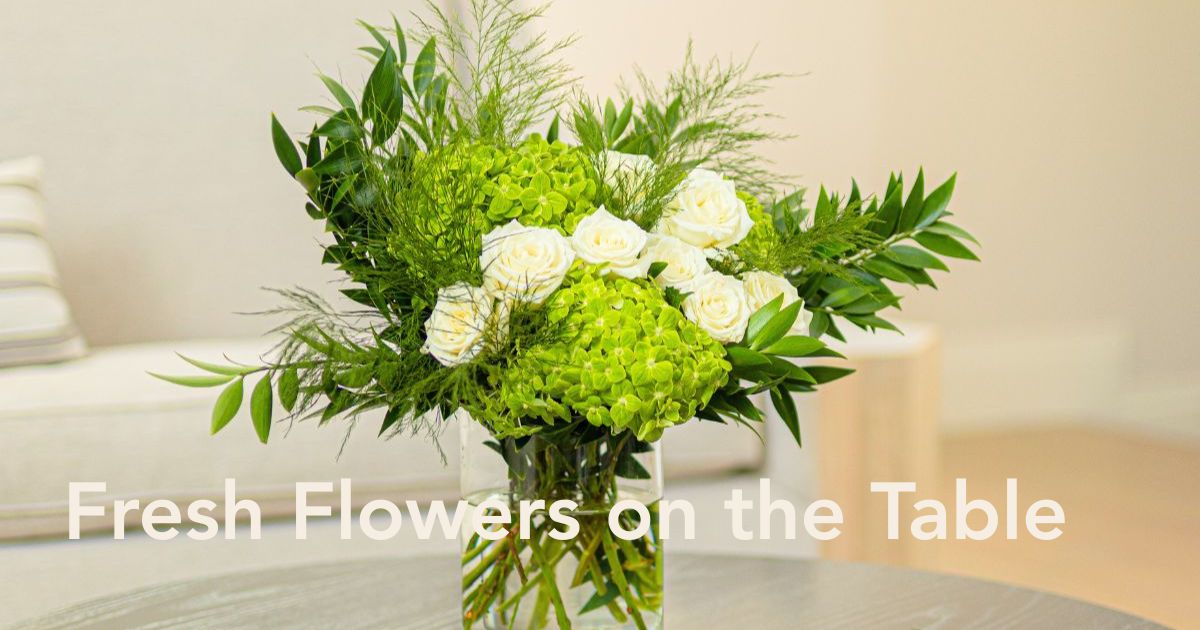
A spring dinner does not need to be elaborate. Fresh flowers on the table and a simple roast at the center of it are enough to make an ordinary weeknight feel like an occasion.
Choosing Flowers for the Season
Spring brings some of the year’s best flowers. Tulips, ranunculus, anemones and freesias are at their peak, and late spring adds peonies and sweet peas for a short, much-anticipated window.
If you are not picking from your own garden, a delivered bouquet takes care of the hardest part. In New Zealand, ordering Flowers from Celebration Box is one way to have a seasonal arrangement arrive on the day, ready to be split across the table or kept whole as a centerpiece. Splitting a bouquet across several small vases is an easy trick that makes one order go further.
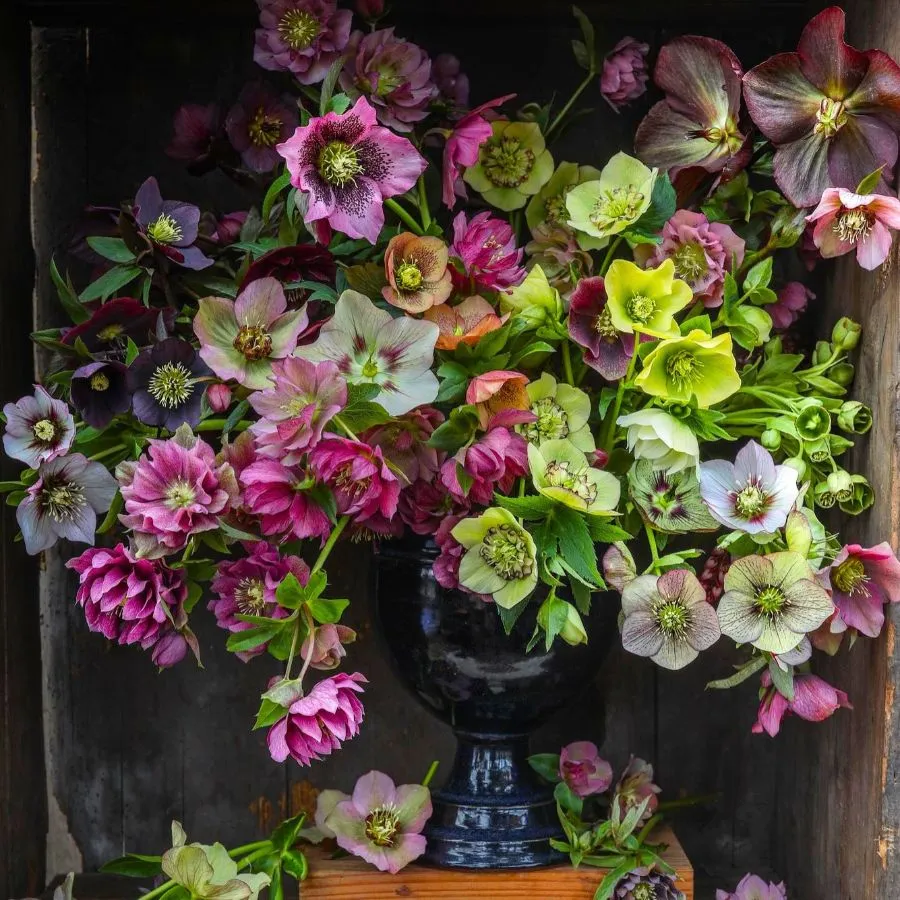
When choosing, think about the room as well as the flowers. Soft pinks, creams and pale yellows suit a daytime lunch, while deeper colors such as burgundy ranunculus or dark tulips feel richer by candlelight.

Keeping the Table Conversational
The most common mistake with dinner table flowers is height. A tall arrangement looks striking when the table is empty, but once people sit down, it blocks the view across the table.
A few simple rules keep flowers and conversation working together:
- keep centerpieces below eye level, roughly the height of a wine glass
- use several small vases down the length of the table rather than one large one
- avoid strongly scented flowers right beside the food
- leave space for serving dishes so the table does not feel crowded
Small bud vases are especially useful. A single tulip or a few sprigs of something green in each one adds color without taking over.
Making Flowers Last
Fresh flowers last longer when they get a little attention on arrival. Trim the stems at an angle, strip foliage from the lower part of each stem so it stays out of the water, and use a clean vase with flower food.
Change the water every couple of days and keep arrangements away from direct sun, heaters and fruit bowls, since ripening fruit gives off ethylene, which speeds up wilting. With that care, most spring flowers will see you through the dinner and well into the following week.
Candles, Linen and the Rest of the Table
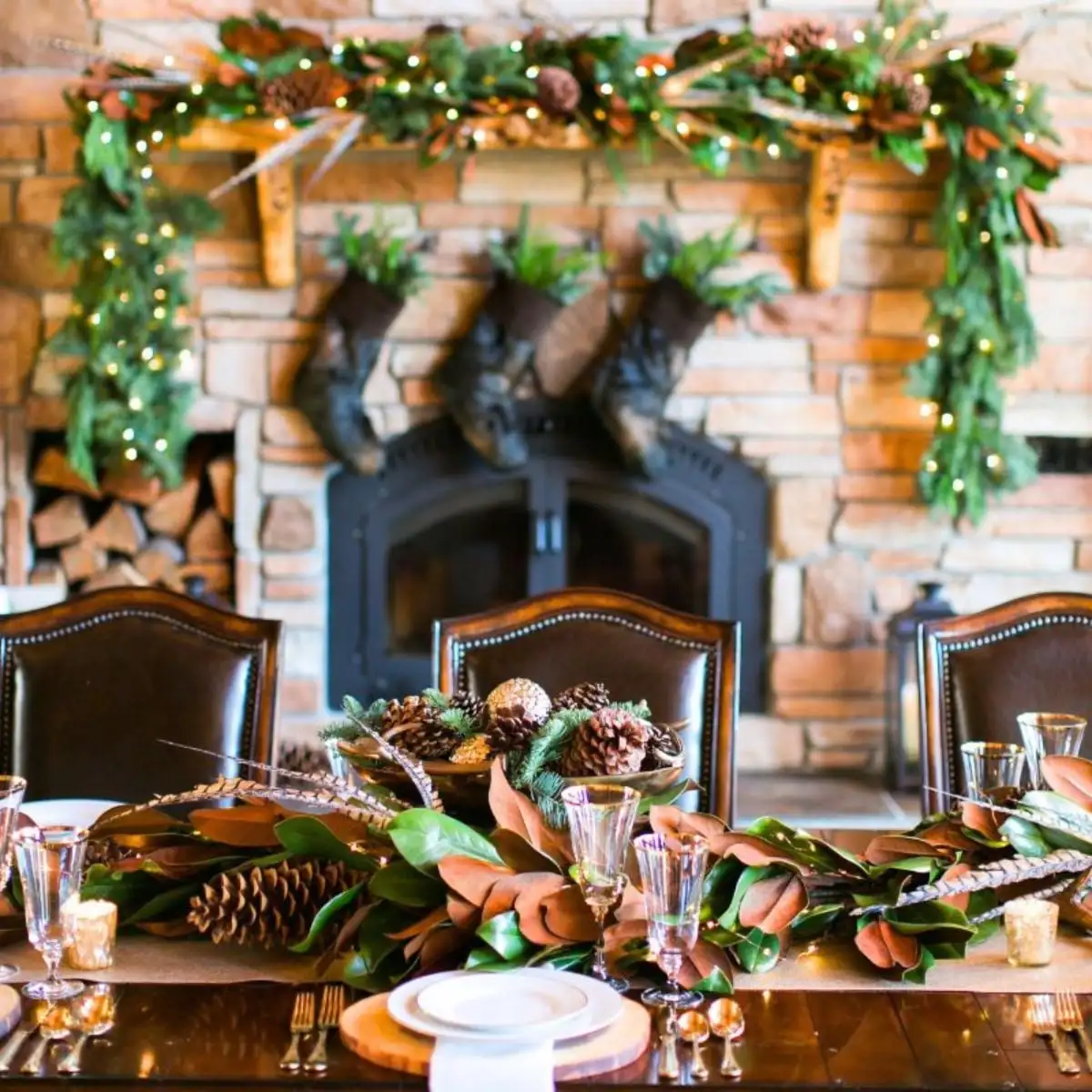
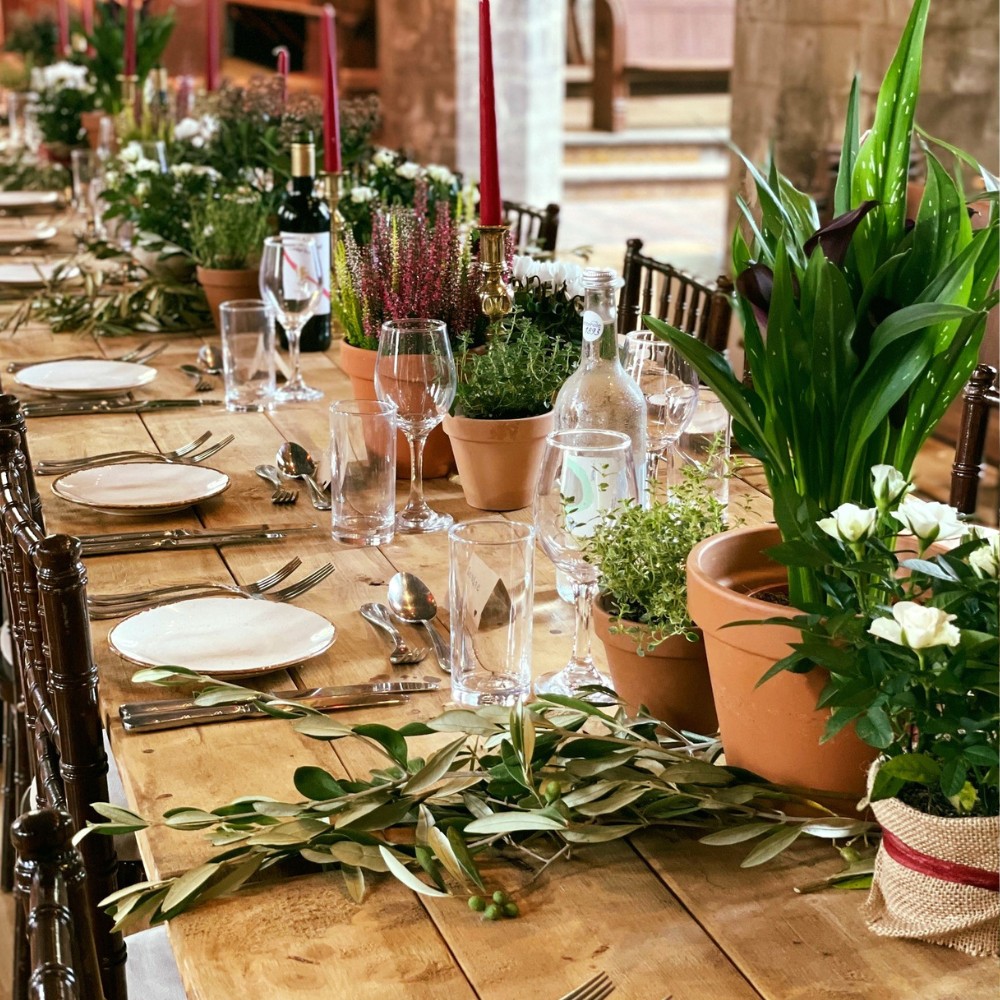
Flowers set the tone, but the rest of the table finishes the picture. Plain white or natural linen lets the color of the flowers stand out, while a colored runner can pick up one shade from the bouquet and tie the whole table together.
Candles add warmth as the evening light fades. Unscented candles are best near food, and low votives or short pillars keep sightlines clear in the same way as low flowers. Tall taper candles can work too, as long as they are spaced so guests can still see each other.
A few personal touches make the table feel considered. A single flower on each napkin, handwritten place cards, or a sprig of rosemary tied to the cutlery all take minutes and are noticed by everyone.
The Roast at the Center
A roast chicken suits a spring table perfectly. It is generous without being heavy, it can be carved at the table, and it pairs easily with new-season vegetables.
Season the bird well the day before if you can, with salt rubbed over the skin and left uncovered in the fridge, which helps it crisp in the oven. On the day, stuff the cavity with lemon, garlic and herbs, and roast it until the juices run clear.
The safest way to know it is done is to check the temperature. FoodSafety.gov’s chart of safe minimum internal temperatures sets 74°C (165°F) for poultry, measured in the thickest part of the thigh without touching the bone. Rest the chicken for 15 minutes before carving, and the meat will be juicier for it.
Spring Sides
New-season vegetables do most of the work here. Asparagus, baby carrots, peas and new potatoes all come into their own in spring and need very little done to them.
A tray of potatoes roasted in the chicken’s juices, a bowl of buttered peas with mint, and asparagus with lemon and olive oil make a full spread with almost no extra effort. A loaf of good bread on the side is never wasted.

Photo by @kabilanofficial
Planning Ahead
The calmest dinners are the ones planned a day or two out. Order the flowers so they arrive the afternoon before, which gives them time to settle and open in the vase. Choose the chicken ahead too, rather than hoping the right size is available on the day.
For hosts in New Zealand, ordering Chicken from the Meat Box means the bird arrives in time to season it the night before, which is the step that makes the biggest difference to the result.
Something to Drink
A roast chicken is easy to match with drinks. A New Zealand Pinot Noir or a lightly oaked Chardonnay both suit the meat and the spring vegetables, and a crisp Sauvignon Blanc works if the dinner starts outdoors in the late sun.
For a non-alcoholic option, sparkling water with sliced citrus and a few herbs looks as good on the table as the flowers do, and suits the lighter feel of a spring evening.
Bringing It Together
Set the table before guests arrive, with flowers in place and candles ready to light. Carve the chicken at the table if you can, since it turns the main course into a shared moment rather than a plate passed from the kitchen.
Spring dinners are about lightness and a sense that the year is turning. A few well-chosen flowers and one good roast are all it takes to capture that.
And when the evening is over, the flowers stay on, a reminder of a good night for days afterwards.