Landscaping in Central Florida comes with a distinct set of opportunities and constraints. The region’s subtropical climate supports lush growth, extended flowering seasons, and a wide variety of plant species. At the same time, high humidity, intense sunlight, sandy soils, and seasonal storms create conditions that demand thoughtful planning and consistent maintenance.
For both residential and commercial landscapes, success is rarely defined by how a garden looks immediately after planting. It is determined by how well it performs over time, how plants establish, how they respond to seasonal shifts, and how effectively the design supports ongoing care. In this environment, planting decisions and maintenance strategies are closely connected, forming the foundation of a landscape that remains healthy, functional, and visually cohesive.
Understanding Central Florida’s Growing Conditions
Central Florida’s climate is characterised by long, hot summers, mild winters, and a pronounced wet season. Rainfall is often abundant but uneven, with periods of heavy downpours followed by stretches of dryness. This pattern places unique demands on plant selection and soil management. You can read more about How to Choose Plants for the Landscape Design?
One of the defining features of the region is its sandy soil. While this allows for excellent drainage, it also means that nutrients can leach quickly, requiring more deliberate soil preparation and fertilisation strategies. Without intervention, plants may struggle to retain the moisture and nutrients needed for consistent growth.
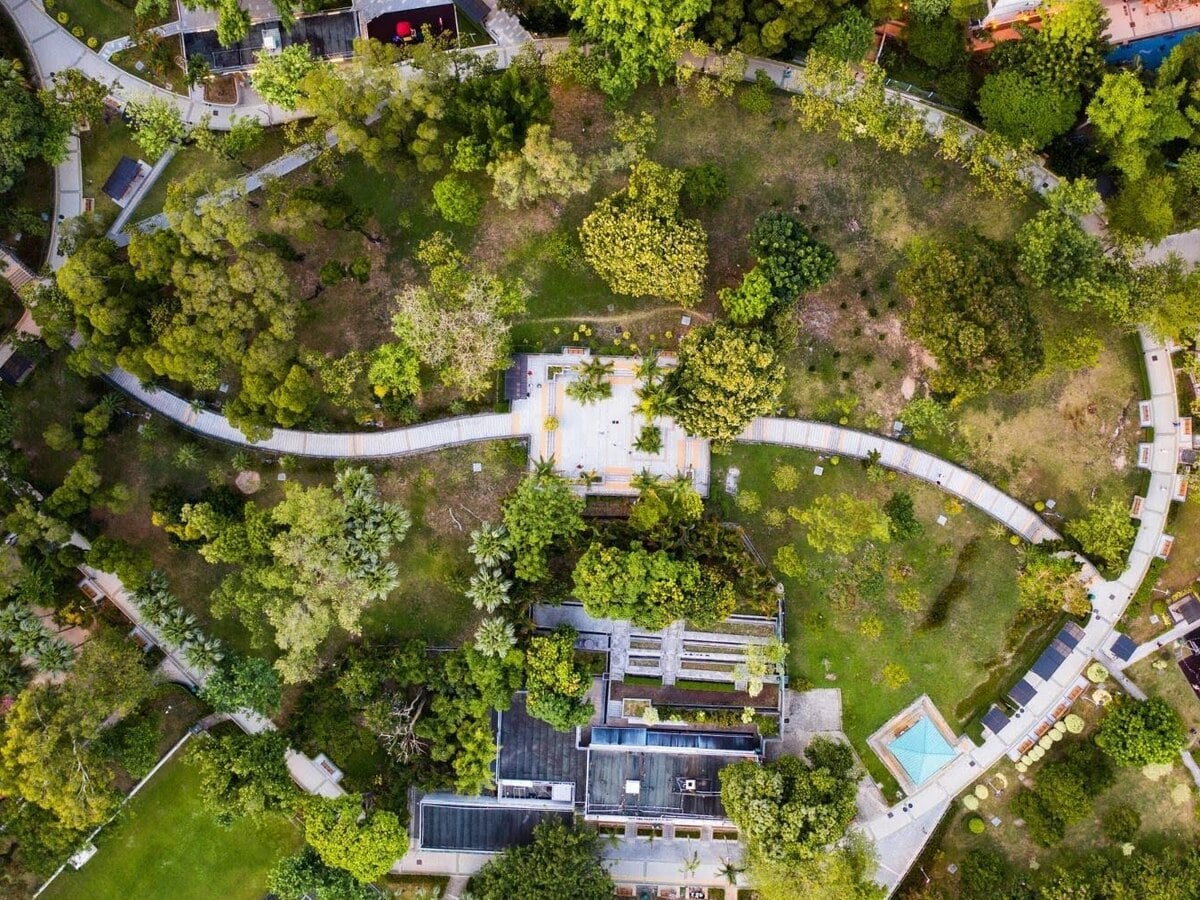
Sun exposure is another critical factor. Many landscapes receive full sun for much of the day, which can stress certain plant species while encouraging rapid growth in others. Understanding how light interacts with plant placement is essential for creating balanced, sustainable designs.
Choosing Plants That Thrive, Not Just Survive
A common challenge in Central Florida landscaping is the temptation to prioritise appearance over adaptability. While many ornamental plants can be introduced successfully, those that are well-suited to the local climate tend to require less maintenance and perform more reliably over time.
Native and Florida-friendly plants are often the most resilient choice. Species such as coontie, muhly grass, firebush, and Simpson’s stopper are adapted to local conditions, making them more tolerant of heat, humidity, and variable rainfall. They also tend to support local ecosystems, attracting pollinators and contributing to biodiversity.
That said, successful planting is not limited to native species alone. Many non-native plants can thrive when placed appropriately and supported by proper care. The key lies in understanding each plant’s requirements, light, water, soil, and spacing, and ensuring that those needs can be met within the landscape.
Layering is another important consideration. Combining groundcovers, shrubs, and canopy elements creates depth while also helping to regulate soil temperature and reduce evaporation. This layered approach supports both aesthetics and plant health, particularly during the hottest months of the year.
Soil Preparation as a Foundation
In Central Florida, soil preparation is not optional, it is foundational. Given the naturally sandy composition of much of the region’s soil, improving structure and nutrient retention is essential before planting begins.
Incorporating organic matter, such as compost or well-aged mulch, can significantly improve the soil’s ability to retain moisture and nutrients. This not only supports initial plant establishment but also reduces the need for frequent fertilisation over time.
pH levels should also be considered. While many plants tolerate a range of conditions, certain species perform best within specific pH ranges. Testing the soil before planting allows for targeted adjustments, ensuring that plants have the best possible start.
Mulching plays a dual role. It helps conserve moisture, regulate soil temperature, and suppress weeds, while also contributing organic material as it breaks down. In a climate where heat and evaporation are constant factors, maintaining a consistent mulch layer can make a noticeable difference in plant performance.
Designing With Maintenance in Mind
A well-designed landscape is not only visually appealing, it is also manageable. In Central Florida, where growth can be rapid and conditions change quickly, maintenance considerations should be integrated into the design from the outset.
Plant spacing is one of the most overlooked aspects. Overcrowding may create an immediate sense of fullness, but it often leads to competition for resources, increased susceptibility to disease, and more intensive pruning requirements later on. Allowing plants to reach their mature size naturally reduces long-term maintenance and supports healthier growth.
Irrigation systems should also be tailored to the specific needs of the landscape. Drip irrigation, for example, can deliver water directly to the root zone, reducing waste and minimising evaporation. Smart irrigation controllers that adjust based on weather conditions can further improve efficiency.
Hardscape elements, such as pathways, edging, and drainage features, play a practical role as well. They help manage water flow, reduce soil erosion, and create clear boundaries that simplify maintenance tasks.
Seasonal Maintenance Strategies
Central Florida landscapes require year-round attention, but maintenance priorities shift with the seasons. During the wet season, rapid growth and increased humidity can lead to issues such as fungal diseases or overgrowth. Regular pruning, proper spacing, and good air circulation help mitigate these risks.
In the drier months, irrigation becomes more critical. Even drought-tolerant plants may require supplemental watering during extended dry periods, particularly when newly established. Monitoring soil moisture rather than relying on fixed schedules ensures that water is applied when it is actually needed.
Fertilisation should be approached with care. Over-fertilising can lead to excessive growth that is more susceptible to pests and environmental stress. A balanced, measured approach, often guided by soil testing, supports steady, sustainable development.
Pest management is another ongoing consideration. Rather than relying solely on reactive treatments, integrated pest management strategies focus on prevention, monitoring, and targeted intervention. Healthy plants, supported by proper soil and watering practices, are generally more resistant to pests and disease.
The Value of Professional Insight
While many property owners take a hands-on approach to landscaping, there are situations where professional expertise can make a significant difference. Complex planting schemes, large-scale properties, and commercial landscapes often benefit from a more structured approach to design and maintenance.
Providers such as American Grounds Service are part of a broader network of professionals supporting landscape installation, planting, and ongoing care in Central Florida. Their role typically involves aligning plant selection, site conditions, and maintenance practices to ensure that landscapes remain functional and visually consistent over time.
Working with experienced professionals can also help address site-specific challenges, such as drainage issues, soil variability, or exposure differences across a property. Rather than applying generic solutions, these approaches are tailored to the conditions at hand.
Sustainability and Water Efficiency
Sustainability has become an increasingly important consideration in landscape design, particularly in regions where water management is a concern. In Central Florida, this often involves balancing aesthetic goals with responsible resource use.
The University of Florida IFAS Extension promotes Florida-Friendly Landscaping™ principles, which emphasise the right plant, right place, efficient watering, appropriate fertilisation, and responsible maintenance practices. These guidelines provide a practical framework for creating landscapes that are both attractive and environmentally conscious.
Rain gardens, permeable surfaces, and native plantings are all examples of strategies that support sustainability while enhancing visual appeal. By working with natural conditions rather than against them, landscapes can be designed to require fewer inputs while delivering long-term value.
Creating Landscapes That Last
In Central Florida, successful landscapes are not defined by immediate impact alone. They are shaped by how well they adapt, how efficiently they are maintained, and how consistently they perform under changing conditions.
Thoughtful plant selection, careful soil preparation, and maintenance-aware design all contribute to a landscape that evolves gracefully over time. By focusing on longevity rather than short-term appearance, property owners and facilities teams can create outdoor spaces that remain both functional and visually compelling.
Ultimately, landscaping in this region is about working with the environment rather than trying to control it. When planting strategies and maintenance practices are aligned with local conditions, the result is a landscape that not only looks established, but truly is.