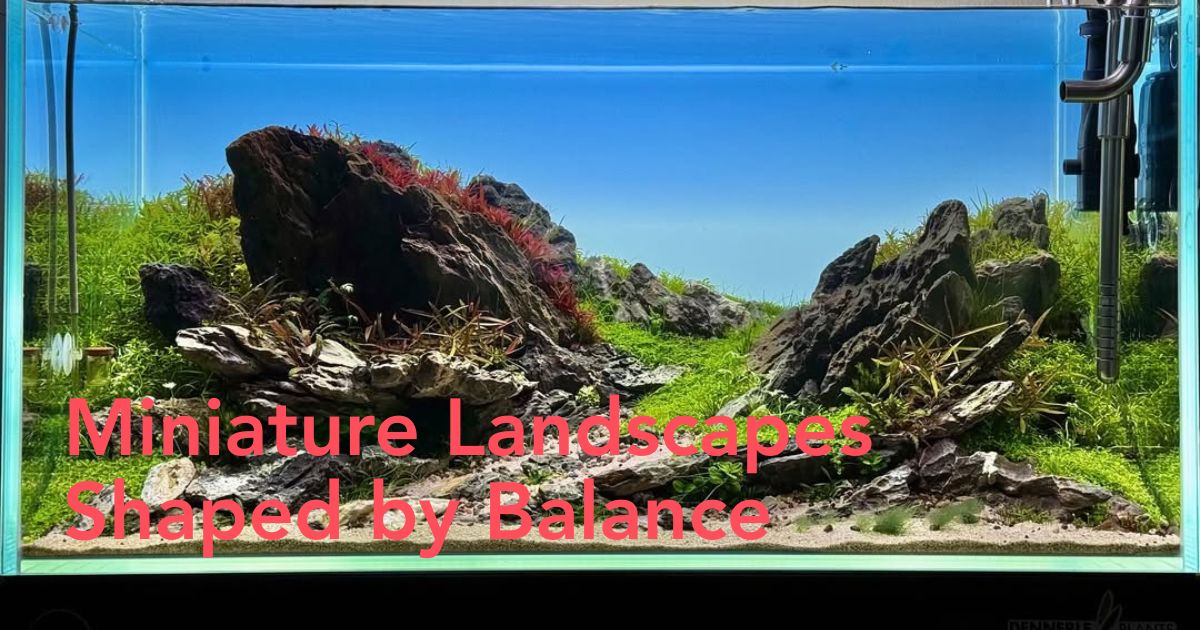
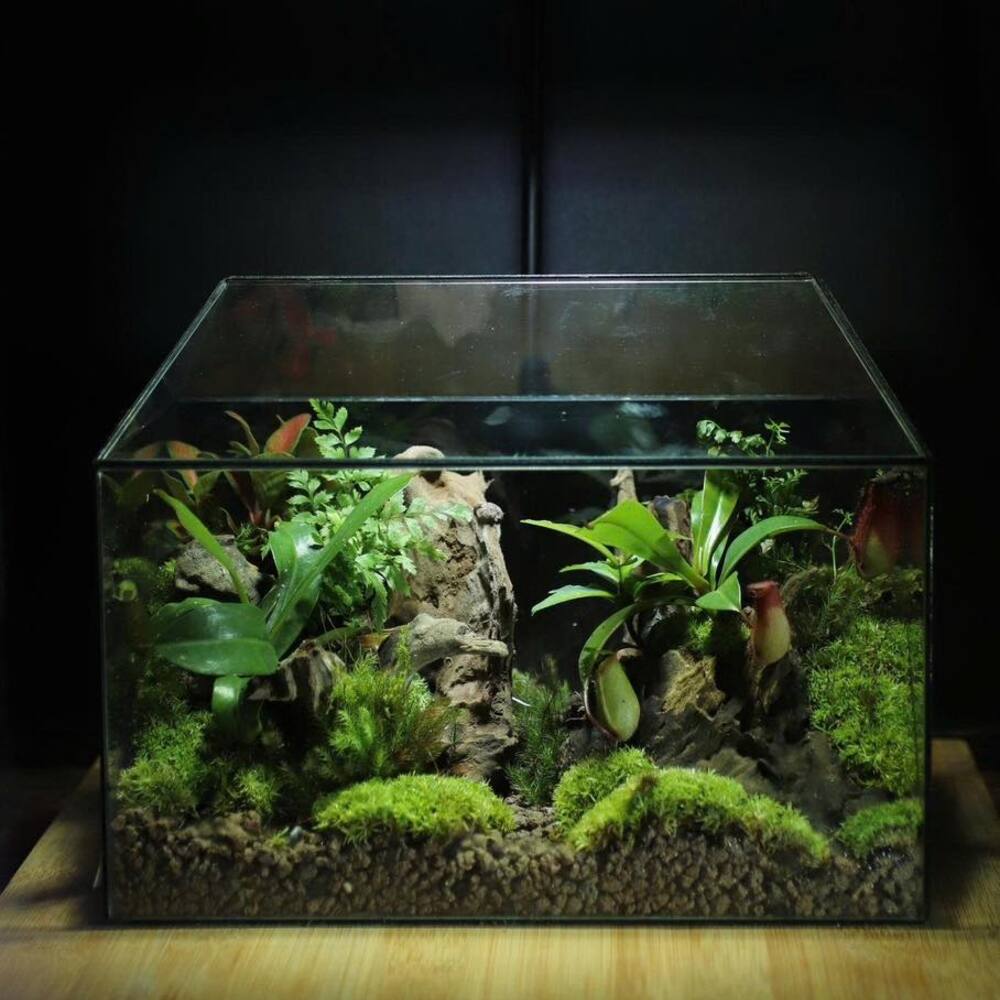
A terrarium lets you watch a landscape exist in slow motion. Within these small, glass-enclosed gardens, every stone, curve, and plant choice carries weight. When the design follows the patterns you see in nature, the scene feels grounded rather than staged.
Structure guides the eye, scale sets the mood, and balance keeps everything working together. Instead of filling space at random, you begin shaping a place that rewards patience and attention.
You can find more floral inspiration here: How To Landscape Your Garden So Plants Take Center Stage
Thinking Like a Landscape Designer in Miniature
Every successful landscape design relies on planning, and a terrarium is no different. Even at a small scale, the eye responds to clear relationships between elements and how they’re arranged in space.
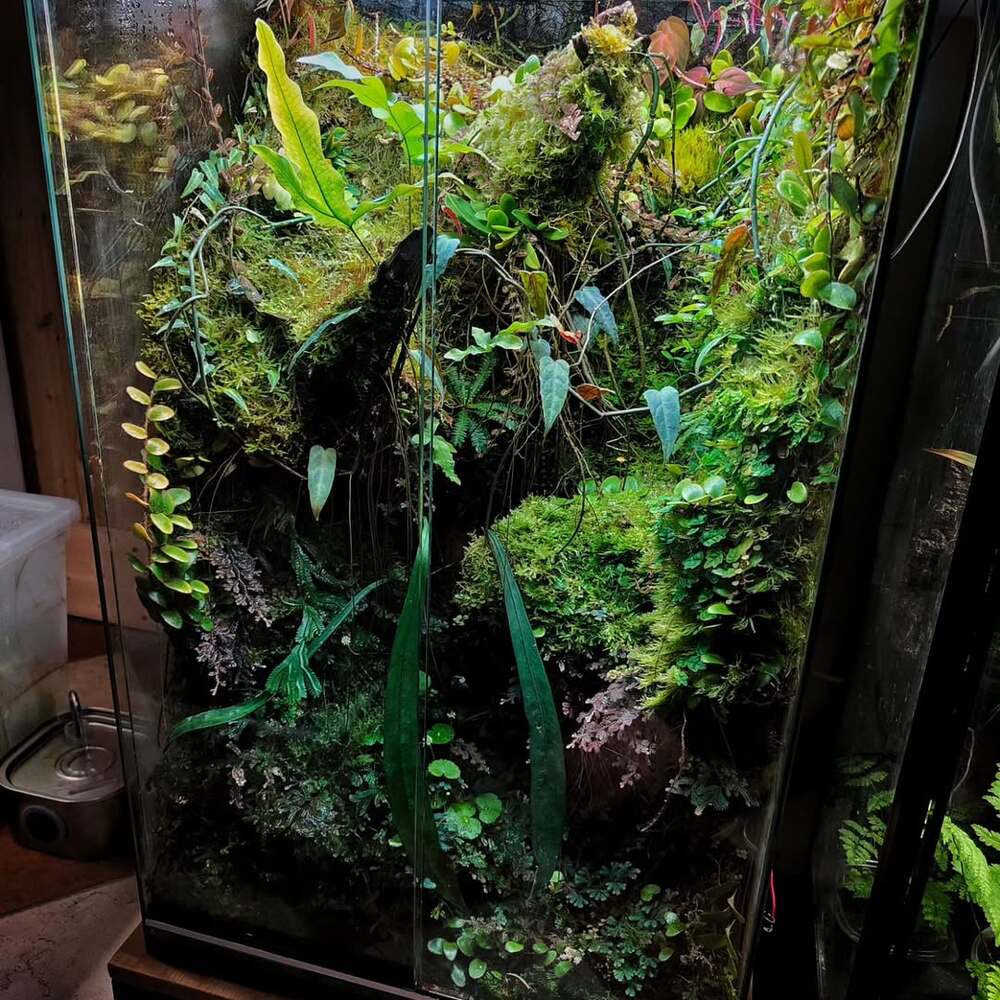
Landscape designers think in layers, using placement to guide attention and suggest depth. The foreground sets the tone. The middle ground creates connection. The background adds distance and mystery. When you apply this approach inside a terrarium, the scene feels deliberate. You’re no longer guessing where things should go. You’re building a layout that makes sense.
Choosing the Right Container to Support Scale
The container does more than hold materials. It frames the entire landscape. Shape and size affect how depth reads inside a glass container. Tall vessels support vertical layers, while wider forms allow sweeping layouts that feel expansive.
Clear walls keep the focus on the interior. Avoid containers with narrow openings that limit placement and force rushed decisions. With more space to work in a glass terrarium, scale becomes easier to manage and perspective develops more naturally.
Building Structure and Visual Weight
Plants may draw attention, but stone sets the tone. Hardscape establishes structure before anything grows. Rocks act as anchors that give the scene weight and stability. Without them, the design feels loose and unfinished.
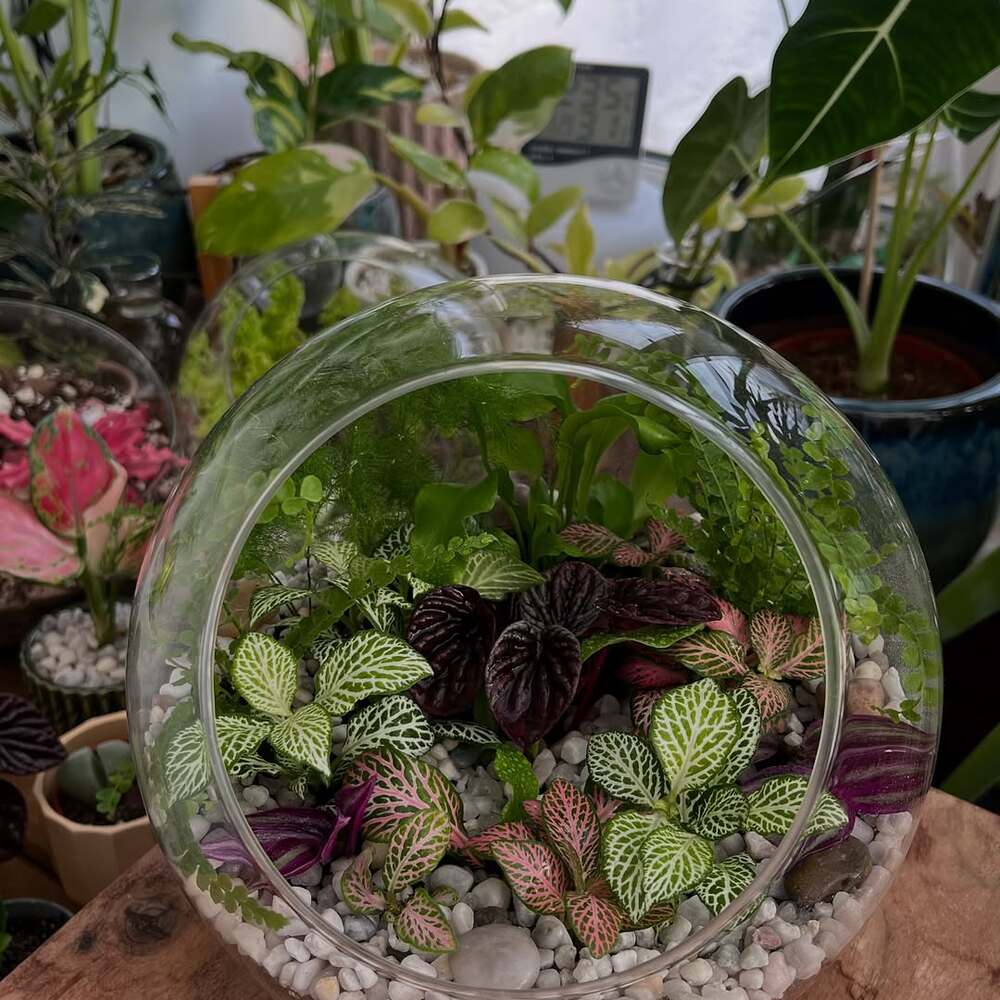
In a terrarium, feature stones are the main rocks you design around, much like how boulders shape a natural landscape. This is where serpentine crystals become especially effective. Their striated green patterns echo the colors found on a forest floor, allowing them to blend naturally with moss and ferns. Unlike flat gray gravel, they support greenery instead of competing with it. This choice strengthens natural terrarium design by reinforcing realism through color and texture.
You can also layer in subtle accents, such as heat-treated bark, to add contrast and break up surfaces without overwhelming the scene.
Creating Depth and Perspective With Stone Placement
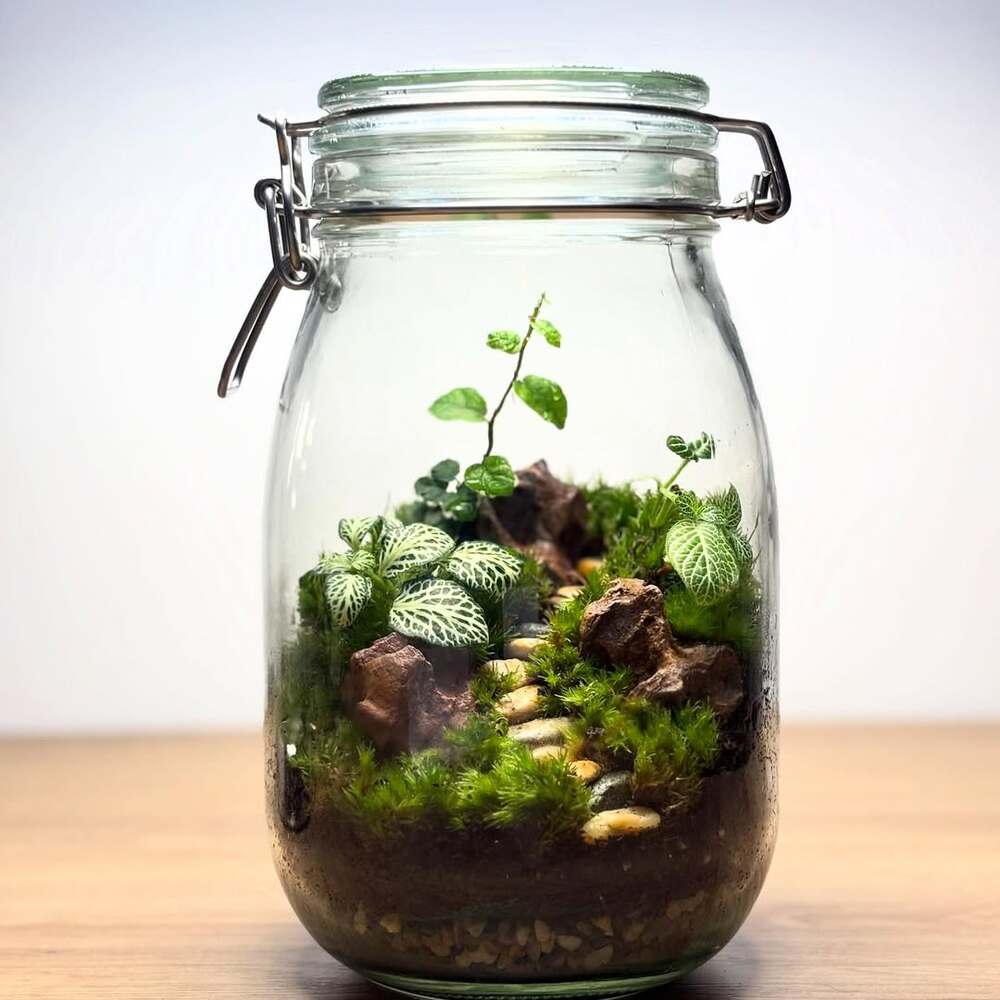
Material alone doesn’t create realism. Placement does. Stones should feel settled, not dropped in place. Larger stones belong in the foreground, where they establish visual weight. Mid-ground stones create flow, while smaller background stones suggest distance.
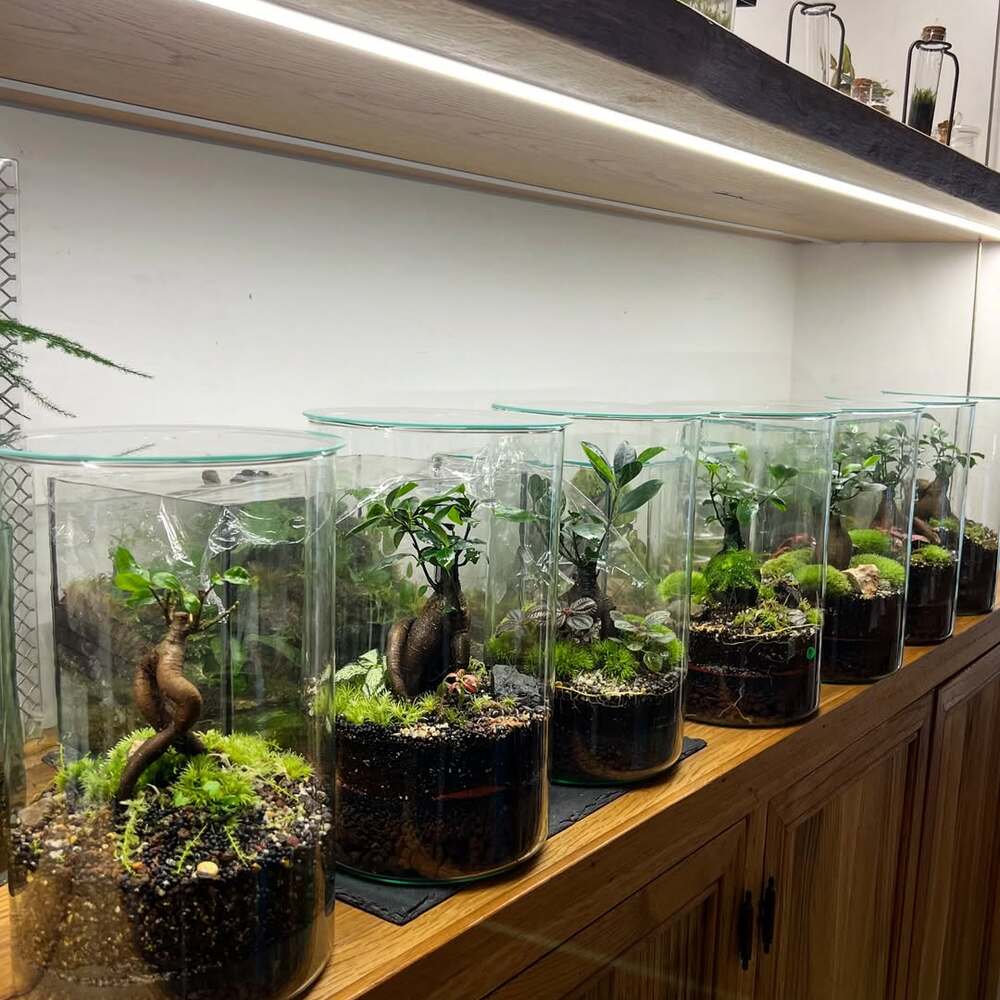
Angles also matter. Tilt stones slightly and bury their bases so they feel anchored. When stones are placed with intention, their natural patterns soften transitions between layers. The eye moves smoothly through the scene, which makes the space feel deeper than it actually is.
Building the Foundation Layer by Layer
A strong design needs physical support beneath the surface. Start with a drainage layer to manage moisture. If needed, add activated charcoal, then build soil gradually. Each layer plays a role in stability and plant health.
Stones should rest firmly on the base rather than loose soil. This prevents shifting over time and protects the overall layout. A stable foundation keeps the design intact as plants mature and makes long-term care easier.
Selecting Plants That Support the Hardscape
Plants should enhance structure, not overpower it. Choose species that stay compact and grow at a steady pace so they reinforce the layout instead of competing with it. Mosses play an important role here by softening stone edges and filling gaps, which helps the hardscape feel settled rather than exposed. Sphagnum moss fits naturally into this role, since it holds moisture and supports the layered, forest-floor look that many terrarium designs aim to create.
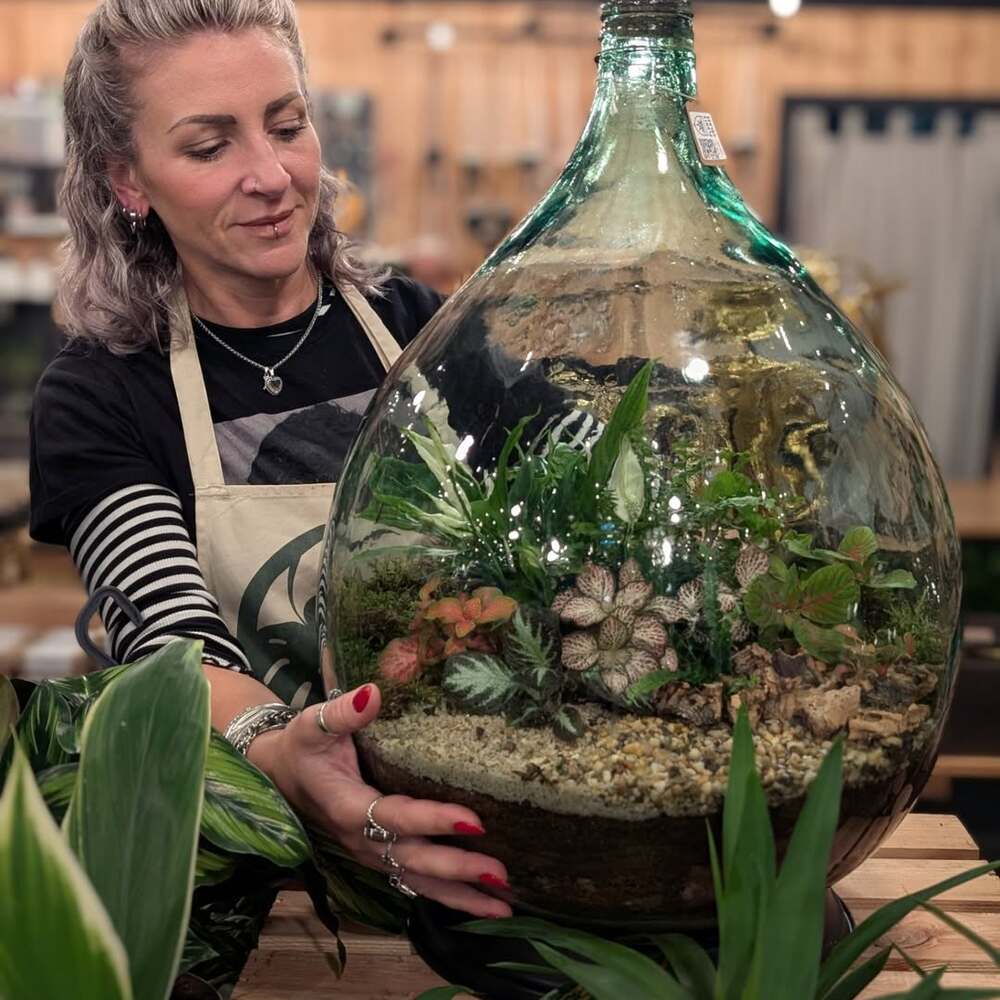
Small ferns add gentle movement without pulling focus away from the stonework. By contrast, plants adapted to dry, open environments bring a very different look and set of needs. Since they store water and prefer airflow and drier soil, succulent plants can disrupt both the appearance and moisture balance of a moss-based terrarium.
Even ornamental plants with bold markings, such as a polka dot plant, require restraint. Without careful scaling, they can dominate the scene and weaken the sense of depth. When plant choices align with the hardscape, the entire landscape reads as intentional and unified.
Managing Light, Moisture, and Ongoing Care
Care choices shape design over time. Light influences growth direction and affects how the scene develops visually. When lighting is too strong or too weak, growth becomes uneven, and detail is lost.
Moisture calls for a more responsive approach. Mist lightly and watch how the terrarium reacts. Tending a terrarium is often done with bare hands, after slipping off copper bracelets and other accessories. Small adjustments help maintain balance and protect the structure you built.
Common Design Mistakes
Even a well-built terrarium can lose its sense of scale when a few high-level design choices go unchecked.
- Ignoring growth: Plants and materials change as they settle in. Terrarium designers often plan for how a scene will look months later to keep proportions from drifting.
- Flattened layouts: When soil, stones, and plants sit at the same height, the scene loses depth. Subtle changes in elevation help maintain visual interest.
- Mismatched styles: Not every design tradition fits an enclosed space. Bonsai trees, for example, follow a different scale and often need airflow that terrariums can’t provide.
When you catch these issues early, the design holds its structure as it matures. The scale stays intact, and the depth remains visible.
Principles of Timeless Terrarium Design
Terrarium design succeeds when you treat it like landscape architecture in miniature. Structure comes first. Hardscape sets the scale, and plants build on that foundation to complete the story. Thoughtful choices, from stone placement to plant selection, work together to create realism that lasts.
With planning, patience, and mindful care, your terrarium becomes more than décor. It becomes a living landscape that feels grounded, believable, and quietly alive.
Header Image by @gr_aqua