When the market is slow, waiting looks like the careful move. Plant what already sells, hold the assortment steady, revisit special rose varieties once prices recover. It's a reasonable instinct. It's also the decision that quietly costs a farm its position.
The challenges themselves aren't in dispute. Acreage and plant density in Ecuador have grown since 2020, the cost base hasn't come down, and competition in the premium segment now reaches beyond the region. The first part of this piece makes the case that they call for a fresh perspective, not a wait-and-see one.
Waiting Has a Price Nobody Invoices
A rose is a multi-year decision. Plants go into the ground and produce for years, which means the variety a farm chooses in a weak season is the variety it will be selling through the recovery.
That is the trap. By the time prices have visibly improved, your planting window for that recovery has already closed. The farms that move first in a better market are the ones that made the call while it still felt uncomfortable.
Nobody sends you an invoice for the variety you decided not to plant. The cost surfaces two years later, as a price list that looks like everyone else's.
Special Rose Varieties Still Have to Perform
In a pressured market, you can't afford novelty that only works in photographs. A distinctive variety has to help a farm stand out and still make sense in labor planning, harvest cycles, post-harvest handling, and sales.
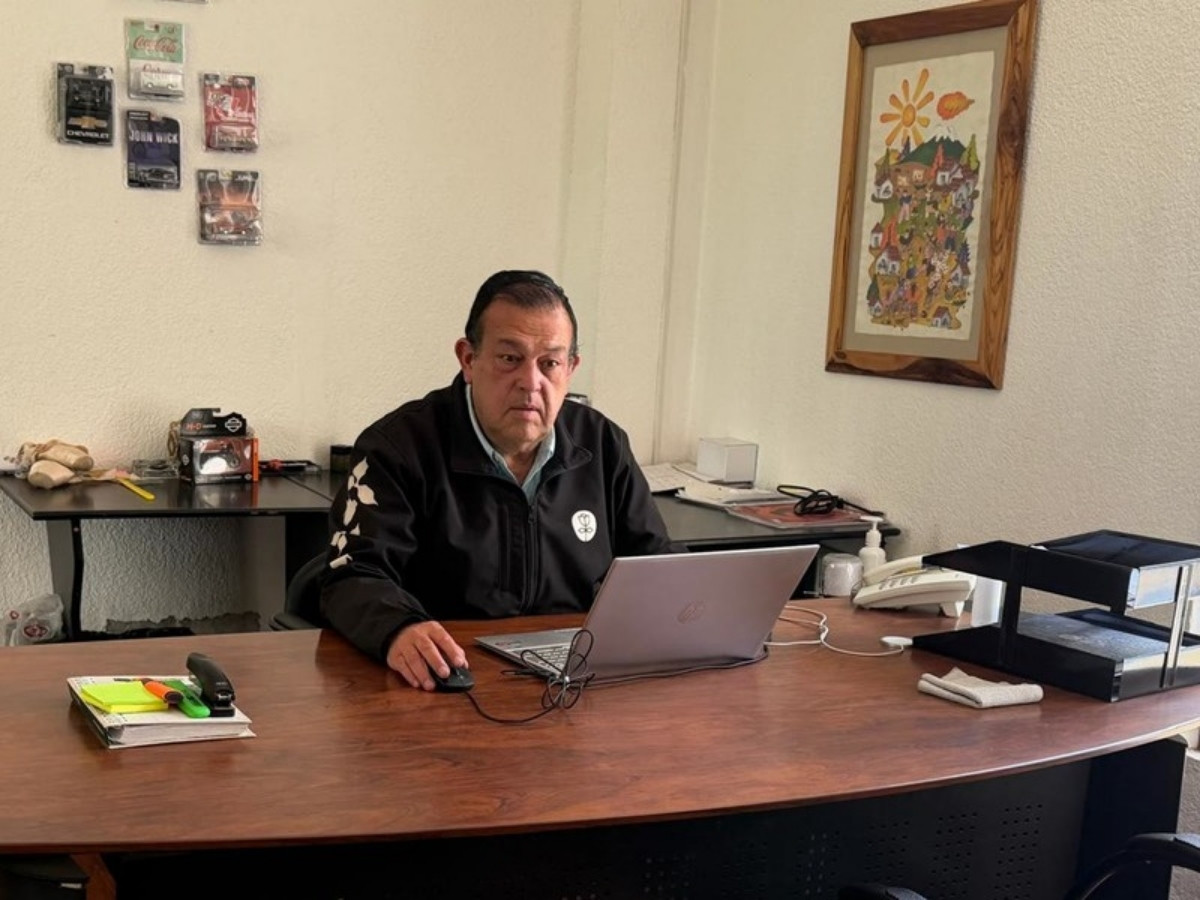
"In the past, one of the most important factors was the market's desire for a specific variety. Today we also need to be very strict about productivity. Over the past two years, we have eradicated some varieties that were in high demand, solely because of low productivity. Flowers per square meter are a must to keep up with increasing costs and keep cash flow positive."
-Rolando Mejía, General Manager, Sunrite Farms
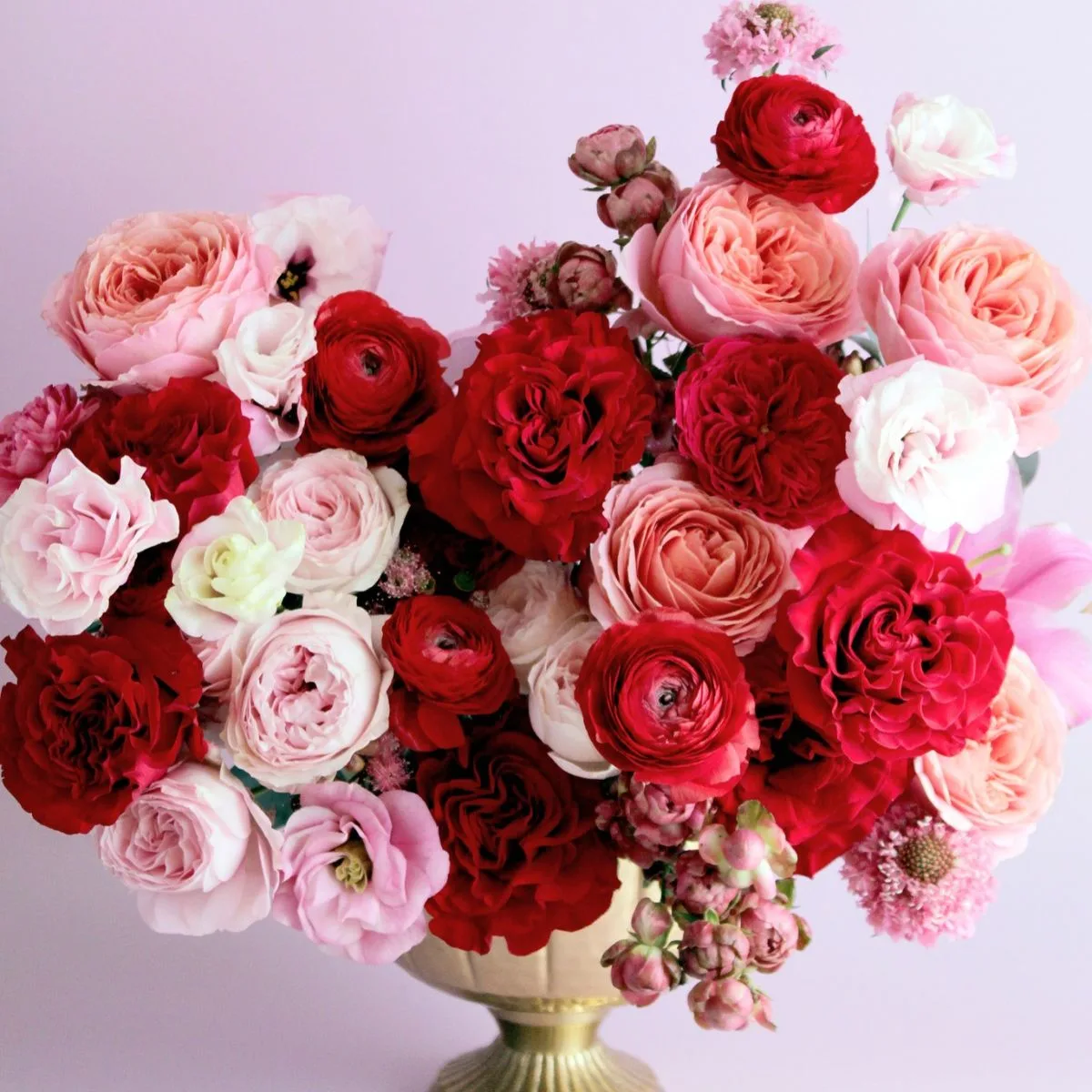
The X-Pression family is one side of that. Garden-style roses have become more important in premium floral design, where florists and event designers want fuller shapes and more character. That look only becomes commercially useful when it arrives with enough uniformity, productivity, and vase performance to survive a season on a real farm.
The Enigma line works from the other direction. New roses are selected for stable plant behavior, strong stems, reliable post-harvest performance, and market relevance, which is novelty introduced with discipline rather than with enthusiasm.
Neither of those makes the choice for you. A special variety selected without technical guidance and a read on the market is a bet rather than a plan. That is where the difference shows between a breeder that delivers plants and a breeder that stays in the conversation afterward.
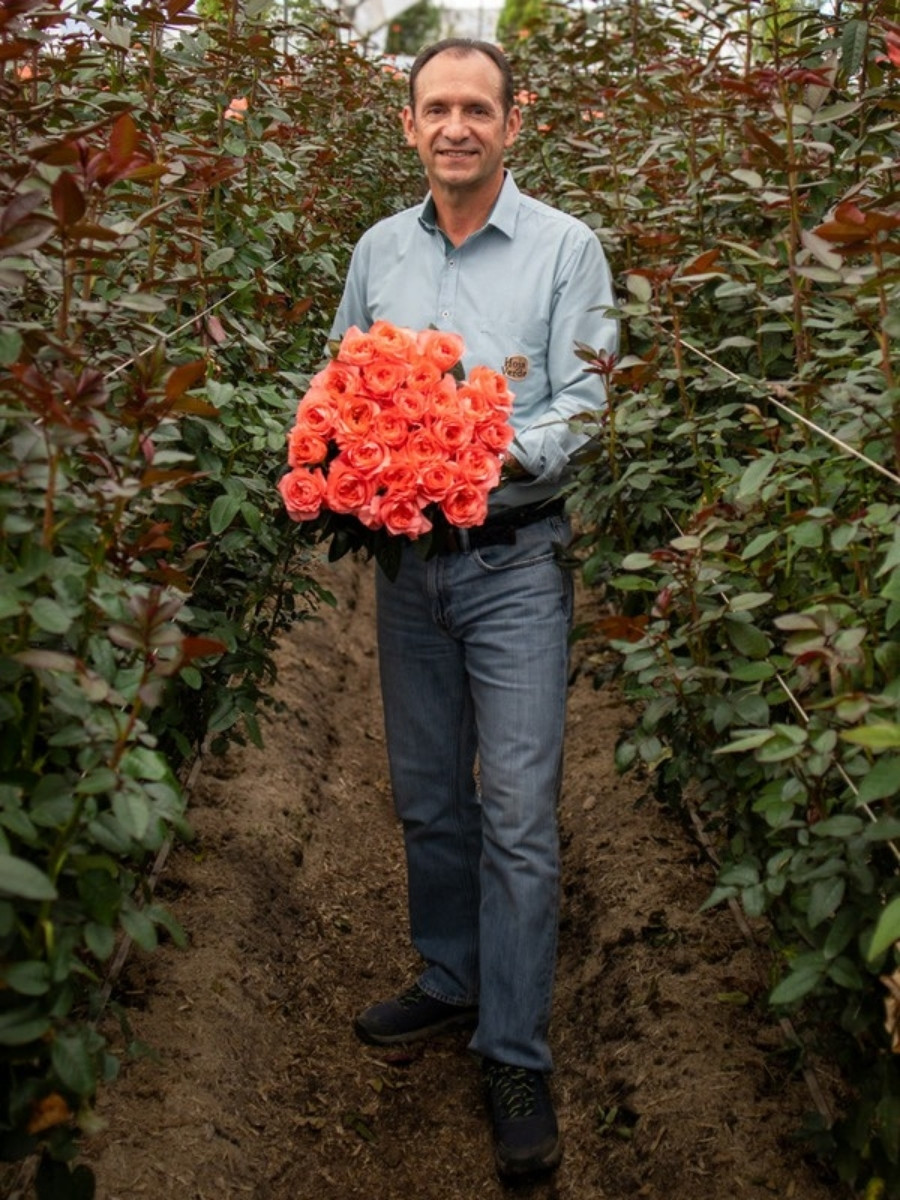
"Sometimes a variety creates a new trend in the market. Pink X-Pression was one of those varieties: it generated new demand for this type of garden rose and helped move the category beyond a niche segment. Traditional customers had been concerned that garden roses would not last long enough for the mainstream market, but Pink X-Pression helped open the door for similar varieties to become part of regular orders."
-Eduardo Letort, CEO, Hoja Verde Group
Not Every Market Wants the Same Rose
The United States runs on volume, seasonal peaks, price sensitivity, and dependable supply. Valentine's Day and Mother's Day still shape most of the planning. Europe puts more weight on product definition, certification, traceability, and depth of assortment, and premium florists and event designers there keep looking for varieties with a clear identity.
A farm serving both needs both kinds of rose. Proven varieties hold the core business steady. Distinctive ones give a buyer a reason to start something new. In a slow market, that spread is what keeps a farm from competing on price alone.
What Staying Ready Looks Like
The challenges are real. Supply has grown, costs are high, competition is stronger, and buyers are more selective. But Ecuador's foundations are intact: experienced growers, a recognized quality standard, a deep export culture, and a settled place in the global rose trade. This is a sector that has come back from hard years before.
Recovery in this business arrives in steps rather than all at once. If tariff pressure eases, if geopolitical tension settles, or if a key market regains confidence, the farms that move first will be the ones with something to offer beyond standard volume.
That preparation is unglamorous work. Variety trials. Honest advice about which varieties are ready for wider planting and which need another season. A portfolio wide enough that you have an answer when a buyer asks for something they haven't seen before, all of which is offered by De Ruiter.
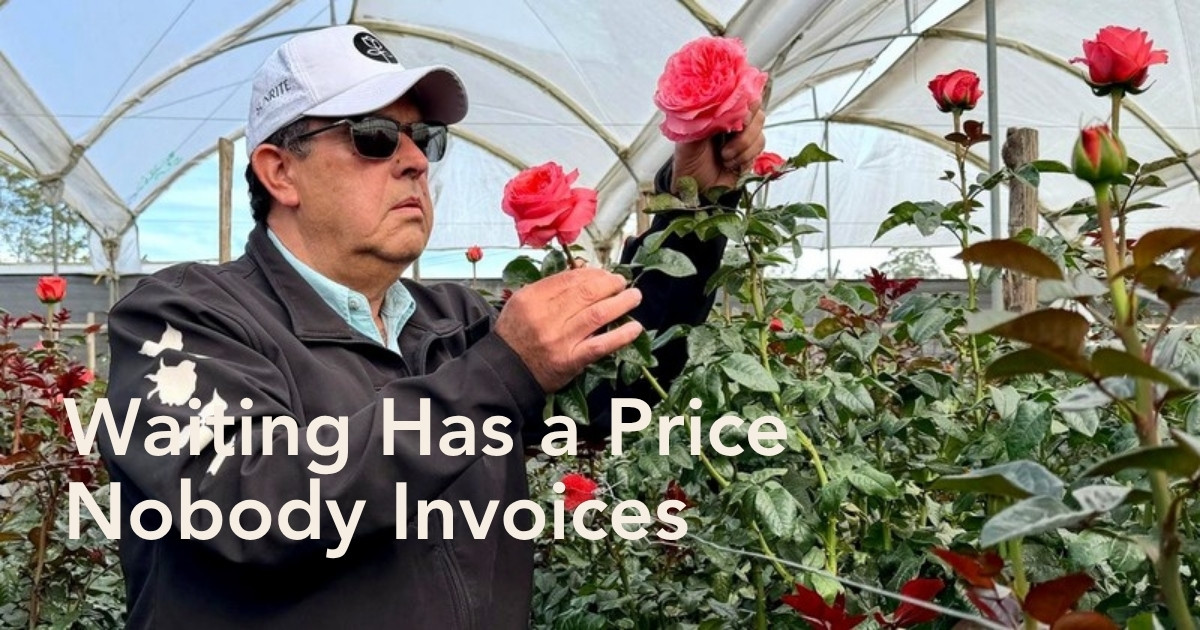
Header image: Rolando Mejía with Candy X-Pression roses at Sunrite Farms, photo by Soraya Noboa, courtesy of Sunrite Farms. Featured image: Eduardo Letort with Dragonfly roses, photo by the marketing team of Hoja Verde.