The US state of South Carolina is known for its historic coastal cities, its working harbors and islands, and its inland counties shaped by agriculture and industry. From the Blue Ridge foothills to the South Carolina coast, the state's identity is inseparable from its plants, waterways, and long cultural history.
Among all of its natural emblems, the state flower of South Carolina stands out. Instead of a showy hybrid rose, lawmakers chose a delicate flower that threads through hedgerows, fences, and woodland edges: the yellow jessamine. Officially recorded as Gelsemium sempervirens, this evergreen vine became such a powerful symbol that it now accompanies discussions of the Palmetto tree, state bird, blue granite, and other iconic state symbols.
Yellow Jessamine - The State Flower of South Carolina
The South Carolina state flower is the yellow jessamine (Gelsemium sempervirens), sometimes written as Carolina jessamine or Carolina jasmine. Gardeners and field guides also list names such as evening trumpet flower and trumpet vine, reflecting its long, tubular, funnel-shaped flowers.
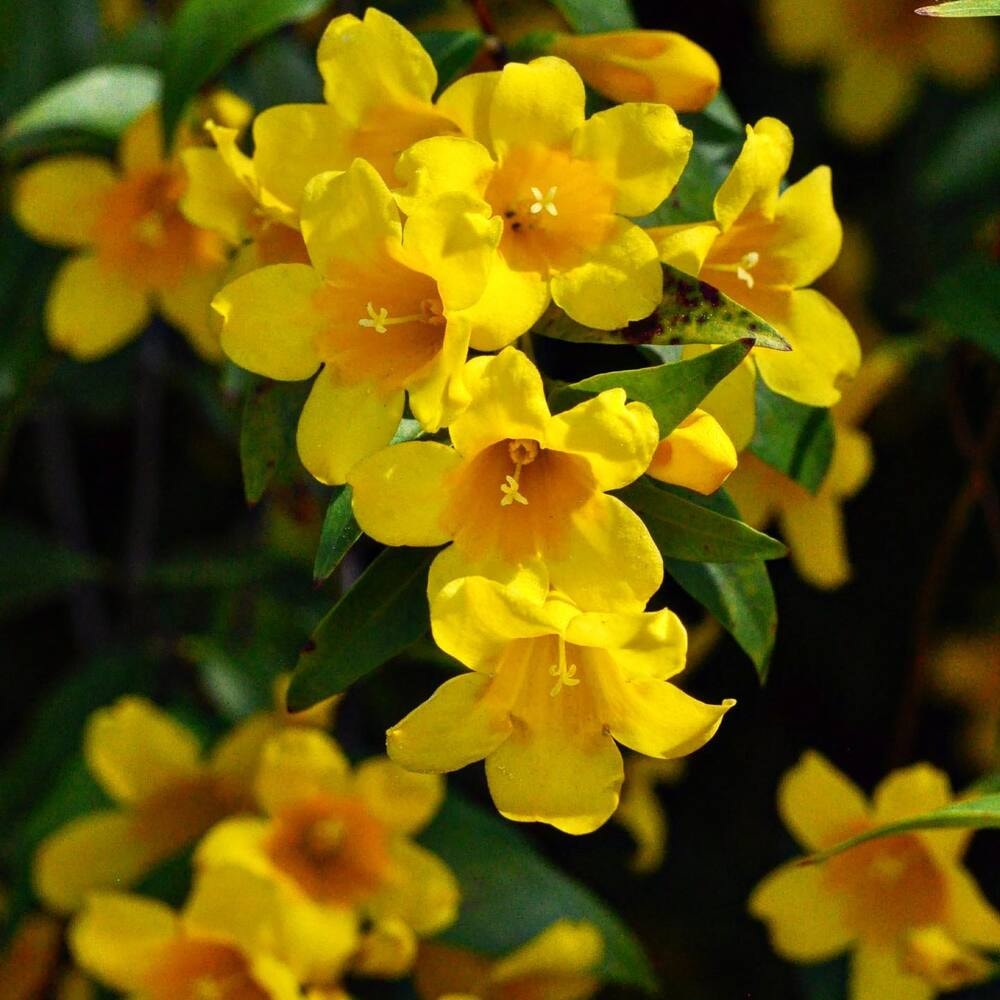
As an official state flower, yellow jessamine is deeply tied to the identity of the Palmetto State. The South Carolina legislature selected it because it appears across much of the South Carolina state landscape and because its bright yellow flowers and sweet fragrance carry strong metaphorical weight. In their language, this delicate flower suggests a 'pureness of gold', and its perpetual return after dead winter suggests steadiness - 'loyalty to and patriotism' and 'patriotism in the service' of the state.
Today, the South Carolina state flower is widely recognized, taught in schools, and used as shorthand for the state's countryside. It stands alongside other official emblems such as the Sabal Palmetto tree (Sabal Palmetto, the state tree), yellow jessamine as state flower, and goldenrod as official state wildflower, collectively forming a sort of 'state tapestry' of natural icons.
When (and How) Yellow Jessamine Became the Official State Flower
Yellow jessamine was designated the official state flower of South Carolina in 1924, after years of informal affection for the plant. At that time, many states were selecting floral emblems, and the South Carolina legislature chose a native vine already familiar to residents from gardens, fences, and woodland margins.
In explaining their choice, legislators emphasized that this delicate flower suggests value on several levels: its golden color was compared to precious metal, while its perpetual return from late winter into early spring was said to embody resilience. The official documents explain that this delicate flower "suggests the pureness of gold," and that its reappearance out of the dead winter suggests "constancy in, loyalty to, and patriotism in the service of the State." These phrases, repeated in state handbooks and educational material, still frame how South Carolina views its floral emblem.
The choice of yellow jessamine came before other emblems such as Indian grass as state grass, goldenrod as official state wildflower, blue granite as state stone, and additional official state foods and artifacts. Over time, the state symbols framework has expanded, but the South Carolina state flower remains at the center of that story.
Botanical Profile of Gelsemium Sempervirens - An Evergreen Vine of the Southeast
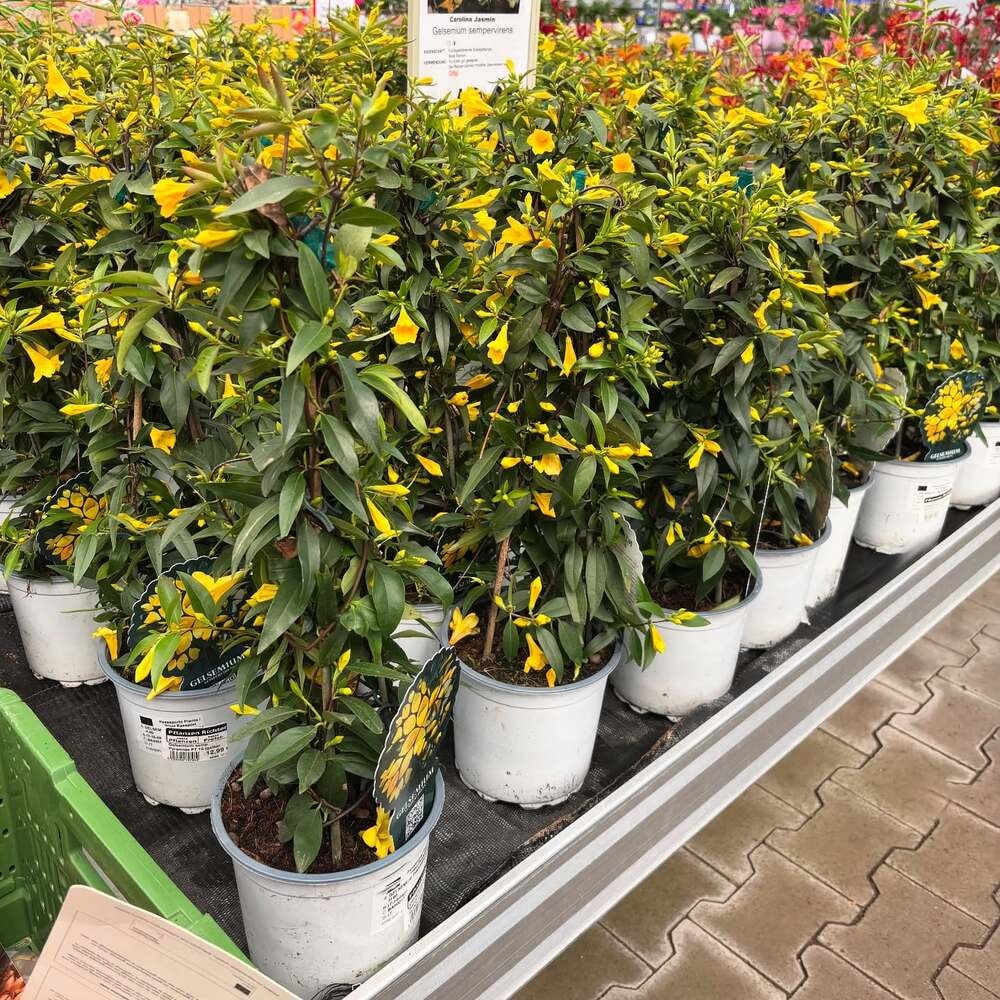
Botanically, yellow jessamine is Gelsemium sempervirens, a twining evergreen vine of the family Gelsemiaceae, native to the Southeastern United States from Texas to Virginia. The species name sempervirens literally means "always green", describing foliage that persists through winter rather than dropping with the cold.
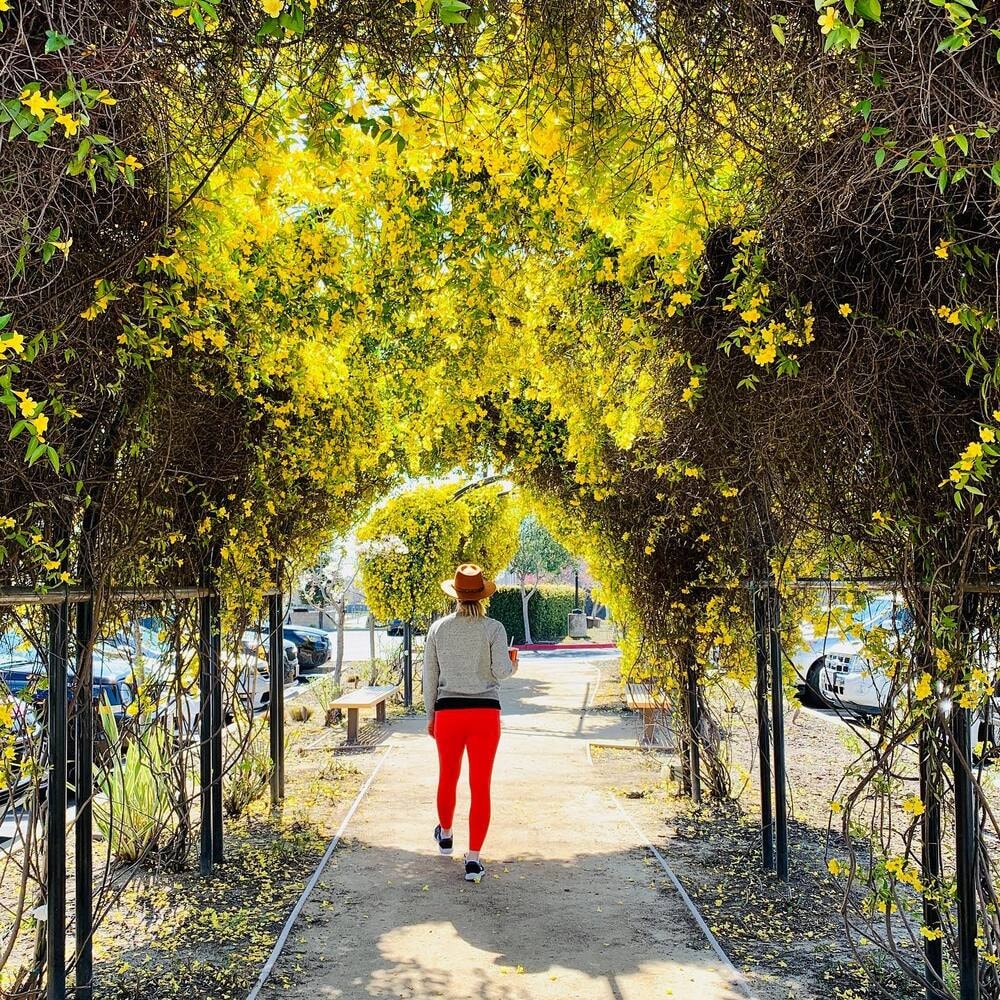
In South Carolina, this vine threads naturally through woodland edges, old field margins, and rural county roadsides. It often climbs shrubs and small trees or runs along fences, where clusters of yellow flowers stand out against dark green leaves. Gardeners have long trained the plant over arbors and trellises, taking advantage of its capacity to stand both heat and occasional cold snaps when sited correctly.
Leaves, Flowers, and Growth Habit of Yellow Jessamine
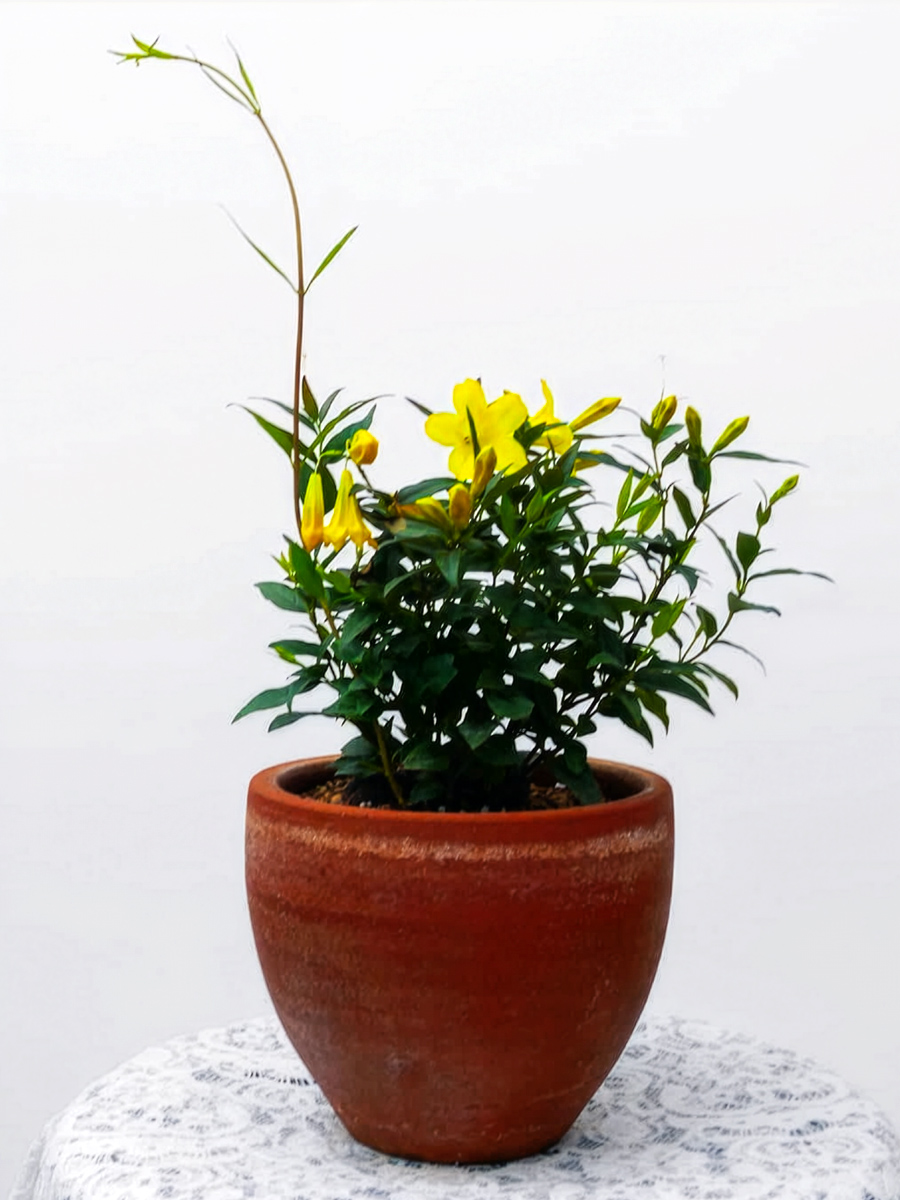
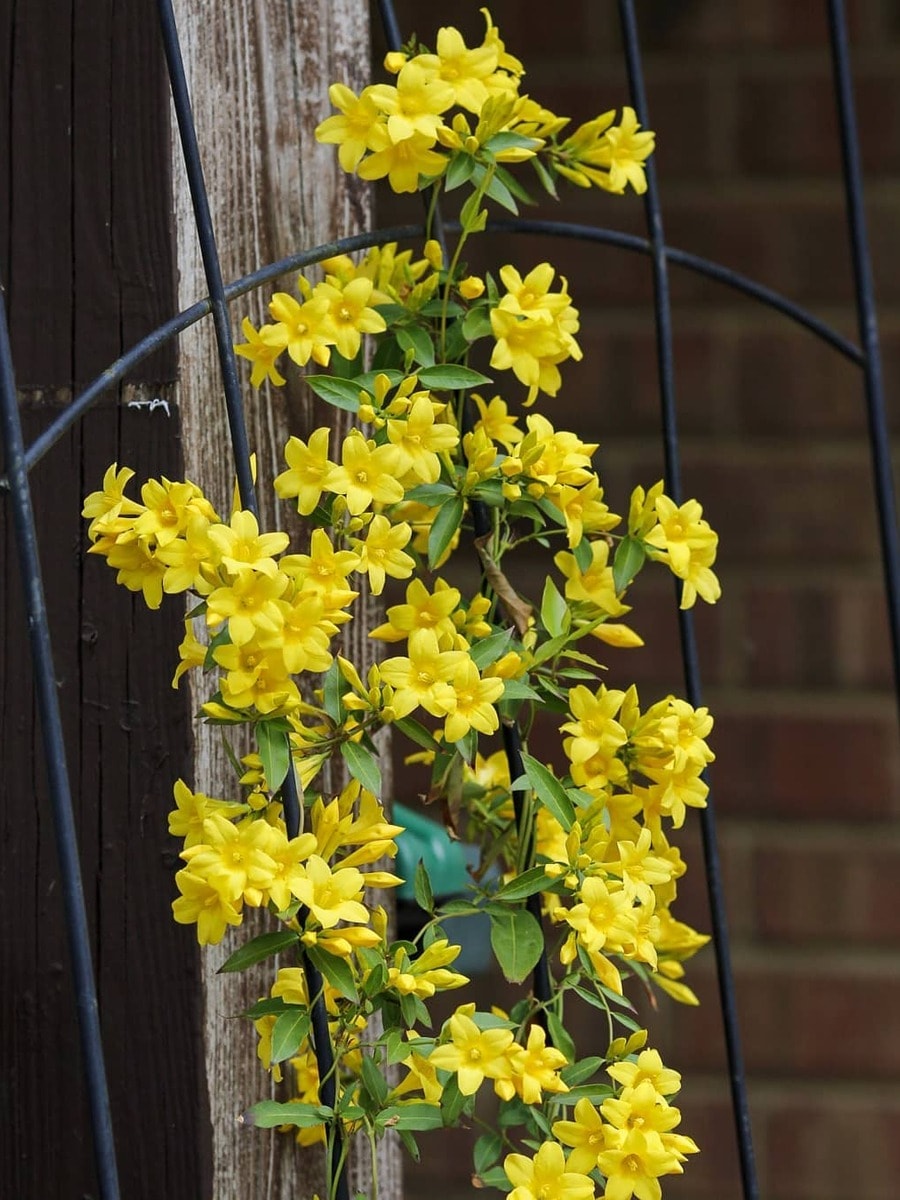
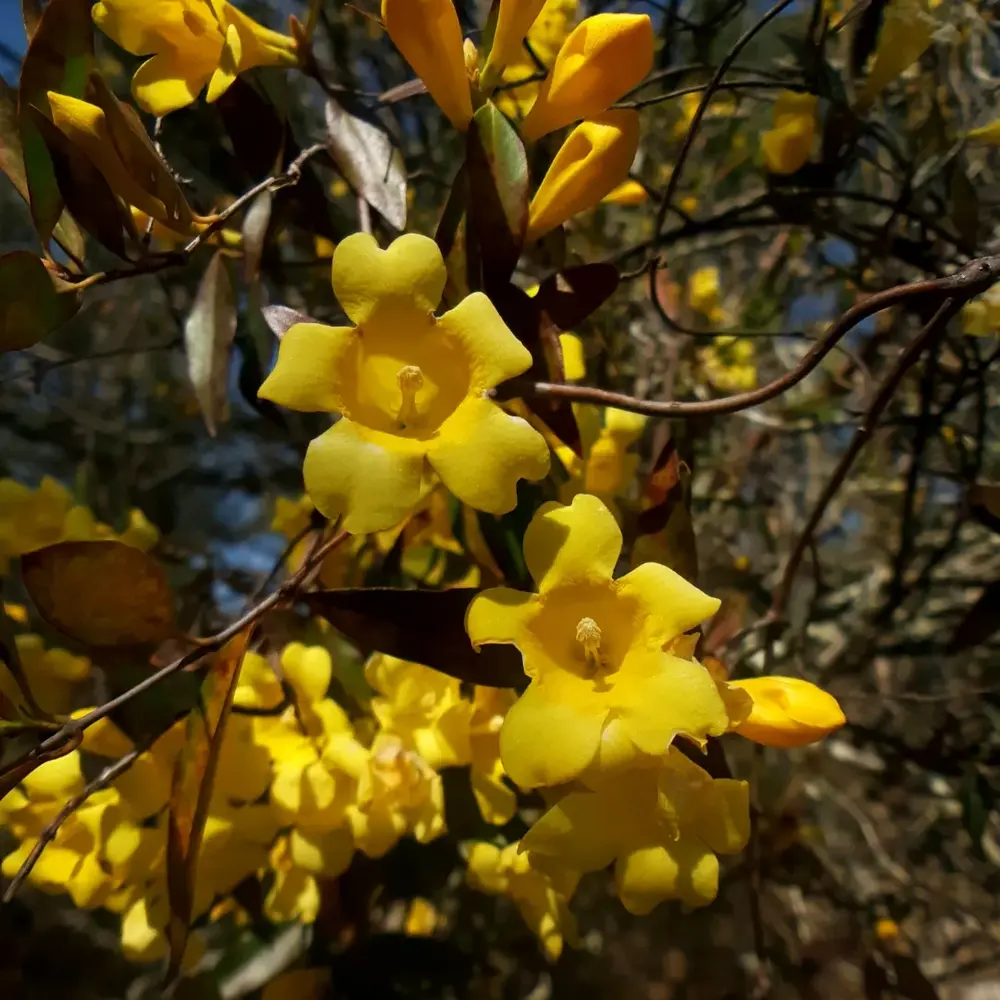
The leaves of Gelsemium sempervirens are narrow and glossy, typically lance-shaped with overlapping lobes near the stem on more mature growth. The flowers form in clusters near the ends of stems. Each flower has a tubular, almost funnel-shaped form that opens into a flared mouth, creating the familiar trumpet profile. The petals form a continuous corolla rather than separate segments, and the interior often appears deeper yellow or even tinged with gold.
Most plants reach several meters in length when provided with support, though pruning can keep the vine compact in smaller gardens. In well-drained soil and full sun, yellow jessamine is vigorous; it also tolerates partial shade in woodland gardens, aligning well with many South Carolina state landscapes.
Flowering Season for Yellow Jessamines - From Dead Winter to Early Spring
The state flower of South Carolina is especially valued for its timing. Yellow jessamine typically produces its flowers from late winter into early spring, often reaching a peak around February and March, depending on local conditions.
In many parts of South Carolina, the vines are already displaying strings of yellow trumpets when other plants still look dormant. This is why official descriptions note that its perpetual return from the dead winter is so striking. The dead winter suggests dormancy and stillness, but the jessamine's appearance signals movement again in the seasonal cycle, reinforcing the ideas of "loyalty to and patriotism" and "patriotism in the service" of the state that the legislature wished to highlight.
In ecological terms, the early flowering period offers nectar and pollen to insects when food is otherwise scarce. Bees, other pollinators, and some butterflies visit these flowers, drawn by their sweet fragrance and clear color signal against evergreen foliage.
Fragrance, Toxicity, and Misidentification
Despite its fragrant appeal, yellow jessamine is also poisonous. All parts of Gelsemium sempervirens contain toxic alkaloids; ingestion can cause severe symptoms in people and animals. There are historical accounts of children and livestock being harmed after mistaking this delicate flower for honeysuckle or other safe ornamentals. In some cases, contact with sap or heavy exposure to flowers may even trigger an allergic reaction in sensitive individuals.
Because the flowers resemble those of some jasmine species, the plant is frequently called Carolina jasmine or simply jasmine, even though it is not botanically related to true Jasminum species. This overlapping common language - yellow jessamine, Jessamine, Carolina jasmine, Carolina jessamine, and evening trumpet flower - is part of what makes the South Carolina state flower so well known beyond strictly botanical circles.
For gardeners, this combination of sweet fragrance and toxicity means placing the plants thoughtfully: out of reach of children, away from pets, and clearly labeled to avoid confusion with edible or medicinal species.
Yellow Jessamine Within South Carolina’s Web of State Symbols - A Flower Among Many Emblems
The state of South Carolina has constructed a rich network of state symbols to express its identity. Alongside the official state flower, the state recognizes:
- The Palmetto tree (Sabal Palmetto) is the state tree, central on the state flag and state seal, honoring the palmetto log fort on Sullivan's Island that helped absorb British cannon fire.
- Goldenrod as official state wildflower.
- Indian grass is the state grass.
- Collard greens are the state vegetable.
- The Carolina wren as state bird.
- The lettered olive as the official state shell is linked to the South Carolina coast and its long tradition of beachcombing.
- Blue granite is the official state stone, quarried in Fairfield County, and widely used in public buildings.
Cultural artifacts also enter this system of emblems. Sweetgrass baskets, created by Gullah-Geechee basket weavers using sweetgrass and palmetto strips, are recognized as a distinctive Lowcountry craft; sweetgrass baskets now feature in discussions of heritage as often as references to boiled rice or cotton.
Foodways add other threads: boiled peanuts as a state snack and the long-standing dairy industry in rural South Carolina each speak to the role of agriculture.
Within this dense network of emblems and practices, the state flower of South Carolina - yellow jessamine - occupies a quiet but central place. It does not dominate in mass or height, yet it weaves through trees, fences, and hedges, echoing how the state's cultural traditions, such as sweetgrass baskets or lettered olive shell collecting, run through daily life. This is why many writers refer to yellow jessamine as part of the state tapestry of the Palmetto State.

Ecology and Garden Use in South Carolina
Yellow jessamine is native to the southeastern United States and adapts well to the varied terrains of South Carolina, from sandy coastal soils to richer inland clays. In cultivation, the official state flower is usually planted in well-drained soil, with enough sun to ensure abundant flowers. Gardeners use it to soften walls and fences, or to frame entries where its yellow trumpets can signal seasonal change.
Because the species is poisonous, design strategies in public spaces often emphasize height and support, training the vine so that its flowers are enjoyed visually and as a fragrant element rather than touched or tasted. Even in private gardens, experienced South Carolinians who grow the South Carolina state flower combine appreciation with caution.
In contrast to more demanding ornamental plants that require frequent feeding or pruning, the state flower is relatively undemanding once established, making it a practical choice for landowners who want to support native plants and wildlife without intensive daily care. That practicality helps explain why the official state description emphasizes both aesthetic and ecological value.
Broader Connections of Yellow Jessamine - From California to Wadmalaw Island
The state flower of South Carolina does not exist in isolation from the rest of American horticulture. For example, South Carolina is second only to California in certain crops such as peaches, and tea production on Wadmalaw Island has become another well-known agricultural reference point for the state.
Meanwhile, the lettered olive state shell appears on beaches along the South Carolina coast, just as blue granite from inland quarries has been used in the construction of public buildings. Together with the official state flower, the state’s symbols - stone, shell, state bird, state vegetable, and others - connect upland farms to barrier islands, and inland county seats to coastal markets.
The presence of yellow jessamine on historic battlefields, around older farmsteads, and in contemporary developments tells a continuous story: the flowers that symbolize "loyalty to and patriotism" and "patriotism in the service" of the state are still visible markers of place, even as economic sectors from the dairy industry to tourism change over time.
Why the South Carolina State Flower Still Matters
For educators, the South Carolina state flower offers a way to discuss ecology, history, and civics together. Students learn how a native plant like Gelsemium sempervirens was chosen, what the legislature intended when it said that this delicate flower suggests moral qualities, and how that language fits into wider discussions of representation.
For conservation groups and gardeners, yellow jessamine illustrates both opportunity and responsibility. Its value for early-season pollinators contrasts with its poisonous chemistry; its status as the official state flower encourages planting, but awareness of allergic reaction risks and pet safety is essential.
For cultural historians, the plant sits alongside the palmetto, blue granite, lettered olive, sweetgrass baskets, and other emblems as a node where landscape and memory intersect. When South Carolinians refer to themselves as residents of the Palmetto State, the image tends to include, implicitly, the golden strands of jessamine running through pines and over porch railings.
In short, the state flower of South Carolina is not just a decorative choice. Yellow jessamine is part of how the state articulates its sense of place, linking winter and early spring, the coast and the uplands, and private gardens with public service and shared values of "loyalty to and patriotism."
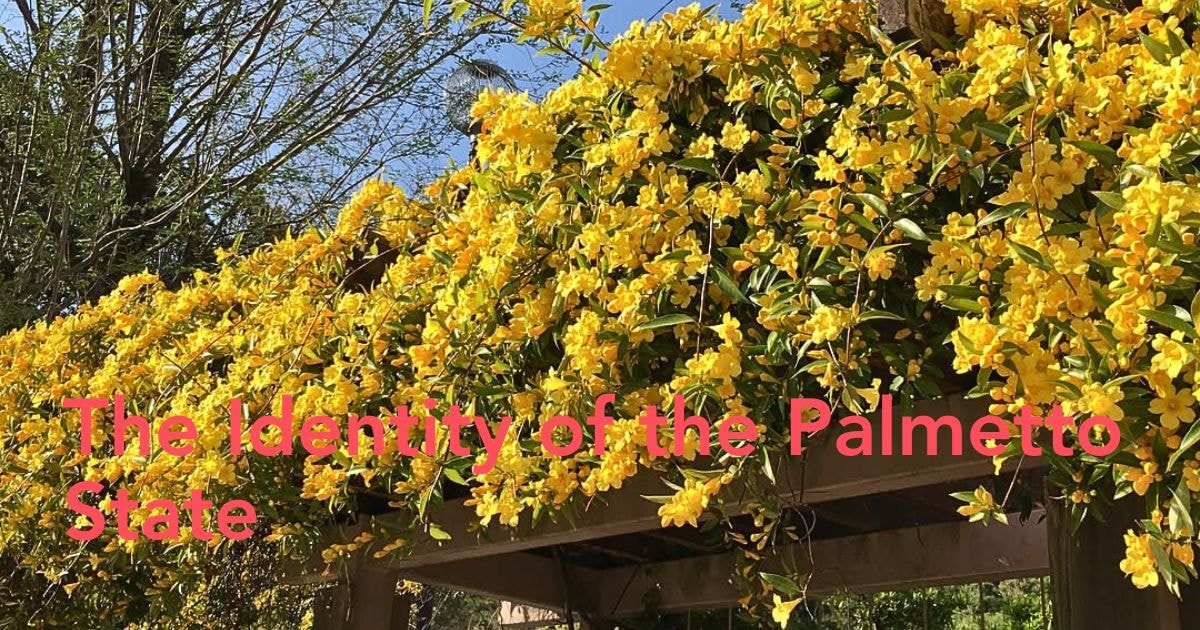
Header image by @maruyuzu.chiru.