Kentucky is widely associated with rolling bluegrass pastures, thoroughbred horse racing, and the vibrant energy of Louisville and other historic towns. Yet when it comes to the state’s floral identity, it is not the famous Kentucky bluegrass that represents the Kentucky state story, but a wildflower that blazes across fields and roadsides in late summer and early fall: the goldenrod.
Today, the state flower of Kentucky is the goldenrod (botanical name: Solidago), a native plant whose luminous yellow plumes are instantly recognizable across much of the state. More than a decorative flourish, this flower has become an emblem of resilience, diversity, and the understated beauty of everyday landscapes. The way this official state flower was chosen - and the particular variety associated with Kentucky - reveals a great deal about how people here see their land and their shared identity.
State Flower of Kentucky - From Bluegrass to Goldenrod
Before goldenrod took center stage, Kentucky bluegrass had been informally regarded as the state’s floral emblem. By the early 1900s, however, gardening clubs and civic leaders argued that a grass could not truly represent the full breadth of Kentucky’s flora - and that bluegrass only reflected one region of the state. They called for an official state flower that better reflected the state's landscape as a whole.

Goldenrod quickly emerged as the favorite. It grows abundantly in meadows, forest edges, pastures, and road verges, from river lowlands to upland ridges. The plant’s generous sprays of tiny yellow flower heads seem to catch and hold sunlight, offering a striking contrast to the blue of Kentucky’s flag, where a wreath of goldenrod now frames the state seal.
Importantly, this choice was about inclusion. Goldenrod thrives in many different areas of the state, not just in one famous region. For lawmakers and gardening clubs, that widespread presence made it the perfect candidate for the official state flower, signaling that Kentucky’s story is written across farms, forests, towns, and wild spaces, not in any single landscape.
When (and How) Goldenrod Became the Official State Flower
In March 1926, the Kentucky legislature formally designated goldenrod as the official state flower, replacing bluegrass. The decision followed sustained advocacy from gardening clubs and citizens who wanted a native flower, not a grass, to represent their state. On March 16 of that year, a Senate resolution confirmed goldenrod’s new role, anchoring it in statute and in Kentucky’s public imagination.
The statute itself did not initially specify a particular variety of goldenrod. Later, however, state information clarified that Solidago gigantea - often called giant goldenrod - would stand as the symbolic species. This detail matters because Solidago gigantea is especially common across Kentucky, forming vivid drifts of yellow in moist fields and along waterways.
About 30 varieties of goldenrod are found in Kentucky, collectively forming a defining feature of the late-summer countryside. Botanists and conservationists note that about 30 varieties are currently recorded in the state’s flora, underscoring how deeply the genus Solidago is woven into local ecosystems.
Kentucky is not alone in elevating goldenrod. Nebraska has also named goldenrod its state flower, and South Carolina has adopted a goldenrod species as its state wildflower. Delaware chose sweet goldenrod (Solidago odora) as its state herb, showing how different states have singled out this diverse group of plants for distinct symbolic roles.
Natural History of Goldenrod in the Bluegrass State
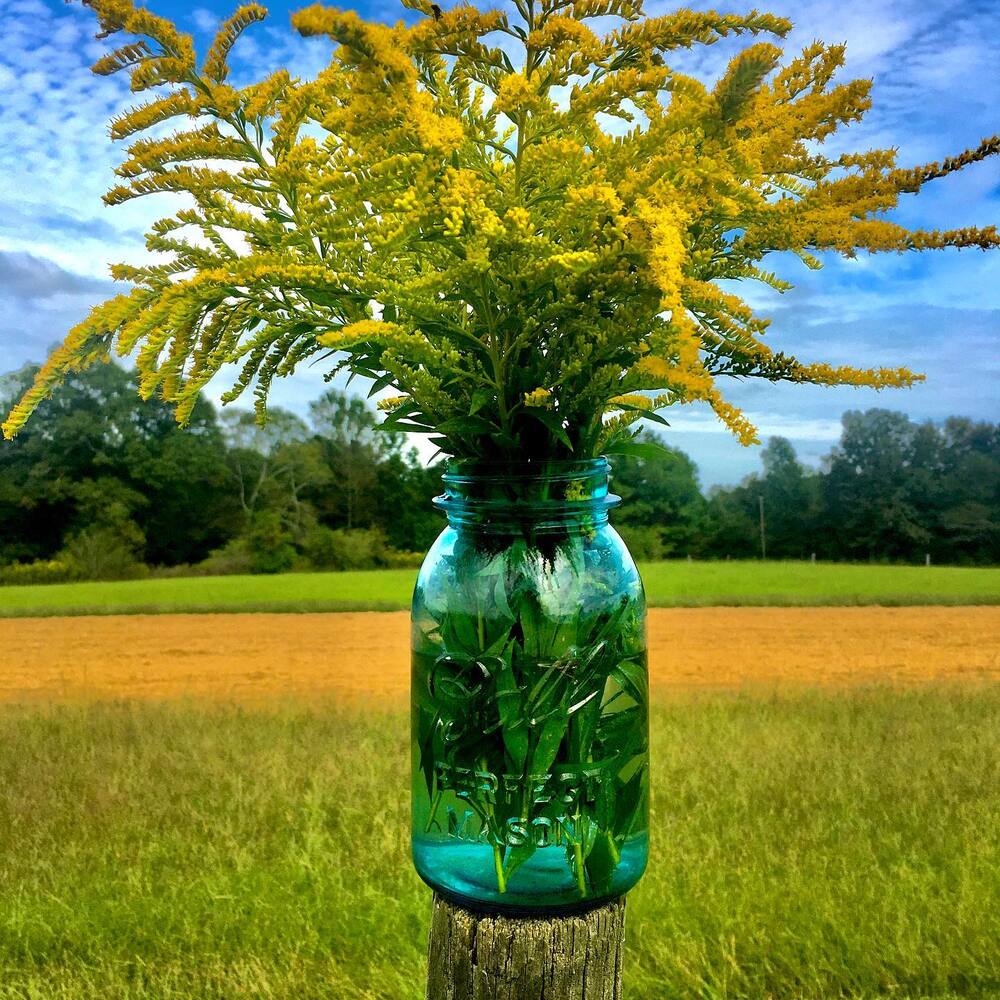
Solidago gigantea is a perennial herb that can grow from three to seven feet tall, with smooth stems and narrow, lance-shaped leaves arranged along the upper stem. At the top, the plant carries an elegant inflorescence made up of hundreds of tiny composite flower heads - each one a miniature cluster of ray and disc florets that together create those familiar, feathery golden sprays.
This goldenrod grows in a wide range of habitats, from damp fields and streambanks to open grass margins and disturbed ground. It is at home in the rolling bluegrass region, but it is equally common in southern counties, river valleys, and upland clearings. In late summer and early fall, huge swathes of the state glow with yellow as these plants flower in succession.
Goldenrod is a genuinely native plant across much of North America. In Kentucky, its native status and adaptability make it an ideal state symbol. The plant spreads both by seed and through underground rhizomes, forming colonies that can hold soil on slopes, stabilize moist ground, and coexist with other wildflowers and grasses in mixed meadows.
Goldenrod, Native Americans, and Cultural Heritage
Long before goldenrod became Kentucky's state flower, Native Americans used various Solidago species in traditional medicine. Ethnobotanical records describe teas made from leaves and flowers, used as diuretics, for kidney support, and as soothing remedies for colds or sore throats. The name Solidago, itself Latin for “to make whole,” is a nod to its long medicinal history.

As European settlers arrived and Kentucky state communities developed, goldenrod remained part of everyday rural life. It colored pastures where livestock grazed, crept into the edges of cultivated fields, and supplied home remedies or dyes. Over time, the flower shifted from being just another native plant to a shared symbol of the state’s agrarian and ecological heritage.
Today, goldenrod appears in local art, educational materials, and tourism imagery that celebrate the bluegrass state. Its yellow plumes pair exceptionally well with the story of Kentucky bluegrass and horse racing, evoking paddocks, rail fences, and sweeping pastures where the vivid flower stands just beyond the grass.
Why This State Flower Matters for Wildlife
Ecologists consider goldenrod a keystone species in many North American habitats. The dense flower clusters produce abundant nectar and pollen that feed bees, flies, wasps, and butterflies late in the season, when many other plants are past their peak. In Kentucky, that means goldenrod helps sustain pollinators right through late summer and into early fall.
The plant is significant for butterflies and moths; dozens of species rely on goldenrod as a larval host plant or as a late-season nectar source. Birds and small mammals feed on its seeds and sometimes browse the leaves and upper stem, making goldenrod a valuable food resource in several layers of the food web.
Contrary to popular belief, goldenrod is not the primary culprit behind seasonal allergies. Its pollen is relatively heavy and sticky, designed to cling to visiting insects rather than travel far on the wind. The real problem is usually ragweed, which flowers at the same time and releases vast quantities of wind-borne pollen - an important fact to share whenever the state flower of Kentucky gets unfairly blamed.
Symbolism, Values, and the Kentucky State Story
Symbolically, goldenrod conveys energy, optimism, and quiet strength. Its bright yellow flower heads rise above grasses and other plants, yet do not overwhelm their neighbors. This balance reflects Kentucky state values: a mix of ambition and humility, of striving forward while remaining grounded in the land.
For many people, the state flower of Kentucky also represents perseverance. Goldenrod grows where conditions are challenging – along dry banks, in compacted roadsides, in fields that have seen hard use. Yet it still produces generous clouds of blossoming flowers that feed pollinators and delight people passing by. That toughness resonates with communities that have weathered economic shifts, changing industries, and the demands of modern life.
Goldenrod’s connections go beyond state borders. Nebraska also selected goldenrod as its state flower, while South Carolina chose a goldenrod species as its wildflower, and Delaware honors sweet goldenrod, Solidago odora, as its state herb. Together, these choices underline how widely respected this genus has become as a symbol of native resilience and ecological richness.
Within Kentucky itself, the goldenrod’s status as the official state flower also reinforces a commitment to native plants. By elevating a native species rather than an imported ornamental, the legislature sent a quiet but meaningful signal that the state’s own flora deserves recognition, protection, and celebration.
goldenrod in Fields, Gardens, and Everyday Landscapes
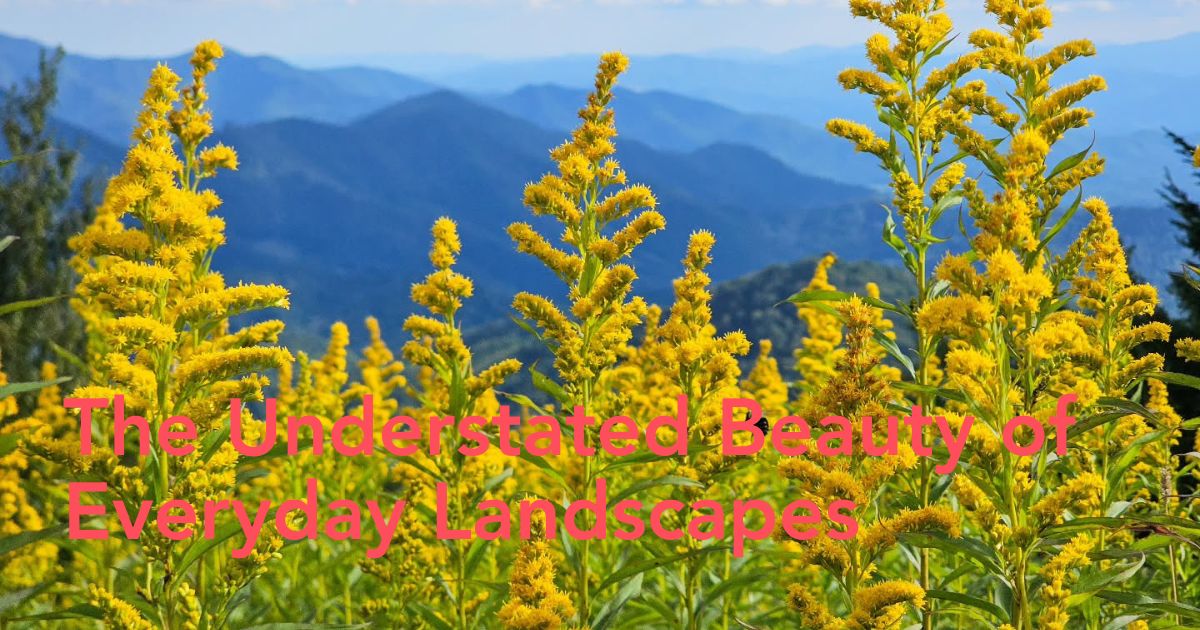
In peak season, goldenrod can appear as billowing yellow drifts across fields, along fence lines, and in fallow corners of farms. The plants grow several feet tall, with arching inflorescences that bend under the weight of hundreds of flower heads. Seen en masse, they lend a golden haze to the landscape, a familiar sight to people driving Kentucky backroads.
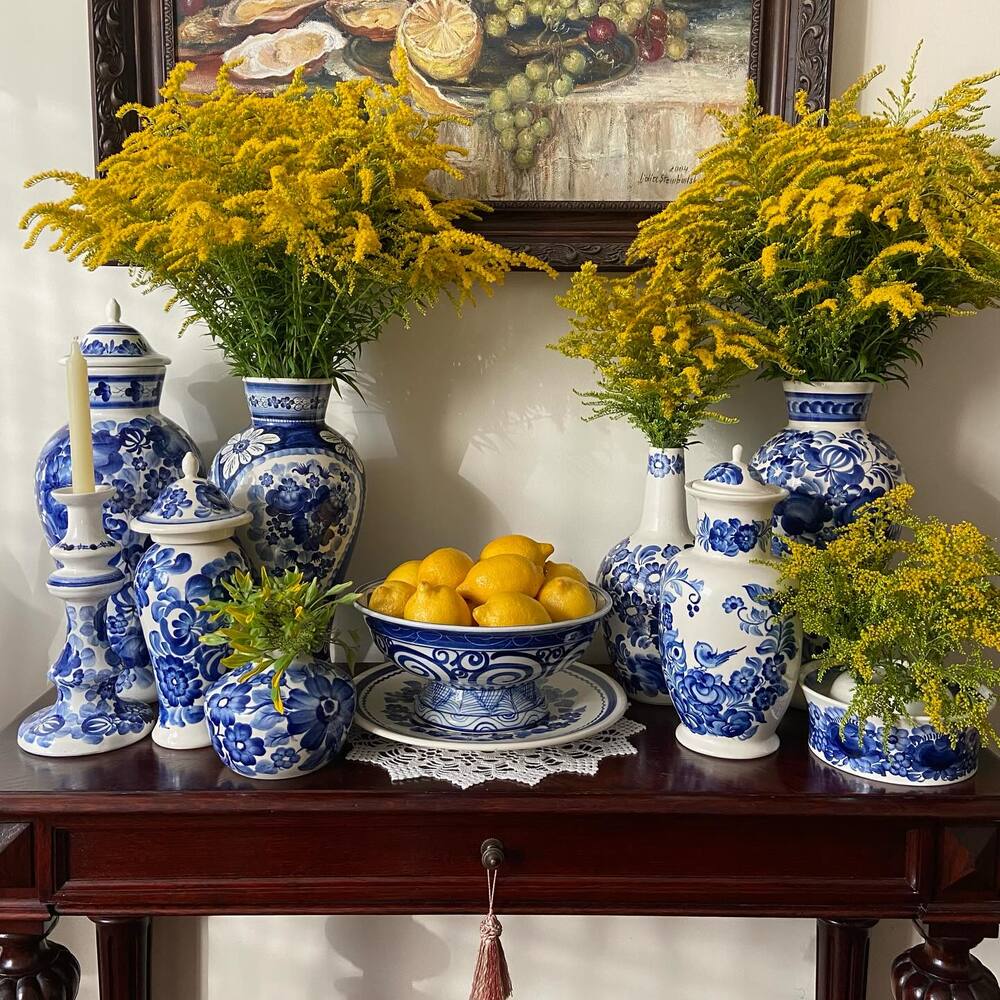
Increasingly, gardeners and designers in Kentucky state communities are incorporating goldenrod into pollinator gardens, prairie-style plantings, and naturalized borders. Because Solidago gigantea grows well in full sun and moist, well-drained soils and spreads gradually, it can fill larger spaces without demanding excessive care. Its leaves form a vertical, textured backdrop for other native plants, while its late-season flowering extends the garden’s interest well into September and October.
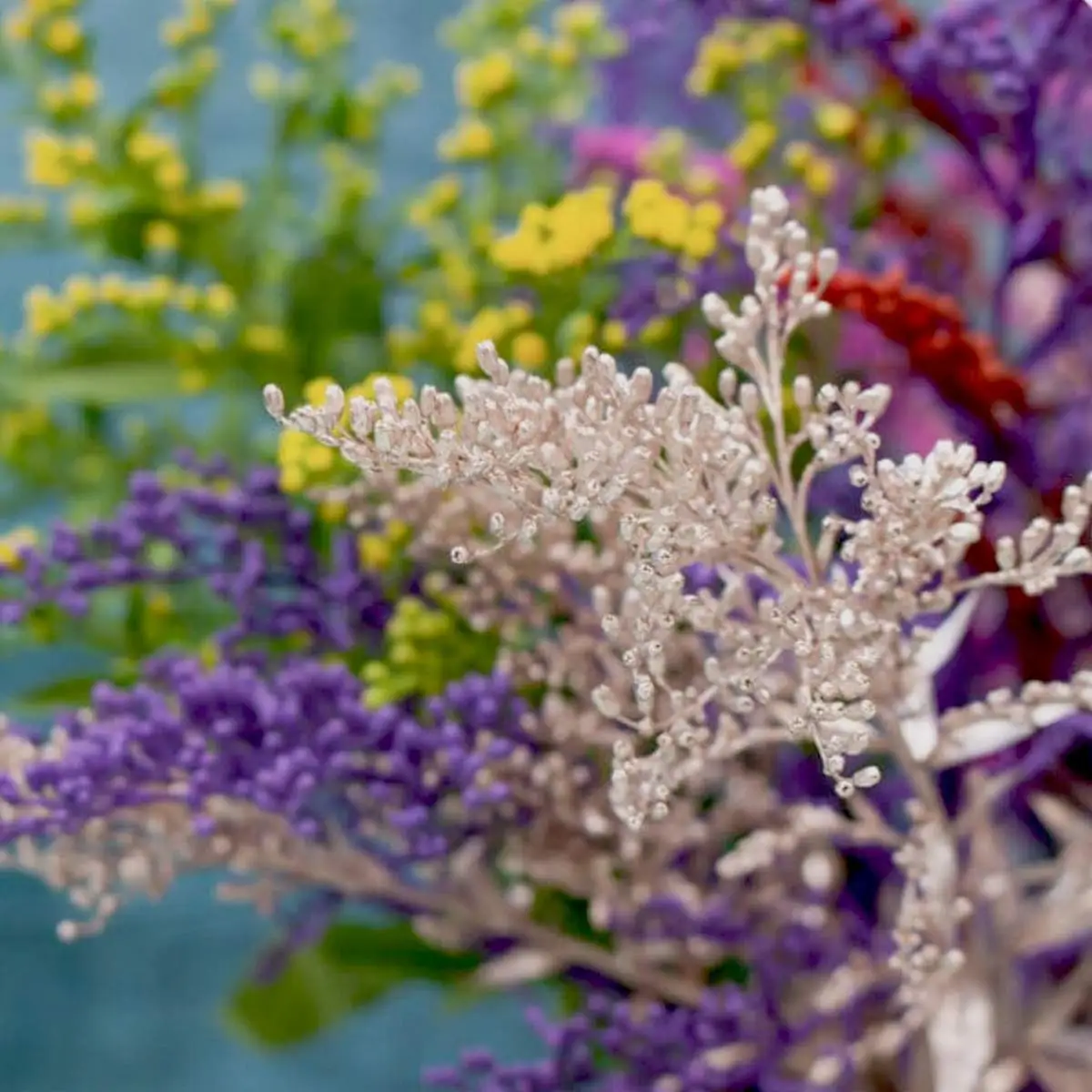
Native plant advocates often recommend pairing Solidago with blue and purple species, such as Asters, for a classic late-season combination. In Kentucky, that contrast echoes the interplay between bluegrass pastures and the golden wildflowers that border them, creating a living reference to both the historic bluegrass identity and the newer goldenrod symbol.
Contemporary Relevance and Education Related to the State Flower of Kentucky
Nearly a century after it was first designated, the state flower of Kentucky continues to feature in classrooms, nature centers, and public events. Schoolchildren learn to recognize goldenrod’s yellow spikes and to distinguish it from ragweed. They are often introduced to fundamental ideas about pollinators, native species, and habitat conservation through this plant.
Environmental groups and gardening clubs use goldenrod as a flagship for broader conversations about native plants and biodiversity. It is an accessible example: easy to find, easy to understand, and straightforward to grow. By starting with a familiar state symbol, educators can guide people toward deeper information about ecological networks, climate resilience, and responsible land management.
For visitors and residents alike, seeing goldenrod is a reminder that Kentucky’s identity is rooted in more than Kentucky bluegrass and horse racing. The flower draws attention to roadsides, meadows, and small wild pockets within urban areas - the everyday landscapes where nature continues to thrive. In that sense, the official state flower doesn’t just represent Kentucky; it invites people to look more closely at the living systems that support the state today.